山姆会员店

Search documents
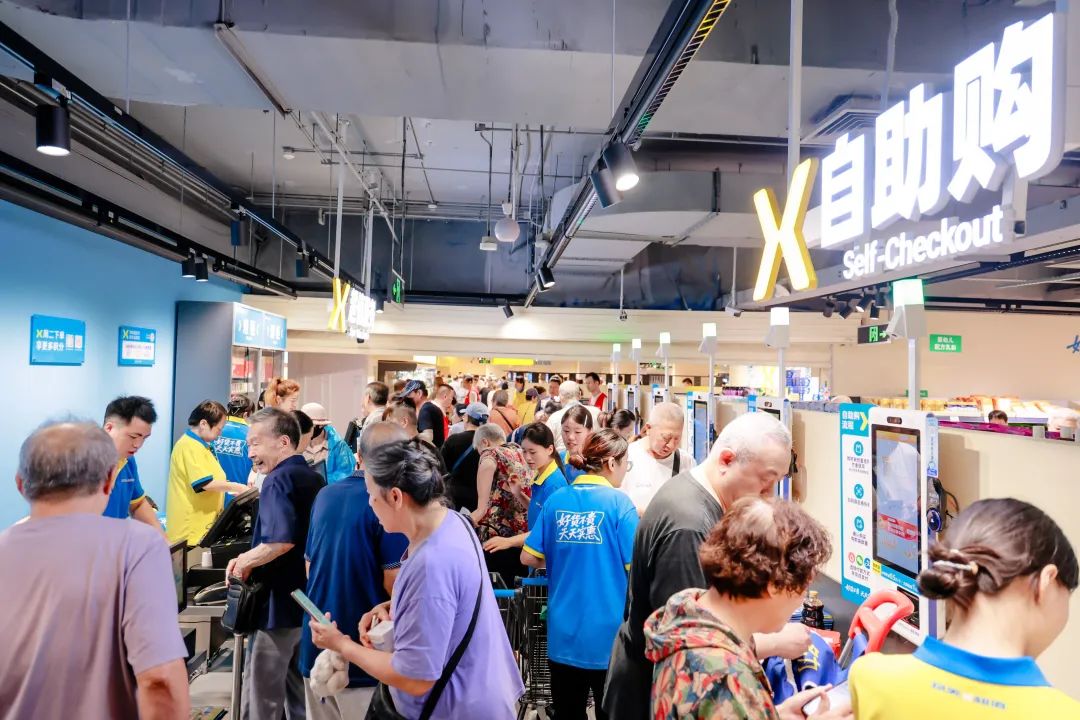
盒马告别会员店
Jing Ji Guan Cha Wang· 2025-08-04 11:33
Core Viewpoint - Hema has completely abandoned its membership store model, which was initially seen as a "second growth curve" to compete with Costco, following the closure of all its membership stores across China [1][2][5]. Group 1: Business Strategy and Adjustments - Hema's parent company Alibaba is shrinking its retail footprint, selling off subsidiaries like Gao Xin Retail and Intime [1]. - The competitive landscape for membership stores in China has intensified, leading to a slowdown in overall expansion [1][4]. - Hema is reallocating resources to focus on its core businesses, Hema Fresh and Hema Neighbor Business (NB) [1][7]. Group 2: Membership Store Development and Closure - Hema X membership stores were launched over four years ago, with the first store opening in Shanghai in October 2020 [2][3]. - By October 2023, Hema had opened a total of 10 membership stores across major cities, including Shanghai, Beijing, Nanjing, and Suzhou [3]. - The closure of Hema X membership stores aligns with a management transition, as new CEO Yan Xiaolei aims for stable development and profitability [6][7]. Group 3: Market Competition and Consumer Response - The membership store sector in China saw rapid growth with the entry of Costco and Sam's Club, prompting local retailers to follow suit [4]. - Hema's membership store model faced challenges in differentiating its product offerings and maintaining competitive pricing, leading to consumer dissatisfaction [8][9]. - Despite the closure of physical membership stores, Hema continues to offer membership benefits through online platforms and promotional activities [10].
山姆塌房了,但会员制仍值得一聊
3 6 Ke· 2025-08-01 03:49
Core Insights - The controversy surrounding Sam's Club's product selection reflects a clash between the evolving consumer psychology of China's middle class and their anxieties regarding domestic products [1][17] - Sam's Club's aggressive expansion strategy has led to significant sales growth, but recent missteps in product selection have jeopardized its core competitive advantage of high-quality offerings [3][4] Group 1: Business Performance - In fiscal year 2024, Sam's Club achieved net sales of $84.4 billion, accounting for approximately 13% of the company's total revenue [3] - As of January 31, 2024, Sam's Club operated over 600 stores globally, with plans to open 8 new stores in China by 2025, marking a record annual opening count [3][4] - Sam's Club's revenue in China surpassed 100 billion yuan in 2024, representing nearly two-thirds of Walmart's performance in the region [4] Group 2: Membership and Product Strategy - Sam's Club's membership model has been a double-edged sword; while it has driven growth, recent product controversies have led to member dissatisfaction [4][21] - The introduction of exclusive products and the Member's Mark brand has been central to Sam's Club's strategy, with Member's Mark accounting for over 20% of total sales in fiscal year 2023 [14][18] - The recent backlash against the low-sugar version of the Holleyou pie highlights a disconnect between the brand's promise of high standards and the reality of its product offerings [10][20] Group 3: Market Competition - Sam's Club faces increasing competition from both domestic and international players, including the German discount supermarket Aldi, which has expanded rapidly in China [23] - The rise of new retail formats, such as Hema, poses additional challenges to Sam's Club's traditional business model [21][23] - Consumer sentiment is shifting, with members expressing concerns over the perceived decline in product quality and exclusivity, leading to hesitations about renewing memberships [21][24]


快乐猴、物美超值、盒马NB、奥乐齐… 扎堆厮杀社区折扣超市,2025又一个零售新风口来了?
3 6 Ke· 2025-07-30 10:08
Core Insights - The community discount store sector is experiencing rapid growth, with multiple brands launching new stores and expanding their presence in major cities like Beijing and Shanghai [1][20][25]. Group 1: Company Developments - Wumart's "Wumart Super Value" opened its first six stores in Beijing, planning to expand to 25 stores within six months, focusing on hard discounting with over 60% of its SKUs being private label [15][13]. - Aldi, a century-old brand, has begun expanding beyond Shanghai into cities like Suzhou and Wuxi, achieving over 1 million yuan in sales on its first day in Wuxi [4][22]. - Hema NB has rapidly expanded to over 300 stores in East China, leveraging a strong supply chain to maintain a low fresh food loss rate of under 3% [7][8]. - Meituan's "Happy Monkey" plans to open its first store in Hangzhou by the end of August, with a long-term goal of 1,000 stores, focusing on refining its model before expanding further [11][12]. Group 2: Market Trends - Consumer behavior has shifted towards more rational spending, with over 70% of consumers prioritizing price when choosing community discount stores [22]. - The community retail market in China is projected to reach 23.8 trillion yuan by 2024, with significant growth potential as current penetration rates in first-tier cities remain below 10% [25][23]. - Traditional retail is under pressure from e-commerce and instant retail, prompting many to pivot towards community discount stores to regain market share [28][30]. Group 3: Competitive Landscape - Community discount stores are characterized by their strategic location within 1-2 kilometers of residential areas, ensuring easy access for consumers [36]. - These stores typically operate in smaller formats of 300-1,000 square meters, allowing for lower operational costs and increased flexibility [39]. - A focus on high cost-performance ratios is essential, with prices generally 20%-40% lower than traditional supermarkets, achieved through optimized supply chains and increased private label offerings [45][47]. Group 4: Future Outlook - Aldi and Hema NB are well-positioned to leverage their operational efficiencies and brand recognition to capture a larger market share as they expand [66][70]. - New entrants like "Happy Monkey" and "Wumart Super Value" face challenges in establishing their unique value propositions and operational efficiencies to compete effectively [71][73]. - The community discount store market is expected to see explosive growth by 2025, presenting both opportunities and challenges for existing and new players [74].
“胖东来/山姆店会员店”如何赋能“白酒”?丨首席锐评
Sou Hu Cai Jing· 2025-07-29 16:16
Core Insights - The modern retail complexes "Fat Donglai" and "Sam's Club" have recently gained significant attention in the liquor industry, achieving "billion-level single products" and "hundred billion-level revenue" amidst a challenging market environment [1] Group 1: Brand Strength - Both Fat Donglai and Sam's Club are backed by strong commercial brands, with Fat Donglai being a leading brand in Henan province known for its integrity and modern commercial practices, while Sam's Club is a high-end retail brand under Walmart that emphasizes product authenticity and value [3] - The liquor market faces intense competition, and the strong brand reputation of Fat Donglai and Sam's Club provides a composite endorsement of quality, value, price, and integrity for the liquor brands they carry [3] Group 2: Operational Model - Fat Donglai has created a transparent operational model that combines traditional values with modern practices, ensuring transparency in profit, pricing, and business models, which enhances consumer trust and experience [4] - Sam's Club focuses on high-end consumers, offering precise and data-driven services across product selection, pricing, and customer service, thereby providing added value to the products [4] - The integration of traditional Chinese philosophy with modern business wisdom at Fat Donglai aligns well with the cultural significance of liquor, while Sam's Club leverages technology and data analytics to optimize consumer targeting for premium liquor brands [4] Group 3: Market Dynamics - Traditional supermarkets are losing their status as primary sales channels for liquor, with modern supermarkets emerging as preferred platforms for liquor products, driven by innovative empowerment strategies [5] - The success of Fat Donglai and Sam's Club in the liquor industry highlights the need for creativity and innovation in combining traditional industries with modern commercial practices [5]
商超白酒成新宠,零售巨头如何引领白酒市场新风潮?
Sou Hu Cai Jing· 2025-07-28 00:10
Core Insights - A new force is reshaping the liquor market, driven by large retail giants like Pang Donglai, Sam's Club, and Hema Fresh, which are innovating sales strategies and capturing consumer interest [1][3] Group 1: Market Trends - The "Jiu Gui Jiu - Free Love" series launched by Pang Donglai in collaboration with Jiu Gui Jiu sold out quickly at a price of 200 yuan, indicating strong market demand [1] - Sam's Club's "General Fen" white liquor, priced at 115.9 yuan for a 950ml bottle, has consistently ranked at the top of white liquor sales on the Sam's app [1] - The trend of self-drinking and dining out is becoming mainstream as business banquets and gift-giving scenarios decline, leading to a demand for high-quality "daily liquor" priced below 300 yuan [3] Group 2: Retail Strategies - Retailers are leveraging customized white liquor to enhance competitive differentiation and brand influence, which allows them to maintain pricing power and attract more customers [4] - The collaboration between retail and production sectors is crucial, as supermarkets provide a new opportunity for small and medium-sized liquor companies to navigate industry cycles [4] - Supermarkets are utilizing their traffic advantages and membership data to effectively reach a broad consumer base, significantly reducing distribution costs [4] Group 3: Sales Performance - The sales of white liquor in supermarkets have become a common phenomenon, with products like "Free Love 1995" from Pang Donglai and "Green Neck Xi Feng" performing strongly [1][3] - The sales strategy focused on quality and cost-effectiveness has not only led to substantial sales performance for supermarkets but also provided new development insights for the liquor industry [6]
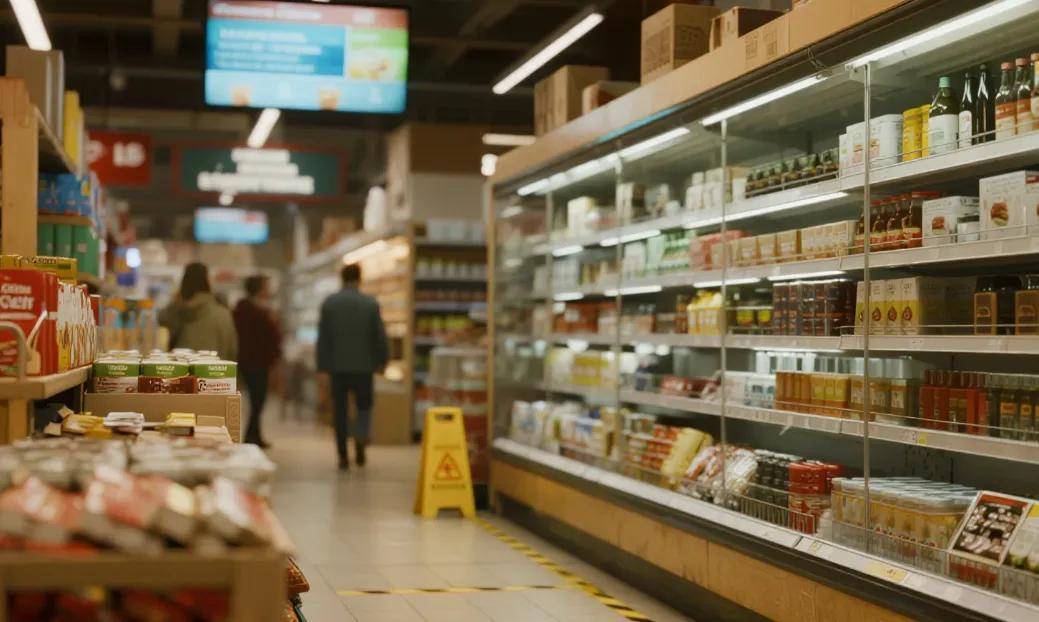
商超白酒热卖,胖东来、山姆等零售巨头如何打造白酒“新风口”?
Sou Hu Cai Jing· 2025-07-27 13:21
Core Insights - The recent surge in the liquor market is driven by large retailers like Pang Donglai, Sam's Club, and Hema Fresh, rather than traditional sales channels [1][3] - The "Jiu Gui Jiu・Zi You Ai" series launched by Pang Donglai in collaboration with Jiu Gui Jiu has gained significant attention, selling out quickly at a price of 200 yuan per bottle [1] - Sam's Club's "Jiang Jun Fen" liquor has also become popular, with a monthly sales volume that positions it at the top of the liquor sales rankings [1] Group 1: Market Trends - The popularity of liquor in supermarkets is attributed to the changing consumer demand, with self-drinking and dining out becoming the mainstream consumption patterns [3] - Most liquor products launched by supermarkets are priced below 300 yuan, catering to the urgent demand for "daily drinking liquor" [3] - Retailers like Pang Donglai, Walmart, and Hema have successfully attracted consumers by emphasizing high cost-performance as their main selling point [3] Group 2: Retail and Production Collaboration - The success of supermarket liquor sales is also due to close cooperation between retail and production sectors [4] - Custom liquor products enhance the competitive edge for retailers, allowing them to increase profit margins and attract more foot traffic through exclusive offerings [4] - For small and medium-sized liquor enterprises, supermarket channels present new opportunities to navigate industry cycles, leveraging the flow advantages and membership data of retailers [4] Group 3: Future Outlook - In the context of a sluggish traditional liquor market, supermarket channels have emerged as a unique advantage, focusing on consumer-centric strategies [6] - The new retail model enables precise insights into consumer needs, enhancing the overall consumer experience [6] - The growth of supermarket liquor sales may signal a new trend for the future development of the liquor industry [6]
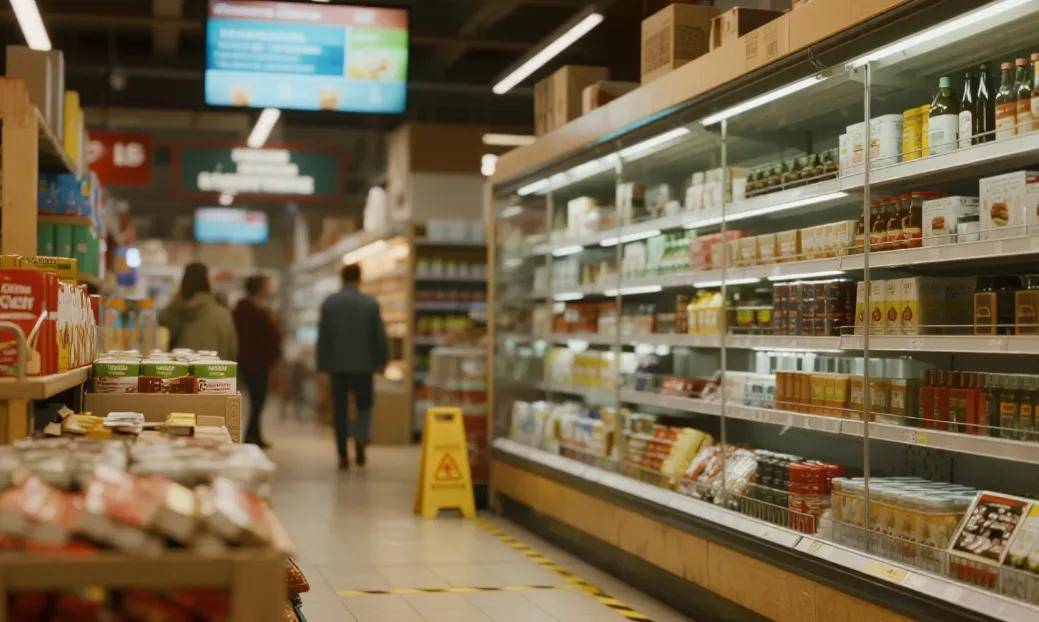
商超白酒逆势火爆,胖东来、山姆等如何解锁“新增长极”?
Sou Hu Cai Jing· 2025-07-27 10:45
Core Insights - The recent surge in the liquor market is driven by major retailers like Pang Donglai, Sam's Club, and Hema Fresh, rather than traditional sales channels [1] - The collaboration between Pang Donglai and Jiu Gui Jiu has resulted in the "Jiu Gui Jiu・Zi You Ai" series, priced at 200 yuan per bottle, which has seen explosive sales [1] - Sam's Club's "Jiang Jun Fen" liquor, priced at 115.9 yuan for a 950ml bottle, has achieved remarkable monthly sales, indicating the growing importance of supermarket channels in liquor sales [1] Market Trends - The explosive growth of supermarket liquor sales is not an isolated case, as liquor sales have become a norm in major supermarkets [1] - In 2022, the "Zi You Ai 1995" light bottle liquor from Pang Donglai and Baofeng Jiu consistently occupied a prominent position in liquor sections, contributing significantly to sales [1] - The "Jiang Jun Fen" product alone is expected to generate nearly 1 billion yuan in sales this year across Sam's Club and Costco [1] Consumer Behavior - Supermarket liquor's popularity is attributed to its precise targeting of consumer needs, with self-drinking and dining out becoming mainstream as business banquets and gifting scenarios decline [3] - Most supermarket liquor products are priced under 300 yuan, aligning with consumer demand for "daily drinking" options [3] - Retailers like Pang Donglai, Walmart, and Hema emphasize high cost-performance as a selling point to attract consumers [3] Retail and Production Collaboration - The success of supermarket liquor is also due to close cooperation between retail and production sectors [5] - Custom liquor products enhance differentiation for retailers, allowing them to improve profit margins and attract foot traffic through exclusive offerings [5] - For small and medium-sized liquor companies, supermarket channels provide a new pathway to navigate industry cycles, leveraging retail flow advantages and membership data to reach a broader audience [5] Industry Implications - The reverse growth of supermarket liquor offers new insights for the liquor industry, especially as traditional sales face challenges [7] - Supermarkets stand out by centering on consumer needs and enhancing consumer experience through new retail strategies [7] - A sales strategy focused on quality and cost-performance is emerging as a new trend in the liquor industry, suggesting that brands may need to move away from traditional paths and embrace new retail approaches [7]
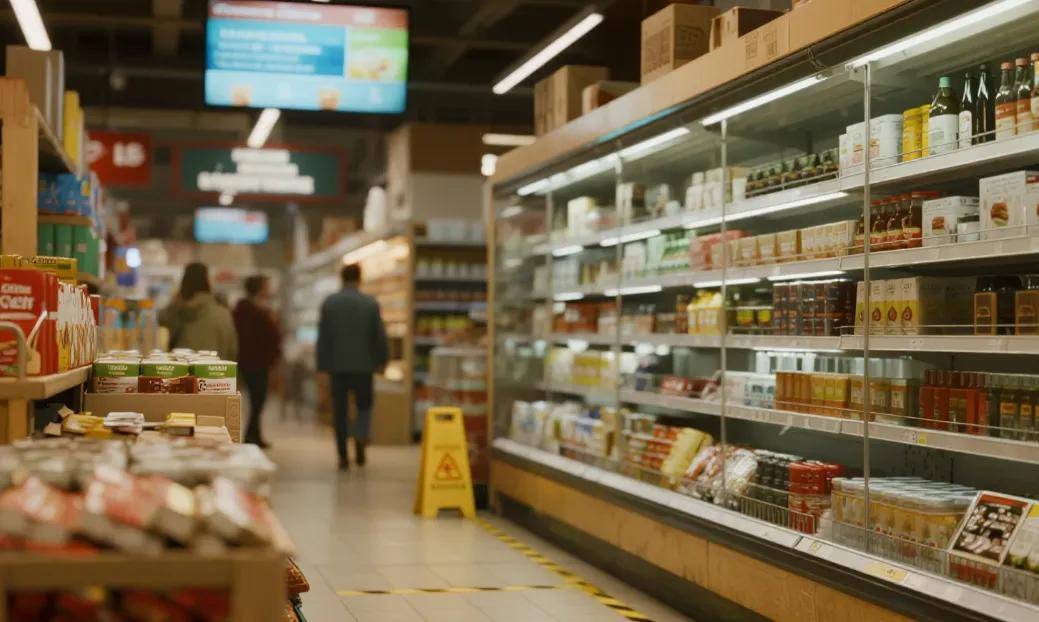
山姆光环黯淡,国民超市永辉等如何乘势赢得消费者心?
Sou Hu Cai Jing· 2025-07-26 10:29
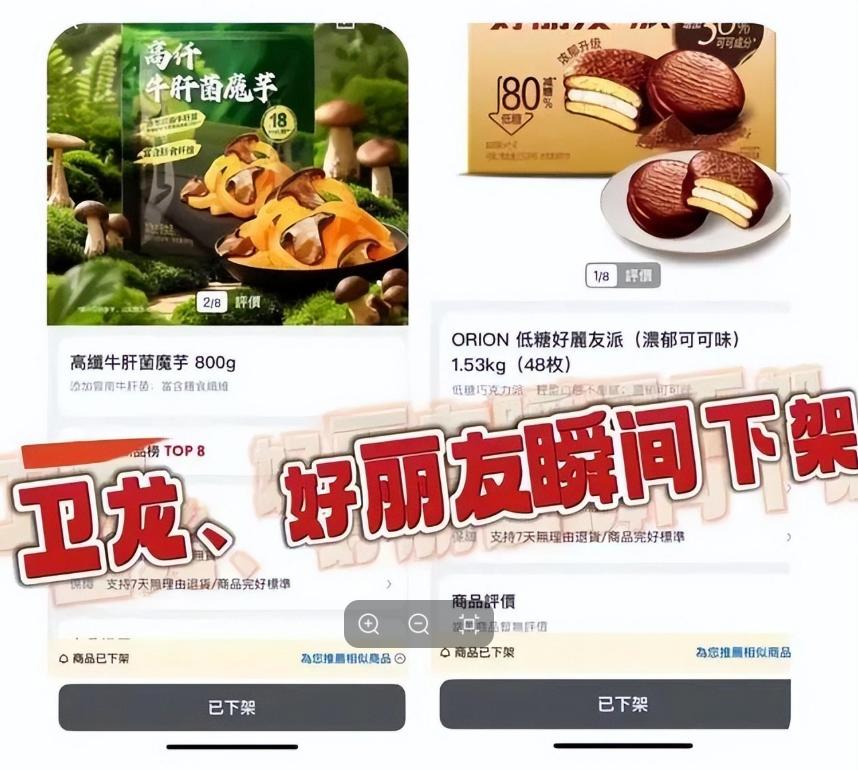
Group 1 - The core viewpoint is that Chinese consumers are experiencing a significant shift in their perception of Sam's Club, driven by a deep reflection on brand recognition rather than a decline in product quality or service experience [1] - Sam's Club has faced criticism due to the introduction of products like Orion, which has been accused of having double standards and high sugar content, leading consumers to view this as damaging to the brand's image [1] - Issues regarding product freshness, unclear production dates, and lack of transparency in ingredient lists have further exacerbated the trust crisis among consumers [1] Group 2 - Domestic supermarkets such as Pang Donglai and Yonghui have capitalized on this opportunity by offering services and products that are more aligned with consumer needs, including commitments to not sell overnight meat [2] - These local supermarkets provide various convenient services, such as on-site seafood processing and free product handling, enhancing customer satisfaction [2] Group 3 - The crisis at Sam's Club extends beyond product quality and service, as the reduction in member benefits has led to strong consumer dissatisfaction [4] - The decline in membership perks, from previously offered discounts on premium products to almost no benefits, has made consumers feel neglected [4] - Sam's Club's strategy of large packaging has not resonated with the needs of smaller Chinese households, and its attempts to penetrate lower-tier markets have not been executed effectively [4] Group 4 - There is a growing trend among Chinese consumers to move away from blind admiration for foreign brands, adopting a more rational approach to brand differentiation [5] - The crisis faced by Sam's Club serves as a reminder that brands must not overlook consumer needs and changing perceptions in an increasingly competitive market [5]
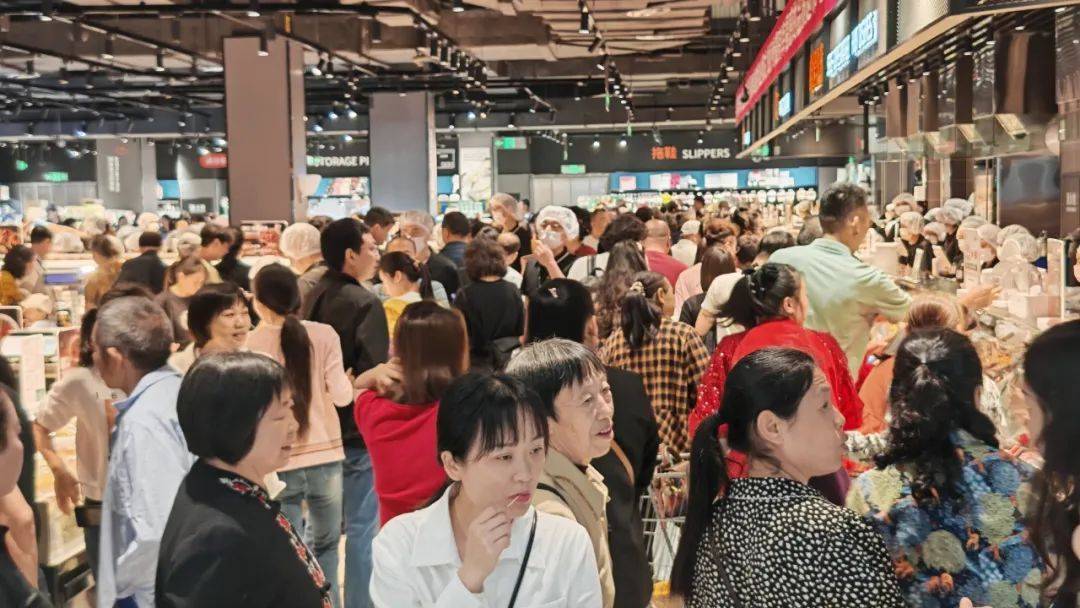
又一零售巨头,加入硬折扣大战
3 6 Ke· 2025-07-25 09:56
Group 1 - The core point of the article is the aggressive expansion of discount retail formats in China, particularly by Wumart, which opened six discount stores in Beijing, marking a significant move in the competitive landscape against established players like Aldi and Hema NB [1][2][13] - Wumart's new discount stores, branded as "Wumart Super Value," are smaller in size (800-1000 square meters) compared to traditional hypermarkets and focus on offering lower prices on essential goods, with a significant reduction in SKU count to around 1300 [2][5][12] - The pricing strategy in Wumart's discount stores includes items like bottled water priced under 0.5 yuan and 30-pack eggs for about 14 yuan, showcasing a commitment to affordability [2][3] Group 2 - The discount retail sector is experiencing rapid growth, with various players like Yonghui and Zhongbai also entering the market, indicating a broader trend towards discount formats in the retail industry [8][9] - Aldi has seen impressive sales growth in China, doubling its revenue from 10 billion yuan to 20 billion yuan within a year, highlighting the effectiveness of the hard discount model [9][11] - Hema NB is also expanding aggressively, with plans to reach 1000 stores, indicating a competitive environment among discount retailers [11][12] Group 3 - The shift towards discount retailing is driven by changing consumer preferences, particularly among middle-class consumers who are increasingly price-sensitive while still seeking quality [14][16] - The operational model of hard discount stores focuses on optimizing supply chains and reducing costs by minimizing intermediaries, which allows for lower pricing strategies [16][17] - Despite the growth potential, the hard discount model presents challenges, including lower profit margins (10-15%) compared to traditional retail (20-25%), requiring significant investment and operational efficiency [16][19]
有友食品暴涨背后,“山姆概念”几家欢乐几家愁?
Xin Lang Cai Jing· 2025-07-25 05:42
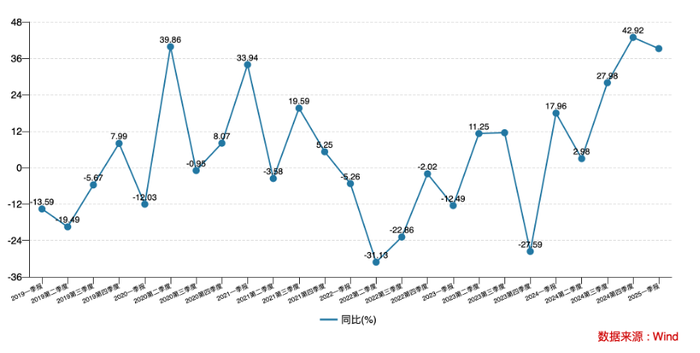
Core Viewpoint - Youyou Food's performance surge has drawn market attention to "Sam's concept stocks" with significant revenue and profit growth expected in the upcoming half of 2025 [1][2]. Group 1: Performance Highlights - Youyou Food's revenue is projected to be between 746 million to 798 million yuan, marking a year-on-year increase of 40.91% to 50.77% [1]. - The expected net profit attributable to shareholders is estimated to reach between 105 million to 112 million yuan, reflecting a year-on-year growth of 37.91% to 47.57% [1][2]. - The collaboration with Sam's Club has been pivotal, with Youyou Food's sales of deboned duck feet reportedly exceeding 30 million units monthly since the partnership began [2][4]. Group 2: Market Dynamics - Sam's Club has emerged as a dominant retail channel in China, significantly boosting the sales and profits of various domestic suppliers, including Youyou Food [3][4]. - The partnership with Sam's Club has revitalized Youyou Food, which previously faced declining revenues in 2022 and 2023, with respective revenues of 1.024 billion and 966 million yuan, both showing negative growth [5]. Group 3: Challenges and Controversies - While many suppliers benefit from the Sam's Club partnership, not all experience profit surges; companies like Chacha Food and Ganyuan Food have reported significant profit declines despite being present in Sam's [9][10]. - The rise of Sam's Club has also led to increased accounts receivable for suppliers, with Youyou Food's accounts receivable reaching 74.61 million yuan in 2024, an 18-fold increase from the previous year [11][12]. Group 4: Brand Ethics and Standards - The OEM model adopted by Sam's Club raises ethical concerns regarding brand identity, as products may be perceived as lower quality compared to those sold through other channels [13][14]. - There are implications for brand reputation, as consumers may associate products sold at Sam's with lower standards, potentially harming the brand's image in broader markets [16][17]. - The issue of product standards has also emerged, with discrepancies between domestic and international quality standards leading to consumer distrust [19][20].