
中国平安

Search documents
北向资金2025年持股数据亮相 重仓电力设备、电子、有色金属三大方向
Shang Hai Zheng Quan Bao· 2026-01-09 18:33
Group 1 - As of the end of Q4 2025, northbound funds held a total of 3,257 stocks, with a total holding amount of approximately 1,077.09 billion shares and a total market value of about 2.59 trillion yuan, showing an increase from the previous quarter [1] - The top holdings of northbound funds include leading stocks such as CATL, Midea Group, Kweichow Moutai, and China Merchants Bank, with CATL's market value held by northbound funds reaching 254.34 billion yuan, significantly higher than Midea Group's 77.05 billion yuan [2] - The three major sectors heavily invested by northbound funds are power equipment, electronics, and non-ferrous metals, marking a shift from the previous year's focus on power equipment, banking, and food and beverage [2] Group 2 - In Q4 2025, the sectors with the largest increase in market value for northbound funds were non-ferrous metals, communications, and basic chemicals, with notable individual stocks including Zijin Mining and China Aluminum [3] - The estimated net purchases by northbound funds for CATL reached 45.63 billion yuan, making it the top stock, followed by Northern Huachuang and BYD with net purchases of 24.89 billion yuan and 13.03 billion yuan respectively [3] - Looking ahead to 2026, foreign investment in Chinese stocks is expected to increase, with potential buying funds estimated to reach 10 billion dollars, driven by global long-term investors seeking diversification [4]





南向资金今日净买入68.15亿港元,腾讯控股净买入14.12亿港元
Zheng Quan Shi Bao Wang· 2026-01-09 14:41
Core Viewpoint - The Hang Seng Index rose by 0.32% on January 9, with southbound capital totaling HKD 111.39 billion, resulting in a net inflow of HKD 6.81 billion [1] Group 1: Southbound Capital Activity - Total southbound trading amounted to HKD 111.39 billion, with buy transactions at HKD 59.10 billion and sell transactions at HKD 52.29 billion, leading to a net buy of HKD 6.81 billion [1] - The Shenzhen Stock Connect saw a total trading volume of HKD 44.30 billion, with net buying of HKD 5.15 billion, while the Shanghai Stock Connect had a total trading volume of HKD 67.08 billion, resulting in a net buy of HKD 1.66 billion [1] Group 2: Active Stocks - Alibaba-W had the highest trading volume among southbound stocks at HKD 99.89 billion, with a net sell of HKD 26.22 billion, despite a closing price increase of 2.73% [1] - Tencent Holdings recorded a net buy of HKD 14.12 billion, closing down by 0.81%, while Xiaomi Group-W had a net buy of HKD 8.70 billion, closing down by 0.53% [1][2] - Kuaishou-W also saw significant activity with a net buy of HKD 7.76 billion, closing up by 3.89% [2] Group 3: Continuous Net Buying - Xiaomi Group-W and Tencent Holdings were noted for continuous net buying, with Xiaomi seeing 7 consecutive days of net buying totaling HKD 55.53 billion, and Tencent with 3 consecutive days totaling HKD 42.31 billion [2]


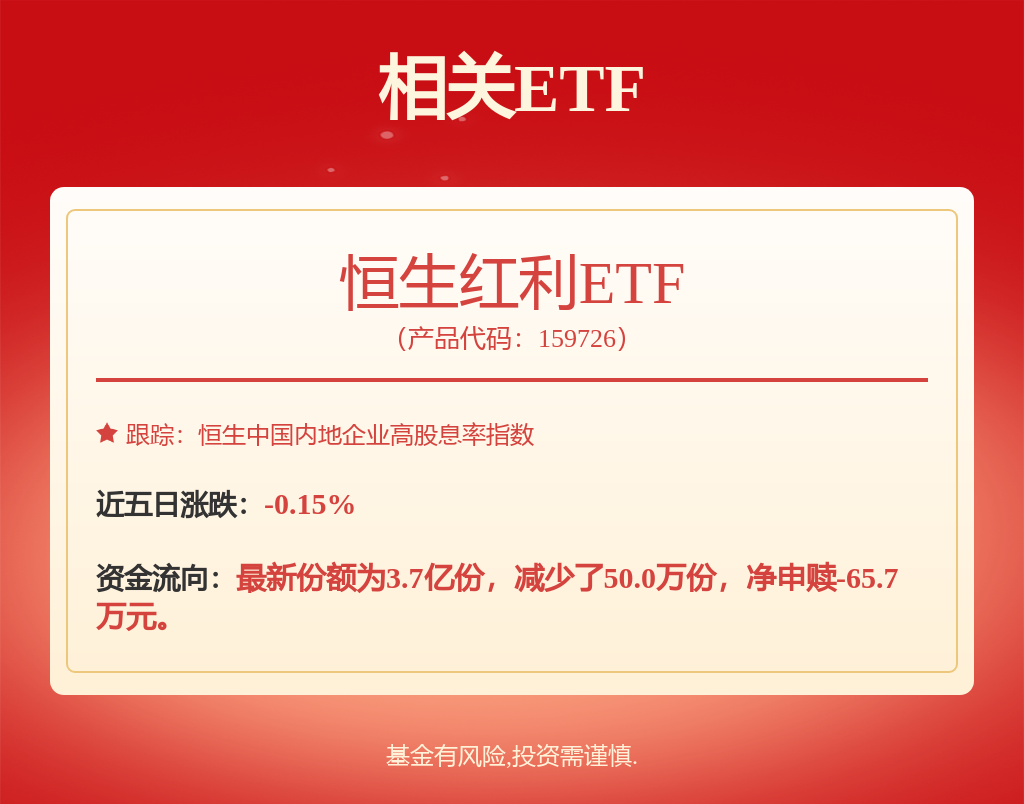
南向资金今日净买入68.15亿港元 腾讯控股净买入14.12亿港元
Zheng Quan Shi Bao Wang· 2026-01-09 14:35
Core Viewpoint - On January 9, the Hang Seng Index rose by 0.32%, with southbound funds totaling HKD 111.39 billion in trading volume, resulting in a net inflow of HKD 6.81 billion [1] Group 1: Southbound Trading Activity - The total trading volume for southbound funds was HKD 111.39 billion, with buy transactions amounting to HKD 59.10 billion and sell transactions at HKD 52.29 billion, leading to a net buy of HKD 6.81 billion [1] - The Hong Kong Stock Connect (Shenzhen) recorded a total trading volume of HKD 44.30 billion, with net buying of HKD 5.15 billion, while the Hong Kong Stock Connect (Shanghai) had a trading volume of HKD 67.08 billion and a net buy of HKD 1.66 billion [1] Group 2: Active Stocks - Alibaba-W had the highest trading volume among southbound funds at HKD 99.89 billion, but experienced a net sell of HKD 26.22 billion, despite a closing price increase of 2.73% [1] - Tencent Holdings saw a net buy of HKD 14.12 billion, with a closing price decrease of 0.81%, while Xiaomi Group-W had a net buy of HKD 8.70 billion [1] - Kuaishou-W recorded a net buy of HKD 7.76 billion, and Meituan-W and China Mobile faced net sells of HKD 3.67 billion and HKD 3.11 billion, respectively [1] Group 3: Continuous Net Buying - Xiaomi Group-W and Tencent Holdings were the only two stocks with continuous net buying for more than three days, with Xiaomi Group-W having a total net buy of HKD 55.53 billion over seven days, and Tencent Holdings with HKD 42.31 billion over three days [2]

港股通(深)净买入51.55亿港元
Zheng Quan Shi Bao Wang· 2026-01-09 14:34
Core Viewpoint - On January 9, the Hang Seng Index rose by 0.32% to close at 26,231.79 points, with a net inflow of HKD 6.815 billion through the southbound trading channel [1] Group 1: Market Activity - The total trading volume for southbound trading on January 9 was HKD 111.389 billion, with a net buying amount of HKD 6.815 billion [1] - The Shanghai Stock Exchange's southbound trading amounted to HKD 67.084 billion, with a net buying of HKD 1.660 billion, while the Shenzhen Stock Exchange recorded HKD 44.305 billion in trading with a net buying of HKD 5.155 billion [1] Group 2: Active Stocks - In the Shanghai Stock Exchange's southbound trading, Alibaba-W had the highest trading volume at HKD 65.69 billion, followed by Goldwind Technology at HKD 33.07 billion and SMIC at HKD 21.74 billion [1] - Tencent Holdings had the highest net buying amount of HKD 0.883 billion, despite a closing price drop of 0.81% [1] - Alibaba-W recorded the highest net selling amount of HKD 2.114 billion, while its closing price increased by 2.73% [1] Group 3: Detailed Stock Data - The top active stocks in the southbound trading on January 9 included: - Alibaba-W: Trading amount of HKD 656.911 million with a net selling of HKD 211.364 million, closing up by 2.73% [3] - Goldwind Technology: Trading amount of HKD 330.673 million with a net selling of HKD 13.003 million, closing up by 3.41% [3] - SMIC: Trading amount of HKD 217.368 million with a net selling of HKD 17.406 million, closing down by 0.73% [3] - Tencent Holdings: Trading amount of HKD 209.478 million with a net buying of HKD 52.898 million, closing down by 0.81% [3]
45-59岁重疾出险高达五成,国寿、人保、新华理赔年报出炉
2 1 Shi Ji Jing Ji Bao Dao· 2026-01-09 12:04
Core Insights - The insurance industry in China has shown a significant increase in claims payments for 2025, indicating a shift in the role of commercial insurance towards becoming a more integral part of daily healthcare payments [1][3][4] Group 1: Claims Payment Trends - The total claims amount for China Life Insurance exceeded 100.4 billion yuan, a year-on-year increase of 10% [1] - New China Life Insurance reported a total claims amount of 14.7 billion yuan, averaging 40.29 million yuan per day [1] - The number of medical claims has surged, with Fude Life Insurance reporting 319,700 medical claims out of a total of 351,100 claims, representing 91.06% of their total claims [3] Group 2: Health Risks and Demographics - Malignant tumors remain the leading health risk, accounting for 69.84% of critical illness claims, with a higher incidence in women [3][4] - The age group of 45 to 59 years represents 55.48% of critical illness claims, highlighting a significant protection gap for this demographic [4] Group 3: Technological Advancements in Claims Processing - The adoption of AI and big data technologies has led to significant improvements in claims processing efficiency, with some companies achieving claims processing times in minutes or even seconds [5][6] - Fude Life Insurance reported an average claims processing time of 1.17 days, with a review time of only 0.36 days [6] Group 4: Support for National Strategies and Social Welfare - The insurance sector is increasingly involved in supporting national strategies, such as rural revitalization and disaster reduction, with China Life Insurance serving over 4.54 million rural residents and paying out over 15.8 billion yuan [7][8] - Insurance companies are also focusing on aging populations, with China Life Insurance providing services to over 15.17 million elderly clients and paying out over 11.3 billion yuan [8] Group 5: Emergency Response and Risk Management - The insurance industry has demonstrated its role as a "social stabilizer" by activating emergency claims services in response to natural disasters and accidents, with Fude Life Insurance initiating emergency claims services 31 times in 2025 [9] - China Pacific Insurance responded to 244 natural disasters and accidents, paying out over 13 billion yuan in disaster claims [9]



金融行业双周报(2025/12/26-2026/1/8):2025年证券行业多项核心指标创历史新高-20260109
Dongguan Securities· 2026-01-09 12:03
Investment Ratings - Banking: Overweight (Maintain) [1] - Securities: Market Weight (Maintain) [1] - Insurance: Overweight (Maintain) [1] Core Insights - The banking sector shows a continued growth trend in social financing, with a marginal decrease in the contribution of government bonds. Corporate bonds increased by 178.8 billion yuan year-on-year, becoming the main increment in social financing. However, the demand for loans remains weak, with a year-on-year decrease of 190 billion yuan in new RMB loans in November [5][44]. - The securities industry has seen multiple core indicators reach historical highs in 2025, with total stock fund transaction volume exceeding 500 trillion yuan, a year-on-year increase of over 70%. The primary market has rebounded, with IPO and refinancing scales increasing by 95.64% and 326.17% respectively, indicating improved market liquidity and financing conditions [3][46]. - The insurance sector reported a total original premium income of 57,629 billion yuan in the first 11 months of 2025, a year-on-year growth of 7.6%. Life insurance companies saw a 9.1% increase in premium income, while property insurance companies grew by 3.9% [4][47]. Summary by Sections Market Review - As of January 8, 2026, the banking, securities, and insurance indices changed by -0.87%, +0.91%, and +1.95% respectively, while the CSI 300 index increased by +2.05%. Among 31 industries, the banking and non-banking sectors ranked 29th and 21st in performance [5][13]. Valuation Situation - As of January 8, 2026, the PB ratio for the banking sector is 0.74, with state-owned banks, joint-stock banks, city commercial banks, and rural commercial banks having PB ratios of 0.79, 0.61, 0.71, and 0.63 respectively. Notably, China Merchants Bank, Agricultural Bank of China, and Ningbo Bank have the highest valuations at 0.96, 0.95, and 0.87 [22][24]. Recent Market Indicators - The one-year MLF operation rate is 2.0%, with LPR rates at 3.0% for one year and 3.50% for five years. The average interbank borrowing rates for one day, seven days, and fourteen days are 1.33%, 1.50%, and 1.60% respectively [29][30]. Industry News - The China Banking and Insurance Regulatory Commission has released guidelines for data classification and grading in the insurance asset management industry, effective January 1, 2026, aimed at enhancing data security management standards [39][40].




港股9日涨0.32% 收报26231.79点
Xin Hua She· 2026-01-09 11:58
Core Viewpoint - The Hong Kong Hang Seng Index increased by 82.48 points, or 0.32%, closing at 26,231.79 points, with a total turnover of HKD 245.13 billion [1] Group 1: Index Performance - The Hang Seng Index rose by 82.48 points, closing at 26,231.79 points, reflecting a 0.32% increase [1] - The National Enterprises Index increased by 9.19 points, closing at 9,048.53 points, with a 0.1% rise [1] - The Hang Seng Technology Index gained 8.8 points, closing at 5,687.14 points, marking a 0.15% increase [1] Group 2: Blue-Chip Stocks - Tencent Holdings decreased by 0.81%, closing at HKD 611 [1] - Hong Kong Exchanges and Clearing rose by 0.38%, closing at HKD 426.8 [1] - China Mobile remained unchanged at HKD 80.95 [1] - HSBC Holdings increased by 0.4%, closing at HKD 124.8 [1] Group 3: Local Hong Kong Stocks - Cheung Kong Holdings fell by 0.33%, closing at HKD 42.1 [1] - Sun Hung Kai Properties rose by 1.36%, closing at HKD 104.2 [1] - Henderson Land Development increased by 0.89%, closing at HKD 29.62 [1] Group 4: Chinese Financial Stocks - Bank of China decreased by 0.68%, closing at HKD 4.39 [1] - China Construction Bank fell by 0.26%, closing at HKD 7.59 [1] - Industrial and Commercial Bank of China rose by 0.49%, closing at HKD 6.13 [1] - Ping An Insurance decreased by 0.28%, closing at HKD 70 [1] - China Life Insurance increased by 1.09%, closing at HKD 31.48 [1] Group 5: Oil and Petrochemical Stocks - China Petroleum & Chemical Corporation rose by 0.43%, closing at HKD 4.69 [1] - PetroChina increased by 1.63%, closing at HKD 8.1 [1] - CNOOC gained 1.26%, closing at HKD 20.94 [1]
1月9日主力资金流向日报
Zheng Quan Shi Bao Wang· 2026-01-09 11:55
今日各行业资金流向 | 行业 | 日涨跌幅(%) | 资金流向(亿元) | 行业 | 日涨跌幅(%) | 资金流向(亿元) | | --- | --- | --- | --- | --- | --- | | 传媒 | 5.31 | 97.03 | 建筑装饰 | 0.84 | -5.37 | | 有色金属 | 2.78 | 45.52 | 房地产 | 0.72 | -6.95 | | 计算机 | 2.90 | 21.77 | 建筑材料 | 0.01 | -7.47 | | 商贸零售 | 2.35 | 13.02 | 公用事业 | 0.37 | -10.70 | | 家用电器 | 1.29 | 11.13 | 医药生物 | 1.58 | -10.78 | | 石油石化 | 0.80 | 1.63 | 交通运输 | 0.03 | -11.53 | | 钢铁 | 0.69 | 1.52 | 银行 | -0.44 | -12.41 | | 纺织服饰 | 1.29 | 0.17 | 通信 | 0.80 | -16.84 | | 社会服务 | 1.26 | -0.19 | 机械设备 | 1.83 | -20.77 | | ...
4100点之后A股怎么走?分析师表示→
Di Yi Cai Jing Zi Xun· 2026-01-09 11:39
Market Performance - The A-share market has shown a significant upward trend, with the Shanghai Composite Index surpassing 4100 points for the first time in ten years, closing at 4120.43 points, up 0.92% on January 9 [2] - The total trading volume of the two markets reached 3.12 trillion yuan, marking an increase of 322.4 billion yuan compared to the previous trading day [2][3] - Over 3900 stocks rose on that day, with notable surges in AI application concepts and other sectors like commercial aerospace and controllable nuclear fusion [2] Trading Activity - High turnover rates were observed in several stocks, with Shaoyang Hydraulic reaching a turnover rate of 58.67%, a significant increase from 19.75% the previous day [3] - Technology stocks attracted substantial trading volume, with companies like Zhongji Xuchuang and Yanshan Technology each exceeding 20 billion yuan in daily trading volume [3] - The top three stocks with net inflows of main funds were Liou Co., Jinfa Technology, and Kunlun Wanwei, with inflows of 1.747 billion yuan, 1.663 billion yuan, and 1.369 billion yuan respectively [3] Market Outlook - Analysts suggest that while the market is experiencing rapid growth, there are signs of increased trading congestion in popular sectors, which may lead to potential pullback pressures [5] - The overall market is expected to maintain a steady upward trend in the medium to long term, supported by macroeconomic policies and a favorable liquidity environment [5] - Predictions indicate that A-share incremental funds could exceed 2 trillion yuan in 2026, with high-net-worth individuals currently being the primary source of new market entrants [5] Policy Support - The macroeconomic environment and stabilization policies are anticipated to continue providing support for the market [7] - Recent measures by the central bank to provide liquidity to non-bank institutions indicate ongoing efforts to stabilize the market, contributing to a "slow bull" market foundation [7] - The domestic demand recovery, supported by macro policies, is expected to create a favorable investment environment, independent of global economic weaknesses [7]
智通港股通活跃成交|1月9日





智通财经网· 2026-01-09 11:22
Group 1 - On January 9, 2026, Alibaba-W (09988), Goldwind Technology (02208), and SMIC (00981) were the top three companies by trading volume in the Southbound Stock Connect, with transaction amounts of 6.569 billion, 3.307 billion, and 2.174 billion respectively [1] - In the Southbound Stock Connect for the Shenzhen-Hong Kong Stock Connect, Alibaba-W (09988), Tencent Holdings (00700), and SMIC (00981) also ranked as the top three, with transaction amounts of 3.420 billion, 2.095 billion, and 1.749 billion respectively [1] Group 2 - The top active companies in the Southbound Stock Connect included Alibaba-W (09988) with a net buy amount of -2.114 billion, Goldwind Technology (02208) with -0.130 billion, and SMIC (00981) with -0.174 billion [2] - In the Shenzhen-Hong Kong Stock Connect, Alibaba-W (09988) had a net buy amount of -0.508 billion, Tencent Holdings (00700) had +0.529 billion, and SMIC (00981) had +0.866 billion [2]