OPPO

Search documents
OPPO、vivo杀进手持影像赛道,大疆慌不慌?
Di Yi Cai Jing· 2025-09-30 12:48
Core Insights - The entry of smartphone giants OPPO and vivo into the handheld imaging market is expected to disrupt the current competitive landscape dominated by DJI and other established players [1][2] - The handheld imaging market is currently concentrated, with DJI holding a significant market share, but the competition is intensifying with the arrival of new entrants [1][2] Market Dynamics - The global smart imaging device market is highly concentrated, with the top three players (Insta360, DJI, and GoPro) holding a combined market share of 78.9% [1] - Insta360's market share is projected to grow from 28.4% in 2023 to 35.6% in 2024, while DJI's share is expected to decline from 19.1% to 13.2% [2] Competitive Landscape - OPPO and vivo have initiated new product lines targeting the handheld imaging segment, with plans to launch products by 2026 [1][2] - The entry of these smartphone manufacturers is driven by the growing demand for video equipment, particularly for live streaming [4] Supply Chain Considerations - The cost structure of handheld smart imaging devices shows that 58.5% of the material cost is attributed to camera modules, indicating a significant overlap in the supply chains of smartphones and imaging devices [5] - The strong supply chain capabilities of OPPO and vivo, with over 200,000 offline stores, provide them with a competitive advantage in reaching consumers [5] Technical Challenges - OPPO and vivo face technical challenges in adapting smartphone imaging technology to handheld devices, which have different usage scenarios and requirements [6] - DJI has a substantial technological advantage due to its decade-long R&D efforts, creating strong barriers for new entrants [6] Market Performance - OPPO's market share in the smartphone sector has seen fluctuations, with a decline of 9.8% year-on-year in Q2 2024, indicating potential challenges in maintaining its position [7] Strategic Responses - DJI is responding to the competitive threat by expanding its product line, including the launch of its first panoramic camera and the Nano handheld imaging device [8] - The competition for core raw materials like DSP chips and CMOS sensors is expected to intensify, favoring established players with larger procurement volumes [8]


一加氧OS 12-15曝安全漏洞:可未经授权读取、发送短信
Xi Niu Cai Jing· 2025-09-30 11:04
Core Insights - Rapid7 disclosed a critical security vulnerability in OnePlus's OxygenOS, identified as CVE-2025-10184, affecting versions 12 to 15 [2] - The vulnerability stems from improper permission settings during modifications to the Android system's underlying phone API, allowing malicious apps to read or send messages without user knowledge [2] - OnePlus has committed to rolling out security patches starting mid-October, despite researchers attempting to contact the company since May 2025 [2] Company Performance - OnePlus has seen a 31% year-on-year increase in total sales in the first half of 2025, ranking first among smartphone brands [2] - The company targets online users with high-performance needs, overlapping with Xiaomi's target demographic [3] Industry Context - System security and stability have become critical factors for users in an increasingly competitive market [3] - The vulnerability highlights the importance of proper permission settings in custom components, serving as a warning for other manufacturers [3]

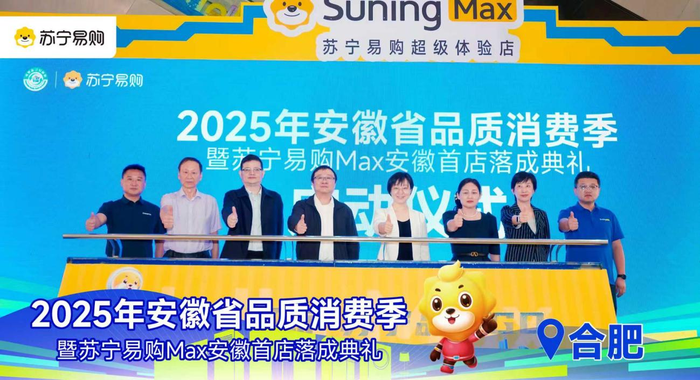
安徽首家苏宁易购Max店 9月29日正式亮相
Xin Lang Cai Jing· 2025-09-30 07:39
Core Viewpoint - The opening of the first Suning Max store in Anhui marks a significant step towards promoting quality consumption and enhancing the retail landscape in Hefei, aligning with the provincial government's initiative for a "Quality Consumption Season" in 2025 [3][4][10] Group 1: Event Overview - The "2025 Anhui Quality Consumption Season and Suning Max Store Opening Ceremony" took place on September 29, 2025, at the Baogao Wanda Plaza in Hefei, showcasing a commitment to quality consumption and economic revitalization in the region [3][4] - The event was organized by the Anhui Information Home Appliance Industry Association in collaboration with Suning and other notable companies, highlighting a collective effort to enhance consumer experience and market vitality [3][4] Group 2: Store Features and Offerings - The Suning Max store is designed to provide a superior shopping experience, integrating technology, lifestyle, and social interaction, featuring areas for tech products from brands like Huawei, Xiaomi, and Apple [6][8] - The store will offer a 1:1 replication of various home scenarios, including kitchens and living rooms, to enhance consumer decision-making and showcase integrated home solutions [6][8] - Special promotions and exclusive product launches, including the first Xiaomi ecosystem experience store in Anhui and various high-end brand flagship stores, will be available during the opening [8][10] Group 3: Strategic Goals and Future Plans - Suning aims to leverage the Max store as a benchmark for future retail innovations, focusing on personalized and social shopping experiences to drive the adoption of smart home appliances [10] - The company plans to enhance its retail strategy by integrating new functionalities and experiences, thereby stimulating consumer demand and contributing to the overall economic growth in Anhui [10]

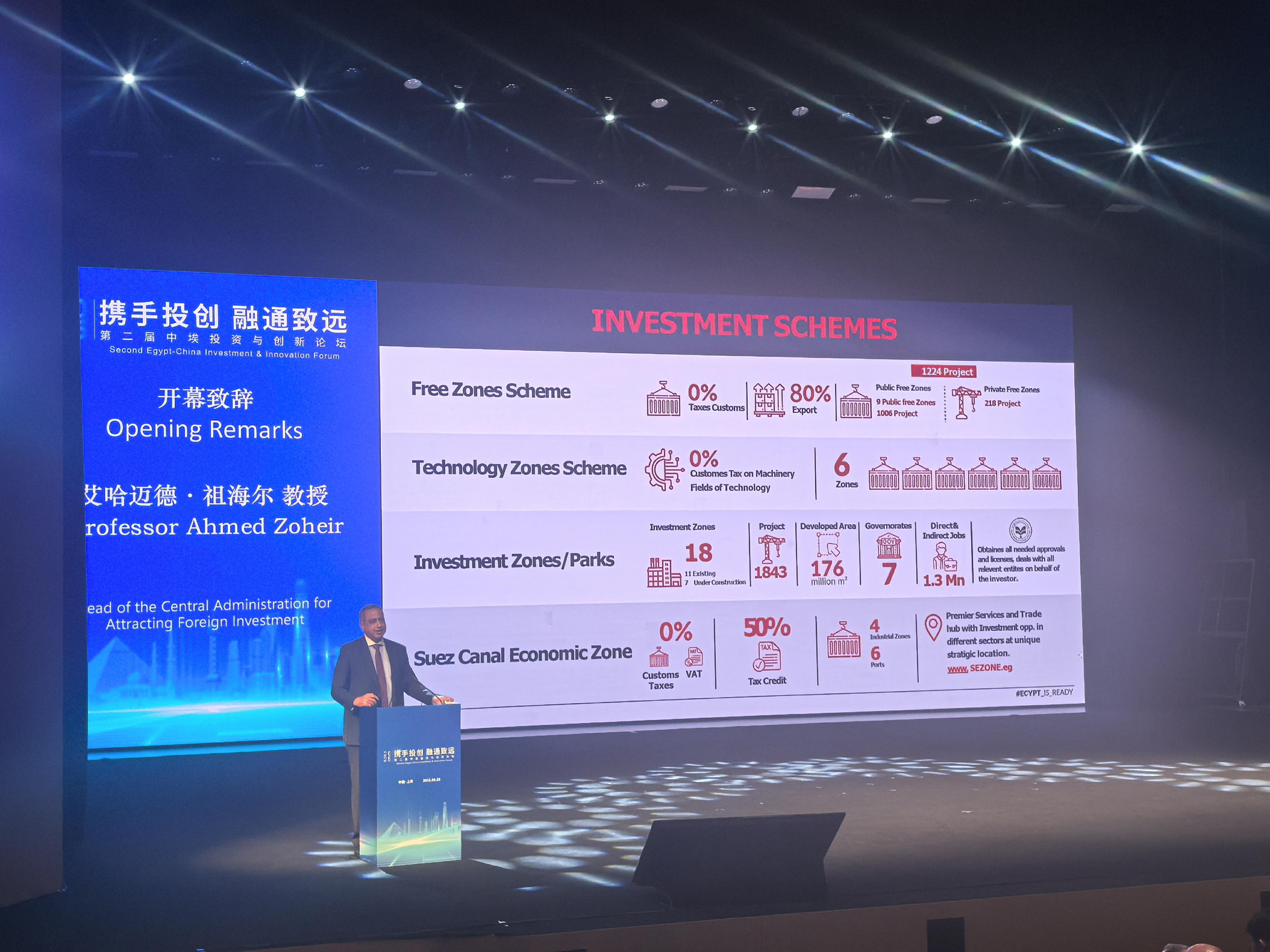
埃及FDI全球排名跃升至第9位,何以吸引461亿美元外国投资
Di Yi Cai Jing· 2025-09-30 02:20
Core Insights - The article highlights Egypt's growing attractiveness for foreign direct investment (FDI), particularly from Chinese companies, driven by its strategic location, skilled labor force, and favorable economic conditions [1][2][3]. Investment Landscape - 67.27% of Chinese investments are still concentrated in the manufacturing sector, but there is optimism for growth in technology, automotive, and infrastructure sectors [9]. - Egypt's FDI inflow reached $46.1 billion, moving from 32nd to 9th globally in FDI rankings from 2023 to 2024, and it is the leading FDI destination in Africa for the third consecutive year [1]. Competitive Advantages - Egypt offers several competitive advantages for attracting foreign investment, including a strategic geographic location, a young and skilled workforce, world-class infrastructure, and a large consumer market of over 110 million people [2][3]. - The country has established trade agreements with over 70 countries, enhancing trade facilitation [3]. Incentives and Mechanisms - Egypt has implemented various investment incentives, such as a 10-year exemption from land use fees, tax deductions on investment costs, and exemptions from project income tax [7]. - The introduction of the "Golden License" allows companies to participate in national projects with a streamlined approval process, which has already benefited several Chinese firms [8]. Sectoral Focus - The Egyptian government is particularly focused on attracting investments in high-value sectors such as renewable energy, artificial intelligence, and data centers, with dedicated services for Chinese investors [9]. - Financial cooperation between Egypt and China is deepening, with agreements on currency settlement and bond issuance [9].
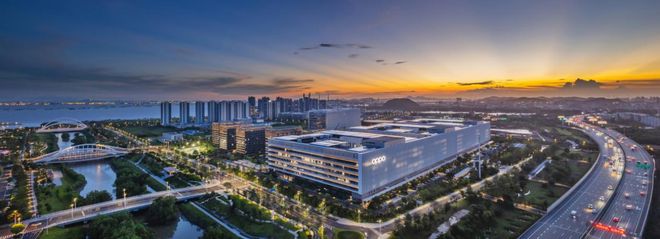
东莞滨海湾:擘画高质量发展新蓝图 打造湾区未来增长极
Nan Fang Du Shi Bao· 2025-09-30 01:16
Core Insights - The Binhai Bay area is transforming into an open new window and industrial space for Dongguan and the Guangdong-Hong Kong-Macao Greater Bay Area [3] - The area aims to achieve high-quality economic development and cultivate new productive forces by 2025, aligning with the "14th Five-Year Plan" [1][19] Strategic Positioning - Binhai Bay has elevated its strategic significance from a "regional node" to a "C position in the Bay Area," leveraging its geographical advantages for enhanced communication and resource allocation [4][8] - The area is recognized as a key cooperation platform in the Greater Bay Area development plan, with ongoing efforts to secure more high-level open platforms [6][8] Industrial Development - The industrial foundation of Binhai Bay has been strengthened over the past five years, attracting leading companies like OPPO and vivo, and establishing innovation hubs [9][11] - The focus is on artificial intelligence (AI) as a core industry, with plans to develop a "3+X" industrial system that includes smart terminals and AI as leading sectors [11][13] Urban Transformation - Binhai Bay is committed to creating a high-quality living environment through ecological governance, transportation upgrades, and improved public services [14][17] - Significant investments have been made in ecological restoration and educational infrastructure, aiming to build a comprehensive quality education chain [16][17]
OPPO也要做手持云台相机,对标大疆,计划2026年内发布;手机厂商海报小字引发热议,魅族高管回应;曝顶级AI大牛加入阿里通义
雷峰网· 2025-09-30 00:53
Key Points - Gree Electric's live streaming event showcased the purification of Yellow River water, demonstrating the effectiveness of their water purification products [3][5] - OPPO plans to enter the handheld gimbal camera market, targeting a release by 2026, competing with brands like GoPro and DJI [8] - Xiaomi's Lu Weibing discussed the strategic goals for the Xiaomi 17 series, aiming to compete directly with Apple and enhance product structure [12] - Huawei appointed Yu Chengdong as the head of its AI Research Board, emphasizing the company's focus on AI development [13] - Xpeng Motors' CEO He Xiaopeng shared his investment principles, highlighting a significant profit from investing in Xiaomi stocks [26] - Beijing BOE Technology Group has established a new robotics company with a registered capital of 200 million RMB, expanding into the robotics sector [24][25] - First Brands, a US automotive parts manufacturer, filed for bankruptcy protection due to heavy debts from acquisitions [36]

8点1氪:王健林“限高”系下属项目公司经济纠纷导致;微信支持聊天发live图了;特斯拉员工被机器臂重伤索赔5100万
36氪· 2025-09-30 00:38
Group 1 - Wanda Group's chairman Wang Jianlin was recently restricted from high consumption due to economic disputes involving a subsidiary project company, but the restriction information has been removed as of September 29 [5] - A Wanda insider stated that the issue arose from economic disputes and that both parties had been negotiating through various means, indicating a potential information asymmetry at the execution level [5] - As of September 29, the Chinese Execution Information Public Network no longer shows any high consumption restriction information related to Wang Jianlin [5] Group 2 - The Ministry of Industry and Information Technology and five other departments issued a "Mechanical Industry Stabilization Growth Work Plan (2025-2026)", aiming for an average annual revenue growth rate of about 3.5% and a revenue target exceeding 10 trillion yuan [7] - The plan emphasizes enhancing the resilience and safety of key industrial chains and supply chains, improving quality and efficiency, and fostering competitive small and medium-sized enterprises [7] Group 3 - Tesla is facing a lawsuit for $51 million from an employee who was severely injured by a malfunctioning robotic arm, with medical costs already reaching $1 million and expected to exceed $6 million for ongoing treatment [6] - The incident has been described by U.S. media as a "robot attack," which may heighten public concerns about robot safety and prompt regulatory scrutiny [7] Group 4 - LG H&H appointed former L'Oréal executive Lee Sun-joo as the new CEO, effective October 1 [12] - The company aims to enhance its market position and operational efficiency under the new leadership [12] Group 5 - Toyota reported a 2.2% year-on-year increase in global sales for August, driven by strong demand in the U.S. market, which saw a 13.6% sales growth, while sales in Japan declined by 12.1% [13] - The company continues to adapt to market demands and optimize its product offerings [13] Group 6 - Samsung is reducing prices for its 2nm process technology to attract major clients, offering wafers at $20,000 each, which is 33% cheaper than TSMC's pricing [13] - The company is actively engaging with major firms like NVIDIA and Qualcomm for performance evaluations and mass production preparations [13] Group 7 - CATL has invested in Beijing Galaxy General Robotics Co., which focuses on the development and sales of intelligent and industrial robots, indicating a strategic move into the robotics sector [14] - The registered capital of the company has increased to 42.26 million yuan, reflecting growth and investment in advanced technologies [14] Group 8 - XGIMI Technology has submitted an application for listing on the Hong Kong Stock Exchange, with CICC as the exclusive sponsor [15] - The move indicates the company's intention to expand its capital base and enhance its market presence [15] Group 9 - Sony Financial Group's stock was listed on September 29, marking a significant milestone for the company [17] - This listing is expected to enhance the company's financial capabilities and market visibility [17]
外交部:中方将增设青年科技人才签证;美国白宫公布特朗普关于结束加沙冲突的计划;国庆前上百只基金启动大额限购|早报
Di Yi Cai Jing· 2025-09-30 00:11
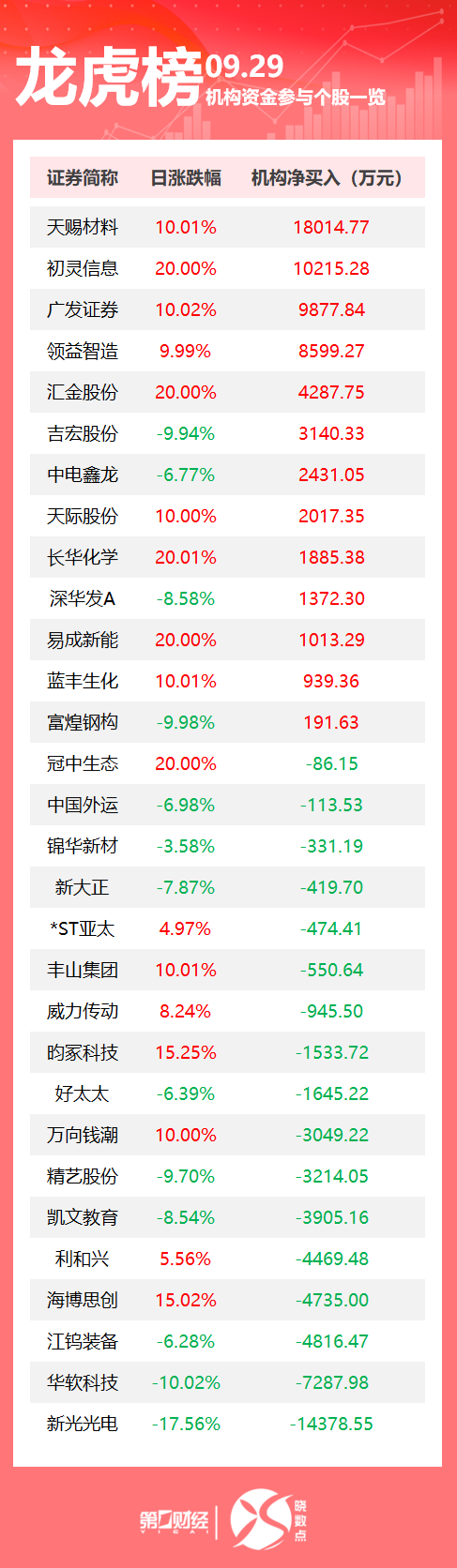
Group 1 - China will introduce a new visa category for young scientific and technological talents, named the "K visa," to promote international exchange and cooperation [2] - The U.S. White House has released a plan proposed by Trump to end the Gaza conflict, which includes an immediate ceasefire and the withdrawal of Israeli troops to agreed borders [3][18] - Over a hundred mutual funds in China have initiated large-scale purchase restrictions ahead of the National Day holiday, primarily to manage liquidity risks and protect existing investors' returns [4] Group 2 - The National Development and Reform Commission announced a new policy financial tool with a total scale of 500 billion yuan, aimed at supporting project capital [5] - The Ministry of Commerce of China criticized the U.S. for its new export control rules, which impose additional sanctions on subsidiaries of companies on the U.S. entity list [6] - Five departments in China have issued a plan to support Beijing in implementing the WTO e-commerce agreement, enhancing trade services and data management [7] Group 3 - The State Taxation Administration of China will enforce strict regulations on internet platform companies regarding tax obligations, ensuring they do not transfer tax responsibilities to gig workers [8] - The Ministry of Water Resources is advancing the construction of a digital twin water management system to enhance flood prevention and resource management [9] - In 2024, China's total R&D expenditure is projected to reach 36,326.8 billion yuan, with Guangdong province leading with over 500 billion yuan in investment [10] Group 4 - Shanghai is promoting high-quality development of offshore bonds through financial reforms and international cooperation [11] - DeepSeek has launched a new model that significantly reduces costs by over 50%, enhancing its competitive position in the market [22] - Jaguar Land Rover is set to resume production after a month-long halt due to a cyberattack, indicating a recovery in operations [23] Group 5 - OPPO plans to enter the handheld smart imaging device market, targeting a product launch in 2026 to compete with established brands like GoPro and DJI [24] - The U.S. stock market saw a slight increase, with the Nasdaq China Golden Dragon Index rising over 2%, indicating positive investor sentiment towards Chinese tech stocks [25] - Institutional investors showed significant buying activity in stocks like Tianqi Materials and Chuling Information, while New Light Optoelectronics faced substantial selling pressure [26][28]
中国造不出AI芯片?黄仁勋:仅落后美国“几纳秒”;DeepSeek放大招;小米否认削减订单;OPPO要做云台对标大疆丨邦早报
创业邦· 2025-09-30 00:09
Group 1 - DeepSeek has released version V3.2-Exp of its model, significantly reducing service costs, with API prices dropping by over 50% [2][29] - The new pricing structure for DeepSeek API includes costs of 0.5 yuan for cache hits and 4 yuan for cache misses, effective from September 29, 2025 [3] - Jaguar Land Rover is set to resume production after a month-long halt due to a cyber attack, with operations gradually restarting [5] Group 2 - Apple CEO Tim Cook confirmed his personal investments in cryptocurrencies like Bitcoin and Ethereum but stated that Apple will not accept crypto payments for products [5] - Xiaomi's public relations manager announced that there are no plans to cut orders for the Xiaomi 17 series, which is expected to see an increase in overall product orders [12] - The total import and export value of automotive goods in August 2025 was reported at $25.81 billion, with a month-on-month increase of 3.3% [30] Group 3 - AstraZeneca plans to list its shares on the New York Stock Exchange while maintaining its headquarters in the UK [22] - Linghou Robotics has completed over 100 million yuan in Series A financing, focusing on core components for industrial automation and general robotics [22] - The new ZEEKR 9X luxury SUV has been launched with a starting price of 465,900 yuan, featuring advanced electric and AI technologies [23]




早报|清华多名师生参与黄牛活动牟利被查处;特朗普对境外制作电影征100%关税;官方辟谣工人掉入机器后做出月饼被卖出
虎嗅APP· 2025-09-29 23:53
Group 1 - Trump announced a 100% tariff on films produced outside the US, claiming that the US film industry is being undermined by foreign competition [2] - Huawei appointed Yu Chengdong as the head of its Product Investment Review Board, with a focus on leading the company's AI strategy [3] - OpenAI launched an instant checkout feature in collaboration with Etsy and Shopify, targeting US users of ChatGPT [5] Group 2 - Germany is considering a ban on social media use for individuals under 16 years old, as part of stricter regulations for minors online [6][7] - China introduced a new "K visa" to promote exchanges and cooperation among young tech talents [8] - Tsinghua University reported disciplinary actions against staff involved in illegal activities related to campus access and profit-making [9] Group 3 - A major criminal case in Zhejiang resulted in 11 individuals receiving death sentences for their involvement in a crime syndicate [11] - DeepSeek announced a significant reduction in costs for its new model, with output prices dropping by 75% and overall API call costs decreasing by over 50% [20] - Xiaomi denied reports of reducing orders for its 17 series smartphones, stating that there are no plans to cut orders despite a projected 20% decrease in total shipments [24] Group 4 - OPPO plans to launch a new series of handheld gimbal cameras by 2026, targeting competition with brands like GoPro and DJI [25] - Huang Renxun clarified misconceptions about China's AI chip manufacturing capabilities, asserting that claims of a two to three-year lag behind the US are unfounded [28] - The railway sector in China is transitioning to a fully digital electronic invoicing system, ending the provision of paper receipts [29]