
OPPO

Search documents
腾讯、华为、荣耀、OPPO,在深圳签下“个人信息”承诺书
2 1 Shi Ji Jing Ji Bao Dao· 2025-09-29 03:44
Core Viewpoint - The "Shenzhen Plan" introduces 15 clear guidelines for personal information protection, emphasizing privacy policy standardization, user consent management, data processing compliance, and user rights protection [2][3][4] Group 1: Privacy Policy Standardization - Application distribution platforms and apps must provide easily accessible and long-term effective privacy policies, including personal information processing rules, user rights, and complaint channels [2] - Specific rules must be outlined for the handling of minors' personal information [2] Group 2: User Consent Management - Operators must inform users of personal information processing in a prominent manner, prohibiting default selections or bundled authorizations [3] - Sensitive personal information requires "separate consent," and users must have effective means to withdraw consent [3] Group 3: Data Processing Compliance - Operators must adhere to the principles of "minimum and necessary" data processing, avoiding blanket authorizations and frequent pop-up requests [3] - Personalized recommendations must offer non-targeted options or easy refusal methods, and generative AI services must not misuse personal information [3] Group 4: User Rights Protection - Operators are required to inform users of their rights to access, copy, correct, delete, and restrict processing of their personal information, with a commitment to respond to user requests within 15 working days [3] - Barriers to exercising these rights must not be artificially created [3] Group 5: Industry Commitment and Regulatory Framework - Six major application software distribution platform representatives signed a compliance operation commitment to strengthen personal information protection [4] - Since 2021, significant laws such as the Data Security Law and Personal Information Protection Law have been enacted, establishing a solid legal foundation for data security and personal information protection [4] - The Shenzhen Municipal Cyberspace Administration has been actively promoting a multi-governance model involving government regulation, corporate autonomy, industry self-discipline, and social oversight [4][5]




350亿杭州造车新贵 悄悄接盘OPPO大楼
2 1 Shi Ji Jing Ji Bao Dao· 2025-09-29 01:21
Core Viewpoint - A low-profile businessman from Ningbo, Ye Ji, has quietly acquired the OPPO headquarters building in Hangzhou, indicating a strategic move towards expanding his company's presence in the automotive sector, particularly with potential involvement in the restructuring of Nezha Auto [2][4][11]. Group 1: Acquisition Details - Ye Ji's company, Shanzi Gaoke, has taken over the OPPO Hangzhou R&D headquarters project, originally managed by Douku Software, by investing 1.78 billion yuan (approximately 17.8 billion yuan) to acquire 95% of Douku Software's shares [2][3]. - The OPPO building, still under construction, was initially purchased by OPPO for 1.18 billion yuan in 2020, with plans to create a global mobile terminal R&D headquarters [4][5]. - The project is expected to be completed by 2027, featuring a 37-story office tower and a 6-story commercial building [5]. Group 2: Financial Implications - Shanzi Gaoke's financial situation appears strained, with a cash outflow of 210 million yuan in the first half of the year and only 320 million yuan in cash reserves as of June [15]. - The company's revenue for the first half of the year was reported at 1.73 billion yuan, a decrease of 17.3% compared to the previous year, while net profit attributable to shareholders was 218 million yuan, a significant improvement from a loss in the same period last year [17]. - The company is actively working to reduce its debt burden, including a recent agreement to restructure 33 million euros in debt, which is expected to yield a restructuring benefit of 1.03 billion yuan [20][23]. Group 3: Strategic Moves in Automotive Sector - Ye Ji's team is reportedly involved in the restructuring of Nezha Auto, which has generated investor interest, leading to a 60% increase in Shanzi Gaoke's market value since the beginning of the month, reaching 35 billion yuan [11]. - The company is planning to collaborate with Tmall on the "V17" model, aiming for an annual production and sales target of 300,000 units starting in Q3 2026 [9][12]. - Shanzi Gaoke has shifted its headquarters to the Alibaba Digital Ecological Innovation Park in Yuhang District, Hangzhou, to be closer to its partners [7][9].
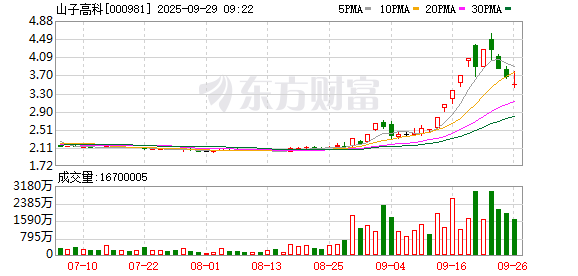
雷军千亿豪赌转型硬核科技 小米“基因重塑”市值增万亿
Chang Jiang Shang Bao· 2025-09-28 22:59
Core Insights - The core theme of the article is the transformation of Xiaomi under the leadership of Lei Jun, focusing on the company's shift from an "internet company" to a "hardcore technology company" through significant investment in core technologies and innovation [2][3][13]. Summary by Sections Transformation Journey - Xiaomi's transformation began with a deep reflection in 2020, marking its 10th anniversary and a pivotal moment for the company [3][4]. - Despite achieving over 200 billion yuan in annual revenue and entering the Fortune Global 500, Lei Jun faced intense criticism regarding Xiaomi's technological capabilities [3][4]. Strategic Decisions - Lei Jun decided to invest 100 billion yuan in core technology over the next five years, marking a significant shift in Xiaomi's strategy [4][18]. - The company aimed to focus on high-end products and core technology development, particularly in chip and automotive sectors [5][6]. Chip Development - Xiaomi restarted its chip development journey in 2021, aiming for high-end 3nm technology, despite facing significant challenges and a 14.7% revenue decline in 2022 [5][6]. - By 2025, Xiaomi successfully launched its self-developed chip, the玄戒O1, marking a significant milestone in its technology journey [7][8]. Automotive Ambitions - Xiaomi announced its ambitious plan to develop high-performance electric vehicles, aiming to compete with brands like Porsche and Tesla [10][11]. - The company faced numerous challenges in its automotive development but managed to overcome them, achieving significant performance milestones with its SU7 Ultra model [11][12]. Talent Acquisition and Financial Strategy - Lei Jun emphasized the importance of talent acquisition and financial management, stating that finding the right people and securing sufficient funds are crucial for success [14][18]. - Xiaomi's workforce includes a significant number of R&D personnel, with 21,190 employees dedicated to research, representing 48.5% of the total workforce [17]. Financial Performance - As of mid-2025, Xiaomi's total funds reached 192.768 billion yuan, reflecting a strong financial position to support its ambitious projects [19]. - The company's market capitalization increased significantly from 245.4 billion yuan in 2020 to 1.42 trillion yuan by 2025, showcasing investor confidence in its transformation strategy [19].

iTherM 2025十大亮点,全景呈现热管理产业新格局
DT新材料· 2025-09-28 16:03
Core Insights - The article emphasizes the growing importance of thermal management as a "hidden core" in cross-industry collaborative innovation, driven by advancements in new energy, semiconductors, data centers, automotive, and low-carbon economies [2] - The iTherM 2025 conference aims to create a comprehensive platform for the thermal management industry, integrating exhibition, forums, results release, and resource matching to foster collaborative development [3] Group 1: Event Overview - iTherM 2025 is set to take place in Shenzhen, featuring an exhibition area of 20,000 square meters and attracting over 350 core enterprises from the thermal management industry [4] - The previous conference attracted over 10,000 professional visitors and 1,500 attendees, highlighting its significance as a leading event in the thermal management sector [4] Group 2: Participation and Networking - The event will gather over 300 top enterprises, including international representatives like Honeywell, 3M, and NVIDIA, as well as domestic leaders such as BYD and Huawei, showcasing the latest products and technologies [7] - iTherM 2025 is expected to connect with over 1,000 targeted buyers from major companies, facilitating efficient supply-demand matching through VIP buyer channels [9] Group 3: Expert Engagement - The conference will feature over 100 expert reports from industry leaders and researchers, focusing on key topics such as thermal science and battery cooling, providing strategic insights and technology trend analyses [11] - A series of specialized forums will be held, allowing participants to share cutting-edge research and innovative applications across various sectors [13] Group 4: Exhibition Structure - The exhibition will be organized into six thematic areas, covering the entire thermal management process from materials to systems, with a focus on practical applications [14] - A dedicated area for innovative achievements will showcase the latest research breakthroughs from academic institutions, promoting the transition from research to industry applications [23] Group 5: Investment and Collaboration - iTherM 2025 will emphasize investment and entrepreneurial project matching, inviting industry capital and startups to engage in discussions, particularly in areas like innovative materials and data center systems [25] - The event aims to create a positive cycle of technological breakthroughs, industrial implementation, and capital empowerment within the thermal management industry [25] Group 6: Future Outlook - The conference is positioned as a key platform for driving technological innovation and industrial upgrades in the thermal management sector, with a focus on multi-scenario applications and comprehensive industry engagement [27]
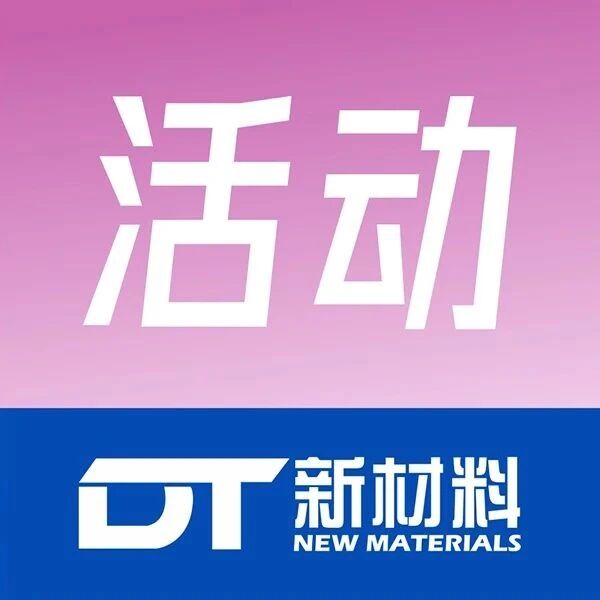
智平方创始人郭彦东:没有技术自信,中国机器人就没有创新突破
晚点LatePost· 2025-09-28 15:25
Core Viewpoint - The article emphasizes the importance of developing versatile robots that can be integrated into various real-world applications, rather than creating specialized machines that serve limited functions. The focus is on achieving general-purpose robotics that can learn and adapt in diverse environments [2][4][55]. Group 1: Company Background - Guo Yandong, a prominent figure in the robotics industry, has a strong academic and professional background, including a PhD in artificial intelligence from Purdue University and experience at Microsoft and companies like Xiaopeng Motors and OPPO [2][3][19]. - In 2023, Guo founded Zhi Ping Fang, focusing on the Visual Language Action (VLA) model for robotics, positioning the company as a leader in this niche within the industry [3][4]. Group 2: Business Strategy - Zhi Ping Fang has adopted a pragmatic approach to business, generating significant revenue through model services while many competitors focus on flashy demonstrations [4]. - The company has secured over a thousand commercial orders across high-end manufacturing sectors, including automotive and semiconductor industries, indicating strong market demand [4][28]. Group 3: Product Development - The second-generation robot, Aibao, features a wheeled chassis for stability and efficiency, contrasting with the bipedal designs pursued by competitors like Tesla [4][33]. - The robots are designed to learn tasks quickly, adapting to new roles within hours to days, which enhances their utility in manufacturing environments [30]. Group 4: Market Position and Future Plans - The robotics industry is experiencing rapid growth, with over 400 companies currently operating in China, surpassing the early days of the electric vehicle sector [47]. - Zhi Ping Fang aims to deliver tens of thousands of robots by 2028, focusing on practical applications in various sectors, including retail and logistics [51]. Group 5: Industry Insights - The article highlights the need for robots to be versatile and capable of learning from real-world interactions, which is essential for their integration into everyday environments [36][49]. - Guo advocates for a balanced approach to pricing and performance, stressing that the focus should be on creating high-quality, functional robots rather than competing solely on cost [55].



OPPO Find X9首发全焦段哈苏8K超清照片 清晰度较传统照片提升近400%
Feng Huang Wang· 2025-09-28 14:08
Core Viewpoint - OPPO is set to revolutionize mobile imaging with the Find X9 series, focusing on enhanced long-focus, color, and video capabilities, in collaboration with Hasselblad [1] Group 1: Imaging Technology - The Find X9 series features a 200 million pixel telephoto lens with a 70mm focal length and F2.1 aperture, utilizing AOA active optical calibration technology for improved assembly precision [1] - The series supports full-focus output of 50 million pixel 8K ultra-clear photos, achieving a clarity improvement of nearly 400% compared to traditional 12 million pixel photos [1] Group 2: Dynamic Imaging - OPPO introduces 4K ultra-clear live photos and partners with Xiaohongshu for native ultra-clear playback on the platform [1] - Video recording is enhanced with "frame smoothing technology" to address frame fragmentation, alongside game-level power management strategies to ensure prolonged recording without overheating or frame drops [1] Group 3: Sensor and Color Technology - The series utilizes a custom LYT-828 sensor from Sony, supporting instantaneous triple exposure technology and an upgraded fourth-generation color restoration system to enhance color accuracy through multi-modal sensor fusion [1] Group 4: Professional Imaging Accessories - OPPO's collaboration with Hasselblad extends to the mobile imaging accessory sector, launching a professional imaging kit that includes a professional teleconverter [1] - The official launch of the OPPO Find X9 series is scheduled for October 16 [1]
小米支持PPS,会成为厂商走出私有拥抱开放的开始吗?
Hu Xiu· 2025-09-28 11:35
本文来自微信公众号:爱范儿 (ID:ifanr),作者:马扶摇,题图来自:AI生成 OPPO的超级闪充,vivo的超快闪充、华为的超级快充,以及小米的澎湃有线秒充等等,一片勃勃生机、万物竞发的景象。 然而快充协议五花八门、互不兼容的后果,最终其实还是由消费者承担的。 比如有些机型支持高功率快充、附赠的充电头却是低功率的款式,想要满血充电只有一句话——得加钱。又或者购买第三方品牌的多协议充电头,就得忍 受无法激活厂商私有协议带来的充电掉速、频繁断连问题。 除开改名对标,以及背后高原副屏,今年的小米其实还做了一件我们认为颇有格局的事情: 小米17系列全系兼容100W通用PPS协议,小米充电器、非小米充电器,都能疾速充电,通用性大幅提升。 长久以来,包括小米在内的主流国产手机厂商,虽然在电池技术和充电技术上遥遥领先于海外同行,但是在开放程度和兼容性上却始终不情不愿,并最终 造就了国内手机厂商各自为战的结果。 小米17系列的发布,填补了九月末"后苹果发布会时期"到国庆节之后国产新机潮之间的空虚。 这也是我们认为小米今年宣布兼容PPS协议是很有意义的原因: 长久以来,公有的充电协议始终都存在,但大多数(私有协议的)厂商 ...
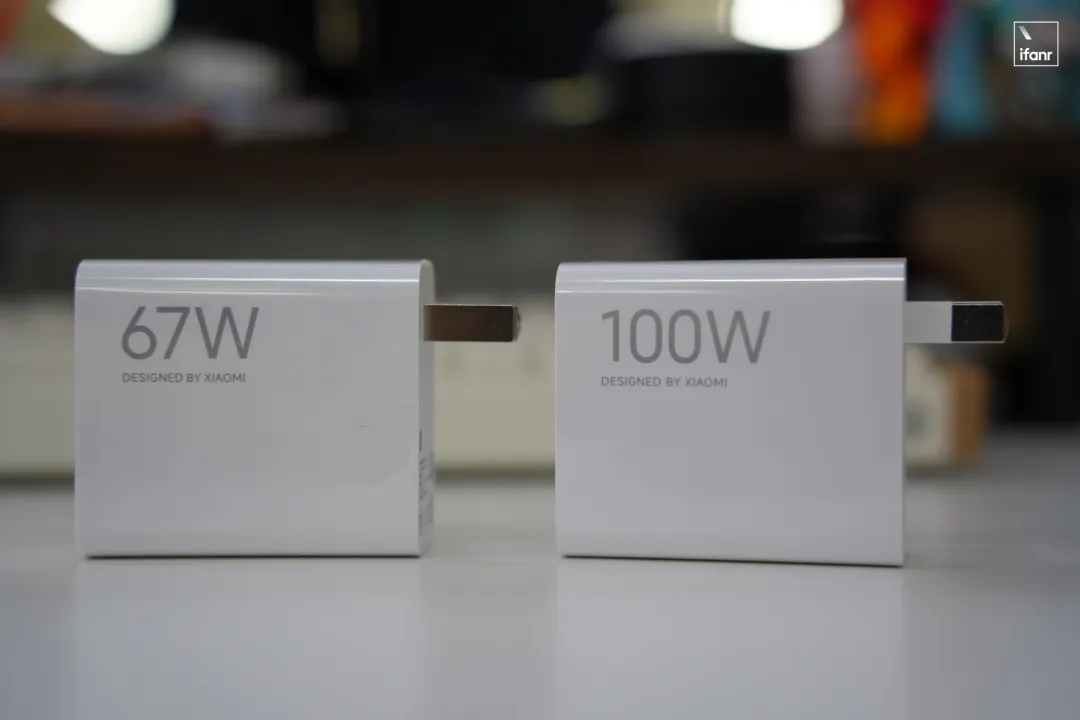
胜宏科技的同行冲击IPO,给OPPO、传音供货,来自江西吉安
格隆汇APP· 2025-09-27 08:01
Core Viewpoint - The article discusses the IPO impact of Shenghong Technology, a competitor in the industry, which supplies to major companies like OPPO and Transsion, and is based in Ji'an, Jiangxi [1] Group 1: Company Overview - Shenghong Technology is preparing for an IPO, indicating a significant move in the market [1] - The company is positioned as a supplier for well-known brands such as OPPO and Transsion, highlighting its importance in the supply chain [1] Group 2: Industry Impact - The entry of Shenghong Technology into the public market may create competitive pressure on existing players in the industry [1] - The IPO of Shenghong Technology could lead to increased scrutiny and potential shifts in market dynamics among suppliers [1]

荣耀详解端侧AI:输出“中国模式”,重塑全球化路径
Nan Fang Du Shi Bao· 2025-09-27 05:11
Core Insights - The AI revolution has reached a critical point, with technology giants facing the challenge of effectively integrating AI into end devices [2] - Honor's recent announcements at the Snapdragon Summit indicate a strategic move towards global market presence and a shift in China's role in the global AI landscape [2][8] Group 1: AI Integration in Devices - Honor is addressing the challenges of running large AI models on devices by focusing on both AI models and underlying architecture to tackle power consumption, performance, and privacy issues [2] - The upcoming Honor Magic8 series and MagicPad3 Pro will feature the fifth-generation Snapdragon 8 platform, marking a significant step for Honor in the global market [2][6] Group 2: Technical Innovations - Honor and Qualcomm introduced a "high-efficiency edge AI model solution" that includes two major technological breakthroughs: low-bit quantization technology and next-generation vector retrieval technology [3][4] - Low-bit quantization technology allows for a 30% reduction in model storage space, a 15% increase in inference speed, and a 20% decrease in power consumption while maintaining model effectiveness [3] - The new vector retrieval technology enhances search performance by 400%, enabling faster and more intuitive searches across various data types [4] Group 3: Collaborative Architecture - The "Super Fusion Core Architecture" combines Honor's Turbo X performance engine with Qualcomm's latest Oryon chip architecture, optimizing resource management at the micro-architecture level [5] - This collaboration signifies a new phase of joint research and development, aiming to fully unleash edge AI productivity [5] Group 4: Competitive Landscape - The competition in the edge AI space is intensifying, with major players like Apple, Vivo, Xiaomi, and OPPO also investing in edge AI technologies [6] - The focus has shifted from merely having AI capabilities to enhancing user experience and application scenarios, with a trend towards smaller edge models [6] Group 5: Globalization of Chinese Tech Firms - The emergence of edge AI is facilitating a new narrative for Chinese tech companies, transitioning from "Made in China" to "Defined in China" [8][9] - Chinese firms are now collaborating with global partners to define technical standards and interaction paradigms for AI terminals, moving beyond their previous roles as hardware integrators [8] - This shift not only impacts technology but also offers a more open and collaborative approach to AI development, enhancing privacy and reducing costs for developers and users alike [8][9]
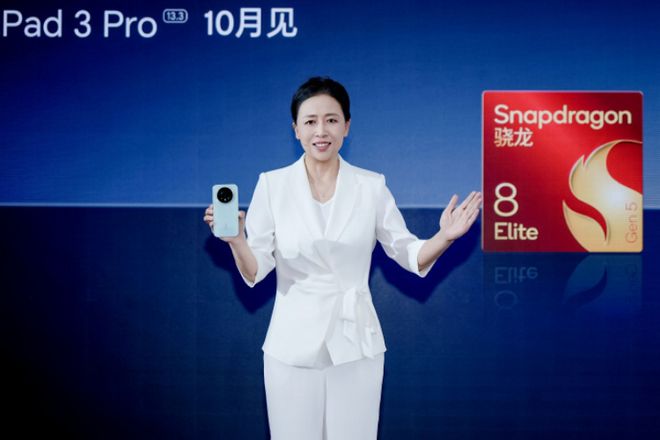
荣耀详解端侧AI:输出“中国模式” 重塑全球化路径
Nan Fang Du Shi Bao· 2025-09-27 04:59
Core Insights - The AI revolution has reached a critical point, with technology giants facing the challenge of effectively integrating AI into end devices [1] - Honor's recent announcements at the Snapdragon Summit indicate a strategic shift towards enhancing AI capabilities on mobile devices, marking a significant step in its global market ambitions [1][6] - The collaboration between Honor and Qualcomm aims to redefine AI productivity at the device level, positioning Chinese tech companies as rule-makers in the global AI landscape [1][8] Technical Innovations - Honor introduced a "high-efficiency edge AI model solution" that addresses the challenges of running large AI models on devices with limited power and space [2] - Two major technological breakthroughs were highlighted: 1. "Edge low-bit quantization technology," which reduces model storage space by 30%, increases inference speed by 15%, and decreases power consumption by 20% [2] 2. "Next-generation vector retrieval technology," which enhances search performance by up to 400% by converting unstructured data into machine-understandable semantic vectors [3][4] Market Dynamics - The competition in the edge AI space is intensifying, with major players like Apple, Vivo, Xiaomi, and OPPO also investing in similar technologies [6] - The focus of competition is shifting from merely having AI capabilities to the quality of user experience, with a growing emphasis on practical applications [6][7] - Honor's strategy extends beyond smartphones to tablets, indicating a broader AI strategy that aims to cover more use cases and applications [6] Global Positioning - The emergence of edge AI is facilitating a new narrative for Chinese tech companies, transitioning from "China manufacturing" to "China defining" in the global tech arena [8][10] - This shift reflects a move towards open and collaborative ecosystems, contrasting with the closed ecosystems of competitors like Apple [8][9] - The increasing "technological discourse power" of Chinese tech firms signifies their deeper involvement in defining global industry standards and practices [10]