大疆

Search documents
消费级硬件厂商忙跨界 大疆“两面”出击
Di Yi Cai Jing· 2025-08-08 00:32
Core Insights - DJI has launched two new product categories within a week, entering the sweeping robot and panoramic camera markets, indicating a diversification strategy beyond its core drone business [1][2] Group 1: Sweeping Robot Market - DJI's first sweeping robot, priced from 4699 yuan, targets the high-end market, entering a competitive landscape where the penetration rate was only 5.5% in China last year [2] - The sweeping robot market has seen a decline in sales from 2021 to 2022, but a slight recovery occurred in 2023, with the top five brands holding a market share of 93.6% [2][4] - The design of DJI's sweeping robot has undergone three significant changes, including the transition from mechanical to solid-state LiDAR, indicating a focus on advanced technology [3] - The challenges in the sweeping robot market include the need for improved self-cleaning capabilities and coverage of hard-to-reach areas, which remain unresolved [4] Group 2: Panoramic Camera Market - The global panoramic camera market is valued at 5.03 billion yuan in 2023, with a significant market share held by domestic brands, particularly 67.2% by Insta360 [6] - The supply chain for panoramic cameras is primarily based in China, providing a competitive advantage in production and design [6][7] - The industry is moving towards custom square sensors to balance high image quality and compact size, although this requires significant investment and foresight [7]
7月中国出口增长6.7%,互联网大厂密集启动校招 | 财经日日评
吴晓波频道· 2025-08-08 00:29
Group 1: Trade and Economic Data - In July, China's exports grew by 6.7% year-on-year, with total trade value reaching 3.91 trillion yuan, including exports of 2.31 trillion yuan and imports of 1.6 trillion yuan [2] - High-tech product trade contributed significantly to overall growth, with a total of 5.1 trillion yuan in the first seven months, marking an 8.4% increase [2] - ASEAN became China's largest trading partner, with trade value of 4.29 trillion yuan, a 9.4% increase, while trade with the US decreased by 11.1% [2] Group 2: Brain-Computer Interface Industry - Seven Chinese government departments issued guidelines to support the development of the brain-computer interface industry, aiming for breakthroughs in key technologies by 2027 [4] - The industry is expected to grow significantly, with plans to establish 2-3 development clusters and cultivate globally influential companies by 2030 [4] - China focuses on semi-invasive technologies, while the US emphasizes invasive methods, indicating different strategic approaches in the development of brain-computer interfaces [5] Group 3: Urban Renewal Projects - Shanghai plans to initiate comprehensive urban village renovation projects by 2026, with a focus on improving living conditions and optimizing real estate supply [6][7] - The project aims to address local government financial pressures and improve the housing environment, although its impact on the real estate market may be limited [6][7] Group 4: Apple Manufacturing Investment - Apple announced a commitment to invest an additional $100 billion in US manufacturing, aiming to localize more supply chain processes [8][9] - This investment is part of a broader strategy to mitigate potential tariffs and enhance domestic production capabilities [8][9] Group 5: Fast Food Industry Performance - Yum China reported a 4% year-on-year revenue increase in Q2, with KFC's same-store sales growing by 1% and delivery sales accounting for 45% of total revenue [10][11] - The competitive landscape in the food delivery market has led to increased sales but also rising labor costs for delivery services [10][11] Group 6: AI Talent Recruitment - Major tech companies like Tencent and Alibaba are ramping up recruitment for AI-related positions, reflecting a strong demand for AI talent in the industry [12][13] - The average salary for AI engineers is significantly higher than other professions, indicating a competitive job market [12][13] Group 7: DJI's Entry into Home Robotics - DJI launched its first series of robotic vacuum cleaners, leveraging its expertise in technology from the drone industry [14][15] - The market for robotic vacuums is crowded, and while DJI has technological advantages, its success will depend on effective marketing strategies [14][15]






2025起点户储及便携式储能电池技术论坛9月深圳举办!
起点锂电· 2025-08-07 10:12
Group 1 - The core viewpoint of the article emphasizes the growth and potential of the home energy storage and portable energy storage markets, highlighting significant increases in shipment volumes and market forecasts for 2024 and beyond [3][4][10] - The global home energy storage shipment volume is projected to reach 27.8 GWh in 2024, with a year-on-year growth of 19%, and China accounting for 75% of this market [3] - The competitive landscape for home energy storage systems is dominated by Chinese companies, with the top 10 global players including Huawei, BYD, and Aier Energy [3] Group 2 - The portable energy storage market is expected to ship 11 million units in 2024, reflecting a remarkable 90% year-on-year growth, with the U.S. being the largest and most mature market [4] - The fastest-growing markets for portable energy storage in 2024 include Ukraine, driven by energy shortages due to the ongoing conflict [4] - The top 10 global portable energy storage companies include EcoFlow, BLUETTI, and Jackery, with significant competition expected in the next 2-3 years as more brands enter the market [5] Group 3 - The upcoming 2025 Peak Forum on Home and Portable Energy Storage Battery Technology will focus on high safety standards and building a new ecosystem for the industry [6][8] - The forum will gather over 600 key decision-makers from the industry to discuss technological breakthroughs, safety challenges, and opportunities for collaboration [10][11] - The agenda includes discussions on safety standards, battery technology trends, and market strategies for both home and portable energy storage systems [9]

隆利科技:背光显示产品已成功应用在大疆的运动相机产品上
Zheng Quan Shi Bao Wang· 2025-08-07 09:30
Core Insights - Longli Technology (隆利科技) has confirmed that DJI is one of its end customers, indicating a strategic partnership between the two companies [1] - The company's backlight display products have been successfully integrated into DJI's action camera products, showcasing the application of Longli's technology in high-demand consumer electronics [1] Company Summary - Longli Technology (隆利科技) is actively involved in the production of backlight display products [1] - The collaboration with DJI highlights Longli's capability to serve major players in the consumer electronics market [1] Industry Context - The partnership with DJI positions Longli Technology favorably within the competitive landscape of display technology suppliers [1] - The successful application of Longli's products in DJI's offerings may enhance the company's reputation and open up further opportunities in the industry [1]

隆利科技(300752.SZ):目前背光显示产品已成功应用在大疆的运动相机产品上
Ge Long Hui· 2025-08-07 09:20
Core Viewpoint - Longli Technology (300752.SZ) has confirmed that DJI is one of its end customers, and the company's backlight display products have been successfully applied in DJI's action camera products [1] Group 1 - Longli Technology's backlight display products are utilized in DJI's action cameras, indicating a significant partnership [1]
快讯|韩国研发柔性机器人薄片可帮人捡拾物品,大疆首款旗舰扫地机器人ROMO发布 超5万人预约,上海发布具身智能产业方案
机器人大讲堂· 2025-08-07 08:25
Group 1: Flexible Robotics Development - A flexible robotic sheet developed by South Korean scientists can grasp objects and move across surfaces, featuring 308 resistors that function as heaters and sensors, allowing for shape changes between -87° to 109° folding angles [2] - The robotic sheet operates stably within a temperature range of 30℃ to 170℃ and can crawl and grasp items like petri dishes and wooden sticks, showing potential for improvements in exploration, haptic displays, and intelligent medical systems [2] - Further breakthroughs in material technology and structural design are needed to fully realize the potential of this robotic sheet [2] Group 2: Agricultural Robotics - The modern agricultural machinery equipment park in Dazhou's hilly area is thriving, with the AI weeding robot developed by Tieniu Cloud Intelligence passing inspection from Canadian clients and set for export [4] - This robot can operate on 50-80 acres per day and is the only commercial model in China, with plans for a smaller version targeting domestic hilly areas [4] - The park has established 18 production lines, launched 28 products, and achieved a 45% component matching rate, focusing on attracting whole-machine enterprises to promote smart agricultural machinery in domestic and international markets [4] Group 3: Smart Cleaning Robots - DJI launched its first flagship robot vacuum, ROMO, on August 6, with over 51,000 reservations on JD.com [8] - The product line includes three series (S, A, P) with six models, offering both basic and advanced configurations for water tanks [8] - Unlike most products that rely on LDS laser radar, ROMO uses a pure visual solution with a flat top design and dual-camera module for obstacle avoidance, raising questions about its pricing and market impact [8] Group 4: Embodied Intelligence Industry Support - Shanghai's government issued a development plan for the embodied intelligence industry, aiming to attract and cultivate high-quality enterprises [11] - Companies selling or leasing embodied intelligent robots can receive rewards of up to 500 million yuan based on contract amounts, with a maximum of 5% of the contract value [11] - The plan emphasizes deepening strategic cooperation with state-owned enterprises and supporting the establishment of regional and functional headquarters in Shanghai [11] Group 5: Smart Cleaning Robot Charging Stations - The first smart cleaning robot charging station in Longgang, Shenzhen, named "Sanitation Robot Home (Hive)," has been launched, supporting five "Little Bee" sanitation robots [14] - This charging station centralizes charging and water supply for robots, monitors equipment status in real-time, and enhances operational capabilities through an integrated supply, monitoring, and maintenance solution [14] - Longgang has deployed over 120 sanitation robots, integrating them into the city and district's smart sanitation system for multifunctional management [14]

众安保险:为低空经济赛道插上“隐形翅膀”
Bei Jing Shang Bao· 2025-08-07 08:11
Core Viewpoint - Insurance plays a crucial role as the "invisible wing" of the low-altitude economy, providing essential risk management and economic compensation to support the industry's growth [1][8]. Group 1: Role of Insurance in Low-Altitude Economy - The low-altitude economy is igniting consumer enthusiasm with activities like drone deliveries and aerial shows, but it also faces risks such as accidents and privacy breaches [1][3]. - Insurance is essential for managing these risks, offering a safety net and acting as a key driver for the industry's development [1][4]. - Since 2015, the company has partnered with DJI to provide comprehensive insurance solutions tailored to the unique needs of drone users, becoming the leading provider in the domestic low-altitude drone insurance market [4][6]. Group 2: Challenges and Innovations in Insurance - The rapid expansion of low-altitude applications introduces new risks, necessitating that insurance terms evolve alongside technological advancements [1][3]. - The company has developed innovative products, such as the "Zhong An · Anxin Fei Drone Liability Insurance," which offers coverage starting at 50 yuan per year, addressing the needs of various users [6][7]. - The rise of "black flying" incidents, where drones operate outside legal parameters, poses significant public safety risks, highlighting the need for effective management and precise liability determination [7][8]. Group 3: Data and Regulatory Needs - The low-altitude economy requires a robust insurance framework, but the lack of foundational data complicates risk assessment and pricing [9][10]. - Experts suggest that the insurance industry should collaborate with aviation, transportation, and meteorological sectors to establish a comprehensive regulatory framework for low-altitude insurance [10][11]. - The company is committed to investing over 20 million yuan and assembling a dedicated team to develop a complete insurance service platform for the low-altitude economy, aiming to enhance service quality and standardize solutions across the industry [12].

创新消费力| 众安保险:为低空经济赛道插上“隐形翅膀”
Bei Jing Shang Bao· 2025-08-07 07:53
Core Viewpoint - Insurance plays a crucial role as an "invisible wing" in the low-altitude economy, providing essential risk management and economic compensation to support the industry's growth [1][8]. Group 1: Role of Insurance in Low-Altitude Economy - The low-altitude economy is a burgeoning sector with a market potential in the trillions, encompassing various applications such as logistics, agriculture, and emergency rescue [4]. - Insurance is essential for managing risks associated with the low-altitude economy, including accidents, privacy breaches, and liability disputes [1][4]. - Since 2015, the company has partnered with DJI to offer comprehensive insurance solutions tailored to the unique needs of drone users, becoming the leading provider in the domestic low-altitude drone insurance market [1][5]. Group 2: Challenges and Innovations in Insurance - The rapid evolution of technology and the expansion of application scenarios in the low-altitude economy necessitate continuous updates to insurance policies to keep pace with emerging risks [1][5]. - The company has developed innovative products, such as the "Zhong An Anxin Fei Drone Liability Insurance," which offers coverage starting at 50 yuan per year, catering to a wide range of drone users [6][11]. - The insurance industry must address the increasing demand for coverage as the low-altitude economy grows, with the company reporting over 100,000 enterprise clients across various sectors [5][12]. Group 3: Data and Regulatory Challenges - The lack of sufficient historical data in the low-altitude economy complicates risk assessment and pricing for insurance products, making it difficult for companies to establish accurate premium rates [9][10]. - Collaboration with government and regulatory bodies is essential to develop a robust regulatory framework and data-sharing mechanisms to support the growth of low-altitude insurance [10][12]. - The company is actively exploring partnerships with various stakeholders in the low-altitude economy to enhance data collection and risk management capabilities [10][12].
两家深圳企业,打响一场“世界级商战”
3 6 Ke· 2025-08-07 07:23
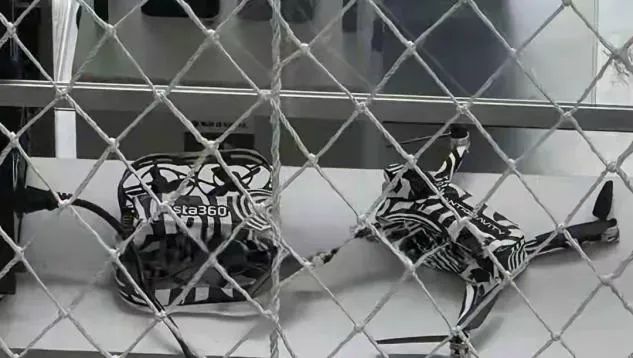
Core Viewpoint - DJI and Insta360 are entering each other's markets, marking the beginning of a significant competitive landscape in the drone and panoramic camera sectors, both companies are based in Shenzhen, China [1][24]. Group 1: Market Dynamics - DJI launched its first panoramic camera, Osmo 360, on July 31, following Insta360's announcement of entering the drone market with its brand "影翎Antigravity" [1][3]. - DJI holds over 70% of the consumer drone market share globally, with an estimated revenue exceeding 80 billion yuan in 2024, while Insta360 commands an 81% share in the panoramic camera market [3][5]. - The global consumer drone market is projected to reach approximately $5.2 billion in 2024, with a potential growth to $13.9 billion by 2033, indicating a compound annual growth rate of over 10.32% [8]. Group 2: Competitive Strategies - Insta360's strategy focuses on leveraging its existing technology in panoramic photography to develop its drone, emphasizing lightweight design under 250g to comply with international regulations [11][15]. - DJI's approach involves integrating advanced optical components and algorithms, utilizing its extensive experience in drone technology to enhance the Osmo 360's capabilities, including 8K resolution and stabilization features [16][18]. - Both companies are pursuing diversification as a means to capture new market opportunities, with Insta360 aiming to expand beyond panoramic cameras and DJI exploring new product lines like the ROMO series of robotic vacuums [8][10]. Group 3: Regional Influence - The competition between DJI and Insta360 is characterized as a "Shenzhen Derby," highlighting the advantages both companies have gained from Shenzhen's robust industrial ecosystem, which supports innovation and talent acquisition [24][26]. - Shenzhen's electronic information industry is projected to exceed 2.7 trillion yuan in output value by 2024, providing a strong supply chain and talent pool for both companies [33]. - The local government initiatives, such as tax incentives and infrastructure development, have significantly contributed to the growth and visibility of both DJI and Insta360 [26][28].
“空中焦虑”从天空杀向客厅!无人机“围城”吃紧,大疆“地面”增多线战事
Hua Xia Shi Bao· 2025-08-07 06:51
Core Viewpoint - DJI has officially entered the vacuum cleaner market with the launch of its first cleaning robot, priced starting at 4699 yuan, which aligns with industry expectations. The success of this product will depend on its market performance and consumer reception [1][2]. Group 1: Market Entry and Product Details - DJI's new product is a sweeping and mopping robot, not just a vacuum cleaner, reflecting current consumer preferences for multifunctional cleaning devices [2]. - The pricing strategy positions DJI's product in the high-end segment, consistent with its brand image [2]. - The company has been developing this product since 2020, indicating a long research and development cycle of over five years [5]. Group 2: Competitive Landscape - The global smart vacuum cleaner market saw shipments of 5.096 million units in Q1 2025, with a year-on-year growth of 11.9%. The top five manufacturers hold a combined market share of 63.4% [4]. - DJI's main competitors in the vacuum cleaner market include domestic brands such as Roborock, Ecovacs, and others, alongside iRobot [5]. - The vacuum cleaner market in China is characterized as a "red ocean," with intense competition and price wars among leading brands [5]. Group 3: Strategic Rationale - DJI's expansion into the vacuum cleaner market is part of a broader strategy to diversify its business and mitigate risks associated with the drone industry, which faces regulatory challenges and market saturation [1][8]. - The company aims to leverage its technological advantages from the drone sector, such as SLAM path planning and multi-sensor obstacle avoidance, to enhance the performance of its vacuum cleaner [7]. - The entry into this market is seen as a natural extension of DJI's capabilities, aiming to meet evolving consumer demands for smarter and more efficient home cleaning solutions [6][7]. Group 4: Industry Trends and Future Outlook - The demand for vacuum cleaners is expected to grow, with the global market maintaining double-digit growth rates and a low penetration rate in China, indicating significant potential for expansion [6]. - Despite the potential, experts caution that the adoption of cleaning appliances in China may not reach the same levels as other household appliances due to their non-essential nature [6]. - DJI's strategic moves reflect a response to increasing competition in the drone market, particularly from new entrants like Yingshi Innovation, which has also announced plans to enter the drone sector [11][12].