OPPO

Search documents
苹果新机再掀“无卡化”浪潮? 业内人士:机型略“鸡肋”,预计影响不大
Mei Ri Jing Ji Xin Wen· 2025-09-14 03:25
Core Viewpoint - Apple's launch of a new eSIM-only model, the iPhone Air, is expected to drive the development of eSIM technology in China, despite the cautious approach of local carriers and regulatory considerations [1][5][6] Industry Overview - The three major domestic telecom operators have indicated readiness to support eSIM technology but are awaiting regulatory approval to proceed with eSIM card services [1][5] - eSIM technology, initially proposed by Apple, has been applied in devices like smartwatches and tablets, with the iPhone 14 series marking a significant milestone by eliminating physical SIM slots in the U.S. market [4] Market Dynamics - The iPhone Air's market appeal is uncertain due to its perceived lower value compared to other models in the iPhone 17 series, which offer better specifications at lower prices [6] - The success of eSIM technology in China may depend on whether domestic manufacturers follow Apple's lead, with OPPO planning to release eSIM-compatible devices by the end of the year [6][7] Consumer Behavior - User choice of telecom operators is primarily influenced by signal strength and cost-effectiveness of plans, suggesting that eSIM technology may not significantly alter consumer behavior [1][8] - The introduction of eSIM cards could facilitate easier number portability between operators, potentially reshaping the competitive landscape among telecom providers [8] Regulatory and Security Considerations - The rollout of eSIM technology in China faces challenges, including concerns over user retention for telecom operators and potential security risks associated with eSIM activation [7][10] - Compliance with existing regulations, such as real-name verification, is essential for the safe implementation of eSIM technology in the domestic market [10]


手表的压力测试其实是骗你的,准确率约等于算命
36氪· 2025-09-14 02:08
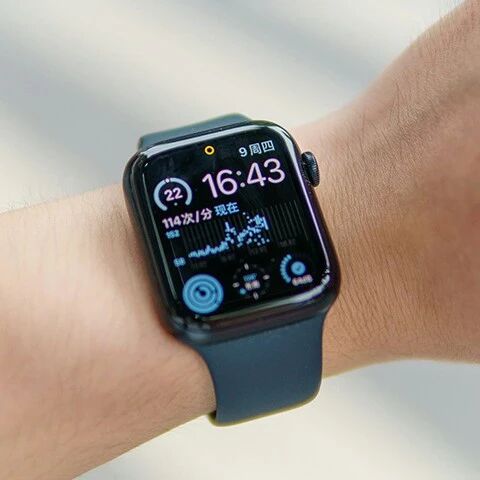
Core Viewpoint - The article discusses the inaccuracies of stress monitoring by smartwatches and apps, emphasizing that the data they provide may not accurately reflect users' psychological stress levels [6][55]. Group 1: User Experiences - Many users have reported discrepancies between their perceived stress levels and the readings from their smartwatches, indicating that the devices may not be reliable [9][54]. - Instances include users feeling relaxed but receiving notifications of high stress, suggesting that the devices may misinterpret physiological signals [13][46]. Group 2: Measurement Methodology - Smartwatches typically measure stress through heart rate variability (HRV), which reflects the variation in time between heartbeats rather than the heart rate itself [19][35]. - A healthy heart rate shows variability, while a low HRV indicates stress, but this does not differentiate between psychological and physiological stressors [30][47]. Group 3: Physiological vs. Psychological Stress - Various factors, such as caffeine intake, exercise, and emotional excitement, can lower HRV, leading to misleading stress readings from smartwatches [39][45]. - The article highlights that physiological stress can trigger the same responses as psychological stress, complicating the interpretation of HRV data [38][46]. Group 4: Limitations of Wearable Technology - The article points out that wearable devices often lack the capability to provide a nuanced understanding of stress, as they primarily focus on HRV without considering other factors [58][60]. - Clinical assessments of psychological stress involve a multi-dimensional evaluation, which smartwatches do not provide [57][75]. Group 5: User Misunderstanding and Marketing - There is a concern that marketing for stress-monitoring apps may mislead users into believing that these devices can accurately measure psychological stress [63][64]. - While these apps can provide some insights into overall physiological load, they should not be relied upon for precise psychological assessments [70][74].
超万款尖货低至5折,京东MALL深圳南山店开业
Nan Fang Du Shi Bao· 2025-09-13 13:48
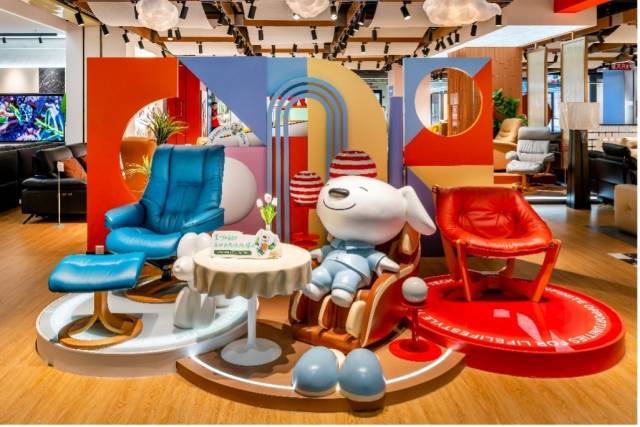
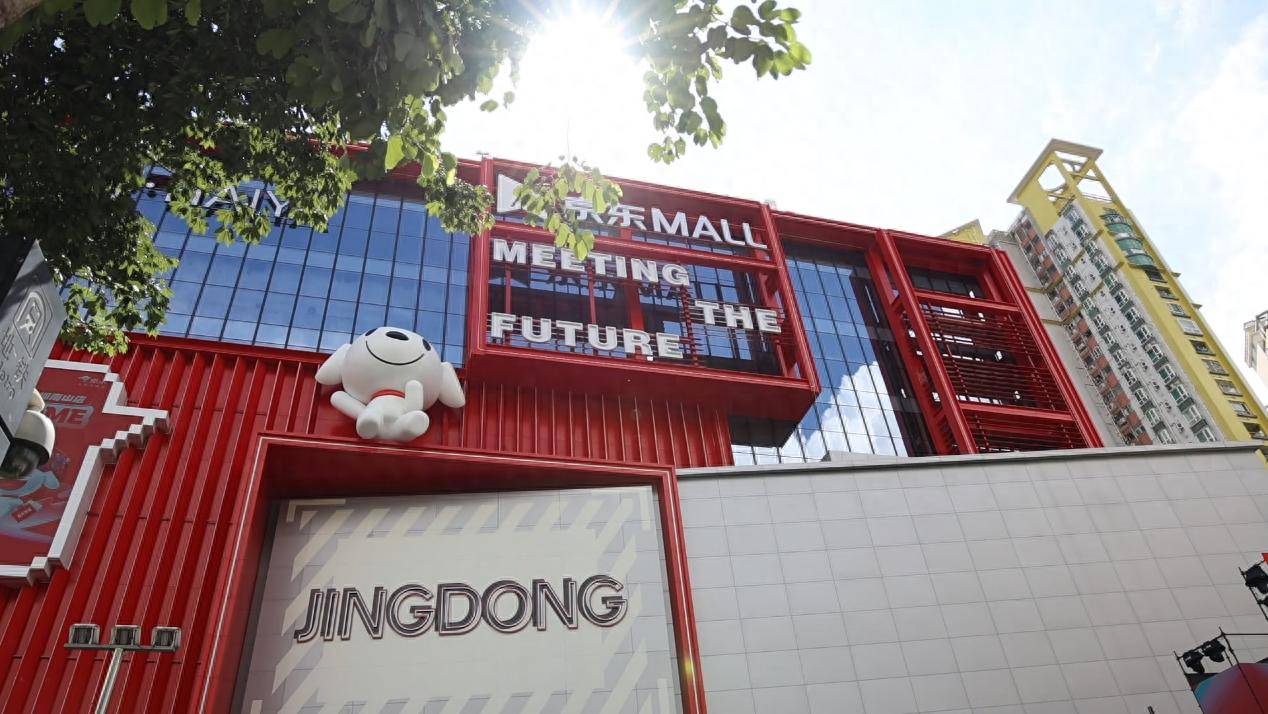
Core Insights - JD MALL Shenzhen Nanshan Store officially opened on September 12, featuring over 200,000 trendy products and aiming to become a key destination for home appliances, home goods, and 3C products in the Shenzhen area and the Greater Bay Area [1][2][12] Group 1: Store Features and Offerings - The store spans 30,000 square meters and includes over 200 core brands such as Huawei, Apple, and DJI, offering a wide range of products in home appliances, home goods, and digital technology [2][5] - JD MALL introduces an innovative "scene-selling" model with over 30 immersive experience zones, including coffee workshops and DIY e-sports areas, creating an integrated shopping experience [5][12] - All products in the store support free trials and come with a 30-day return policy, enhancing consumer confidence in their purchases [5][12] Group 2: Opening Promotions and Events - During the opening period from September 12 to 14, the store offered substantial discounts, with savings of up to 60% and over 10,000 products available at half price [6][11] - Special events included the "JOY TIME" music festival and an e-sports festival, featuring performances by popular artists and competitions with professional e-sports players [6][12] - The store also provides tax refund services for international travelers, enhancing shopping convenience and solidifying the Greater Bay Area's status as an international consumption hub [5][12] Group 3: Strategic Importance - JD MALL Shenzhen Nanshan Store represents a significant step for JD in the Greater Bay Area, contributing to local commercial development and leading the transformation of retail in home appliances and digital technology [12] - The store's model of "scene innovation + omni-channel integration" aims to enrich local commercial offerings and set a new standard for retail experiences in the region [12]

手表的压力测试其实是骗你的,准确率约等于算命
虎嗅APP· 2025-09-13 13:19
Core Viewpoint - The article discusses the inaccuracies of stress measurement by smartwatches and apps, emphasizing that the heart rate variability (HRV) used to gauge stress does not solely reflect psychological pressure but also includes various physiological factors [19][32][52]. Group 1: Measurement Methodology - Smartwatches typically measure stress through heart rate variability (HRV), which indicates the variation in time between heartbeats [19][30]. - A healthy heart rate shows variability, while a consistent rhythm indicates lower HRV, suggesting higher stress levels [20][28]. - The autonomic nervous system, comprising the sympathetic (SNS) and parasympathetic (PNS) systems, regulates heart rate and can influence HRV based on various stimuli [22][25]. Group 2: Factors Affecting HRV - Both psychological and physiological stressors can lower HRV, including caffeine intake, smoking, intense exercise, and emotional excitement [34][35][42]. - The smartwatch cannot differentiate between types of stress, leading to potential misinterpretations of the user's actual stress state [44][52]. Group 3: Research Findings - A study involving 781 students found a significant mismatch between smartwatch-measured stress and self-reported stress levels, indicating that wearable device data may not accurately reflect user experiences [46][49]. - The research concluded that wearable device data and self-reported data might represent different concepts, highlighting the limitations of current stress measurement technologies [50][51]. Group 4: User Perception and Misunderstanding - Many users may misinterpret the capabilities of stress-monitoring apps, believing they can accurately assess psychological pressure when they primarily reflect physiological load [56][62]. - The article suggests that while these apps can provide some value, they should not be relied upon for precise psychological assessments [59][65].
CNCC2025新闻发布会在京顺利召开
量子位· 2025-09-13 06:07
Core Points - The 2025 China Computer Conference (CNCC2025) will be held from October 22 to 25 in Harbin, Heilongjiang Province, with the theme "Digital Intelligence Empowerment, Infinite Possibilities" [1] - The conference aims to enhance the influence of the computer field in China and promote regional digital economic development [3][5] Event Overview - The conference will feature over 10,000 square meters of exhibition space, open to the public for free, marking a significant expansion in scale and depth [3] - A total of 19 invited reports, 3 main forums, and 154 specialized forums will be organized, focusing on various aspects of digital economy and AI [5][6] Key Participants - Notable speakers include academicians from various prestigious institutions and industry leaders, such as Sumi Helal from the University of Bologna and C. Mohan from Hong Kong Baptist University [5] - The forums will cover themes like "Digital Economy," "Large Model Development," and "Embodied Intelligence," with prominent experts leading discussions [5][6] Organizational Efforts - Harbin Engineering University and Harbin Institute of Technology are collaborating on the event's preparations, including venue setup and volunteer coordination [9][12] - The organizing committee emphasizes high standards in service and emergency management to ensure a successful conference [9][12] Media Engagement - The press conference attracted various media outlets, indicating strong interest and engagement from the media regarding the conference's significance [13][16]
安克具身业务软件平台 CTO 刘海峰离职
Xin Lang Cai Jing· 2025-09-13 05:09
Core Insights - Anker has elevated its embodied intelligence project to one of the company's highest strategic priorities this year [1] - Liu Haifeng, who previously served as CTO of the robotic software platform, has left the company several months ago [1] - Liu Haifeng joined Anker this year and played a key role in advancing the company's development in robotic technology [1] Company Overview - Anker's embodied business consists of three main components: hardware, brain, and software [1] - Liu Haifeng's prior experience includes positions at JD.com and OPPO, indicating a strong background in technology [1]

2025科技趋势洞察报告
Sou Hu Cai Jing· 2025-09-13 01:33
Group 1 - The core viewpoint of the report is that the rapid evolution of technology, particularly AI, XR, and air traffic innovations, is reshaping industries and daily life in China, driving strong growth in the tech sector [1][10] - AI is entering a critical phase of "accelerated evolution," becoming a core engine across various fields such as consumer electronics, enterprise services, and healthcare, with global AI smartphone penetration expected to reach 51.9% by 2025, up from 13.2% in 2023 [1][2] - Major smartphone manufacturers are actively integrating AI capabilities, with OPPO and VIVO leading the way in deploying advanced AI chips and enhancing user experiences through AI-driven features [1][2] Group 2 - In the healthcare sector, AI applications are becoming more specialized, with devices like Oura Ring monitoring health metrics and providing risk alerts, while AR/VR devices enhance user experiences through improved interaction [2][3] - XR technology is transitioning from niche to mainstream, driven by hardware advancements and a rich content ecosystem, with devices achieving resolutions of 4.3K and refresh rates of 90FPS [3][4] - The integration of XR in various industries, such as education and tourism, is demonstrating its value, enabling immersive training and historical reconstructions for enhanced user engagement [4][5] Group 3 - The air traffic sector is undergoing transformation with the emergence of eVTOL (electric vertical takeoff and landing) aircraft, which are becoming viable options for urban commuting and emergency services, with models achieving ranges of 200-300 kilometers [5][6] - High-speed maglev technology is pushing the boundaries of travel speeds, with commercial tests achieving 600 km/h and future projects targeting speeds of up to 1000 km/h, facilitating regional economic integration [5][6] - The report emphasizes a trend of "multi-domain breakthroughs and full-chain integration" in China's tech industry, with AI supporting XR and air traffic innovations, leading to a shift from "point innovation" to "system innovation" [5][10]
列举“八大罪状”,千名用户联名控诉三星
Hu Xiu· 2025-09-12 10:20
Core Viewpoint - A petition initiated by over 2,500 Samsung users demands the replacement of the head of the camera division and a complete overhaul of the mobile imaging strategy, highlighting multiple issues within Samsung's camera technology and brand strategy, reflecting its passive position in the high-end smartphone market [1][5]. Group 1: User Complaints - The petition outlines eight specific grievances against Samsung's camera division, including stagnation in hardware upgrades, lagging technology compared to competitors, neglect of user feedback, persistent technical flaws, loss of brand identity, color processing biases, discriminatory update strategies, and refusal to adopt advanced AI photography technologies [2][5]. - Users express disappointment over Samsung's decline, noting that the Galaxy series has fallen behind in hardware, software, algorithms, and overall user experience [5][9]. Group 2: Marketing and Brand Image - Ironically, the day before the petition, Samsung launched a social media campaign mocking Apple's iPhone 17, emphasizing its own camera specifications while users criticized Samsung for failing to address its own camera issues [4][10]. - Users highlight the contradiction in Samsung's marketing, where it boasts about its 200MP camera while failing to deliver comparable image quality to Apple's 48MP sensor combined with computational photography [10][11]. Group 3: Competitive Landscape - Analysts indicate that Samsung's conservative strategy in camera technology may put it under pressure in the high-end market, as competitors like Xiaomi and OPPO rapidly innovate [8][9]. - Market research shows that Samsung faces dual pressures in the high-end market from Apple's ecosystem advantages and the rapid advancements of Chinese brands in hardware and algorithms [9].
京东MALL深圳南山店开业,打造湾区消费新场景
Sou Hu Cai Jing· 2025-09-12 10:14
Core Insights - JD MALL Shenzhen Nanshan Store officially opened on September 12, showcasing over 200,000 trendy products and aiming to become a key destination for home appliances, home decor, and 3C products in the Shenzhen area, while also serving the Greater Bay Area [1][5] Group 1: Store Features - The store covers an area of 30,000 square meters and includes products from over 200 core brands such as Huawei, Apple, and DJI, emphasizing a comprehensive shopping experience [1][3] - JD MALL innovatively creates a "scene as a marketplace" model with over 30 immersive themed experience zones, including coffee workshops and DIY e-sports areas, promoting an integrated shopping experience of "browse, buy, and play" [3] Group 2: Consumer Services - The store provides tax refund services for international travelers and residents from Hong Kong, Macau, and Taiwan, enhancing shopping convenience and reinforcing the Greater Bay Area's status as an international consumption hub [5]
手机出货受阻,小米要在印度进军更多领域?
Guan Cha Zhe Wang· 2025-09-12 08:55
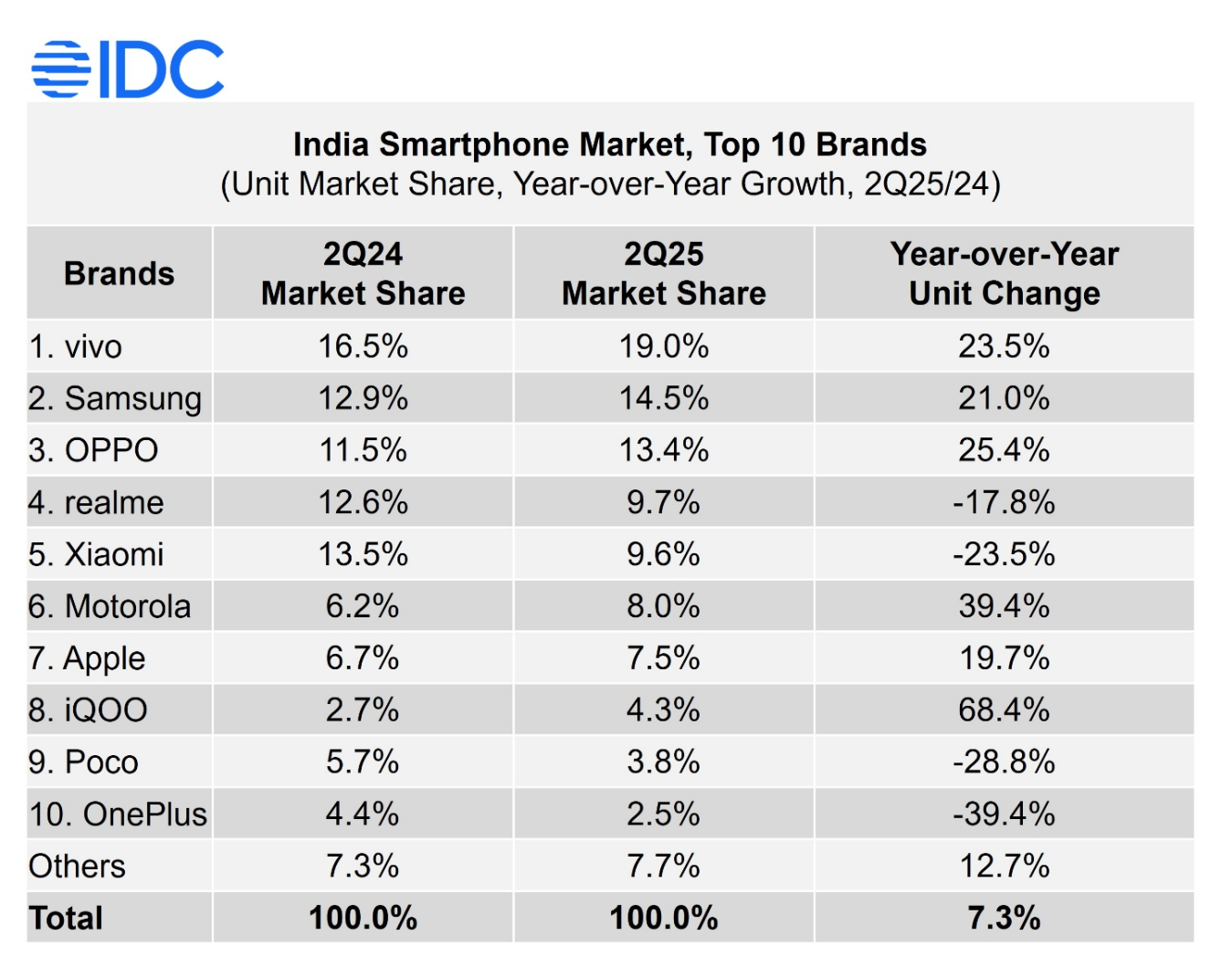
Core Insights - Xiaomi aims to expand beyond smartphones in India, targeting segments like tablets, wearables, TVs, and eventually home appliances, to create a comprehensive ecosystem brand rather than just a smartphone company [1][2] - The company reported a 30% revenue growth and over 35% profit growth in the last quarter, but faces challenges as many product categories are experiencing a slowdown in sales [2][3] Market Position and Strategy - Xiaomi's market share in India has significantly declined, dropping to 9.6% with a year-on-year shipment decrease of 23.5%, ranking fifth in the market [2][5] - The brand's reliance on a "value-for-money" strategy has led to a perception of being a low-end brand, which has hindered its appeal in the high-end smartphone market [3][6] Competitive Landscape - Competitors like Vivo and Samsung have gained market share, with Vivo leading at 16.5% and Samsung at 12.9% in Q2 2024 [5] - Xiaomi's challenges include inventory issues and regulatory scrutiny, which have affected its ability to launch new products in India [6][7] Regulatory and Investment Challenges - Xiaomi has faced legal challenges from Apple and Samsung regarding marketing practices, and regulatory scrutiny from the Indian government, which has frozen significant funds [6][7] - The contribution of Xiaomi's Indian operations to the parent company's revenue has drastically decreased from 45% in 2018 to single digits by 2025, indicating a loss of market attractiveness [7]