
宁波银行

Search documents
宁波银行发布调整贵金属积存金业务(含积存计划)起购金额公告
Jin Tou Wang· 2025-09-04 03:01
2025年9月3日,宁波银行(002142)发布公告称,由于近期国内金价波动较大,根据中国人民银行印发 的《黄金积存业务管理暂行办法》,宁波银行自2025年9月4日将积存金起购金额由800元调整为900元, 按重量起购克数维持1克不变。若购买金额不足900元的,交易申请将无法成功提交。 对您造成的不便十分抱歉,诚挚感谢您的支持与理解!特此公告。 ...

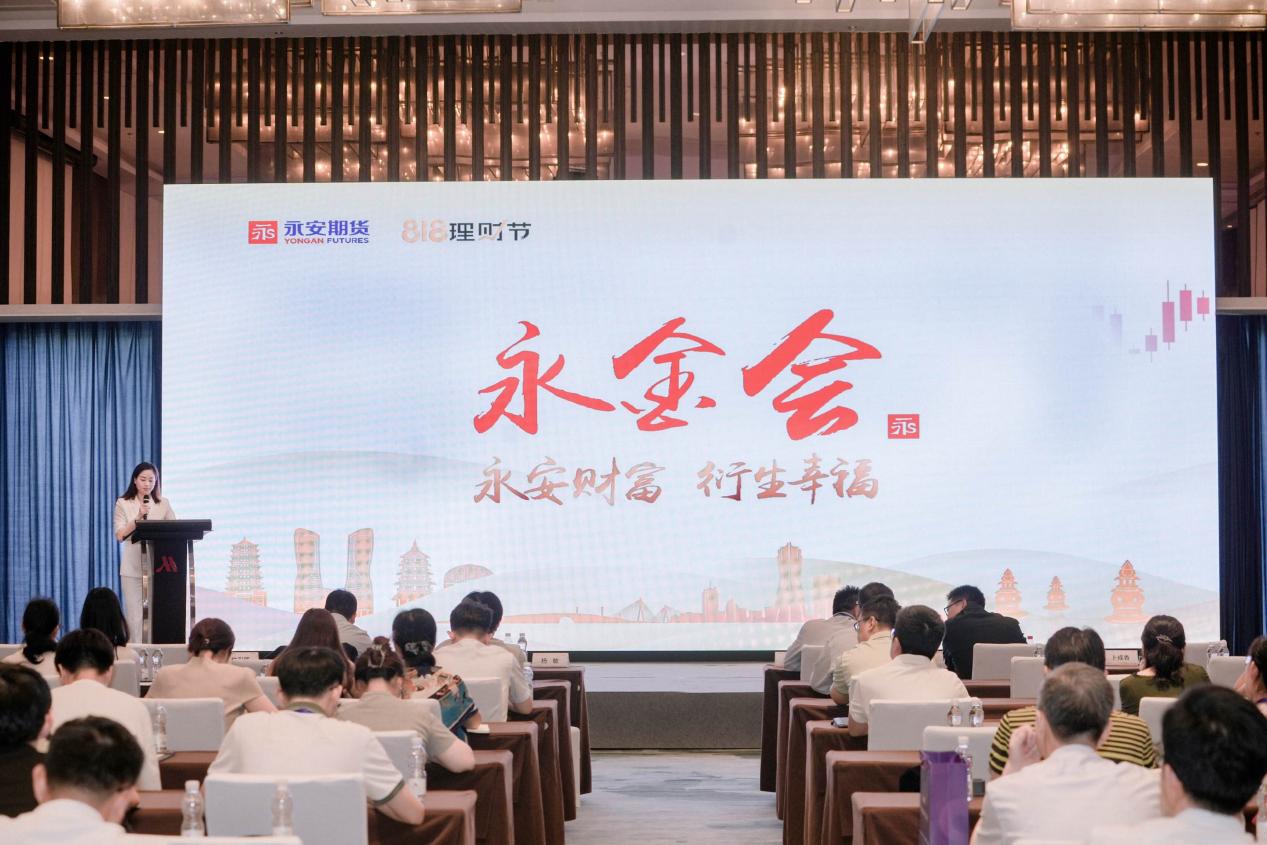
永安期货“818理财节”落幕:打响“永安财富 衍生幸福”品牌 共探资产配置新未来
Zhong Zheng Wang· 2025-09-04 02:28
Group 1 - The core theme of the 2025 "818 Wealth Management Festival" organized by Yong'an Futures is "Yong'an Wealth Derives Happiness," focusing on asset allocation trends and promoting the values of "long-term investment and rational financial management" [1][3] - The event attracted over ten thousand participants through various online and offline activities, receiving widespread attention and positive feedback from investors [1][3] - Yong'an Futures aims to establish itself as a leading and unique derivatives investment bank, leveraging its deep expertise in financial derivatives to provide high-quality asset management and advisory services [1][4] Group 2 - The "818 Wealth Management Festival" featured a collaborative wealth management conference that integrated resources nationwide, gathering experts from various institutions to discuss strategy development and market trends [3] - The conference included participation from nearly thirty well-known private fund managers, addressing topics such as macroeconomic trends, quantitative strategies, and the value of derivatives investment, providing insights for around 500 individual and institutional investor representatives [3] - In addition to offline meetings, the festival also launched online live broadcasts and educational activities, expanding the brand's influence [4] Group 3 - The Yong'an Futures APP introduced a new "Wealth Account Analysis" feature during the festival, allowing clients to visualize their asset allocation and track account performance in detail [4] - The company is committed to a major reform of its operational system centered around customer needs, aiming to enhance service capabilities and strengthen its professional advantages in asset allocation [4]


上市银行大洗牌
Sou Hu Cai Jing· 2025-09-03 16:19
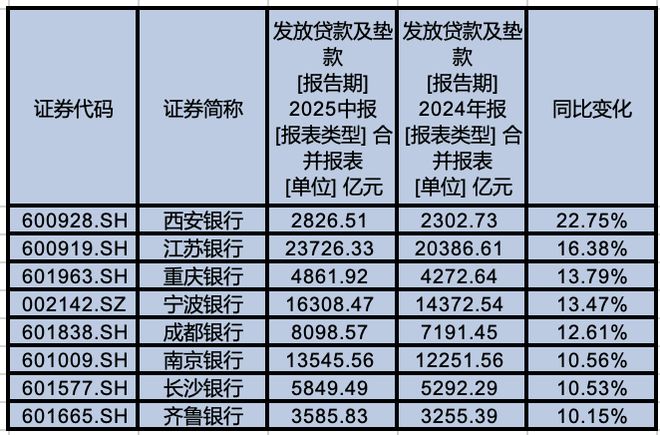
Group 1 - The number of listed banks in China has decreased from 60 to 57, with Jinzhou Bank, Jiutai Rural Commercial Bank, and Shengjing Bank announcing their exit from the market [3] - As of June 30, 2025, Agricultural Bank of China remains the second-largest bank in China with total assets of 46.86 trillion, surpassing China Construction Bank's 44.43 trillion [5] - Jiangsu Bank and Ningbo Bank have risen to the 1st and 3rd positions among city commercial banks, with total assets of 4.79 trillion and 3.47 trillion respectively, overtaking Beijing Bank and Shanghai Bank [7] Group 2 - Eight banks have achieved a total asset growth rate exceeding 10%, with Jiangsu Bank leading at an impressive 21.16% [9] - 32 banks have a total asset growth rate below 5%, indicating a slowdown in growth for many institutions [10] - Two banks, Bohai Bank and Minsheng Bank, are in a shrinking state, with total assets decreasing by 1.09% and 0.59% respectively [11] Group 3 - Nine banks have achieved double-digit loan growth, with Xi'an Bank leading at 22.75% [13] - Twelve banks have also seen double-digit growth in financial investments, with Jiangsu Bank again at the top with 23.38% [13] - The competitive landscape among city commercial banks is intensifying, with frequent changes in the rankings of the top 10 banks [14]




银行半年报观察:信贷扩张分化明显,零售贷款风险抬升
Di Yi Cai Jing Zi Xun· 2025-09-03 14:44
Core Insights - The banking sector in A-shares is characterized by "stable total, optimized structure, and regional differentiation" under the dual pressures of insufficient effective credit demand and continuous narrowing of net interest margins [1][2] Credit Growth and Regional Differentiation - Despite a slowdown in overall credit growth due to weak macroeconomic recovery, nine city commercial banks achieved double-digit loan growth, with notable performances from Xi'an Bank, Jiangsu Bank, Chongqing Bank, Ningbo Bank, and Chengdu Bank [2][4] - The total loan amount of listed banks increased by 7.98% year-on-year, with an increment of 10.2 trillion yuan, where corporate loans contributed 84.6% of the increase, highlighting the weakness in retail loan demand [3][5] Loan Quality and Asset Quality - The overall non-performing loan (NPL) ratio for listed banks remained stable at 1.23%, with corporate loan NPL ratios improving, while personal loans, especially business and housing loans, faced rising risks [6][7] - City commercial banks exhibited the lowest corporate NPL ratio at 0.76%, while state-owned banks had the highest at 1.35%, although they showed improvement [6] Net Interest Margin and Profitability - The banking sector's overall net interest margin was 1.39%, down 13 basis points year-on-year, with state-owned banks experiencing the largest decline [5][6] - Despite the expansion of credit scale, the continuous decline in net interest margins is constraining banks' profitability, with some banks facing capital adequacy pressure [7] Future Outlook - Analysts predict that with continued adjustments in LPR and housing loan rates, banks may experience further narrowing of interest margins by 5 to 10 basis points, while quality regional banks are expected to benefit from financing demands in infrastructure, manufacturing, and green transitions [7]
金融中报观|银行零售业务梯队格局背后,谁在领跑,谁在补课
Bei Jing Shang Bao· 2025-09-03 14:17
Core Insights - The competitive landscape of retail banking in A-shares is becoming clearer as the 2025 mid-year reports are disclosed, revealing a distinct tiered structure in retail AUM (Assets Under Management) [1][2] - The first tier consists of major state-owned banks and China Merchants Bank, all exceeding 16 trillion yuan in retail AUM, while the second tier includes joint-stock banks and some leading city commercial banks [1][2] - The retail business performance is mixed, with many banks facing pressure on retail revenue and net profit, highlighting a structural issue of profit growth without revenue increase [1][6] Tiered Structure of Retail AUM - The first tier banks, including Industrial and Commercial Bank of China (ICBC) and Agricultural Bank of China (ABC), lead with AUM exceeding 16 trillion yuan, with ICBC at over 24 trillion yuan and ABC at 23.68 trillion yuan [2][3] - China Construction Bank (CCB) and Postal Savings Bank of China also show strong performance, with CCB managing over 22 trillion yuan and Postal Savings Bank at 17.67 trillion yuan [2] - China Merchants Bank, known as the "king of retail," has a retail AUM of 16.03 trillion yuan, reflecting a 7.39% increase from the previous year [2] Second Tier Performance - The second tier banks have retail AUM ranging from 1 trillion to 6 trillion yuan, with notable growth from banks like Bank of Communications at 5.79 trillion yuan and Industrial Bank at 5.52 trillion yuan [3] - Joint-stock banks are active in this tier, with CITIC Bank and Shanghai Pudong Development Bank also showing significant growth in retail AUM [3] Third Tier Characteristics - The third tier banks have retail AUM mostly below 1 trillion yuan, with Nanjing Bank and Shanghai Rural Commercial Bank showing notable growth rates of 14.25% and 3.99% respectively [4] - Regional banks are leveraging local advantages to deepen market penetration, but face challenges in competing with larger banks [5] Retail Profitability Challenges - The retail banking sector is undergoing significant adjustments, with a shift in customer demand towards diversified financial solutions, which raises the bar for product innovation and service customization [6] - Leading banks like ICBC and China Merchants Bank are showing resilience, with ICBC's net profit rising by 46.05% despite a slight revenue decline [6][7] - However, some banks, including ABC and Ping An Bank, are experiencing declines in both revenue and net profit, indicating a challenging environment [7] Asset Quality Concerns - The retail banking sector is facing challenges in asset quality, particularly in personal loans, with rising non-performing loan (NPL) ratios reported by several banks [9][10] - For instance, China Merchants Bank's retail loan NPL ratio increased to 1.04%, while Chongqing Rural Commercial Bank's rose to 2.04% [9] - Some banks, like Ping An Bank and Industrial Bank, have managed to improve their asset quality through refined risk management practices [10] Strategic Recommendations - Analysts suggest that banks, especially smaller ones, should focus on enhancing their support for small and micro enterprises and optimizing financial resource allocation to uncover new growth points [8] - There is a call for banks to improve their digital capabilities and customer experience to better compete with larger institutions [8]



光大保德信红利混合A:2025年上半年利润731.24万元 净值增长率2.98%
Sou Hu Cai Jing· 2025-09-03 13:43
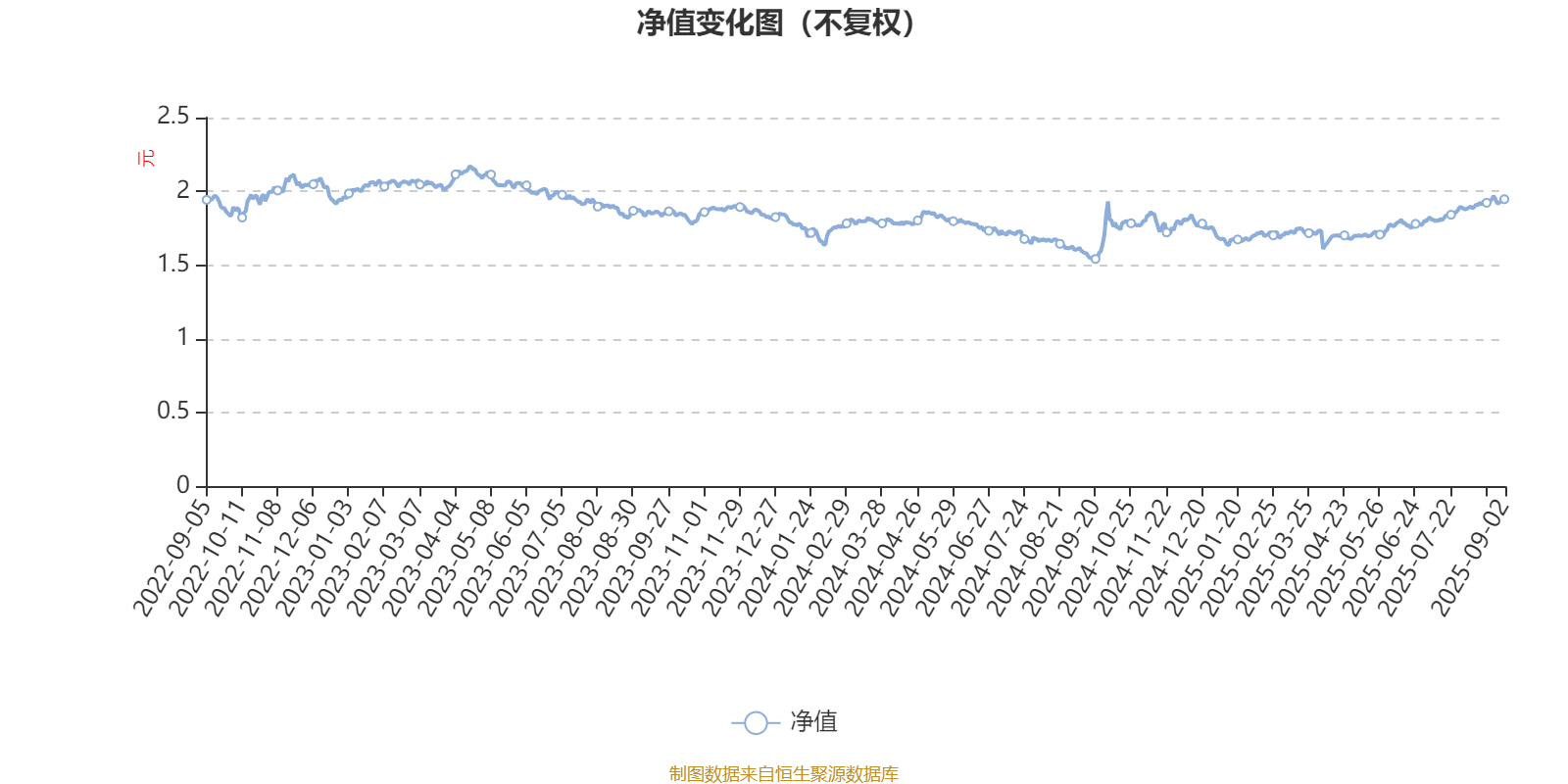
Core Viewpoint - The AI Fund, Everbright Pramerica Dividend Mixed A, reported a profit of 7.3124 million yuan for the first half of 2025, with a weighted average profit per fund share of 0.0451 yuan. The fund's net value growth rate was 2.98%, and its scale reached 269 million yuan by the end of the first half of the year [3]. Fund Performance - As of September 2, the fund's unit net value was 1.947 yuan. The fund manager, Xu Xiaojie, oversees two funds, both of which have shown positive returns over the past year. The highest growth rate among these funds was 64.58% for Everbright Pramerica Health Plus Mixed A, while the lowest was 21.3% for Everbright Pramerica Dividend Mixed A [3]. - The fund's performance over different time frames includes a 12.01% growth rate over the past three months, 15.31% over the past six months, and 21.30% over the past year, ranking 498/607, 403/607, and 542/603 respectively among comparable funds. However, the three-year growth rate was -0.39%, ranking 301/495 [5]. Valuation Metrics - As of June 30, 2025, the fund's weighted average price-to-earnings (P/E) ratio was approximately 15.53 times, significantly lower than the industry average of 33.74 times. The weighted average price-to-book (P/B) ratio was about 1.44 times, compared to the industry average of 2.47 times, and the weighted average price-to-sales (P/S) ratio was around 2.53 times, slightly higher than the industry average of 2.07 times [10]. Growth Metrics - For the first half of 2025, the fund's weighted average revenue growth rate was 0.01%, and the weighted average net profit growth rate was 0.02%. The weighted annualized return on equity was 0.09% [17]. Risk and Return Metrics - The fund's Sharpe ratio over the past three years was -0.1408, ranking 341/468 among comparable funds. The maximum drawdown over the past three years was 29.06%, with the largest single-quarter drawdown occurring in Q1 2021 at 17.55% [25][27]. - The fund's average stock position over the past three years was 79.12%, lower than the industry average of 85.36%. The fund reached a peak stock position of 88.83% in the first half of 2020 and a low of 72.82% in the first half of 2024 [30]. Fund Holder Information - As of June 30, 2025, the fund had 12,400 holders, collectively holding 151 million shares. Management personnel held 33,900 shares, accounting for 0.02% of the total, while institutional holdings made up 0.09%, with individual investors holding 99.91% [35]. Top Holdings - The top ten holdings of the fund as of June 30, 2025, included Kelun Pharmaceutical, Zhaoyi Innovation, Bank of China, CITIC Bank, Huahai Pharmaceutical, China Construction Bank, Ningbo Bank, Yangtze Power, China Shenhua Energy, and Chongqing Rural Commercial Bank [40].
二季度新进重仓股超800只,QFII调仓瞄准这几个方向
Di Yi Cai Jing· 2025-09-03 13:01
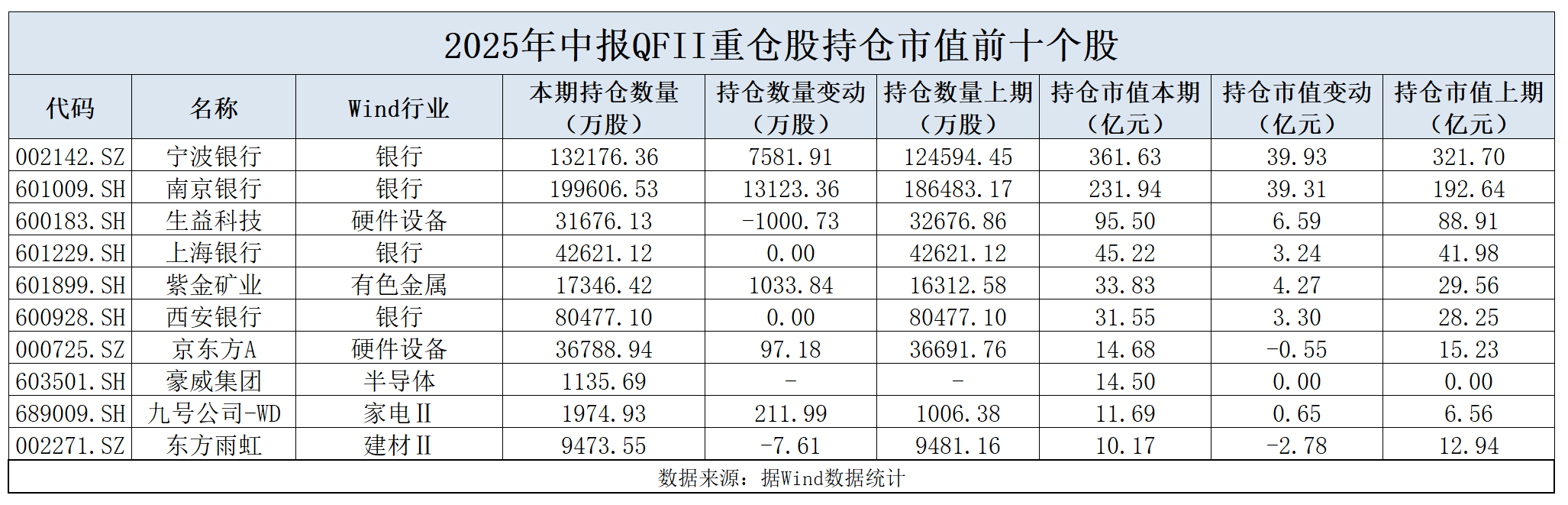
Group 1 - As of the end of Q2 2023, QFII held shares in 1145 A-share companies with a total market value exceeding 140 billion yuan [1][3] - In Q2, QFII initiated positions in 813 new stocks, increased holdings in 173 stocks, reduced holdings in 126 stocks, and maintained positions in 33 stocks [2][6] - The banking sector remains a primary focus for QFII, with the top four holdings being banks, including Nanjing Bank and Ningbo Bank, both of which saw increased QFII holdings in Q2 [3][6] Group 2 - Significant adjustments were observed in QFII's holdings in sectors such as machinery, hardware equipment, chemicals, and electrical equipment, while coal and building materials saw reductions [2][7] - The top sectors by QFII holdings include banking (670.35 billion yuan), hardware equipment (181.97 billion yuan), and machinery (67.28 billion yuan) [9] - New QFII heavyweights in Q2 included companies like Haowei Group and Jianghuai Automobile, with respective market values of 1.45 billion yuan and 675 million yuan [6][8] Group 3 - The distribution of QFII's new heavyweights shows a preference for hardware equipment, machinery, and chemicals, with hardware equipment leading at 40.79 billion yuan in market value [8][9] - The top ten QFII holdings by market value include Ningbo Bank (36.16 billion yuan) and Nanjing Bank (23.19 billion yuan) [6][9] - QFII's new positions in sectors like industrial trade and telecommunications indicate a diversification strategy [2][7]


宁波银行(002142):2025年中报点评:不良生成下降,宣告首次中期分红
Changjiang Securities· 2025-09-03 11:50
Investment Rating - The investment rating for the company is "Buy" and is maintained [9]. Core Views - The company reported a revenue growth of 7.9% year-on-year in the first half of 2025, with a net profit growth of 8.2% [2][6]. - Interest income continued to grow significantly, driven by a substantial increase in credit scale, while non-interest income showed a positive growth trend [2][6]. - The company announced its first interim dividend for 2025, with a payout ratio of 13.4% [2][6]. Summary by Relevant Sections Financial Performance - Revenue growth was 7.9% year-on-year, with a quarterly growth of 10.3% in Q2 [6]. - Net profit increased by 8.2% year-on-year, with Q2 showing a growth of 10.8% [6]. - Interest income grew by 11.1% year-on-year, while non-interest income increased by 1.3% [6]. Asset Quality - The non-performing loan (NPL) ratio remained stable at 0.76% [2][6]. - The provision coverage ratio improved by 4 percentage points to 374% [2][6]. - The net NPL generation rate decreased to 1.00%, with Q2 showing a further decline to 0.77% [2][6]. Loan and Deposit Growth - Total loans increased by 13.4% compared to the beginning of the year, with corporate loans growing by 21.3% [2][6]. - Deposits grew by 13.1%, with a notable increase in demand deposits [2][6]. Investment and Non-Interest Income - Non-interest income growth turned positive at 1.3%, supported by a recovery in investment-related income [2][6]. - The company expects to maintain positive growth in non-interest income for the year [2][6]. Valuation and Market Outlook - The company is currently valued at a price-to-book (PB) ratio of 0.82x and a price-to-earnings (PE) ratio of 6.6x [2][6]. - The report indicates that there is potential for upward valuation, supported by improving fundamentals and market sentiment [2][6].
半年新增15万高净值客户 私人银行成中收增长动力
2 1 Shi Ji Jing Ji Bao Dao· 2025-09-03 11:10
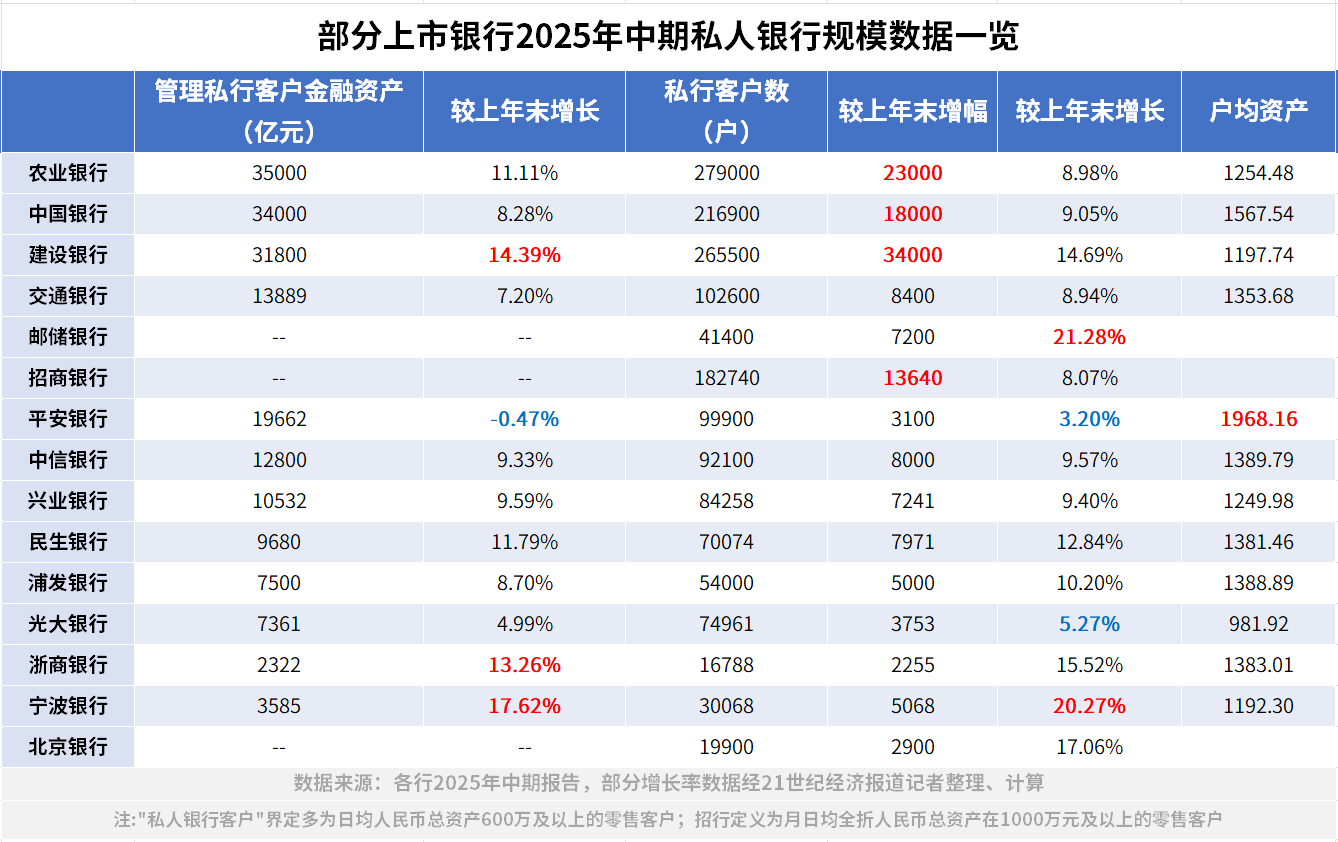
Core Insights - The private banking sector has shown robust growth in the first half of 2025, with many banks reporting double-digit increases in both client numbers and assets under management (AUM) despite a complex economic environment [1][2][5] - The total number of private banking clients across 15 banks exceeded 1.63 million, with an increase of nearly 150,000 clients, reflecting a growth rate of over 10% [1] - Major banks like Agricultural Bank and China Bank have maintained significant AUM, with Agricultural Bank reaching 3.5 trillion yuan, marking an 11.11% increase year-on-year [2][4] Private Banking Growth - The private banking industry is experiencing steady expansion, with major banks leading the market due to their strong client bases and resource networks [2][5] - Agricultural Bank's AUM reached 3.5 trillion yuan, with a client increase of 23,000 to 279,000, while China Bank followed closely with 3.4 trillion yuan AUM and 216,900 clients [2][4] - Construction Bank reported a 14.39% increase in AUM, reaching 3.18 trillion yuan, and a 14.69% rise in client numbers [2][4] Client Quality and Asset Management - Despite the growth in client numbers and AUM, average assets per client have generally declined, indicating a shift from rapid expansion to a focus on deeper client engagement [5][6] - Only Agricultural Bank and Industrial Bank reported increases in average client assets, while other banks experienced varying degrees of decline [5] Strategic Focus Areas - Banks are increasingly focusing on high-net-worth clients, family trusts, retirement finance, and enhancing private banking centers to differentiate themselves in a competitive market [1][6][8] - For instance, Citic Bank is enhancing its services for ultra-high-net-worth clients, while Everbright Bank is targeting family-oriented and female clients [7][8] Family Trusts and Lifecycle Services - Family trusts have become a key area for private banking, with significant growth reported in this segment; Everbright Bank's family trust assets grew by 56.12% year-on-year [8] - Agricultural Bank has launched a retirement finance management center, adding 12,000 clients and managing 1.3 trillion yuan in assets [8] Private Banking Centers and Revenue Generation - The establishment of private banking centers has accelerated, with Construction Bank setting up 248 centers and China Bank 205 centers, contributing to improved client retention and AUM [9][10] - Private banking is increasingly driving middle-income revenue, with Beijing Bank reporting a 16.89% increase in product sales, boosting its middle-income revenue by 17.77% [10]

半年新增15万高净值客户,私人银行成中收增长动力
2 1 Shi Ji Jing Ji Bao Dao· 2025-09-03 11:01
Core Insights - The private banking sector has shown robust growth in the first half of 2025, with many banks reporting double-digit increases in both client numbers and assets under management (AUM) despite a complex economic environment [1][2][5] - The total number of private banking clients across 15 banks exceeded 1.63 million, with an increase of nearly 150,000 clients, reflecting a growth rate of over 10% [1] - Major banks like Agricultural Bank and China Bank have AUM exceeding 3 trillion yuan, while Industrial Bank has crossed the 1 trillion yuan mark for the first time [1][4] Client and AUM Growth - Agricultural Bank's AUM reached 3.5 trillion yuan, growing by 11.11%, with client numbers increasing by 23,000 to 279,000 [2][4] - China Bank's AUM stood at 3.4 trillion yuan with 216,900 clients, while Construction Bank reported a 14.39% increase in AUM, reaching 3.18 trillion yuan and 265,500 clients [2][4] - The overall expansion of private banking clients and AUM indicates a strong performance among large banks, which continue to dominate the market [2][5] Performance of Listed Banks - Among listed banks, the performance varied, with some banks like Ping An Bank experiencing a slight decline in AUM by 0.47% [4] - Industrial Bank reported a significant increase in private banking clients, reaching 92,100, with AUM at 1.28 trillion yuan [5] - Regional banks like Ningbo Bank and Beijing Bank also showed impressive growth, with Ningbo Bank's AUM increasing by 17.62% [5][4] Focus on High-Net-Worth Clients - The industry is shifting from rapid expansion to a more refined approach, focusing on high-net-worth clients and family trusts [1][8] - Banks are implementing differentiated services for ultra-high-net-worth clients, with some banks reporting a 40.96% increase in such clients [8][9] - Family trusts have become a key area of development, with banks like Everbright Bank and China Bank reporting significant growth in this segment [9] Wealth Management and Revenue Growth - Private banking is increasingly contributing to banks' middle-income revenue, with Beijing Bank reporting a 16.89% increase in product sales, boosting its middle-income revenue by 17.77% [10] - Construction Bank noted that over 60% of its fee income comes from wealth management and related services, indicating a strategic focus on enhancing its advisory capabilities [11] - The establishment of private banking centers is accelerating, with banks like Construction Bank and China Bank expanding their networks to improve client retention and service quality [10]
