平安银行

Search documents
“反内卷”下的银行业
Shang Hai Zheng Quan Bao· 2025-09-02 18:22
Core Viewpoint - The banking industry is entering a phase of value-driven competition, moving away from price wars and excessive competition, which is positively influencing operational trends [1][5]. Group 1: Impact of "Anti-Involution" - The "anti-involution" trend is resonating across various industries, including banking, and is expected to align with supply-side structural reforms, focusing on quality improvement rather than mere production limits [2][3]. - Short-term effects of "anti-involution" may cause discomfort in the banking sector, prompting banks to enhance industry research and risk assessment [2][3]. - Long-term benefits of "anti-involution" include the exit of outdated capacities, improved supply-demand relationships, and a shift of financial resources towards high-end manufacturing and green economy sectors [3]. Group 2: Internal Banking Challenges - The banking sector faces persistent profit margin compression, leading to a phenomenon where revenue growth does not translate into profit growth [4][5]. - Price wars in the banking industry, particularly in loan pricing and deposit costs, have increased risks and undermined sustainable business practices [4][5]. - The focus is shifting towards stabilizing loan pricing, controlling deposit costs, and enhancing asset quality as a result of "anti-involution" [5]. Group 3: Service and Efficiency Focus - The banking industry is urged to pivot from price competition to differentiated comprehensive services, emphasizing customer lifecycle value [6][7]. - Competition should be based on value creation and efficiency improvement rather than short-sighted price wars, which can lead to systemic risks [7]. - Enhancing the quality of financial services is essential for supporting high-quality economic development and nurturing the real economy [7].
上市银行竞逐移动端 加速迭代提升服务质效
Zheng Quan Ri Bao Zhi Sheng· 2025-09-02 16:39
Core Insights - Mobile banking has evolved from a simple financial tool to a comprehensive service platform, emphasizing banks' overall service capabilities [1][3] - The competition for customer acquisition on mobile platforms is intensifying, with major state-owned banks leading in personal mobile banking user numbers [1][2] Group 1: Personal Mobile Banking Performance - As of June 2023, Industrial and Commercial Bank of China (ICBC) leads with 600 million personal mobile banking users, followed by Agricultural Bank of China (ABC) with 586 million, and China Construction Bank (CCB) with 432 million [1] - Postal Savings Bank of China (PSBC) has 386 million personal mobile banking customers, while Bank of China (BOC) has over 302 million signed customers [1] - Among joint-stock banks, Ping An Bank's mobile app has 17.8 million registered users, a 2% increase from the end of 2022 [1] Group 2: Corporate Mobile Banking Development - Corporate mobile banking is focusing on enhancing payment, cross-border finance, and foreign exchange services, with ICBC reporting 17.87 million corporate mobile banking clients and 7.59 million monthly active users [2] - Agricultural Bank of China's corporate mobile banking registered clients increased by 960,000 to 9.7 million [2] - BOC is promoting a multi-version service system for corporate mobile banking, enhancing features for cross-border finance [2] Group 3: Digital Transformation and Ecosystem Development - The trend in mobile banking development is characterized by "dual-core driving and ecological integration," with personal banking focusing on user scale and experience, while corporate banking emphasizes specialized services [3] - Banks are deepening AI applications and exploring various mobile banking scenarios to enhance online service quality [4] - The adaptation to the HarmonyOS system is becoming standard, with banks like PSBC and CCB launching features that improve user experience and operational efficiency [4][5] Group 4: User Experience and Future Directions - Banks are encouraged to build sustainable user experience management systems and enhance customer experience through AI-driven solutions [6] - The focus is on creating personalized financial solutions and improving service delivery through advanced technology [6]



狂买49亿股!险资二季度重仓买了这些 投资者能“抄作业”吗
Xin Jing Bao· 2025-09-02 14:30
Core Viewpoint - Insurance companies are increasingly investing in equity assets, particularly high-dividend stocks, to enhance returns amid a declining interest rate environment and to better match the duration of their assets and liabilities [1][4][5]. Group 1: Insurance Companies' Stock Holdings - As of the end of Q2, insurance companies held a total of 926.99 billion shares across 731 stocks, an increase of 49.24 billion shares from the previous quarter [2][3]. - The total balance of funds utilized by insurance companies exceeded 36 trillion yuan, a year-on-year increase of 17.4%, with stock investments reaching 3.07 trillion yuan, marking a significant rise in allocation to equities [2][4]. - The top ten stocks heavily held by insurance companies include Minsheng Bank, Shanghai Pudong Development Bank, and China Unicom, with each holding over 10 billion shares [2][3]. Group 2: Investment Trends and Strategies - Insurance companies are focusing on high-dividend, low-volatility stocks, reflecting a shift from traditional fixed-income investments due to the low yield environment [4][6]. - The recent trend shows a significant increase in equity investments, with 174 new stocks added to their portfolios by the end of Q2 [2][3]. - The insurance sector is also experiencing a wave of shareholding increases, with nearly 30 instances of shareholding increases reported by mid-August [3][4]. Group 3: Market Outlook and Future Investments - Most insurance institutions maintain an optimistic outlook for the A-share market in the second half of the year, expecting the Shanghai Composite Index to remain between 3200 and 3800 points [7][8]. - Key sectors of interest include pharmaceuticals, electronics, banking, and communication, with a focus on new productive forces and high-dividend assets [7][8]. - Major insurance companies plan to enhance their equity investment strategies, emphasizing the importance of investment capabilities in their competitive positioning [6][8].
狂买49亿股!险资二季度重仓买了这些,投资者能“抄作业”吗
Bei Ke Cai Jing· 2025-09-02 14:24
Core Viewpoint - Insurance companies have significantly increased their equity investments, particularly in high-dividend stocks, as they seek to enhance returns amid a declining interest rate environment [3][5][10]. Group 1: Insurance Companies' Stock Holdings - As of the end of Q2, insurance companies held a total of 926.99 billion shares across 731 stocks, an increase of 49.24 billion shares from the previous quarter [2][6]. - The total balance of funds utilized by insurance companies exceeded 36 trillion yuan, marking a year-on-year growth of 17.4%, with stock investments reaching 3.07 trillion yuan, up by 640.6 billion yuan in the first half of the year [5][6]. - The top ten stocks heavily held by insurance companies include Minsheng Bank, Shanghai Pudong Development Bank, and China Unicom, with each holding over 10 billion shares [6]. Group 2: Investment Strategy and Market Outlook - Insurance companies are increasingly focusing on equity assets to match the duration of their liabilities and improve yield, especially as fixed-income returns have become insufficient [3][11][12]. - The majority of insurance institutions maintain an optimistic outlook for the A-share market in the second half of the year, particularly favoring stocks within the CSI 300 index [4][17]. - A survey indicated that stocks are the preferred investment asset for insurance institutions in the latter half of the year, followed by bonds and mutual funds [16]. Group 3: Sector Preferences and Future Investments - Insurance companies are particularly interested in sectors such as pharmaceuticals, electronics, banking, and communications, with a focus on high-dividend and innovative stocks [17]. - The trend of insurance companies increasing their equity investments is expected to continue, driven by the need for better returns and the potential for collaboration with banks through shareholding [12][13][14]. - Companies like China Life and Ping An have expressed confidence in the market, emphasizing the importance of high-dividend stocks in stabilizing overall investment returns [17].



基于市场风格动量的银行股选股逻辑推演
Huafu Securities· 2025-09-02 13:07
Quantitative Models and Factor Analysis Quantitative Models and Construction - **Model Name**: Bank Stock Momentum Strategy **Model Construction Idea**: The strategy leverages the momentum of market styles to identify outperforming sub-segments within the banking sector. It assumes that the internal style rotation of bank stocks mirrors the broader market's style rotation, albeit with a lag [28][48]. **Model Construction Process**: 1. Use market-wide style momentum to determine the dominant style (e.g., growth vs. value, large-cap vs. small-cap) based on a two-month relative momentum difference exceeding 5% [48]. 2. Map the dominant market style to corresponding banking sub-segments (e.g., large-cap value, small-cap growth) [28][29]. 3. Select stocks within the identified banking sub-segment for the next month [48]. **Model Evaluation**: The model effectively captures value-style dominance in the banking sector, particularly during market-wide value-oriented phases [48]. - **Model Name**: Fundamental-Adjusted Growth Selection **Model Construction Idea**: To mitigate the downside risk of high-PB (price-to-book) stocks, the model incorporates ROE (return on equity) adjustments to prioritize high-quality fundamentals when selecting growth-oriented bank stocks [58]. **Model Construction Process**: 1. Combine PB and ROE_TTM (trailing twelve months) values into an equal-weighted scoring system [58]. 2. When the signal indicates a growth-oriented market, select stocks with high PB and strong fundamentals [58]. **Model Evaluation**: This adjustment improves annualized returns by 1.82% compared to using PB alone, demonstrating its effectiveness in balancing growth potential and risk [58]. Model Backtesting Results - **Bank Stock Momentum Strategy**: - Annualized Return: 14.45% - Annualized Volatility: 22.62% - Sharpe Ratio: 0.64 - Maximum Drawdown: 33.08% - Excess Annualized Return (vs. CSI Bank Index): 5.65% - Information Ratio (IR): 0.57 [48][49][54] - **Fundamental-Adjusted Growth Selection**: - Annualized Return: 16.27% - Excess Annualized Return (vs. CSI All Share Index): 13.20% - Excess Annualized Return (vs. CSI Bank Index): 7.33% [58] --- Quantitative Factors and Construction - **Factor Name**: Price-to-Book Ratio (PB) **Factor Construction Idea**: Low PB stocks are expected to outperform due to their value-oriented characteristics [32]. **Factor Construction Process**: 1. Divide bank stocks into quintiles based on PB values. 2. Track the performance of the lowest PB quintile over time [32]. **Factor Evaluation**: The low PB group consistently outperformed the CSI All Share Index, particularly during value-dominant market phases [32]. - **Factor Name**: Dividend Yield **Factor Construction Idea**: High dividend yield stocks are expected to provide stable returns, especially in defensive market conditions [32]. **Factor Construction Process**: 1. Divide bank stocks into quintiles based on dividend yield. 2. Track the performance of the highest dividend yield quintile over time [32]. **Factor Evaluation**: While generally effective, the factor underperformed low PB stocks in certain years, indicating weaker pricing power [32]. - **Factor Name**: Market Capitalization **Factor Construction Idea**: Large-cap stocks are expected to outperform during periods of market uncertainty due to their defensive nature [39]. **Factor Construction Process**: 1. Divide bank stocks into quintiles based on market capitalization. 2. Track the performance of the largest market-cap quintile over time [39]. **Factor Evaluation**: Large-cap stocks demonstrated strong performance, particularly after 2023, with a clear upward trend [39]. - **Factor Name**: Return on Equity (ROE) **Factor Construction Idea**: High ROE stocks are expected to outperform due to their superior profitability [39]. **Factor Construction Process**: 1. Divide bank stocks into quintiles based on ROE. 2. Track the performance of the highest ROE quintile over time [39]. **Factor Evaluation**: High ROE stocks outperformed in most years but showed limitations in certain market environments, such as 2014 [39]. Factor Backtesting Results - **PB Factor**: - Outperformed the CSI All Share Index across the entire observation period [32]. - **Dividend Yield Factor**: - Generally outperformed the benchmark but lagged behind the PB factor in specific years [32]. - **Market Capitalization Factor**: - Demonstrated a strong upward trend post-2023, consistently outperforming the benchmark [39]. - **ROE Factor**: - Achieved superior performance in years like 2012, 2017, and 2019, but underperformed in 2014 [39]. --- Composite Factor Analysis - **Composite Model**: Four-Quadrant Style Model **Construction Idea**: Combine market capitalization and PB factors to create four distinct style groups: large-cap value, large-cap growth, small-cap value, and small-cap growth [43]. **Construction Process**: 1. Divide stocks into large-cap and small-cap groups based on the top 20% and bottom 80% of market capitalization. 2. Further divide each group into high-PB and low-PB subgroups. 3. Analyze the performance of the resulting four style groups [43]. **Evaluation**: The model revealed clear style rotations within the banking sector, with small-cap value dominating in 2014-2015 and large-cap value leading post-2022 [43]. Composite Model Backtesting Results - **Four-Quadrant Style Model**: - Small-Cap Value: Outperformed during 2014-2015 - Large-Cap Value: Consistently outperformed post-2022 [43]
消费贷财政贴息正式实施:利率下探,银行分化或加剧
Di Yi Cai Jing Zi Xun· 2025-09-02 12:39
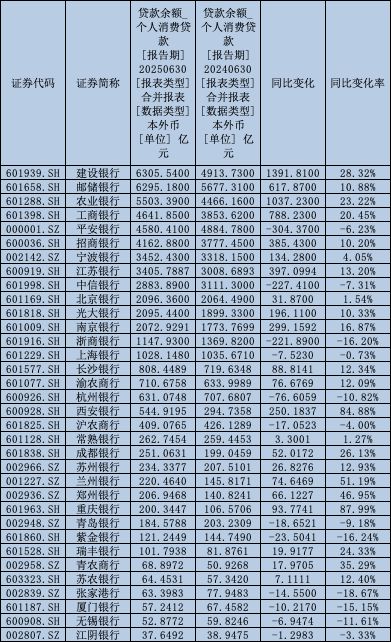
Core Viewpoint - The implementation of the personal consumption loan interest subsidy policy is expected to stimulate growth in consumer credit, with banks experiencing a divergence in performance and asset quality remaining a key focus for the industry [1][4]. Group 1: Policy Implementation and Consumer Impact - The personal consumption loan interest subsidy policy officially launched on September 1, allowing consumers to receive interest subsidies directly through bank systems, with a maximum subsidy of 3,000 yuan per loan [1]. - The subsidy has led to some loan interest rates dropping below 3%, significantly reducing monthly interest payments for consumers [2][3]. - Banks have optimized their processes for applying for subsidies, with many offering mobile banking options for easy access [2]. Group 2: Market Performance and Trends - As of June, the total balance of personal consumption loans across 36 listed banks exceeded 5.49 trillion yuan, reflecting a year-on-year growth of 10.24% [4]. - State-owned banks are leading in loan issuance, with Construction Bank reporting a balance of 6,305.54 billion yuan, a year-on-year increase of 28.32% [5]. - In contrast, many joint-stock banks are experiencing a contraction in their consumer loan portfolios, with notable declines in banks like Ping An Bank and Citic Bank [6]. Group 3: Asset Quality and Risk - The consumer loan delinquency rates are rising, with Industrial and Commercial Bank of China reporting a delinquency rate of 2.51%, an increase of 0.86 percentage points year-on-year [8]. - Some regional banks are facing significant pressure from rising non-performing loans, despite high growth rates in loan issuance [7]. - The overall retail loan risk is accumulating, with an increase in overdue rates and restructured loans, indicating potential challenges ahead for the sector [10].


港股弱势分化,恒生科技探底回升,内银行反转走强
Ge Long Hui· 2025-09-02 11:31
Group 1 - The Hang Seng Index opened lower and is currently down 0.3%, with significant declines in the Hang Seng Utilities, Technology, ESG Enhanced, and Real Estate sectors [1] - The Hang Seng Technology sector has seen a slight recovery, currently down 0.36%, with notable declines in stocks such as Hua Hong Semiconductor down 4.11%, and Tongcheng Travel down 1.8% [3] - The Hang Seng Real Estate sector is also down 0.44%, with stocks like Wharf Real Estate down 0.78% and China Resources Land down 0.82% [3] Group 2 - The domestic banking sector has experienced a sharp increase, currently up 0.82%, with Chongqing Rural Commercial Bank rising by 2.25% and Agricultural Bank up 2.12% [3] - Other banks such as Postal Savings Bank, China Construction Bank, and Bank of China have also shown slight increases [3]

股份行零售排位“争夺赛”:亮眼增速下,座次有何变化?
Nan Fang Du Shi Bao· 2025-09-02 11:26
Core Viewpoint - The retail banking sector is experiencing intensified competition, with significant growth in retail assets under management (AUM) and private banking clients among major banks, despite previous challenges in the market [2][4][7]. Retail AUM - The top three banks in retail AUM are China Merchants Bank (CMB) with 16.03 trillion yuan, Industrial Bank with 5.52 trillion yuan, and CITIC Bank with 4.99 trillion yuan [6][5]. - CMB's AUM growth is 7.39%, while Industrial Bank and CITIC Bank have growth rates of 8.00% and 6.52%, respectively [6]. - Notably, the AUM of several banks has increased significantly, with Zhejiang Commercial Bank and Pudong Development Bank showing growth rates of 12.48% and 10.55% [4][6]. - CMB's AUM surpasses that of its competitors by over 10 trillion yuan, establishing a substantial lead in the retail banking sector [4][5]. Private Banking Clients - The number of private banking clients has also seen substantial growth, with Zhejiang Commercial Bank leading at 15.52% growth, followed by Huaxia Bank, Minsheng Bank, and Pudong Development Bank with growth rates of 13.79%, 12.84%, and 10.15%, respectively [7]. - CMB, CITIC Bank, and Industrial Bank also reported increases in private banking clients, all exceeding 8% growth [7]. Wealth Management Revenue - Wealth management income has shown significant increases, with CMB reporting an 11.89% growth in fees and commissions, marking the first positive growth in three years [8]. - CITIC Bank's wealth management income growth reached a four-year high at 10.3%, while Industrial Bank's retail wealth income grew by 13.45% [8]. Retail Loan Quality - Retail loan non-performing ratios vary significantly among banks, with Bohai Bank having the highest at 4.43%, while CMB and Industrial Bank maintain the lowest at 1.03% and 1.22%, respectively [11][9]. - Despite CMB's strong performance, its non-performing ratio increased by 0.07 percentage points compared to the previous year [11]. Retail Strategy - The introduction of consumer loan interest subsidies is expected to enhance the competitive landscape, shifting focus from price wars to technology, service, and quality differentiation [12][13]. - Banks are emphasizing asset allocation and the application of AI models in their retail strategies, with CMB planning to integrate AI assistants to improve efficiency and workflow [14][15].




YiwealthSMI|网商银行《画100家小店》持续领跑,“真实感”内容崛起
Di Yi Cai Jing· 2025-09-02 10:35
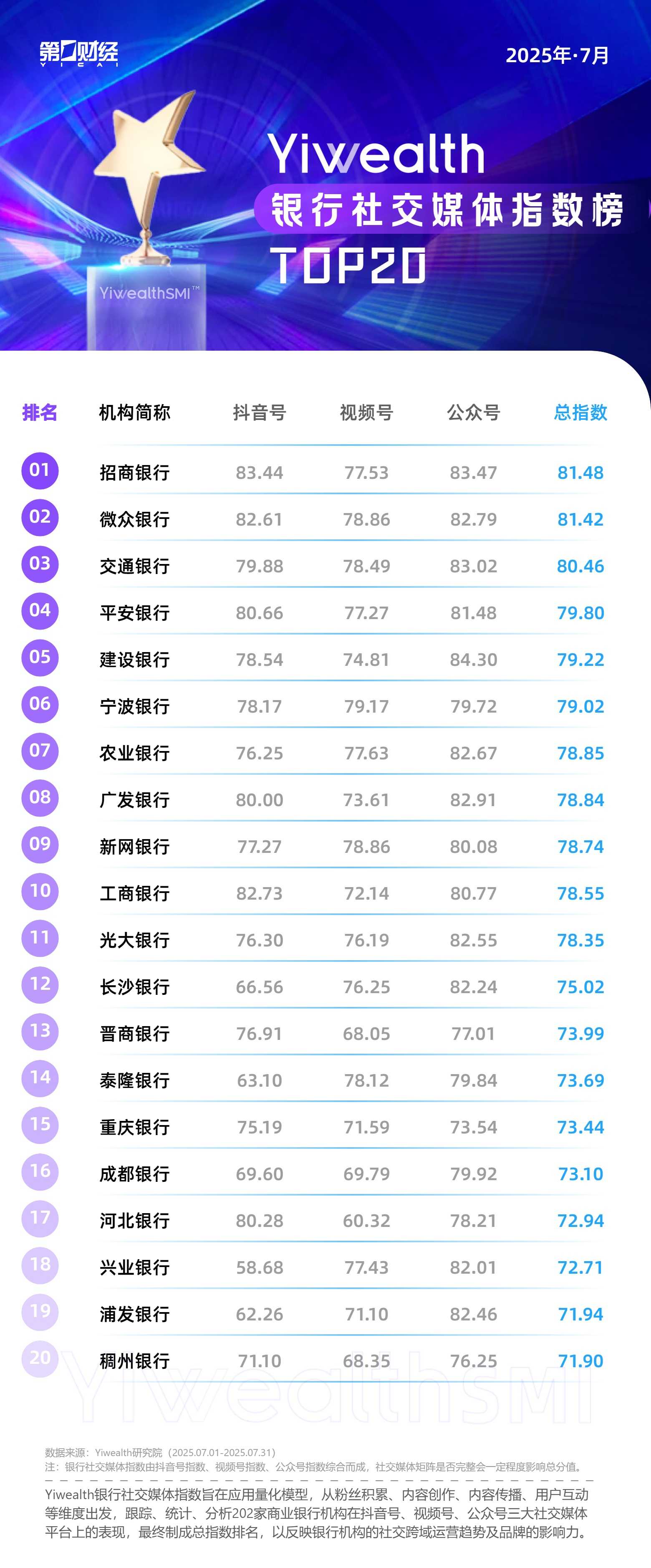
本期为银行社交媒体指数(2025年7月)。 本期为银行社交媒体指数(2025年7月)。 在抖音平台,网商银行《画100家小店》系列持续领跑榜首。本期聚焦一家开了二十多年的南昌拌粉店,2.5元一碗的定价,让网友纷纷感慨"良心",评论有 人直言"有人两块五赚得踏实,有人二十五还嫌不挣钱"。值得借鉴的是,该系列把银行业务巧妙融入烟火日常,借真实小店故事唤起用户共情,深化小微服 务印记。自2021年中推出后爆款不断,足见机构想在内容红海中突围、强化业务认知,需精准结合自身特色,以接地气又关联业务的方式传递价值。此外, 本月上榜视频中,"真实"成为突破内容红海的又一关键路径。例如,平安财是福凭借真实案例改编的视频《有人无缘无故给你转钱?先拷问自己!》收获近 3000点赞,成功上榜。值得注意的是,该账号自6月起连续发布8期根据各支行真实案例改编的防非反诈视频,平均点赞量超2000。 无论是网商银行真实的探店内容,还是平安财是福的真实案例改编视频,都扎根于现实生活,场景中蕴含着普通人熟悉的生活经历细节,天然具备"真实 感"与"共鸣力",能够精准触达用户的情感与认知需求。如何让受众感受到内容的真实与自然,或许是银行机构发力的 ...
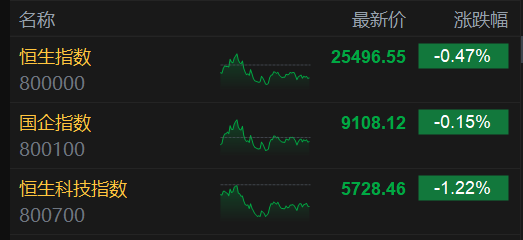
港股收评:三大指数齐跌,半导体、苹果概念跌幅明显,内银股逆势普涨!美团、阿里巴巴跌2%,小米涨3.43%,中芯国际跌超4%
Ge Long Hui· 2025-09-02 09:40
Group 1 - The performance of large technology stocks has generally declined, with Meituan and Alibaba dropping nearly 2%, while Baidu and JD.com fell by 1.5% [2] - Semiconductor stocks and Apple-related stocks experienced significant declines, with Hong Teng Precision dropping nearly 10% and other semiconductor leaders falling by 4.6% [2] - The banking sector showed a notable recovery in performance during the first half of the year, attracting insurance capital inflows, leading to a collective rise in domestic bank stocks [2] Group 2 - The Hong Kong stock market indices collectively closed lower, failing to maintain the previous day's strong upward trend, with the Hang Seng Technology Index experiencing a relatively larger decline of 1.22% [3] - The overall market sentiment was affected by the downturn in various sectors, including infrastructure, real estate, and cryptocurrency-related stocks [2][3]