
比亚迪

Search documents
凌晨,美联储重磅报告发布
Zhong Guo Ji Jin Bao· 2026-01-15 00:19
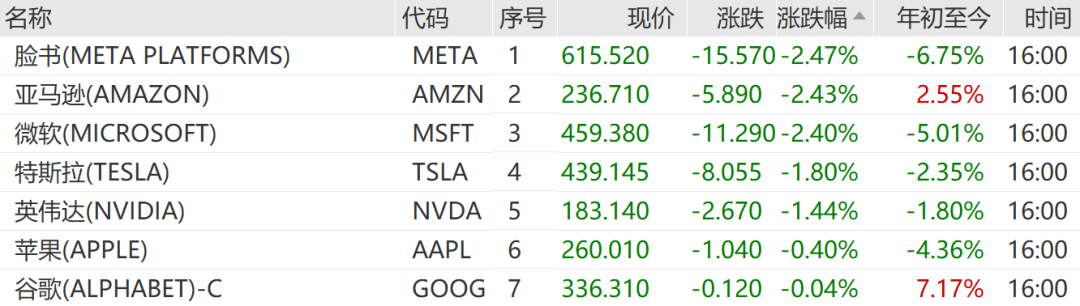
大型科技全线下跌,美国科技七巨头指数下跌1.32%。 【导读】美联储《褐皮书》称,美国经济及物价均温和增长,就业无大变化 大家早上好!昨夜今晨,又有很多大事发生。 美国三大股指全线收跌,大型科技股全线下跌,中概股涨跌不一。美联储《褐皮书》称,美国经济及物价均温和增长,就业无大变化。美联储官员表示, 今年晚些时候可能降息。国际油价大幅波动,能源股集体大涨。美国白宫宣布对特定半导体等加征25%关税。 美国三大股指全线收跌 美国三大股指全线收跌,道指跌0.09%,标普500指数跌0.53%,纳指跌1%。 大型科技全线下跌 脸书跌2.47%,亚马逊跌2.43%,微软跌2.40%,领跌美国科技"七巨头"。 | 名称 | 代码 | | 现价 涨跌 涨跌幅 ^ | 年初至今 时间 | | --- | --- | --- | --- | --- | | 脸书(META PLATFORMS) | META 1 | 615.520 | -15.570 -2.47% | -6.75% 16:00 | | 亚马逊(AMAZON) | AMZN 2 | 236.710 | -5.890 -2.43% | 2.55% 16:00 | | ...

亚电科技科创板IPO“终止” 槽式湿法清洗设备国内市占率在国产品牌中排名第二
Zhi Tong Cai Jing· 2026-01-15 00:17
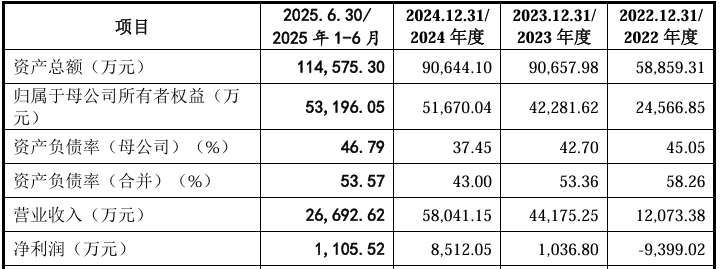
1月14日,江苏亚电科技股份有限公司(简称:亚电科技)上交所科创板IPO审核状态变更为"终止"。因亚 电科技及其保荐人撤回发行上市申请,根据《上海证券交易所股票发行上市审核规则》第六十三条有关 规定,上交所终止其发行上市审核。 自成立以来,公司已深度参与国内半导体国产化产业进程,为多家主流知名硅基半导体、化合物半导体 晶圆厂、光伏厂商客户提供系统化的湿法设备与工艺解决方案,在产线中占据重要地位。截至目前,公 司客户已覆盖芯联集成、时代电气、比亚迪(002594)、华润微、三安光电(600703)、客户A、青岛 芯恩、卓胜微(300782)、华虹公司、隆基绿能(601012)等行业领先企业,在部分湿法清洗特殊工艺 及前沿技术产品领域实现了国产技术突破,帮助客户实现了国产化。 与同行业公司相比,公司持续通过自研方式,坚持差异化竞争路线,自设立至今专注于湿法清洗设备领 域,在产业化初期聚焦成熟制程,在槽式清洗设备领域逐步成为国内主要供应商之一。公司是国内少数 完整覆盖下游三大应用领域,可以批量为下游领先硅基半导体晶圆厂商、化合物半导体厂商、光伏厂商 提供湿法清洗专用设备的供应商之一。公司研发的半导体清洗设备已实现了 ...
凌晨,美联储重磅报告发布
中国基金报· 2026-01-15 00:15
大家早上好!昨夜今晨,又有很多大事发生。 美国三大股指全线收跌,大型科技股全线下跌,中概股涨跌不一。美联储《褐皮书》称,美 国经济及物价均温和增长,就业无大变化。美联储官员表示,今年晚些时候可能降息。国际 油价大幅波动,能源股集体大涨。美国白宫宣布对特定半导体等加征 25% 关税。 美国三大股指全线收跌 【导读】美联储《褐皮书》称,美国经济及物价均温和增长,就业无大变化 中国基金报记者 郭玟君 美国三大股指全线收跌,道指跌 0.09% ,标普 500 指数跌 0.53% ,纳指跌 1% 。 道琼斯工业平均(DJI) 01-14 16:20:01 | 49149.63 | | 昨收 | 49191.99 | 成交额 | 0.00 | | --- | --- | --- | --- | --- | --- | | -42.36 | -0.09% | 今开 | 49088.25 | 成交量 | 0 | | 上涨 | 16 | 平盘 | 0 | 下跌 | 14 | | 最高价 | 49195.10 | 市留学 | 30.78 | 近20日 | 1.51% | | 最低价 | 48851.98 | 市净率 | 8.86 ...

上海推“模速智行”行动计划 自动驾驶产业有望迎来加速发展(附概念股)
Zhi Tong Cai Jing· 2026-01-15 00:14
Group 1 - Shanghai has launched the "Mosu Zhixing" action plan to promote autonomous driving technology innovation and its industrial competitiveness, with a focus on model-driven leadership and application demonstration [1] - The plan aims to establish public service platforms, including a digital twin training ground for autonomous driving, and expand the open area for autonomous driving to 2,000 square kilometers with over 5,000 kilometers of roads [1] - The action plan is expected to provide new support for the development of the autonomous driving industry, including organized smart taxi demonstration operations and pilot projects for L3 autonomous passenger vehicles [2] Group 2 - As of January 14, there are 7,767 companies related to intelligent driving in China, with the East China region accounting for 43.8% of these companies [3] - China holds 51,000 patents related to intelligent driving, with 85.9% being invention patents, indicating a significant growth in both companies and patents in the sector [3] - Nvidia has introduced an open-source AI model platform for autonomous driving, which is expected to enhance the capabilities of autonomous driving systems [3] Group 3 - Several domestic companies, including Changan, BYD, and GAC, have made substantial progress in the L3 autonomous driving field, with multiple models receiving road testing permits [4] - The formal implementation of L3 autonomous driving regulations is anticipated to be a key catalyst for industry development by 2026 [4] - Companies like Aichi Securities believe that automakers with advanced intelligent technology and supply chain control will benefit first from the commercialization of intelligent driving [2] Group 4 - Companies such as Junsheng Electronics and CAOCAO have entered strategic partnerships to develop L4 autonomous driving solutions and digital management platforms [5][6] - The launch of new models by companies like Seres and Leap Motor indicates a competitive landscape in the high-end user market for autonomous vehicles [6][7] - The collaboration between ZF and Horizon Robotics aims to develop L3 intelligent driving systems, with mass production expected in 2026 [7]
纳尔股份终止收购菲莱测试 曾计划进军半导体赛道
Zheng Quan Shi Bao Wang· 2026-01-14 23:47
Group 1 - The company NAR Co., Ltd. announced the termination of its acquisition plan for Shanghai Feilai Testing Technology Co., Ltd. after failing to reach consensus on key cooperation arrangements during negotiations [1][2] - The acquisition was initially intended to allow NAR to hold at least 51% of Feilai Testing, thereby gaining control and entering the semiconductor equipment sector, with an estimated transaction value of approximately 350 to 400 million yuan [1][2] - NAR emphasized the strategic importance of the acquisition for creating a second growth curve and overcoming limitations in its existing business [1] Group 2 - Feilai Testing specializes in semiconductor chip testing reliability solutions, offering a comprehensive range of products including wafer AOI equipment and chip testers under its "FeedLiTech" brand [2] - The termination was attributed to disagreements on equity proportions and concerns regarding the maturity of business integration and governance structures between NAR and Feilai Testing [2] - NAR plans to continue leveraging its resources to strengthen its core business and enhance competitiveness, while also announcing a private placement to acquire 100% of Nantong NAR's shares [2][3] Group 3 - Nantong NAR focuses on the research, production, and sales of automotive protective films, serving major clients such as Seres and BYD, and has established itself as a leading player in its niche market [3] - Financial projections indicate that Nantong NAR's net profits are expected to be 19.33 million yuan in 2023 and 33.96 million yuan in 2024, with a net profit of 66.66 million yuan reported for the first three quarters of 2025 [3]

港股概念追踪 | 上海推“模速智行”行动计划 自动驾驶产业有望迎来加速发展(附概念股)
智通财经网· 2026-01-14 23:37
Core Insights - Shanghai is advancing its autonomous driving industry through the "Mosu Zhixing" action plan, aiming to transform technological innovation into industrial competitiveness [1][2] - The plan includes the establishment of public service platforms like digital twin training grounds and expands the autonomous driving open area to 2,000 square kilometers with over 5,000 kilometers of roads [1] - The action plan also promotes the orderly organization of smart taxi demonstration operations and the trial of L3 autonomous passenger vehicles [2] Industry Development - Shanghai has consistently pushed for the development of the autonomous driving industry, with previous initiatives such as the 2022 implementation plan for smart connected vehicles and the issuance of road testing licenses for driverless vehicles in 2023 [2] - The introduction of the action plan is expected to provide new support for the industry's growth, particularly in the commercialization of intelligent driving technologies [2] - The demand for advanced autonomous driving components like chips, lidar, and control systems is anticipated to grow rapidly as the ecosystem expands [3] Company Progress - Several domestic companies, including Changan, BYD, GAC, Dongfeng, SAIC, Geely, XPeng, and Li Auto, have made significant advancements in L3 autonomous driving, with multiple models receiving road testing permits [4] - Companies like Huawei and GAC have developed L3 solutions and are actively testing them in various cities, indicating a shift towards practical applications of autonomous driving technology [4] - The formal implementation of L3 autonomous driving regulations is expected to be a key catalyst for industry development by 2026 [4] Related Companies - Junsheng Electronics has signed a strategic cooperation agreement with Sien Intelligent Driving to develop L4 autonomous driving solutions [5] - Seres has launched multiple models, including the Aito M5 and M7, targeting the high-end user market with differentiated positioning [6] - Cao Cao Mobility is advancing its Robotaxi business with the launch of its autonomous driving platform, marking a significant step in operational integration [6] - Leap Motor has commenced nationwide deliveries of its Lafa5 model, which incorporates advanced AI and lidar systems [6] - Horizon Robotics and ZF are collaborating to develop an L3 intelligent driving system, expected to achieve mass production in 2026 [6]
比亚迪2026款海豹05DM-i、海豹06DM-i超享版加推新车型
Mei Ri Shang Bao· 2026-01-14 23:17
Core Insights - BYD has launched two new models of its Ocean Network sedan, the 2026 Seal 05DM-i and Seal 06DM-i Super Enjoy Edition, both featuring a pure electric range of up to 210 km [1][2] Group 1: Product Launch Details - The 2026 Seal 05DM-i offers two new variants: the 210KM Premium and 210KM Flagship, priced between 89,800 to 99,800 yuan [1] - The Seal 06DM-i Super Enjoy Edition also introduces two variants: the 210KM Enjoy and 210KM Flagship, with prices ranging from 116,800 to 126,800 yuan [1] - Customers can benefit from various purchasing incentives, including zero down payment, zero interest, trade-in subsidies, and a two-year free vehicle data plan [1] Group 2: Technical Specifications - The 2026 Seal 05DM-i is the first A-class plug-in hybrid sedan to achieve a pure electric range exceeding 210 km, with a fuel consumption as low as 2.79L/100km and a total range of 2110 km [2] - The vehicle is equipped with advanced features such as the DiPilot 100 driver assistance system, which includes over 20 functions for enhanced driving experience [2] - The Seal 06DM-i Super Enjoy Edition enhances driving comfort and safety with features like a cloud-based damping control system and multiple safety airbags [3] Group 3: Interior and Comfort Features - The interior of the new models focuses on creating a high-quality mobile space, featuring adjustable seats with heating and cooling functions, a car refrigerator, and a panoramic sunroof [4] - Additional amenities include illuminated vanity mirrors, wireless phone charging, and customizable ambient lighting to enhance the overall user experience [4] - The launch of these long-range models signifies BYD's strategic market positioning to meet the demands of mainstream family users and those seeking a premium driving experience [4]

新能源车全年渗透率首超燃油车
Mei Ri Shang Bao· 2026-01-14 23:16
Core Insights - In 2025, China's passenger car retail reached 23.744 million units, a year-on-year increase of 3.8%, with new energy vehicles (NEVs) surpassing 57% penetration rate, marking a significant shift in market dynamics [1] - BYD topped the global pure electric vehicle sales with 4.6024 million units, while China's total vehicle exports exceeded 7 million units, setting a new historical record [1] - The competition in the automotive market has shifted from price wars to value comparisons, with models like Geely's Xingyuan and Wuling's Hongguang MINIEV leading their respective segments [1] Industry Performance - In the 2025 sales rankings, domestic brands occupied seven out of the top ten spots, with NEVs leading significantly; Geely's Xingyuan sold 465,775 units, becoming the annual "dark horse" [2] - Wuling Hongguang MINIEV ranked second with 435,599 units sold, contributing nearly half of SAIC-GM-Wuling's NEV sales [2] - The top three models included Nissan's Sylphy, which sold 319,990 units, maintaining a strong market presence despite the rise of NEVs [2] New Entrants and Innovations - Among new entrants, Xiaomi's SU7 performed well with 258,164 units sold, but faced challenges due to safety concerns and controversies [3] - Leap Motor led the new force segment with 596,600 units sold, achieving a completion rate of 119.3%, marking it as the fastest-growing new force brand [3] Upcoming Models and Market Trends - The 2026 automotive market is set to intensify with the release of several flagship models, focusing on diverse technologies and smart features [4] - New models include Xiaomi's SU7, which is set to launch at a starting price of 229,900 yuan, and NIO's flagship SUV ES9, aimed at competing with luxury models like BMW X7 and Mercedes GLS [4] - The market is expected to shift from "incremental expansion" to "stock competition," with domestic brands pushing for high-end development and joint ventures accelerating technological transitions [5]
导远科技拟赴港IPO,客户集中度高
Zhong Guo Zheng Quan Bao· 2026-01-14 23:03
Group 1 - The core viewpoint of the article is that Guangdong Daoyuan Technology Co., Ltd. has submitted its listing application to the Hong Kong Stock Exchange, aiming to capitalize on the growing space-time intelligence market with a comprehensive product system [1] Group 2 - Daoyuan Technology provides a full-stack product system for the global space-time intelligence market, featuring a three-tier architecture: chips, modules, and systems, which supports physical AI applications across various sectors [2] - The company is the largest provider of space-time intelligence solutions globally, with a market share of 27.6% based on the projected vehicle installation volume in 2024 [2] - By December 25, 2025, Daoyuan Technology aims to achieve a fully autonomous manufacturing capacity of over 1 million units in China, leading the industry with an annual production capacity exceeding 3 million sets [2] Group 3 - Daoyuan Technology is expanding its technology into emerging fields such as robotics, engineering machinery, and renewable energy systems, enhancing the capabilities of intelligent systems [3] Group 4 - The company faces high customer concentration, with a significant portion of its revenue generated from a limited number of clients, which poses a risk if any major client is lost [4] - In the first three quarters of 2023, 2024, and 2025, revenue from the top five clients accounted for 84.4%, 85.3%, and 88.8% of total revenue, respectively, with the largest client contributing 42.2%, 47%, and 60.4% of total revenue during the same periods [4] - Daoyuan Technology has incurred substantial operating expenses and net losses, with operating expenses of 422 million, 286 million, and 171 million yuan for the first three quarters of 2023, 2024, and 2025, respectively, and adjusted net losses of 346 million, 182 million, and 50 million yuan [4]
“新广货”彰显中国智造全球竞争力
2 1 Shi Ji Jing Ji Bao Dao· 2026-01-14 22:54
Group 1 - The core viewpoint of the articles highlights the significant growth of China's foreign trade, with a total import and export value reaching 45.47 trillion yuan in 2025, marking a 3.8% year-on-year increase, and maintaining its position as the world's largest goods trading nation [1] - Guangdong province plays a crucial role in China's foreign trade, consistently accounting for over 20% of the national total, showcasing its evolution from labor-intensive manufacturing to a competitive global brand cluster [1][2] - The participation of over 530 companies from Guangdong at the CES in Las Vegas illustrates the province's transformation from "manufacturing" to "intelligent manufacturing," emphasizing its strong competitive edge in the global market [1] Group 2 - The globalization of "Guangdong goods" reflects the province's deep integration into the global value chain, transitioning from imitation to independent research and brand development [2] - Major companies like OPPO and vivo have over 60% of their sales from overseas, while DJI holds approximately 70% of the global consumer drone market, indicating Guangdong's significant presence in international markets [2] - The export of industrial robots from China is projected to grow by 48.7% in 2025, with the Greater Bay Area contributing about one-third of the national export volume [2] Group 3 - Guangdong enterprises are leading the trend of establishing overseas production bases, with companies like BYD and Midea setting up factories in various countries, indicating a shift from being the "world's workshop" to becoming a "nurturing ground for multinational enterprises" [3] - The new "Guangdong goods" integrate advanced technology, sustainability, and cultural elements, resulting in high-value, intelligent products that compete on quality, technology, and brand rather than just price [3] - The story of Guangdong exemplifies China's transition towards becoming a "global innovation workshop," driven by innovation and efficiency honed in a large domestic market [3]
