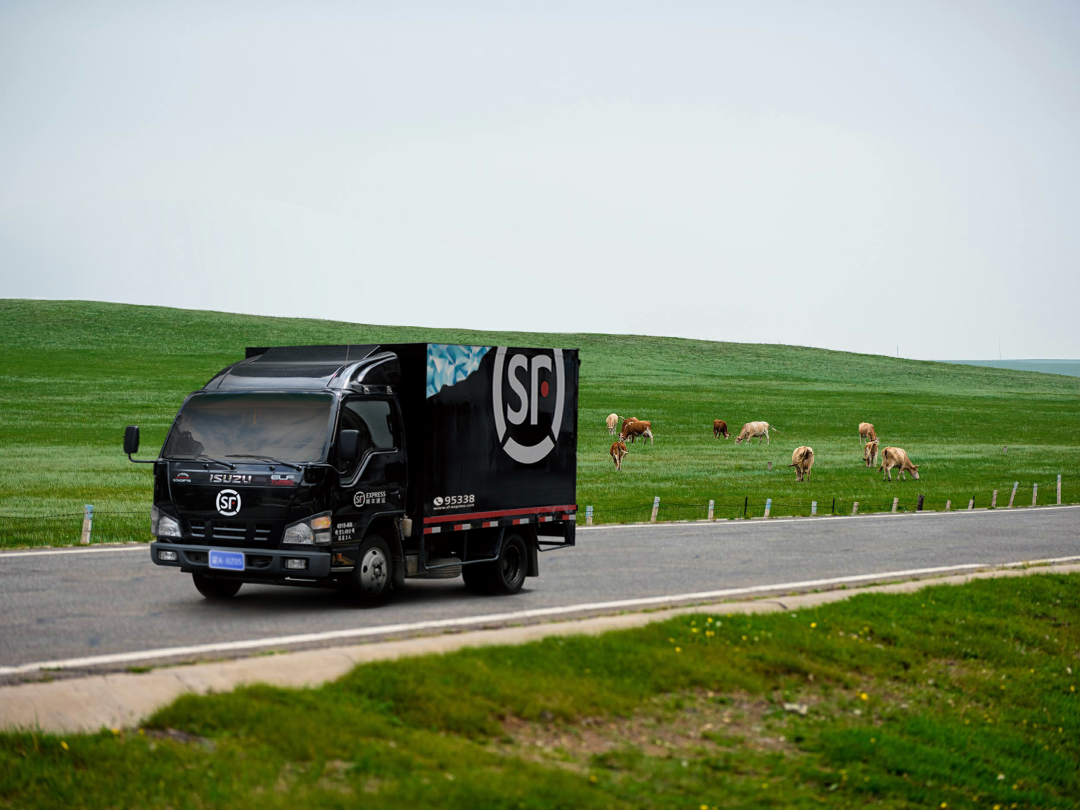
顺丰控股

Search documents
“人形机器人第一股”,再获超亿元大单
DT新材料· 2025-10-19 16:05
Group 1 - The core viewpoint of the article highlights the recent procurement contracts won by UBTECH Robotics, including a significant order worth 126 million yuan for the Walker S2 humanoid robot, aimed at enhancing intelligent manufacturing capabilities [2] - UBTECH has also secured a contract with a well-known A-share automotive technology company, amounting to over 32 million yuan, focusing on humanoid robot products and solutions for factory applications [2] - The total orders for the Walker series humanoid robots have exceeded 630 million yuan for the year, excluding a joint development project with Beijing Guodi [2] Group 2 - The Walker S2 humanoid robot, launched on July 23, is designed for intelligent manufacturing scenarios and features the world's first Co-Agent technology specifically for industrial humanoid robots, enabling autonomous operation and collaborative capabilities [3] - The Walker S2 is capable of 24/7 operation due to its innovative autonomous battery swapping technology, addressing labor shortages and high turnover rates in key operational areas such as handling, sorting, and quality inspection [3] - UBTECH has established partnerships with major companies in the new energy vehicle and logistics sectors, including BYD, Dongfeng Liuzhou, and Foxconn, to enhance automation and efficiency in their operations [2][3]


3.95亿资金本周流出交通运输股
Zheng Quan Shi Bao Wang· 2025-10-19 12:59
Market Overview - The Shanghai Composite Index fell by 1.47% this week, with only four industries showing gains, led by the banking and coal sectors, which rose by 4.89% and 4.17% respectively [1] - The transportation industry increased by 0.37% this week [1] Fund Flow Analysis - Total net outflow of main funds from both markets reached 301.749 billion yuan this week, with only two sectors experiencing net inflows: banking (24.19 billion yuan) and coal (2.67 billion yuan) [1] - The electronics sector saw the largest net outflow, totaling 70.079 billion yuan, followed by the power equipment sector with a net outflow of 41.692 billion yuan [1] Industry Performance - In the banking sector, there was a net inflow of 24.19 billion yuan, while the coal sector had a net inflow of 2.67 billion yuan [2] - The electronics industry had the highest net outflow, with 700.79 million yuan, followed by the power equipment sector with 416.92 million yuan [2] Transportation Sector Insights - The transportation industry had a net outflow of 3.95 billion yuan, with 126 stocks in the sector; 64 stocks rose while 59 fell [3] - Leading gainers included China National Airlines (up 7.63%), Nanjing Port (up 22.85%), and Hainan Airlines (up 2.44%) [4] - Major outflows were seen in SF Express (down 2.62%), CITIC Offshore (down 5.62%), and Daqin Railway (down 2.62%) [4]
行业“反内卷”成效初显,多家快递公司实现量价齐升
Bei Jing Ri Bao Ke Hu Duan· 2025-10-19 09:47
Group 1 - The core viewpoint of the articles highlights that most listed express delivery companies in China reported an increase in both volume and price in September, indicating early signs of the industry's "anti-involution" efforts [1][2] Group 2 - YTO Express reported a revenue of 5.799 billion yuan in September, a year-on-year increase of 14.89%, with a business volume of 2.627 billion parcels, up 13.64% [1] - Shentong Express achieved a revenue of 4.633 billion yuan, also up 14.89% year-on-year, with a business volume of 2.187 billion parcels, increasing by 9.46% [1] - Yunda Express recorded a revenue of 4.252 billion yuan, a 4.14% year-on-year increase, with a business volume of 2.11 billion parcels, up 3.63% [1] - The revenue growth rates of these express companies in September were significantly higher than their business volume growth rates, attributed to the rise in single parcel revenue due to the industry's "anti-involution" actions [1] - The State Post Bureau's report indicated that the China Express Development Index for September 2025 is projected to be 459.6, a year-on-year increase of 3.9% [2] - The development scale index and development capability index are expected to be 589.3 and 228.8, reflecting year-on-year increases of 9.3% and 1.9% respectively [2] - The express market is steadily growing, with improvements in automation and intelligence levels, as well as enhancements in the comprehensive transportation network and supply chain service capabilities [2]
周报:港务费反制航运指数环比提升,冬春航季客班计划量回落-20251019
SINOLINK SECURITIES· 2025-10-19 08:38
Investment Rating - The report recommends "Buy" for SF Holding based on valuation, operational resilience, and shareholder returns [2]. Core Views - The express delivery sector is expected to see a year-on-year growth of approximately 12% in business volume and 7% in revenue for September [2]. - The logistics sector is benefiting from improved demand, with a recommendation for Haicheng Co. due to its focus on smart logistics [3]. - The airline sector is projected to experience a rebound in ticket prices due to supply constraints and improved demand, with recommendations for China National Aviation and China Southern Airlines [4]. Summary by Sections Transportation Market Review - The transportation index increased by 0.7% from October 11 to October 17, outperforming the Shanghai Composite Index by 3.0% [1][13]. Express Delivery - The total express delivery volume for the week of October 6 to October 12 was approximately 3.626 billion pieces, with a month-on-month increase of 10.99% and a year-on-year increase of 16.0% [2]. - Major express companies like SF, Yunda, and YTO saw year-on-year growth rates of 31.8%, 3.6%, and 13.6% respectively [2]. Logistics - The chemical product price index decreased by 12.5% year-on-year, while the domestic shipping price for liquid chemicals was 161 RMB/ton, down 5.90% year-on-year [3]. - The report highlights the operational resilience of Haicheng Co. in the logistics sector [3]. Airline and Airport - The average daily flight volume increased by 3.64% year-on-year, with domestic flights up by 2.26% [4]. - The new winter-spring flight schedule for 2025 indicates a 1.6% decrease in domestic flight volume compared to the previous year [4]. - Brent crude oil prices decreased by 2.3% week-on-week, while domestic aviation kerosene prices were 5632 RMB/ton, up 0.5% [4][70]. Shipping - The export container freight index (CCFI) was 973.11 points, down 4.1% week-on-week and down 28.8% year-on-year [5]. - The report notes a short-term increase in shipping rates due to supply disruptions caused by U.S. port fee countermeasures [5]. Road and Rail - The total number of trucks passing through highways increased by 5.58% week-on-week, although the year-on-year figure decreased by 15.88% [6][83]. - The report indicates that the dividend yield of major road operators is higher than the yield of China's ten-year government bonds, suggesting good value in the sector [6].
三大财团内外联手,求购100亿快运之王
2 1 Shi Ji Jing Ji Bao Dao· 2025-10-19 08:27
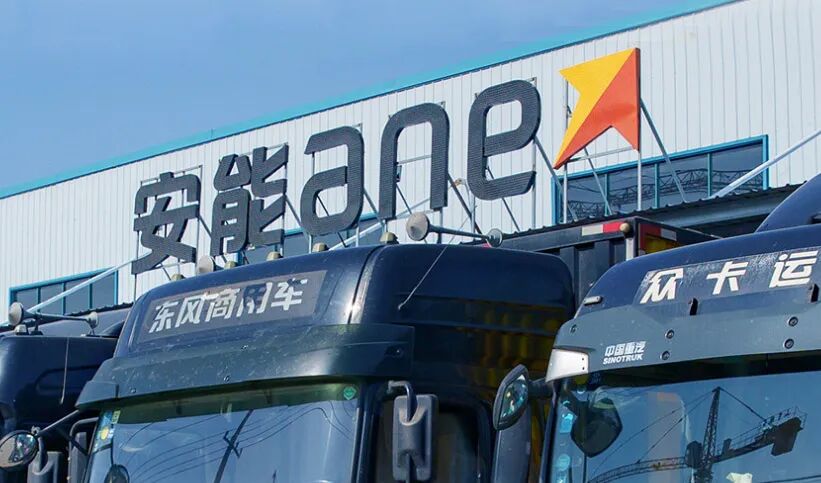
Core Viewpoint - Aneng Logistics has received a conditional privatization proposal from major shareholder Dazhong Capital and two other consortiums, which may lead to its delisting from the Hong Kong Stock Exchange [2][4][7]. Group 1: Company Overview - Aneng Logistics, known as the "King of Express Delivery," operates on a franchise model and has been listed for only four years [3]. - The company has faced multiple acquisition rumors over the past two years, with potential suitors including major competitors like SF Express and ZTO Express [10][9]. Group 2: Market Reaction - Following the announcement of the privatization proposal, Aneng's stock price fell approximately 25% at one point, closing down about 10% at HKD 9.14 per share, resulting in a market capitalization of HKD 107.5 billion [4][18]. - The prolonged suspension of trading for 28 days indicates ongoing negotiations and uncertainty regarding the acquisition proposal [18]. Group 3: Management and Shareholder Dynamics - There appears to be a divergence between Aneng's management and major shareholders regarding the privatization proposal [8][7]. - Dazhong Capital, which holds approximately 24.32% of Aneng's shares, has a history of supporting the company during financial difficulties, including a $300 million investment in 2020 [13][14]. Group 4: Financial Performance and Strategic Direction - Aneng's revenue for the first half of 2025 reached RMB 5.6 billion, with an adjusted net profit of RMB 476 million, and a dividend payout ratio of 50% [23][24]. - The company has been adjusting its product structure to focus on higher-margin markets and has implemented automation in its operations to improve efficiency [27][29]. Group 5: Industry Context - The express logistics industry is becoming increasingly competitive, with major players like SF Express and JD Logistics capturing significant market share [25]. - Aneng has lost its leading position in the less-than-truckload (LTL) segment, now ranking third in cargo volume, trailing behind SF Express and Debon Logistics [21][25].
中国人闯沙特
投资界· 2025-10-19 07:44
Core Viewpoint - The article discusses the cultural clash between Chinese workers and Saudi labor practices in the context of large-scale projects in Saudi Arabia, highlighting the differences in work ethics, labor conditions, and the impact of local regulations on foreign workers [4][5][9]. Group 1: Labor Culture Clash - Chinese workers in Saudi Arabia work under extreme conditions, often exceeding 12 hours a day, with monthly earnings around 28,000 RMB, which is double the domestic salary for similar roles [7][8]. - The work ethic of Chinese laborers is driven by a belief that "time is money," leading to a high-pressure environment to meet deadlines, contrasting sharply with the more relaxed approach of local Saudi workers who adhere to religious practices and shorter work hours [5][9]. - The Saudi labor market is characterized by a high percentage of foreign workers, with approximately 15.7 million expatriates, making up 44.4% of the total population, which creates a unique dynamic in labor relations [5][9]. Group 2: Economic and Social Implications - The "Kafala" sponsorship system in Saudi Arabia creates a significant divide between local and foreign workers, leading to disparities in pay and working conditions based on nationality [11][12]. - Local Saudi workers enjoy substantial benefits due to oil wealth, including high starting salaries and extensive vacation time, which can lead to a lack of motivation among the youth [13]. - The article highlights the psychological impact of wealth on Saudi youth, with a significant percentage experiencing mental health issues, indicating a disconnect between material wealth and personal fulfillment [13]. Group 3: Business Strategies and Adaptations - Chinese companies are adapting to local labor laws by initially hiring a large number of Saudi workers to meet regulatory requirements, then selectively retaining the most capable individuals for critical roles [19][20]. - There is a growing trend among Chinese firms to respect local customs and integrate local practices into their operations, such as adjusting work schedules around prayer times [19][20]. - Successful partnerships in the region often rely on local connections and trust-building, as exemplified by the collaboration between Chinese companies and established local businesses [15][16]. Group 4: Future Outlook - The article concludes that mutual respect and understanding between Chinese enterprises and Saudi society are essential for overcoming cultural barriers and achieving sustainable business success [22]. - The experiences of companies like JD Logistics and Sinopec in adapting to local conditions serve as examples of how cross-cultural collaboration can lead to shared benefits [20][21].

华创证券:通达系9月单票收入较7月提升 后续业绩弹性可期
Zhi Tong Cai Jing· 2025-10-18 23:45
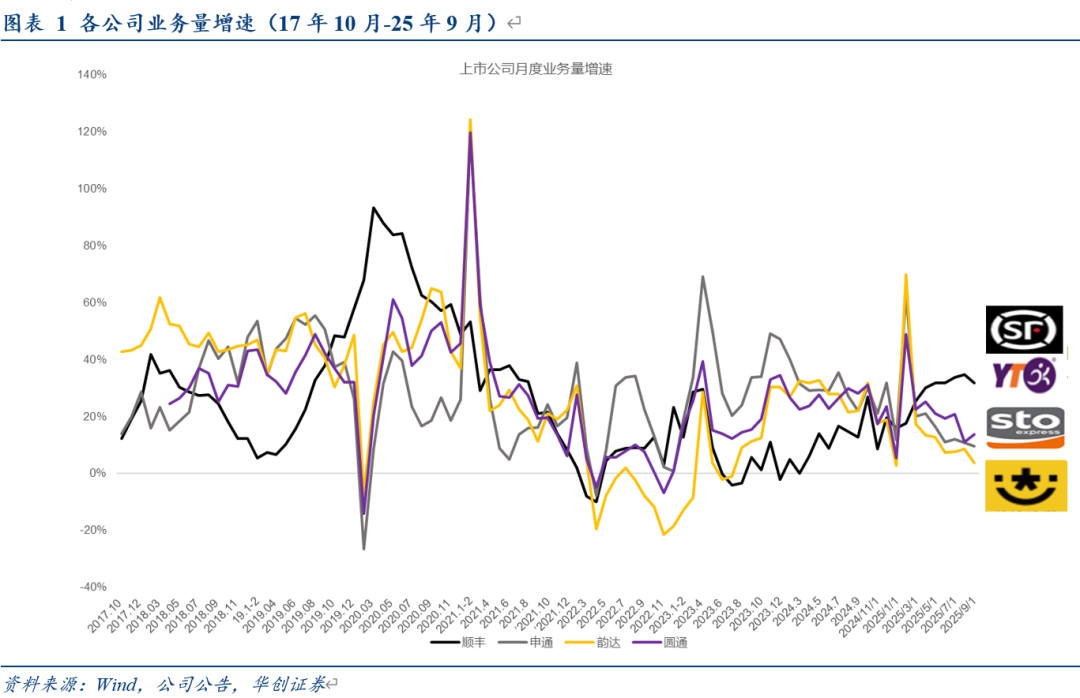
Core Viewpoint - The logistics industry is experiencing varied performance among major players, with significant differences in business volume and revenue per package, indicating a competitive landscape and potential investment opportunities. Group 1: Business Volume - SF Express leads the market with a business volume of 15.04 billion pieces, showing a year-on-year growth of 31.8% and a cumulative growth of 28.3% [1] - Shentong and Yunda follow with business volumes of 21.87 billion pieces (9.5% YoY, 17.1% cumulative) and 21.10 billion pieces (3.6% YoY, 13.0% cumulative) respectively [1] - YTO Express has a business volume of 26.27 billion pieces, with a year-on-year growth of 13.6% and a cumulative growth of 19.4% [1] Group 2: Revenue per Package - SF Express reported a revenue per package of 13.87 yuan, down 13.3% YoY but up 4.5% month-on-month [4] - Shentong's revenue per package is 2.12 yuan, reflecting a 5.0% YoY increase and a 2.9% month-on-month increase [4] - Yunda's revenue per package stands at 2.02 yuan, with a slight YoY increase of 0.5% and a month-on-month increase of 5.2% [4] - YTO Express has a revenue per package of 2.21 yuan, showing a 1.1% YoY increase and a 2.8% month-on-month increase [4] Group 3: Overall Revenue - SF Express generated a total revenue of 208.54 billion yuan, marking a 14.2% YoY increase and an 11.8% month-on-month increase [4] - Shentong's total revenue reached 46.33 billion yuan, with a 14.9% YoY increase and a 4.5% month-on-month increase [4] - Yunda reported a total revenue of 42.52 billion yuan, reflecting a 4.1% YoY increase and a 3.2% month-on-month increase [4] - YTO Express achieved a total revenue of 57.99 billion yuan, with a 14.9% YoY increase and a 7.6% month-on-month increase [4] Group 4: Market Trends - The industry is expected to see further performance improvements as the peak season in October approaches, validating the pricing logic observed in August and September [5] - The logistics sector is experiencing a shift towards increased efficiency and profitability, driven by competitive strategies and market dynamics [8]



快递行业9月数据点评:通达系单票收入环比继续提升,较7月均提升0.1元以上,后续业绩弹性可期
Huachuang Securities· 2025-10-18 12:07
Investment Rating - The report maintains a "Recommendation" rating for the express delivery industry, indicating an expected increase in the industry index exceeding the benchmark index by more than 5% in the next 3-6 months [2][33]. Core Insights - The report highlights that the Tongda system's single ticket revenue has continued to increase month-on-month, with an increase of over 0.1 yuan compared to July, suggesting potential performance elasticity in the future [2]. - The report emphasizes the investment opportunities in the express delivery sector under the "anti-involution" theme, particularly focusing on companies like YTO Express and Shentong Express, which have shown strong performance indicators [7][9]. - The report notes that the express delivery companies have experienced varying growth rates in business volume and revenue, with SF Express leading in business volume growth at 31.8% year-on-year for September [9]. Summary by Sections Industry Basic Data - The express delivery industry consists of 5 listed companies with a total market value of 341.66 billion yuan and a circulating market value of 328.83 billion yuan [5]. - The absolute performance of the industry over the past 1 month, 6 months, and 12 months has been -5.8%, 5.2%, and 2.9% respectively, while the relative performance has been -5.0%, -14.5%, and -16.3% [5]. Company Performance - In September, the business volume year-on-year growth rates were as follows: SF Express (31.8%), YTO Express (13.6%), Shentong Express (9.5%), and Yunda Express (3.6%) [7][9]. - Revenue growth rates for September were led by Shentong and YTO, both at 14.9%, followed by SF Express at 14.2% and Yunda at 4.1% [9]. - The single ticket revenue for September showed an increase for the Tongda system, with Shentong at 2.12 yuan (up 5.0% year-on-year), Yunda at 2.02 yuan (up 0.5%), and YTO at 2.21 yuan (up 1.1%) [9]. Investment Recommendations - The report recommends focusing on e-commerce express delivery opportunities, particularly highlighting YTO and Shentong as key investment targets due to their strong performance indicators and potential for revenue and earnings elasticity [7]. - It also suggests continued investment in SF Express, noting its leading business volume growth and potential for sustainable free cash flow optimization [7].
快递小哥逆袭成的CEO,辞职了
Sou Hu Cai Jing· 2025-10-18 12:02
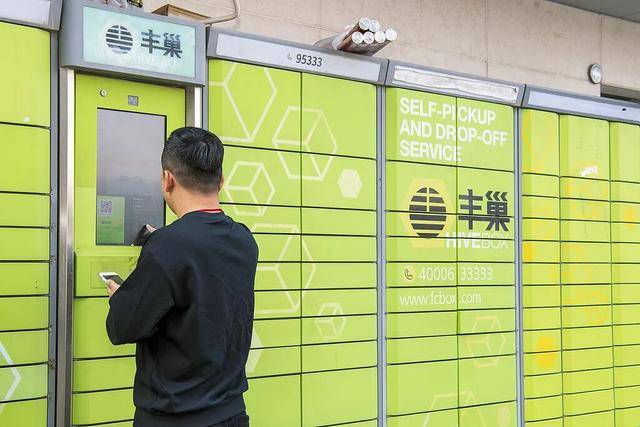
Core Viewpoint - The resignation of Xu Yubin, founder and CEO of Fengchao, raises questions about the company's IPO progress and overall development, especially after the failure of its prospectus submission to the Hong Kong Stock Exchange earlier this year [1][13]. Company Overview - Xu Yubin, born in 1981 in Guangdong, started as a courier and later became a manager at SF Express, where he conceived the idea of smart delivery lockers [4][5]. - Fengchao was established in 2015 with an investment of 500 million yuan from five logistics companies, including SF Express [6]. Business Expansion and Performance - Fengchao rapidly expanded its network, installing 40,000 smart lockers in over 70 cities within two years, and later increasing to 100,000 lockers after acquiring eZhan [6]. - By 2020, Fengchao's market share was projected to reach 69% after acquiring Zhongyou Express [6]. Financial Challenges - Despite rapid growth, Fengchao has faced significant financial losses, accumulating over 6 billion yuan in losses since its inception [12]. - The company reported net losses of 2.07 billion yuan, 1.17 billion yuan, and 541 million yuan for the years 2021 to 2023, despite revenues of 2.53 billion yuan, 2.89 billion yuan, and 3.81 billion yuan respectively [12]. Market Competition - The competitive landscape has shifted, with rivals like Cainiao Station processing over 29 billion packages in 2023, compared to Fengchao's 6.7 billion packages, highlighting a significant market share disparity [13]. Strategic Missteps - Analysts suggest that Fengchao's failure to diversify its revenue streams and adapt to market changes has hindered its growth, with high operational costs and unsuccessful ventures into community group buying and e-commerce [10][12]. - The company's attempt to charge consumers for package delays has faced backlash, complicating its revenue model [10]. Leadership Transition - Xu Yubin's departure may signal a potential shift in strategy for Fengchao, as analysts believe new leadership could bring fresh perspectives to address the company's challenges [14].
全链路多元化能力筑护城河 长期投资价值获夯实 顺丰控股9月营收约270亿元 同比增长8.78%
Jing Ji Guan Cha Bao· 2025-10-18 08:09
Core Insights - SF Holding has achieved a total revenue of 27.007 billion yuan in September, marking an 8.78% year-on-year increase, driven by the peak delivery season during the National Day and Mid-Autumn Festival [2] - The express logistics segment generated revenue of 20.854 billion yuan, reflecting a 14.21% year-on-year growth, with a business volume of 1.504 billion parcels, up 31.81% [2] Group 1: Logistics and Service Expansion - SF Holding has enhanced its logistics capabilities by establishing temporary collection points and deploying specialized service teams, utilizing smart devices like unmanned vehicles and drones to improve efficiency [3] - The company has launched its first intelligent transfer center for hairy crabs in Suzhou, featuring an automated sorting system that can sort over 20,000 items per hour and handle more than 400,000 items daily [3] Group 2: Market Development and Brand Integration - SF Holding is integrating logistics with branding and traffic, improving crab packaging to reflect local culture while enhancing freshness [5] - The company has tailored logistics solutions to meet the needs of local industries, such as establishing a three-tier delivery network in Shaanxi to assist fruit farmers [5] Group 3: International Expansion - SF Holding has expanded its international logistics network by launching a new cargo route from Ezhou to Chicago, enhancing its cross-border service capabilities [6] - The company’s air cargo fleet has grown to 90 aircraft, covering domestic and international markets, thereby supporting global logistics services [8] Group 4: ESG Performance - SF Holding's ESG rating has improved from "BBB" to "A," making it the first logistics company in China to achieve this rating, reflecting its strong performance in environmental, social, and governance aspects [9] - The enhanced ESG performance is expected to bolster the company's brand credibility and support its long-term investment value [9]