
香港交易所

Search documents
香港交易所(00388) - 2025 Q2 - 电话会议演示
2025-08-20 01:30
Financial Performance Highlights - HKEX achieved record half-yearly revenue and other income of HK$14.1 billion, a 33% year-over-year increase[9] - Profit attributable to shareholders reached HK$8.5 billion in 1H 2025, up 39% year-over-year[11] - Core business revenue increased by 34% year-over-year to HK$13.0 billion in 1H 2025[16] - EBITDA increased by 43% year-over-year to HK$10.9 billion in 1H 2025[16] - Headline Average Daily Turnover (ADT) increased by 118% year-over-year[12] Business Segment Performance - Stock Connect revenue reached a record high of HK$1.813 billion, a 51% year-over-year increase[38] - Northbound Stock Connect ADT increased by 32% year-over-year[12] - Southbound Stock Connect ADT nearly tripled compared to 1H 2024[12] - Derivatives Average Daily Volume (ADV) reached a record half-yearly high of 1.7 million contracts, up 11% year-over-year[12] - LME ADV increased by 3% year-over-year[12] Strategic Initiatives and Market Dynamics - IPO funds raised reached HK$109.4 billion, more than 8 times that of 1H24[38]

摩根大通将港交所评级上调至增持
Jin Rong Jie· 2025-08-20 00:55
本文源自:金融界AI电报 摩根大通将香港交易所的评级从中性上调至增持,因为市场预期随着资金持续流入香港市场交易量将增 加。 ...
智通港股沽空统计|8月20日
智通财经网· 2025-08-20 00:24
Summary of Key Points Core Viewpoint - The report highlights the top short-selling stocks in the market, indicating significant investor sentiment and potential market movements based on short-selling ratios and amounts. Group 1: Top Short-Selling Ratios - The top three stocks with the highest short-selling ratios are New World Development (100.00%), Hang Seng Bank (95.70%), and JD.com (92.60%) [1][2] - Other notable stocks with high short-selling ratios include Lenovo Group (90.03%) and Xiaomi Group (89.73%) [2] Group 2: Top Short-Selling Amounts - Tencent Holdings leads in short-selling amount with 2.243 billion, followed by Xiaomi Group at 1.941 billion and Alibaba at 1.288 billion [1][2] - Other significant short-selling amounts include Meituan (842 million) and Ctrip Group (815 million) [2] Group 3: Top Short-Selling Deviation Values - Hang Seng Bank has the highest deviation value at 47.89%, followed by Xiaomi Group at 40.17% and Lenovo Group at 35.95% [1][2] - Other stocks with notable deviation values include JD.com (35.62%) and New World Development (35.46%) [2]



智通ADR统计 | 8月20日




智通财经网· 2025-08-19 22:42
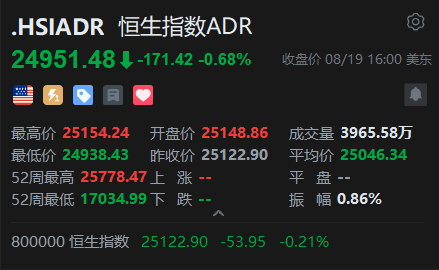
Market Overview - The Hang Seng Index (HSI) closed at 24,951.48, down by 171.42 points or 0.68% as of August 19, 16:00 Eastern Time [1] - The index reached a high of 25,154.24 and a low of 24,938.43 during the trading session, with a trading volume of 39.6558 million [1] - The 52-week high for the index is 25,778.47, while the 52-week low is 17,034.99 [1] Blue-Chip Stocks Performance - Major blue-chip stocks mostly declined, with HSBC Holdings closing at HKD 99.581, up 0.54% compared to the Hong Kong close [2] - Tencent Holdings closed at HKD 588.764, down 0.63% compared to the Hong Kong close [2] Individual Stock Movements - Tencent Holdings (00700) saw a price of HKD 592.500, an increase of HKD 5.500 or 0.94%, but its ADR price was HKD 588.764, down HKD 3.736 compared to the Hong Kong close [3] - Alibaba Group (09988) closed at HKD 118.300, down HKD 0.300 or 0.25%, with an ADR price of HKD 116.979, down HKD 1.321 [3] - HSBC Holdings (00005) had a closing price of HKD 99.050, up HKD 0.600 or 0.61%, with an ADR price of HKD 99.581, up HKD 0.531 [3] - Xiaomi Group (01810) closed at HKD 52.400, down HKD 0.650 or 1.23%, with an ADR price of HKD 52.255, down HKD 0.145 [3] - AIA Group (01299) closed at HKD 74.200, down HKD 0.400 or 0.54%, with an ADR price of HKD 73.722, down HKD 0.478 [3]

8月19日【中銀做客】恆指、小米、港交所、中芯、華虹、泡泡瑪特、寧德時代
Ge Long Hui· 2025-08-19 18:23
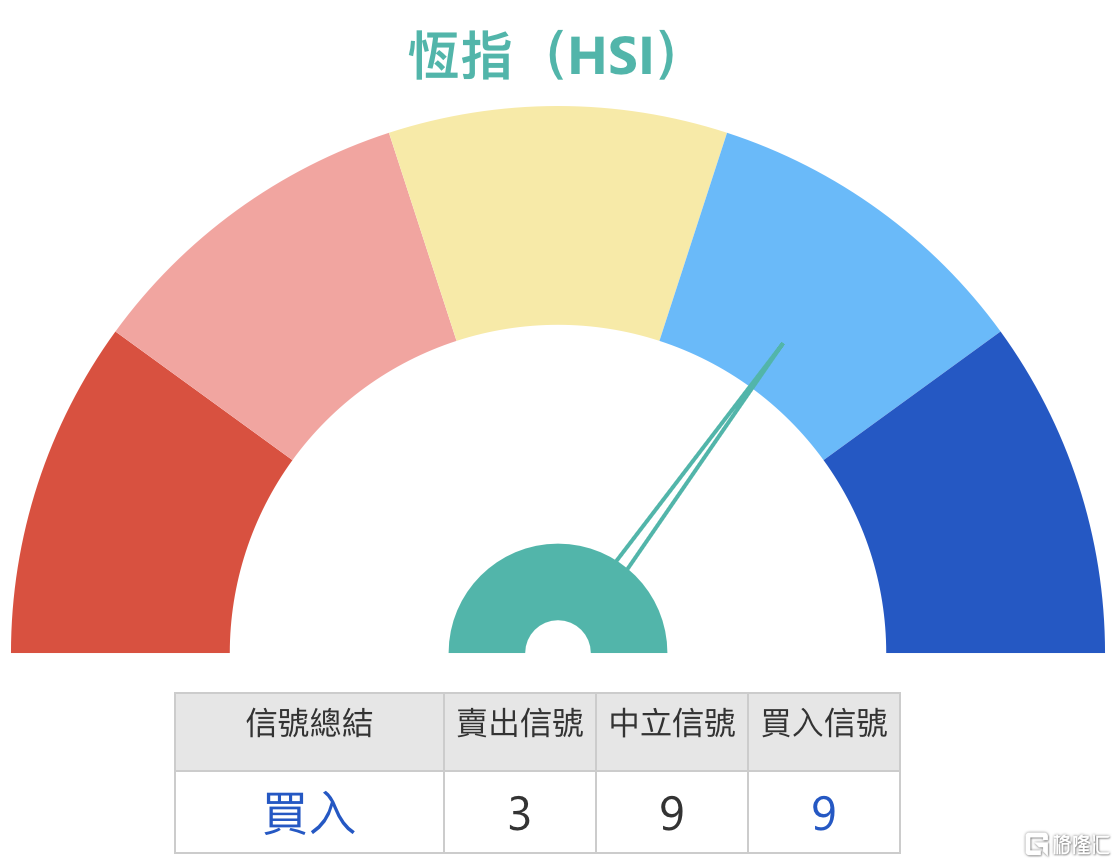
Market Overview - The Hang Seng Index recently peaked at 25,700 points but has since declined, with a current support level around 25,000 points, indicating potential downward adjustment risks [1][2] - The distribution of bull and bear certificates shows 69% are bullish and 31% bearish, suggesting a prevailing bullish sentiment despite the recent market pullback [1][3] Investment Products - For investors considering bull certificates, it is advised to select products with a recovery price not too close to the current market price to mitigate risks [1] - Specific products mentioned include: - Bull certificate 65915 with a recovery price of 24,818 points and a leverage of 50-60 times [1] - Bear certificate 65929 with a recovery price of 25,688 points and a leverage of 40 times [2] - Call warrant 18057 with an exercise price of 25,627 points and a leverage of 10 times, expiring in December [1] - Put warrant 19402 with an exercise price of 24,477 points and a leverage of 8 times, expiring in January [1] Individual Stock Analysis - Xiaomi (01810) is experiencing volatility ahead of its earnings announcement, with a current price around 51-52 HKD after a recent drop to 50.1 HKD [5][6] - Investors are favoring call warrants for Xiaomi, such as warrant 17257 with an exercise price of 61 HKD and a leverage of 5 times, expiring in April [5] - Hong Kong Exchanges and Clearing (00388) is benefiting from high trading volumes and new IPOs, with a suggested call warrant 17568 at an exercise price of 530.5 HKD and a leverage of 7 times [8][9] Sector Focus - The semiconductor sector is currently in focus, with companies like SMIC (00981) and Hua Hong Semiconductor (01347) facing price adjustments [12][13] - Investment products for SMIC include call warrant 18978 with an exercise price of 62.88 HKD and a leverage of 3 times, and put warrant 13689 with an exercise price of 42.5 HKD, also with a leverage of 3 times [12] - For Hua Hong, call warrant 19312 with an exercise price of 55 HKD and a leverage of 2 times is available [12] Risk Management - Investors are advised to monitor support and resistance levels closely when selecting products, particularly for high-leverage options [18][19] - The current support level for Xiaomi is around 49.2 HKD, while the resistance level is at 57.5 HKD [6][9]



“国际”的香港在繁荣,“本土”的香港在衰退
Hu Xiu· 2025-08-19 12:12
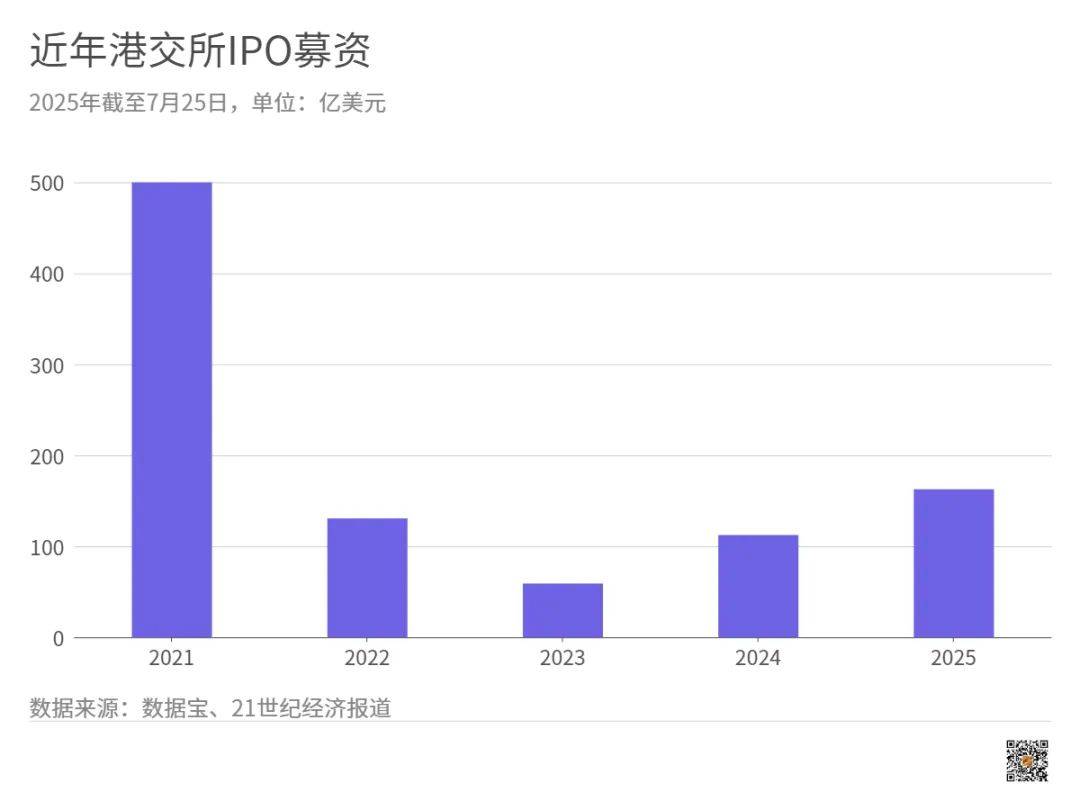
Group 1 - The core point of the article highlights the stark contrast between the thriving financial sector in Hong Kong and the struggling local service industries, particularly the restaurant sector, which is experiencing a significant number of closures [11][12][16]. - In the first half of this year, nearly 300 shops in Hong Kong closed, with 70% being restaurants, indicating a severe downturn in the local dining scene [3][5]. - The vacancy rate in key commercial areas such as Central, Tsim Sha Tsui, Mong Kok, and Causeway Bay reached 12.1% in the first quarter, the highest in nearly four and a half years, surpassing even the rates during the pandemic [4][11]. Group 2 - Despite the struggles in the local service sector, the Hong Kong stock market has seen a surge in IPO activity, with 52 companies listed by July 25, raising a total of HKD 127.36 billion (approximately USD 16.27 billion), marking a new high since 2021 [7][10]. - The article notes that the retail sales in Hong Kong have been declining year-on-year for 14 consecutive months until stabilizing in May this year, contrasting with the rising Hang Seng Index, which reached a three-year high on August 14 [11][12]. - The article discusses the "High-end Talent Pass Scheme," which aims to attract talent to Hong Kong, but notes that only half of the applicants choose to renew their visas after two years, indicating challenges in retaining talent due to local living conditions [25][28].
港股19日跌0.21% 收报25122.9点
Xin Hua Wang· 2025-08-19 10:53
Market Overview - The Hang Seng Index fell by 53.95 points, a decrease of 0.21%, closing at 25,122.9 points with a total turnover of 278.218 billion HKD [1] - The National Enterprises Index dropped by 27.45 points, closing at 9,006.23 points, a decline of 0.3% [1] - The Hang Seng Tech Index decreased by 37.15 points, closing at 5,542.03 points, a drop of 0.67% [1] Blue-Chip Stocks - Tencent Holdings rose by 0.94%, closing at 592.5 HKD [1] - Hong Kong Exchanges and Clearing fell by 1.32%, closing at 433.8 HKD [1] - China Mobile decreased by 0.4%, closing at 88.1 HKD [1] - HSBC Holdings increased by 0.61%, closing at 99.05 HKD [1] Local Hong Kong Stocks - Cheung Kong Holdings rose by 0.87%, closing at 37 HKD [1] - Sun Hung Kai Properties increased by 0.83%, closing at 90.6 HKD [1] - Henderson Land Development rose by 0.52%, closing at 27.12 HKD [1] Chinese Financial Stocks - Bank of China remained unchanged, closing at 4.39 HKD [1] - China Construction Bank remained unchanged, closing at 7.71 HKD [1] - Industrial and Commercial Bank of China remained unchanged, closing at 5.88 HKD [1] - Ping An Insurance fell by 0.78%, closing at 57.3 HKD [1] - China Life Insurance decreased by 3.19%, closing at 24.26 HKD [1] Oil and Petrochemical Stocks - China Petroleum & Chemical Corporation fell by 0.23%, closing at 4.36 HKD [1] - China National Petroleum Corporation decreased by 0.53%, closing at 7.47 HKD [1] - CNOOC Limited fell by 0.16%, closing at 18.56 HKD [1]
港交所唐家成:LME已批准香港8个仓库 有逾8千吨认可品牌金属入库
智通财经网· 2025-08-19 06:22
Core Viewpoint - The Hong Kong Stock Exchange (HKEX) has taken a significant step in establishing a commodities trading ecosystem by approving eight recognized warehouses for the London Metal Exchange (LME) in Hong Kong, with over 8,000 tons of LME-approved metals now stored [1] Group 1: Market Development - The establishment of LME delivery warehouses in Hong Kong is expected to reduce delivery costs for mainland metal users and attract more companies to participate in Hong Kong's commodities industry chain [1] - Hong Kong's role as an international financial center positions it to connect China, the world's largest industrial metal consumer, with the LME, the most active metal trading market globally [1] Group 2: Future Opportunities - The HKEX and LME plan to maintain close communication with the industry to explore unlimited opportunities in developing the commodities ecosystem in Hong Kong [1]
宋雪涛:全球TACO牛市,谁泡沫更大?
雪涛宏观笔记· 2025-08-19 06:18
Group 1 - The core viewpoint of the article is that the recovery of global risk appetite and stock market increases are primarily driven by the loosening of dollar liquidity, with potential risks arising from changes in Federal Reserve policies or cross-border capital flows [2][4] - The article discusses the phenomenon of TACO (Trump Always Chickens Out) trading, which has led to increased confidence among investors and a bullish atmosphere in various global markets, including US, European, and Asian stocks [4][5] Group 2 - The improvement in global risk appetite is attributed to the loosening of dollar liquidity, which is closely linked to the Federal Reserve's monetary policy and cross-border capital flows [5][6] - The dollar index has significantly declined, dropping 2.4% in the past quarter and 10% year-to-date, which has positively impacted non-US stock markets [7][9] - The actual interest rates of US Treasury bonds have decreased, providing a foundation for risk sentiment release, with a decline of over 20 basis points since April [9][11] - Global central banks have accelerated monetary supply, with a notable increase in the growth rate of global central bank money supply by nearly 7 percentage points in the past quarter [11][14] - The cost of offshore dollar financing has decreased, indicating a more favorable liquidity environment for non-US equity markets [14][16] Group 3 - There is a noticeable trend of foreign capital inflow into non-US equity markets, with A-shares seeing a 0.75% increase in foreign ownership value compared to the end of last year [16][19] - Various Asian markets, including Japan, South Korea, and Vietnam, have experienced net inflows of foreign capital since July, contrasting with the previous 12 months of net outflows [19][20] Group 4 - The article highlights concerns regarding the effectiveness of capital expenditures by technology giants amid the current AI boom, with an average capital expenditure growth rate of 18% projected for tech stocks from 2021 to 2024 [20][22] - The current market structure shows a "barbell" effect, with significant gains in both large tech companies and small-cap stocks, indicating a potential increase in market fragility [22][26] Group 5 - The "Buffett Indicator," which measures the ratio of total market capitalization to nominal GDP, has reached a historical high of 2.1, suggesting a potential overvaluation of the market [26][28] - Comparisons of risk premiums across global indices reveal that US and Indian stocks have low risk premiums, while A-shares and Korean stocks maintain higher levels [31][34] - The article concludes that the high valuation levels across major stock indices, combined with the low risk premiums in developed markets, indicate a potential bubble in the current market environment [39]

香港金管局:敦促各认可机构为香港股票现货市场转向T+1结算作好准备
智通财经网· 2025-08-19 03:02
Core Viewpoint - The Hong Kong Stock Exchange (HKEX) is initiating discussions to shorten the settlement cycle for the stock market to T+1, aiming to enhance market efficiency and align with international standards [1][2] Group 1: HKEX's Proposal - HKEX released a discussion paper on July 16 regarding the shortening of the settlement cycle to T+1, seeking consensus with industry participants [1] - The transition to T+1 is expected to improve market efficiency and reduce systemic risk, while also aligning Hong Kong's market with other international markets [2] Group 2: Role of Regulatory Bodies - The Hong Kong Monetary Authority (HKMA) emphasized the crucial role of banks in facilitating the transition to T+1 and has urged recognized institutions to prepare for the change [1] - Recognized institutions have indicated their readiness based on experiences from markets that have already implemented T+1 or T+0 settlement cycles [1] Group 3: Preparations and Considerations - Recognized institutions are advised to consider the impact of accelerated settlement on their operations, liquidity, and service to clients, particularly international investors [1] - Sufficient resources should be allocated to enhance operations, systems, and infrastructure in preparation for the shorter settlement cycle [1] - The HKMA will continue to monitor market developments and provide further guidance to support the transition to T+1 when appropriate [1]