中国国航

Search documents
2025巴黎国际旅游专业展 “你好!中国”展台开幕仪式举行
Zhong Guo Xin Wen Wang· 2025-09-24 03:51
Core Points - The "Hello! China" exhibition at the 2025 Paris International Tourism Fair focuses on smart tourism, product innovation, and practical cooperation, showcasing China's diverse tourism resources and latest developments [1][3] - The exhibition features participation from cultural and tourism departments of eight provinces and over 20 enterprises, including major airlines and travel agencies [1][3] - A new French-language travel guide titled "Hello! China" was launched, filling a gap in authoritative Chinese tourism information in the French market [1][3] Group 1 - The exhibition is themed "Smart Travel Future: Exploring Boundless" and aims to enhance cooperation between China and France in tourism [1][3] - The guide includes the latest travel information and contact details for tourism enterprises, facilitating better trip planning for French tourists [3] - The event will host eight specialized tourism promotion sessions, highlighting unique cultural tourism resources and new travel products from various Chinese regions [3] Group 2 - The Paris International Tourism Fair, established in 1979, is the largest B2B international tourism exhibition in France, attracting over 32,000 professionals from around the world [4] - The fair features participation from over 1,500 tourism brands and destinations from more than 170 countries and regions [4]


高速公路促经济循环,海口增第五航权航线 | 投研报告
Zhong Guo Neng Yuan Wang· 2025-09-24 01:46
Core Insights - The transportation industry in China is experiencing mixed performance, with the SCFI and CCFI indices showing significant year-on-year declines, indicating ongoing challenges in the shipping sector [1][4] - The aviation sector is seeing a recovery in capacity, with major airlines reporting domestic ASK recovery rates exceeding 100% compared to 2019 levels, suggesting a rebound in air travel demand [2][6] - The logistics and express delivery sectors are benefiting from the growth of e-commerce, with significant increases in business volume and revenue reported [6][8] Transportation Industry Overview - As of September 19, 2025, the SCFI index is at 1198 points, down 14.30% week-on-week and 49.36% year-on-year, while the CCFI index is at 1120 points, down 0.45% week-on-week and 35.70% year-on-year [1][4] - The transportation sector's performance from September 15 to September 20 shows a cumulative increase of 0.38%, ranking 13th among 31 SW primary industries, while the CSI 300 index decreased by 0.44% [2] Subsector Performance - The sub-sectors within transportation show varied performance: - Road freight increased by 6.73% - Cross-border logistics up by 3.63% - Shipping up by 1.31% - Airport operations up by 0.95% - Express delivery up by 0.81% - Ports up by 0.23% - Public transport down by 0.39% - Warehousing down by 1.08% - Rail down by 1.41% - Highways down by 2.67% [2] Aviation Sector Insights - In August 2025, major listed airlines in China reported domestic ASK recovery rates compared to 2019: Air China at 160.34%, China Southern at 128.19%, and Spring Airlines at 184.73% [2][6] - International and regional ASK recovery rates also varied, with some airlines showing recovery rates above 100% [2] Oil and Currency Trends - As of September 19, 2025, Brent crude oil prices are at $66.04 per barrel, down 1.42% week-on-week and down 10.77% year-on-year [3] - The exchange rate of the Chinese Yuan against the US Dollar is 7.1128, reflecting a depreciation of 0.15% week-on-week and 0.85% year-on-year [3] Logistics and Express Delivery - The express delivery sector reported revenues of 1189.60 billion Yuan in August 2025, a year-on-year increase of 4.20%, with business volume reaching 161.50 billion pieces, up 12.30% [6][8] - The logistics sector is expected to benefit from the growth of cross-border e-commerce, with a focus on enhancing competitiveness among leading express companies [8] Investment Recommendations - The aviation sector is expected to see improved profitability due to increased demand and favorable pricing conditions, with recommendations to invest in companies like Air China and China Southern Airlines [6] - The airport sector is advised to be approached cautiously, with potential for growth driven by international passenger recovery and macroeconomic improvements [7] - The cross-border logistics sector is positioned for growth, driven by the expansion of cross-border e-commerce [8]
台风豪雨,打乱多少人的十一计划?
Hu Xiu· 2025-09-24 00:39
距离国庆假期还有一周,身边不少朋友却陷入了要不要退机票的纠结。 早在今年暑期,家在上海的朋友小龙就锁定了三亚某五星酒店的国庆套餐,机票也抢在涨价之前定好,早去晚回,一切看上去挺好。 周一开始,西北太平洋的"风王"桦加沙台风对海南旅游的影响逐渐明显之际,小龙还信誓旦旦地称"牛马的假期不容更改,管它下不下雨,下刀子我都要 去。" 但台风它真来了,去程航班被取消了,连返程机票也得跟航空公司打电话退掉。 小龙说:"我真没想到,海不蓝、风很大我都能忍,但航班取消,是真的一点机会不给啊。" 另一位朋友小美,更无奈。 她原本定的是9月26日飞三亚,五天后返程的错峰短假期,时间很巧,正好撞在台风离境前后。 01 "到底要不要退票啊?有没有懂的人来说说看?"她把三亚的天气截图贴在社交媒体上。 虽然当地官方发布消息称"台风天气对海南旅游影响不大",但一眼看去全是雨的天气预报,让小美完全提不起兴趣了。 下面的评论区,更是有人直白留言:"为了让你们来海南旅游直接说无影响,到时候下雨让你们酒店住着。" 十一暴雨台风,这不仅是旅客们的烦恼。 广东某热门景区酒店负责人A先生告诉我,今年暑期他们就受天气影响吃了大亏,好不容易熬到国庆黄金周前 ...
今年最强台风来袭,多家旅游平台启动应急保障
Bei Jing Ri Bao Ke Hu Duan· 2025-09-23 12:32
此外,飞猪也已启动应急响应机制,针对相关机票、酒店、旅游等受影响订单实施退改保障。针对近期 进出广东省、海南省、香港地区的航班机票与火车票,飞猪将实时跟进航司与铁路相关部门的退改政 策,符合免费退改政策的旅客可在订单内实时自助操作全额退款。截至目前,平台已收到包含中国国际 航空、中国东方航空、中国南方航空、深圳航空、厦门航空、四川航空、海南航空、长龙航空、国泰航 空、全日空航空、日本航空、韩亚航空等26家航空公司的台风退改政策。 图片来源:视觉中国 转自:北京日报客户端 9月23日,针对台风"桦加沙"影响,携程、去哪儿旅行、飞猪等多家在线旅游平台启动应急保障。 其中,携程酒店、机票、旅游等产品已为旅客启动重大突发事件保障举措。酒店产品方面,针对近期预 订广东、海口、香港、澳门等地受台风影响的订单,携程已开启兜底保障,将全力协调,降低旅客退订 损失。 针对因受台风"桦加沙"直接影响无法出行或产生目的地滞留,订单出发返程日期为9月23日至24日,目 的地及出发地(含行程中转地)为香港、澳门、广州、深圳、江门、中山、东莞、珠海、惠州、湛江、 阳江、茂名、潮州、 佛山等地受影响的旅游订单,携程启动"重大灾害旅游体验保 ...


多家旅游平台启动应急响应机制
Bei Jing Ri Bao Ke Hu Duan· 2025-09-23 12:00
【#多家旅游平台启动应急响应机制#】9月23日,针对台风"#桦加沙#"影响,携程、去哪儿旅行、飞猪 等多家在线旅游平台启动应急保障。其中,携程酒店、机票、旅游等产品已为旅客启动重大突发事件保 障举措。酒店产品方面,针对近期预订广东、海口、香港、澳门等地受台风影响的订单,携程已开启兜 底保障,将全力协调,降低旅客退订损失。针对因受台风"桦加沙"直接影响无法出行或产生目的地滞 留,订单出发返程日期为9月23日至24日,目的地及出发地(含行程中转地)为香港、澳门、广州、深 圳、江门、中山、东莞、珠海、惠州、湛江、阳江、茂名、潮州、 佛山等地受影响的旅游订单,携程 启动"重大灾害旅游体验保障金",对行程受直接影响而取消所产生的订单最终损失予以保障。去哪儿旅 行同样启动了应急保障机制,入住日期为9月23日至24日,针对广东、香港、澳门、海南海口等受影响 地区的酒店订单,平台已开启兜底保障措施,将尽力为旅客协调。同时,平台将密切关注铁路局、交通 部门等有关单位的最新规定,严格按照要求为广大旅客办理退改服务。目前,平台已收到多家航司涉及 受影响地区进出港的机票免费退改政策,其他航空公司政策也将陆续发布,平台会持续关注并协助 ...
国泰海通:重视航空超级周期长逻辑 关注公商恢复持续性
智通财经网· 2025-09-23 06:57
Core Viewpoint - The Chinese aviation industry is entering a "super cycle" due to the recovery of supply and demand, with passenger load factors exceeding 2019 levels and expected to continue improving [1][2] Group 1: Market Dynamics - The market for airline ticket prices is becoming more liberalized, allowing for better transmission of high load factors to ticket prices [2] - The growth rate of airline fleets is slowing, reducing the negative impact of increased investment in third and fourth-tier cities on ticket prices [2] - The demand for air travel in China is still in its early stages, with low frequency and penetration, indicating a long-term growth trend [2] Group 2: Seasonal Performance - In Q3, despite a temporary decline in business and commercial demand, profitability is still expected to exceed that of Q3 2019 [3][4] - The recovery of business demand in September is anticipated to set a historical high for the month, with domestic ticket prices turning positive year-on-year [4] Group 3: Future Outlook - The upcoming National Day and Mid-Autumn Festival are expected to drive strong travel demand, with airlines optimistic about pre-sale volumes and prices [5] - Continuous monitoring of business demand recovery post-October meetings is crucial, as sustained recovery could significantly elevate airline profitability by 2026 [5] - The Chinese aviation sector is expected to maintain strict control over flight schedules, which will help airlines reduce losses and improve profitability in the medium term [5] Group 4: Investment Recommendations - The long-term logic of the aviation "super cycle" suggests significant potential for performance and valuation growth, recommending strategic investment in high-quality airline networks [6] - Preferred stocks include China National Aviation (601111.SH), Juneyao Airlines (603885.SH), China Southern Airlines (600029.SH), China Eastern Airlines (600115.SH), and Spring Airlines (601021.SH) [6]





港股午评|恒生指数早盘跌0.97% 光伏板块集体走低
智通财经网· 2025-09-23 04:05
Group 1 - Hong Kong's Hang Seng Index fell by 0.97%, down 254 points, while the Hang Seng Tech Index dropped by 2.2% with a trading volume of 165.2 billion HKD in the morning session [1] - Congo has extended its cobalt export ban, leading to a rise of over 8.9% in the stock price of Liqin Resources (02245) [1] - Cloudwise Technology (01037) surged by 79% due to potential collaboration with UBTECH [1] - Kaizhile International (02122) saw a more than 12% increase after partnering with Pokémon IP to enter the collectible card game market [1] - HuiLiang Technology (01860) rose nearly 4.76% to a new high, driven by rapid growth from its smart bidding products, with institutions optimistic about the company's growth potential [1] - Shanggao Holdings (00412) increased by over 14%, maintaining normal business operations and announcing a buyback plan of up to 100 million USD [1] - Dazhong Public Utilities (01635) rose by 6.6%, with the company holding shares in Shenzhen Capital Group, and Moer Thread's IPO on the Sci-Tech Innovation Board is set to be reviewed [1] - Datang Gold (08299) surged over 20% in the morning after raising over 270 million HKD through a placement, with the controlling shareholder of Wanguo Gold Group becoming the second-largest shareholder [1] - Hong Kong Broadband (01310) rebounded over 17%, as its controlling shareholder, China Mobile Hong Kong, plans to place existing shares, and the company aims to meet public holding requirements promptly [1] - Solar stocks collectively declined, with institutions indicating that domestic polysilicon prices remain high and the supply-demand relationship in the industry has not significantly improved. New Special Energy (01799) fell by 4.18%, Flat Glass Group (06865) dropped by 4%, Xinyi Solar (00968) decreased by 2.6%, and Xinyi Energy (03868) fell by 3% [1] Group 2 - Airline stocks collectively declined due to unexpectedly weak demand for public transportation during the summer travel season, with institutions suggesting to monitor the sustainability of public transport recovery and avoid excessive competition. China Southern Airlines (01055) fell by 4.93%, Air China (00753) dropped by 3.98%, and China Eastern Airlines (00670) decreased by 2.27% [2]
异动盘点0923|航空股集体走低,香港宽频涨超15%;始祖鸟跌超5%,禾赛涨超2%
贝塔投资智库· 2025-09-23 04:00
Market Overview - Jin Jing New Energy (02945) surged over 17% after being included in the Hong Kong Stock Connect effective from September 23, 2025 [1] - Airline stocks collectively declined, with China Southern Airlines (01055) down over 5%, Air China (00753) down over 4%, and China Eastern Airlines (00670) down over 2%, attributed to weaker demand in the summer transportation market [1] - Hong Kong Broadband (01310) rose over 15% following China Mobile's completion of its offer to acquire the company [1] - Dazhong Public Utilities (01635) increased over 8% after announcing its stake in Deep Venture Capital [1] - Sunac China (01918) and other domestic property stocks fell over 4%, indicating ongoing challenges in the real estate sector despite some signs of stabilization [1] Company Specifics - Red Star Macalline (01528) dropped over 4% after the founder was released from detention and multiple executives left the company [2] - Huya Technology (01860) rose over 5% due to rapid growth from its smart bidding products, indicating strong growth potential [2] - New Energy stocks, including Xinte Energy (01799) and Flat Glass Group (06865), fell due to high polysilicon prices and unresolved supply-demand issues in the industry [2] US Market Highlights - Amer Sports (AS.US), the parent company of Arc'teryx, fell over 5% amid controversy surrounding a recent event [3] - Baidu (BIDU.US) increased by 0.95% after a report changed its valuation method, setting a target price of $188 [3] - Apple (AAPL.US) rose 4.31% following the launch of the iPhone 17 series, with significant demand observed in retail stores [4] - Nvidia (NVDA.US) reached a record high, up 3.93%, with a market cap nearing $4.5 trillion and plans to invest $100 billion in OpenAI [3]

多家航司多个机场航班全取消
第一财经· 2025-09-23 03:39
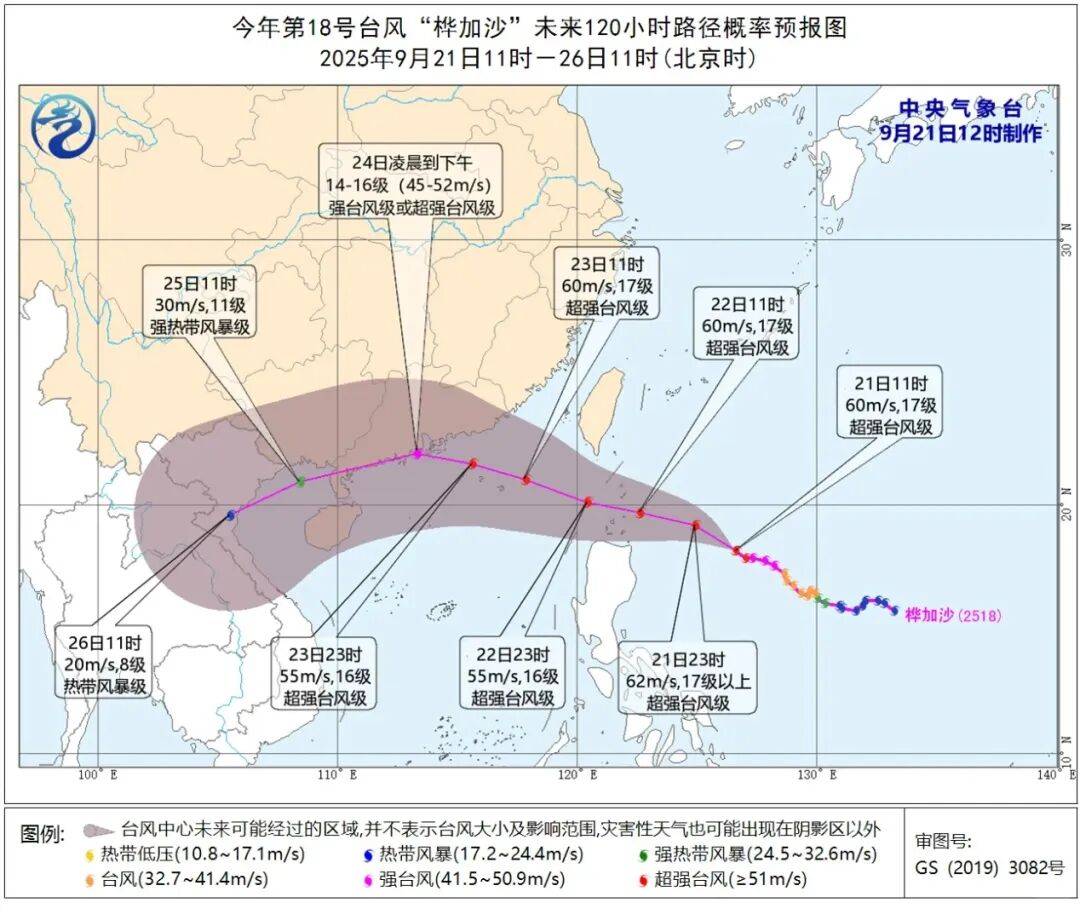
2025.09. 23 本文字数:1251,阅读时长大约2分钟 作者 | 第一财经 陈姗姗 中央气象台9月23日10时继续发布台风橙色预警:今年第18号台风"桦加沙"(超强台风级)的中心今 天(23日)上午10点钟位于广东省阳江市东偏南方向约640公里的南海北部海面上,预计将于24日 中午到晚上在广东珠海到湛江一带沿海登陆(台风级或强台风级,13-15级,40-48米/秒)。 据记者了解,此次超强台风主要影响珠海金湾、深圳宝安、香港、澳门、广州白云、惠州平潭、揭阳 潮汕、高雄小港、台北桃园、福州长乐、厦门高崎、湛江吴川、海口美兰机场的航班运行。为此,多 家航空公司发布了航班取消的计划。 其中, 南航 表示,23日、24日在惠州平潭机场的航班全部取消;23日在台北桃园机场的航班全部 取消;24日在澳门机场的航班全部取消;同时提前取消23日进出珠海金湾机场航班21班;取消23日 在香港机场的CZ603、CZ604、CZ5009航班,24日航班全部取消;深圳宝安机场23日出港航班起 飞时间安排在20:00前执行,23日进港航班落地时间安排在18:30前执行。 主基地位于中国香港的 国泰航空 也宣布,自23日下午6时 ...


航空股集体走低 暑运公商需求意外走弱 机构建议关注公商恢复持续性及反内卷
Zhi Tong Cai Jing· 2025-09-23 03:22
Core Viewpoint - Airline stocks collectively declined, with significant drops observed in major airlines such as China Southern Airlines, Air China, and China Eastern Airlines, indicating a challenging market environment for the sector [1] Group 1: Market Performance - As of the report, China Southern Airlines (600029) fell by 4.93% to HKD 3.86, Air China (601111) decreased by 4.34% to HKD 5.29, China Eastern Airlines (00670) dropped by 2.6% to HKD 3, and Capital Airport (00694) declined by 1.43% to HKD 2.75 [1] - The report from Cathay Securities highlighted a recovery in commercial demand year-on-year for April and May, which supported airlines in reducing fuel costs during the off-peak season, leading to a significant reduction in losses for Q2 [1] Group 2: Demand and Pricing Dynamics - Unexpected weakness in commercial demand during July and August resulted in a lack of profitability during the summer travel season, despite a projected year-on-year increase in summer profits due to the offsetting effects of falling ticket prices and oil prices [1] - The report suggests monitoring the recovery of commercial demand after the important October meetings, with initial signs of strong demand in September potentially indicating that the summer's unexpected weakness may be temporary [1] Group 3: Future Outlook - If the recovery in commercial demand proves sustainable, it is anticipated that the profit center for airlines will significantly rise starting in 2026, with state-owned airlines in China expected to benefit from reduced internal competition [1] - The Civil Aviation Administration of China is expected to continue controlling flight schedule growth for the winter season of 2025/26, which, along with low-price management during the off-peak season, will help airlines significantly reduce losses and potentially achieve profitability for the entire year of 2025 [1]