英伟达

Search documents
SoftBank eyes up to $40 billion loan to fund OpenAI investment, Bloomberg News reports
Yahoo Finance· 2026-03-06 04:27
Group 1 - SoftBank is seeking a loan of up to $40 billion to finance its investment in OpenAI, the maker of ChatGPT [1] - The bridge loan is expected to have a tenor of approximately 12 months, with four lenders, including JPMorgan, underwriting the facility [1] - SoftBank held an 11% stake in OpenAI at the end of the previous year, indicating a significant commitment to artificial intelligence investments [2] Group 2 - OpenAI is preparing for an IPO that could value the company at up to $1 trillion, highlighting its growth potential in the AI sector [2] - The funding round for OpenAI could raise $110 billion, with contributions of $30 billion each from SoftBank and Nvidia, and $50 billion from Amazon, potentially valuing the company at $840 billion [3]


SoftBank seeks up to $40 billion loan to finance OpenAI investment
The Economic Times· 2026-03-06 04:25
Core Insights - SoftBank is seeking a bridge loan of up to $40 billion, primarily to finance its investment in OpenAI, marking its largest borrowing solely in dollars [6] - The company has already invested over $30 billion in OpenAI, positioning it as a central part of SoftBank's strategy in the AI sector [2][6] - Concerns about a potential AI bubble and SoftBank's high debt levels have led to a downgrade in its credit outlook by S&P [3][4] Investment Strategy - SoftBank's aggressive investment in OpenAI is reminiscent of its earlier successful bets on companies like ByteDance and Alibaba, but at a significantly higher cost [2][6] - The company held approximately 11% of OpenAI at the end of December and has sold assets, including its stake in Nvidia, to support its investments [3][7] - SoftBank's portfolio now heavily relies on OpenAI and its 90% stake in Arm Holdings, while other investments are slowing down [3][7] Financial Position - The $30 billion investment in OpenAI has negatively impacted SoftBank's credit profile, with limited headroom under S&P's 35% adjusted loan-to-value (LTV) threshold [4][7] - Since 2025, SoftBank has funded over $70 billion in AI investments, leading to a substantial debt burden and concerns about portfolio quality [4][7] - The company is expected to raise more than $10 billion from asset sales, including T-Mobile and other tech stocks, to manage its financial obligations [4][7] Additional Investments - Beyond OpenAI, SoftBank has made smaller investments, including a joint $1 billion investment in SB Energy and a $3 billion acquisition of DigitalBridge Group [5][7] - The company also acquired Ampere Computing for $6.5 billion and proposed a $5.4 billion acquisition of ABB's robotics unit, indicating a strategy focused on significant tech investments [5][7]

SoftBank Seeks Record Loan of Up to $40 Billion for OpenAI Stake
Yahoo Finance· 2026-03-06 04:06
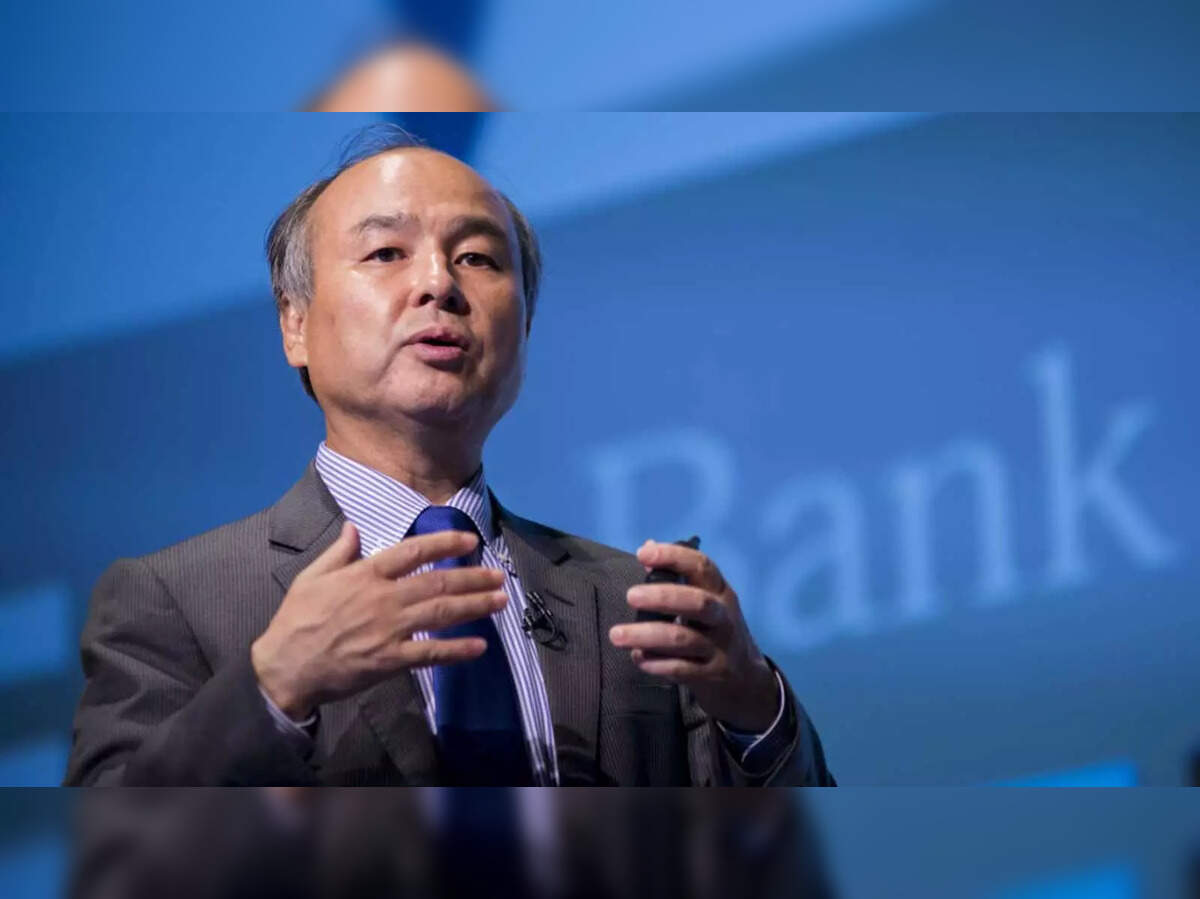
SoftBank Group Corp. is seeking a loan of as much as $40 billion to mostly help finance its investment in US tech giant OpenAI, according to people familiar with the matter, in what would be its largest-ever borrowing denominated solely in dollars. The bridge loan would have a tenor of about 12 months, according to some of the people, who asked not to be identified discussing private matters. Four lenders, including JPMorgan Chase & Co., will be underwriting the facility, the people said. Most Read from ...
OpenAI点赞转发的冠军项目,背后藏着一个国人3D生成团队
机器之心· 2026-03-06 03:28
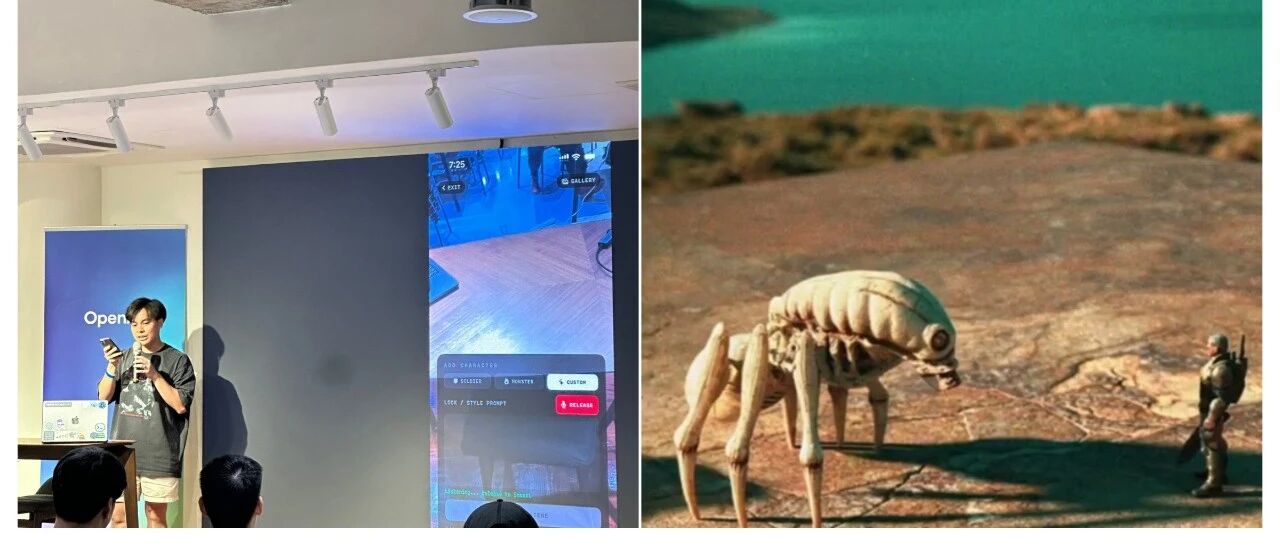
机器之心编辑部 该项目获得了 OpenAI Codex Hackathon 冠军,OpenAI 官方 OpenAI Developers 也在 X 平台转发推荐了这款创建 3D 场景的应用。据开发者 Varick Lim 介绍,他在 24 小时的开发时间内完成了这款应用,其中核心的 3D 资产生成环节使用了 DeemosTech(影眸科技)的 Hyper3D Rodin 。 近日,一款名为 StoryWo rld 的 iOS 产品 Demo 在海外开发者与 3D 创作者社区引发关注:用户只需用手机摄像头对准真实空间,通过语音输入描述,即可生成 3D 角色与物体,通过移动手机完成取景与运镜,像导演一样调度站位与镜头。 一、3D 生成从演示工具到生产工具 与常见的 AR 叠加效果不同,StoryWorld 中的 3D 对象是完整的三维资产,可以在空间中 定位、缩放和多角度观察 。这些资产被放置进场景后,用户只需移动 iPhone 摄像头,就能完成取景与运镜,实现类似电影摄影机的 "走位拍摄",包括角色站位、拍摄角度与景别(近景 / 远景)控制。 在 AI 应用开发社区,工具的选择通常以结果和效率为导向:能否在极短 ...
一声Hi花掉80美元,高价GPT-5.4背后的OpenAI营收焦虑
第一财经· 2026-03-06 03:09
Core Viewpoint - OpenAI has launched GPT-5.4, which is defined as the company's "most authentic and efficient" model to date, featuring reduced token consumption and faster operation speeds [2][4]. Model Capabilities - GPT-5.4 enhances deep web research capabilities, maintains context better during longer thought processes, and allows users to interrupt and adjust the model's responses mid-way [2][3]. - The model integrates the latest advancements in reasoning, coding, and agent workflows, combining the capabilities of GPT-5.3-Codex and improving performance in specialized tasks involving tools, software environments, and professional documents [2][3]. Computer Use Integration - GPT-5.4 is the first model from OpenAI to natively incorporate Computer Use capabilities, contrasting with previous models that required external plugins or agents [4]. - Competitors like Anthropic's Claude Opus 4.6 and Google's Gemini Advanced have already established a presence in the Computer Use domain [4]. Pricing Structure - The input price for GPT-5.4 has increased to $2.5 per million tokens, while the output price is set at $15 per million tokens. The Pro version has even higher prices, with input at $30 and output at $180 per million tokens [4]. - The price increase is seen as a reflection of OpenAI's revenue pressures amid competition in the AGI landscape, despite the recent announcement of $110 billion in new funding [5][6]. Market Positioning - The price hike is viewed as a test before OpenAI's IPO, aiming to demonstrate to investors that the product's performance justifies the increased costs [6]. - OpenAI is adjusting its cost structure and expanding revenue channels, including securing contracts previously held by competitors [5].

期货市场交易指引2026年03月06日-20260306
Chang Jiang Qi Huo· 2026-03-06 03:03
Report Industry Investment Ratings - **Macro Finance**: Bullish on stock indices in the medium to long term, suggesting buying on dips; expecting government bonds to move in a sideways pattern [1][5] - **Black Building Materials**: Short - term trading for coking coal; range trading for rebar; shorting May and going long September for glass [1][7][9] - **Non - ferrous Metals**: Short - term range trading for copper, with a focus on 98,000 - 106,000; strengthening observation for aluminum; moderately holding long positions on dips for nickel; range trading for tin; bullish sideways movement for gold and silver; range - bound movement for lithium carbonate [1][13][15] - **Energy and Chemicals**: Bullish sideways movement for PVC and caustic soda; shorting on rallies for soda ash; going long on dips but not chasing highs for styrene and rubber; range trading for urea and methanol; bullish sideways movement for polyolefins [1][25][28] - **Cotton Spinning Industry Chain**: Bullish sideways movement for cotton and cotton yarn; bullish sideways movement for apples; sideways movement for red dates [1][39][41] - **Agriculture and Animal Husbandry**: Cautiously shorting on rallies for the May contract of live pigs, bullish with caution for the July and September contracts; shorting on rallies for near - month egg contracts; range trading for corn; shorting on rallies for soybean meal; bullish sideways movement for oils, suggesting going long on soybean and palm oils on dips [1][43][45] Core Views - The report provides trading strategies and market outlooks for various futures products across different industries. Geopolitical events, supply - demand relationships, cost factors, and macro - economic policies are key factors influencing the market trends of these futures products. Summary by Relevant Catalogs Macro Finance - **Stock Indices**: Expected to be under pressure in the short term due to external market declines and geopolitical events, but bullish in the medium to long term, with a recommendation to buy on dips [5] - **Government Bonds**: Lacking a clear trading theme, with the market waiting for more guidance from important meetings, expected to move in a sideways pattern [5] Black Building Materials - **Coking Coal**: The post - Spring Festival market is generally weak and stable, with tepid trading. Downstream demand recovery is slow, and short - term trading is recommended [7][8] - **Rebar**: The price is expected to move sideways. The current valuation is low, but the driving force is weak. Attention should be paid to the post - festival demand recovery [9] - **Glass**: The market is weak in the short term, with a recommendation to short the May contract and go long the September contract. The fundamentals are deteriorating, and there is a pattern of weak reality and strong expectations [10][11] Non - ferrous Metals - **Copper**: The price is expected to be strongly bullish in the long term, supported by new energy, power, and AI computing power demand. In the short term, it is recommended to trade within the range of 98,000 - 106,000, while closely monitoring geopolitical events, economic recession expectations, and inventory changes [13][14] - **Aluminum**: The supply expectation is improving, but the inventory pressure is large. The market trading logic remains unchanged, and it is recommended to strengthen observation [15][16] - **Nickel**: Affected by the reduction of Indonesian nickel ore quotas, the ore end has strong support, and it is recommended to moderately hold long positions on dips [17][18] - **Tin**: The supply of tin ore is tight, and the downstream demand is in a state of rigid procurement. It is expected to continue a bullish sideways movement, and range trading is recommended [19] - **Silver and Gold**: Affected by geopolitical events and the weakening of the US economy, the prices are expected to continue a bullish sideways movement. It is recommended to build long positions on dips after sufficient price corrections [20][21][22] - **Lithium Carbonate**: Supply disruptions may occur, and the price is expected to continue a bullish sideways movement. Attention should be paid to the export ban in Zimbabwe and the mining end disturbances in Yichun [23][24] Energy and Chemicals - **PVC**: The current supply - demand situation is weak, but there are opportunities for short - term bullish sideways movement due to factors such as low valuation and export tax rebates. It is recommended to trade within the rising channel [25] - **Caustic Soda**: Supported by export growth expectations and spring maintenance, it is expected to have a strong rebound at a low valuation. Caution is advised when chasing the rise [28] - **Styrene**: Supported by cost and export, it is expected to move in a bullish sideways pattern. It is recommended to go long on dips but not chase highs [29][30] - **Polyolefins**: Affected by geopolitical conflicts, the cost support is strengthened, and it is expected to move in a bullish sideways pattern. Attention should be paid to downstream demand, inventory, and the Iranian situation [31] - **Rubber**: In a state of short - term game, it is expected to move in a bullish sideways pattern. It is not recommended to chase the rise, and it is advisable to reduce positions or observe on rallies [32] - **Urea**: In a pattern of increasing supply and demand after the Spring Festival, the price is expected to be generally bullish in March, but may face pressure in the middle and late March to April. Attention should be paid to the Iranian situation [34][35] - **Methanol**: Affected by the Iranian situation, there may be a supply gap in the short term, pushing up the price. The supply and demand are in a state of high utilization rate, and it is recommended to trade within the range [36][37] - **Soda Ash**: With the increase in supply and inventory pressure, the price is expected to remain under pressure in the short term, and it is recommended to short on rallies [38] Cotton Spinning Industry Chain - **Cotton and Cotton Yarn**: Based on the global cotton supply - demand forecast, the price is expected to move in a bullish sideways pattern after the festival due to the recovery of consumption expectations and the strength of foreign cotton [39] - **Apples**: The trading is generally stable, with some price stability and a slightly tepid trading atmosphere. The price is expected to move in a bullish sideways pattern [41] - **Red Dates**: The acquisition price in the 2025 production season is in a certain range, and the price is expected to move sideways [42] Agriculture and Animal Husbandry - **Live Pigs**: The short - term price is expected to continue to bottom out in a sideways pattern. The May contract is recommended to be shorted on rallies, while the July and September contracts can be bullish with caution [43][44] - **Eggs**: The current supply is sufficient, and the market is in a long - term grinding bottom stage. It is recommended to short near - month contracts on rallies [45] - **Corn**: The short - term price is expected to move in a bullish sideways pattern, but the long - term supply - demand pattern is relatively loose. It is recommended to be cautious when chasing highs at high levels [46] - **Soybean Meal**: The short - term price is expected to follow the movement of US soybeans. It is recommended to short on rallies [47][48] - **Oils**: The price is expected to move in a bullish sideways pattern following international crude oil. It is recommended to go long on soybean and palm oils on dips [49][53]
Foxconn says Iran conflict having limited impact so far
Reuters· 2026-03-06 03:03
Company Insights - Foxconn, the world's largest electronics manufacturer, reports that the ongoing conflict between the U.S., Israel, and Iran is having a limited impact on its operations [1] - The chairman of Foxconn, Young Liu, expressed optimism for the company’s performance in 2026, anticipating it to be a very good year for the technology sector [1] Industry Context - The broader market context includes a recent decline in oil prices, attributed to potential U.S. government intervention in the futures market and waivers granted to Indian refiners for purchasing Russian crude [1]

Oil falls as US may intervene in futures market, issues waiver for Russian purchases
Reuters· 2026-03-06 02:57
Oil Market Impact - Oil prices fell for the first time in six days due to potential U.S. intervention in the futures market and waivers for Indian refiners to purchase Russian crude [1] - Brent crude futures decreased by $1.14 (1.33%) to $84.27 per barrel, while West Texas Intermediate dropped by $1.46 (1.8%) to $79.55 [1] - The U.S. government is considering measures to combat rising energy prices stemming from the military conflict with Iran, which has disrupted oil supply routes [1] Supply Chain Dynamics - The military conflict that began on February 28 has halted tanker movements through the Strait of Hormuz, affecting about 20% of the world's daily oil supply [1] - The U.S. Treasury Department is expected to announce measures to influence energy prices through financial markets, marking a shift from traditional physical supply interventions [1] - Waivers granted to Indian refiners have led to the purchase of millions of barrels of Russian crude, reversing previous pressures to cease such purchases [1] Price Trends and Market Analysis - Brent crude prices surged 18% and WTI gained 21% in the four trading sessions following the onset of the Iran conflict [1] - Analysts note that the recent price increases are relatively modest compared to past shocks, such as the spike above $100 per barrel following the Russian invasion of Ukraine in 2022 [1] - Current crude prices are only $3.40 above the average over the last four years, indicating that while there is concern, the situation is not unprecedented [1]

中泰期货晨会纪要-20260306
Zhong Tai Qi Huo· 2026-03-06 02:55
Report Industry Investment Rating - The report does not provide an overall industry investment rating. However, it gives specific views on various commodities, such as "偏空" for some commodities like corn starch, soybean meal, and rebar, and "偏多" for others like hot-rolled coil, palm oil, and aluminum [4]. Core Viewpoints - The market is significantly affected by geopolitical conflicts, especially the Middle East conflict between the US, Israel, and Iran, which has led to increased uncertainty, higher inflation expectations, and suppressed the performance of the equity market [13][14]. - Different commodities have different market trends and investment strategies based on their supply - demand fundamentals, cost factors, and external factors such as geopolitical events and policy changes. Summary by Directory Macro Information - The 4th Session of the 14th National People's Congress opened on March 5. The Government Work Report set economic growth targets of 4.5% - 5%, a target for the urban surveyed unemployment rate of around 5.5%, and a goal of creating over 12 million new urban jobs. The CPI is expected to rise about 2%. The "15th Five - Year Plan" draft proposes 20 main indicators, including a 7% annual increase in R & D investment [6]. - The Middle East conflict has escalated. Iran is prepared for a US ground invasion, and the US is increasing resources to support the war for at least 100 days. The US 24 states sued to block new tariff measures [7]. - The central bank will conduct an 800 - billion - yuan repurchase operation on March 6 [8]. - The Government Work Report emphasizes support for startups, housing security, and capital market reform [8][9]. - The US plans to regulate AI chip exports, and seven US tech companies signed a self - power - supply commitment [10][11]. Macro Finance Stock Index Futures - The short - term strategy is risk defense. After the market sentiment stabilizes, IM/IC may outperform the weighted stocks. The A - share market rebounded, but geopolitical risks may suppress the equity market [13]. Treasury Bond Futures - Geopolitical risks may lower risk appetite, push up inflation expectations, and lead to a decline in bond yields [14]. Black Commodities Steel and Ore - Steel orders are acceptable, but high inventory suppresses prices. Real estate sales and new construction are weak, while infrastructure projects are gradually starting. Iron ore supply is abundant, and double - coking prices are expected to oscillate [15][16]. - The overall steel market is expected to oscillate. For iron ore, short - term high - position short orders can take profits, and long - term partial short orders can be held lightly. An arbitrage strategy for iron ore 05 - 09 can be considered [18]. Coking Coal and Coke - The short - term price of double - coking may oscillate. Supply is recovering faster than demand, but rising international energy prices may support prices [19]. Ferroalloys - The current double - silicon market may be driven by non - industrial forces. The short - term recommendation is to exit long positions and consider shorting manganese silicon at high prices [20]. Soda Ash and Glass - The soda ash supply is high, and new capacity is coming online. Glass supply has both cold - repair and ignition plans. The current strategy is to wait and see [21]. Non - ferrous Metals and New Materials Copper - Short - term copper prices will oscillate widely due to geopolitical conflicts and high inventory. In the long - term, the tight supply of global copper mines supports the price [22][23]. Zinc - Zinc inventory has increased, and the operation should be based on a bearish and oscillating view [24]. Lead - Lead inventory has slightly increased. It is recommended to hold short positions [25]. Lithium Carbonate - Lithium carbonate is in a destocking state, but the destocking rate has slowed. Short - term prices will oscillate widely, and the medium - to - long - term supply - demand situation is positive [27]. Industrial Silicon and Polysilicon - Industrial silicon can hold previous long positions and consider selling wide - straddle options. Polysilicon is expected to oscillate weakly [28][29]. Agricultural Products Cotton - The cotton market will oscillate. The global cotton production in 2026/27 is expected to decline, and domestic cotton is in the destocking stage [30]. Sugar - The sugar market has a short - term supply surplus, but the surplus has decreased. The price will oscillate and rebound [32][33]. Eggs - Egg spot prices may stabilize, and the futures may enter an oscillating pattern. The short - term recommendation is to reduce short positions [35]. Apples - High - quality apple sources may continue to strengthen, and the futures may run strongly [36]. Corn - A 5 - 7 reverse spread strategy can be considered. Corn has short - term supply pressure, but low inventory supports the price [38]. Red Dates - Red dates are expected to oscillate weakly in the short - term, and attention should be paid to the sales area's sales rhythm [39]. Pigs - In March, the pig market is expected to be in a state of strong supply and weak demand. It is recommended to wait and see and pay attention to secondary fattening and frozen product storage [40]. Energy and Chemicals Crude Oil - The short - term market is dominated by geopolitical factors. The price has a high premium, and the increase is limited. Investors should be cautious about chasing high prices [42][43]. Fuel Oil - The short - term trading is mainly affected by geopolitical - led oil prices, and it is expected to enter high - level fluctuations [44]. Plastics - Polyolefin prices are supported by geopolitical factors, but a callback risk should be guarded against [45]. Rubber - Due to the conflict, tire exports may be affected. Attention should be paid to strategies to narrow the spread and opportunities to sell put options [46]. Synthetic Rubber - It is recommended to go long on synthetic rubber at low prices, but be cautious about the rapid decline of energy prices [47]. Methanol - The short - term market is affected by geopolitical factors. The long - term supply - demand pattern is improving, but there is great uncertainty [48]. Caustic Soda - Overseas chlor - alkali production has declined, and domestic caustic soda exports have increased. The 05 contract price may continue to rise [50]. Asphalt - Asphalt prices follow oil prices, and attention should be paid to post - winter - storage replenishment demand [50][51]. PVC - PVC may oscillate strongly in the short - term. The long - term supply - demand pattern has not improved, and an oscillating strategy can be adopted [51][53]. Polyester Industry Chain - The short - term trend is dominated by oil prices and market sentiment. In the long - term, attention should be paid to device maintenance and demand recovery [54]. Liquefied Petroleum Gas (LPG) - The future supply of LPG is abundant, and the price is difficult to maintain at a high level. It is recommended to wait and see [54]. Pulp - The market is in a multi - empty game. Attention should be paid to port inventory and product price increases [55]. Logs - The demand in Rizhao is recovering, and the price is supported by costs. Attention should be paid to the impact of the US - Iran conflict [56]. Urea - The urea futures market is emotional. It is recommended to short at high prices [57].
未知机构:浙商通信张建民科创新源3月金股TIM材料稀缺标的液冷时代全面受益-20260306
未知机构· 2026-03-06 02:40
Summary of Conference Call Notes Industry Overview - The focus is on the liquid cooling industry, particularly in relation to TIM (Thermal Interface Materials) and AI applications. The demand for liquid cooling solutions is expected to surge globally, with domestic manufacturers showing significant advantages and accelerating their international expansion [2][4]. Key Company Insights - **Company Name**: Zhaoke (兆科) - Zhaoke is actively progressing with a planned acquisition of 51%-60% in Dongguan Zhaoke, which specializes in TIM materials [3]. - The company is focusing on next-generation products such as liquid metal, graphene thermal films, silicone thermal materials, and carbon fiber thermal pads [3]. - Zhaoke has established a strong customer base, serving major global cooling module and server manufacturers, including Foxconn, Delta, and Qihong, indicating high customer barriers [3]. Core Points and Arguments - The upcoming NVIDIA GTC conference from March 16-19 is anticipated to reveal details about the Rubin series liquid cooling solutions, supplier information, and future technology iterations [1]. - A new LPU chip aimed at inference is expected to be launched, which will increase cooling demands due to its large-scale architecture [1]. - The global demand for AI liquid cooling materials is projected to experience explosive growth, positioning Zhaoke to benefit significantly from this trend [3]. Additional Important Information - Zhaoke is adopting a collaborative manufacturing approach to penetrate the supply chains of leading Taiwanese companies and has initiated contract manufacturing for critical components of liquid cooling plates [3]. - The company is also advancing product certification processes for liquid cooling plates and cooling module client products, which is crucial for market entry and expansion [3][4].