南京银行

Search documents
持续放量!科创债发行规模超6200亿元
Zheng Quan Shi Bao· 2025-07-03 15:04
Core Insights - The issuance of technology innovation bonds (referred to as "Sci-Tech Bonds") has surged since the policy was implemented in May, with a total of 419 bonds issued and a cumulative issuance scale exceeding 620 billion yuan [1][3][2] - Central and local state-owned enterprises dominate the issuance landscape, accounting for nearly 86% of the total issuance, while private and public enterprises contribute a smaller share [3][4] - The introduction of various support mechanisms and the expansion of issuing entities are expected to enhance the effectiveness of the bond market in supporting technological innovation [1][3] Issuance Scale and Participants - As of July 3, the total issuance scale of Sci-Tech Bonds reached 624.9 billion yuan, with central state-owned enterprises issuing 311.8 billion yuan (49.9%) and local state-owned enterprises issuing 226.1 billion yuan (36.2%) [3][4] - The banking sector has emerged as a key player, with 23 banks issuing a total of 224.1 billion yuan in Sci-Tech Bonds, led by China Construction Bank with 30 billion yuan [4][5] Interest Rates and Cost Advantages - The current low-interest environment has resulted in generally lower issuance rates for Sci-Tech Bonds, with some bonds achieving historical lows for their issuers [7] - For AAA-rated bonds, the average issuance rate is significantly lower than that of non-Sci-Tech bonds of the same rating, indicating a cost advantage for issuers in the Sci-Tech sector [7] Funding Utilization - The funds raised through Sci-Tech Bonds are primarily directed towards supporting technology loans and investments in technology innovation companies, optimizing asset allocation for banks and investment firms [10] - Private equity firms are utilizing Sci-Tech Bonds as a new funding avenue, allowing them to replace earlier investments with low-cost, long-term capital [10][11] Policy Impact and Future Outlook - The new policies surrounding Sci-Tech Bonds facilitate easier access to funding for technology enterprises, particularly benefiting small and medium-sized enterprises by lowering the barriers to bond issuance [11] - The encouragement of long-term bond issuance aligns with the funding needs of technology innovation, ensuring stable financial support for R&D and business expansion [11]

持续放量!科创债发行规模超6200亿元
证券时报· 2025-07-03 14:54
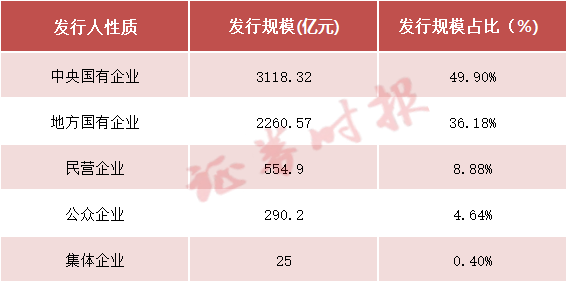
债市"科技板"下科创债落地以来,各类主体发行科创债热情持续高涨。 Wind数据显示,自5月份科技创新债券(简称"科创债")相关政策落地以来,截至7月3日,全市场已发行 419只科创债,发行规模超6200亿元。其中,银行作为科创债重要的新增发行主体,目前已发行27只科创 债,发行规模超2200亿元。 业内人士指出,科创债2.0时代扩容发行主体,并完善一系列配套支持机制,推动市场进一步扩容,债券 市场支持科技创新的质效将有效提升。 发行规模突破6200亿元 5月7日,中国人民银行、中国证监会联合发布《关于支持发行科技创新债券有关事宜的公告》(以下简称 《公告》),从丰富科技创新债券产品体系和完善科技创新债券配套支持机制等方面,对支持科技创新债 券发行提出多项重要举措。 自5月7日以来,科创债发行持续放量。Wind数据显示,截至7月3日,债市"科技板"下科创债已发行419 只,发行规模达6248.98亿元。 从发行人的性质来看,中央国企和地方国企是科创债发行的主力。截至目前,中央国有企业发行科创债 3118.32亿元,占比49.90%;地方国有企业发行科创债2260.57亿元,占比36.18%;民营企业、公众企 业 ...

2025半年度投资总结:8个策略保平安
集思录· 2025-07-03 14:49
Core Viewpoint - The article provides a comprehensive review of various investment strategies and performance over the past year, highlighting the effectiveness of different asset classes and the importance of liquidity in the market. Group 1: Convertible Bonds - Convertible bonds have been a consistent investment since 2015, with a notable annual return of 37% in 2021 and a current year-to-date return of 11% [1]. Group 2: B Shares - B shares are viewed as a combination of dividend and arbitrage investments, with a current portfolio including Long An B (dividend yield: 9.54%), Guangdong Expressway B (6.69%), and Gujing Gong B (6.12%) [2]. - The overall semi-annual return for the B share portfolio is 5.07%, influenced by policy impacts on the liquor industry [2]. Group 3: Bank Stocks - Bank stocks are characterized by low valuations, with a strategy yielding an annualized return of 25% since 2017 by rotating into the highest dividend yield and return on equity stocks [3]. - Current holdings include Chengdu Bank (50%), China Merchants Bank (20%), Jiangsu Bank (20%), and Nanjing Bank (10%) [3]. Group 4: Micro-cap Growth and Value - A strategy focusing on micro-cap stocks with low P/E ratios and growing net profits has yielded an annualized return of nearly 30% since 2017 [4][5]. Group 5: Other Stocks - Long-term holdings include Gree Electric Appliances, with a reduced cost basis of 50%, and BYD, which was sold due to concerns over market saturation despite initial gains [7]. - Other A-share investments are based on ROE above 15% and PEG below 1, with mixed results [8]. Group 6: Arbitrage - Arbitrage activities have been exploratory, with some losses impacting overall returns, but certain positions like Hangzhou Steam Turbine B and ST Xinchao have shown promise [6][9]. Group 7: Funds and REITs - Investments in North China 50 and Nasdaq funds have yielded around 10% returns, while REITs are seen as a fixed income option worth exploring further [11][12]. Group 8: Future Plans - The strategy for the second half of the year includes maintaining and increasing positions in bank stocks, micro-cap growth, and low-priced convertible bonds, with a focus on high-dividend B shares and REITs as potential alternatives [13].

押中苏超,江苏银行把800万花成8个亿
36氪· 2025-07-03 13:32
Core Viewpoint - The article highlights the remarkable success of Jiangsu Bank as the title sponsor of the Suzhou Super League (Su Super), showcasing its financial strength and marketing effectiveness through a relatively low sponsorship cost that yielded significant visibility and engagement [3][5][28]. Group 1: Sponsorship Impact - Jiangsu Bank's sponsorship of the Su Super has led to a surge in its stock price, reaching historical highs, and demonstrating the effectiveness of its marketing strategy with a sponsorship fee of only 8 million yuan, which is significantly lower than the over 100 million yuan typically required for sponsorship in higher-tier leagues [5][11][12]. - The Su Super has gained immense popularity, with discussions on Douyin (TikTok) reaching nearly 7 billion views, and attendance at matches surpassing that of some professional leagues, indicating a strong grassroots engagement [4][8]. - The number of sponsors for the league has increased dramatically from 6 to 28, reflecting the growing interest and marketability of the event, with Jiangsu Bank being a key player in this transformation [10][11]. Group 2: Financial Performance - Jiangsu Bank has shown robust financial growth, with a net profit of 31.843 billion yuan in 2024, marking a year-on-year increase of 10.76%, positioning it among the top performers in the banking sector [25]. - The bank's retail loan balance reached 674.8 billion yuan in 2024, with personal consumption loans accounting for 32.29 billion yuan, indicating a strong focus on retail banking and consumer finance [20][21]. - The bank's asset management scale exceeded 1.42 trillion yuan, leading among city commercial banks, and its monthly active users on the app surpassed 7 million, showcasing its digital engagement [20][21]. Group 3: Competitive Landscape - Jiangsu is home to 9 of the 42 A-share listed banks in China, making it a competitive banking hub, with Jiangsu Bank being the largest among them due to its extensive customer base and historical significance [25][26]. - The bank's market position is bolstered by its strategic focus on retail banking, which aligns with the high-income demographic in Jiangsu, allowing it to diversify its income sources and reduce reliance on traditional corporate banking [22][24]. - The competitive environment in Jiangsu's banking sector is intense, with several banks vying for market share, yet Jiangsu Bank maintains a leading position in terms of profitability and asset size [25][27].


银行转债迎来强赎潮,年内或有千亿规模完成转股
Di Yi Cai Jing· 2025-07-03 12:48
Group 1 - The overall stock of bank convertible bonds is expected to significantly decrease within the next year, with approximately 100 billion yuan of bank convertible bonds likely to complete conversion this year [1][8][9] - The strong performance of bank stocks has led to multiple convertible bonds triggering mandatory redemption clauses, including Hangzhou Bank and Nanjing Bank convertible bonds [2][3] - As of July 3, 41 out of 42 bank stocks have seen price increases this year, with some banks like Pudong Development Bank and Qingdao Bank experiencing over 30% growth [3] Group 2 - The conversion of convertible bonds is crucial for banks as it helps reduce financial costs and supplement core tier one capital, while also signaling financial stability to the market [3][5] - The recent trend of asset management companies (AMCs) converting bonds into stocks is seen as a strategic move to enhance their asset allocation and share in the rising stock prices of banks [6][7] - Regulatory changes have tightened the issuance of new bank convertible bonds, leading to a significant reduction in the market supply and altering the investment landscape [8][9] Group 3 - The Hangzhou Bank convertible bond will officially delist on July 7, with investors facing potential losses exceeding 30% if they do not convert or sell before the last trading day [2] - The conversion process for Pudong Development Bank's convertible bonds has been slow, with a significant portion remaining unconverted until recent interventions by institutional shareholders [4][5] - The market is witnessing a shift in investment strategies as institutional investors reduce their allocation to bank convertible bonds, seeking alternative assets to fill the gap [9]

南京银行(601009) - 南京银行股份有限公司关于实施“南银转债”赎回暨摘牌的第十三次提示性公告
2025-07-03 09:46
重要内容提示: | 证券简称: | 南京银行 | 证券代码: | 601009 | 编号: | 2025-044 | | --- | --- | --- | --- | --- | --- | | 优先股简称:南银优 | 1 | | | 优先股代码:360019 | | | 南银优 | 2 | | | 360024 | | | 可转债简称:南银转债 | | | | 可转债代码:113050 | | 南京银行股份有限公司 关于实施"南银转债"赎回暨摘牌的 第十三次提示性公告 特别提示: 本公司董事会及全体董事保证本公告内容不存在任何虚假记载、误导性陈述或 者重大遗漏,并对其内容的真实性、准确性和完整性承担法律责任。 截至 2025 年 7 月 3 日收市后,距离 2025 年 7 月 14 日("南银转债"最后交易 日)仅剩 7 个交易日,2025 年 7 月 14 日为"南银转债"最后一个交易日。 最后转股日:2025 年 7 月 17 日 截至 2025 年 7 月 3 日收市后,距离 2025 年 7 月 17 日("南银转债"最后转股 日)仅剩 10 个交易日,2025 年 7 月 17 日为"南银转债 ...

鑫元基金提拔新人补短板!权益领军人物缺位,产品突围待市场检验
Sou Hu Cai Jing· 2025-07-03 04:01
Core Viewpoint - Xin Yuan Fund is launching two new funds, "Xin Yuan Consumer Selection" and "Xin Yuan Emerging Industry Selection," aimed at investing in consumer and emerging industry stocks, respectively, with a focus on internal talent development and optimizing product structure [1][2][3]. Fund Launch Details - "Xin Yuan Consumer Selection" will be publicly offered from July 9 to July 10, 2025, while "Xin Yuan Emerging Industry Selection" will be available from July 7 to July 8, 2025 [1]. - Both funds are initiated as mixed-type, founder-style securities investment funds, with a minimum subscription of 10 million yuan by Xin Yuan Fund to ensure establishment [1]. Manager Background - The fund managers for the new offerings are Yao Qifan and Zhang Zhengqing, both of whom have limited prior experience managing public funds [2]. - Yao Qifan has a background in food and beverage analysis and joined Xin Yuan Fund in July 2022, while Zhang Zhengqing has experience in securities analysis and joined in November 2021 [2]. Product Structure and Strategy - As of March 31, 2025, Xin Yuan Fund's total net asset size was 188.602 billion yuan, with over 50% in bond products (137.062 billion yuan) and only 3.85 million yuan in stock funds, indicating a significant imbalance in product structure [3]. - The company aims to enhance its equity fund market share by cultivating new fund managers, with a total of 20 fund managers, including 5 newly appointed in the past year [3][4]. Talent Development Focus - Recent appointments show a trend towards hiring equity product researchers, with 4 out of 6 new managers coming from this background, indicating a strategic focus on strengthening equity investment research capabilities [4]. - Despite the emphasis on developing equity fund managers, the senior management team predominantly has a fixed-income background, which may impact the effectiveness of this strategy [6].
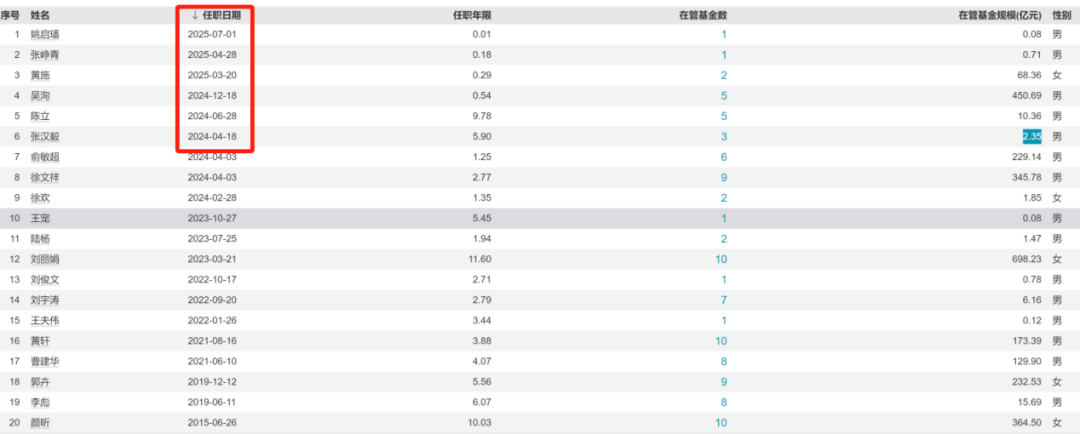
★额度5000亿元 央行设立服务消费与养老再贷款
Zhong Guo Zheng Quan Bao· 2025-07-03 01:56
Group 1 - The People's Bank of China (PBOC) has established a "Service Consumption and Elderly Refinance" tool to encourage financial institutions to increase support for key service consumption areas and the elderly industry [1][2] - The total refinancing quota for this initiative is set at 500 billion yuan, with an annual interest rate of 1.5% and a maximum term of 3 years [1] - The policy will be executed until the end of 2027, involving 26 national financial institutions that can independently decide on loan issuance based on risk [1][2] Group 2 - The focus of current economic policy in China is on expanding domestic demand and boosting consumption, with service consumption being a key area for consumption upgrade [2] - The new refinancing tool is part of an innovative measure by the PBOC to support consumption and is designed to work in coordination with fiscal and other industry policies [2]
银行类科创债发行提速扩容
Jin Rong Shi Bao· 2025-07-03 01:43
Core Insights - The issuance of technology innovation bonds (科创债) has seen significant growth, with over 580 billion yuan raised from 387 bonds as of June 30 [1] - Banks are increasingly participating in the issuance of these bonds, with 26 bonds issued totaling over 200 billion yuan, driven by policy financial institutions and national commercial banks [1] - The integration of financial tools and industrial policies through 科创债 is enhancing the support for technology finance and improving the technology finance ecosystem [1] Group 1: Market Dynamics - The rapid expansion of the 科创债 market is evidenced by the successful issuance of bonds by various small and medium-sized banks, with notable examples including Sichuan Bank's 11 million yuan bond and Changsha Bank's 40 million yuan bond [2] - The participation of small and medium-sized banks has increased significantly since the launch of 科创债 in May, with several banks issuing bonds totaling 230 million yuan in May alone [2] - The issuance scale varies among banks, with Beijing Bank leading at 80 million yuan, while others like Hangzhou Bank and Shanghai Bank issued around 50 million yuan [2] Group 2: Financial Instruments and Rates - The issuance rates for 科创债 are generally low, ranging from 1.60% to 2.00%, with policy banks offering the lowest rates [4] - The lowest rate recorded was 1.17% for a bond issued by the National Development Bank, while major state-owned banks issued bonds at around 1.65% [4] - Regional small and medium-sized banks have higher rates, with the highest being 1.95% from Huzhou Bank, but still lower than traditional financing tools [5] Group 3: Funding Allocation - The funds raised through 科创债 are specifically allocated to support technology innovation sectors, aligning with national strategic goals [6] - Financial institutions are focusing on sectors outlined in the "Five Major Financial Articles," which include technology loans and investments in technology innovation enterprises [6] - The bonds are characterized by good credit quality, medium to short terms, low interest rates, and a high relevance to technology innovation [7]
银行可转债AB面:强赎密集落地、“白衣骑士”驰援
Bei Jing Shang Bao· 2025-07-02 14:05
Group 1 - The core viewpoint of the article highlights the recent trend of several bank convertible bonds reaching their redemption thresholds, leading to their impending delisting from the capital market, while some banks are successfully converting bonds into equity with the help of institutional investors [1][3][4] - Hangzhou Bank's convertible bond will be delisted on July 7 after triggering redemption due to its stock price exceeding 130% of the conversion price for 15 consecutive trading days [3] - Nanjing Bank's convertible bond is also set to be redeemed and delisted on July 18, following similar conditions of stock price performance [3] Group 2 - The rise in bank stock prices is the direct reason for triggering the redemption mechanism of convertible bonds, with a notable performance in the banking sector over the past two years, particularly in 2023 [4][5] - Institutional investors, referred to as "white knights," have played a crucial role in supporting banks like Pudong Development Bank by converting bonds into equity, thereby alleviating financial pressure [6][7] - The successful conversion of convertible bonds into equity is essential for banks to enhance their core capital without incurring cash outflows, thus optimizing their capital structure [5][10] Group 3 - The current market environment is favorable for bank stocks, with a significant number of banks experiencing stock price increases, which may lead to successful conversions of convertible bonds [9][11] - The issuance and conversion of convertible bonds are closely tied to macroeconomic conditions and individual bank performance, with a potential shift towards a new issuance wave if market sentiment improves [10][11] - Future trends in the convertible bond market may show structural differentiation, where well-performing banks can convert bonds to strengthen their capital, while weaker banks may face capital pressures and need alternative financing methods [11]