
小米

Search documents
前瞻全球产业早报:中国手机厂商或将集体涨价
Qian Zhan Wang· 2026-02-27 10:43
京津冀协同发展12年外贸进出口值增长25.7% 2月26日京津冀协同发展12周年。12年来,三地优势互补、携手共进,外贸进出口实现快速发展。据海关统 计,京津冀地区进出口值从2014年的3.74万亿元人民币增至2025年的4.7万亿元,增长25.7%。 广州:正规划10平方公里穗港马产业深度合作区,已准备超万亩发展空间打造世界级马产业高地 从2月6日召开的广州从化区高质量发展大会获悉:从化是内地唯一、世界第53个获国际认可的马匹"无疫 区"。香港赛马会从化马场正成为联通湾区、链接世界的马产业平台。据悉,香港赛马会从化马场今年10月 份将历史性迎来常规国际标准速度赛马比赛。同时,广州正规划建设10平方公里穗港马产业深度合作区 , 全面释放粤港澳大湾区千亿级高端消费市场潜力。另外,已经准备超万亩的发展空间,致力打造立足湾区、 辐射全国、链接世界的世界级马产业高地。 德国总理默茨专程参观宇树科技 据《科创板日报》26日消息,供应链最新信息显示,继2024年下半年触底反弹后,手机内存及存储芯片价格 已连续多个季度保持上涨趋势,2026年伊始涨幅进一步扩大。 多位产业链人士向《科创板日报》记者证实,当前智能手机存储芯片 ...


非洲手机之王困兽犹斗 | 巨潮
Xin Lang Cai Jing· 2026-02-27 04:47
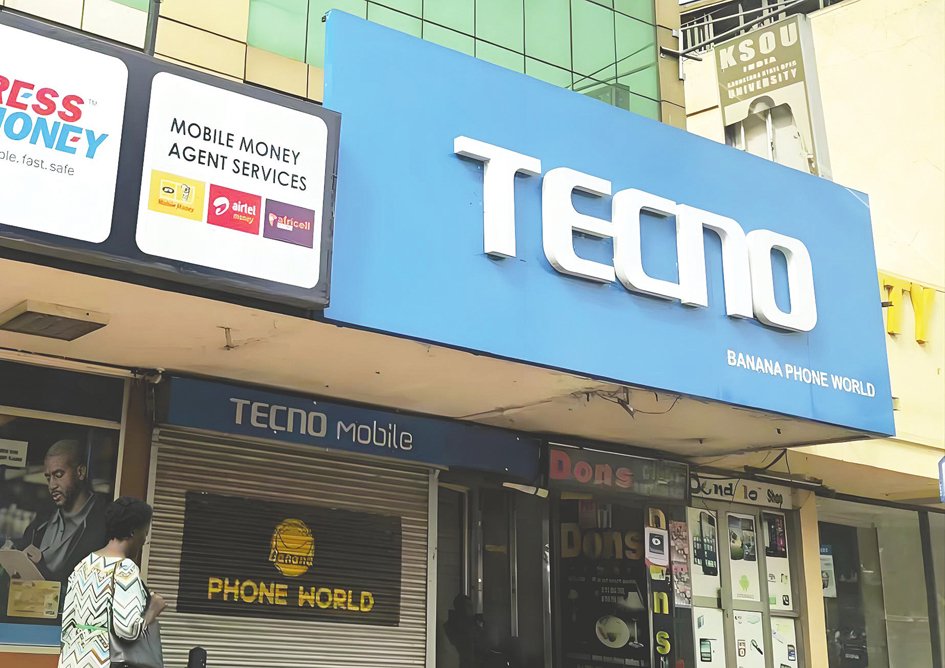
(来源:巨潮WAVE) 文 | 老鱼儿 编辑 | 杨旭然 2026年的春天,对于"非洲手机之王"传音控股而言,注定是充满矛盾的一段时光。 冲刺资本市场的新动作,是传音控股目前工作的焦点。这家A股市值约670.57亿元的企业,将于3月12日启动香港上市NDR(非交易路演),预期交易规 模约为5亿至10亿美元,目标是在2026年第二季度登陆港交所主板。 而刺眼的业绩快报,则揭露了企业另一面的冰山一角:其去年全年营业总收入656.23亿元,同比下降了4.5%;归母净利润25.84亿元,同比暴跌53.43%; 基本每股收益2.26元创了上市以来最差业绩表现之一。 很少有中国企业能像传音这样,在国内默默无闻,却在遥远的非洲大陆封神。 但如今这份在非洲大陆和其他新兴市场积累的荣光,似乎正在成为束缚它的枷锁。 长期沉浸在"舒适区",传音对扩展新兴市场形成了依赖。当各大手机品牌纷纷涌入非洲和拉美等新兴市场,当全球手机行业迈入AI转型新时代,传音控股 只能被动承受冲击。 赴港上市有机会让传音控股获得新的信心,但这似乎只能解决与钱有关的问题。面对更深层次的矛盾和压力,获得融资并不是唯一的答案。 成也非洲 曾几何时,传音控股是中国 ...

8点1氪丨玛莎拉蒂母公司全年净亏损1800亿元人民币;男童发育不良新药引爆股价,长春高新回应;德国总理默茨参访宇树科技
3 6 Ke· 2026-02-27 00:11
今日热点导览 德国总理默茨参访宇树科技 魅族被曝大量欠款成坏账 特斯拉中国官宣5年0息方案 携程集团总裁、董事双双辞职 微信上线新功能:同一文件多聊转发不重复占存储 TOP3大新闻 巨亏1800亿元,玛莎拉蒂母公司业绩爆雷 全球第四大汽车制造商Stellantis在2025年经历了一场代价沉重的战略转身。该公司2月26日发布的财报 显示,全年净亏损高达223亿欧元(以当前汇率计算约为1802亿人民币),这主要源于下半年启动业务 重组产生的254亿欧元非常规费用。尽管全年数据承压,但下半年运营已出现回暖信号,营收恢复增 长,现金流状况较上半年大幅改善。这家拥有Jeep、玛莎拉蒂、标致、雪铁龙等14个品牌的汽车巨头, 在2025年净营收录得1535亿欧元,同比微降2%。该公司解释称,外汇因素影响及上半年新车价格下降 是影响营收的主要原因。 此外,2025年全球车企销量排行最终尘埃落定。丰田、大众、现代汽车、通用汽车依旧占据前四;凭借 去年下半年11%的同比增幅,Stellantis集团以逾540万辆的销量继续位居全球第五;中国车企则有比亚 迪、上汽集团和吉利控股三家上榜,且排名均有所提升;而去年进入榜单的日产汽车 ...

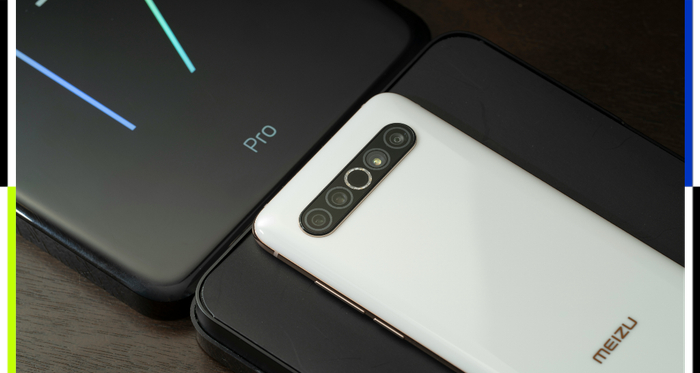
魅族手机往事:国产「教父」的陨落
3 6 Ke· 2026-02-26 15:11
魅族旗下Flyme Auto车机业务将独立运营, "魅族"品牌或将继续保留在吉利体系内。 文|无字 来源|识礁Farsight(ID:SJ_Farsight) 封面来源|Unsplash 曾与小米正面抗衡的魅族,如今不光难以维系"小而美"的定位,甚至连手机业务都难以保全。 2026年2月25日,《智通财经》援引多位知情人士消息称,魅族手机业务已实质性停摆,将于今年3月正 式退市。据悉,目前星纪魅族飞书大群还剩1000多人,但不少员工已提出离职,少量员工已转岗至吉利 体系内的极氪汽车。 接下来,魅族旗下Flyme Auto车机业务将独立运营,"魅族"品牌或将继续保留在吉利体系内。 尽管魅族官方并未公开回应上述传闻,但结合魅族手机持续低迷的市场表现来看,魅族放弃手机业务的 消息并非空穴来风。 作为中国最早一批的智能手机玩家,魅族曾接连打造多款标杆性产品,俘获海量"魅友"。然而遗憾的 是,成为中国手机行业的头部玩家后,魅族并未乘势巩固核心优势,反而盲目扩张、接连错判行业趋 势,最终一蹶不振。 被小米反超后, 魅族聚焦"设计领先" 尽管现如今,中国智能手机行业的主流玩家是"华米OV荣",但事实上,这几大手机品牌发力智 ...
研发与市场投入持续加码 传音控股2025年净利润腰斩
Zhong Guo Jing Ying Bao· 2026-02-26 12:55
2月26日,传音控股(688036.SH,以下简称"传音")发布2025年度业绩快报。2025年度,公司实现归属 于母公司所有者的净利润为25.84亿元,较上年同期下降53.43%。这是传音自2019年登陆资本市场以 来,年度净利润首次出现"腰斩式"下滑。 中经记者 陈佳岚 广州报道 横扫非洲市场的中国手机厂商传音,正遭遇上市以来颇为严峻的考验。 净利润"腰斩",究其原因,首当其冲是外部环境的恶化。 传音在业绩快报中解释称,报告期内,"受市场竞争及供应链成本影响,存储等元器件价格上涨较多, 公司营业收入和毛利率有所下降"。 根据DIGITIMES Research的数据,2024年底至2025年12月期间,DDR4 16Gb内存模块价格飙升1800%, DDR5 16Gb现货价格上涨超过500%,上游元器件成本的大幅上涨,对以中低端手机为主营业务的传音 形成显著成本压力。 除了传音外,诸多中小厂商已纷纷采取调整措施。2026年年初,realme宣布回归OPPO,同为中小品牌 的华硕确认2026年暂停新机发布,魅族回应暂停下一代旗舰研发,以应对存储器涨价。 一边是存储、芯片等核心元器件价格暴涨带来的成本重压,一 ...

传音控股冲刺港交所IPO 预计去年净利润同比“腰斩”
Mei Ri Jing Ji Xin Wen· 2026-02-26 12:44
近期,被誉为"非洲之王"的传音控股(SH688036)正加快推进"A+H"双平台上市。 此前,传音控股已于2025年12月初发布公告称,公司已向港交所递交主板挂牌上市的申请。 每经记者|王晶 每经编辑|文多 每经媒资库 站在港股IPO(首次公开募股)的关键节点,传音控股却预计2025年遭遇上市以来首次年度净利润同比"腰斩",同时公司还面临元器件 价格上涨和海外竞争加剧等挑战。 《每日经济新闻》记者注意到,非洲市场如今不再是无人问津的蓝海,而是巨头想要分食的"蛋糕",小米、OPPO和荣耀等智能手机品 牌正在那里扩大影响力,并取得了显著成果。 内存价格上涨影响业绩 招股书(申请版本,下同)显示,此次传音控股IPO募资主要用于以下方面:研发AI相关技术以加快产品迭代,市场推广和品牌建 设,加强公司移动互联网服务、物联网产品等。 《每日经济新闻》记者注意到,传音控股的销售区域主要集中在非洲、新兴亚太市场(不包括中国、日本、韩国、新加坡、澳大利亚 和新西兰的亚太地区市场)、拉丁美洲、中东地区等。通过优化夜间拍摄和为深肤色量身定制美化算法等本地化设计,传音控股在非 洲市场建立起了竞争优势。 市场研究咨询机构Omdia的数 ...
资金动向 | 北水抛售港股逾73亿港元,连续7日扫货美团
Ge Long Hui A P P· 2026-02-26 11:25
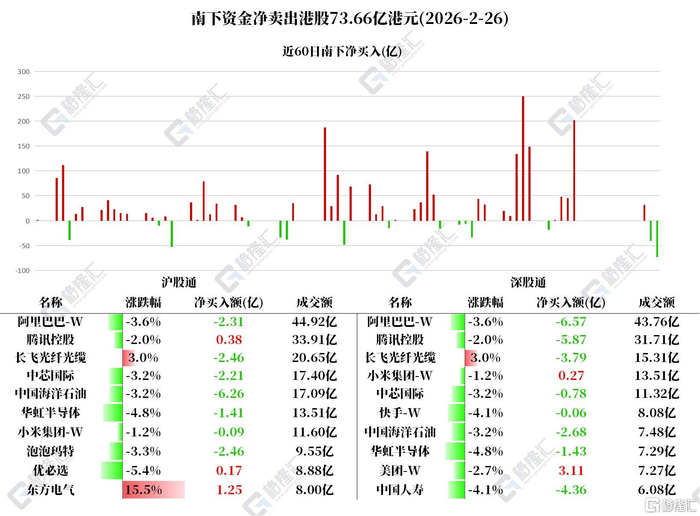
南下资金今日净卖出港股73.66亿港元,为连续第2日净卖出。 华虹半导体:国海证券发布关于华虹半导体(1347.HK)的研报,维持"买入"评级。2025Q4收入6.60亿美 元,同比+22.4%,毛利率13.0%,受益于ASP提升及降本增效;电源管理、闪存等产品驱动增长。 据统计,南下资金已连续7日净买入美团,共计36.1242亿港元;连续5日净买入小米,共计32.2538亿港 元;连续4日净卖出中海油,共计12.2479亿港元。 北水动向 长飞光纤光缆:在AI需求推动下,市场对光纤的需求高涨。根据CRU数据,2026年1月,国内G.652.D 裸光纤现货价格环比上涨79%,同比上涨92%,自2025年5月以来累计涨幅超100%。华泰证券发表研报 称,2026年1月,中国市场G.652.D单模光纤价格创下近七年新高,平均价格来到35元/芯公里。 中芯国际:知情人士消息称,中国计划在2028年左右,将采用7nm、5nm级别工艺的芯片产能,从目前 每月不到2万块晶圆,增加到约10万块。长期规划则是到2030年左右,再将先进工艺芯片的产能提高到 每月50万块晶圆。目前,中国唯一能生产7nm级工艺芯片的企业,就是中芯 ...

周观察(260209-260220):模型密集迭代,入口之争火热,春节档电影头部单片亮眼,游戏K型景气度分化
GOLDEN SUN SECURITIES· 2026-02-26 09:07
Investment Rating - The report maintains a "Buy" rating for the media sector, indicating a strong performance compared to the market, with a 3.5% increase in the media index, outperforming the Shanghai Composite Index by 3.1% [5][11]. Core Insights - The media sector is experiencing significant growth, with a notable increase in trading volume, reaching 715.2 billion yuan, marking the second-highest trading week in 26 years [5][11]. - The report highlights a K-shaped recovery in the gaming industry, with high-end and cost-effective games performing well, while mid-tier games lag behind [8][11]. - The competition for AI super applications is intensifying among major internet companies, with ByteDance, Alibaba, and Tencent emerging as key players in the market [6][30]. Summary by Sections Weekly Market Review - The media index increased by 3.5%, outperforming the Shanghai Composite Index by 3.1%, with a trading volume of 715.2 billion yuan, the second-highest in 26 years [5][11]. - Sub-sectors such as film and television, digital media, and publishing led the gains, with notable individual stock performances, including a 61% increase for Zhangyue Technology [5][11]. AI Spring Festival Special - The report discusses the concentrated iteration of AI models during the Spring Festival, with a focus on multi-modal generation and agent capabilities [6][26]. - Major internet companies are competing for the "AI super entrance," with significant user engagement and promotional activities during the Spring Festival [30][31]. Film Spring Festival Box Office - The overall box office for the Spring Festival reached 5.752 billion yuan, marking a decline compared to previous years, with a significant drop in audience numbers [8][11]. - The report notes strong performances from top films, with "Flying Life 3" leading the box office and "Biao Ren" breaking records for martial arts films [8][11]. Gaming Spring Festival Special - The gaming sector shows a clear K-shaped recovery, with high-end and cost-effective games thriving, while mid-tier games struggle [8][11]. - Tencent continues to dominate the market with multiple high DAU products, while innovative gameplay and sports events are expected to boost performance in the gaming sector [8][11].

太惨了!阿里跌20%,腾讯跌24%,小米跌40%,美团跌62%,内资被套
Xin Lang Cai Jing· 2026-02-26 08:40
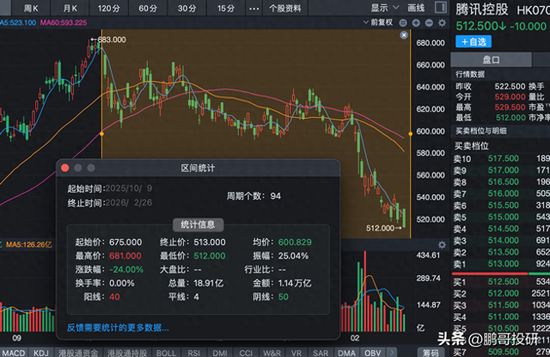
Core Viewpoint - The recent bull market has negatively impacted Hong Kong stocks, particularly major internet companies, which have experienced significant declines despite increased capital inflows from mainland investors [1]. Group 1: Tencent - Tencent's stock price has dropped from 683 HKD to 512 HKD, a decline of 24% [2]. - The acceleration in Tencent's stock decline is attributed to the loss of buyback support during the earnings report silence period, market sentiment affected by tax rumors, increased AI investments, and intensified industry competition [2]. Group 2: Alibaba - Alibaba's stock price has fallen from 186 HKD to 144 HKD, a decrease of 22% [4]. - The decline is driven by pressure on profitability, intensified competition, capital withdrawal, and a combination of liquidity and sentiment issues [4]. Group 3: Xiaomi - Xiaomi's stock has plummeted from 60 HKD to 35 HKD, representing a drop of over 40% [6]. - The decline is primarily due to pressure on smartphone business growth, rising costs, uncertainty in the automotive sector, and negative sentiment from executive share reductions [6]. Group 4: Netease - Netease's stock has decreased from 247 HKD to 174 HKD, a decline of 29% [8]. - The drop is linked to slowing revenue growth, significant declines in net profit, and high R&D and marketing expenses [8]. Group 5: Meituan - Meituan's stock has seen a dramatic fall from 217 HKD to 80 HKD, a staggering 62% drop [10]. - The decline is attributed to fierce price wars in food delivery and instant retail, increased subsidies, and rising operational costs [10]. Group 6: Kuaishou - Kuaishou's stock has dropped from 90 HKD to 64 HKD, a decline of 30% [12]. - The decline is driven by regulatory penalties, slowing growth in live streaming and e-commerce, and intensified competition [12]. Group 7: Ctrip - Ctrip's stock has experienced a sharp decline from 613 HKD to 400 HKD, a drop of 34% [14]. - The decline is due to antitrust investigations, declining quarterly performance, and governance concerns following executive departures [14]. Group 8: Tencent Music - Tencent Music's stock has fallen from 104 HKD to 56 HKD, with ongoing declines [16]. - The decline is linked to a drop in monthly active users, reliance on price increases for revenue, and competition from ByteDance's music services [16].
2026年中国手机市场迎来历史性价格调整
Jing Ji Guan Cha Wang· 2026-02-26 06:06
Core Insights - The Chinese smartphone market will experience unprecedented price increases starting March 2026, marking the first time in history that all brands and models will raise prices simultaneously [1][5] - Counterpoint Research predicts that the average selling price (ASP) of smartphones in China will rise by 15%-25% compared to 2025, with flagship models potentially increasing by over 30% [2][4] - The primary driver of this price surge is the significant increase in memory costs due to supply chain pressures, particularly from the demand for AI servers [3][5] Price Increase Dynamics - Starting in March 2026, new smartphone models will see price increases of at least 1,000 yuan, while high-end flagship models may rise by 2,000-3,000 yuan [1][2] - The price adjustments will not be limited to new releases; existing models are also expected to undergo multiple price hikes throughout the year [1][6] - The average price increase for smartphones in China is projected to exceed the global average of 6.9% [2] Cost Pressures - The cost of memory chips has surged dramatically, with prices for 1TB flash memory rising from over 200 yuan in 2025 to nearly 600 yuan, and DRAM prices increasing by 80%-95% [4] - The smartphone storage chip procurement costs have risen by over 80% compared to the previous year, contributing to higher manufacturing costs [4][5] - The volatility in memory prices has led to a situation where price adjustments may occur multiple times within a month, further complicating the market dynamics [4] Market Implications - The anticipated price increases may alter consumer purchasing behavior, with mid-range devices seeing smaller price hikes compared to high-end models, potentially leading consumers to delay upgrades [6] - The pressure on low-end products may force manufacturers to reduce their product lines and shipment volumes [6] - The competitive landscape is further complicated by strategies such as Huawei's reverse price cuts, which may impact other flagship Android models [6]