
1919

Search documents
中午提问题 下午有回应 成都效率给了我前行的底气
Xin Lang Cai Jing· 2025-12-26 17:59
Group 1 - The core point of the article highlights the successful acquisition of a 73.63% stake in Yiyuan Liquor by entrepreneur Yang Lingjiang for HKD 159 million, marking a significant milestone for Chengdu's private economy and adding another company to the Hong Kong stock market [1] - The white liquor industry is undergoing a deep transformation, with many companies actively seeking change, and Yang Lingjiang's success is attributed to the boldness of private enterprises and the supportive government policies in Chengdu [2] - The Chengdu Private Economy Development Promotion Center has effectively addressed business challenges, exemplified by the rapid response to Yang Lingjiang's concerns regarding regulatory hurdles for selling coffee in stores, leading to a tailored solution that bypassed traditional approval processes [3] Group 2 - Over 60 out of 200 1919 stores in Chengdu have successfully integrated coffee operations, contributing to the company's turnaround, with a significant reduction in debt from a peak of 92% to below 20% [4] - The Chengdu government has implemented a series of supportive policies, including simplified food processing permits, benefiting numerous enterprises and enhancing the local business environment [4][6] - Chengdu's business environment has been recognized nationally, ranking fourth among 32 provincial capitals in a recent survey, reflecting the city's effective measures to meet the real needs of market entities and foster private enterprise growth [7]

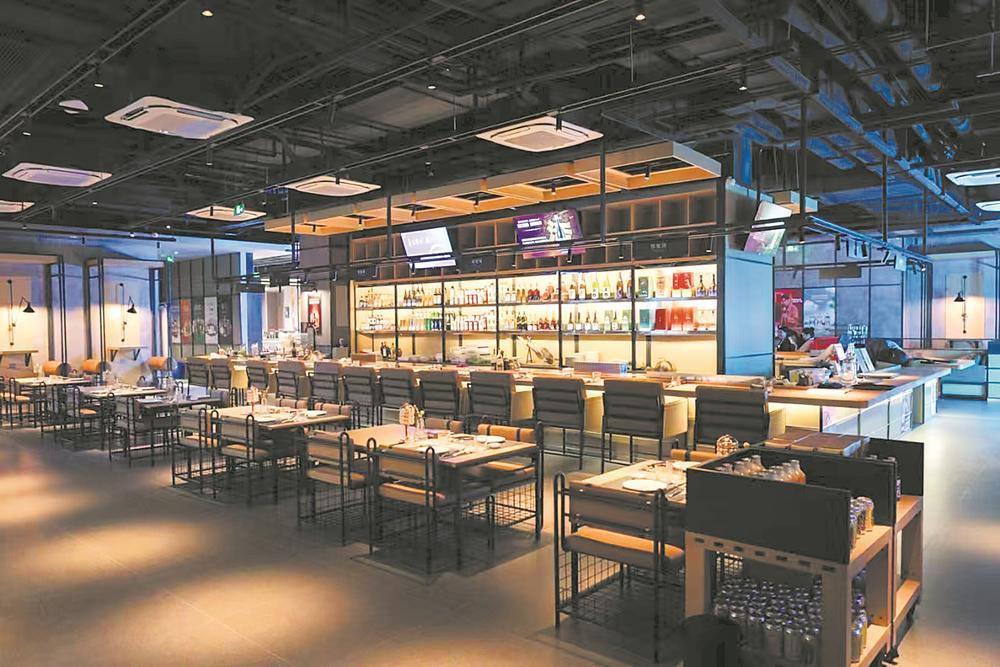
1919:连续三年盈利 预计2025年突破140亿规模
Zheng Quan Shi Bao Wang· 2025-12-26 10:51
Core Viewpoint - The financial report of 1919 indicates a positive growth trajectory in net profit and transaction scale for the upcoming years, highlighting the company's strategic partnerships and market expansion efforts [1] Financial Performance - The audited net profits for 2023 and 2024 are projected to be 51.3473 million and 48.1191 million respectively, with 2025 expected to maintain profitability, although the financial statements for that year have not yet been audited [1] - The overall transaction scale is expected to grow from 11.579 billion in 2023 to 12.089 billion in 2024, with a target to exceed 14 billion in 2025 driven by strategic cooperation with Taobao Flash Purchase and rapid growth in instant retail [1] Company Background - 1919 is a specialized e-commerce platform for alcoholic beverages, which received a strategic investment of 2 billion from Alibaba in 2018 and voluntarily delisted from the New Third Board at the beginning of 2023 [1]
1919已连续三年盈利,预计2025年突破140亿元规模
2 1 Shi Ji Jing Ji Bao Dao· 2025-12-26 05:05
Core Insights - Company 1919 has reported a net profit of 51.35 million yuan in 2023 and 48.12 million yuan in 2024, with 2025 also expected to be profitable, indicating a positive financial trend after three years of no financial disclosures [2] - The overall transaction scale of 1919 has grown from 11.579 billion yuan in 2023 to a projected 12.089 billion yuan in 2024, with a target to exceed 14 billion yuan in 2025, driven by a strategic partnership with Taobao Flash Purchase [2] - The company has undergone a fundamental transformation, moving towards a new development phase that emphasizes both scale and quality, largely due to strategic decisions made by founder Yang Lingjiang [2] Strategic Decisions - In 2023, 1919 decisively abandoned most of its premium liquor distribution rights, initiating a three-year inventory reduction strategy that helped avoid losses from declining liquor prices and significantly reduced financial costs associated with liquor procurement, achieving zero inventory for premium liquor [2] - The company has shifted away from heavy asset investments by reducing the number of directly operated stores and significantly increasing franchise stores, resulting in a decrease in the debt-to-asset ratio from 92% three years ago to below 20% now, leading to healthier financial and operational conditions while maintaining sales growth [3] New Business Model - Recently, 1919's founder Yang Lingjiang acquired a controlling stake of over 73% in the Hong Kong-listed company Yiyuan Wine Industry, which has led to speculation about the company's future direction [4] - The company is reportedly building a "F2B2C" (Factory to Business to Consumer) business model, utilizing the capital platform of Yiyuan Wine Industry to acquire established wineries, creating a matrix of various terminal types on the business side, and leveraging data-driven "instant satisfaction" and "lifestyle" services on the consumer side [4]
泰和新材:接受华夏基金等投资者调研
Mei Ri Jing Ji Xin Wen· 2025-12-24 11:35
每经AI快讯,泰和新材(SZ 002254,收盘价:9.68元)发布公告称,2025年12月24日,泰和新材接受 华夏基金等投资者调研,公司董事会秘书董旭海等人参与接待,并回答了投资者提出的问题。 每经头条(nbdtoutiao)——左手"欠款"右手"豪购"!杨陵江收购"国内酒庄第一股",1919是否重启上 市?"吹太多牛都实现了,但千亿还没实现,我很着急" (记者 王晓波) 2025年1至6月份,泰和新材的营业收入构成为:化纤行业占比99.18%,其他行业占比0.82%。 截至发稿,泰和新材市值为83亿元。 ...

2025年第51周:酒行业周度市场观察
艾瑞咨询· 2025-12-24 00:04
Industry Environment - The Chinese liquor industry faces three major challenges by 2025: demographic changes, deepening technological revolution, and internal industry adjustments. The shift from "scale expansion" to "structural optimization" is necessary due to population decline and a decrease in the main consumer demographic. AI technology is driving the smart transformation of the industry, reshaping production and marketing models. Solutions include returning to pragmatic values, upgrading technology and quality to meet diverse consumer demands, and enhancing brand IP and emotional connections to build a symbiotic commercial ecosystem [2][3] 1919 Strategic New Vision - The liquor distribution industry is transitioning from traditional inventory models to user operation and instant retail. 1919, as an industry leader, is implementing a "center store + front warehouse" model and a F2B2C supply chain, developing six core capabilities (brand, scale, online customer acquisition, offline fulfillment, supply chain, data sales) for efficient localized service. Collaborations with platforms like Taobao and Meituan have led to significant growth, with plans to expand to over 100,000 front warehouses by 2026. This strategy aligns with young consumer demands, potentially capturing 60%-70% of liquor retail market share [4] Insights from Cross-Industry Products - The introduction of cross-industry products like Mingren soda water has highlighted the collective anxiety within liquor channels due to high inventory and slow sales. Mingren's positioning as a beverage for both before and after drinking has penetrated liquor consumption scenarios, with over 3 million terminal outlets. This case emphasizes the need to shift from product selling to providing scene-based solutions and creating closed-loop experiential marketing [5] "Liquor + New Energy" Growth Potential - Several liquor companies are forming strategic partnerships with new energy giants to explore new paths for industry integration. Collaborations aim to reduce high energy costs in liquor production and build green supply chains, responding to carbon neutrality goals. Leading companies are leveraging these partnerships to expand high-end consumer bases and explore new growth points [6][7] E-commerce Tax Implications - New e-commerce tax regulations set to take effect in October 2025 will require platforms to report merchant data, eliminating tax ambiguities in liquor e-commerce. While small merchants are exempt, larger businesses will face stricter compliance, curbing practices like price dumping. This policy shift is expected to foster fair competition, pushing the industry towards value-based competition rather than price wars [8] New Survival Coordinates for Liquor Merchants - As competition intensifies and channels flatten, traditional profit models based on price differences are becoming obsolete. Merchants must enhance service capabilities, focusing on sales rates, user engagement, and data operations. Manufacturers are shifting from price support to funding market actions for distributors, creating a new formula of "price difference + service commission" [9] Transformation of Tobacco Shops - The traditional tobacco shop industry is undergoing significant transformation, facing challenges but not extinction. The industry is characterized by a "pyramid structure," with small shops leveraging low costs and new channels. Future directions include using digital tools to enhance efficiency and optimizing product offerings to stimulate repeat purchases [10][11] Insights on the Beer Industry - The Chinese beer industry is entering a phase of sustainable development and smart manufacturing, with a focus on high-end products and craft beers. The industry is shifting from scale expansion to value realization, emphasizing health and specialty in product development [12] Changes in Sichuan Banquet Alcohol Consumption - The Sichuan banquet alcohol market is witnessing a shift from traditional "white wine + red wine" combinations to "white wine + low-alcohol beverages," with over 50% of low-alcohol drinks being served. This trend reflects changing consumer preferences towards practicality and cost-effectiveness [12] New Trends in Liquor Chains - The liquor industry is experiencing structural changes driven by diversified consumption, fragmented channels, and personalized demands. The focus is shifting from "single-point breakthroughs" to "full-domain integration," emphasizing the importance of service value and user relationships [13] Brand Dynamics - The health-focused liquor market is rapidly growing, with brands like Zhenjiu leveraging technology and quality assurance to meet consumer demands. The market for health-oriented liquor is projected to reach 58.36 billion yuan by 2024 [14] Cultural Empowerment in Branding - Tiananmen Sauce Liquor emphasizes quality and cultural heritage during industry adjustments, showcasing its commitment to traditional craftsmanship and cultural transmission [15] Young Consumer Engagement Strategies - Wuliangye's collaboration with Pure K to target young consumers has resulted in significant sales growth, demonstrating innovative paths for integrating liquor into youth culture [16][17] Strategic Planning for Future Growth - Xifeng Liquor is focusing on brand youthfulness and internationalization, leveraging technology and cultural confidence to enhance its market position [18] Quality as a Competitive Edge - The liquor industry is transitioning from scale expansion to value enhancement, with quality and culture becoming key competitive factors. Companies like Congtai Liquor are emphasizing quality assurance and regional collaboration to drive growth [19] Evolution of Instant Retail - The liquor industry is moving towards "full-domain retail," emphasizing efficiency and value over price competition. Companies are encouraged to adopt a holistic approach to retail strategies [20] Low-Alcohol Product Success - The introduction of low-alcohol products like Guojiao 1573 has achieved significant market success, highlighting the trend towards healthier drinking options [21] Innovative Marketing Strategies - The collaboration between Wuliangye and FIFA for a new product launch demonstrates the effectiveness of sports marketing in engaging younger audiences [22] Cultural Exchange through Alcohol - The partnership between Chinese and French brands during a state visit symbolizes the cultural exchange and recognition of Chinese liquor on the international stage [28] New Consumption Scenarios - The launch of new products by JunTai Liquor targets both everyday celebrations and high-end collections, reflecting the evolving consumption landscape [29] Commitment to Quality and Development - Xifeng Liquor is reinforcing its commitment to quality and cultural heritage, aiming to lead the industry towards high-quality development [30]




1919要“重启”上市?还有哪些“关卡”要闯?
Sou Hu Cai Jing· 2025-12-23 14:34
Group 1 - The founder of 1919, Yang Lingjiang, has acquired 73.63% of Yiyuan Wine Industry, referred to as the "first domestic winery stock," raising questions about the potential for 1919 to restart its IPO process [1] - Industry expert Xiao Zhuqing emphasized that any company seeking to go public must address its business health, sustainable profitability, and compliance with regulatory procedures [1] - Investment banker Li Lin noted that current IPO applications in Hong Kong require approval from the Securities Regulatory Commission, which could pose challenges for both wine manufacturing and distribution companies [1]
酒行业周度市场观察-20251223
Ai Rui Zi Xun· 2025-12-23 07:39
Investment Rating - The report does not explicitly provide an investment rating for the industry Core Insights - The Chinese liquor industry is expected to face challenges in the next five years due to demographic changes, technological advancements, and internal adjustments, necessitating a shift from scale expansion to structural optimization [1] - The liquor distribution sector is transitioning from traditional inventory models to user operation and instant retail, with companies like 1919 leading the way by building over 100,000 pre-positioned warehouses [2] - The collaboration between liquor companies and new energy giants aims to reduce high energy costs in production and align with carbon neutrality goals, indicating a trend towards sustainability in the industry [5] - The introduction of e-commerce tax regulations is expected to create a more equitable market environment, benefiting compliant businesses while phasing out non-compliant ones [6] - The industry is witnessing a shift from profit based on price differences to a focus on service capabilities, emphasizing the importance of user engagement and data operations [7] Industry Trends - The liquor industry is projected to grow through three main variables: demographic changes, deepening technological revolutions, and internal adjustments, with a focus on value creation and AI-driven transformations [1] - The transition to instant retail is characterized by the development of core capabilities such as brand management, online customer acquisition, and supply chain efficiency [2] - The success of cross-industry products, like soda water, highlights the need for differentiated offerings in a market facing high inventory and slow sales [5] - The integration of new energy technologies in liquor production aims to lower costs and enhance sustainability, responding to both market pressures and environmental goals [5] - The e-commerce tax reform is set to regulate online sales, promoting fair competition and encouraging a shift from price wars to value-based competition [6] - The traditional liquor retail model is evolving, with a focus on service and user experience becoming critical for survival in a competitive landscape [7] Top Brand News - 1919 is leading the liquor distribution transformation by implementing a "center store + pre-positioned warehouse" model, aiming to enhance local service efficiency [2] - The launch of low-alcohol products like the 38-degree Guojiao 1573 has positioned it as a market leader, reflecting a growing consumer preference for healthier drinking options [16] - The collaboration between Guojiao 1573 and the Australian Open showcases the brand's commitment to cultural resonance and global outreach [19] - The introduction of new products by brands like JunTai emphasizes the importance of aligning with consumer trends in both everyday celebrations and high-end collections [22]
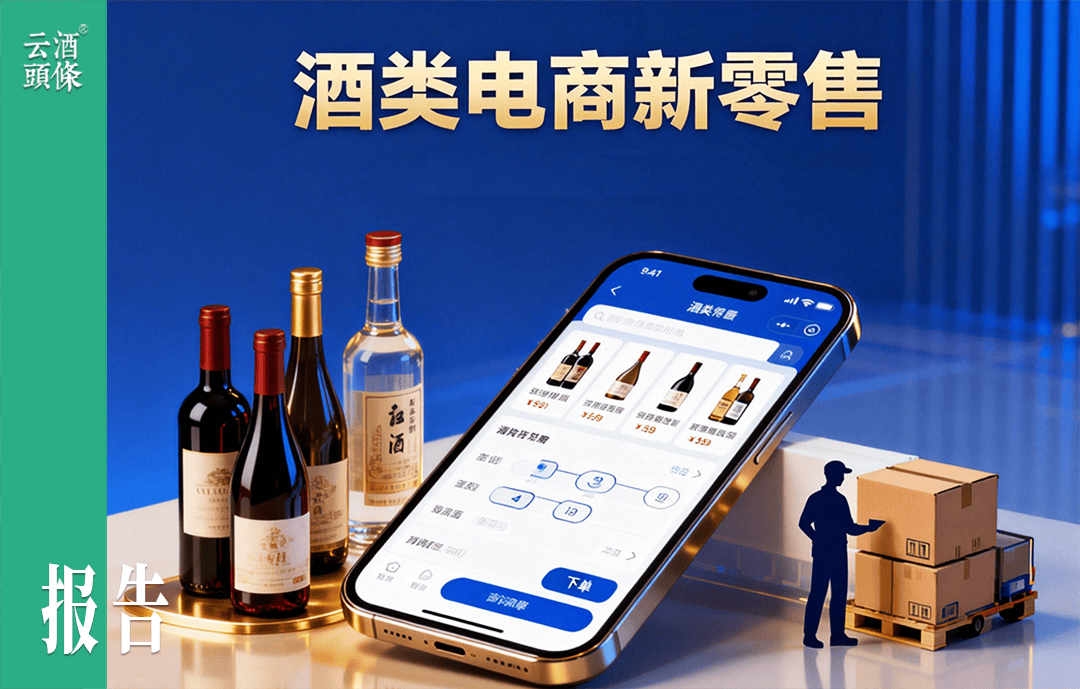
《中国酒类电商新零售报告2025》首发
Sou Hu Cai Jing· 2025-12-19 08:08
Core Insights - The core viewpoint of the article is that the liquor distribution industry is undergoing a significant channel reconstruction, with online platforms becoming the primary means for brands to reach new users, test new products, and reshape consumption scenarios [2][3]. Industry Trends - The liquor e-commerce market in China is projected to exceed 150 billion yuan in GMV by 2024, reflecting a growth rate of over 20% year-on-year, with an online penetration rate increasing to 14% [6]. - The rapid growth of liquor e-commerce is driven by changing consumer demands and improved channel efficiencies, indicating a potential to reach a penetration rate of over 30% [7]. Platform Dynamics - The e-commerce landscape for liquor has evolved into a multi-faceted competitive environment characterized by "shelf + content + instant + private domain" models, with each platform leveraging unique strengths to capture market share [17]. - Major platforms like JD and Taobao focus on planned consumption among mature users, while platforms like Douyin and Kuaishou target younger demographics through scenario-based content [20][21]. Brand Strategies - Many liquor companies are still in the early stages of online transformation, with overall online sales accounting for less than 10% of total sales for listed companies in 2024 [23]. - Brands are increasingly focusing on digital marketing, customer engagement, and price management to adapt to the evolving e-commerce landscape [25][34]. Distribution Transformation - Liquor distributors are transitioning from mere product distributors to value enablers, emphasizing digital capabilities and collaboration with manufacturers to enhance supply chain efficiency [35][36]. - The integration of data sharing and joint operations between distributors and brands is reshaping industry relationships, leading to improved product innovation and market responsiveness [37].
老牌酒企沦为弃子!百亿偿债后抄底,杨陵江整合路遇暗雷
Sou Hu Cai Jing· 2025-12-18 20:38
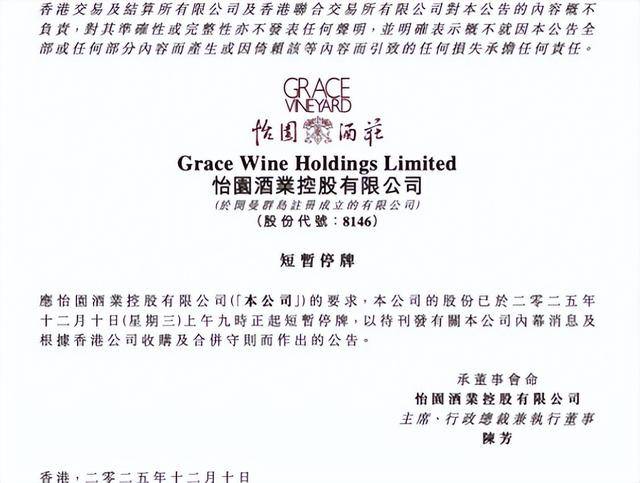
Core Viewpoint - The recent acquisition of a majority stake in Yiyuan Wine Industry by Yang Lingjiang, founder of 1919, is seen as a bold move amidst a struggling wine industry, raising questions about the strategic rationale behind this decision [1][4][11]. Company Overview - Yiyuan Wine Industry, once a prominent player in the premium wine sector, has faced significant financial challenges since its IPO in 2018, with fluctuating profits and substantial losses, including a projected loss of 41.018 million yuan in 2024 [4][6][8]. - The company’s aggressive expansion strategy, including a failed acquisition of Fujian Dexi Wine Industry, has resulted in considerable financial strain, with asset impairment losses of 25.7 million yuan contributing to its current financial woes [6][8]. - Yiyuan's focus on high-end hotel channels has left it vulnerable as traditional consumption patterns shift, leading to a market capitalization of only 200 million yuan [8]. Buyer Overview - 1919, under Yang Lingjiang, has also been grappling with its own financial issues, including a recent buyback of 92.87% of its shares and the repayment of nearly 6 billion yuan in debt, indicating ongoing financial restructuring [9][11]. - The company is facing cash flow pressures and management challenges related to its franchise model, which complicates its ability to effectively manage the acquisition of Yiyuan [9][11]. Industry Context - The wine industry is currently experiencing a downturn, with production in 2024 expected to decline by 17.5% and consumption down by 19.3%, reflecting a broader contraction in traditional business dining and a shift in consumer preferences [11][13]. - The market is characterized by a significant reduction in high-end consumption, with many small to medium brands either being eliminated or consolidated [11]. Strategic Implications - Yang Lingjiang's acquisition of Yiyuan is perceived as an attempt to leverage Yiyuan's Hong Kong listing to facilitate 1919's capital market ambitions, particularly following its delisting from the New Third Board [13]. - The integration of Yiyuan's production capabilities with 1919's distribution strengths presents both opportunities and challenges, as the two companies operate under different management paradigms [15]. - The success of this acquisition hinges on the ability to resolve Yiyuan's historical issues and optimize its distribution channels, which may be difficult given the current industry conditions [15][17].
“杨大炮”1.59亿港元控“仙股”,为1919资本化铺路?
Guan Cha Zhe Wang· 2025-12-18 09:43
Core Viewpoint - The acquisition of a controlling stake in Yiyuan Wine Industry by Yang Lingjiang, founder of 1919, marks a significant move in the liquor distribution sector, allowing for potential integration of high-margin wine production into 1919's operations [1][2]. Group 1: Acquisition Details - Yang Lingjiang acquired 73.63% of Yiyuan Wine Industry for approximately HKD 159 million (around RMB 144 million) [1]. - Yiyuan Wine Industry's stock had been trading below HKD 1 since the second half of 2022, indicating a favorable acquisition cost for Yang [1]. - The acquisition is defined as a personal investment by Yang and does not involve direct asset injection or business merger between 1919 and Yiyuan [1]. Group 2: Strategic Implications - The acquisition is expected to enhance 1919's profitability by integrating Yiyuan's high-quality wine into its sales network, transitioning from a liquor retailer to a comprehensive liquor service provider [2]. - Yiyuan Wine Industry, established in 1997, has faced challenges, including a significant revenue decline of 46.8% in 2024, leading to a net loss of RMB 41.02 million [2]. - Analysts believe that Yang's involvement will lead to strategic business model adjustments and potential further capital actions [2][3]. Group 3: Market Positioning - Yiyuan's status as a publicly listed company provides a platform for capital integration, facilitating Yang's broader international market ambitions [3]. - The acquisition aligns with the trend of Chinese liquor companies expanding their operational elements overseas, including capital and management [4]. - Yang Lingjiang's proactive approach and past decisions have positioned 1919 to navigate industry cycles effectively, enhancing its market presence [4][5]. Group 4: Future Prospects - The transaction is viewed as mutually beneficial, allowing 1919 to strengthen its supply chain while providing Yiyuan with access to 1919's extensive distribution network [7]. - Yang's acquisition of Yiyuan Wine Industry is likely to be a strategic move to incorporate the wine segment into his expanding liquor business portfolio [7].
