
Alnylam

Search documents
千亿创新药巨头,又出手并购
中国基金报· 2026-01-13 13:07
Core Viewpoint - China Biopharmaceutical has acquired 100% equity of Hejia Bio for 1.2 billion RMB, enhancing its position in the small RNA (siRNA) sector, following its previous acquisition of Lixin Pharmaceutical for approximately 3.5 billion RMB in July 2025 [2][8]. Group 1: Acquisition Details - The acquisition of Hejia Bio is a strategic move to strengthen China Biopharmaceutical's capabilities in the small RNA field, which has seen significant stock price increases among overseas companies, with Alnylam's market value peaking at over 64 billion USD [2][5]. - Hejia Bio, established in 2018, focuses on innovative siRNA products with advantages in long-lasting effects and low dosage, boasting six delivery platforms and four innovative drugs in clinical stages [5][6]. Group 2: Product Pipeline and Market Potential - Hejia Bio's Kylo-11, targeting LPA, is the world's first siRNA product to achieve "one injection per year" in clinical trials, with the first patient treated in a multi-center phase II trial in October 2025 [6]. - The company has three additional clinical projects and over 20 preclinical pipelines covering high-value areas such as cardiovascular, metabolic, and neurological diseases [6][8]. Group 3: Strategic Implications - The acquisition allows China Biopharmaceutical to complete its innovative drug layout in the cardiovascular field and significantly expand its presence in chronic disease markets [8]. - The chairman of China Biopharmaceutical emphasized that this acquisition will enhance the company's core competitiveness in the small RNA sector and open up new opportunities in the trillion-dollar chronic disease treatment market [8].


12亿抄底小核酸!中国生物制药拿下“行业黑马”赫吉亚
Zheng Quan Shi Bao Wang· 2026-01-13 12:22
Core Insights - The siRNA sector has become one of the most promising areas in the biopharmaceutical industry, with a global transaction total of approximately $35 billion since 2025, reflecting a year-on-year growth of over 40% [1] - China National Pharmaceutical Group (China Biopharmaceutical) announced a full acquisition of domestic siRNA innovator Hejia Bio for a total price of 1.2 billion RMB, marking a significant move in the siRNA space following its investment in Saintin Bio [1] - The acquisition aims to enhance China Biopharmaceutical's core competitiveness in the siRNA sector and expand its footprint in the trillion-dollar chronic disease treatment market [1] Group 1 - Hejia Bio, established in 2018, focuses on providing long-acting, low-dose siRNA innovative products, with a core R&D team having over 20 years of experience in siRNA drug development [2] - Hejia has developed six delivery platforms and has four innovative drugs in clinical stages, with over 20 projects in preclinical stages, showcasing significant global first-in-class (FIC) and best-in-class (BIC) potential [2] - The MVIP liver delivery platform is the world's first clinically validated siRNA platform capable of "one injection per year," demonstrating superior delivery efficiency and efficacy compared to existing platforms [2] Group 2 - The dual-target coupling technology platform (DDP) allows for simultaneous delivery of dual-target siRNA, enabling breakthroughs in synergistic treatment for complex diseases [3] - The neural delivery platform (NSDP) is set to address unmet clinical needs in central and peripheral nervous system diseases, with products expected to enter clinical stages by 2026 [3] - Hejia's innovative technologies, including the long-acting liver delivery system and dual-target technology, are anticipated to drive multiple products into clinical stages between 2026 and 2027, with potential valuations exceeding $10 billion [3] Group 3 - The advantages of siRNA drugs in chronic diseases are becoming evident, particularly in improving patient adherence, which is crucial for effective disease management [4] - For cardiovascular diseases, approximately 3 billion people globally suffer from lipid abnormalities, with over 1.4 billion having elevated Lp(a) levels, which significantly increases the risk of serious health issues [4] - Current therapies only reduce Lp(a) levels by 20%-25%, while new siRNA therapies could achieve reductions of 80%-95%, with a market size estimated at $15 billion [4] Group 4 - Hejia's Kylo-11 is the first siRNA product to achieve a "one injection per year" treatment for elevated Lp(a), demonstrating a 95% reduction in levels with a single subcutaneous injection [5] - Kylo-11 has completed its first patient dosing in a multi-center Phase II clinical trial in October 2025, making it the fastest progressing siRNA product for treating elevated lipoprotein(a) in China [5] - Hejia has additional clinical projects, including ApoC3 siRNA and chronic HBV siRNA products, with over 20 preclinical pipelines covering high-value areas such as cardiovascular and metabolic diseases [6] Group 5 - The acquisition of Hejia by China Biopharmaceutical is seen as a strategic move to enhance its portfolio in chronic disease treatments, particularly in cardiovascular and metabolic areas [6] - This acquisition complements China Biopharmaceutical's existing capabilities in respiratory, liver diseases, and autoimmune conditions, significantly expanding its market presence [6] - The collaboration is expected to accelerate the commercialization of Hejia's siRNA drug pipeline, leveraging China Biopharmaceutical's extensive clinical and commercial capabilities [6] Group 6 - The average deal size for global siRNA business development transactions has exceeded $800 million, indicating a rising trend in transaction values [7] - The acquisition of Hejia represents a significant move by a large pharmaceutical company in the domestic siRNA sector, following its previous acquisition of Lixin Pharmaceutical [7] - Hejia's founder expressed optimism about the collaboration, highlighting the potential for advancing drug development and addressing unmet medical needs in chronic diseases [7]

Regeneron Pharmaceuticals (NasdaqGS:REGN) FY Conference Transcript
2026-01-12 23:17
Regeneron Pharmaceuticals FY Conference Summary Company Overview - Regeneron Pharmaceuticals is recognized for its unique position in the biopharmaceutical industry, driven by a science-first strategy and the use of big data to develop transformative therapies [6][7] - The company has developed proprietary technology platforms such as VelocImmune and VelociAb, which enhance drug discovery and development efficiency [6][7] Pipeline and Product Portfolio - Regeneron's pipeline includes 45 clinical candidates across six major therapeutic areas, reflecting a commitment to addressing unmet medical needs [8] - The company has achieved 14 internally discovered therapy approvals over the past 15 years, averaging one new approval per year [8] Key Products - **Eylea HD**: - Fourth quarter 2025 U.S. net sales reached $1.1 billion, with Eylea HD sales at $506 million, a 66% increase year-over-year [9][10] - Label expansion includes every four-week dosing and treatment for macular edema following retinal vein occlusion [9][10] - **Dupixent**: - World's most widely used branded antibody with over 1.3 million patients treated globally [11] - Annualized global net sales exceed $19 billion, with a 27% year-over-year growth [11] - **Libtayo**: - Leading immunotherapy for advanced non-melanoma skin cancers, with significant growth potential in lung cancer [12] Research and Development Strategy - Regeneron plans to invest approximately $6 billion in R&D and over $7 billion in capital investments in the U.S. to support R&D and manufacturing capabilities [12] - The company focuses 95% of its R&D resources on internal initiatives, contrasting with the industry average of 50% [14] Business Development and Collaborations - Collaborations include in-licensing cemdisiran for generalized myasthenia gravis and HS-20094 for obesity [13] - The company emphasizes opportunistic share buybacks and initiated a modest dividend in 2025, returning $3.8 billion to shareholders [13] Clinical Programs and Innovations - Regeneron is advancing several key clinical programs, including: - **Immunology and Inflammation**: Developing long-acting antibodies for type 2 inflammatory conditions [18] - **Allergy Treatments**: Phase three programs for cat and birch allergies, and a novel approach to treat severe food allergies [19] - **Oncology**: A combination of LAG-3 antibody fianlimab with Libtayo shows promise in first-line metastatic melanoma [20] - **Complement Inhibition**: A combination of siRNA and antibody targeting C5 shows potential for treating paroxysmal nocturnal hemoglobinuria (PNH) [23][24] Market Opportunities - The global market opportunity for Regeneron's pipeline is estimated to exceed $200 billion [15] - The company is exploring innovative treatments in obesity, combining GLP-1 receptor agonists with PCSK9 antibodies to address cardiovascular risks [28] Future Outlook - Regeneron anticipates significant data readouts from ongoing clinical trials in 2026, with a focus on maintaining leadership in immunology and expanding into new therapeutic areas [20][27] - The company aims to redefine anticoagulation with Factor XI antibodies, targeting safer options for stroke prevention and other indications [26][43] Conclusion - Regeneron Pharmaceuticals is positioned for sustained growth through its innovative pipeline, strong R&D focus, and strategic collaborations, addressing significant unmet medical needs across various therapeutic areas [12][15]

全球小核酸药物爆发-国内快速进入临床阶段
2026-01-12 01:41
Summary of Key Points from Conference Call Records Industry Overview - The small nucleic acid drug industry is experiencing rapid growth, with significant advancements expected in 2026, particularly in delivery technologies for non-liver areas such as the nervous system and fat [1][2] - The collaboration between Novartis and Alnylam on Inclisiran has resulted in the first small interfering RNA (siRNA) product with annual sales exceeding $1 billion, indicating strong market potential for small nucleic acid drugs [1][6] Core Insights and Arguments - Alnylam's upcoming key data on its nervous system delivery pipeline and Ionis's APOE3 drug is anticipated to validate the commercial potential of small nucleic acid drugs in chronic disease markets [1][2] - Capital and technological breakthroughs are driving more first-tier market companies to go public, with companies like Rebio, Bowang, and Elite Bio already in the IPO queue [1][2] - International clinical data from companies like LPA, GBTL3, and HPV are expected to catalyze further development in the small nucleic acid sector [1][2] Company-Specific Developments - **Rebio**: Focused on a major product, coagulation factor XI, with a market potential estimated to reach $10 billion, half of which is expected from atrial fibrillation indications. The company plans to co-develop this product [1][9] - **Yuekang Pharmaceutical**: Actively expanding in the small nucleic acid field with several pipelines obtaining IND approvals in both China and the U.S. The company anticipates significant sales growth in 2027 [1][10] - **Frontier Bio**: Has a promising product targeting IgA nephropathy, with plans to submit a dual-target IND application in 2026 [1][11] - **Bitbio and Fuyuan Pharmaceutical**: Both companies are making strides in the small nucleic acid space, with Bitbio focusing on differentiated molecular design and Fuyuan covering a broad patent and pipeline landscape [1][12] Technological and Collaborative Advances - Chinese companies have established over $2 billion in platform collaborations with international giants, indicating strong capabilities in small nucleic acid technology and patent protection [1][13] - Continuous optimization of small nucleic acid modification and delivery technologies is expected to further propel industry growth [1][13] Additional Important Insights - The small nucleic acid drugs are categorized into ASO (antisense oligonucleotides) and siRNA, each with distinct mechanisms and advantages, such as longer half-lives and lower immunogenicity [1][3][4] - Key stages in the development of small nucleic acid drugs include sequence screening, chemical modification, and delivery methods, with a focus on liver-targeted delivery and exploration of non-liver delivery methods [1][5]
小核酸药物行业跟踪点评:技术迭代驱动,慢病市场打开成长空间
EBSCN· 2026-01-10 07:31
Investment Rating - The report maintains an "Overweight" rating for the small nucleic acid drug industry [1] Core Insights - The small nucleic acid drug sector is experiencing a paradigm shift from "symptomatic treatment" to "root cause treatment," marking it as the "third wave of pharmaceutical innovation" following small molecules and antibody drugs. This innovation is driven by the ability of RNA drugs to overcome traditional drug development limitations, significantly expanding target ranges and improving drug development efficiency [4][5] - The global small nucleic acid drug market is projected to reach USD 20.6 billion by 2029 and USD 54.9 billion by 2034, with a compound annual growth rate (CAGR) of 21.6%, indicating high growth potential [5] - The industry is entering a commercialization phase, with key players like Alnylam, Ionis, and Arrowhead leading the market, supported by significant investments from multinational corporations (MNCs) [5] Summary by Sections Market Growth and Trends - The small nucleic acid drug market is expected to see rapid expansion, particularly in the fields of rare diseases and major diseases such as cardiovascular and metabolic disorders [5] - Alnylam's core product, Amvuttra, is projected to exceed USD 2 billion in sales by 2025, contributing to the company's profitability [5] - Domestic companies in China are overcoming delivery technology barriers and demonstrating global competitiveness in target selection and molecular design [7] Technological Advancements - Breakthroughs in delivery technologies and chemical modifications are enhancing the efficacy and half-life of small nucleic acid drugs, improving patient compliance in chronic disease management [4][5] - Arrowhead's TRiM platform has successfully developed RNAi therapies for various diseases, expanding the application of small nucleic acid drugs beyond liver diseases [5] Industry Ecosystem - The domestic small nucleic acid drug industry has established a complete industrial chain, with upstream raw materials achieving localization, thus reducing research and development costs [9] - Significant business development (BD) transactions have occurred, with notable collaborations between Chinese companies and global pharmaceutical giants, marking a historic high for the industry [9]
After More Than Doubling In 2025, JFrog Dips Near Key Support Level Ahead Of Earnings
Investors· 2026-01-09 13:00
Group 1: Market Performance - The Medical-Biomed/Biotech industry group of Investor's Business Daily experienced a significant surge in 2025, achieving nearly a 34% gain by the end of the year [4] - JFrog (FROG) stock more than doubled in 2025 but has since retreated to a key support level ahead of its fourth-quarter earnings report [5] - Snowflake's Relative Strength Rating improved to over 80, indicating strong market performance [6] Group 2: Company Insights - JFrog's Composite Rating has jumped to 98, reflecting renewed technical strength in the stock [8] - JFrog's Relative Strength Rating has seen a rise to 91, showcasing its improving market leadership [10] - The stock of JFrog recently broke out to its highest level since February 2021 before experiencing a sharp pullback [5]

透视瑞博生物-B进阶之路:硬核技术壁垒 + 管线多元化,商业化前景可期
Zhi Tong Cai Jing· 2026-01-09 04:55
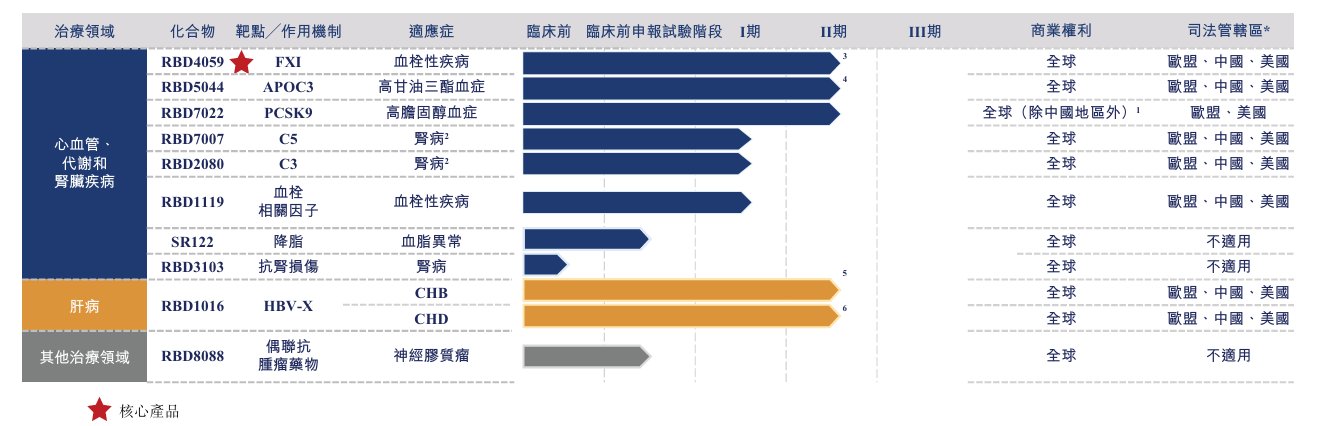
Core Insights - Alnylam's growth path is mirrored by China's small nucleic acid drug pioneer, Rebio Biotech, which recently went public in Hong Kong, raising over HKD 1.8 billion with a strong demand from investors [1] - The global small nucleic acid drug market is projected to grow from USD 2.7 billion in 2019 to USD 5.7 billion by 2024, with a compound annual growth rate (CAGR) of 16.2% [2] - Rebio Biotech has established a robust technology platform, particularly in delivery systems, which is crucial for the efficacy and safety of siRNA therapies [3][4] Company Overview - Rebio Biotech is recognized as a leader in China's small nucleic acid field, often referred to as the "Chinese version of Alnylam," due to its comprehensive technology platform and rapid pipeline development [1] - The company has developed a proprietary GalNAc delivery technology that enhances the therapeutic efficacy of siRNA drugs, addressing a significant challenge in the industry [3] - Rebio's RiboGalSTAR platform is the first and only RNAi technology platform developed in China that has been licensed to a global multinational company [3] Research and Development - The company has invested significantly in R&D, with expenditures of CNY 315 million, CNY 280 million, and CNY 135 million planned for 2023, 2024, and the first half of 2025, respectively, totaling CNY 730 million over two and a half years [4] - Rebio Biotech's R&D efforts have led to a comprehensive technology platform that covers the entire drug development cycle, from design to production [4] Product Pipeline - Rebio Biotech has created one of the largest siRNA drug pipelines globally, with seven self-developed drug assets currently in clinical trials targeting various diseases, including cardiovascular and metabolic disorders [5] - The core product, RBD4059, is the world's first siRNA drug for treating thrombotic diseases and is progressing rapidly through clinical development [7] - The company also has two additional drugs targeting hypertriglyceridemia and hypercholesterolemia, which could provide synergistic effects in managing lipid disorders [8] Market Potential - The company anticipates significant revenue growth, projecting revenues of CNY 143 million in 2024 and CNY 103 million in the first half of 2025, representing a year-on-year increase of 56.57% [9] - As Rebio's main product pipelines approach commercialization, the company's growth potential is expected to be realized, leading to a quicker path to profitability [9] Conclusion - Rebio Biotech's journey reflects the potential of small nucleic acid drugs, with a strong foundation in technology and a diverse pipeline [10] - The recent IPO marks a critical step for Rebio Biotech in becoming a leading player in the global small nucleic acid drug market, with the backing of capital markets to accelerate its growth [10]
透视瑞博生物-B(06938)进阶之路:硬核技术壁垒 + 管线多元化,商业化前景可期
智通财经网· 2026-01-09 04:48
Core Insights - Alnylam's growth path is mirrored by China's small nucleic acid drug pioneer, Rebio Biotech, which recently went public on the Hong Kong Stock Exchange, raising over HKD 1.8 billion with a strong demand from investors [1][11] - The global small nucleic acid drug market is projected to grow from USD 2.7 billion in 2019 to USD 5.7 billion by 2024, with a compound annual growth rate (CAGR) of 16.2%, and expected to reach USD 20.6 billion and USD 54.9 billion by 2029 and 2034, respectively [2] - Rebio Biotech has established a robust technical platform and delivery system, addressing key challenges in the industry and creating a strong competitive moat [3][4] Company Overview - Rebio Biotech is recognized as a leader in China's small nucleic acid field, with a comprehensive technology platform and a rapidly advancing pipeline [1][11] - The company has developed the RiboGalSTAR™ delivery technology, which enhances the efficacy and safety of siRNA drugs, addressing a critical challenge in the industry [3][4] - The company has invested significantly in R&D, with expenditures of CNY 315 million, CNY 280 million, and CNY 135 million projected for 2023, 2024, and the first half of 2025, respectively [4] Pipeline and Product Development - Rebio Biotech has created one of the largest siRNA drug pipelines globally, with seven self-developed drug assets in clinical trials targeting various diseases [5][7] - The core product, RBD4059, is the world's first siRNA drug for treating thrombotic diseases, currently advancing rapidly through clinical development [7][8] - The company also has two additional drugs targeting hypertriglyceridemia and hypercholesterolemia, which could provide synergistic effects in lipid management [8] Market Potential and Financial Outlook - The company is expected to achieve revenue of CNY 143 million in 2024, with a projected growth to CNY 103 million in the first half of 2025, reflecting a year-on-year increase of 56.57% [9] - As the core pipeline progresses towards commercialization, Rebio Biotech's growth potential is anticipated to be realized, leading to a path towards profitability [10][11]
小核酸-大时代-靶向治疗新纪元
2026-01-08 16:02
Summary of Key Points from the Conference Call Industry Overview - The conference call discusses the advancements in the small nucleic acid drug sector, particularly focusing on companies like Wave Life Sciences and Arrowhead Pharmaceuticals, which have shown promising data in weight loss and fat reduction therapies [1][4][5]. Core Insights and Arguments - **Advantages of Small Nucleic Acid Drugs**: These drugs demonstrate long-lasting effects, improved safety by reducing the dosage of GLP-1 drugs, and the ability to achieve high-quality weight loss by specifically targeting visceral fat while preserving lean body mass [1][5]. - **Clinical Developments**: Key catalysts for 2026 include advancements in major indications such as severe hypertriglyceridemia (SHTG), cardiovascular outcomes related to LPA, and IgA nephropathy. Arrowhead's OX7 data is expected to show significant clinical changes in humans [1][8]. - **Market Position of Chinese Companies**: Chinese firms are leveraging engineering advantages to enhance specificity and delivery efficiency, positioning themselves to develop best-in-class molecules, particularly in non-liver diseases [1][9]. - **Emerging Targets in Hyperlipidemia**: New targets like LP(a) are gaining attention, with major Chinese pharmaceutical companies like Hengrui and Shiyao licensing oral small molecule LP(a) inhibitors to multinational corporations for approximately $2 billion each [3][20]. Additional Important Content - **Recent Progress in Small Nucleic Acid Research**: Recent data from Wave Life Sciences and Arrowhead Pharmaceuticals confirm the efficacy of small nucleic acid drugs in weight loss and fat reduction, with significant results observed in clinical trials [4][24]. - **Commercialization and Development Trends**: The small nucleic acid drug sector has seen a resurgence since 2016, with successful commercialization efforts leading to substantial market valuations, such as Alnylam's peak market cap of $60 billion [17][18]. - **Challenges in Delivery Systems**: While advancements have been made in delivery systems, many remain in early stages, indicating a need for further innovation to enhance efficacy and safety in non-liver delivery systems [16][24]. - **Trends in MNC Transactions**: There is a notable trend of large pharmaceutical companies showing interest in early-stage small nucleic acid drugs, with significant transaction values even at the preclinical stage, indicating strong market confidence [19]. This summary encapsulates the critical developments and insights from the conference call, highlighting the potential and challenges within the small nucleic acid drug industry.
海外小核酸行业动态跟踪Alnylam:业绩增长势头强劲,研发管线布局丰富
Ping An Securities· 2025-12-11 06:28
Investment Rating - The industry investment rating is "Outperform" compared to the market, indicating an expected performance greater than the CSI 300 index by more than 5% over the next six months [49]. Core Insights - Alnylam has shown strong revenue growth, with total revenue reaching $1.249 billion in Q3 2025, a year-over-year increase of 149%. Net product revenue was $851 million, up 103%, and revenue from collaborations and royalties surged by 393% to $398 million [2][7]. - The TTR product line is experiencing rapid growth, with Q3 2025 revenue of $724 million, a 135% increase year-over-year. The company has raised its full-year revenue guidance for TTR products to between $2.475 billion and $2.525 billion [16][29]. - Alnylam's research pipeline is robust, with seven drugs in Phase 3 clinical trials, including Nucresiran, which is expected to offer a better dosing regimen. The company is also exploring siRNA therapies in chronic disease areas [38][40]. Summary by Sections 1. Q3 2025 Performance Overview - In Q3 2025, Alnylam's total revenue was $1.249 billion, reflecting a 149% increase from the previous year. The net product revenue was $851 million, up 103%, while collaboration and royalty revenues reached $398 million, a 393% increase [2][7]. 2. Rapid Growth of TTR Products - The TTR product revenue for Q3 2025 was $724 million, marking a 135% year-over-year increase. The company has adjusted its full-year revenue guidance for TTR products to $2.475 billion to $2.525 billion, up from the previous estimate of $2.175 billion to $2.275 billion [16][29]. 3. Rich R&D Pipeline - Alnylam has a diverse R&D pipeline with seven drugs in Phase 3 trials. Nucresiran, a new generation TTR product, is expected to provide a more effective dosing schedule. The company is also advancing siRNA therapies in chronic disease management [38][40].