Zoox

Search documents
【重磅深度】全球Robotaxi商业化拐点将现,看好国内L4公司出海再扬帆
东吴汽车黄细里团队· 2026-01-11 14:10
Core Viewpoint - The global shared mobility market is undergoing a critical transition from human-driven to automated services, exhibiting significant regional differentiation [4][9]. North America Market - The North American ride-hailing market is dominated by Uber and Lyft, creating a stable pricing power. In the Robotaxi sector, Waymo holds a monopoly while Tesla aggressively disrupts the market. Chinese Robotaxi companies face barriers due to a 2025 U.S. Department of Commerce ban on hardware and software, complicating their commercialization path [4][9][16]. European Market - The European regulatory environment is fragmented and stringent, with local automakers lagging in L4 algorithm development. This creates a unique "hybrid model" opportunity, where "U.S./local platforms + Chinese technology" could break through. Uber and Lyft's collaboration with Baidu Apollo indicates that de-branding technology output is a favorable solution for entering the European market [4][9][16]. Middle East Market - The Middle East presents a unique "three highs and one low" characteristic: high customer spending, high policy support, high infrastructure investment, and low energy costs. Gulf countries are eager to reduce oil dependency, viewing autonomous driving as a national strategy. Chinese companies like WeRide and Pony.ai benefit from dual advantages of road rights and licenses, making it an ideal training ground and commercialization area for overseas expansion [4][9][16]. Southeast Asia Market - The Southeast Asian ride-hailing market is large but has low customer spending. Low labor costs may lead to economic challenges for Robotaxi operations. In the short term, large-scale deployment of Robotaxis is not cost-effective, and two-wheeled vehicles remain mainstream. Singapore, with its high labor costs, may achieve Robotaxi commercialization [4][5][9]. Investment Focus - Focus on the L4 RoboX industry chain, prioritizing B-end software over C-end hardware. Recommended stocks include: - Hong Kong stocks: Xpeng Motors, Horizon Robotics, Pony.ai, WeRide, Cao Cao Mobility, and Black Sesame Technology - A-shares: Qianli Technology, Desay SV, and Jingwei Hirain - Downstream application-related stocks from the Robotaxi perspective include integrated models (Tesla, Xpeng Motors), technology providers with revenue-sharing models (Horizon, Baidu, Pony.ai, WeRide, Qianli Technology), and the transformation of ride-hailing/taxi services (Didi, Cao Cao Mobility, Ruqi Mobility, Dazhong Transportation, Jinjiang Online) [6][9]. Regulatory and Market Barriers - The regulatory landscape for Robotaxis abroad features a dual approach of support and regulation. Companies must assume clear accident liability and purchase sufficient liability insurance. Vehicles must have complete data recording capabilities and undergo third-party safety assessments. Operationally, there are restrictions on operational areas, fleet size, and speed [12][14]. Market Size and Growth - The North American shared mobility market is projected to grow significantly, with the total Gross Transaction Value (GTV) expected to reach billions by 2030. The European market also shows substantial potential, albeit with slower conversion rates. The Middle East is characterized by strong government support, while Southeast Asia presents a high-growth potential due to infrastructure gaps [21][22][27]. Pricing Dynamics - Pricing dynamics vary significantly across regions, influenced by local labor costs and regulatory environments. North America has high labor costs, allowing Robotaxis to survive without extreme price reductions. In contrast, Europe faces stringent labor protections that increase operational costs. The Middle East's pricing is shaped by government-led transportation strategies, while Southeast Asia's ultra-low fares are supported by low labor costs [33][34]. Profitability Disparities - Profitability varies significantly across countries, with developed regions showing higher absolute margins per Robotaxi. Revenue per vehicle in China, UAE, UK, and the US is estimated at approximately $40,000, $90,000, $250,000, and $250,000 respectively, with gross margins reflecting these disparities [34][35].




自动驾驶L4的冰与火:L2到L4是否成为可落地的工程现实......
自动驾驶之心· 2026-01-09 06:32
Core Viewpoint - The article discusses the advancements in autonomous driving technology, particularly the transition from Level 2 (L2) to Level 4 (L4), highlighting the significant investments and developments in the L4 sector within the industry [3]. Group 1: Industry Developments - By December 2025, the autonomous driving industry in China is expected to have raised over 30 billion in funding, with a focus on L4 technology [3]. - The article emphasizes that the technological pathways for L2 and L4 are converging, allowing for the reuse of the same model across both levels [3]. - A roundtable discussion on L4 autonomous driving will be held, featuring leading companies in the field to explore the balance between technological ideals and commercial realities [3]. Group 2: Key Speakers - He Bei, founder and chairman of Sinian Intelligent Driving, has a PhD from Tsinghua University and extensive experience in autonomous driving technology [4]. - Miao Qiankun, CTO of New Stone Age Autonomous Vehicles, has over 15 years of experience in R&D and has led the development of L4 urban logistics delivery vehicles, which have been deployed in over 300 cities and 10 countries, with a total of 15,000 vehicles delivered and over 60 million kilometers driven [5]. - Wang Ke, Vice President of AI R&D at Karl Power, previously led the perception tracking module at Zoox, a US autonomous driving unicorn [6]. Group 3: Event Details - The upcoming roundtable will delve into the evolution of L4 technology, market dynamics, and future development directions, promising a blend of depth and foresight [3]. - The event will feature a diverse range of perspectives from top companies in the L4 sector, indicating a significant interest in the current state and future of autonomous driving technology [3].
无人驾驶,人类售后
汽车商业评论· 2026-01-07 00:39
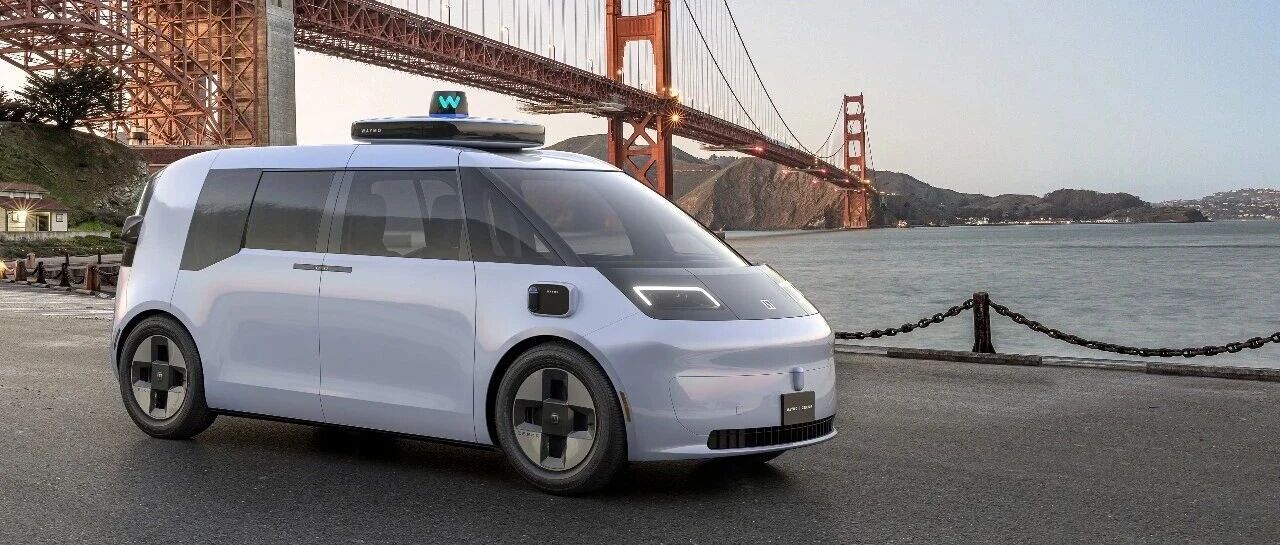
Core Insights - The Robotaxi industry is facing operational challenges that highlight the need for human intervention despite advancements in automation, as seen in recent incidents involving Waymo and Tesla [5][12][13] Group 1: Waymo's Operational Challenges - Waymo's vehicles require passengers to manually close doors; if a door is not fully closed, the vehicle cannot operate, leading to operational delays during incidents like power outages [8][9] - To address this, Waymo has started outsourcing the task of closing doors to gig workers, paying between $20 to $24 per task through a towing service app [8][9] - The company is also exploring vehicle designs with automatic closing doors to mitigate this issue in the future, although current models still lack this feature [9][10] Group 2: Tesla's Cleaning Fee Implementation - Tesla has introduced a cleaning fee structure for its Robotaxi service, charging $50 for minor cleaning and up to $150 for severe contamination, such as vomiting or smoking [12][13] - This fee structure contrasts with Tesla's previous claims of fully autonomous and self-cleaning vehicles, indicating a reliance on human labor for maintenance and cleaning [12][13] - The introduction of cleaning fees aims to cover operational costs and encourage responsible passenger behavior [12][13] Group 3: Expansion and Market Position - Waymo is expanding its Robotaxi services into over 20 new markets, including London and Tokyo, and currently operates a fleet of over 2,500 vehicles in various U.S. cities [15][16] - Tesla is also scaling its Robotaxi operations, with plans to double its fleet in Austin and expand to more cities, while navigating complex regulatory environments [15][16] - The competition is intensifying as traditional ride-hailing platforms and new entrants like Lucid and Zoox are entering the Robotaxi space, each with unique operational strategies [16][17] Group 4: Operational Efficiency and Future Outlook - The operational efficiency of Robotaxi services is heavily influenced by factors such as vehicle cleanliness, charging, and maintenance, which can affect vehicle availability [13][17] - The industry is still in its early expansion phase, with many operational challenges remaining that may not have straightforward technological solutions [17]

Uber Technologies (UBER) Partners With Lyft and Baidu to Launch Driverless Taxi Trials in UK
Yahoo Finance· 2025-12-28 15:59
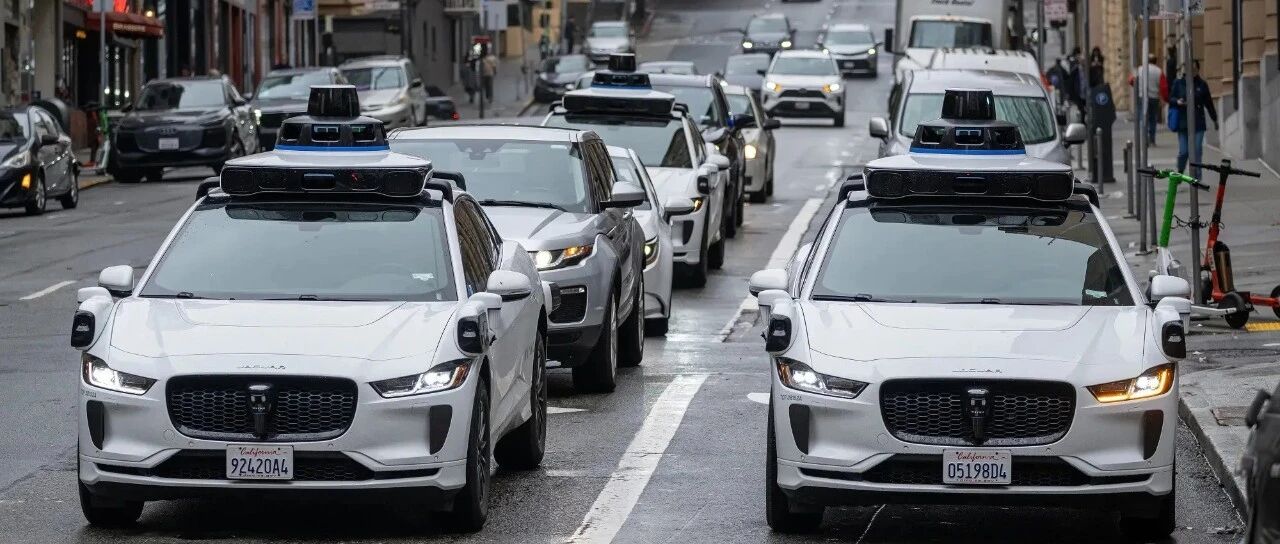
Group 1 - Uber Technologies, Inc. is recognized as one of the best affordable stocks to buy according to analysts, with a focus on its partnerships for driverless taxi trials in the UK set to launch next year [1] - The partnership includes Baidu's Apollo Go RT6 and Wayve, with Uber investing approximately $1 billion alongside SoftBank to support the launch of mapless, AI-driven technology trials in London by 2026 [2] - Analyst Nikhil Devnani from Bernstein has reiterated a Buy rating on Uber's stock, raising the price target from $110 to $115, while expressing optimism despite competitive pressures from the autonomous vehicle (AV) industry [3] Group 2 - Uber operates as a global technology platform connecting consumers with transportation, delivery, and logistics services through its Mobility, Delivery, and Freight segments [4]
展望2026:AI从狂热走向现实的N个关键预判
Jin Shi Shu Ju· 2025-12-25 06:52
Core Insights - The article discusses the evolving landscape of AI technology and its implications for various sectors, predicting significant changes by 2026 [2] Group 1: AI and Robotics - Major tech conferences are expected to showcase AI-driven robots capable of performing household tasks with improved accuracy and less training [3] - Google has demonstrated robots that can classify waste based on voice commands, indicating advancements in AI integration into robotics [3] - The next frontier for large language models is expected to be the physical world, enhancing robots' capabilities [3] Group 2: Market Adjustments - After a period of rapid growth, leading AI companies may need to recalibrate their strategies, potentially leading to layoffs and restructuring [4] - OpenAI's workforce has grown fivefold to approximately 4,500 employees, but there are concerns about whether the right people are in the right positions [4] - The IPO landscape for 2026 is anticipated to be robust, with companies like Discord and Stripe expected to go public [5] Group 3: Employee Monitoring and AI - Companies are increasingly using monitoring software to train AI agents for automating tasks, raising concerns about employee privacy and job security [6] - The emergence of AI tools that can automate complex tasks may lead to heightened fears of job loss among employees [6] Group 4: Privacy and Legal Concerns - AI software that records meetings without participants' knowledge is gaining traction, raising ethical and legal questions about privacy [7] - The potential for significant data breaches or privacy lawsuits related to AI usage is expected to increase by 2026 [7] Group 5: Autonomous Vehicles - The expansion of autonomous taxi services is projected for 2026, with Waymo planning to increase its weekly rides to over 1 million [9] - Despite concerns about accidents, data suggests that autonomous taxis are rarely the direct cause of incidents, indicating a safer operational environment compared to human drivers [9]

亚马逊旗下自动驾驶公司Zoox因行驶问题召回软件
Zheng Quan Shi Bao Wang· 2025-12-24 00:41
Core Viewpoint - Zoox, an autonomous driving company owned by Amazon, announced a voluntary recall of its autonomous driving system due to potential risks of vehicles crossing center lines or obstructing crosswalks at intersections [1] Group 1: Recall Details - The recall involves software affecting 332 vehicles [1] - No collision incidents related to this issue have been reported so far [1] - The recall was submitted to the National Highway Traffic Safety Administration (NHTSA) [1] Group 2: Service Areas - Zoox provides free ride services with its autonomous vehicles in certain areas of San Francisco and Las Vegas [1]
医药巨头,突然暴涨
Zhong Guo Ji Jin Bao· 2025-12-24 00:16
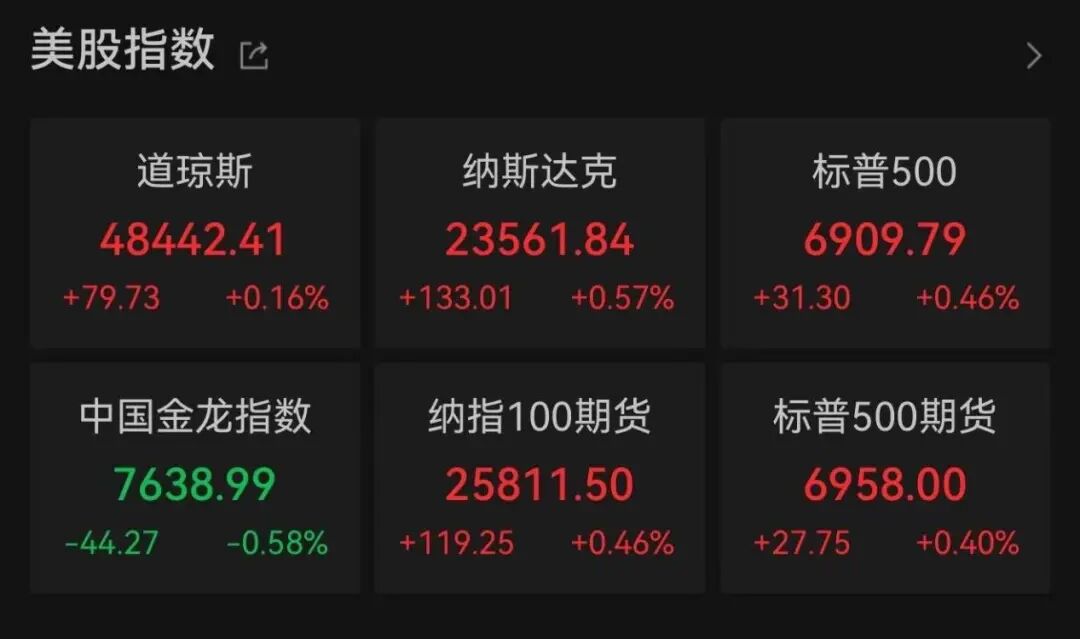
Group 1: Market Performance - The S&P 500 index reached a new high, closing at 6909.79 points, up 0.46% [2] - Nvidia's stock rose over 3%, pushing its market capitalization back above $4.6 trillion [5] - Major tech stocks, including Amazon, Google, and Facebook, also saw gains [5] Group 2: Economic Indicators - The U.S. GDP grew at an annualized rate of 4.3% in Q3, surpassing Q2's 3.8% and market expectations of 3.2% [4] - Consumer confidence reports indicate a potential disparity between economic growth and consumer sentiment [4] Group 3: Company News - Novo Nordisk's stock surged over 7% after the FDA approved its first oral GLP-1 weight loss drug, Wegovy [8] - Amazon's autonomous driving company, Zoox, is recalling 332 vehicles due to a software error in its autonomous driving system [7] Group 4: Commodity Prices - Copper prices reached a new high, surpassing $12,000 per ounce, supported by tight supply and growing demand expectations [9]
X @TechCrunch
TechCrunch· 2025-12-23 19:54
Recall Information - Zoox issues a software recall [1] - The recall is related to lane crossing issues [1]
Zoox issues software recall over lane crossings
TechCrunch· 2025-12-23 19:50
Core Viewpoint - Zoox, an Amazon-owned company, has issued a voluntary recall of its autonomous driving software affecting 332 vehicles due to concerns that the system may cause vehicles to cross over lane lines or block crosswalks, potentially increasing the risk of crashes [1][2]. Group 1: Recall Details - The recall was prompted by incidents where Zoox vehicles made maneuvers that, while typical for human drivers, did not meet the company's safety standards, such as stopping in crosswalks to avoid blocking intersections [3]. - The issue was first identified on August 26 when a Zoox robotaxi made a wide right turn and partially crossed into the opposing lane, stopping in front of oncoming traffic [4]. - Between August 26 and December 5, Zoox identified 62 instances of lane crossings near intersections and has been in discussions with the National Highway Traffic Safety Administration (NHTSA) regarding these occurrences [5]. Group 2: Software Improvements - Zoox has implemented targeted software improvements to address the root causes of the identified incidents and has submitted a voluntary software recall to maintain transparency and safety [6]. - The software recall affects Zoox vehicles operating on public roads between March 13 and December 18 [6]. Group 3: Previous Recalls - This is not the first recall for Zoox in 2023; the company previously issued a recall in March to address unexpected hard braking following reports of collisions involving motorcyclists [7]. - In May, Zoox filed two additional software recalls to improve the system's ability to predict the movements of other road users [7].

Amazon's Zoox to recall 332 US vehicles over software error, NHTSA says
Reuters· 2025-12-23 08:19
Core Viewpoint - Amazon's self-driving unit Zoox is recalling 332 vehicles in the U.S. due to a software error in its Automated Driving Systems, which may lead to dangerous situations such as crossing or stopping in front of oncoming traffic [1] Group 1: Recall Details - The recall involves a total of 332 vehicles [1] - The issue is related to the Automated Driving Systems software, which poses a risk of the vehicles behaving unpredictably in traffic [1] Group 2: Safety Implications - The software error could potentially cause vehicles to cross into oncoming traffic or stop unexpectedly, increasing the risk of accidents [1]