罗氏

Search documents
诺和诺德口服减重药美国上市,每月治疗费用大降
第一财经· 2026-01-06 02:26
Core Viewpoint - Novo Nordisk's oral GLP-1 weight loss drug, semaglutide, was officially launched in the U.S. on January 5, 2026, just two weeks after FDA approval, marking a significant milestone in the weight loss medication market [3][4]. Group 1: Novo Nordisk's Product Launch - The stock price of Novo Nordisk surged over 5% following the launch, while competitor Eli Lilly's stock fell by 3.6% [4]. - The monthly treatment cost for self-paying patients ranges from $149 to $299, significantly lower than the initial $1,000 monthly cost for the injectable version [4]. - The starting dose of oral semaglutide is 1.5 mg, priced at $149 per month, with a planned price increase for higher doses after April 15 [4]. - In a clinical trial involving over 300 obese but non-diabetic adults, patients on the highest dose of oral semaglutide lost an average of 16.6% of their body weight over 64 weeks [4]. Group 2: Competitive Landscape - Eli Lilly's oral GLP-1 weight loss drug, orforglipron, is expected to receive approval in the first quarter of 2026, with clinical data showing an average weight loss of 10.5% at the highest dose [5]. - The oral weight loss medication market is projected to capture 24% of the global weight loss therapy market by 2030, estimated at $950 billion, translating to a market size of approximately $22 billion for oral medications [5]. - Eli Lilly's orforglipron is anticipated to hold about 60% of the oral weight loss drug market, valued at approximately $13.6 billion, while Novo Nordisk's oral semaglutide is expected to capture around 21% of the market, worth about $4 billion [5].


诺和诺德口服减重药美国上市,每月治疗费用大降,最低149美元
Di Yi Cai Jing· 2026-01-06 02:19
Core Insights - Oral weight loss medications are projected to capture 24% of the global weight loss therapy market by 2030, translating to a market size of approximately $22 billion based on an overall weight loss drug market of about $95 billion [1][2] Group 1: Novo Nordisk's Oral Semaglutide - Novo Nordisk's oral version of GLP-1 weight loss drug, semaglutide, was officially launched in the U.S. on January 5, just two weeks after FDA approval [1] - The stock price of Novo Nordisk surged over 5% following the launch, while competitor Eli Lilly's stock fell by 3.6% [1] - The monthly treatment cost for self-paying patients ranges from $149 to $299, significantly reduced from the initial $1,000 monthly cost of the injectable version [1] - The starting dose of oral semaglutide is 1.5 mg, priced at $149 per month, with a planned price increase for higher doses after April 15 [1] Group 2: Clinical Trial Results - In a Phase III clinical trial involving over 300 obese but non-diabetic adults, patients on the highest dose of oral semaglutide lost an average of 16.6% of their body weight after 64 weeks, with an average weight loss of 13.6% overall [2] Group 3: Competitive Landscape - Eli Lilly's oral GLP-1 weight loss drug, orforglipron, is expected to receive approval in the first quarter of this year, with clinical data showing an average weight loss of 10.5% at the highest dose [2] - The oral weight loss therapy market is becoming a competitive battleground among major pharmaceutical companies [2] - Goldman Sachs estimates that Eli Lilly's oral drug could capture about 60% of the oral weight loss drug market, valued at approximately $13.6 billion, while Novo Nordisk's oral semaglutide is expected to hold around 21% of the market, worth about $4 billion [2]
中国创新药大爆发,一年出海狂揽9400亿,超越美国
2 1 Shi Ji Jing Ji Bao Dao· 2026-01-04 12:52
Core Insights - China's innovative drug transaction value has surpassed that of the United States, indicating growing global recognition of domestic innovations [1][4] - The total transaction amount for outbound licensing of innovative drugs from China is projected to reach $135.655 billion by December 31, 2025, with a significant increase in both upfront payments and transaction numbers compared to 2024 [1][4] - The surge in outbound licensing reflects the international community's acknowledgment of the value of Chinese innovative drugs, driven by reforms in drug approval processes and supportive policies [1][4] Transaction Overview - In 2025, the total amount of outbound licensing transactions for innovative drugs from China exceeded $1,300 billion, with over 150 transactions, significantly surpassing the 2024 figures of $519 billion and 94 transactions [4][5] - The first transaction of 2025 involved Innovent Biologics partnering with Roche, receiving an upfront payment of $80 million and potential milestone payments of up to $1 billion [4] - Notable transactions include a record upfront payment of $1.25 billion from 3SBio to Pfizer for a global licensing agreement, and a total transaction amount exceeding $12 billion with GSK [5] Market Dynamics - The demand for Chinese innovative assets is expected to persist as multinational corporations (MNCs) face patent cliffs and cost-cutting pressures [8][9] - The global pharmaceutical supply chain is undergoing significant adjustments, with MNCs increasingly looking to China for early-stage innovative pipelines due to cost-effectiveness and potential superior outcomes [9][10] - The shift in business development (BD) models is evident, with a move towards co-development and co-commercialization agreements, allowing Chinese companies to play a more active role in global markets [10][11] Industry Trends - China's innovative drug pipeline accounts for approximately 30% of the global total, with significant achievements in key therapeutic areas such as PD-1/VEGF bispecific antibodies [8] - The industry is transitioning from a "fast-follower" to a "first-in-class" model, emphasizing the importance of clinical value and unmet medical needs [6][15] - The approval of 76 innovative drugs in 2025, with a high percentage being domestically developed, highlights the growing capabilities of Chinese pharmaceutical companies [5][6] Future Outlook - The innovative drug sector in China is expected to face challenges in maintaining the momentum of BD transactions, with concerns about sustainability and the potential for a slowdown in transaction values [14][15] - The focus for 2026 will likely shift towards solidifying clinical value and addressing unmet needs, particularly in oncology and autoimmune diseases [15][16] - The Chinese regulatory body plans to implement more measures to support the rapid development of innovative drugs, indicating a commitment to fostering industry growth [15][16]
超越美国!中国创新药出海爆单,2025年交易超1300亿美元
2 1 Shi Ji Jing Ji Bao Dao· 2026-01-04 10:21
Core Insights - China's innovative drug transaction value has surpassed that of the United States, indicating a growing global recognition of domestic innovations [1][3] - The total transaction amount for outbound licensing of innovative drugs from China is projected to reach $135.655 billion by December 31, 2025, with a significant increase in both upfront payments and transaction numbers compared to 2024 [1][3] - The surge in outbound licensing reflects the international community's acknowledgment of the value of Chinese innovative drugs, driven by a series of reforms and policies encouraging innovation [1][4] Transaction Overview - In 2025, the total amount of outbound licensing transactions for Chinese innovative drugs exceeded $1,300 billion, accounting for 49% of the global total, significantly surpassing the $519 billion recorded in 2024 [3][4] - The first transaction of 2025 involved Innovent Biologics partnering with Roche, which included an upfront payment of $80 million and potential milestone payments of up to $1 billion [3] - Notable transactions include a record upfront payment of $1.25 billion from 3SBio to Pfizer for a global licensing agreement, highlighting the increasing scale of these deals [3][4] Market Dynamics - The demand for Chinese innovative assets is expected to persist as multinational corporations (MNCs) face patent cliffs and cost-cutting pressures [7][8] - The global pharmaceutical supply chain is undergoing significant adjustments, with a shift in focus towards collaborative development and commercialization models, such as the Co-Co model [9][10] - Chinese companies are increasingly recognized for their capabilities in developing innovative therapies, moving from being fast followers to first-in-class innovators [6][7] Future Outlook - The Chinese innovative drug sector is anticipated to experience a critical sales growth phase starting in 2026, transitioning from a focus on research and development to performance realization [5][6] - The industry is expected to face challenges in maintaining the momentum of high-value transactions, with a potential shift in focus towards clinical value and unmet medical needs [12][14] - Regulatory support from the National Medical Products Administration (NMPA) is expected to enhance the development of innovative drugs, particularly those with new mechanisms and targets [14]

REGN Soars 41% in Six Months: Is There More Upside Potential in 2026?
ZACKS· 2026-01-02 14:40
Core Insights - Regeneron Pharmaceuticals (REGN) has experienced a strong performance over the past six months, with shares rising 41%, significantly outperforming the industry growth of 22.4% [1][9] - The stock reached a 52-week high of $792.77 on December 24, 2025, indicating robust investor sentiment [1][9] Pipeline and Regulatory Developments - Positive developments in Regeneron's pipeline, particularly the FDA approval of Eylea HD for treating macular edema following retinal vein occlusion (RVO), have bolstered investor confidence [5][9] - Eylea HD sales in the U.S. increased by 10% in Q3 2025, driven by higher volumes and demand, which is crucial as Eylea faces competition from Roche's Vabysmo [10][11] Oncology Portfolio Growth - Regeneron's oncology franchise, led by the PD-1 inhibitor Libtayo, generated $1.03 billion in sales during the first nine months of 2025, reflecting a 21% year-over-year increase [13] - Recent label expansions for Libtayo in Europe and the U.S. enhance its market position and support long-term growth in oncology [14][15] - The FDA's accelerated approval of linvoseltamab-gcpt for multiple myeloma and Ordspono for lymphoma further strengthens Regeneron's oncology portfolio [16][17] Dupixent Sales and Market Expansion - Dupixent continues to be a significant revenue driver for Regeneron, with ongoing label expansions contributing to strong sales growth [18][23] - The recent approval for Dupixent to treat chronic spontaneous urticaria in patients aged 12 and above highlights its expanding market potential [19] Financial Performance and Valuation - Regeneron's shares currently trade at a price/earnings ratio of 22.21X forward earnings, higher than its historical mean of 19X and the large-cap pharma industry's average of 19.26X [20] - The bottom-line estimate for 2025 has decreased, while the estimate for 2026 has increased by $1.97, indicating mixed expectations for future performance [21] Strategic Outlook - Regeneron is diversifying its revenue streams through its oncology portfolio and ongoing label expansions for Dupixent, which reduces reliance on any single product [23] - The company is also exploring opportunities in the obesity market, having entered into an in-licensing agreement to expand its pipeline [24] - Recent positive momentum in the pipeline and regulatory developments has improved the overall outlook for Regeneron, making it an attractive investment opportunity [25]


“流感神药”说明书为啥这么长长长长长长
经济观察报· 2026-01-02 06:09
Core Viewpoint - The article discusses the extensive length and complexity of drug instruction leaflets, highlighting the challenges faced by patients in understanding them and the implications for pharmaceutical companies and healthcare professionals [2][5][12]. Group 1: Length and Complexity of Instruction Leaflets - Roche's Marbofloxacin has an instruction leaflet that is 60 centimeters long, with the longest in China reaching 1 meter [2][12]. - The instruction leaflets for some drugs, like Merck's Pembrolizumab, can cover an area of approximately 2 square meters, containing extensive information due to multiple indications and clinical trial data [6][12]. - The complexity of these leaflets often leads to confusion among patients, with some expressing that the adverse effects listed seem more daunting than the illness itself [5][16]. Group 2: Regulatory and Legal Framework - The content and format of drug instruction leaflets are governed by the 2006 National Drug Instruction and Label Management Regulations, which require comprehensive safety and efficacy data [8][12]. - The National Medical Products Administration (NMPA) has established guidelines that dictate the inclusion of 26 essential items in drug leaflets, such as indications, dosage, adverse reactions, and contraindications [8][12]. Group 3: Professional Perspective - Healthcare professionals emphasize that detailed instruction leaflets are beneficial for ensuring patient safety and informed prescribing practices [11][12]. - The length of a leaflet often correlates with the thoroughness of the drug's research, which can help healthcare providers make informed decisions [11][12]. Group 4: Patient Accessibility and Adaptation - There is a growing concern regarding the readability of instruction leaflets, particularly for elderly patients, prompting initiatives for larger print and simplified versions [17][18]. - Some pharmaceutical companies are exploring the use of QR codes to provide electronic versions of leaflets that can be easily accessed and read [18][19].

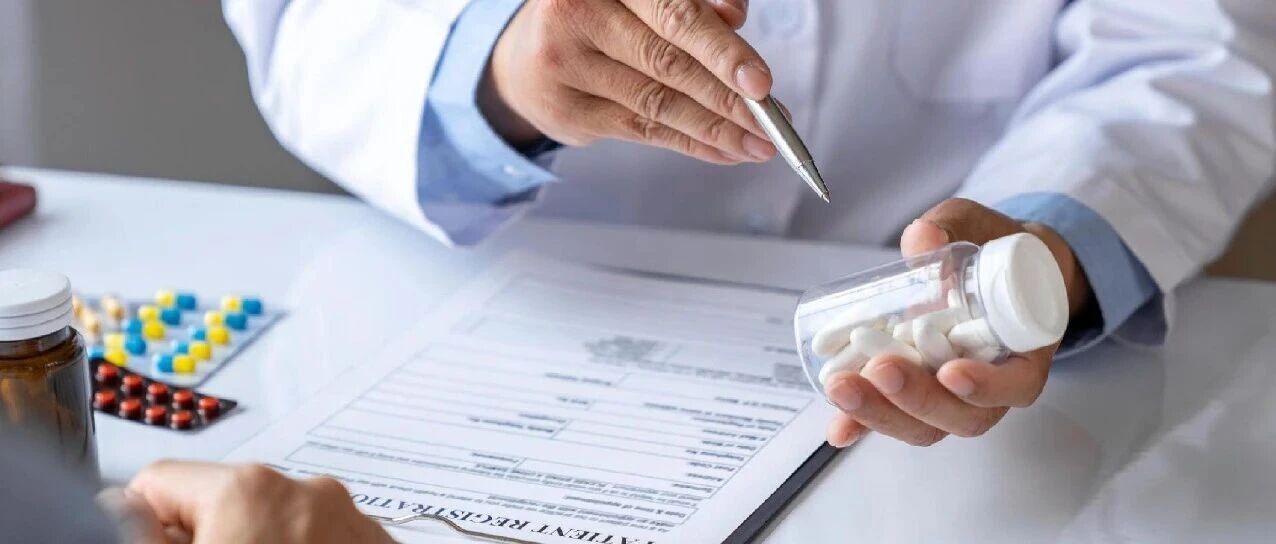
“流感神药”说明书为啥这么长长长长长长
Jing Ji Guan Cha Wang· 2026-01-02 05:41
Core Viewpoint - The article discusses the issue of excessively long medication instruction leaflets, highlighting the confusion and frustration experienced by patients due to the complexity and size of these documents [2][5]. Group 1: Medication Instruction Leaflets - The instruction leaflet for Roche's Marbofloxacin is noted to be 60 centimeters long, with the longest instruction leaflet for any Roche drug in China reaching 1 meter [2]. - A patient expressed that the instruction leaflets are often overwhelming, with one stating that the information on adverse reactions is more daunting than the illness itself [5]. - The instruction leaflets are primarily designed for healthcare professionals, and a higher volume of information typically indicates more thorough scientific research behind the medication [5]. Group 2: Specific Examples of Instruction Leaflets - The longest instruction leaflet encountered by a pharmacy professional is for Merck's Pembrolizumab (commonly known as "K drug"), which totals approximately 2 square meters when unfolded [5][6]. - The instruction leaflet for "K drug" includes 12 cancer types and 19 indications, necessitating the presentation of over 70 charts due to the complexity of treatment protocols and patient-specific factors [6].
Up 91% in the Past Year, Is This Biotech Stock Red Hot or a Red Flag?
Yahoo Finance· 2025-12-31 16:20
Company Overview - Puma Biotechnology (PBYI) is valued at $303 million and focuses on cancer treatment, with its only marketed product being Nerlynx (neratinib), approved for early-stage HER2-positive breast cancer in the U.S. and the European Union [1][2] Product Development - Additional studies on Nerlynx are ongoing, targeting various breast cancer patient populations and other cancer types, while Puma has sub-licenses to commercialize Nerlynx in international markets [2] Stock Performance - PBYI stock has surged 91% over the past year, driven by technical momentum and speculative trading spikes, despite having weak fundamentals and stagnant revenue [6] Technical Indicators - The stock has received a "Buy" signal from Trend Seeker, and since this signal on December 9, the stock has gained 8.24% [3] Analyst Sentiment - Analyst sentiment is mixed, with most ratings being "Hold" or "Sell," indicating a lack of compelling long-term investment appeal due to declining earnings and reliance on a single product [6]
募资23亿,礼来、淡马锡护航这家AI公司上市
3 6 Ke· 2025-12-31 00:03
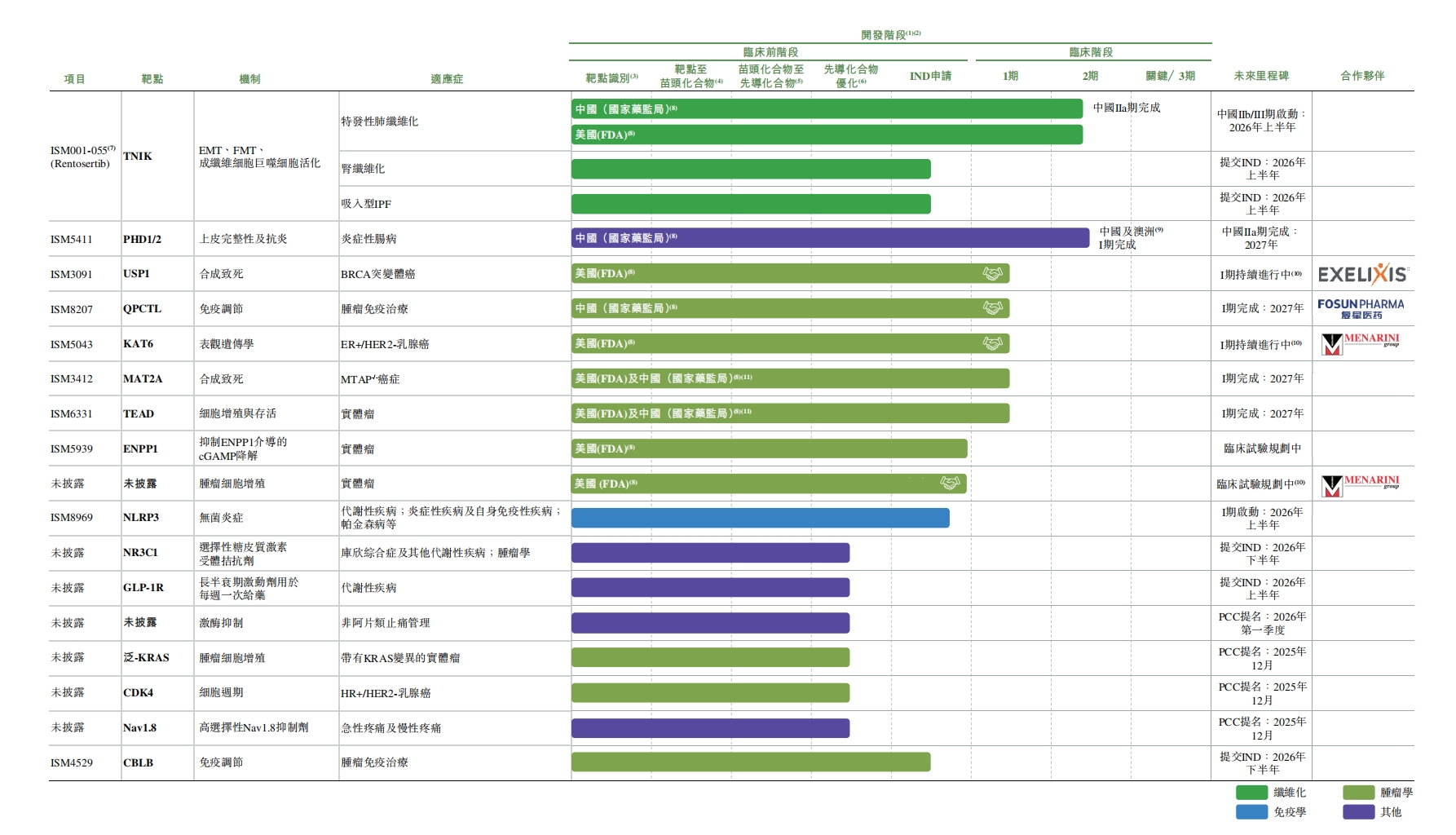
12月30日,英矽智能在港交所挂牌上市,收盘涨幅约为25%。上市前一日,暗盘一度上涨200%,收涨50%,公开发售获超1400倍认购。 英矽智能在本次IPO中的募资金额接近23亿港元,是2025年港股未盈利生物科技企业IPO中募资金额最高的。其中,礼来、淡马锡、施罗德等15家基石投资 者的认购比例约为39%,基石投资人覆盖了全球制药巨头、国际主权基金、大型资管公司、龙头公募、险资等多种类型。其中,礼来总部今年首次出现在港 股上市创新药企的基石投资人名单中。 能吸引诸多投资机构在自己的生态圈中占位,与英矽智能本身的AI制药属性高度相关。从礼来、罗氏等跨国药企加码,到英伟达近3年内跨界"狂投"近20家 AI医疗概念公司,在AlphaFold3等AGI技术进步的加持下,AI制药的临界点正在到来。 2023年开始在国内谋求上市至今,历经4次递表,英矽智能终于成功上市,这也是资本市场对AI制药从质疑到认可,最终锚定其为确定性赛道的缩影。 平台能力验证 全明星基石阵容、AI制药标的稀缺,都让英矽智能备受市场关注。而支撑其市值和股价表现的,还是其自身业务基本面。 英矽智能最核心的AI药物发现及开发平台Pharma.AI,具 ...
英伟达干翻苹果!登顶全球市值第一,AI 狂潮彻底改写科技格局?
Xin Lang Cai Jing· 2025-12-30 16:32
Group 1 - Apple has been surpassed by Nvidia as the highest market capitalization company globally, with Nvidia's market cap reaching $4.63 trillion compared to Apple's $4.04 trillion [1][3] - Alphabet, Google's parent company, has risen to third place with a market cap of $3.79 trillion, surpassing Microsoft [3] - The demand for artificial intelligence has significantly benefited chip manufacturers like Broadcom and TSMC, with TSMC being the only non-US company in the global top ten by market cap [3] Group 2 - European companies are lagging behind in market capitalization, with ASML being the highest at approximately $412 billion, ranking 24th globally [5] - Novo Nordisk has seen a significant drop in market position, falling from 24th to 68th due to the loss of competitive advantage of its weight-loss drug Wegovy [5] - In Germany, Siemens and Allianz remain in the top 100, while Deutsche Telekom has fallen out of the list, with T-Mobile ranking 73rd [5] Group 3 - In Switzerland, Roche remains the highest-ranked company with a market cap of $340 billion, while Novartis has improved its position to 46th with a market cap of $295 billion [6] - Siemens Energy has entered the list of companies with a market cap over $100 billion, with a significant stock price increase of over three times since spring [6] - The number of German companies in the global market cap rankings has increased from five to eight, although no German automotive manufacturers are currently listed [6]