
易方达基金

Search documents
资金流向逆转 新发ETF纷纷上市
Shang Hai Zheng Quan Bao· 2026-02-08 17:31
Group 1 - The reversal of significant net outflows from stock ETFs occurred, with a net inflow of 6.965 billion yuan on February 3, marking the first net inflow since January 14 [1] - From February 3 to 6, multiple broad-based ETFs saw substantial net inflows, including 2.549 billion yuan into the Huaxia Science and Technology Innovation 50 ETF and 1.763 billion yuan into the Huaxia CSI A500 ETF [1] - Conversely, resource-themed ETFs experienced notable outflows, with the Huaxia Nonferrous Metals ETF seeing a net outflow of 4.364 billion yuan [1] Group 2 - A total of 10 new ETFs were launched from February 2 to 6, with an additional 6 ETFs set to list between February 9 and 11, contributing to market liquidity [2] - Significant investments in newly launched ETFs were made by entities such as China Shipbuilding Group, which purchased 100 million yuan worth of shares in the Fortune CSI Selected Shipbuilding Industry ETF [2] - The ETF market is expected to continue expanding, with numerous new products being reported by fund companies, including the Hang Seng A-share Power Grid Equipment ETF [2]
广发、信澳、华夏等多家公司核心基金经理近期变动
Xin Lang Cai Jing· 2026-02-08 14:12
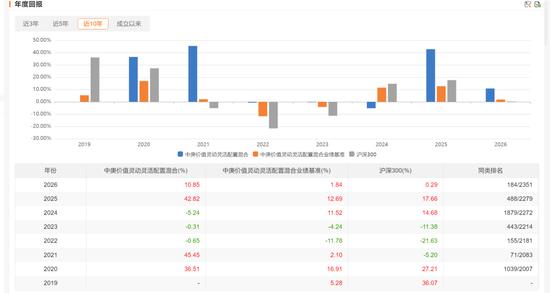
吴承根之前和丘栋荣一起合管过中庚价值灵动灵活配置。 来源:硬核姬老板 好久没盘基金经理动向了,最近有一些动态值得说一下。 一、中庚基金的吴承根也跳槽去广发了 前阵子有人在后台给我留言问我吴承根去哪了。 他不提醒我都不知道吴承根已经离职了,周末看见动向,原来他也跳槽去广发了…… 这只基金他们内部定位是非常清晰的,他们不做工具类产品,就是低估值价值策略下的低波动、具备资 产配置功能的产品。 后面丘离任后,吴承根开始独挑大梁,截至离职,中庚价值灵动灵活配置5年收益166%,同时回撤控制 的也不错。 也算是丘之后,中庚另外一个被认可的基金经理了。 其实丘那时候要走,他们所有基金经理全部出来路演了一下,当初我也在会议里面听了一下,说实话, 如果他们能前置这个事情就好了。 其他基金经理说的也非常好,大家都各有特点。 其中吴承根的特点是低估值的价值投资策略。 他是以绝对收益为导向,严格控制回撤,核心在于从中微观层面寻找低估值、高预期回报的结构性机 会,尤其关注供给侧有约束、需求有空间或平衡的行业。 并反对简单追逐高分红策略(主要是因为单因子策略风险较高,除非与其他因子比如说周期成长、资本 供给、创新等叠加以降低风险),整体 ...

“巨无霸”缩水!宽基ETF开年大赎回,什么信号?
券商中国· 2026-02-08 08:19
Core Viewpoint - The stock ETF market has experienced significant net outflows since the beginning of the year, with a total reduction of nearly 700 billion yuan, primarily driven by a decrease in shares rather than market declines [1][2][3] Group 1: ETF Market Overview - As of February 6, the total scale of stock ETFs is approximately 3.14 trillion yuan, down nearly 700 billion yuan since the start of the year [3][6] - The largest net outflows have been observed in the Huatai-PB CSI 300 ETF, which saw a net outflow of 1965.38 billion yuan, while the E Fund and Huaxia's CSI 300 ETFs also experienced outflows exceeding 1000 billion yuan [5][6] - Over 675 stock ETFs recorded net outflows, accounting for over 50% of the 1240 products tracked [5][6] Group 2: Share Reduction and Performance - The share reduction in major ETFs has been significant, with declines of 40% to over 60% in various products, including the Huatai-PB CSI 300 ETF, which saw a 46.57% drop in shares [2][6] - Despite the outflows, the average increase in stock ETFs is 3.59%, indicating that the outflows are not due to poor performance [8] - Specific ETFs like the Southern CSI 500 ETF and the Southern CSI 1000 ETF have shown positive performance despite significant net outflows [8] Group 3: Institutional Investor Sentiment - Institutional investors are currently exhibiting a cautious risk preference, leading to the observed outflows from broad-based ETFs [8][9] - Analysts suggest that the market is transitioning from liquidity-driven to earnings-driven dynamics, with a focus on profitability verification in 2026 [10][11] - The outlook for 2026 remains optimistic, with expectations for continued growth in emerging industries and a resilient A-share and Hong Kong market [10][11]

“千亿ETF”仅剩3只!股票型ETF开年“失血”超7000亿元
Mei Ri Jing Ji Xin Wen· 2026-02-08 03:30
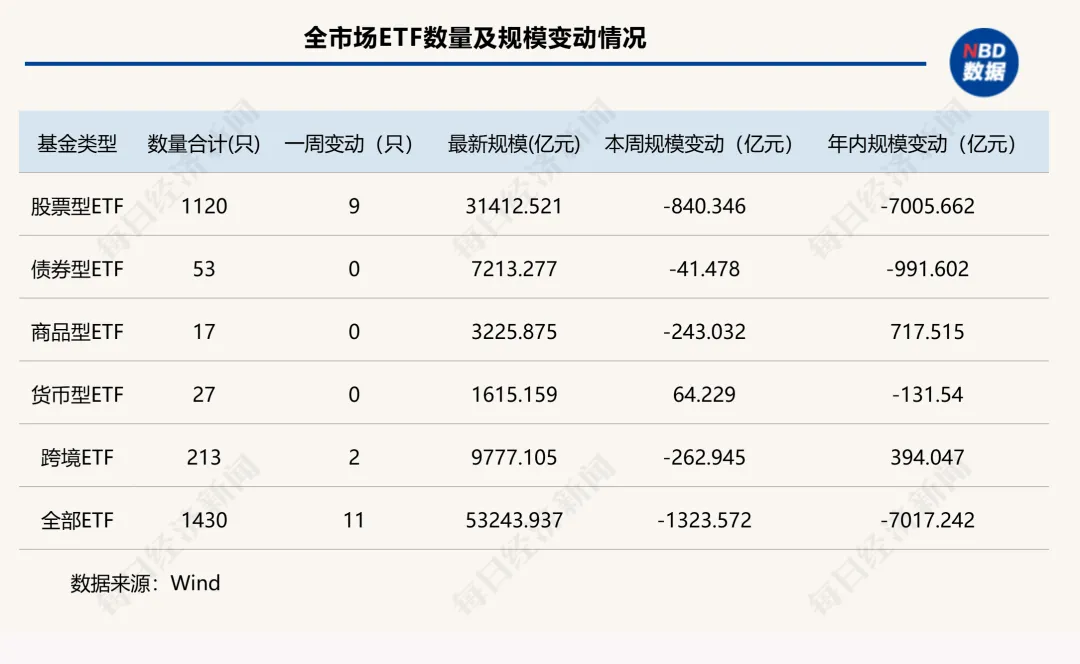
Market Overview - A-shares experienced fluctuations with major indices declining, including a 1.13% drop in the CSI 300 and a 3.28% drop in the ChiNext Index [1][16] - The ETF market is undergoing significant changes, with stock ETFs shrinking by over 700 billion yuan this year, reducing the number of "billion club" products to just three [1][16] ETF Market Dynamics - As of February 7, the total ETF market size decreased to 5.32 trillion yuan, with a weekly decline of 1,323 billion yuan [2][17] - Stock ETFs alone saw a reduction of 840.35 billion yuan, bringing their total size down to 31,412.52 billion yuan [3][18] - The number of ETFs listed reached 1,430, with 11 new ETFs introduced in the week, including 9 stock ETFs [2][17] Fund Management Changes - Fund size reshuffling is evident, with Guotai Fund maintaining its position in the top five, while Huabao Fund entered the top ten [1][22] - Major funds like Huaxia and E Fund have seen their ETF sizes shrink by over 100 billion yuan this year [1][22] Performance of Specific ETFs - The SGE Gold 9999 index saw a significant reduction of over 22 billion yuan, marking it as the largest decline among major indices [4][19] - The CSI 300 ETF managed by Huatai-PB has shrunk by over 2,000 billion yuan this year, now standing at 2,208.55 billion yuan [29][30] Institutional Fund Performance - Five institutions reported ETF size reductions exceeding 100 billion yuan, with Southern Fund experiencing the largest drop of 268.53 billion yuan [22][26] - Conversely, Huabao Fund and Hai Futong Fund both saw increases of over 30 billion yuan in their ETF sizes [23][26] Growth and Decline of ETFs - Only two products in the top 20 managed to achieve size growth, indicating a general trend of decline in the ETF market [26][27] - The "billion club" for ETFs has diminished, with only three members remaining due to widespread shrinkage [26][30]
“顶流”基金经理大起底
Zhong Guo Ji Jin Bao· 2026-02-08 03:13
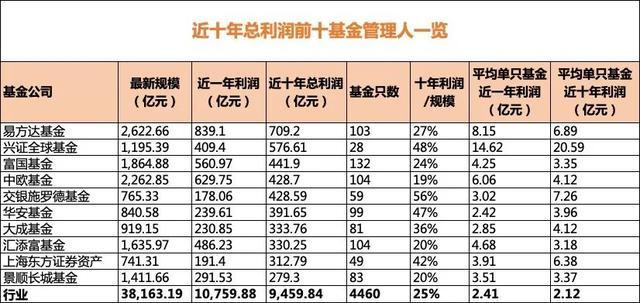
Core Insights - The active equity fund industry in China has generated nearly 1 trillion yuan in profits over the past decade, with significant contributions from leading fund companies [2][4] - Among 29 fund managers managing over 20 billion yuan, only 11 have consistently outperformed benchmarks over 1, 3, and 5 years, indicating a notable divergence in management capabilities [1][6] Industry Performance - The total profit generated by active equity funds in the last ten years reached 9,459.84 billion yuan, with an annual profit of 10,759.88 billion yuan in 2025 [2][4] - The top ten fund management companies contributed nearly 40% of the total profits, with E Fund, Xingzheng Global Fund, and Fortune Fund leading the profit rankings [3][4] Fund Manager Analysis - E Fund achieved the highest total profit of 709.20 billion yuan over ten years, while Xingzheng Global Fund demonstrated high profitability relative to its size, with a profit-to-scale ratio of 48% [4][6] - A select group of fund managers, including Yang Dong and Liu Jianwei, have shown exceptional performance, with some achieving over 100% excess returns over various time frames [7][8] Future Industry Trends - The industry is entering a new phase where the focus is shifting from mere scale growth to long-term value creation efficiency and the ability to manage large funds effectively [9] - Developing a robust investment research system that is resilient to market style changes and nurturing talent capable of managing large-scale funds will be crucial for high-quality development in the future [9]
“顶流”基金经理大起底!
Zhong Guo Ji Jin Bao· 2026-02-08 02:32
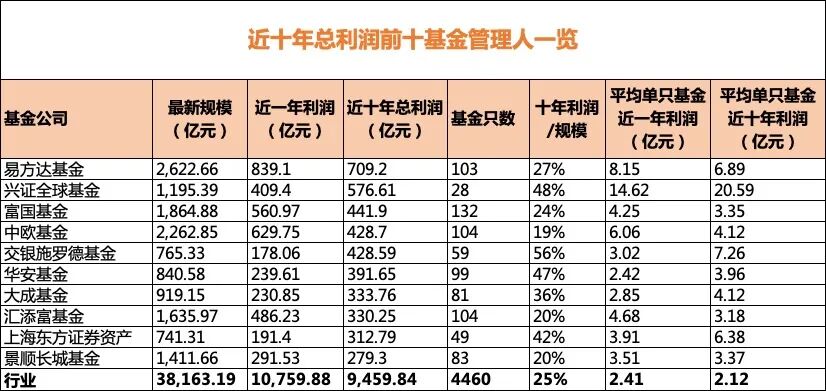
Core Insights - The active equity funds have generated nearly 1 trillion yuan in profits over the past decade, with significant contributions from leading companies [2][3][6] - The performance of top fund managers managing over 20 billion yuan has shown considerable differentiation, with only 11 out of 29 achieving sustained positive excess returns over various time frames [8][9] Industry Performance - As of the end of 2025, the total profit generated by active equity funds reached 9,459.84 billion yuan, with an annual profit of 10,759.88 billion yuan for the year 2025 [3][5] - The top ten fund companies contributed nearly 40% of the total profits, with E Fund, Xingzheng Global Fund, and Fortune Fund leading the profit rankings, each exceeding 40 billion yuan [5][6] Fund Manager Analysis - Among the 29 fund managers with assets under management exceeding 20 billion yuan, only 11 have consistently outperformed their benchmarks over the past year, three years, and five years [8][9] - Notable fund managers achieving high excess returns include Liu Jianwei from E Fund and Yang Dong from Guangfa Fund, with excess returns of 100.19%, 108.5%, and 114.9% over one, three, and five years respectively [10][12] Profitability Metrics - The "input-output ratio" indicates the efficiency of profit generation relative to fund size, with Jiao Yin Schroder Fund leading at 56%, significantly above the industry average of 25% [6][9] - The average profit per fund for Xingzheng Global Fund reached 20.59 billion yuan, nearly ten times the industry average of 2.12 billion yuan, showcasing strong research and investment capabilities [7][12] Future Industry Trends - The industry is entering a new development phase where the focus shifts from mere scale growth to long-term value creation efficiency and the ability to manage large-scale funds [12][13] - Building a research and investment system that is not reliant on market styles and can withstand market cycles will be crucial for high-quality development in the future [12]
《上交所ETF行业发展报告(2026)》:大力发展ETF市场,引导增量资金入市
Xin Lang Cai Jing· 2026-02-07 14:01
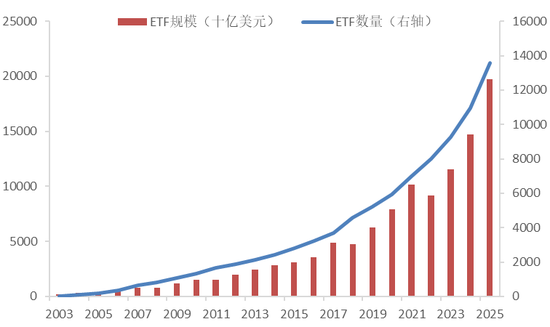
Core Insights - The report highlights the rapid growth and structural optimization of the ETF market in China, which has surpassed Japan to become the largest ETF market in Asia, with total assets exceeding 6 trillion yuan by the end of 2025 [1][12]. Global ETF Development Overview - By the end of 2025, the global ETF market reached a total asset size of over 19.7 trillion USD, marking a 31% increase from the previous year [3][42]. - The U.S. ETF market accounts for approximately 68% of the global total, with a market size of about 13.5 trillion USD [11][48]. - Stock ETFs dominate the asset categories, comprising about 78% of the total, while bond ETFs account for over 16% [8][42]. Domestic ETF Market Development - The domestic ETF market in China saw a significant increase, with the total scale reaching 6.02 trillion yuan, a 61.4% growth from 2024 [20][57]. - The number of listed ETFs in China rose to 1,381, reflecting a 35.7% increase year-on-year [20][57]. - In 2025, the net inflow of funds into domestic ETFs exceeded 1.16 trillion yuan, with bond ETFs attracting the highest net inflow of 552.7 billion yuan [20][57]. Shanghai Stock Exchange ETF Development - The Shanghai Stock Exchange's ETF market size grew from 2.72 trillion yuan to 4.22 trillion yuan, a 55% increase [24][61]. - The number of listed ETFs on the Shanghai Stock Exchange increased from 602 to 797, more than doubling the new listings compared to 2024 [61][62]. - Institutional investors held 65% of the ETF market by the end of 2025, indicating a shift towards more stable, long-term investment strategies [62][63]. Product Supply and Investor Demand - In 2025, 355 new ETF products were launched in the domestic market, with a total issuance scale of 273 billion yuan [21][58]. - The demand for ETFs from internet and banking channels is strong, with the scale of ETF-linked funds exceeding 900 billion yuan, growing over 40% from the previous year [59]. - The report emphasizes the importance of broadening the investor base and enhancing liquidity in the ETF market [62][63]. Future Outlook for the ETF Market - The report outlines plans for 2026 to further enrich the ETF product supply and optimize market mechanisms, aiming to enhance the role of ETFs in wealth management and long-term capital allocation [37][39]. - The focus will be on developing a multi-layered ETF market system that aligns with national strategies and promotes sustainable economic growth [37][39].
公募基金密集示警、限购,原油LOF高溢价“退烧”
Hua Xia Shi Bao· 2026-02-07 04:32
Core Viewpoint - International oil prices are experiencing fluctuations due to geopolitical factors and macroeconomic sentiment, leading to significant premium trading risks in domestic oil and gas funds, prompting warnings from major public fund institutions [2][4]. Group 1: Fund Company Announcements - Multiple fund companies, including Southern Fund, have issued risk warnings regarding their oil LOF products, highlighting that secondary market prices are significantly higher than net asset values, indicating a large premium [3][4]. - Southern Fund has issued multiple announcements regarding the premium risk of its Southern Oil Securities Investment Fund A class shares, noting a closing price of 1.397 yuan on February 2, 2026, compared to a net asset value of 1.2304 yuan on January 29, 2026 [3]. - Other fund companies, such as GF Fund and E Fund, have also issued similar warnings about their oil LOF products, indicating significant price deviations from net asset values [4]. Group 2: Premium Rate Trends - The premium rates of certain oil LOF funds have shown signs of cooling, with the Huaan S&P Global Oil Index Securities Investment Fund experiencing a drop in premium rates from over 40% to just 2.01% as of February 6 [5][6]. - The measures taken by public fund institutions to manage high premiums have begun to show initial effectiveness, as evidenced by the significant reduction in premium rates [5]. Group 3: Regulatory Measures - Starting from late January, several fund companies implemented a combination of "suspension" and "strict purchase limits" on their oil LOF products to manage the high premium situation [7][8]. - Specific measures included suspending trading for certain funds and drastically reducing purchase limits, with some funds lowering limits from 100 yuan to as low as 2 yuan [8]. Group 4: Market Outlook - Analysts predict that the oil market will continue to face a supply surplus in the medium to long term, despite potential short-term geopolitical disruptions [9]. - Supply from OPEC+ is expected to increase by 1.5 million barrels per day in 2026, while global demand is projected to rise by only 0.8 to 1 million barrels per day, indicating a continued oversupply situation [9].

次新基金上演“建仓加速度”
Zheng Quan Ri Bao· 2026-02-07 01:27
Group 1 - The core viewpoint of the articles highlights a significant trend in the fund market, where a large number of newly established funds are rapidly increasing their stock positions to seize market opportunities during the spring season [1][3] - As of February 6, 2023, out of 282 newly established funds, 81 have announced early closure of fundraising, indicating a shift in strategy to quickly deploy capital [1][3] - Active equity funds have shown notable net value fluctuations shortly after their establishment, with some funds achieving returns of 1.46% and 1.15% within a few weeks [1] Group 2 - Passive products, particularly ETFs, are also building positions rapidly, with some ETFs reaching stock asset ratios of 97.21% and 95.80% just before their listing [2] - The resurgence of "proportional allotment" in fund subscriptions reflects a strong demand for new funds, as seen with the Penghua Fund's rapid scale limit being reached [2][3] - Analysts suggest that the current favorable policies and abundant liquidity in the A-share market are encouraging quick positioning by fund managers, allowing them to capture low-risk opportunities [3] Group 3 - The phenomenon of early fundraising closures provides new funds with more market opportunities, allowing fund managers to quickly access capital and make timely investments [3] - The influx of incremental funds from both residents and institutions supports the issuance of new funds, enhancing the overall market liquidity [3] - Industry experts recommend that investors focus on the research capabilities of fund managers and product suitability rather than merely chasing fast-building and high-heat products [4]
消费起势 多只消费主题基金成立
Shang Hai Zheng Quan Bao· 2026-02-06 18:36
Group 1 - The consumer sector has recently rebounded after a prolonged period of stagnation, with multiple fund companies launching consumer-themed funds, indicating a potential shift in market sentiment [1][4] - Several new consumer-themed funds have been established, including the Guangfa Consumer Leading Stock Fund with a scale of 52.33 million and the Taixin Consumer Selected Mixed Fund with 10.08 million, both of which are initiated funds that can be quickly established [2] - As of February 5, 2023, consumer-themed ETFs have seen increased capital inflow, with the Huatai-PB Consumer ETF experiencing a net inflow of 1.936 billion, and both the Fuguo Consumer 50 ETF and the E Fund Hong Kong Stock Connect Consumer ETF exceeding 500 million in net inflows [3] Group 2 - The consumer sector's valuation and institutional holdings are at historical lows, presenting a favorable cost-performance ratio for investors, as noted by fund managers [4] - The allocation of public funds in the consumer sector has decreased, with the proportion of the consumer industry in active equity funds' A-share holdings dropping to 7%, reflecting a pessimistic outlook on consumption [4][5] - Future investment strategies in the consumer sector will focus on selective stock picking, emphasizing companies with solid business models and clear growth paths, rather than relying on single sectors for excess returns [6]