
华润啤酒

Search documents
聚力投资沃土 温馨春城取得新成效
Xin Lang Cai Jing· 2026-01-01 22:55
Core Viewpoint - Kunming is focusing on high-level investment attraction and creating a favorable business environment to drive economic growth during the 14th Five-Year Plan period, with significant increases in project signings and industrial investments [1][2][3]. Group 1: Investment and Project Growth - The number of newly signed projects in Kunming increased by 16.4% year-on-year in the first 11 months of 2025, with the number of projects over 100 million yuan ranking first in the province [1]. - The number of projects over 100 million yuan in Kunming increased from 211 in 2021 to 533 in 2024, with industrial project funding rising from 7.2% in 2021 to 58.5% in 2024 [1]. - The average annual growth rate of projects over 1 billion yuan from 2021 to 2024 was approximately 22.75%, with 56 additional projects in 2024 compared to 2021 [2]. Group 2: Industrial Structure and Investment Quality - The investment structure of primary, secondary, and tertiary industries shifted from 8.3:39.7:52 in 2021 to 5.2:59:35.8 in 2024, indicating a significant change in investment focus [3]. - Industrial investment accounted for 39.5% of total investment in 2024, doubling from 16.2% in 2020, with industrial investment reaching its highest level in 25 years at 26.3% [3]. - The contribution rate of Kunming's industrial output to the province reached 59.4%, an increase of nearly 50 percentage points since 2020 [3]. Group 3: Investment Attraction Mechanisms - Kunming's leadership has actively engaged in investment attraction, with city leaders conducting multiple trips to key regions and countries to promote investment opportunities [4]. - A cross-regional industrial cooperation mechanism was established to enhance collaboration and resource allocation among different districts, leading to the successful landing of several key projects [5]. - The city has implemented a series of policies to improve the quality and efficiency of investment attraction, including a comprehensive management system for the entire project lifecycle [5]. Group 4: Business Environment Improvement - Kunming has made significant strides in improving its business environment, achieving a transition from "good" to "excellent" in national evaluations [7]. - The city has introduced a "clear service" government initiative, ensuring that government services are responsive to business needs, with a high online service availability rate of 97.75% [8]. - The establishment of a "director's consultation" window allows direct engagement with business concerns, addressing 255 issues from 179 companies in 2024 [9]. Group 5: Community and Collaborative Efforts - Kunming has set up 69 business environment observation points and established a supervisory system to enhance community involvement in improving the business climate [10]. - The city has developed a collaborative model involving government, enterprises, and research institutions to optimize the business environment, ensuring that policies reach businesses effectively [10]. - The focus on attracting significant projects and optimizing the business environment aims to support high-quality development and regional economic integration [10].
“十四五”期间安徽怀远县域工业蝶变之路
Zhong Guo Jin Rong Xin Xi Wang· 2026-01-01 07:39
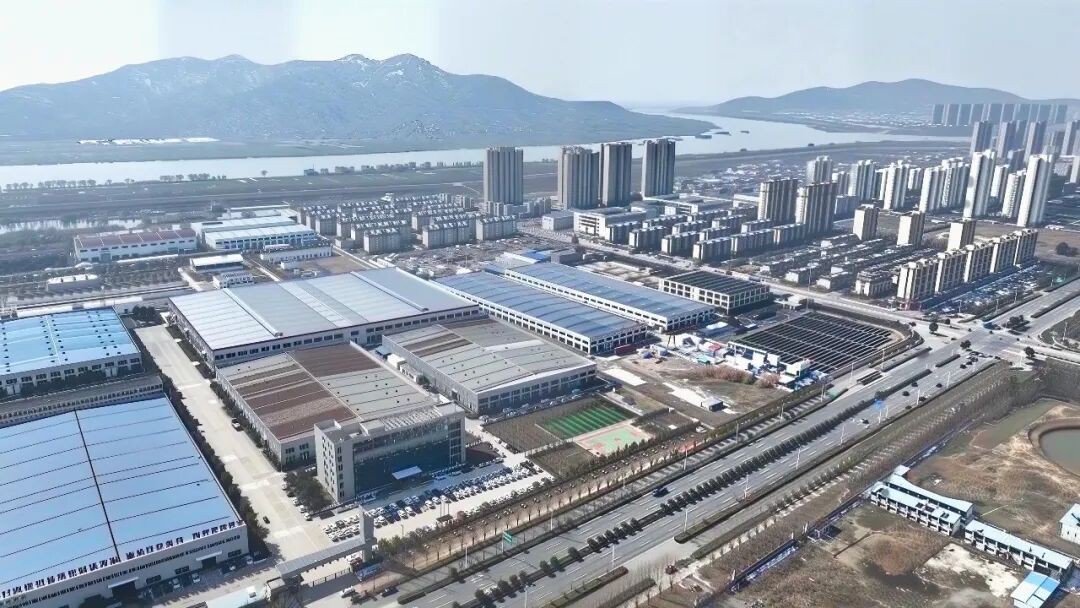
Core Insights - During the "14th Five-Year Plan" period, Huaiyuan County in Bengbu City, Anhui Province, reported significant industrial growth, with an expected industrial output value of 22.1 billion yuan in 2025, reflecting a year-on-year increase of approximately 15% [1][3] - The county has successfully attracted nearly 300 manufacturing projects with a total investment exceeding 90 billion yuan, demonstrating a strong commitment to industrial development and investment [3][5] Industrial Growth - From January to November 2025, the county achieved an industrial output value of 20.17 billion yuan, marking a year-on-year growth of 14.8% [1] - The number of large-scale industrial enterprises in Huaiyuan County reached 251, ranking first in the city, with an average annual growth rate of 12% over the past five years [1][3] Key Projects and Collaborations - The completion of the JIT can delivery corridor between Anhui Baosteel Can Co., Ltd. and China Resources Snow Beer (Bengbu) Co., Ltd. represents a significant advancement in smart manufacturing and resource integration [3] - Anhui Jin De Lubrication Technology Co., Ltd. has successfully broken the foreign monopoly on wind power gearbox lubricants, with an expected output value of 150 million yuan by 2025 [5][6] Policy and Infrastructure Development - The Huaiyuan Economic Development Zone has invested 570 million yuan in infrastructure, including the construction of 10 kilometers of roads and 21.5 kilometers of pipelines, to support industrial growth [5] - The implementation of the "acreage hero" reform has improved average tax revenue per acre to 184,000 yuan, an increase of 99,000 yuan since 2021, and average operating income per acre to 2.718 million yuan, up by 521,000 yuan [3][5] Technological Advancements - The number of high-tech enterprises in Huaiyuan County reached 132 by the end of 2024, a net increase of 230% since 2020, indicating a strong focus on innovation and technology [8] - The county aims for a 10% growth in operating revenue and a 15% increase in industrial output value by 2026, with a focus on automotive parts contributing significantly to this growth [8]

食品饮料行业2026年度投资策略
2025-12-31 16:02
食品饮料行业 2026 年度投资策略 20251230 摘要 食品饮料行业预计在 2026 年迎来筑底回升,白酒价格体系重塑,大众 品进入渠道为王时代,餐饮链条有望在低基数下修复,具备产品创新和 供应链优化能力的企业将实现结构性增长。 白酒板块预计 2026 年二季度达新竞争点,目前处于供需深刻变化期, 价格体系重塑,建议重视底部配置价值。2025 年或进入报表下滑阶段, 加速去库过程。 大众品板块进入渠道为王时代,效率革命明显,商超调改加速,新兴渠 道崛起,成本红利延续,提升盈利能力。传统行业逐步筑底回暖,新兴 行业引领成长。 调味品行业 2026 年寻找阿尔法拐点,部分公司已进入库存去化尾声, 成本继续回落,盈利能力提升。建议关注天禾味业、海天味业及日辰股 份等公司。 乳制品行业预计 2026 年迎来供需拐点,奶价筑底周期延续,深加工打 开。奶价持平或上涨缓解竞争,原奶重回紧平衡,下游价格竞争减弱, 盈利持续改善。关注伊利、蒙牛、新乳业及妙可蓝多等投资机会。 Q&A 2025 年食品饮料行业的整体表现如何? 2025 年,食品饮料行业整体处于调整筑底阶段。需求端维持相对疲软,供给 端出清仍在进行中,导致整 ...
活动|2026福布斯中国大消费系列评选正式启动
Sou Hu Cai Jing· 2025-12-31 15:57
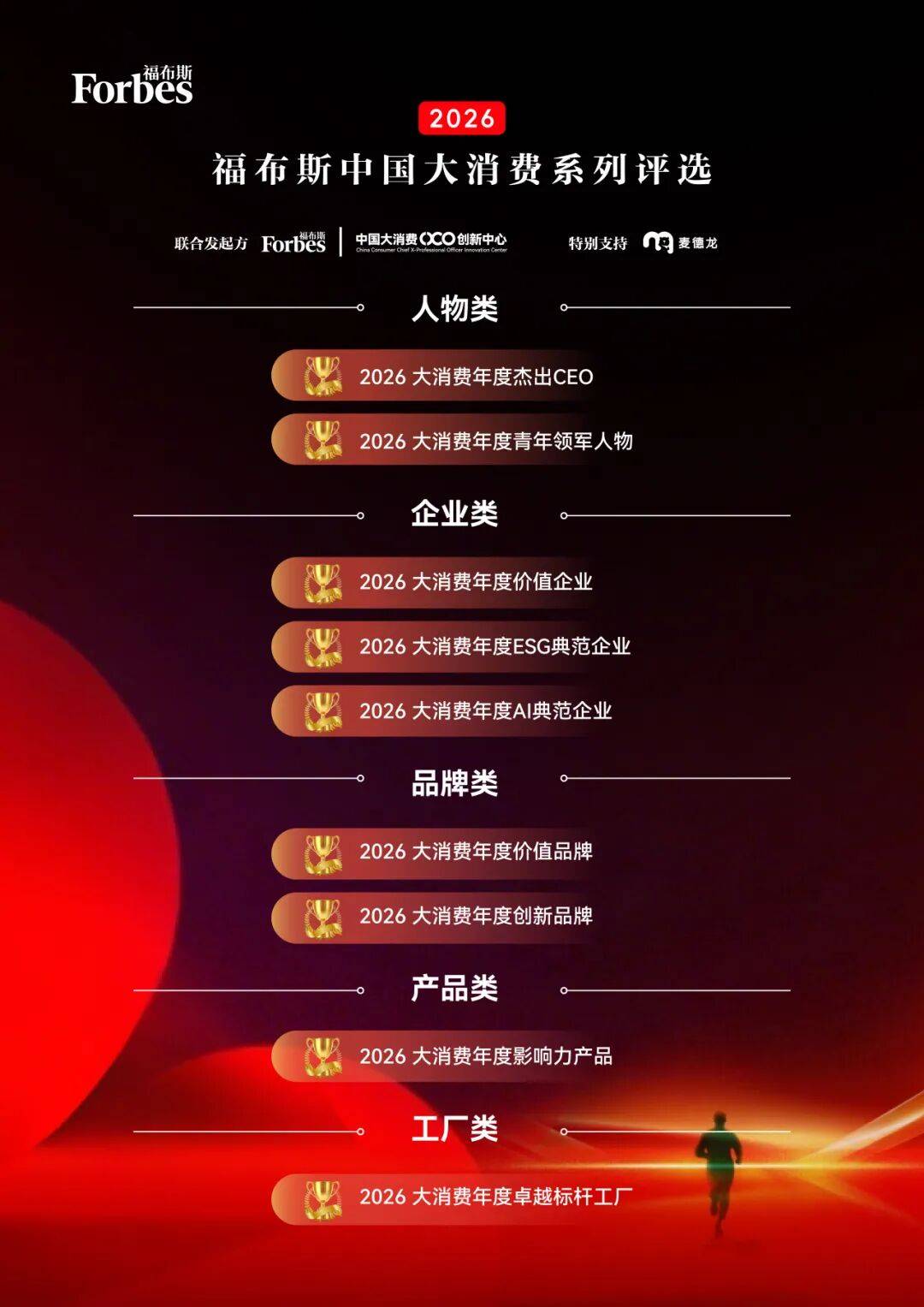
Group 1 - The article emphasizes that the world is at the peak of the fifth industrial revolution, driven by AI, which is reshaping traditional production paradigms and growth logic, and breaking existing industry boundaries [1] - China is positioned as a core engine for global economic recovery and innovation due to its vast market, complete industrial system, and upgraded consumption demands [1] - The Central Economic Work Conference and the "14th Five-Year Plan" identify consumption as a "core engine and strategic support," indicating a shift in China's consumption from "following global trends" to "defining global trends" [1] Group 2 - The article discusses the challenges faced by entrepreneurial spirit during this transformative period, including strategic uncertainties, pressures of transformation, and balancing high-quality development with social responsibility [1] - It highlights the need for long-termism to navigate fluctuations, strategic determination to anchor direction, and a balance between "business growth" and "humanistic care" to foster team consensus [1] - The article calls for courage to break through cycles, leverage AI empowerment, and aim for global expansion to become leaders in this era of change [1] Group 3 - The Forbes China awards aim to connect capital, industry, and society, promoting the visibility and recognition of China's consumption power on a broader global stage [2] - The awards will take place on March 20, 2026, under the theme "Breaking the Game, Leading the Tide," inviting industry scholars, top investors, and outstanding entrepreneurs to explore high-quality development paths in the consumer industry [5] - Five key consensus points are outlined for the event, including clarifying the historical mission of global entrepreneurs, discussing practical measures for consumption industry upgrades, and creating a high-end cooperation platform for resource integration [5]
即时零售流量盛宴,酒业集体“上桌”
Sou Hu Cai Jing· 2025-12-31 07:04
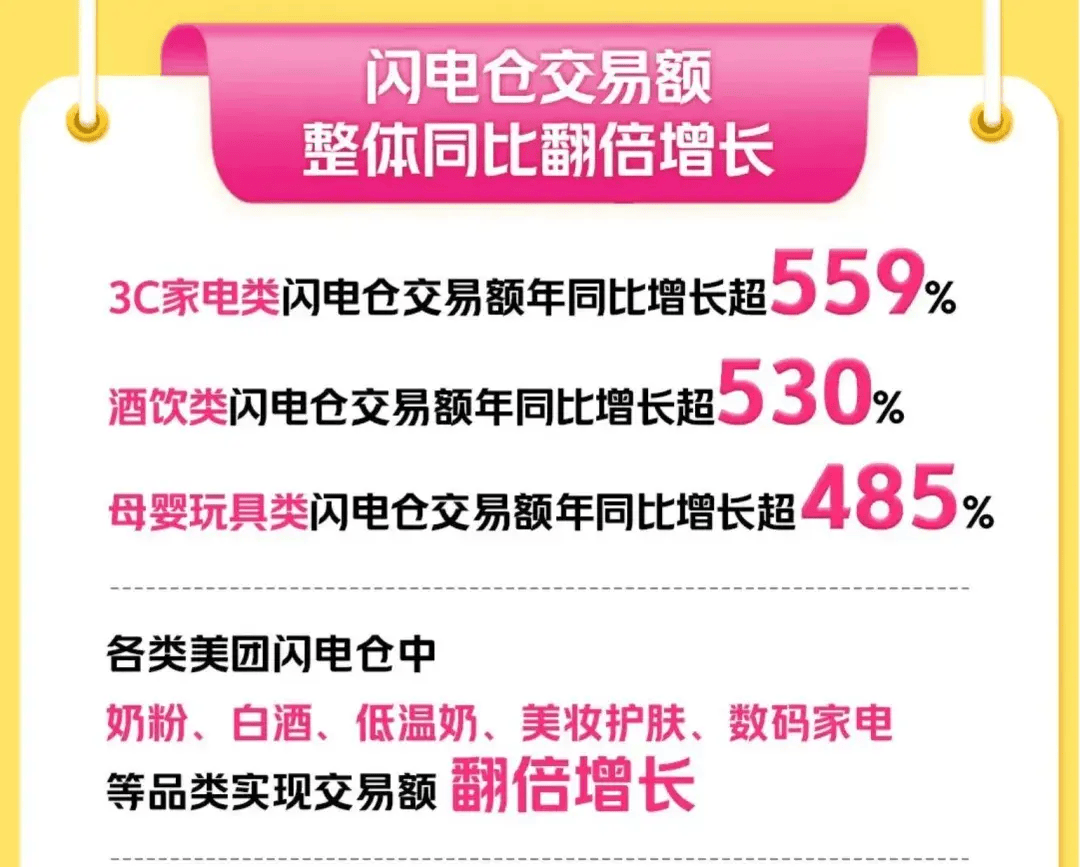
Core Insights - The core theme of the article is the transformative adjustments in the liquor industry by 2025, characterized by a shift towards "instant retail" and a significant evolution in consumer behavior and market dynamics [1] Group 1: Market Trends - The liquor industry's instant retail market is projected to explode in 2025, with an expected market size of 720 billion yuan, up from 360 billion yuan in 2024, indicating a substantial growth trajectory [2] - Major promotional events like 618 and Double 11 have shown remarkable sales growth, with Meituan's flash purchase and Yima's wine delivery achieving over threefold increases in transaction volume [2][4] Group 2: Strategic Shifts - The competition among platforms has intensified, leading to unprecedented strategic focus and resource allocation from both platforms and liquor companies, reshaping consumer habits and the development of instant retail [4][7] - Liquor companies are actively engaging in the instant retail space, with strategies ranging from joining platforms to establishing their own logistics systems, indicating a collective move towards deeper market penetration [7] Group 3: Challenges and Concerns - Despite the growth, the instant retail sector faces challenges such as the imbalance of interests between platforms and merchants, leading to profit erosion for traditional distributors [8][10] - The aggressive discounting strategies employed by platforms during major sales events have disrupted traditional pricing structures, raising concerns about long-term sustainability for smaller retailers [8][10] Group 4: Future Outlook - The liquor industry is expected to transition towards a more rational phase post-2025, focusing on balancing efficiency, quality, and profitability, with trust and authenticity becoming critical for high-end liquor sales [14][16] - Collaborative product creation between platforms and liquor companies is emerging as a new direction, aiming to reduce channel expansion costs while avoiding price wars, thus fostering a win-win scenario [16][17]
量价齐跌,价格倒挂!白酒业2025年艰辛收官,明年“挤压式”竞争将加剧|2025年终大盘点
Xin Lang Cai Jing· 2025-12-30 14:04
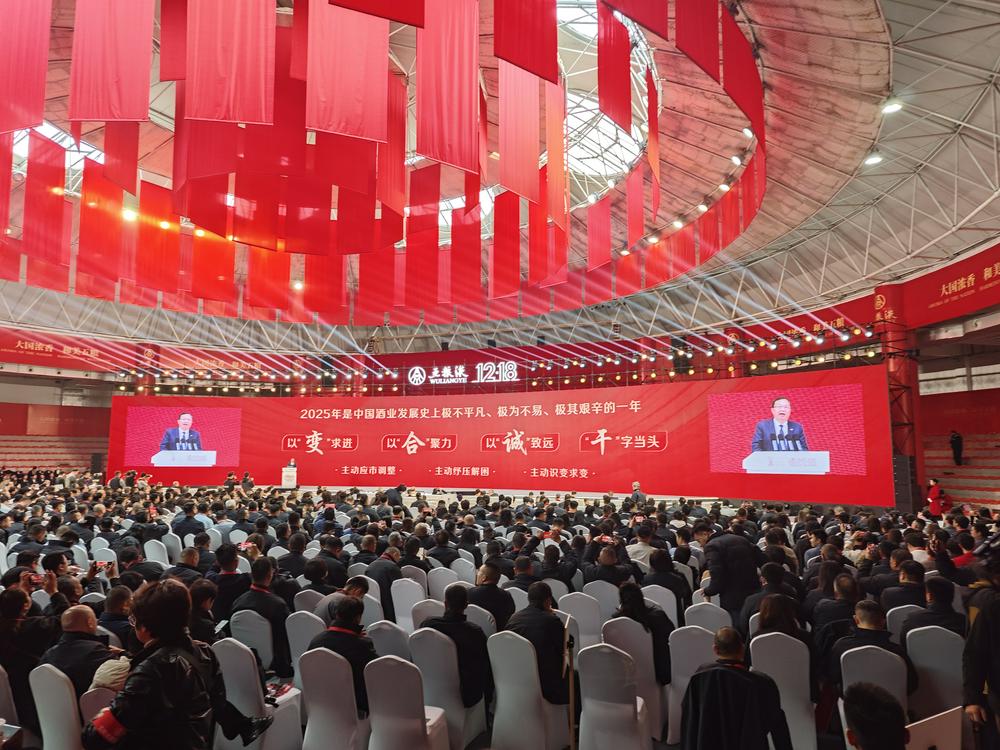
Core Viewpoint - The Chinese liquor industry is entering a deep adjustment period in 2025, characterized by declining volume and price, with a challenging market environment expected to continue into 2026 [1][2][4]. Industry Overview - 2025 is described as an exceptionally difficult year for the Chinese liquor industry, with companies, distributors, and investors facing severe challenges [2]. - Major players like Kweichow Moutai and Wuliangye have acknowledged the industry's severe conditions, indicating widespread issues such as declining sales and shifting consumption patterns [3][4]. Market Performance - The high-end liquor market has seen a significant contraction, with estimates suggesting a 30-40% evaporation in the mid-to-high-end market during the Mid-Autumn Festival [3]. - Sales data indicates a drastic decline, with distributors reporting an average sales drop of 73% during peak months [3]. - Kweichow Moutai's flagship product has seen its price drop from approximately 2300 RMB to about 1580 RMB per bottle [3]. Competitive Landscape - The industry is expected to experience intensified competition due to weak demand, with companies focusing on consumer-centric strategies to maintain market share [4][5]. - Wuliangye aims to dominate the 800-1000 RMB price segment, while other companies are also shifting towards lower-alcohol products to attract younger consumers [7][8]. Strategic Initiatives - Wuliangye plans to develop its 1618 product into a billion-yuan brand to fend off new entrants [7]. - Kweichow Moutai is focusing on maintaining its core product's market position while promoting premium offerings [7]. - Luzhou Laojiao is pursuing a differentiated strategy by emphasizing lower-alcohol products, which have gained popularity among younger consumers [7]. Long-term Outlook - Despite short-term challenges, the industry holds structural opportunities, driven by the expansion of the middle class and new consumption scenarios [9]. - The government is expected to introduce supportive policies for the liquor industry, which could provide a boost in 2026 [9][10]. - Companies are optimistic about the potential for recovery, with expectations that the industry may hit bottom and begin to rebound in 2026 [10].



今年十大最惨板块,跌麻了
3 6 Ke· 2025-12-30 12:11
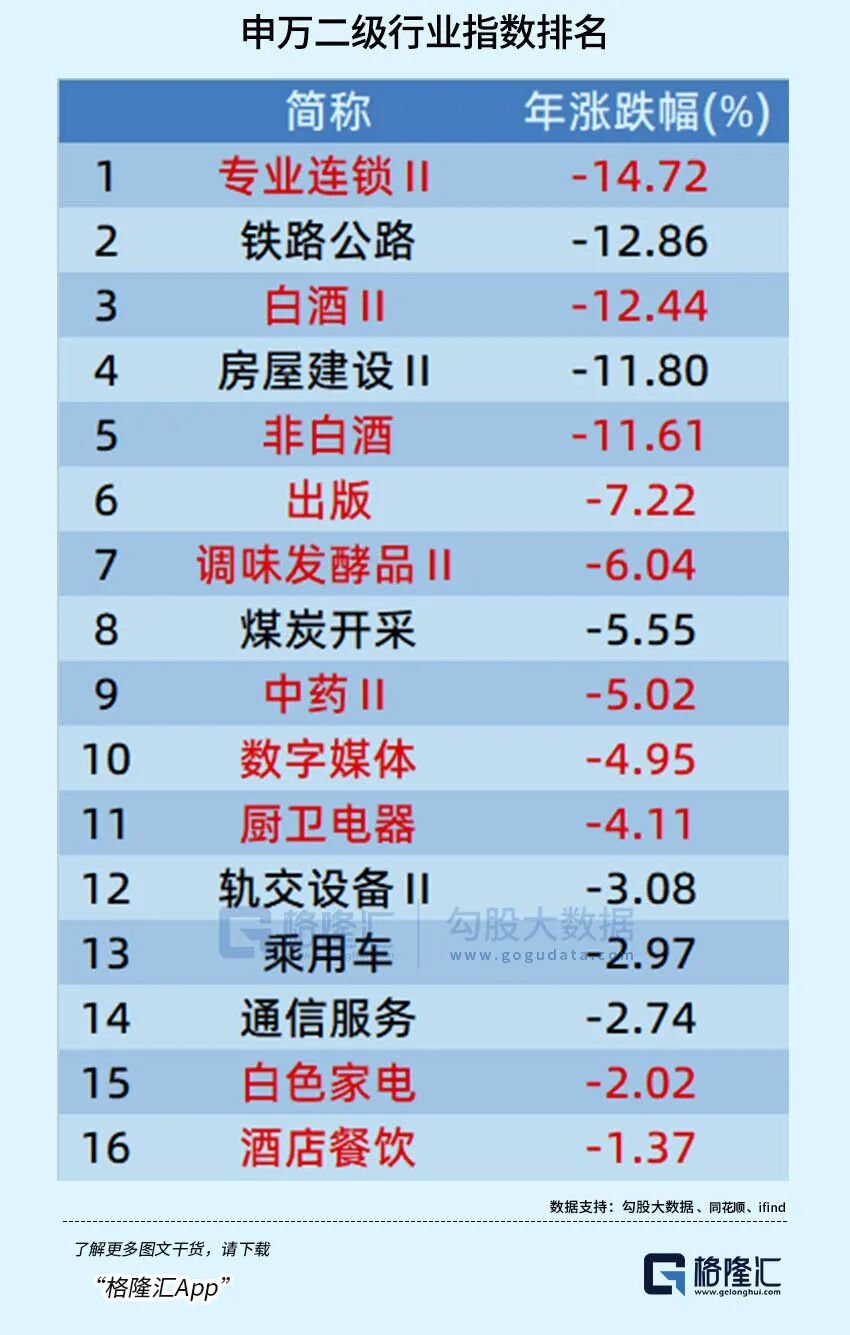
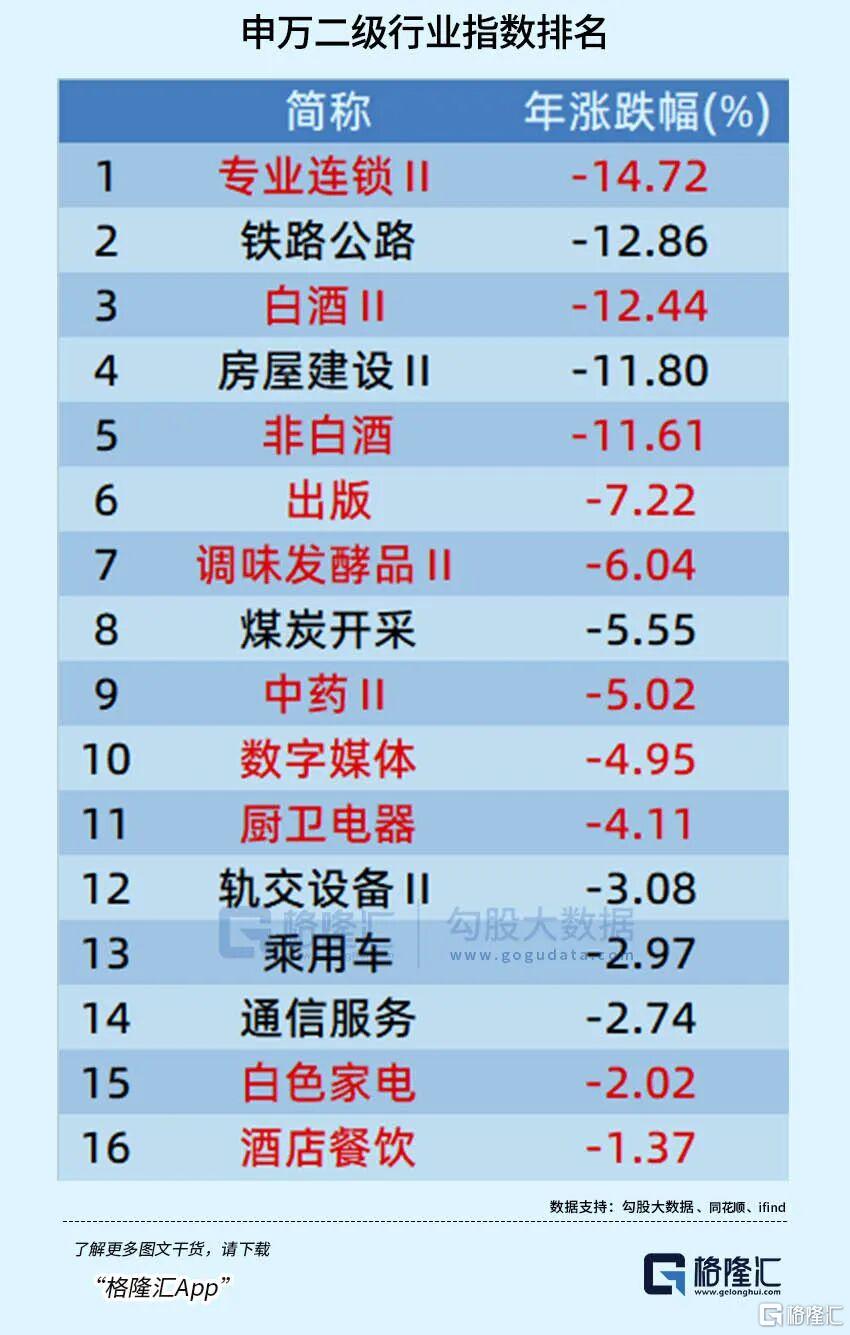
Core Viewpoint - The consumer sector has faced significant challenges in the past year, with many industries within this sector experiencing declines despite overall market growth. The focus on domestic demand and consumption has not translated into positive performance for many consumer-related industries [1]. Group 1: Consumer Sector Performance - In the first half of the year, 10 out of 16 industries that saw declines were from the consumer sector, indicating a troubling trend for consumer-related stocks [1]. - The white liquor sector, a key component of the consumer market, has seen a year-to-date decline of 12.44%, with major brands like Wuliangye experiencing significant drops in revenue and profit [5][8]. - The professional chain sector has been particularly hard hit, with a year-to-date decline of 14.72%, as traditional retail models struggle to adapt to changing consumer behaviors [13][14]. Group 2: White Liquor Industry - The white liquor industry is facing its eighth consecutive year of production decline, with both volume and price dropping, leading to increased inventory pressure and cash flow issues for many companies [9]. - Wuliangye reported a 10.26% decline in revenue and a 13.72% drop in net profit for the first three quarters, marking its first negative growth in nearly a decade [8]. - The changing consumer landscape, with a shift towards lower-alcohol and healthier options, is forcing white liquor companies to adapt or risk further declines [12]. Group 3: Professional Chain Sector - The professional chain sector is experiencing a crisis, with many traditional stores closing and business models failing to adapt to the digital age [14][19]. - The decline of major players like Renrenle, which has seen its market value plummet and faced continuous losses, exemplifies the struggles within this sector [18]. - The shift towards online shopping and personalized consumer experiences is reshaping the retail landscape, leaving traditional large-format stores at a disadvantage [20]. Group 4: Non-White Liquor Sector - The non-white liquor sector, including beer and wine, has also faced challenges, with a year-to-date decline of 11.61% [22]. - Budweiser APAC reported an 8.2% drop in domestic sales and a 24.4% decline in net profit, reflecting broader issues within the beer industry [25]. - The rise of cross-industry competition, with liquor companies diversifying into other beverage categories, indicates a shift in market dynamics [27]. Group 5: Publishing Industry - The publishing industry has seen a decline in the overall market, with a 10.4% drop in the domestic paper book market, yet some companies have managed to increase profits through cost control [35][38]. - Chinese Media, a leading player in the sector, has faced significant revenue and profit declines, highlighting the challenges of adapting to changing educational policies [36][38]. Group 6: Seasoning Industry - The seasoning industry has experienced a 6.04% decline, with companies like Qianhe Flavor struggling due to a drop in sales across key product lines [43][47]. - The industry is facing increased competition and changing consumer preferences, necessitating a shift in strategy for many companies [52]. Group 7: Traditional Chinese Medicine - The traditional Chinese medicine sector has seen a 5.02% decline, with companies like Pian Zai Huang facing significant revenue and profit drops due to rising costs and regulatory pressures [53][56]. - The industry is undergoing a transformation as companies seek to innovate and diversify their product offerings in response to market challenges [62]. Group 8: Digital Media - The digital media sector has faced a 4.95% decline, with traditional advertising models struggling to keep pace with new digital trends [67]. - Companies like Mango TV have reported significant revenue declines, indicating the need for adaptation in a rapidly changing media landscape [66]. Group 9: Kitchen and Bathroom Appliances - The kitchen and bathroom appliance sector has seen a 4.11% decline, largely due to a slowdown in new housing demand and increased competition [69][70]. - Companies like Boss Appliances are experiencing revenue declines for the first time in years, reflecting broader industry challenges [69]. Group 10: White Goods - The white goods sector has faced a 2.02% decline, with major players like Gree Electric experiencing significant revenue and profit drops due to increased competition and market saturation [76][80]. - The industry is shifting towards a focus on product quality and operational efficiency as traditional growth drivers diminish [80]. Group 11: Hotel and Catering - The hotel and catering sector has seen a 1.37% decline, with many businesses struggling to convert increased travel demand into profits due to high commission fees from online platforms [84][85]. - The industry is witnessing a shift towards more refined operational models as companies seek to adapt to changing consumer behaviors and market conditions [86].
2025年A股十大最惨板块,跌麻了
Ge Long Hui· 2025-12-30 11:30
Core Viewpoint - The consumer sector has faced significant challenges in the past year, with many sub-sectors experiencing declines despite overall market growth. The focus on domestic demand and consumption has not translated into positive performance for many consumer-related industries [1][5]. Consumer Sector Performance - In the first half of the year, 10 out of 16 declining industries were from the consumer sector, indicating a broader trend of underperformance [1]. - The white liquor sector, a key component of the consumer market, has seen a year-to-date decline of 12.44%, with major brands like Wuliangye experiencing significant drops in revenue and profit [6][9]. - The professional chain sector has been particularly hard-hit, with a year-to-date decline of 14.72%, exemplified by the struggles of companies like Renrenle [16][20]. White Liquor Sector - The white liquor industry is facing its eighth consecutive year of production decline, with both volume and price dropping simultaneously [10]. - Wuliangye reported a 10.26% decline in revenue and a 13.72% drop in net profit for the first three quarters, marking its first negative growth in a decade [9]. - The industry is shifting from a growth-driven model to one focused on consumer choice, with a need for companies to adapt to changing consumer preferences [15]. Professional Chain Sector - The professional chain sector is experiencing a crisis, with many physical stores closing and traditional business models failing [16][20]. - Renrenle, once a leading private supermarket, has seen its market value plummet and is now facing delisting due to ongoing financial struggles [21][24]. - The shift towards online shopping and personalized consumer demands has further exacerbated the challenges faced by traditional retail chains [24][25]. Non-White Liquor Sector - The non-white liquor sector, including beer and wine, has also faced declines, with the beer segment seeing a notable drop in sales and profits [27][32]. - Budweiser APAC reported an 8.2% decline in domestic sales and a 24.4% drop in net profit, reflecting broader industry challenges [32][33]. - The market is witnessing a trend of cross-industry competition, with liquor companies diversifying into new beverage categories [34]. Publishing Sector - The publishing industry has shown resilience despite a 10.4% decline in the overall market for printed books, with listed companies managing to increase net profits by 14.65% [43][44]. - However, leading companies like Zhongwen Media are struggling, with significant revenue and profit declines due to changes in educational material procurement policies [45][48]. Seasoning Sector - The seasoning industry has faced a 6.04% decline, with companies like Qianhe Flavor struggling due to falling revenues and a loss of consumer trust [51][55]. - The industry is experiencing a shift in consumer preferences and increased competition, necessitating a reevaluation of business strategies [60]. Traditional Chinese Medicine Sector - The traditional Chinese medicine sector is facing challenges, with companies like Pian Zai Huang reporting significant declines in revenue and profit due to rising costs and regulatory pressures [61][66]. - The industry is undergoing a transformation as companies seek to innovate and diversify their product offerings [70]. Digital Media Sector - The digital media industry has seen a 4.95% decline, with companies like Mango TV reporting significant drops in revenue and profit due to changing consumer behaviors and market dynamics [71][74]. - The sector is grappling with the need to adapt to new content consumption trends while facing pressure from traditional advertising models [75]. Kitchen and Bathroom Appliances Sector - The kitchen and bathroom appliance sector has experienced a 4.11% decline, largely due to reduced demand from the real estate market [78][79]. - Companies like Boss Electric are facing revenue declines for the first time in years, highlighting the challenges of adapting to a changing market landscape [79][80]. White Goods Sector - The white goods sector has seen a 2.02% decline, with major players like Gree Electric facing significant revenue and profit pressures due to increased competition and market saturation [83][84]. - The industry is shifting towards a focus on product quality and brand strength as external stimuli diminish [88]. Hotel and Restaurant Sector - The hotel and restaurant sector has faced a 1.37% decline, with revenue pressures stemming from changing consumer spending habits and increased competition from online platforms [89][92]. - Companies are beginning to adopt more refined operational strategies to navigate the challenging market environment [96].


今年十大最惨板块,跌麻了
格隆汇APP· 2025-12-30 11:04
Core Viewpoint - The article discusses the significant downturn in various consumer sectors, particularly the liquor and retail industries, highlighting the challenges and potential opportunities for recovery amidst changing consumer behaviors and market dynamics [2][4][43]. Group 1: Liquor Industry - The liquor sector, especially the white liquor segment, has faced substantial declines, with the overall white liquor market down by 12.44% this year [9][15]. - Major brands like Wuliangye have reported significant drops in revenue and profit, with a 10.26% decline in revenue and a 13.72% drop in net profit for the first three quarters [17]. - The white liquor industry is experiencing a shift from a growth-driven model to one focused on consumer preferences, with a need for companies to adapt to changing consumption patterns [26][27]. Group 2: Retail Industry - The professional chain sector has seen a dramatic decline of 14.72%, with many traditional retail models struggling to survive [28][30]. - Companies like Renrenle have faced severe financial difficulties, leading to a significant reduction in store numbers and ultimately triggering delisting procedures [34][35]. - The shift towards online shopping and changing consumer preferences have forced traditional retailers to innovate or face extinction [36][39]. Group 3: Non-White Liquor Sector - The non-white liquor sector, including beer and wine, has also suffered, with a reported decline of 11.61% this year [40]. - Major players like Budweiser APAC have experienced significant sales drops, with a 9.5% revenue decrease and a 24.4% decline in net profit [46]. - The industry is witnessing a trend of cross-industry competition, with liquor companies diversifying into other beverage categories to adapt to market changes [51][56]. Group 4: Publishing Industry - The publishing sector has faced a 7.22% decline, with the overall market for printed books down by 10.40% [60]. - Despite the downturn, some publishing companies have managed to increase profits through cost control and operational efficiency, with a 14.65% rise in net profit for listed companies [61][62]. - The industry is undergoing significant transformation, moving from traditional sales models to more dynamic content management and IP development strategies [70][71]. Group 5: Seasoning Industry - The seasoning sector has seen a 6.04% decline, with companies like Qianhe Flavor struggling due to a drop in revenue and profit [74]. - The industry is facing challenges from both market saturation and changing consumer preferences, necessitating a shift in strategy for many companies [81]. Group 6: Traditional Chinese Medicine - The traditional Chinese medicine sector has experienced a 5.02% decline, with companies like Pian Zai Huang facing significant revenue and profit drops [86]. - The industry is under pressure from regulatory changes and increased competition, pushing companies to innovate and diversify their product offerings [91][92]. Group 7: Digital Media - The digital media sector has reported a 4.95% decline, with traditional advertising models struggling to adapt to new market realities [97][100]. - Companies like Mango TV have seen significant revenue drops, highlighting the challenges of maintaining profitability in a rapidly changing landscape [101][104]. Group 8: Kitchen and Bathroom Appliances - The kitchen and bathroom appliance sector has faced a 4.11% decline, with major players like Boss Electric experiencing revenue drops for the first time in years [112]. - The industry is grappling with reduced demand due to a slowdown in the real estate market, necessitating a shift towards innovation and international expansion [117][118]. Group 9: White Goods - The white goods sector has seen a 2.02% decline, with companies like Gree Electric facing significant challenges due to market saturation and increased competition [126][129]. - The industry is shifting towards a more rational consumer base that prioritizes product quality and brand reputation over traditional growth drivers [133]. Group 10: Hotel and Restaurant Industry - The hotel and restaurant sector has experienced a 1.37% decline, with many businesses struggling to convert increased tourism into profits [140][141]. - The industry is witnessing a shift towards more refined operational models, with companies focusing on member engagement and digital transformation to enhance profitability [142][143].





标准铸品质,品牌开新局 | 汕尾“圳品”走俏湾区市场
Xin Lang Cai Jing· 2025-12-30 08:48
Core Insights - The "Zhenpin" brand from Shanwei has significantly integrated high-quality agricultural products into the Greater Bay Area market, with 68 products expected to be recognized by December 2025, ranking third in the province and first in the eastern and northern Guangdong regions [1][3] Group 1: Development and Growth - Since the establishment of the cooperation model between Shenzhen and Shanwei, the brand value of "Zhenpin" has rapidly increased, leading to a surge in local enterprises' enthusiasm for product applications [1] - In 2023, Shanwei entered a rapid expansion phase for "Zhenpin," adding 14 new products, which laid the groundwork for future large-scale development [2] - By 2024, Shanwei's "Zhenpin" cultivation entered a fast track, with 18 new products added, marking the highest growth rate in the province [3] Group 2: Policy and Support - Shenzhen has invested over 3 million yuan in support funds and implemented a reward system for "Zhenpin" products, providing 50,000 yuan for each qualifying product [3] - The collaboration has included training for enterprises on "Zhenpin" applications and the establishment of production and sales platforms to enhance product quality and brand management [3] Group 3: Market Integration and Promotion - The opening of the Shenzhen Boutique (Shanwei) Exhibition Center in January 2024 marked a new display window for "Zhenpin" products [2] - A promotional event for Shanwei seafood in August 2024 significantly increased consumer awareness and trust in Shanwei seafood products [2] - The "Zhenpin" product showcase at the RCEP Agricultural Trade Cooperation Center in December 2025 aimed to connect Shanwei products with major retail and online platforms, enhancing market access [4]