
迪卡侬

Search documents
男人最爱的迪卡侬,失宠了
投中网· 2025-08-27 03:21
Core Viewpoint - Decathlon's recent price increases have led to a significant decline in consumer visits, prompting speculation about the potential sale of its Chinese operations, with estimates valuing the stake at approximately €1-1.5 billion (around ¥10 billion) [5][8][18]. Group 1: Price Increases and Consumer Behavior - Decathlon's products have seen substantial price hikes, such as a 20L backpack rising from ¥49.9 to ¥89.9 and a fleece jacket jumping from ¥249 to ¥499, leading to decreased consumer interest [8][9]. - The company's pricing strategy has been influenced by rising supply chain costs, including increased raw material prices and labor costs, which have pressured profit margins [9][10]. - The shift in consumer behavior is not solely due to price increases but also the emergence of competitive alternatives in the market, which have captured market share from Decathlon [9][10][12]. Group 2: Competitive Landscape - Domestic and international brands have increasingly encroached on Decathlon's market share, with alternatives like Taobao white-label products and brands such as Anta and Li Ning offering competitive pricing and appealing designs [10][11]. - The rise of mid-range and premium brands has further complicated Decathlon's position, as competitors like Lululemon and Camel have introduced products that resonate with urban consumers [11][12]. - The competitive pressure has forced Decathlon to consider a shift towards higher-end products as a strategy to recover profitability [12][18]. Group 3: Internal Challenges and Management Issues - Decathlon's long-standing low-margin business model has resulted in a net profit margin of only 5-6%, significantly lower than competitors like Nike and Adidas [9][12]. - Internal management practices, including a centralized decision-making structure, have led to inefficiencies and employee dissatisfaction, contributing to talent attrition [15][16]. - The company's reliance on a low-cost workforce has become unsustainable, with rising salaries in manufacturing impacting overall profitability [9][15]. Group 4: Potential Buyers and Future Directions - Speculation about the sale of Decathlon's Chinese operations has identified potential buyers, including JD.com and Anta Sports, with JD.com seen as a strong candidate due to its supply chain capabilities [18][19]. - The acquisition could allow Decathlon to leverage JD.com's logistics and data-driven approach to optimize inventory and enhance market presence [19][20]. - The future direction of Decathlon hinges on balancing its traditional low-cost model with the need for higher-end offerings, while maintaining its core identity as a provider of accessible sports goods [21].




男人最爱的迪卡侬,失宠了
36氪· 2025-08-26 14:23
Core Viewpoint - Decathlon is facing a significant decline in consumer interest in China, attributed to rising prices and increased competition from both domestic and international brands [3][10][11]. Group 1: Decline in Consumer Interest - Decathlon's affordable products, such as a 19.9 yuan quick-dry T-shirt and a 49.9 yuan backpack, have seen a noticeable price increase, leading to a decrease in customer visits [3][7]. - The company is rumored to be considering selling approximately 30% of its Chinese subsidiary, with an estimated valuation between 10 billion to 15 billion euros (approximately 100 billion yuan) [3][4]. - The increase in prices is linked to rising supply chain costs, including raw material prices and labor costs, which have pressured Decathlon's low-cost business model [7][8]. Group 2: Competitive Landscape - The market has seen a surge in alternative brands, with consumers shifting to cheaper options from platforms like Pinduoduo and Douyin, as well as domestic brands like Anta and Li Ning [10][11]. - Decathlon's pricing strategy has led to a loss of its core customer base, as competitors offer similar products at lower prices or with more appealing designs [10][11]. - The company has struggled to maintain its low-price, high-experience model due to increased operational costs in urban areas [7][8]. Group 3: Internal Management Issues - Decathlon's internal management has been criticized for being overly centralized, leading to inefficiencies and a lack of responsiveness to market changes [17][18]. - Employee dissatisfaction due to low wages compared to competitors has contributed to talent attrition, impacting the company's operational effectiveness [14][15]. - The company's long-standing reliance on a low-margin business model has limited its ability to offer competitive salaries, further exacerbating employee turnover [15][19]. Group 4: Potential Buyers and Future Strategies - Potential buyers for Decathlon's Chinese operations include JD.com, Anta Sports, and international private equity firms like Blackstone and Carlyle, with JD.com seen as the frontrunner due to its supply chain capabilities [21][22]. - Anta Sports could leverage its existing brand portfolio to enhance Decathlon's market position, but there are concerns about whether it would maintain Decathlon's low-cost positioning [23][25]. - The future direction of Decathlon hinges on whether it can balance its high-end transformation with its original value proposition of affordability and accessibility [25][26].
QuestMobile2025年运动健康行业报告:运动健康APP使用人群规模达6778万,年轻化、身处一二线城市是用户典型特征
QuestMobile· 2025-08-26 02:01
Core Insights - The report highlights the growth potential of the sports and health industry driven by national weight management policies and health consumption upgrades, transitioning the sports economy into a sustainable growth model that covers the entire population and lifecycle [8][11]. Group 1: Market Overview - By July 2025, the active user base for sports and fitness KOLs is projected to reach 491 million, while the active user base for health apps is expected to be 6.778 million, with popular apps like Keep, Tiantian Jump Rope, and others leading in user numbers [4][14]. - The interaction volume for sports and fitness-related content reached 166 million in July 2025, indicating a significant engagement in sports discussions fueled by upcoming major sporting events [13][14]. Group 2: User Demographics and Behavior - The user demographic for health apps is predominantly young, with 43.1% under 30 years old and 52.7% located in first and second-tier cities, while KOL followers show a higher proportion of users aged 46 and above [17]. - The online spending capacity of health app users is notable, with 47.2% spending over 2000 yuan, indicating a strong purchasing power within this demographic [19]. Group 3: Industry Trends - The sports market is evolving into a dual-track dynamic, with traditional sports like swimming and football forming the foundation, while emerging activities like diving and rock climbing are pushing market structure changes [11]. - The rise of "cloud fitness" ecosystems is creating a closed-loop structure that enhances user engagement through KOLs, apps, and social sharing, fostering high user retention [4]. Group 4: Advertising and Marketing Strategies - There is a growing trend in advertising expenditure towards short video platforms, instant messaging, and social media, with a focus on collaborating with top KOLs to maximize brand exposure [41][45]. - The report identifies a shift in advertising strategies, with brands increasingly favoring partnerships with KOLs in the fashion, fitness, and lifestyle sectors to reach targeted audiences effectively [44][45]. Group 5: Health Management and Technology Integration - Users are increasingly utilizing smart devices for health monitoring, with a focus on personalized fitness plans and dietary management, supported by AI technologies that enhance user experience [31][34]. - The integration of music into fitness routines is highlighted as a method to improve motivation and reduce fatigue, showcasing the importance of a holistic approach to health and fitness [36].

零售周报|老铺黄金单店销售约4.6亿;泡泡玛特净利暴涨363%
Sou Hu Cai Jing· 2025-08-25 13:06
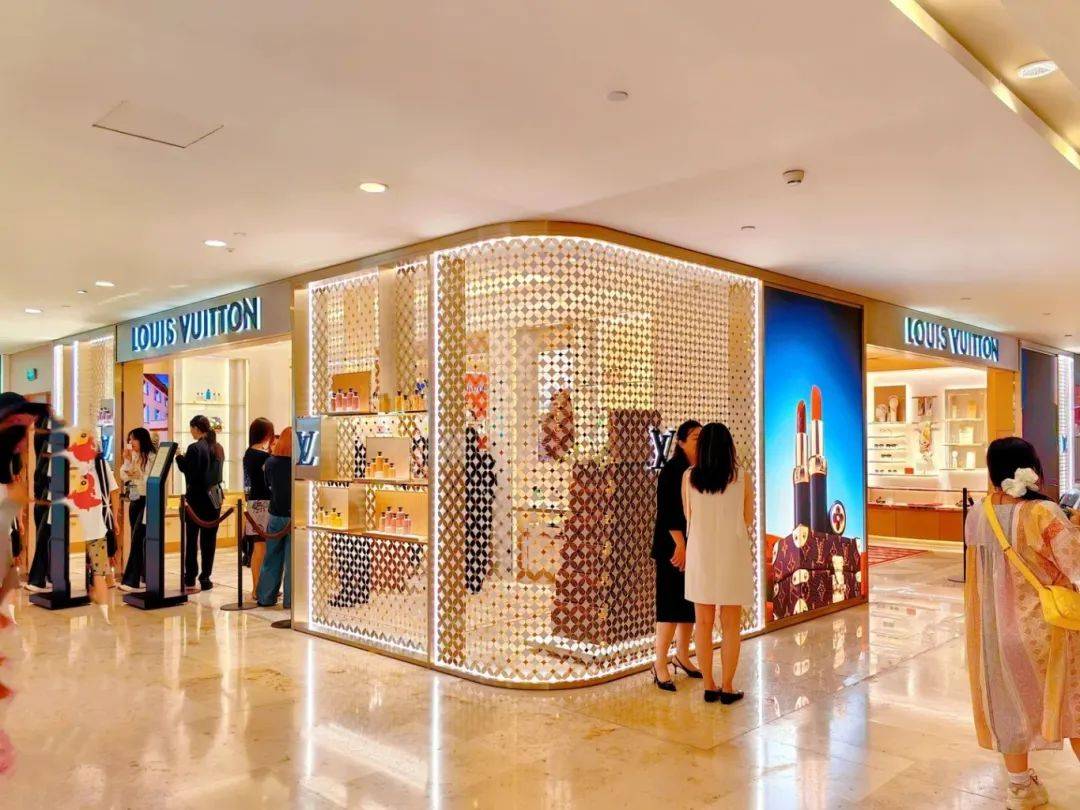
Group 1 - Louis Vuitton opened its first independent perfume and beauty boutique in Nanjing, China, with a new lipstick series priced at 1200 yuan and a replacement core at 510 yuan, launching on August 25 [2] - Sporty & Rich launched a limited-time pop-up space "WELLNESS CLUB" in Shanghai, inspired by California's native ecology, promoting a lifestyle of health and self-care [4] - Pas Normal Studios opened its flagship store in Shanghai, focusing on community interaction and cycling culture, following its first store in Beijing [6] Group 2 - TWOI Design Lab opened its first store in Shanghai, targeting young women with a "cream style" aesthetic, offering clothing, shoes, and accessories [7] - TravelDepot plans to open its first global flagship store in Hangzhou, covering 300-500 square meters, focusing on travel-related products and services [10] - ONE MOMENT opened its first store in Chengdu, featuring a modern retro style aimed at young women [14] Group 3 - Anta's first "Rizhao Jinshan" themed store opened in Shenyang, showcasing outdoor and all-weather apparel across three floors [18] - Decathlon responded to rumors of selling 30% of its Chinese subsidiary, emphasizing its commitment to long-term development in China [20] - Pandora announced plans to close 100 stores in China, expanding its initial plan to close 50 stores due to declining sales [22] Group 4 - Xianyu opened its first circular store in Shenzhen, integrating resale and recycling into its business model [21] - Hema Fresh opened four new stores in China, with plans to open nearly 100 more this fiscal year [23] - Aldi is entering the Nanjing market with its first store [24] Group 5 - JD's discount supermarket opened its first store in Zhuozhou, featuring over 5000 high-quality products and plans for rapid expansion [27] - JD's Seven Fresh Food MALL plans to expand nationwide after successful operations in Harbin [28] - TOP TOY completed a new round of financing led by Temasek, achieving a valuation of 10 billion HKD [29] Group 6 - Lao Pu Gold reported a 249.4% increase in sales revenue for the first half of 2025, with an average sales performance of approximately 4.59 billion yuan per store [32] - Pop Mart's revenue for the first half of 2025 reached 138.8 billion yuan, exceeding the total revenue for 2024 [33] - Miniso's revenue for the first half of 2025 was 93.93 billion yuan, with a net profit increase of 11% [34] Group 7 - Amer Sports reported a 42% revenue increase in the Greater China region for Q2 2025 [35] - Li Ning's revenue for the first half of 2025 grew by 3.3% to 148.2 billion yuan [37] - Xtep Group's revenue for the first half of 2025 increased by 7.1% to 68.38 billion yuan [38] Group 8 - Estée Lauder's net sales for the 2025 fiscal year declined by 8%, marking the third consecutive year of decline [39] - Walmart China reported a 30.1% increase in net sales for Q2 2026, with e-commerce sales growing by 39% [41] - Authentic Brands Group announced the acquisition of Guess for 1.4 billion USD, including debt [42]




男人最爱的迪卡侬,失宠了
首席商业评论· 2025-08-25 04:05
Core Viewpoint - Decathlon's decline in China is attributed to rising prices, increased competition, and internal management issues, leading to a significant drop in consumer visits and sales [5][10][17]. Price Increase Impact - Decathlon's price hikes have led to a decrease in consumer interest, with products like a 20L backpack increasing from 49.9 yuan to 89.9 yuan, and a jacket from 199 yuan to 599 yuan [6][7]. - The company's net profit margin has been low, around 5% to 6%, compared to over 10% for competitors like Nike and Adidas, with revenue growth plummeting from 21.3% to 1.15% [8][10]. Competitive Landscape - Increased competition from both domestic and international brands has eroded Decathlon's market share, with alternatives like low-cost brands on e-commerce platforms attracting former Decathlon customers [10][11]. - Brands like Anta and Li Ning are aggressively targeting the same consumer base, offering competitive pricing and stylish designs [10][11]. Internal Management Issues - Decathlon's internal management style, characterized by low salaries and a lack of career advancement opportunities, has contributed to employee turnover and dissatisfaction [13][14]. - The company's centralized decision-making process has led to inefficiencies and a lack of responsiveness to market changes [16][17]. Potential Buyers for Decathlon China - There are ongoing discussions about the potential sale of Decathlon's China business, with major interest from JD.com, Anta Sports, and international private equity firms [19][20]. - JD.com is seen as a strong candidate due to its supply chain capabilities and data-driven approach, which could help Decathlon optimize its operations [19][20]. Future Directions - Decathlon faces a critical juncture, needing to balance its high-end transformation with its original value proposition of affordability and accessibility [23][24]. - The company must decide whether to continue pursuing a high-end strategy or return to its roots of providing affordable sports products for all consumers [24].
这个夏天,南昌的“海”火了
Xin Hua Wang· 2025-08-25 01:40
Core Viewpoint - Nanchang is addressing the dual challenge of increasing public demand for water activities and the need for water safety by developing natural swimming areas along the Gan River, which has become a significant urban initiative for the city [1][5][9]. Group 1: Water Management and Urban Development - Nanchang has invested hundreds of billions in water management projects, including rainwater and sewage separation, to improve water quality and safety [5][8]. - The implementation of the Ganfu Tailuo project has improved the flow rate of the Gan River by 40% and enhanced its self-purification capacity by 35% [8]. - The city has integrated the construction of natural swimming areas into its 2025 top ten livelihood projects, reflecting a proactive approach to urban planning [7][8]. Group 2: Public Engagement and Economic Impact - The natural swimming areas have attracted over 2 million visitors since their opening in June, significantly boosting local tourism and related businesses [10][15]. - Sales of water sports equipment have increased by over 40% since the swimming areas opened, indicating a rise in consumer interest and spending in the area [15][16]. - The initiative has transformed Nanchang into a new urban brand, enhancing its appeal to both residents and tourists [10][20]. Group 3: Community Response and Safety Measures - Initial skepticism from the public regarding the safety of swimming areas has shifted to support as safety measures, including professional lifeguards and real-time water quality monitoring, have been implemented [14][12]. - The city has adopted a community-focused approach, allowing ordinary citizens to participate in public events, which has fostered a sense of ownership and pride among residents [21][23]. - Nanchang's strategy of addressing public concerns while promoting water activities has led to a positive shift in public sentiment and increased community engagement [13][14].
讨好中产的迪卡侬,反被穷鬼抛弃
3 6 Ke· 2025-08-24 01:12
Core Viewpoint - Decathlon is facing challenges in the Chinese market, with reports suggesting the company is considering selling a 30% stake in its Chinese operations for an estimated €1-1.5 billion, indicating a decline in market performance [1][3]. Financial Performance - In 2024, Decathlon's revenue increased, but net profit decreased by 15.5% compared to the previous year, signaling a troubling trend for the company [3]. - The average price of Decathlon products rose from ¥128.81 in 2022 to ¥196.32 in 2024, with some items, like hiking backpacks, seeing prices double [7][19]. Market Position and Brand Evolution - Decathlon, once known as a budget-friendly option for sports enthusiasts, has shifted towards a more mid-range market positioning, appealing to new middle-class consumers [10][12]. - The company has expanded its product offerings significantly, with a 40% increase in average SKU in outdoor categories and a 200% increase in cycling products [17]. Competitive Landscape - Decathlon's attempt to enter the high-end market with its VAN RYSEL brand has not yielded the expected results, as it struggles to gain recognition among established premium brands [26][29]. - The rise of local competitors, such as 361°, which has successfully targeted the entry-level market, poses a significant threat to Decathlon's traditional customer base [41][45]. Strategic Challenges - Decathlon's rapid shift towards mid-range and high-end products may have been premature, as consumer perception has not aligned with the brand's new positioning [34][36]. - The company faces challenges in maintaining its reputation for affordability while attempting to elevate its brand image, leading to a potential disconnect with its core customer base [45][49].
年轻人的鞋柜,到底被谁拿捏了?
Hu Xiu· 2025-08-23 06:23
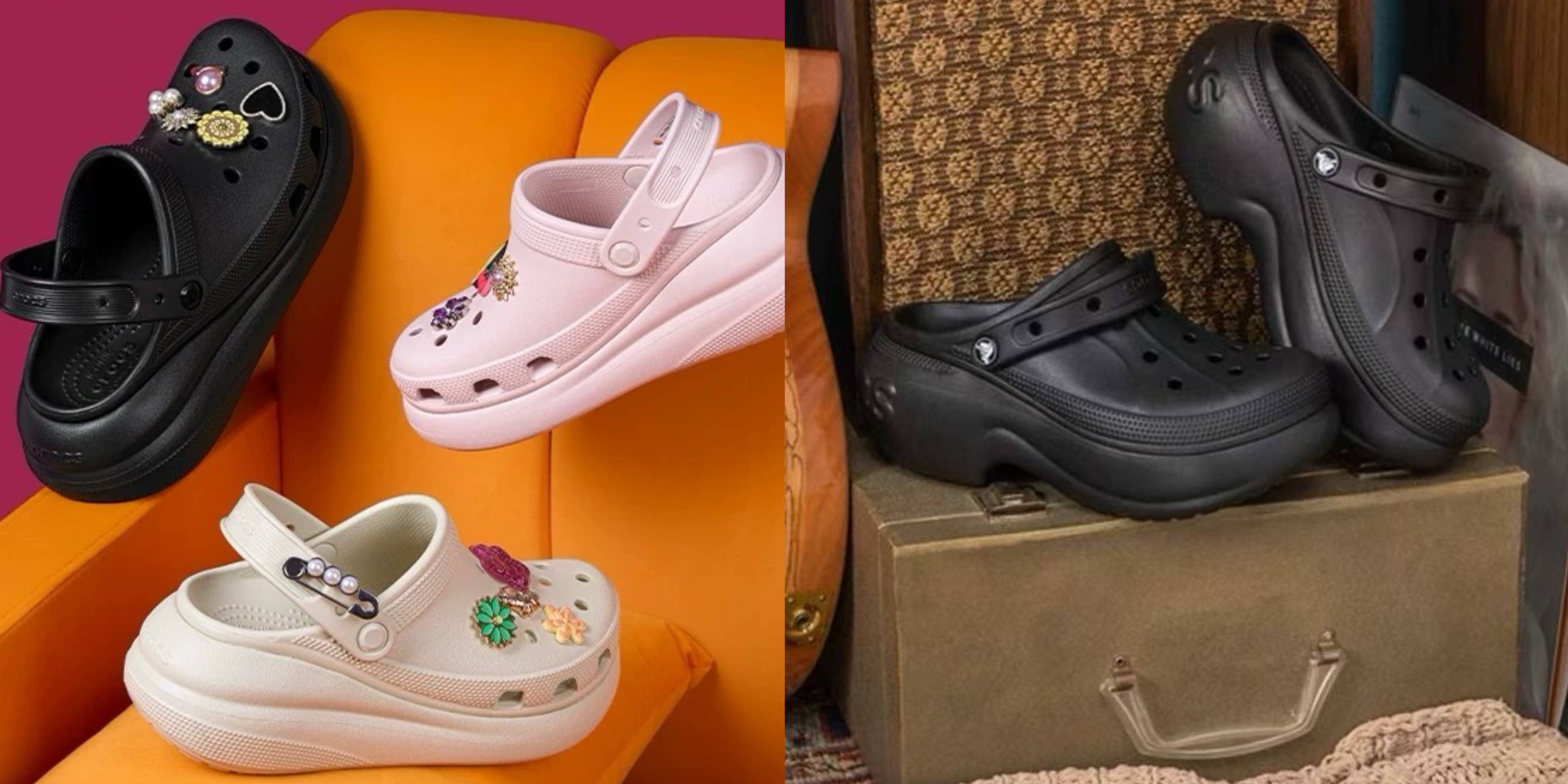
Core Insights - The article discusses the rapid evolution of young people's shoe preferences, highlighting the decline of Crocs and the rise of Birkenstock and other shoe types like ballet shoes and creek shoes [1][2][3] Group 1: Market Trends - Crocs, once a trendsetter with a revenue of $20 billion in 2023, has seen a significant decline in growth, with revenue growth rates dropping from 14.6% in Q1 2024 to just 2.4% in Q1 2025, leading to a 0.14% decline in parent company revenue [2][7] - Birkenstock has experienced substantial growth, with revenue increasing from under €300 million to €1.805 billion by the end of the 2024 fiscal year, driven by a 42% growth in the Asia-Pacific market [9][10] - The creek shoe market is gaining traction due to the popularity of outdoor activities, with brands like KEEN leading in the high-end segment, while mid-range and budget brands are also entering the market [15][18] Group 2: Consumer Behavior - Young consumers are increasingly drawn to shoes that allow for personal expression and comfort, moving away from "ugly fashion" trends like Crocs to more stylish options that still offer functionality [3][27] - The success of Birkenstock is attributed to its appeal to middle-class consumers, emphasizing quality and health benefits, while also leveraging cultural associations to enhance brand value [9][10] - The creek shoe trend reflects a shift towards outdoor and casual styles, with brands adapting to consumer preferences for both functionality and fashion [20][24] Group 3: Competitive Landscape - The market is seeing an influx of alternatives to Crocs and Birkenstock, with many brands offering lower-priced imitations that challenge the premium positioning of these brands [13][14] - The article suggests that while Birkenstock may currently be popular, its design limitations and the emergence of cheaper alternatives could hinder its long-term dominance in the market [13][14] - The creek shoe segment is characterized by a mix of high-end and budget options, with brands needing to balance functionality and style to maintain consumer interest [20][24]

“又丑又臭又贵”的溯溪鞋,被中产买爆了
3 6 Ke· 2025-08-22 08:47
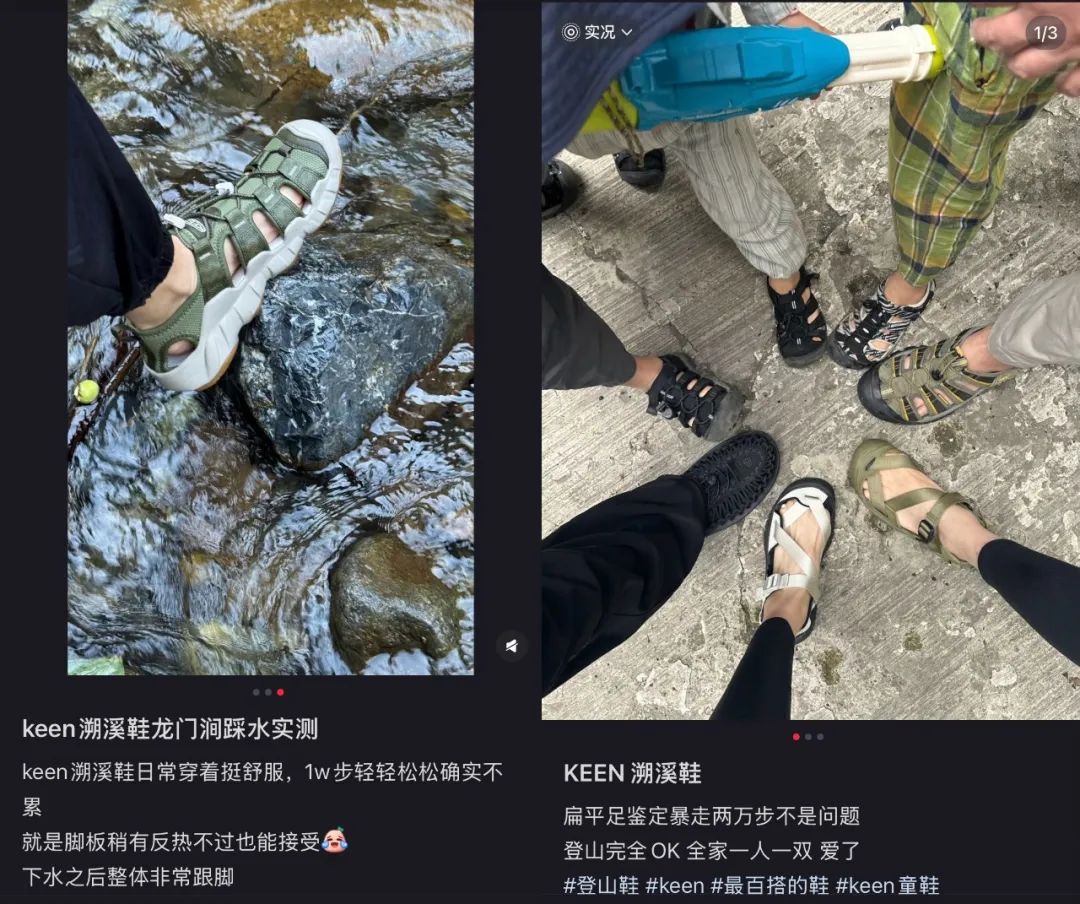
Core Insights - The rise of "ugly shoes," particularly creek shoes, has become a trend among the middle class, with significant social media engagement and sales growth [1][2][5] - KEEN, the pioneer of creek shoes, has seen substantial market share growth in China, achieving over 12% online market share by mid-2025 and generating sales of 17 million yuan during the last year's 618 shopping festival [1][9] - The popularity of creek shoes is not driven by low prices, as KEEN's models range from 600 to 1100 yuan, making them more expensive than Crocs [1][5] Market Trends - The creek shoe trend began with a personal need from KEEN's founder, Martin Keen, who designed the first model for sailing activities, leading to its unexpected popularity [2][5] - The target audience has expanded from families engaging in summer outdoor activities to hardcore outdoor enthusiasts, with significant social media engagement around the topic [5][6] - In urban settings, creek shoes have become a fashionable choice among young professionals, often paired with other trendy items, indicating a shift in consumer behavior towards outdoor lifestyle products [6][8] Brand Strategy - KEEN has effectively utilized "reverse marketing," embracing the label of "the world's ugliest sandals" to create a unique brand identity and engage consumers [9][11] - The brand has established a "ugly shoe matrix," with various unconventional designs that resonate with younger consumers, enhancing brand visibility and engagement [13][14] - KEEN's strategy includes collaborations with various brands and celebrities, further boosting its market presence and appeal [13][14] Consumer Behavior - The appeal of creek shoes among young consumers is linked to a desire for emotional and cultural expression, as they seek to differentiate themselves from previous generations [13][14] - Despite their popularity, creek shoes face criticism regarding quality issues, such as durability and odor, which could impact consumer loyalty [15][18] - The market for creek shoes is becoming increasingly competitive, with lower-priced alternatives emerging, leading to potential challenges for KEEN in maintaining its market position [18][19] Competitive Landscape - KEEN's market positioning is compared to Crocs, which has seen a decline in sales growth and consumer interest, suggesting a potential shift in consumer preferences [19][20] - The creek shoe market is segmented into various price tiers, with KEEN positioned in the high-end segment, facing competition from both mid-range and low-cost alternatives [18][19]
迪卡侬的“中国棋局”:50年来首次开放股权的战略变奏
Xin Lang Zheng Quan· 2025-08-20 10:22
Core Insights - Decathlon plans to sell approximately 30% of its Chinese subsidiary, with an estimated valuation of €10-15 billion (around ¥100 billion), marking the first significant equity transfer in nearly 50 years [1][2] - The decision is driven by competitive pressures in the Chinese market and the need for strategic restructuring amid declining profitability [2][4] Group 1: Strategic Rationale - The equity sale is a response to increasing competition from local brands like Anta and Li Ning, which have been capturing market share through localized designs and digital marketing [2][3] - The move towards a mixed strategy of "capital increase and share transfer" allows Decathlon to optimize its asset structure while maintaining control over its core supply chain [3][4] - The funds from the equity sale may support Decathlon's supply chain diversification strategy, particularly as it shifts some procurement focus to India [3][7] Group 2: Market Position and Challenges - Decathlon China has a localized supply chain with a design center in Suzhou and factories in Shandong, enabling it to maintain competitive pricing [4][5] - Digital sales in China account for 25% of total sales, surpassing the global average of 20%, indicating a successful transition towards digitalization [4][6] - However, Decathlon faces structural challenges, including pressure from local brands and a need to enhance customer experience compared to competitors [5][6] Group 3: Future Outlook - The equity sale could lead to two potential transformation paths: collaboration with local retail partners for deeper market penetration or a more aggressive digital transformation led by financial investors [7][8] - Regardless of the outcome, maintaining control over the strategic direction remains a priority for Decathlon's founding family [7][8] - The equity experiment reflects a broader trend of multinational companies adapting to local market dynamics and consumer preferences in China [8]