
Neuralink

Search documents
计算机行业周报:AI应用商业化梳理!近期AI医疗领域变化梳理-20260110
Shenwan Hongyuan Securities· 2026-01-10 15:01
Investment Rating - The report rates the industry as "Overweight," indicating a positive outlook for the sector compared to the overall market performance [3]. Core Insights - The software sector is expected to experience a rebound in revenue and profit in 2025, driven by cost reduction and improved fundamentals, with AI application commercialization being a key growth driver in 2026 [3][4]. - Customization in the Chinese software industry is a unique characteristic, making it less likely for large models to completely replace applications, as software companies accumulate significant industry know-how through deep interactions with clients [4][7]. - The report identifies the timeline for AI applications to impact valuations, suggesting that significant valuation increases occur when new technology revenue exceeds 10% of total revenue, with 2026 being a pivotal year for software companies [3][15]. - The report highlights four areas where AI applications are likely to commercialize quickly: AI Agents, multimodal applications, AI coding, and AI marketing [15][19][21]. Summary by Sections AI Application Commercialization - The software sector is entering a favorable phase for investment, with AI application commercialization expected to drive revenue growth in 2026 [4]. - Key areas for AI application commercialization include: - **AI Agents**: Enhanced capabilities for complex tasks through multi-agent systems and persistent memory [15][16]. - **Multimodal Applications**: Video and image generation are expected to monetize quickly due to high user willingness to pay [19]. - **AI Coding**: Rapid commercialization with significant ARR growth, exemplified by Cursor's $500 million ARR [21]. - **AI Marketing**: High digitalization and error tolerance in marketing make it a prime area for AI application [23]. Recent Developments in AI Healthcare - OpenAI launched ChatGPT Health, integrating personal health data for personalized health analysis, indicating a rapid penetration of AI in consumer health management [27][30]. - Ant Group's AI health assistant, Antifufu, has seen significant user growth, with monthly active users surpassing 30 million [29][30]. Key Investment Themes - Recommended investment themes include: - Digital economy leaders - AIGC applications - AIGC computing power - Data elements - Medical information technology [36].


华创医药周观点:海外脑机接口代表企业布局情况 2026/01/10
华创医药组公众平台· 2026-01-10 14:06
Market Review - The CITIC Medical Index increased by 7.70%, outperforming the CSI 300 Index by 4.91 percentage points, ranking 5th among 30 primary industries [8] - The top ten stocks by increase this week include: Bibet-U, Innovation Medical, Sanbo Brain Science, and others, with significant gains [8] - The top ten stocks by decrease include: Baihua Medicine, Jinhao Medical, and others, with notable declines [8] Overall View and Investment Themes - The domestic innovative drug industry is transitioning from quantity logic to quality logic, focusing on differentiated and internationalized pipelines, with an emphasis on products that can generate profits by 2025 [11] - In the medical device sector, there is a noticeable recovery in bidding volumes for imaging equipment, with ongoing updates and acceleration in overseas expansion [11] - The innovative chain (CXO + life science services) is expected to see a rebound in overseas investment, with domestic investment stabilizing, indicating a potential bottoming out [11] - The pharmaceutical industry is anticipated to enter a new growth cycle, with cost improvements in specialty raw materials and a focus on patent expirations leading to new growth opportunities [11] Traditional Chinese Medicine - The basic drug directory is expected to be released, with unique basic drugs projected to grow faster than non-basic drugs, indicating a potential market rebound [12] - The reform of state-owned enterprises is expected to enhance the fundamental performance of companies, particularly after adjustments to the evaluation system [12] - The new medical insurance directory is expected to benefit certain companies, with a focus on OTC enterprises that cater to aging populations and have strong dividend characteristics [12] Medical Services - The anti-corruption and centralized procurement efforts are expected to purify the medical market environment, enhancing the competitiveness of private medical services [12] - The rapid expansion of commercial insurance and self-funded medical services is likely to provide more competitive advantages for private healthcare providers [12] Blood Products - The approval of plasma stations is expected to increase supply, with companies expanding their product offerings and production capacity, indicating a clear long-term growth path for the blood products industry [12]

强脑科技 20 亿融资紧随 Neuralink,脑机接口赛道双线发力
Huafu Securities· 2026-01-10 11:04
Investment Rating - The industry rating is "Outperform the Market," indicating that the overall return of the industry is expected to exceed the market benchmark index by more than 5% in the next 6 months [14]. Core Insights - Strong Brain Technology has completed approximately 2 billion yuan in financing, making it the second-largest in the global brain-computer interface (BCI) sector, following Neuralink. This financing round was led by IDG Capital and Huaden International, with participation from industry chain companies, enabling product scaling through a "capital + manufacturing" model [4][6]. - The company focuses on non-invasive technology, with its core product, the "Super Sensor," capable of capturing brain electrical signals without the need for surgery. This technology has already assisted individuals with disabilities in performing complex movements, with plans to help one million disabled individuals regain mobility and assist ten million patients in rehabilitation over the next 5-10 years [4][6]. - Neuralink, a key player in the BCI field, is set to initiate large-scale production of BCI devices in 2026 and is advancing fully automated surgical solutions. This invasive technology complements Strong Brain Technology's non-invasive approach, collectively driving the commercialization of global BCI technology [5][6]. - The global BCI market is projected to grow rapidly, with an estimated market size of approximately 2.62 billion USD in 2024, expected to reach 2.94 billion USD in 2025, and potentially grow to 12.4 billion USD by 2034, reflecting a compound annual growth rate (CAGR) of 17.35% over the next decade. In China, the BCI market is anticipated to reach 3.2 billion yuan in 2024 and 6.14 billion yuan by 2028 [6]. Summary by Sections Financing and Market Position - Strong Brain Technology has secured around 2 billion yuan in financing, ranking second globally in the BCI sector, just behind Neuralink [4]. - The financing round was led by IDG Capital and Huaden International, with contributions from various industry chain companies [4]. Technology and Product Development - The company's non-invasive "Super Sensor" technology captures brain signals without surgery, aiding individuals with disabilities [4]. - Plans are in place to assist one million disabled individuals and ten million patients in rehabilitation over the next 5-10 years [4]. Market Growth Projections - The global BCI market is expected to grow from 2.62 billion USD in 2024 to 12.4 billion USD by 2034, with a CAGR of 17.35% [6]. - The Chinese BCI market is projected to grow from 3.2 billion yuan in 2024 to 6.14 billion yuan by 2028 [6].
中国脑机接口,重大突破!截瘫患者意念打游戏赢正常人,还能脑控小米家电
机器人大讲堂· 2026-01-10 09:05
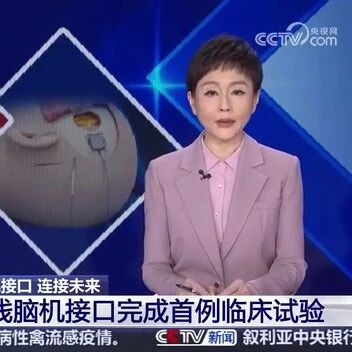
Core Viewpoint - The article highlights a significant milestone in China's brain-computer interface (BCI) field, showcasing the successful completion of the first human clinical trial of a fully implanted, wireless, and fully functional BCI system, marking a shift from "catching up" to "keeping pace" and even "leading" in this core technology area [2][4]. Group 1: Clinical Trial and Patient Experience - The first patient, a 28-year-old man paralyzed for eight years due to a car accident, demonstrated remarkable recovery, using his thoughts to browse websites and play video games, showcasing the system's capabilities [3][6]. - The BCI system, developed by Fudan University Huashan Hospital and NeuroXess, allows patients to control smart home devices and regain autonomy in daily activities, significantly improving their quality of life [4][6]. Group 2: Technical Features of the BCI System - The BCI system is characterized by being fully implanted, wireless, and fully functional. It eliminates external cables, reducing infection risks and enhancing the patient's dignity [9]. - The system integrates wireless power and data transmission, allowing patients to interact in real-time without external devices, providing true "wireless freedom" [9]. - It features a complete system that includes brain signal acquisition, processing, and wireless energy transmission, demonstrating strong openness and extensibility through its proprietary operating system, XessOs [10][13]. Group 3: Comparison with International Competitors - The Chinese BCI solution differs from Elon Musk's Neuralink by separating the battery from the main control unit, placing it in the chest area to enhance safety and reduce heat risks to the brain [14][15]. - The surgical procedure for the Chinese BCI is more accessible, utilizing established techniques that can be performed by many neurosurgeons, facilitating broader clinical application [17]. Group 4: Future Aspirations and Innovations - The ultimate vision for BCI technology includes advancements in language decoding and consciousness interaction, with the Chinese team already achieving real-time Chinese language decoding at double the speed of normal speech [19][20]. - The concept of a "brain internet" is being explored, allowing patients to communicate through digital avatars, indicating a significant leap towards human-machine symbiosis [20][23]. Group 5: Ethical Considerations and Challenges - Experts emphasize the importance of data quality and ethical boundaries in BCI development, with a focus on high-quality brain signal data for effective model training [22]. - The article concludes with a vision of BCI technology not just as a medical device but as a key to unlocking human potential and extending cognitive and existential boundaries [23][24].
又一地明确价格!脑机接口收费路径逐渐清晰
财联社· 2026-01-10 07:01
Core Insights - The article discusses the establishment of pricing for brain-computer interface (BCI) medical services in various provinces in China, highlighting the integration of these services into the healthcare system and the support from government policies [4][5][10]. Pricing and Policy Developments - The Sichuan Provincial Medical Insurance Bureau has set a maximum price for BCI services, effective from April 30, 2026, with different pricing based on hospital levels for invasive procedures [4]. - Other provinces, including Hubei, Zhejiang, and Jiangsu, have also established pricing for BCI services, with costs for invasive procedures ranging from approximately 6,000 to 6,600 yuan per procedure [5][6][7]. - The pricing structure includes insertion fees, removal fees, and adaptation fees, with some provinces incorporating non-invasive adaptation fees into insurance coverage [5][8]. Government Support and Strategic Planning - The Chinese government has outlined a strategic plan to support the BCI industry through policies that focus on planning, payment, and standards, aiming for significant advancements by 2030 [10][11]. - Multiple provinces have released action plans to promote BCI innovation and commercialization, with specific targets for clinical applications and production [11]. Technological Advancements and Market Potential - The article notes that while invasive BCI products are still in clinical trials, non-invasive products have begun to enter the market, indicating a growing application space [12]. - The industry is at a critical juncture where technological breakthroughs are expected to lead to commercial viability, supported by favorable policies and anticipated production from companies like Neuralink [15][17]. Investment Opportunities - Analysts suggest focusing on key segments of the BCI industry, including hardware suppliers, companies with core patents, and those involved in rehabilitation and industrial applications [15][16]. - Specific companies are highlighted as potential beneficiaries of the BCI market growth, including Aipeng Medical, Lepu Medical, and Xiangyu Medical, among others [16].
36氪精选:脑机接口虚火?但再不下手就晚了
日经中文网· 2026-01-10 00:34
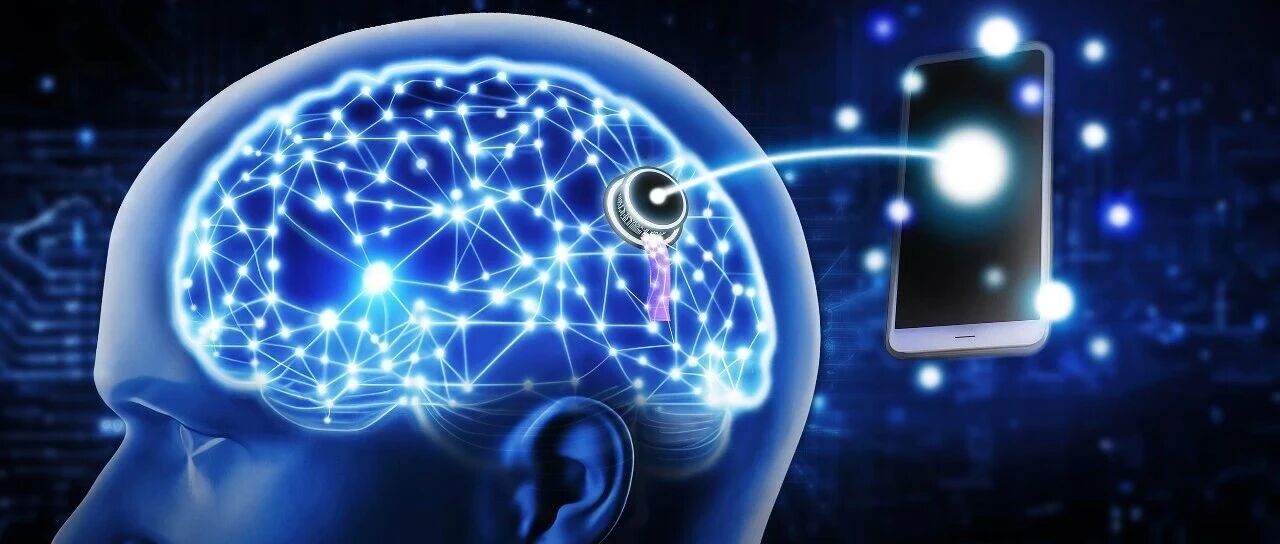
Core Viewpoint - The brain-computer interface (BCI) sector is expected to experience a significant wave of financing in 2026, driven by advancements in technology and supportive government policies [5][6][9]. Group 1: Market Dynamics - Non-invasive BCI company "Qiangnao Technology" recently completed a financing round of 2 billion yuan, igniting interest in BCI concept stocks [6]. - The BCI sector has seen a strong market response, with companies like Innovation Medical, Nanjing Panda, and Yanshan Technology experiencing stock price surges [7]. - Elon Musk's announcement regarding Neuralink's plans for large-scale production of BCI devices by 2026 has been a major catalyst for the current market enthusiasm [7]. Group 2: Investment Landscape - Major venture capital firms such as Sequoia China, IDG, and Baidu Ventures have invested in various BCI companies, indicating a broadening interest beyond just medical applications to technology and consumer sectors [9]. - The BCI market is transitioning from primarily medical investments to include technology and consumer-focused investments, particularly in consumer healthcare applications [9]. Group 3: Non-Invasive BCI Insights - Non-invasive BCI technology has a wide range of applications, including sleep monitoring, attention tracking, and treatment for mental health disorders, but has faced challenges due to high user education costs and product homogeneity [10][12]. - The technology has limitations in signal quality, as non-invasive methods like EEG struggle with signal clarity and resolution [10]. - Companies are shifting focus from pure brain control to developing smart prosthetics and other applications that utilize muscle signals and AI algorithms for better intent recognition [11]. Group 4: Invasive BCI Developments - Invasive BCI companies are navigating significant challenges, including safety, signal stability, and regulatory compliance, but have still managed to secure funding during market downturns [13]. - The evaluation of BCI companies has shifted from focusing solely on technical capabilities to assessing their overall operational capabilities and clinical trial progress [13]. - Notable invasive BCI companies include Borui Kang, which is pursuing a listing on the Science and Technology Innovation Board, and has reported successful clinical trials with significant patient improvements [14]. Group 5: Key Players and Innovations - Borui Kang has developed a semi-invasive BCI system that has shown promising results in clinical trials, achieving significant improvements in patient functionality [14]. - Ladder Medical focuses on ultra-flexible neural electrode technology and has successfully conducted clinical trials for spinal cord injury patients [15][16]. - Brain Tiger Technology, which aims to compete with Neuralink, utilizes silk protein for its electrodes, enhancing biocompatibility and reducing long-term damage [17]. Group 6: Future Outlook - The year 2026 is anticipated to be a pivotal moment for the BCI industry, with advancements in technology and regulatory support paving the way for broader adoption [22]. - The introduction of independent billing for BCI services by the National Healthcare Security Administration in 2025 reflects a commitment to supporting the industry's growth [22]. - Companies that establish a strong foothold in the BCI sector are likely to gain significant influence over future technologies, products, and standards [23].

脑机接口大盘点:从科幻到现实,谁在引领这场“读心术”革命?
硅谷101· 2026-01-10 00:30
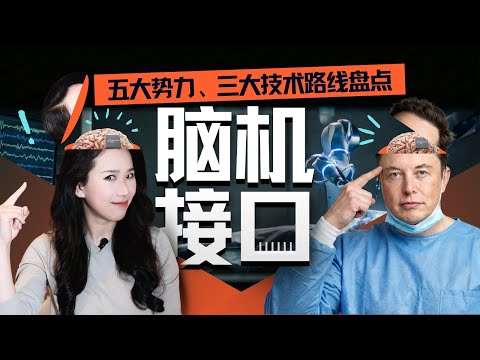
Imagine being completely paralyzed from the neck down, able to see and think, but unable to communicate your thoughts. That was Noland's situation. In 2016, an accident left him paralyzed from the shoulders down.But now, he's transformed. He can play Civilization VI, chess , and even operate a computer faster than most people using their hands. He doesn't use his hands, feet, or even look at the keyboard; he simply thinks, and the computer moves.This isn't science fiction; it's a real event happening in 202 ...
Neuralink Patient Shows How He Charges His Brain Implant
Neura Pod – Neuralink· 2026-01-09 18:01
Neuralink's first patient, Nolan Arba, and his mom showed me how he charges the implant. >> Put the thingy in there. >> Okay, hold on.I have to get the most important part. >> Oh, the charger. Yeah, charger base.Um the coils and the hat. Um >> so, um this little uh coil cursor off. Uh implant disconnect.Put the coil on there like on the top. Yep. There you go.So, this is the charger base and the coil. Uh, the coil and the charger base are magnetic, so it kind of fits on there really nicely. It's super nice. ...

金融工程定期:脑机接口板块的资金行为监测
KAIYUAN SECURITIES· 2026-01-09 14:43
- The Brain-Computer Interface (BCI) index has significantly increased by 84.11% since April 7, 2025, and by 18.28% since the beginning of 2026, attracting substantial market attention[3][14][15] - Public fund holdings in the BCI sector have been continuously declining since 2025, based on real-time estimates derived from public market information such as fund net value, holdings disclosure, and research activities[4][19][20] - ETF fund holdings in the BCI sector have shown a significant upward trend since December 2025, reflecting the growing popularity of index investment products in the A-share market[4][23][25] - The financing balance in the BCI sector has recently surged and then slightly declined, indicating a fluctuating investor sentiment towards the sector[4][24][26] - Companies like Beilu Pharmaceutical, Xiangyu Medical, and Guangdian Co., Ltd. have been the most frequently researched by institutions over the past three months[5][27][28] - Stocks such as Chuangxin Medical, Meihua Medical, and Xiangyu Medical have garnered the highest attention from influential users on the Xueqiu platform since December 20, 2025[5][29][31] - Major funds have flowed most into Chuangxin Medical, Meihua Medical, and Aipeng Medical since December 20, 2025, based on large and super-large order transactions[5][30][32] - Stocks like Saiwei Microelectronics, Hainan Haiyao, and Sainuo Medical have appeared on the Dragon and Tiger List since December 1, 2025, indicating active trading by major market players[5][33][34][35] - Companies such as Sainuo Medical, Chuangxin Medical, and Xiangyu Medical have seen the highest increases in shareholder numbers, suggesting potential future stock price risks[5][36][37]
医药生物行业双周报(2025、12、26-2026、1、8)-20260109
Dongguan Securities· 2026-01-09 07:31
Investment Rating - The report gives a "Market Perform" rating for the pharmaceutical and biotechnology industry, indicating that the industry index is expected to perform within ±10% of the market index over the next six months [26][32]. Core Insights - The SW pharmaceutical and biotechnology industry outperformed the CSI 300 index, rising by 3.61% from December 26, 2025, to January 8, 2026, exceeding the CSI 300 index by approximately 1.56 percentage points [12]. - Most sub-sectors within the industry recorded positive returns during the same period, with the hospital and medical R&D outsourcing sectors leading with increases of 10.62% and 7.39%, respectively [13]. - Approximately 82% of stocks in the industry achieved positive returns, with notable performers including Xiangyu Medical, which saw a weekly increase of 57.50% [14][17]. - The overall industry valuation has risen, with the SW pharmaceutical and biotechnology index's PE (TTM) at approximately 52.75 times, which is 3.78 times higher than the CSI 300 index [18][26]. Summary by Sections 1. Market Review - The SW pharmaceutical and biotechnology industry outperformed the CSI 300 index, with a rise of 3.61% from December 26, 2025, to January 8, 2026 [12]. - Most sub-sectors recorded positive returns, particularly hospitals and medical R&D outsourcing, which increased by 10.62% and 7.39%, respectively [13]. - About 82% of stocks in the industry had positive returns, with significant gains from several companies [14]. 2. Industry News - The report highlights the acceleration of volume-based procurement in 2026, with various local and national initiatives underway to streamline drug procurement processes [24]. - A new batch of encouraged generic drugs has been announced, focusing on optimizing the drug supply system and enhancing the availability of essential medications [23]. 3. Company Announcements - Jiangsu Yahui Pharmaceutical announced the completion of the first patient enrollment in a Phase I clinical trial for its drug APL-2401, targeting advanced solid tumors [25]. 4. Industry Outlook - The report suggests a focus on investment opportunities in the brain-computer interface sector, particularly following announcements from Neuralink regarding large-scale production plans [26]. - Recommended stocks for attention include leading companies in medical devices, pharmaceutical retail, aesthetic medicine, and innovative drugs, among others [28][29].