古越龙山

Search documents
白酒指数周跌1.23%!啤酒三季报不及预期,燕京、珠江双双大跌超5%丨酒市周报
Mei Ri Jing Ji Xin Wen· 2025-10-26 10:40
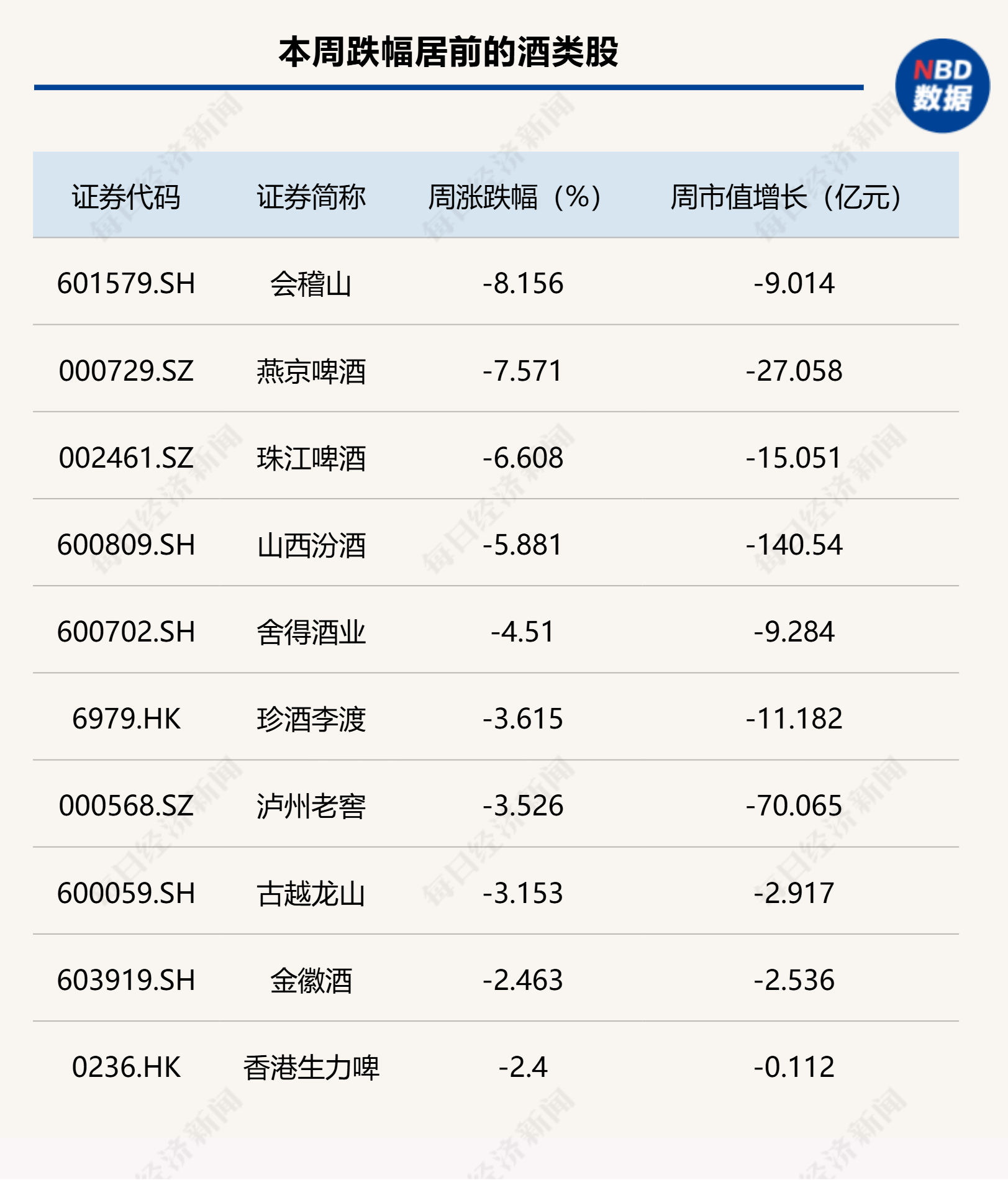
Group 1 - The core viewpoint of the articles indicates that the liquor industry is currently in a state of "low expectations, weak reality," with significant declines in stock performance, particularly in the white liquor sector [1][4] - The Wind white liquor index fell by 1.23% this week, closing at 59,343.67 points, with Shanxi Fenjiu experiencing the largest drop of 5.88% [1][4] - The upcoming third-quarter reports for the liquor industry are expected to validate the current market conditions, with concerns about potential further declines in performance [4] Group 2 - The beer sector is also facing challenges, with regional beer companies reporting lower-than-expected earnings, despite maintaining stable growth overall [4][5] - Zhujiang Beer reported a 17.05% year-on-year increase in net profit for the first three quarters, but its third-quarter revenue saw a decline of 1.34%, marking the first such drop since 2018 [4][5] - Yanjing Beer achieved a revenue of 4.875 billion yuan in the third quarter, a year-on-year growth of approximately 1.55%, but faced pressure in market expansion due to weak consumer demand [5]


酒香也怕巷子深?酿新篇:中国酒业的三味“新曲”
Sou Hu Cai Jing· 2025-10-26 03:03
Core Insights - The 23rd China International Wine Expo showcased a comprehensive display of the entire industry chain, moving beyond just finished products to include raw materials, smart equipment, and digital marketing [4][10] - The industry is undergoing significant transformations characterized by three main themes: youthfulness, digitalization, and internationalization, which are essential for the industry's evolution [2][12] Youthfulness - Wine companies are actively adapting to attract younger consumers, with products like "no high-low" yellow wine targeting health-conscious youth, and innovative offerings such as wine-infused chocolates and face masks [6][7] - The shift towards youthfulness is driven by the emergence of Generation Z as a new consumer force, emphasizing personalized experiences and health-conscious choices [7][9] Digitalization - The digital transformation in the wine industry is evident through automation in production processes and the integration of technologies like blockchain for transparency and AR/VR for immersive experiences [9][10] - However, the digitalization efforts are primarily benefiting larger enterprises, raising concerns about the potential widening gap between large and small companies in the industry [9][12] Internationalization - Chinese wine companies are increasingly engaging with global markets, supported by China's growing international influence and proactive industry reforms [10][12] - The internationalization of Chinese wine faces challenges, including the need to meet international quality standards and cultural recognition in foreign markets [12][13] Conclusion - The wine expo reflects a broader trend of transformation in traditional industries, where youthfulness, digitalization, and internationalization are interconnected and mutually reinforcing [13][15] - The industry must embrace change with an open mindset and innovative spirit to navigate the complexities of modern market dynamics [15]





黄酒“不服老”:混饮、触网、跨界,谁能妙手回春?
Xin Lang Cai Jing· 2025-10-23 02:37
Core Insights - The yellow wine industry is facing challenges such as aging brand image and a disconnect with younger consumers, prompting brands to seek innovative solutions to break through these barriers [1][3] - Cross-industry collaboration is emerging as a significant strategy, exemplified by the partnership between Guyue Longshan and China Resources Beer to develop a new "yellow wine + beer" product [1][4] Product Innovation - Product innovation is a fundamental aspect of the yellow wine industry's efforts to revitalize itself, focusing on appealing to younger consumers through flavor, packaging, and functional value [4][5] - The collaboration between Guyue Longshan and China Resources Beer aims to combine brewing techniques and traditional yellow wine heritage to create a "yellow wine craft beer" that meets contemporary consumer preferences for lower alcohol content and enjoyable drinking experiences [4][5] - Guyue Longshan's previous launch of "craft yellow beer" achieved significant success, with 25,000 boxes ordered and over 10 million yuan in sales within the first month [4][5] - Other brands are also innovating, such as Kuaijishan's "daily smoked refreshing wine" and various herbal-infused products targeting health-conscious young consumers [7][8] Channel Innovation - The yellow wine industry is undergoing channel innovation to reach younger demographics, moving away from traditional sales methods to embrace e-commerce and modern retail strategies [8][9] - Kuaijishan has established an e-commerce company to explore digital sales strategies, achieving over 10 million yuan in sales within 72 hours during the 618 shopping festival [9][12] - Guyue Longshan is also expanding its online presence through major e-commerce platforms and is actively seeking new offline sales channels, including convenience stores and high-end restaurants [9][12] Regional Expansion - The yellow wine industry is heavily concentrated in the Jiangsu, Zhejiang, and Shanghai regions, which account for over 75% of national sales, necessitating efforts to expand beyond these areas [12][13] - The partnership between Guyue Longshan and China Resources Beer represents an attempt to penetrate new markets, leveraging China Resources' established distribution network [13][14] - Marketing initiatives, such as the "Cheers to New Yellow Wine" campaign, aim to increase brand visibility and engage younger consumers, with significant social media reach [13][16]


老“CP”有新思路 黄酒场景消费如何激活
Bei Jing Shang Bao· 2025-10-21 13:44
Core Insights - The consumption of yellow wine is experiencing a surge alongside the peak season for hairy crabs, with traditional products being complemented by younger, innovative offerings [1][2] - The market is characterized by intense competition among brands, both traditional and new entrants, as they seek to capitalize on the growing demand for yellow wine during the crab season [1][6] Market Trends - The introduction of youthful yellow wine products by leading brands such as Kuaijishan and Guyuelongshan is reshaping the traditional pairing of yellow wine with hairy crabs [2][11] - Sales data indicates that Kuaijishan's 8-degree sparkling yellow wine has surpassed 6,000 sales, while Guyuelongshan's similar product has exceeded 400 sales, highlighting a shift in consumer preferences towards innovative products [2][11] Industry Growth - The hairy crab market has shown significant growth, with production reaching a historical high of over 7 billion crabs in 2023, indicating a robust demand that supports the yellow wine market [7][11] - The yellow wine industry is projected to grow, with sales revenue reaching 21 billion yuan in 2023, a 2.1% increase year-on-year, and expected to exceed 30 billion yuan by 2025, maintaining a compound annual growth rate of over 5% [11][12] Consumer Behavior - The younger demographic is increasingly drawn to low-alcohol beverages, making yellow wine appealing due to its lower alcohol content and palatable taste [11][12] - Brands are focusing on expanding consumption scenarios beyond traditional dining, aiming to position yellow wine as a cultural lifestyle product through innovative venues like "slow wine bars" [12][13] Strategic Initiatives - Companies are encouraged to enhance their brand's appeal to younger consumers through innovative marketing strategies, including social media engagement and collaborations with influencers [13][14] - The establishment of experiential consumption spaces, such as slow wine bars, allows brands to gather consumer data and preferences, facilitating a deeper connection with the target audience [12][13]
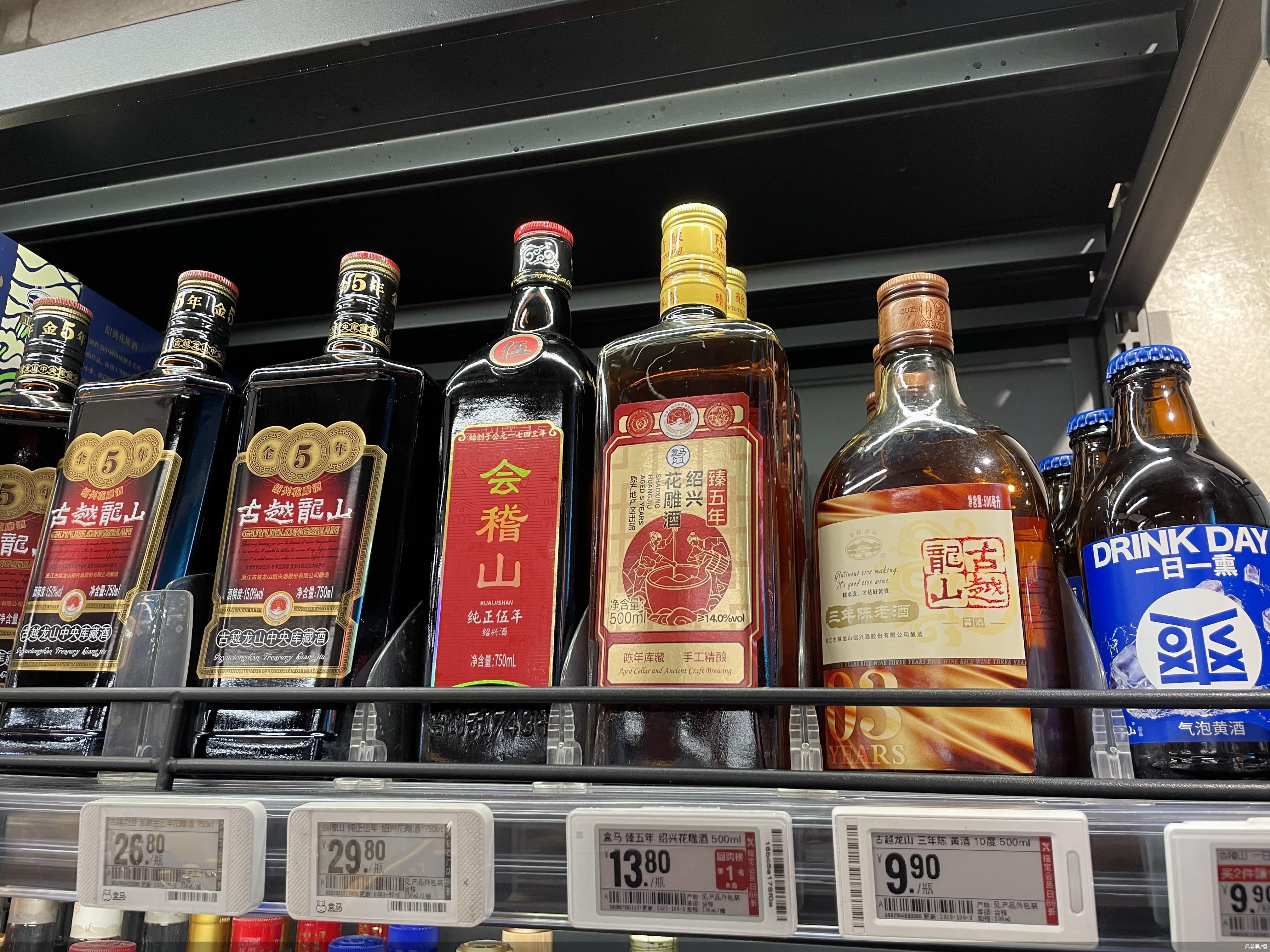
古越龙山携手华润,“黄酒一哥”借年轻化突围
Xin Lang Cai Jing· 2025-10-21 12:16
Core Viewpoint - Gu Yue Long Shan is accelerating its youth-oriented transformation by collaborating with China Resources Beer to launch a cross-border product combining yellow wine and beer, aiming to capture the younger consumer market [3][4]. Company Performance - In the first half of the year, Gu Yue Long Shan reported a liquor sales revenue of 879 million yuan, a year-on-year increase of 0.86%, while net profit attributable to shareholders decreased by 4.72% to 90.31 million yuan [3]. - The company's revenue growth and market capitalization have been surpassed by its competitor Kuaiji Mountain, posing a risk to its title as the "King of Yellow Wine" [3]. Industry Challenges - The yellow wine industry is facing overall pressure due to aging consumers and regional consumption barriers, with the notion that "yellow wine cannot leave Jiangsu, Zhejiang, and Shanghai" becoming a prevalent challenge [3]. - Even in regions with a rich yellow wine culture, the acceptance of yellow wine among younger consumers is declining, necessitating strategies to break regional limitations and attract younger demographics [3]. Product Innovation and Market Strategy - Gu Yue Long Shan has been exploring youth-oriented strategies, including the launch of a craft yellow wine that garnered over 10 million yuan in orders within its first month [4]. - The company has introduced various innovative products, such as coffee yellow wine and flavored yellow wines, to cater to the preferences of younger consumers [4][5]. - The establishment of "slow wine bars" and the hosting of events like "trendy drinking music festivals" reflect the company's efforts to create drinking scenarios appealing to younger audiences [5]. Management Changes - Recent high-level personnel changes include the appointment of Hu Feng as the new deputy general manager, with a total of nine changes in the board and management over the past year, indicating adjustments during the company's transformation phase [7].

“蛇茅”首推“日期酒”;今世缘老白干加码低度酒|观酒周报
2 1 Shi Ji Jing Ji Bao Dao· 2025-10-19 23:53
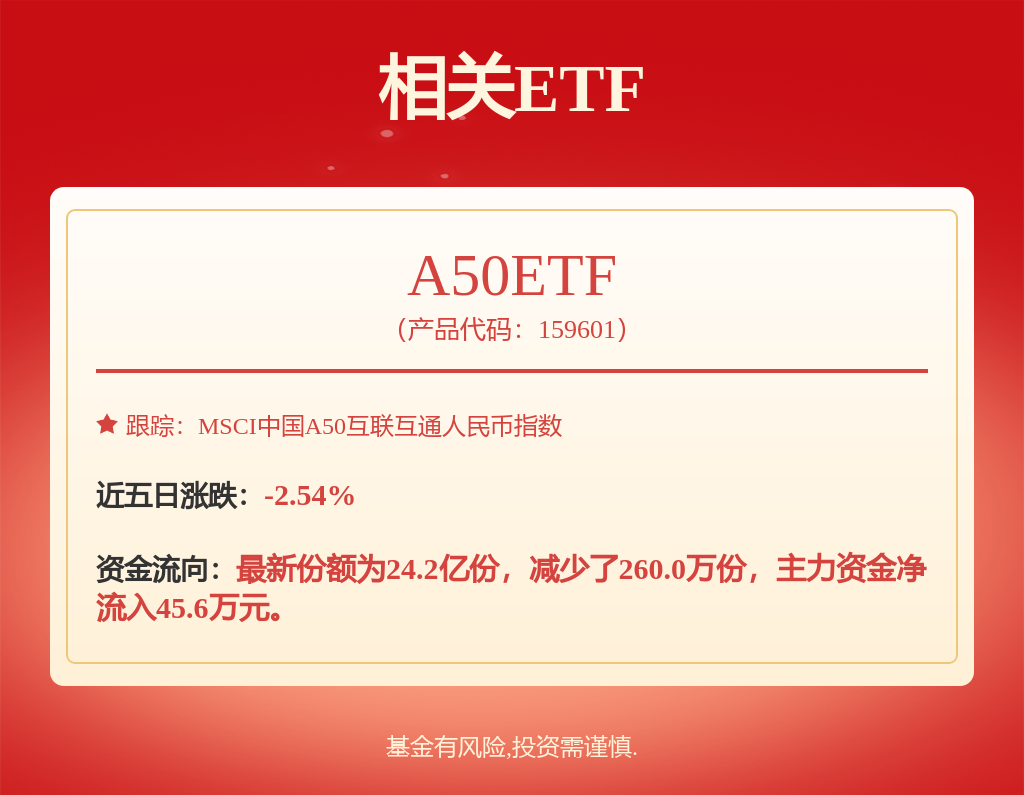
Group 1: Industry Trends - The current discussions at the Nanjing Autumn Sugar Conference and Wuhan Wine Expo revolve around whether the Chinese liquor industry has hit rock bottom, with low-alcohol beverages remaining a hot topic [1] - The white liquor consumption demographic in China is rapidly shrinking, and the demand for white liquor is believed to have reached its lowest point, with recovery expected to take several quarters [13] Group 2: Company Developments - Moutai has launched a new product called "Date Wine," allowing consumers to choose the production date when purchasing a full box of the 53% vol 500ml Moutai liquor [2] - Wuliangye Group reported positive performance across its various sectors in the first three quarters, aiming to achieve its annual targets [3] - Moutai's sales of its sauce-flavored liquor saw a significant recovery in September, with the channel inventory returning to a healthy level [4] - Guyue Longshan and China Resources Beer have announced a strategic partnership to develop a "yellow wine + beer" crossover product, expected to launch in November [5][6] - Langjiu will continue its sponsorship of the CCTV Spring Festival Gala, enhancing its brand visibility [7] - Huangtai Liquor's major shareholder has completed a share buyback plan, acquiring shares worth 600 million RMB [8] - Hengshui Laobaigan introduced a new low-alcohol product line, responding to the trend of lower alcohol content in the market [9] - Yanghe launched several new products during the Nanjing Autumn Sugar Conference, including themed packaging related to football [10] - Jinsiyuan introduced a new low-alcohol product with an alcohol content of 22 degrees, the lowest among recent low-alcohol offerings [12] - The new CEO of Zhenjiu Lidu, Tang Xiangyang, has outlined three strategies for the company's development in the new cycle [14] - Guyue Longshan's vice president has resigned, and Hu Feng has been appointed as the new vice president [15] Group 3: Market Challenges - Treasury Wine Estates has withdrawn its profit growth target for the current fiscal year due to weaker-than-expected sales in the Chinese market [16] - The company is implementing measures to address the declining prices of its BIN series products and is reallocating some products to other markets [17]
“蛇茅”首推“日期酒”;今世缘老白干加码低度酒
2 1 Shi Ji Jing Ji Bao Dao· 2025-10-19 23:46
Industry Overview - The current discussions in the white liquor industry revolve around whether it has hit rock bottom, with low-alcohol beverages remaining a hot topic [1] - The market is experiencing a significant shift towards low-alcohol products, as evidenced by various companies launching new low-alcohol offerings [11][13] Company Developments - Moutai has introduced a new product called "Date Wine," allowing consumers to select the production date when purchasing a full box, catering to collectors and gift-givers [1] - Wuliangye Group reported positive performance across its various sectors in the first three quarters, aiming to meet its annual targets [3] - Moutai's sales of its sauce-flavored series have shown a significant recovery in September, with the channel inventory returning to a healthy level [4] - Guyue Longshan and China Resources Beer have announced a strategic partnership to develop a new "yellow wine + beer" product, expected to launch in November [5][6] - Langjiu continues its sponsorship of major cultural programs, including the CCTV Spring Festival Gala [7] - Huangtai Liquor's major shareholder has completed a share buyback plan, increasing its stake to 25.02% [9] New Product Launches - Hengshui Laobaigan has introduced a new low-alcohol product line called "Zhe Lian," targeting the trend towards lower alcohol content in the market [11] - Yanghe has launched several new products, including "Yanghe National Guest" and "Dream Blue Super Football," with football-themed packaging [12] - Jiuziyuan has unveiled a low-alcohol product with an alcohol content of 22 degrees, the lowest among recent low-alcohol offerings [13] Market Challenges - The chairman of Shengchu Group indicated that the white liquor consumption demographic is rapidly shrinking, and demand may take several quarters to recover [14] - Treasury Wine Estates has withdrawn its profit growth forecast for the Chinese market due to weaker-than-expected sales performance [18]
孙雪真金白银十年磨一剑执拗打磨 湖北泛黄县志里藏着诗经故乡的“土城门”黄酒
Chang Jiang Shang Bao· 2025-10-19 23:33
Core Insights - The article highlights the success of Suchi Wine in the yellow wine industry, particularly through its product "Tuchengmen Emperor General Yellow Wine," which won multiple awards at the China International Wine Expo and the "Zhongshi Cup" competition, showcasing the brand's recognition and innovation in a challenging market [3][5][6]. Company Overview - Suchi Wine, founded by Sun Xue, has made significant strides in the yellow wine sector by focusing on high-quality products and innovative brewing techniques, including a unique bottle cap design that enhances wine preservation [5][6][7]. - The company has shifted its strategy from a broad product range to focusing on two core products, targeting the new middle-class market with a price point of 198 yuan [5][6]. Industry Challenges - The yellow wine industry faces three main constraints: significant regional barriers with Jiangsu, Zhejiang, and Shanghai accounting for 70%-80% of revenue, a lack of diverse consumption scenarios, and limited brand recognition due to historical perceptions of yellow wine as merely cooking wine [4][8][9]. - The industry is characterized by a disparity in support and resources, particularly for non-traditional production areas, leading to challenges in competition and growth [9][10]. Market Trends - Despite the challenges, the yellow wine sector is experiencing gradual growth, with production reaching 1.9 million kiloliters and sales revenue of 21 billion yuan in 2023, reflecting a year-on-year increase of 3.2% and 2.1% respectively [8]. - The market is witnessing a shift towards health-conscious and low-alcohol beverages, with increasing consumer recognition of yellow wine's unique qualities and nutritional benefits [11]. Future Outlook - There is optimism for the yellow wine industry as it seeks to expand its consumer base and diversify consumption scenarios beyond traditional settings, with potential growth in everyday drinking and social occasions [11]. - Companies like Suchi Wine are positioning themselves for future success by investing in innovation and collaboration with educational institutions to address talent shortages in the industry [10][11].

中国酒业以年轻化数智化国际化破局前行
Zheng Quan Ri Bao· 2025-10-19 17:43
Core Insights - The 23rd China International Wine Expo showcased a comprehensive approach to the wine industry, integrating the entire supply chain from raw materials to digital marketing solutions, emphasizing the importance of cultural experience and technology in consumer engagement [1] Group 1: Youthfulness - The wine industry is innovating to attract younger consumers through lighter and more engaging products, such as low-alcohol and fruit wines, reflecting a shift in marketing strategies [2][3] - Companies like Guyue Longshan are introducing unique products like "no high or low" Huangjiu, targeting health-conscious young consumers with low sugar and high alcohol content [2] - Innovative marketing strategies include collaborations with lifestyle products and events, such as liquor-infused chocolates and pop-up stores, to connect with younger audiences [2][3] Group 2: Digital Transformation - The wine industry is undergoing a digital transformation, with companies viewing digitalization as a core strategy rather than a supplementary tool, impacting all aspects from procurement to consumer service [4] - Smart manufacturing is becoming foundational, with companies like Jinshiyuan and Wuliangye implementing automated processes in production, while blockchain technology is enhancing product traceability [4][5] - Despite advancements, smaller enterprises face challenges in digital transformation due to resource constraints, potentially leading to increased industry concentration [5] Group 3: Internationalization - China's wine exports are experiencing robust growth, with a total export value of $1.06 billion, up 21.5%, and a volume increase of 34% to 480 million liters in the first half of the year [6] - The internationalization of Chinese liquor, particularly Baijiu, is gaining attention, with a focus on meeting international quality standards and adapting products for overseas markets [6][7] - The cultural exchange facilitated by the global expansion of Chinese liquor is seen as a significant trend, with companies encouraged to share the story of Chinese Baijiu and consider establishing overseas production and tasting facilities [6][7]
黄酒、红酒也不好卖了?“黄酒一哥”改卖啤酒求生
Shen Zhen Shang Bao· 2025-10-19 12:53
Core Insights - The traditional liquor market in China is facing significant challenges, with high-end liquor experiencing inventory issues and price discrepancies, while other categories like yellow wine and red wine are also struggling to sell [1][6] Group 1: Yellow Wine Market - "Yellow wine king" Guyue Longshan is collaborating with "beer king" China Resources Beer to develop a cross-border product combining yellow wine and beer, expected to launch within the year [2] - Guyue Longshan's performance has deteriorated, with a 48.17% year-on-year decline in net profit for 2024 and nearly a 5% drop in the first half of the year [4] - The company has failed to meet its sales and profit growth targets set for 2021, 2022, and 2023, indicating a struggle to maintain its market position [4][5] Group 2: Red Wine Market - The red wine market is also experiencing a downturn, with domestic leader Zhangyu A reporting a 3.4% decline in revenue and a 16.09% drop in net profit for the first half of 2025 [8] - Zhangyu A's wine sales fell by 10.28% year-on-year, while the company is diversifying into brandy, which has shown growth [8] - Imported wine volumes have decreased, with a 12.67% drop in imports during the first half of 2025 [8] Group 3: Changing Consumer Trends - The consumption landscape for alcoholic beverages in China is shifting from large banquets to smaller, lifestyle-oriented gatherings, with younger consumers redefining drinking occasions [9] - New consumption scenarios include casual settings like late-night snacks and camping, as well as intimate gatherings, posing a challenge for traditional liquor brands [9]