万辰集团

Search documents
周观点、两湖零食调研反馈:环比走出底部,旺季将至可期-20260111
GOLDEN SUN SECURITIES· 2026-01-11 05:56
Investment Rating - The report suggests a positive outlook for the liquor sector, with a recommendation to invest in specific companies based on supply and demand improvements expected in 2026 [1] Core Insights - The snack industry is showing signs of recovery, with companies entering the critical phase of preparing for the Spring Festival, which is expected to boost performance in Q1 2026 due to low base effects and seasonal demand [2] - Companies are adjusting their channel operations and product priorities in response to evolving market demands, leading to gradual improvements in their performance [2] - Specific companies like 甘源食品 (Ganyuan Food) and 劲仔食品 (Jinzai Food) are highlighted for their strategic adjustments and potential for recovery in 2026 [3][4] Summary by Sections Liquor Sector - The liquor market is expected to see a dual improvement in supply and demand by 2026, with short-term sales showing signs of recovery [1] - Recommended companies for investment include 泸州老窖 (Luzhou Laojiao), 古井贡酒 (Guojingongjiu), and 贵州茅台 (Kweichow Moutai) among others [1] Snack Industry - The snack sector is entering a critical preparation phase for the Spring Festival, with companies like 甘源食品 (Ganyuan Food) and 劲仔食品 (Jinzai Food) making strategic adjustments to improve their market positions [2][3][4] - 甘源食品 is expected to recover from a significant revenue decline by leveraging new product launches and channel improvements [3] - 劲仔食品 is shifting focus to new product categories to drive growth, despite facing some revenue pressures [4] Market Trends - The overall food and beverage sector is projected to experience a rebound, with specific attention on the performance of major brands and their strategic responses to market changes [1][2]
TA们扎堆赴港上市,拼的是什么?
Sou Hu Cai Jing· 2026-01-10 01:18
Group 1 - Hunan Mingming Henmang Commercial Chain Co., Ltd. is set to become the first "bulk snack stock" in Hong Kong after passing the listing hearing [2] - The snack industry has seen a surge in companies seeking to list in Hong Kong since 2025, with major players focusing on expanding store networks, supply chains, and product offerings [2] - Three squirrels experienced a significant decline in stock price, dropping over 30% in 2025, with a reported 52.9% year-on-year decrease in net profit attributable to shareholders for the first three quarters of 2025 [2] Group 2 - The book "Corporate Culture Landing: Building Core Competitiveness Across Cycles" offers insights into overcoming challenges in corporate culture implementation [8] - The author proposes a three-stage model for corporate culture implementation, emphasizing the need for a well-structured cultural system and practical methods for effective execution [8] - The book includes case studies from companies like Huawei and Alibaba, providing a systematic approach to translating abstract cultural concepts into actionable practices [8]


鸣鸣很忙通过港交所聆讯,量贩零食或进入双寡头周期
Xin Lang Cai Jing· 2026-01-09 11:29
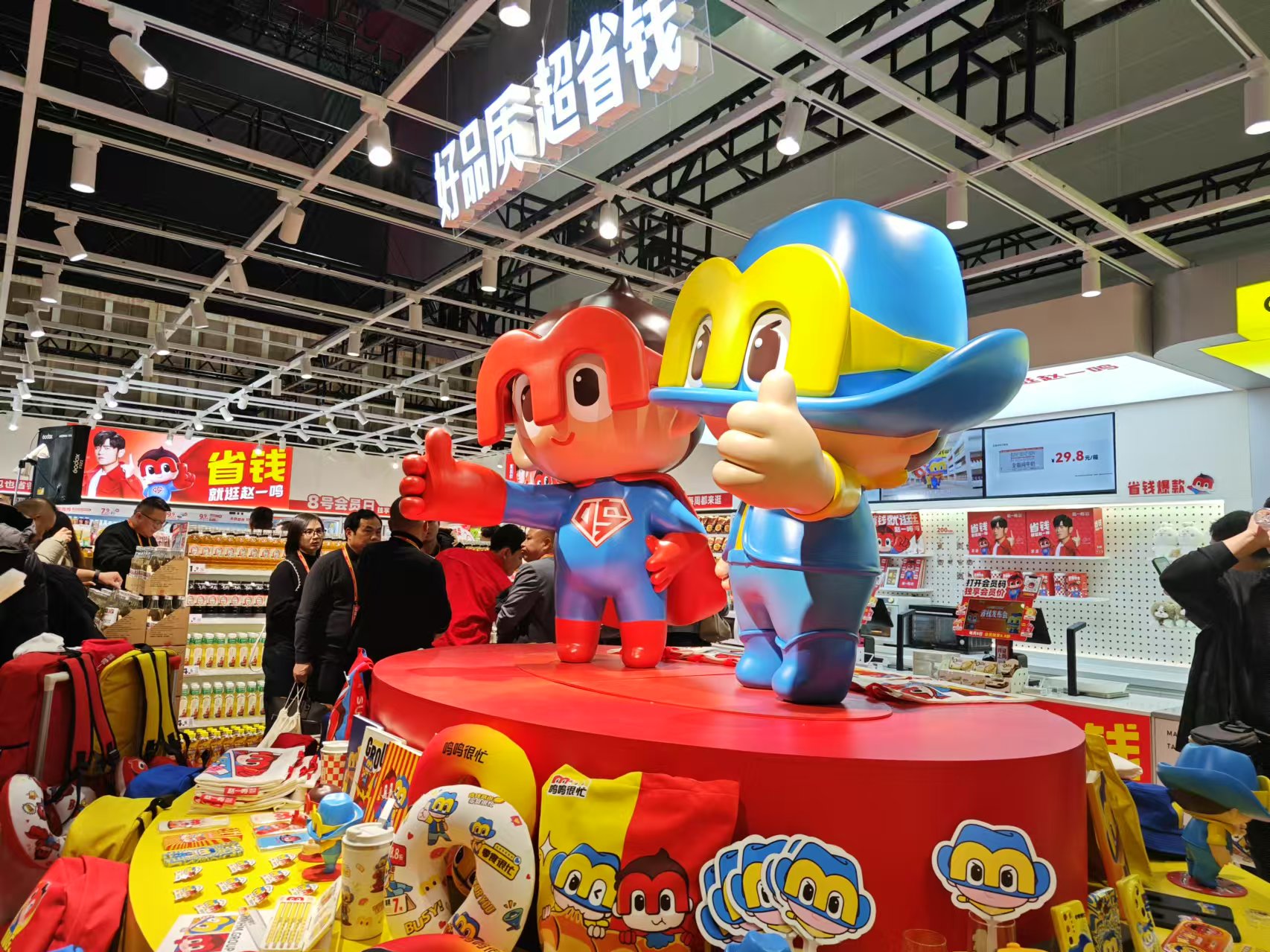
来源:钛媒体 鸣鸣很忙或将登陆港股。 1月6日,港交所网站信息显示,湖南鸣鸣很忙商业连锁股份有限公司(下称"鸣鸣很忙")披露聆讯后资料集,这意味着鸣鸣很忙已通过港交所上市聆讯。 聆讯后资料集显示,截至2025年9月30日的9个月内,鸣鸣很忙实现零售额(GMV)661亿元,同比增长74.5%。按2024年产品零售额计,鸣鸣很忙已成为我 国最大的休闲食品饮料连锁零售商。 在收入层面,2025年前9个月,鸣鸣很忙实现收入463.71亿元,同比增长75.2%;实现经调整净利润18.10亿元,同比大幅增长240.8%。同期经营现金流净额 达21.90亿元, 2022年至2024年,鸣鸣很忙收入从42.86亿元跃升至393.44亿元,三年复合增速达203%;经调整净利润从0.81亿元增长至9.13亿元,三年复合增速达234.6%。 2022年至2025年前9个月,毛利率由7.5%提升至9.7%,经调整净利率由1.9%提高至3.9%。 2017 年 3 月,"零食很忙" 首店在湖南长沙开业,2019 年,"赵一鸣零食"于江西宜春诞生。 2023年11 月,"零食很忙"与"赵一鸣零食"合并为鸣鸣很忙,全国门店总数突破万家。 ...
2025零售业复盘:量贩零食店从“万店狂奔”到“红利拐点”,谁是下一个出局者?
3 6 Ke· 2026-01-09 00:25
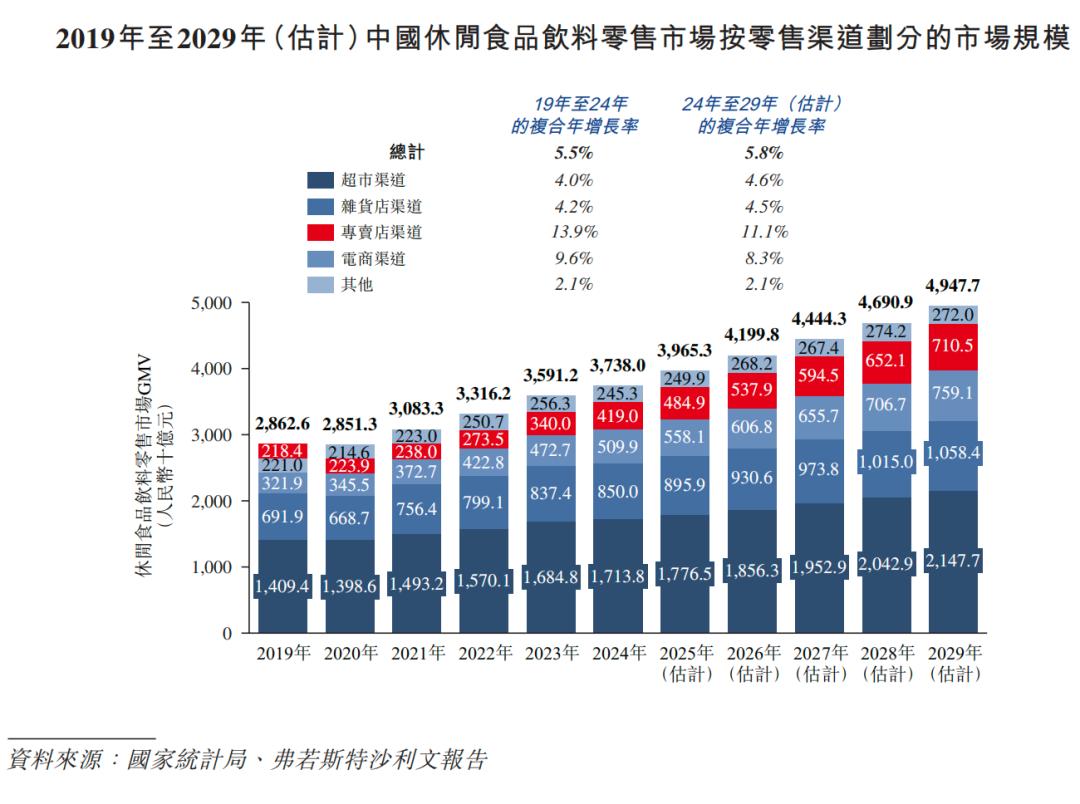
Core Viewpoint - The snack retail industry in China is transitioning from chaotic expansion to a phase focused on efficiency, innovation, and brand building, marking a significant structural transformation by 2025 [1][41]. Industry Overview - By 2025, the "dual oligopoly" structure of the snack retail industry has formed, with leading companies like Mingming Hen Mang and Wancheng Group significantly expanding their store counts and revenue [2][9]. - The total number of snack retail stores in China is projected to grow from approximately 38,000 in 2024 to 45,000 in 2025, reflecting a vibrant market despite overall retail pressures [3][4]. Market Dynamics - The market share of snack specialty stores has increased from 7.6% in 2019 to 14% in 2024, with the GMV growing from 218.4 billion RMB to 419 billion RMB during the same period [4]. - The competitive landscape is shifting from price wars to efficiency battles, with consumer demand evolving from "cost-effectiveness" to "quality-price ratio" [2][4]. Financial Performance - Mingming Hen Mang reported a revenue of 463.71 billion RMB for the first three quarters of 2025, a 75.2% increase year-on-year, with a net profit of 18.10 billion RMB, reflecting a 240.8% growth [9]. - Wancheng Group's revenue surged from 5.49 billion RMB in 2022 to 365.62 billion RMB in the first three quarters of 2025, with a staggering 917.04% increase in net profit [10]. Business Model and Expansion - The snack retail model has evolved to focus on high SKU counts and a diverse product range, with stores like Mingming Hen Mang offering up to 3,997 SKUs, significantly higher than traditional supermarkets [18][24]. - The franchise model has become a key driver of growth, with over 99% of Mingming Hen Mang's stores operated by franchisees, allowing for rapid expansion and capital influx [22][23]. Challenges and Future Directions - The industry faces challenges such as declining same-store sales and prolonged profitability cycles for franchisees, raising concerns about the sustainability of the business model [12][35]. - Future growth strategies may include deeper penetration into lower-tier markets, international expansion, broadening product categories, and enhancing private label offerings to improve profit margins [37][39][40]. Conclusion - The snack retail industry is poised for a high-quality development phase, focusing on efficiency and brand strength, as it navigates through a competitive landscape that demands adaptability and innovation [41][42].
第一创业晨会纪要-20260108
First Capital Securities· 2026-01-08 05:21
Macro Economic Group - The US manufacturing PMI for December is reported at 47.9%, below the expected 48.3% and down from November's 48.2%, indicating a "strong supply and weak demand" scenario [4] - The December output index is at 51%, showing a slight decline of 0.4 percentage points from November but remains in the expansion zone [4] - The new orders index for December is at 47.7%, a 0.3 percentage point increase from the previous month, while the new export orders index is at 46.8%, indicating contraction [4] - The employment index for December is at 44.9%, up 0.9 percentage points from November, while the supplier delivery index is at 50.8%, reflecting a slight improvement [4] Industry Comprehensive Group - The US military budget for 2027 is proposed to be $1.5 trillion, up from the previous $1 trillion, which is expected to boost market sentiment in the military industry [9] - Recent regulatory warnings issued to Shenzhen Yahui Long Biotechnology Co., Ltd. and Shenzhen Yingjixin Technology Co., Ltd. indicate a cooling intention in the brain-computer interface market, which may lead to a period of adjustment in related sectors [9] Advanced Manufacturing Group - A recent meeting focused on regulating competition in the power and energy battery industry, addressing issues like disorderly expansion and low-price competition [11] - The industry is currently in a cyclical phase, with a focus on shifting competition from price to technology performance and product differentiation, which is expected to enhance the sustainability and stability of the industry's high prosperity [11] Consumer Group - The company "Mingming Very Busy" is undergoing a listing process, leveraging a "direct sales + franchise" model to achieve explosive growth in store numbers, enhancing bargaining power with upstream suppliers [13][14] - The functional food sector is evolving towards precise molecular interventions, with domestic companies breaking the monopoly of foreign giants, particularly in the AKK bacteria market, which is expected to see significant growth [15]
量贩零食头部企业齐谋上市
Di Yi Cai Jing Zi Xun· 2026-01-08 02:53
Core Insights - The article discusses the rapid transformation of the snack retail ecosystem in China, highlighting the competitive landscape and the upcoming IPO of Hunan Mingming Hen Mang Commercial Chain Co., Ltd., which aims to become the first listed company in the bulk snack sector on the Hong Kong Stock Exchange [2] Company Performance - Mingming Hen Mang reported a retail sales (GMV) of 66.1 billion RMB for the nine months ending September 30, 2025, reflecting a year-on-year growth of 74.5% [2] - For the first three quarters of 2025, Mingming Hen Mang achieved a revenue of 46.371 billion RMB, a 75.2% increase year-on-year, and a net profit of 1.559 billion RMB, up 218% [3] - In comparison, Wanchen Group, the parent company of another leading brand, achieved a revenue of 36.562 billion RMB, a 77% increase, and a net profit of 855 million RMB, up 917% during the same period [3] Gross Margin Analysis - Mingming Hen Mang's gross margin for the first nine months of 2025 was 9.7%, up from 7.5% in 2023 and 7.6% in 2024 [4] - Wanchen Group's gross margin increased from 9.3% in 2023 to 10.7% in 2024, reaching 11.7% in the first three quarters of 2025 [4] Industry Trends - The bulk snack industry is expected to grow significantly, with estimates suggesting over 30% growth in the number of stores to 56,000 by 2025, and a projected industry sales scale of 220 billion RMB [5] - The competitive landscape is intensifying, with leading companies increasing store openings and engaging in price wars to capture market share [5] - Despite the growth potential, the bulk snack model faces limitations and risks, as it relies heavily on low prices and a wide variety of products, which may lead to price wars and imitation by competitors [5]
量贩零食头部企业齐谋上市
第一财经· 2026-01-08 02:39
Core Viewpoint - The article discusses the rapid transformation of the snack retail ecosystem in China, highlighting the competitive landscape and the upcoming IPO of "Mingming Hen Mang," which aims to become the first listed company in the bulk snack sector on the Hong Kong Stock Exchange [3][4]. Group 1: Industry Overview - The bulk snack industry has seen significant growth, with "Mingming Hen Mang" reporting a retail sales (GMV) of 66.1 billion RMB for the nine months ending September 30, 2025, representing a year-on-year increase of 74.5% [4]. - The competitive landscape is intensifying, with another leading company, "Wancheng Group," also filing for an IPO. As of June 2025, "Wancheng Group" had over 15,000 stores, while "Mingming Hen Mang" had 19,517 stores by September 2025 [5]. - The overall revenue for "Mingming Hen Mang" for the first three quarters of 2025 reached 46.371 billion RMB, a 75.2% increase year-on-year, while net profit surged by 218% to 1.559 billion RMB [6]. Group 2: Financial Performance - "Wancheng Group" reported a revenue of 36.562 billion RMB for the same period, with a year-on-year growth of 77%, and a net profit of 855 million RMB, reflecting a staggering 917% increase [6]. - The gross margin for "Mingming Hen Mang" improved from 7.5% in 2023 to 9.7% in the first nine months of 2025, while "Wancheng Group" saw its gross margin rise from 9.3% in 2023 to 11.7% in the same period [6]. Group 3: Market Dynamics - The bulk snack store model is gaining traction in various urban and rural areas, becoming a common retail format alongside tea shops. This model's low prices and streamlined supply chains are capturing increasing market share, prompting traditional snack companies to adjust their pricing strategies [6]. - According to a report by CITIC Securities, the number of bulk snack stores is expected to grow over 30% year-on-year to 56,000 by 2025, with the industry sales scale projected to reach 220 billion RMB [7]. Group 4: Competitive Challenges - Despite the industry's growth potential, there are inherent limitations and risks in the bulk snack model. Analysts suggest that the reliance on low prices and a wide variety of products may lead to vulnerability against imitation and price wars [8]. - Future competitive advantages in the industry will likely hinge on innovation in taste and product variety, as well as technological advancements to maintain differentiation [8].
万辰集团20260107
2026-01-08 02:07
Summary of the Conference Call for Wancheng Group Industry Overview - The hard discount supermarket sector has experienced a compound annual growth rate (CAGR) exceeding 90% over the past few years, indicating it is a high-growth area within the consumer sector [2][5] - The snack industry is a trillion-dollar market with low penetration rates, where the two leading companies hold approximately 10% market share, and the largest company has less than 2% [4][15] Company Expansion Plans - Wancheng Group plans to open 10,000 stores in 2024, while Mingming Henbang aims to open 8,000 stores by 2026, showcasing strong expansion capabilities [2][5] - The company primarily targets county and town markets, which account for 60% of its store openings, addressing unmet market demand and demonstrating high net profit potential and long operating cycles [2][5][6] Market Dynamics - The demand for snacks and beverages in county and town markets remains strong, with limited e-commerce competition, resulting in lower rent and operational costs [10] - The logistics network has improved significantly, with over 60 warehouses established nationwide, enabling next-day delivery in most regions [9] Profitability and Valuation - The snack industry is expected to maintain a net profit margin of around 5% through 2026 and likely into 2027 [4][17] - A specific brand is projected to achieve a net profit of at least 2 billion yuan by 2026, with a potential market capitalization of approximately 400 billion yuan at a 20x PE ratio, indicating significant growth potential [4][22] Competitive Landscape - The hard discount model in China is still in its infancy, with only about 4% market penetration compared to 20-30% in developed markets like Europe and the U.S., suggesting substantial growth opportunities [3] - The competition in the snack sector is characterized by high margins and strong bargaining power among major companies, supported by digital management that enhances efficiency and reduces costs [17][20] Future Trends - The retail landscape is expected to evolve towards a "snack+" model, where maintaining a combination of products can sustain high net profit margins [23] - The overall industry is projected to have a store ceiling of 80,000 to 100,000 locations, with major brands likely to reach 30,000 stores by 2026 [11][24] Challenges and Risks - Expanding into new product categories may introduce competitive pressures, particularly in lower-margin areas like fresh produce [12] - The presence of private labels poses a challenge to traditional brands, but they can coexist by offering different price points and value propositions [19] Conclusion - The hard discount supermarket and snack sectors present significant investment opportunities due to their growth potential, strong demand in underserved markets, and the ability to maintain profitability through effective management and expansion strategies [2][4][22]
量贩零食头部企业齐谋上市,行业体量仍在扩大但模式天花板已现
Di Yi Cai Jing· 2026-01-08 01:33
Core Insights - The snack retail industry, particularly the bulk snack store model, has rapidly transformed the domestic snack retail ecosystem in China, with leading companies preparing for IPOs on the Hong Kong Stock Exchange [1][2] Group 1: Industry Overview - The bulk snack store model has become one of the most common retail formats in commercial areas, alongside milk tea shops [1] - The industry is experiencing intense competition, with innovation in business models and supply chain capabilities being crucial for future success [2] - The bulk snack industry is projected to grow significantly, with estimates suggesting over 56,000 stores by 2025 and a sales scale reaching 220 billion RMB [4] Group 2: Company Performance - Hunan Mingming Hen Mang Commercial Chain Co., Ltd. (Mingming Hen Mang) is set to become the first bulk snack stock on the Hong Kong Stock Exchange, reporting a GMV of 66.1 billion RMB for the nine months ending September 30, 2025, a 74.5% year-on-year increase [2] - Mingming Hen Mang's revenue for the first three quarters of 2025 reached 46.371 billion RMB, up 75.2% year-on-year, with a net profit of 1.559 billion RMB, reflecting a 218% increase [3] - Wanchen Group, the parent company of another leading brand, Hao Xiang Lai, reported a revenue of 36.562 billion RMB for the same period, a 77% increase, with a net profit of 855 million RMB, up 917% [3] Group 3: Market Dynamics - The bulk snack model is characterized by low prices and streamlined supply chains, allowing it to capture increasing market share, prompting traditional snack companies to adjust their pricing strategies [3] - The competition is expected to intensify in 2024, with leading companies increasing store openings and engaging in price wars to accelerate expansion [4] - There is a significant opportunity for further store openings, with over 50% potential growth remaining for leading bulk snack companies [4] Group 4: Challenges and Limitations - Despite the industry's growth potential, the bulk snack model faces limitations, including a lack of technological depth and vulnerability to imitation, which could lead to price wars [5] - Future competitive advantages will depend on innovation in flavors and product categories, as well as technological advancements [5]
零食连锁鸣鸣很忙通过港交所聆讯:加盟店超2.1万家,去年前三季营收增长七成
Xin Lang Cai Jing· 2026-01-07 10:21
Core Viewpoint - The snack chain brand Mingming Hen Mang has passed the Hong Kong Stock Exchange hearing and is expected to become the first "bulk snack stock" in Hong Kong [2] Company Overview - Mingming Hen Mang was formed from the merger of "Snack Hen Mang" and "Zhao Yiming Snacks," completed in November 2023 [4] - The company submitted its listing application to the Hong Kong Stock Exchange in April 2025, with an updated application submitted in October 2025 [4] - The company plans to issue up to 76.67 million overseas listed shares and convert approximately 198 million shares held by 25 shareholders into overseas listed shares [4] Financial Performance - As of September 30, 2025, Mingming Hen Mang achieved a retail sales (GMV) of 66.1 billion RMB, a year-on-year increase of 74.5%, surpassing the total for 2024 [4] - The company reported revenue of 46.37 billion RMB for the first nine months of 2025, a 75.2% increase year-on-year, with an adjusted net profit of 1.81 billion RMB, up 240.8% [6] - Revenue for 2022, 2023, and 2024 was 4.29 billion RMB, 10.30 billion RMB, and 39.34 billion RMB, respectively, with compound annual growth rates (CAGR) of 140.2%, 282.2%, and 203% [6][7] Business Model - Mingming Hen Mang operates on a "bulk model," focusing on large-scale procurement and cost reduction, allowing for lower average pricing compared to supermarkets [6] - The average selling price of products is approximately 25% lower than similar products in offline supermarkets, with an average SKU count per store being double that of comparable supermarkets [6] Store Network - As of November 30, 2025, the company had 21,041 stores, including 23 self-operated stores and 21,018 franchise stores [9] - Revenue primarily comes from sales to franchisees, with 99.5% of income derived from product sales to franchise and self-operated stores [10] Competitive Landscape - The company faces strong competition from other snack retail giants, including Hao Xiang Ni and Wanchen Group, which has also submitted a listing application to the Hong Kong Stock Exchange [11][12] - Wanchen Group reported a total revenue of 32.33 billion RMB for 2024, with a year-on-year growth of 247.9% [12] Market Outlook - The retail market for leisure food and beverages in China reached 3.7 trillion RMB in 2024, projected to grow to 4.9 trillion RMB by 2029 [14] - Mingming Hen Mang plans to use IPO proceeds for store expansion, supply chain optimization, and digitalization to enhance market penetration and meet diverse consumer demands [14]