雀巢

Search documents
市场消息:瑞幸咖啡据悉考虑竞购雀巢旗下Blue Bottle。
Jin Rong Jie· 2025-12-16 15:06
Group 1 - Luckin Coffee is reportedly considering a bid for Blue Bottle, a subsidiary of Nestlé [1] - This potential acquisition indicates Luckin Coffee's strategy to expand its market presence and diversify its product offerings [1]

德芙携手品客:玛氏360亿美元豪购背后的零食帝国野心
Xin Lang Cai Jing· 2025-12-16 10:05
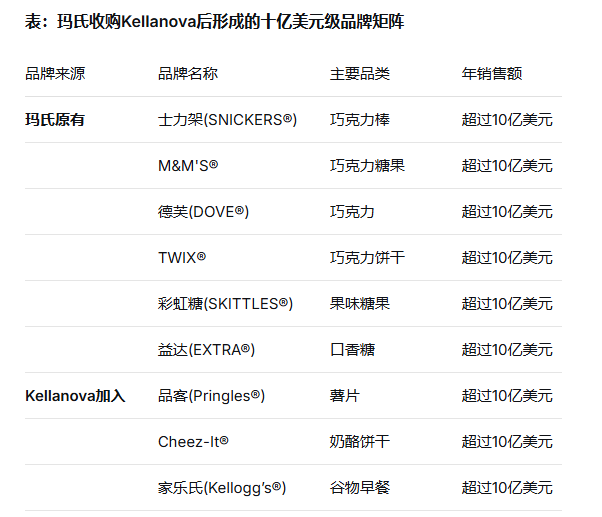
Core Insights - Mars Inc. has completed the acquisition of Kellanova, the parent company of Pringles, for a total consideration of $35.9 billion, marking one of the largest deals in the global packaged food sector in the past decade [1][2][10] - This acquisition sets a new record for Mars in terms of merger and acquisition scale, with the deal being finalized after 16 months and requiring approvals from 28 global regulatory bodies [2][11] Financial Overview - The acquisition price of $83.50 per share represents a 44% premium over Kellanova's weighted average stock price over the previous 30 trading days, significantly higher than the industry average [2][11] - Post-acquisition, Mars' snack business revenue is expected to rise to approximately $36 billion, with the combined entity featuring nine brands that each generate over $1 billion in annual sales [3][12] Market Positioning - The merger will create a complementary product portfolio, combining Mars' strengths in sweet snacks with Kellanova's expertise in savory snacks and breakfast foods, enhancing market coverage [3][12] - Following the acquisition, Mars will become the third-largest player in the global snack industry, with a combined market share of 26% alongside PepsiCo and Mondelez [6][15] Business Structure Changes - The acquisition will shift Mars' business structure, with the snack segment's revenue increasing from $17.92 billion (33% of total revenue) to $36 billion (45% of total revenue), while the pet care segment's share will decrease from 60% to approximately 48% [7][16] - The integration of Kellanova will also expand Mars' health and nutrition product offerings, including RXBAR and Nutri-Grain energy bars [4][12] Regional Impact - In China, which accounted for 18% of Mars' 2024 sales, the acquisition will allow for better integration of Kellanova's products into Mars' established distribution network [8][17] - Kellanova's Pringles brand holds a 10% market share in China's snack market, and local production is expected to begin by 2026, potentially reducing prices by 20% [8][17] Integration Challenges - Despite the strategic significance of the acquisition, Kellanova has faced challenges, with a 0.2% year-over-year increase in organic sales and a 4.1% decline in adjusted operating profit in the first three quarters of 2025 [9][18] - Mars plans to increase Kellanova's R&D budget by 30% and retain its core management team to navigate the integration process [9][18]

一家超级明星公司凉了
3 6 Ke· 2025-12-16 07:17
Core Insights - The plant-based meat industry is experiencing a dramatic cycle from capital enthusiasm to a rapid decline, exemplified by Beyond Meat's recent exit from the Chinese market [1][10] - Beyond Meat has closed its flagship e-commerce store in China and halted production at its factory in Jiaxing, signaling a clear withdrawal from the market [1][3] - The company's struggles reflect broader challenges within the plant-based meat sector, with significant revenue declines and a nearly 97% drop in stock price from its peak [1][4][10] Company Overview - Beyond Meat, founded in 2009, was one of the first plant-based meat companies in the U.S., attracting significant investment from high-profile figures like Bill Gates and Leonardo DiCaprio [1][8] - The company expanded into China in 2020, establishing two factories in Jiaxing, aiming to become a leading player in the plant-based meat market [3][4] - Initial success included partnerships with major brands like Starbucks and KFC, but the company has faced declining sales and increased losses since 2022 [3][4] Financial Performance - Beyond Meat's revenue from 2022 to 2024 showed a downward trend: $419 million in 2022, $343 million in 2023, and projected $326 million in 2024, with corresponding losses of $366 million, $338 million, and $160 million [4] - In the first three quarters of 2023, the company reported $214 million in revenue, a 14.37% year-over-year decline, and a net loss of $193 million [4] - As of December 15, 2023, the stock price was $1.04 per share, with a market capitalization of $472 million, down from a peak of $15.3 billion [4][10] Industry Context - The plant-based meat sector is facing widespread challenges, with many companies, including Impossible Foods, also experiencing layoffs and operational cutbacks [10][11] - The overall market for plant-based meat is small, with a limited consumer base primarily consisting of vegetarians and health enthusiasts, which hinders broader market expansion [12] - Key barriers to growth include poor taste perception among consumers, high prices (82% more expensive than traditional meat), and a lack of widespread appeal [12][13] Investment Trends - Investment in plant-based meat companies has significantly declined, with a 64% drop in 2024 and a 40% further decline in cultivated meat investments [13] - Despite the current downturn, the long-term potential for plant-based meat remains, contingent on achieving a balance between price, taste, and commercial scalability [13]
一家超级明星公司凉了
投中网· 2025-12-16 06:11
Core Viewpoint - The plant-based meat industry is experiencing a dramatic shift from capital enthusiasm to a rapid decline, exemplified by Beyond Meat's recent closure of its flagship e-commerce store in China and the shutdown of its factory in Jiaxing, signaling a potential exit from the Chinese market [3][4][9]. Company Overview - Beyond Meat, founded in 2009, was one of the earliest plant-based meat companies in the U.S. and gained significant capital interest, attracting notable investors like Bill Gates and Leonardo DiCaprio [3][16]. - The company expanded into China in 2020, establishing two factories in Jiaxing with ambitions to become a leading plant-based meat producer globally [6][7]. Financial Performance - Since 2022, Beyond Meat has faced continuous revenue declines and increasing losses, with stock prices plummeting nearly 97% from their peak [8][5]. - The company's revenues from 2022 to 2024 were reported at $419 million, $343 million, and $326 million, with corresponding losses of $366 million, $338 million, and $160 million [8][21]. Market Challenges - The closure of Beyond Meat's operations in China reflects broader struggles within the plant-based meat sector, where companies like Impossible Foods have also faced layoffs and operational challenges [19][20]. - The plant-based meat market is hindered by three main issues: poor taste perception among consumers, high prices compared to traditional meat (82% higher), and a limited consumer base primarily consisting of vegetarians and fitness enthusiasts [21][22]. Investment Trends - Investment in plant-based meat companies has significantly declined, with a reported 64% drop in 2024, following a 75% decrease in cultivated meat investments [22].
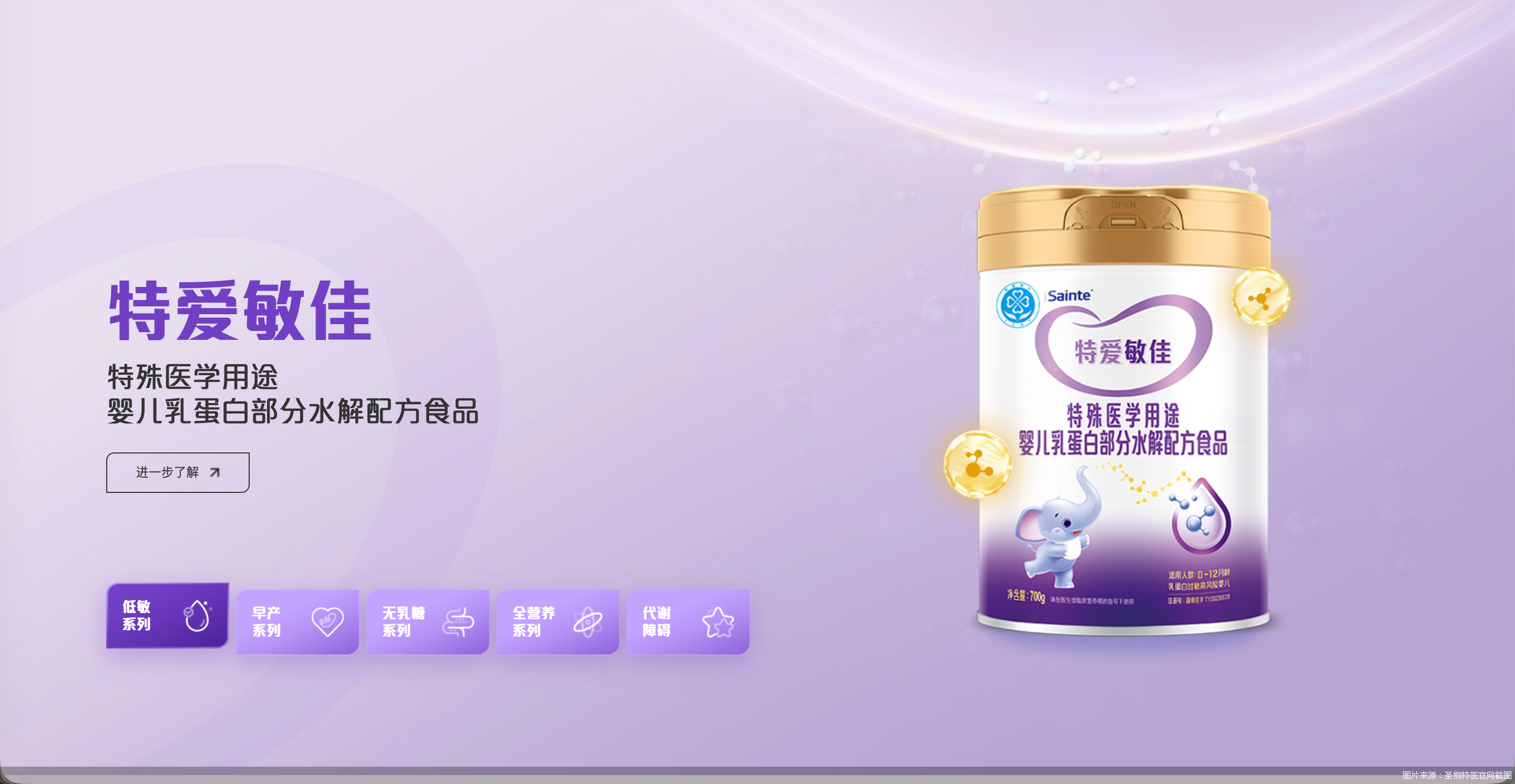
圣桐特医再度递表 财务紧绷难解
Bei Jing Shang Bao· 2025-12-16 05:17
Core Viewpoint - Saintong Special Medical Foods has refiled its IPO application after an initial failure, highlighting the growth potential in China's special medical food market, which is expected to reach 53.1 billion yuan by 2029, with a current penetration rate of only 3% compared to 40% in mature markets like Europe and the US [1] Financial Performance - Revenue for Saintong Special Medical Foods from 2022 to the first half of 2025 is projected to be 491 million yuan, 654 million yuan, 834 million yuan, and 397 million yuan respectively, with profits of 83.9 million yuan, 170 million yuan, 94.1 million yuan, and 88.5 million yuan during the same period [2] - The company holds a market share of 6.3% in the domestic special medical food market, ranking first among local brands and fourth overall, trailing behind Nestlé, Danone, and Mead Johnson [2] Inventory and Debt Concerns - The company has seen a significant increase in inventory turnover days, rising from 54 days in 2022 to 155 days in 2024, indicating liquidity issues due to capital being tied up in inventory [3] - As of December 31, 2024, Saintong reported a total deficit of 318 million yuan and net current liabilities of 405 million yuan, with liquidity ratios below 1, indicating substantial short-term debt pressure [3] R&D Investment - R&D expenditures from 2022 to 2024 were 6.51 million yuan, 10.81 million yuan, and 13.33 million yuan, representing only 1.3%, 1.7%, and 1.6% of total revenue, which is significantly lower than the industry average of 6.8% in 2023 [5][6] - The company’s revenue is heavily reliant on allergy prevention products, which accounted for over 90% of its income, limiting its ability to diversify into other segments [5][6] Dividend Distribution - Saintong has distributed dividends totaling approximately 467 million yuan before its IPO, which is nearly 94% of its adjusted net profit over the same period, raising concerns about financial governance given its high debt levels [6]
2025饮料新品TOP100丨元气森林、农夫山泉、康师傅、统一激战新品、乳饮退潮谁来补位?
3 6 Ke· 2025-12-16 02:59
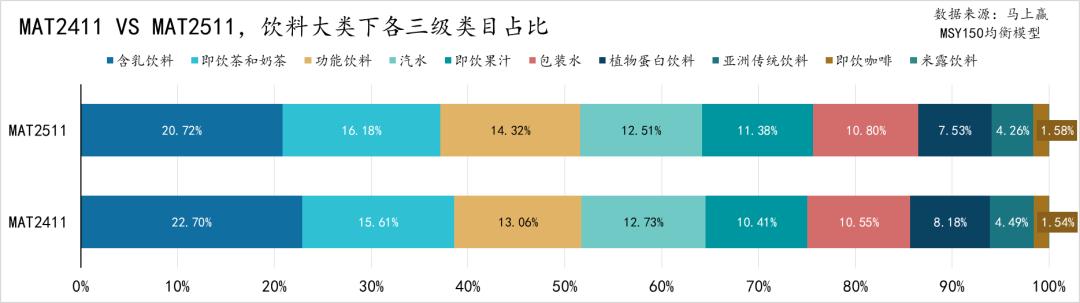
Core Insights - The article discusses the year-end review of the beverage market, focusing on the top 100 new products from December 2024 to November 2025, and compares them with the same period from the previous year to identify trends and shifts in the market [1][4]. Summary by Sections Overview of the Year-End Review - The year-end review will analyze the top 100 new beverage products and their market performance over the specified period, highlighting new trends and shifts in consumer preferences [1]. Data Collection and Methodology - The data for the top 100 products is sourced from the "马上赢" brand CT and various models, covering a wide range of retail channels across major cities in China [3]. - The selection criteria for the top 100 products exclude private label products and multi-pack items, focusing solely on individual SKUs based on sales revenue [1][2]. Market Performance Analysis - The beverage market is categorized into ten subcategories, including packaged water, functional drinks, dairy drinks, ready-to-drink tea, and more [4][5]. - The analysis reveals that dairy drinks are the only category exceeding 20% market share, while ready-to-drink tea, functional drinks, and carbonated beverages also hold significant shares [8]. Year-on-Year Comparison - A comparison between the two periods shows that the market share of dairy drinks has decreased by approximately 2%, with a sales growth decline of over 13% [13]. - Functional drinks and ready-to-drink juices have shown positive growth, while traditional categories like carbonated drinks and Asian traditional beverages have experienced declines [12][13]. New Product Trends - The top 100 new products for the current year show a significant increase in non-refrigerated ready-to-drink juices and sweetened ready-to-drink teas, while categories like sugar-free ready-to-drink tea and sports drinks have seen a reduction in new product entries [19][14]. - Notably, the top brands include "元气森林" and "康师傅," each with multiple products in the top rankings, indicating strong competition and innovation in the beverage sector [19][22]. Pricing and Specifications - The average price per 100ml for new products varies across categories, with non-refrigerated ready-to-drink juices and sweetened ready-to-drink teas generally priced higher [28]. - The distribution of product specifications indicates a growing preference for larger packaging sizes, reflecting changing consumer consumption patterns [25]. Launch Timing Insights - The timing of new product launches has shifted, with a noticeable increase in products launched in February and March compared to the previous year, suggesting a trend towards earlier market entry [31].





圣桐特医再度递表,财务紧绷难解
Bei Jing Shang Bao· 2025-12-15 13:47
Core Viewpoint - Saintong Special Medical Foods has refiled its IPO application with the Hong Kong Stock Exchange after an initial failure, highlighting the significant growth potential in China's special medical food market, which is expected to reach 53.1 billion yuan by 2029, with a current penetration rate of only 3% compared to 40% in mature markets like Europe and the US [1][3]. Financial Performance - Revenue for Saintong Special Medical Foods from 2022 to the first half of 2025 is projected to be 491 million yuan, 654 million yuan, 834 million yuan, and 397 million yuan, respectively, with profits of 83.9 million yuan, 170 million yuan, 94.1 million yuan, and 88.5 million yuan during the same period [3]. - The company holds a market share of 6.3% in the domestic special medical food market, ranking fourth overall, and leads in the infant special medical food segment with a 9.5% share, trailing behind Nestlé and Danone [3]. Inventory and Debt Concerns - Saintong has established a large sales network with 326 to 346 distributors from 2022 to 2024, selling to over 700 hospitals and medical institutions [4]. - However, the company's inventory turnover days have increased significantly from 54 days in 2022 to 155 days in 2024, indicating liquidity issues due to high inventory levels [4]. - As of December 31, 2024, the company reported a total deficit of 318 million yuan and net current liabilities of 405 million yuan, with liquidity ratios below 1, indicating substantial short-term debt pressure [4][5]. R&D Investment - Research and development (R&D) expenditures from 2022 to 2024 were 6.51 million yuan, 10.81 million yuan, and 13.33 million yuan, representing only 1.3% to 1.7% of total revenue, which is significantly lower than the industry average of 6.8% in 2023 [6][7]. - The company relies heavily on allergy prevention products, which accounted for over 85% of its revenue, limiting its ability to diversify into other segments [6][7]. Dividend Distribution - Despite financial constraints, Saintong has distributed dividends totaling approximately 467 million yuan before its IPO, which is nearly equivalent to 94% of its adjusted net profit over the same period [7][8]. - This high dividend payout amidst significant debt raises concerns about the company's financial governance and may impact its IPO approval process [8].
精品咖啡甩卖潮:可口可乐、雀巢为何甘愿“割肉”?
3 6 Ke· 2025-12-15 08:44
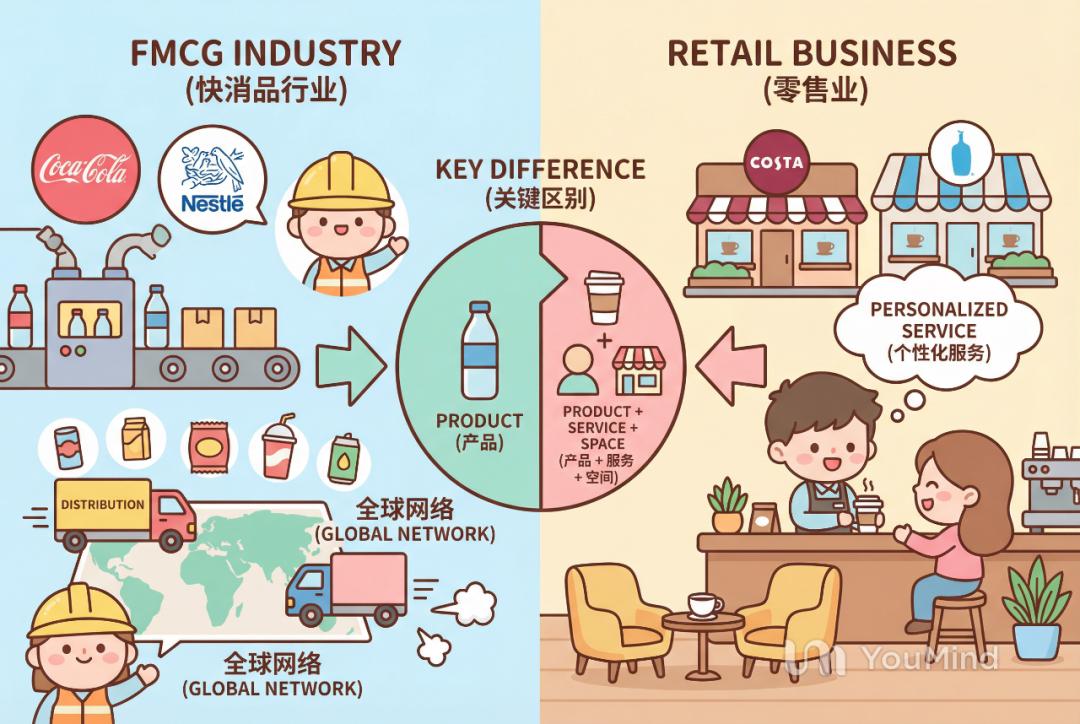
Core Viewpoint - The food and beverage industry is experiencing a surge in mergers and acquisitions, with notable companies like Starbucks, Coca-Cola, and Nestlé divesting from their coffee brands, often at prices significantly lower than their acquisition costs [1][7]. Group 1: Reasons for Divestiture of Physical Store Businesses - The divestiture often involves physical store operations, which differ from the fast-moving consumer goods (FMCG) sector that focuses on product and distribution rather than service and space [1][4]. - Physical retail businesses are more complex and face higher management challenges compared to FMCG, making them less strategic for companies like Coca-Cola and Nestlé [4]. - The capital-intensive nature of coffee shops, with high initial investments and long payback periods, makes them less attractive during economic pressures, prompting companies to divest [5][10]. Group 2: Reasons for Selling at a Discount - Companies prioritize focusing on core businesses to streamline their balance sheets, leading to the decision to sell off less strategic assets [7][10]. - For Coca-Cola, the acquisition of Costa was initially aimed at expanding its coffee platform, but changing market dynamics, particularly in China, rendered the physical store operations less viable [9][10]. - The value of physical stores is reassessed when more efficient distribution channels can achieve growth without the overhead of managing retail locations [10]. Group 3: Value of Divested Brands - Brands like Costa and Blue Bottle Coffee possess strong product offerings and loyal customer bases, indicating that they are not inherently poor investments [11][15]. - The divestiture allows these brands to potentially thrive under new ownership that can provide the necessary resources for expansion and operational efficiency [15][18]. - The example of the newly independent Magnum ice cream company illustrates how divestiture can lead to enhanced strategic flexibility and growth potential [18]. Conclusion - The current trend of divestiture in the food and beverage sector reflects a strategic realignment of resources, with the potential for good brands to find new life under different ownership structures [19].


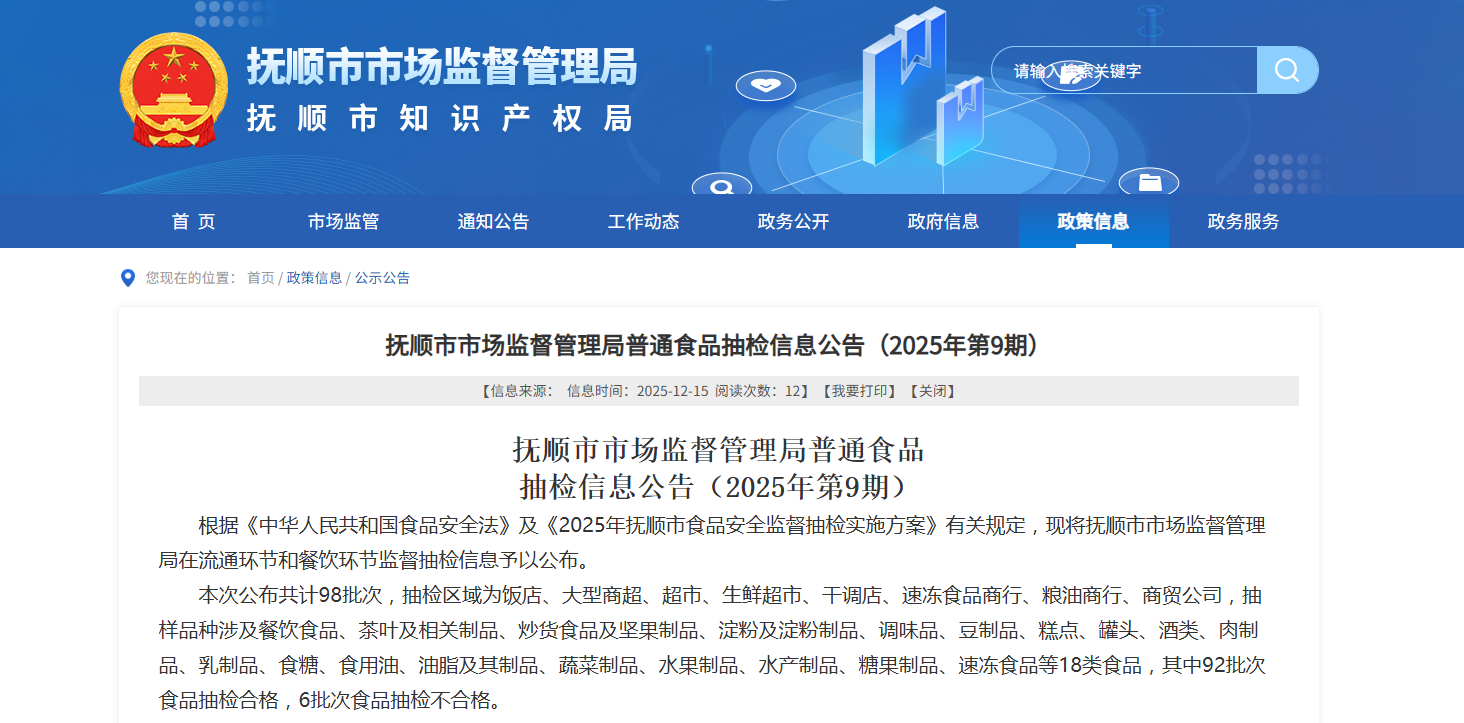
辽宁省抚顺市市场监督管理局普通食品抽检信息公告(2025年第9期)
Zhong Guo Zhi Liang Xin Wen Wang· 2025-12-15 07:37
不合格信息 根据《中华人民共和国食品安全法》及《2025年抚顺市食品安全监督抽检实施方案》有关规定,现将抚顺市市场监督管理局在流通环节和餐饮环节监督抽检 信息予以公布。 本次公布共计98批次,抽检区域为饭店、大型商超、超市、生鲜超市、干调店、速冻食品商行、粮油商行、商贸公司,抽样品种涉及餐饮食品、茶叶及相关 制品、炒货食品及坚果制品、淀粉及淀粉制品、调味品、豆制品、糕点、罐头、酒类、肉制品、乳制品、食糖、食用油、油脂及其制品、蔬菜制品、水果制 品、水产制品、糖果制品、速冻食品等18类食品,其中92批次食品抽检合格,6批次食品抽检不合格。 附:合格信息 | 序 | 标称生产企业名称 | 标称生产企业地址 | 被抽样单位名称 | 被抽样单 位所在省 | 食品名称 | 规格型号 | 生产日 期/批 | 备 | | --- | --- | --- | --- | --- | --- | --- | --- | --- | | 号 | | | | | | | | 注 | | | | | | 份 | | | 号 | | | 1 青岛雀巢有限公司 | | 青岛莱西市威海西路 | 抚顺市新抚区瑞达超市 | 辽宁 | 雀巢鹰唛 ...
中国强化食品和饮料行业产销现状及未来前景预测报告2025-2031年
Sou Hu Cai Jing· 2025-12-12 14:24
Group 1 - The report provides a comprehensive analysis of the current state and future prospects of the fortified food and beverage industry in China, projecting trends from 2018 to 2031 [1][4] - It categorizes fortified food and beverages into various product types and sales channels, highlighting growth trends across these categories [3][4] - The report includes detailed revenue and sales volume data for the fortified food and beverage market in China, along with growth rates for the years 2018 to 2031 [4][7] Group 2 - Major manufacturers in the Chinese fortified food and beverage market are analyzed, including their sales volumes, revenues, and market shares from 2018 to 2025 [4][8] - The report ranks the top manufacturers by revenue for 2025 and provides insights into their pricing strategies and market positions [4][8] - It discusses the competitive landscape of the industry, including market concentration and the distribution of major players across different tiers [4][8] Group 3 - The report examines the sales trends of fortified food and beverages through various channels, including online and offline sales, and forecasts future growth [7][8] - It analyzes the market size and sales volume of different product types, providing insights into market shares and future projections [6][7] - The pricing trends for fortified food and beverages in China are also discussed, with forecasts extending to 2031 [6][11] Group 4 - The industry development environment is analyzed, focusing on trends, barriers to entry, driving factors, and constraints affecting the fortified food and beverage sector [7][8] - A SWOT analysis of Chinese companies in the fortified food and beverage industry is included, providing insights into their strengths, weaknesses, opportunities, and threats [7][11] - The report outlines the regulatory environment and key policies impacting the industry, highlighting the role of government oversight [7][11]