Stellantis N.V.

Search documents
欧洲汽车销量实现连续三年增长,2025 年电动汽车成主要驱动力
Xin Lang Cai Jing· 2026-01-27 12:36
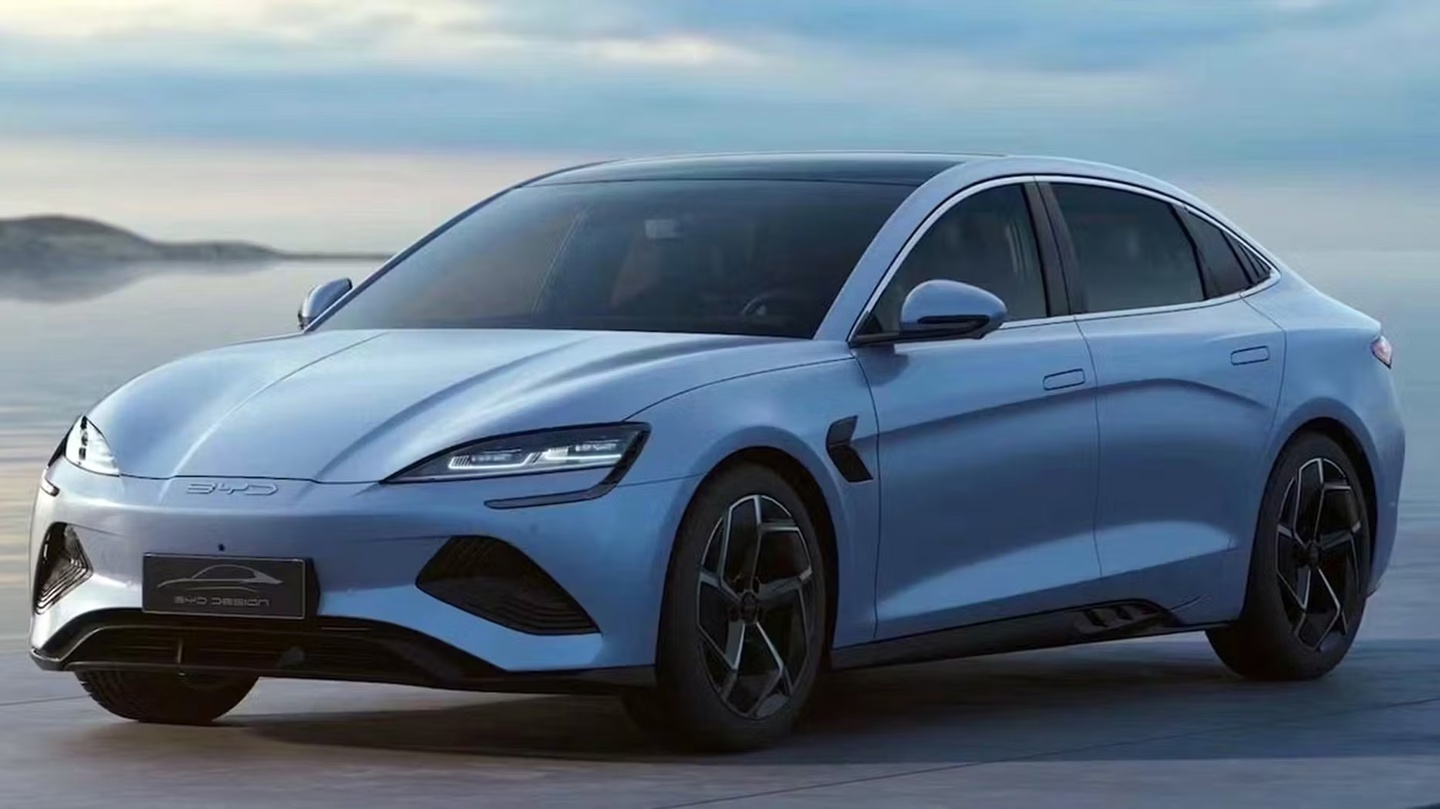
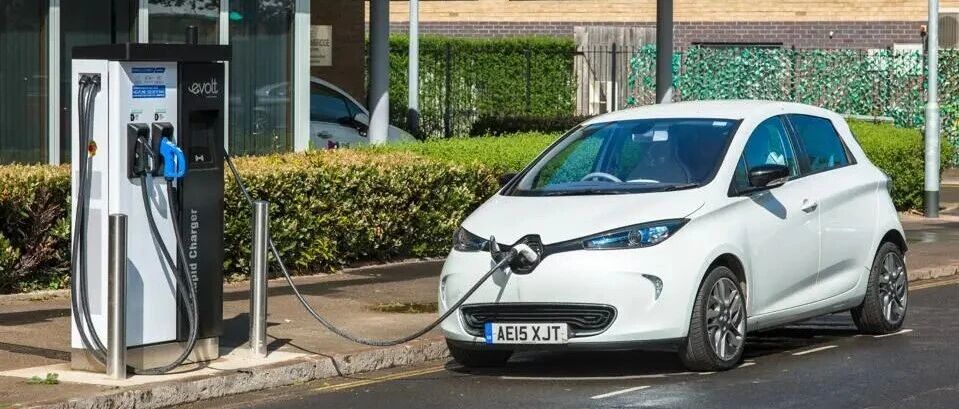
IT之家 1 月 27 日消息,欧洲汽车制造商协会(ACEA)当地时间周二发布的数据显示,2025 年欧洲新车注册量增长 2.4%,达到 1330 万辆,12 月份再度实 现反弹。尽管这一数据对饱受关税压力与竞争加剧困扰的行业而言是利好消息,但销量仍比疫情前水平低约 15%。 去年欧洲汽车销量增长部分得益于电动汽车销售的复苏。随着售价约 2 万欧元(IT之家注:现汇率约合 16.5 万元人民币)的更多车型上市,市场需求被有 效激活。这类车型包括 Stellantis 集团旗下的雪铁龙 ë-C3 城市车,以及比亚迪等中国品牌进口车型。纯电动汽车注册量激增 30%,该动力类型已占据整体市 场约五分之一的份额。 不过,这一表现仍略低于预期。由于欧洲充电基础设施尚不完善,许多消费者转而选择兼具电池与内燃机的混动车型。大众和保时捷均已调整其电动化战 略,以应对增长放缓的趋势,两家车企均计划推出更多混动车型。去年,插电式混合动力汽车销量增长 33%,成为该地区增长最快的动力类型。 彭博行业研究分析师吉莉安 · 戴维斯表示,受新补贴政策及多款新一代车型上市推动,欧洲汽车销量今年有 望继续增长。戴维斯在一份报告中指出,中国品 ...




集邦咨询:欧盟放宽燃油车禁令 预估2030年全球增程式电动车年销量将可达300万台
智通财经网· 2026-01-27 10:40
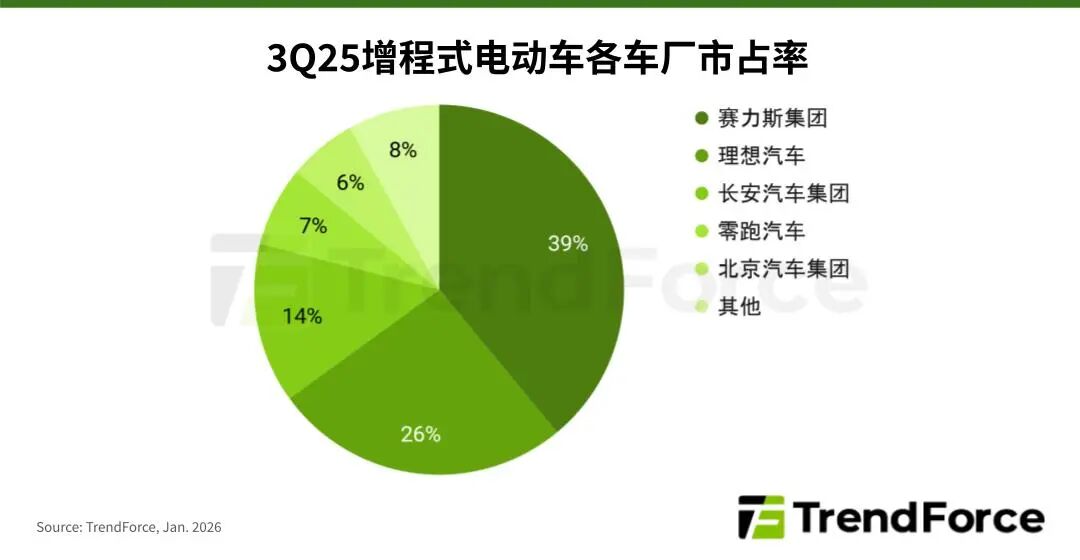
智通财经APP获悉,根据TrendForce集邦咨询最新电动车产业研究,增程式电动车(Range-Extended Electric Vehicle, REEV)近年逐渐成为车厂转向纯电化的 过渡选项,日前欧盟宣布调整2035年禁售燃油车政策,更为REEV提供了重要法规弹性和发展空间。TrendForce集邦咨询预估,在政策弹性、技术成熟 度、市场接受度的支撑下,2030年全球REEV年销量将可达300万台,较2025年实现翻倍成长。 欧盟于2025年末宣布,计划将原本"新车100%零排放"的规定,放宽为"整体新车平均减排90%",其余可通过使用低碳钢、合成燃料等方式抵销,此提案尚 待欧盟成员国和欧洲议会审议通过。 TrendForce集邦咨询表示,REEV的架构与插电式混合动力车(PHEV)相似,但其内燃机仅负责发电,不直接驱动车轮,所以更能提供近似纯电车(BEV)的 体验,实际碳排量也较PHEV低。更重要的是,REEV可通过内燃机及电池包双重供电,能大幅降低驾驶者里程焦虑。 REEV在全球新车市场的渗透率已从原本不到3%,至2025年第三季稳定维持在4%左右。中国车厂凭借相对较低车价、电池成本优势主导市场 ...
印欧敲定自贸协定:印度取消对超过90%欧盟商品的关税,提供25万辆汽车进口配额
Hua Er Jie Jian Wen· 2026-01-27 08:24
印度与欧盟已敲定一项历史性的自由贸易协定,双方将大幅削减关税壁垒,其中印度承诺取消对超过 90%欧盟商品的关税,并对受到高度保护的汽车和酒类市场实施前所未有的开放。这一协议被视为重新 定义双方经济关系的转折点。 印度总理莫迪周二宣布了这一消息,并在"印度能源周"的演讲中将其形容为"众协议之母"。据新华社报 道,莫迪预计将于周二晚些时候在新德里举行的峰会上,与欧盟委员会主席冯德莱恩发表联合声明,正 式披露这项历经近二十年断续谈判才最终达成的协议细节。 汽车关税的削减是本次协议的核心亮点之一。据媒体报道,印度同意给予欧盟汽车制造商每年高达25万 辆的进口配额,这一数字是印度此前给予英国(3.7万辆)配额的六倍以上,显示出印度为达成协议做 出的巨大让步。 据媒体报道,除了汽车行业,该协议涵盖了广泛的商品类别。印度将取消对超过90%欧盟商品的关税, 并特别提议对钢铁产品实行零关税,这对印度而言是一个关键的优先事项。 此举正值全球地缘政治紧张局势加剧之际,被视为新德里和布鲁塞尔针对美国贸易保护主义倾向的战略 对冲。在去年8月美国总统特朗普对印度商品征收50%的惩罚性关税,以及印美贸易谈判破裂后,印度 急需寻找替代出口市 ...
India offers EU auto quota six times larger than UK deal
The Economic Times· 2026-01-27 07:36
Core Insights - The trade agreement between India and the European Union will allow up to 250,000 European-made vehicles to enter India at preferential duty rates, significantly higher than the previous quota of 37,000 units for the UK [1][16] - The agreement includes a phased reduction of import duties for internal combustion-engine cars to 10% within five years and for electric vehicles to be implemented by the 10th year [1][16] - The deal reflects a strategic reset in trade relations, providing Europe with access to India's growing auto market while allowing India to enhance its automotive exports and manufacturing capabilities [7][16] Vehicle Quotas and Tariffs - The agreement allows for 160,000 internal combustion-engine vehicles to have duties reduced to 10% over five years, while 90,000 electric vehicles will see duties reduced by the 10th year [1][16] - Beyond the quota, a rate cut to 35% over 10 years for fossil-fuel powered cars has been negotiated, down from current tariffs as high as 110% [2][10] - The EU will offer Indian automakers import concessions covering up to 625,000 vehicles, reflecting the relative market sizes [8][16] Review and Future Negotiations - A review clause in the pact allows for periodic reassessment of quotas to align with India's expanding auto market and future trade negotiations, particularly concerning steel [6][16] - The agreement is designed to provide leverage for both sides in future negotiations, particularly as India seeks to balance its trade relationships [6][7] Impact on Manufacturers - Major manufacturers such as Volkswagen AG, Mercedes-Benz Group AG, Stellantis NV, and Renault SA are expected to benefit from the larger quota and reduced tariffs [5][16] - European carmakers will be allowed to export up to 75,000 cars annually for assembly in India from completely-knocked-down kits, with tariffs reduced to 8.25% from 16.5% [11][16] - Duties on car parts will be eliminated, promoting deeper supply-chain integration between Europe and India [12][16] Limitations and Market Access - The agreement does not represent a complete market opening, as constraints remain, particularly regarding India's demands related to steel [13][16] - New EU regulations may limit India's effective access to the market despite the agreement being in place [13][16]

斯泰兰蒂斯2025年欧洲新车销量突破242万台
Xin Hua Cai Jing· 2026-01-27 01:39
Core Viewpoint - Stellantis Group announced that despite a sluggish overall market demand, it expects to sell over 2.42 million new vehicles in the European market by 2025, achieving a market share of 16% [1] Group 1: Market Position and Performance - Stellantis has solidified its position as the second-largest automotive manufacturer in 30 European countries [1] - The group holds a leading position in the hybrid vehicle market with a 15% market share [1] - In the commercial vehicle sector, Stellantis leads with a market share of 28.6% [1] Group 2: Order Growth and Future Outlook - Compared to 2024, the group's customer orders have significantly increased, with a year-on-year growth of 8% in the second half and a 16% increase in the fourth quarter [1] - The backlog of orders has also risen by 10% compared to the same period last year [1] - The sales forecast for 2025 provides a positive signal for business in 2026, with plans to launch at least ten new vehicle models to further drive growth [1]

中欧谈判成功!对中国电动车“免税”!只有欧洲车主受伤的世界达成了?
电动车公社· 2026-01-26 16:06
Core Viewpoint - The EU's imposition of anti-subsidy tariffs on Chinese electric vehicles (EVs) has been resolved through negotiations, transitioning from a confrontational stance to a cooperative approach that benefits both parties [1][2][22]. Group 1: Tariff Negotiations and Outcomes - In October 2023, the EU initiated an anti-subsidy investigation against Chinese EVs, citing unfair competition due to subsidies [1]. - By January 2024, the EU announced progress in the tariff case, introducing guidelines for price commitments that would allow Chinese EVs to avoid tariffs by setting a minimum price recognized by the EU [3][4]. - The minimum price must eliminate the damaging effects of subsidies, meaning that prices can only increase, not decrease [9][12]. Group 2: Implications for Chinese Automakers - Chinese automakers must comply with strict monitoring requirements, including detailed reporting on vehicle models and sales channels in the EU [14][16]. - To improve their chances of passing EU scrutiny, Chinese companies may need to limit the number of EV imports and specify minimum prices for certain models [17]. - Establishing manufacturing plants in the EU is seen as a beneficial strategy for Chinese companies to enhance local production and employment [18]. Group 3: Competitive Landscape - Despite the added tariffs, Chinese EVs remain competitive in the European market due to their advantages in technology and cost-effectiveness [23][24]. - For instance, the BYD Yuan PLUS sells for over 100,000 yuan in China but is priced at around 40,000 euros (approximately 327,500 yuan) in Germany, still competing effectively against local brands [25]. - The introduction of minimum import prices has shifted the competitive strategy of Chinese automakers towards higher quality and service, rather than solely relying on lower prices [30][41]. Group 4: Challenges for European Automakers - European automakers face significant challenges, with high prices for their EVs making them less attractive to consumers compared to Chinese alternatives [43]. - In 2022, pure electric vehicles accounted for only 12.1% of new car registrations in the EU, with projections showing only a slight increase to 16.9% by 2025 [44]. - Major European manufacturers like Volkswagen are experiencing financial difficulties, with a reported net loss of 1.072 billion euros in Q3 2025 [47][49]. Group 5: Future Cooperation - The EU's approach to setting minimum import prices for Chinese EVs aims to balance market competition and support local manufacturers while allowing for potential collaboration [63][64]. - European automakers are increasingly looking to leverage Chinese production capabilities and technology to enhance their own offerings, as seen with Renault and Volkswagen's strategies [65][68]. - This cooperative framework could lead to a win-win situation for both Chinese and European companies in the EV sector [76].
报道:印度拟将欧盟汽车进口关税由110%削减至40%
Hua Er Jie Jian Wen· 2026-01-26 15:51
印度目前是全球第三大汽车销售市场,但其汽车产业长期受到高度保护。新德里对进口汽车征收的关税 高达70%至110%,这一政策曾受到包括特斯拉首席执行官埃隆·马斯克在内的多位国际企业高管的批 评。此次关税下调被视为印度市场开放的重要转折点。 印度与欧盟接近达成一项具有里程碑意义的自由贸易协定。根据协议,印度计划大幅削减从欧盟进口汽 车的关税,税率将从目前最高110%降至40%。 据路透社援引知情人士消息,印度莫迪政府已同意立即对价格超过1.5万欧元(约合1.77万美元)的欧盟 进口汽车降低税率,并计划在未来逐步将关税进一步下调至10%。此举将为大众、梅赛德斯-奔驰和宝 马等欧洲汽车制造商进入印度市场提供重要便利。 双方预计最早将于周二宣布结束多年的谈判,随后将完成细节敲定并正式批准这份被称为"所有协议之 母"的贸易协定。该协定有望显著扩大双边贸易规模,并提振印度纺织品、珠宝等商品的出口。这些产 业自去年8月底以来一直面临美国50%关税的压力。 据央视新闻,当地时间8月25日,美国国土安全部发布预告通知,拟自8月27日零时起对印度商品加征 50%关税。美国总统特朗普8月6日签署行政令,以印度"以直接或间接方式进口俄 ...
突破5100,黄金涨势还未到头!
Sou Hu Cai Jing· 2026-01-26 09:43
上周,现货黄金累计涨幅超过8%,势创2008年来最佳单周表现。今日亚市时段,现货黄金震荡上行,一度触及5109.77美元的新高,目前在5090美元附近 徘徊。 白银方面,伦敦现货白银报108.530美元,盘中一度触及109.453美元,创历史新高,2026年以来累计涨幅超50%。 美联储主席最大热门人选出现! 消息面上,美联储一匹"黑马"意外杀出。 据预测平台Polymarket的数据,截至1月24日,贝莱德高管里克·里德尔当选美联储主席的概率已飙升至54%,大幅高于前任美联储理事沃什、现任美联储 理事沃勒和白宫国家经济委员会主任哈西特,而在年初时其当选的概率仅有4%。 美国媒体称,里德尔能在提名人选中脱颖而出,核心在于其一系列改革美联储的构想与特朗普政府的诉求高度契合。里德尔公开呼吁美联储将基准利率下 调至3%左右,较当前至少需降息50个基点。他认为这一水平更接近当下的中性平衡点。 这意味着,他认为美联储应该通过进一步下调政策利率来做出应对。 此外,关税领域传出大消息。 据最新消息,印度和欧盟最早可能于本周二(1月27日)达成自由贸易协定。其中,印度拟大幅削减欧盟进口汽车关税,最高从110%降至40%。 路 ...
India To Slash Tariffs On EU Car Imports To 40%: How This Move Could Affect Elon Musk's Tesla, Stellantis - Tesla (NASDAQ:TSLA)
Benzinga· 2026-01-26 08:05
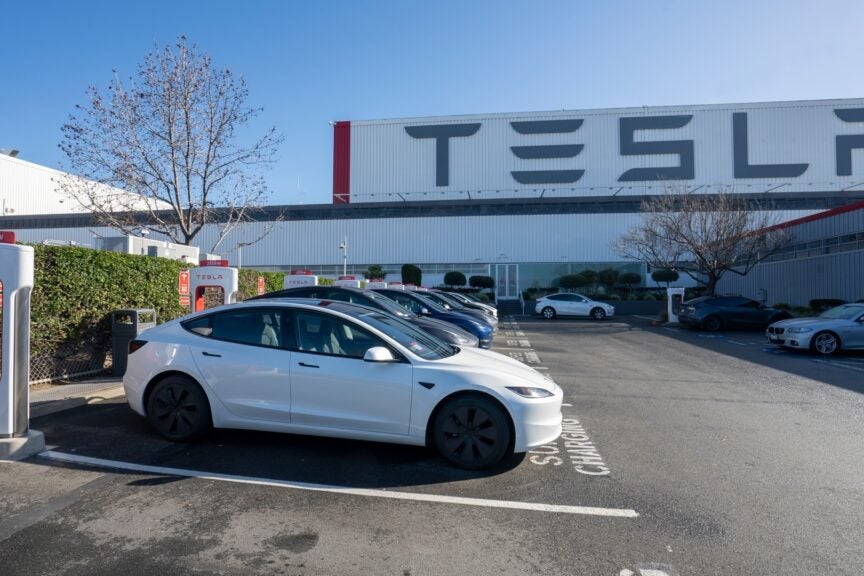
Group 1 - The Indian government has reached an agreement with the EU to reduce tariffs on cars imported from the bloc from 110% to 40%, with further reductions expected over time [1][2] - The immediate tariff reduction applies to cars with an import price of around 15,000 Euros (approximately $17,700), potentially benefiting up to 200,000 vehicles [3] - The agreement is expected to positively impact companies like Tesla and Stellantis, as reduced tariffs could enhance their market presence in India [4][6] Group 2 - Tesla may supply vehicles to the Indian market from its Gigafactory in Berlin to take advantage of lower tariffs, as current imports come from Shanghai [5] - Stellantis, which includes brands like Jeep and Citroen, could expand its portfolio in India due to the reduced tariffs, despite local manufacturing challenges [6] - The U.S. has not reached a similar tariff agreement with India, maintaining a 50% tariff, which contrasts with the EU-India deal [7]
110%下调至40%!关税,突传重磅!印度、欧盟,大动作
券商中国· 2026-01-25 23:25
Core Viewpoint - India is set to significantly reduce import tariffs on European Union (EU) cars from a maximum of 110% to 40%, marking a major step towards opening its market and potentially finalizing a free trade agreement with the EU [1][2]. Group 1: Tariff Reduction Details - India plans to lower the import tariff on cars from the EU, with immediate reductions for vehicles priced over €15,000 (approximately $17,700) [2]. - Future tariff reductions could bring the rate down to 10%, benefiting major European car manufacturers like Volkswagen, Mercedes-Benz, and BMW [2][3]. - The Indian government proposes an annual quota of 200,000 internal combustion engine vehicles subject to the 40% tariff, representing a significant liberalization of the automotive sector [2][3]. Group 2: Market Impact - The reduction in tariffs is expected to benefit European car manufacturers, which currently hold less than 4% of the Indian automotive market, while local brands like Maruti Suzuki and Mahindra dominate with a two-thirds market share [3]. - The Indian automotive market is projected to grow to 6 million annual sales by 2030, prompting companies like Renault and Volkswagen to invest in new strategies and production plans [3]. Group 3: Related Trade Developments - U.S. Treasury Secretary Janet Yellen indicated that there may be a path to easing tariffs on India, contingent on India's reduced oil imports from Russia [4][5]. - The U.S. has imposed a 25% punitive tariff on Indian goods, raising overall tariffs to about 50%, which India has resisted, emphasizing its commitment to protecting consumer interests [5][6].