
索尔维

Search documents
材用:哪些新材料可带来人形机器人轻量化?(附企业名录与投资标的)
材料汇· 2025-07-12 15:54
Core Viewpoint - Lightweight design is essential for the commercialization of humanoid robots, addressing key industry pain points such as endurance, heat dissipation, component performance, and flexibility [2][12]. PART1: Lightweight Design - Lightweight design can enhance endurance by reducing gravitational potential energy and inertia, leading to lower static and dynamic power consumption [12]. - It can also lower the requirements for components, reducing the power demand of motors and simplifying drive algorithms [12]. - Flexibility is improved as lighter components allow for more agile control [12]. - Current humanoid robots require two adults for transportation; reducing weight would enable single-person handling, facilitating broader adoption [12]. PART2: Structural Lightweighting - Structural lightweighting involves parameter optimization, topology optimization, and integration to achieve "zero-cost" lightweighting [18][20]. - Parameter optimization is the simplest method, adjusting dimensions and layouts to reduce redundant components [20]. - Topology optimization refines material distribution to maximize structural performance while minimizing material use [24]. - Integration trends, similar to those in the electric vehicle sector, can reduce part counts and simplify production processes [30]. PART3: Material Lightweighting - Magnesium Alloys - Magnesium alloys are lightweight, high-strength materials with good ductility and excellent thermal conductivity, already applied in automotive lightweighting [37]. - The price of magnesium is currently low, making it economically attractive compared to aluminum alloys, with a price ratio of 0.87 [43]. - The use of magnesium alloys in humanoid robots can significantly reduce weight and energy consumption, as demonstrated by the ER4-550-MI industrial robot [46]. PART4: Material Lightweighting - PEEK - PEEK is a high-performance engineering plastic with excellent mechanical properties, heat resistance, and chemical resistance, widely used in aerospace and automotive applications [3][58]. - The price of PEEK is approximately 300,000 yuan/ton, with its main raw material, fluoroketone, costing around 120,000 yuan/ton, making raw material costs a significant factor [3][61]. - The global market for PEEK is projected to grow from 6.1 billion yuan in 2024 to 8.5 billion yuan by 2027, with a CAGR of 11% [3]. PART5: Material Lightweighting - Nylon PA - Nylon PA6 and PA66 are well-established engineering plastics known for their excellent impact resistance and flexibility, with stable demand [5]. - The market for PA6 is fragmented, while PA66 is more concentrated, with the top three companies holding a 75% market share [5]. - Applications include automotive systems, where PA is extensively used in engines and fuel supply systems [5]. PART6: Humanoid Robot Lightweighting - In humanoid robots, the joint modules account for about 40% of the weight, with structural components at 30% and shells at only 10% [6]. - PEEK is preferred for harmonic reducers, while magnesium alloys are suitable for structural components due to their cost-effectiveness and performance [6]. - The market potential for various materials in humanoid robots is estimated at 1 billion yuan for PPS, 2 billion yuan for modified PEEK, 300 million yuan for magnesium alloys, and 300 million yuan for modified nylon [6].




人形机器人行业深度报告:人形轻量化大势所趋,镁合金、“以塑代钢”是核心
Soochow Securities· 2025-07-12 08:35
Investment Rating - The report suggests a focus on magnesium alloy die-casting leading companies such as Baowu Magnesium and Xingyuan Zhuomai, and recommends lightweight joint component companies in humanoid robots like Xusheng Group, as well as leading engineering plastic companies such as Zhaomin Technology, Water Co., and Zhongyan Co. [2] Core Viewpoints - The trend towards lightweight humanoid robots is driven by material and process design, addressing issues like insufficient endurance, low flexibility, and poor heat dissipation. The main paths for achieving this include structural optimization, component performance enhancement, and material replacement, with magnesium alloys and high-performance engineering plastics being key materials [2][4] - Magnesium alloys offer significant advantages, including better weight reduction compared to aluminum alloys, lower costs due to sustained low raw material prices, and improved electromagnetic shielding and heat dissipation efficiency. The semi-solid process addresses corrosion resistance issues, making magnesium alloys suitable for humanoid robot components [2][21] - High-performance engineering plastics like PEEK, PPS, and PPA are gaining traction in the lightweight revolution, with PEEK being particularly notable for its applications in high-value areas such as joint bearings and gear components, indicating a potential market space in the billions [2][67] Summary by Sections 1. Lightweight Trend in Humanoid Robots - The lightweight trend is evident in various humanoid robot models, with significant weight reductions achieved while increasing height [6][8] - Lightweight solutions address critical issues such as limited endurance and flexibility, with a notable example being a 40% weight reduction leading to a 6-hour operational time [13][14] - The main paths to achieve lightweight humanoid robots include structural optimization, component replacement, and material substitution, with a focus on magnesium alloys and high-performance engineering plastics [18][19] 2. Cost Down & Technological Breakthroughs for Magnesium Alloys - The report highlights that the cost of magnesium ingots has been decreasing since 2022, making magnesium alloys more economically viable compared to aluminum [27][28] - China is a major supplier of magnesium, with a significant increase in production capacity, ensuring stable pricing and supply [27][28] - The semi-solid forming technology is identified as a future trend for magnesium alloys, improving product quality and performance [36][40] 3. High-Performance Engineering Plastics Revolution - Engineering plastics like PEEK and PPS are positioned as superior alternatives to traditional materials, with a high concentration of production among a few key players [73][89] - PEEK is noted for its exceptional mechanical properties, making it comparable to metals, and is increasingly used in various high-value applications [78][84] - PPS is recognized for its excellent chemical resistance and cost-effectiveness, further solidifying its position in the market [90]

【基础化工】MXD6具备高阻隔及高刚性特点,国产厂商放量在即空间广阔——MXD6特种尼龙行业动态报告(赵乃迪/周家诺)
光大证券研究· 2025-07-06 13:24
Core Viewpoint - MXD6, a type of crystalline polyamide, has significant potential in various applications due to its high gas barrier properties and mechanical strength, particularly in food packaging and engineering plastics [2][3][4]. Group 1: MXD6 Characteristics and Industrialization - MXD6 is produced through the polycondensation of MXDA and adipic acid, featuring high gas barrier, rigidity, thermal stability, and low water absorption [2]. - The industrialization of MXD6 began in the 1980s by Mitsubishi Gas Chemical, leveraging its unique molecular structure for superior performance [2]. Group 2: Application in Food and Beverage Packaging - Due to its excellent oxygen and carbon dioxide barrier capabilities, MXD6 is suitable for food and beverage packaging, extending shelf life and enabling lightweight packaging solutions [3]. - The market size for the prepared dishes industry in China is projected to reach approximately 697.2 billion yuan in 2024, while the carbonated beverage market is estimated at about 19.3 billion USD, and the tea beverage market at around 22.2 billion USD [3]. Group 3: Engineering Plastics Applications - MXD6's lightweight and high rigidity make it a promising candidate for modified engineering plastics in sectors such as automotive, electronics, drones, and aerospace [4]. - In the automotive sector, glass fiber-reinforced MXD6 can be used in critical engine components, although its current market share in China's specialty engineering plastics is minimal, at only 0.8% [4][5]. Group 4: Domestic Production and Market Potential - Domestic manufacturers are expected to break the technological barriers and increase MXD6 production, with a projected global output of 30,000 to 40,000 tons in 2024 [6]. - Key domestic players include Qicai Chemical, which has a current capacity of 5,000 tons/year and plans for further expansion, and Zhonghua International, which has achieved stable product quality comparable to imports [6].
MXD6特种尼龙行业动态报告:MXD6具备高阻隔及高刚性特点,国产厂商放量在即空间广阔
EBSCN· 2025-07-05 08:08
Investment Rating - The report maintains a rating of "Buy" for the MXD6 industry [5] Core Insights - MXD6, a type of crystalline polyamide, has high gas barrier properties and rigidity, making it suitable for various applications, particularly in food and beverage packaging [1][2] - The domestic MXD6 market is expected to grow significantly as local manufacturers ramp up production, breaking the previous monopolies held by foreign companies [4][29] Summary by Sections 1. MXD6 Characteristics - MXD6 is characterized by high gas barrier properties and rigidity, which are enhanced by its molecular structure that includes aromatic rings [1][20] - The production of MXD6 primarily utilizes direct melt polycondensation, which is more efficient and yields higher quality products compared to other methods [17][19] 2. Applications of MXD6 - In the food and beverage packaging sector, MXD6 can significantly extend shelf life and reduce packaging weight, with a projected market size for prepared dishes in China reaching approximately 697.2 billion yuan by 2024 [2][37] - MXD6 is also applicable in automotive, electronics, and aerospace industries due to its lightweight and high mechanical strength, with potential uses in engine components and structural parts [3][52] 3. Domestic Production and Market Potential - Domestic manufacturers like Qicai Chemical and Sinochem International are expanding their production capacities, with Qicai Chemical already achieving 5,000 tons/year and planning for further expansion [4][54] - The global MXD6 production is estimated to reach 30,000 to 40,000 tons by 2024, with significant contributions from domestic players [4] 4. Market Demand and Growth - The report highlights a substantial demand for MXD6 in the carbonated beverage and tea beverage markets, with the total market size for soft drinks in the Greater China region projected to be around 138.4 billion USD by 2024 [43][44] - The anticipated growth in the prepared dishes market and the beverage industry presents a considerable opportunity for MXD6 usage, with potential consumption in the prepared dishes sector alone estimated at 2.9 million tons under optimistic scenarios [42][50]

研判2025!中国全氟醚橡胶密封圈行业产业链、市场规模、重点企业及发展趋势分析:下游市场应用需求持续上涨,全氟醚橡胶密封圈行业规模高速增长[图]
Chan Ye Xin Xi Wang· 2025-07-04 01:08
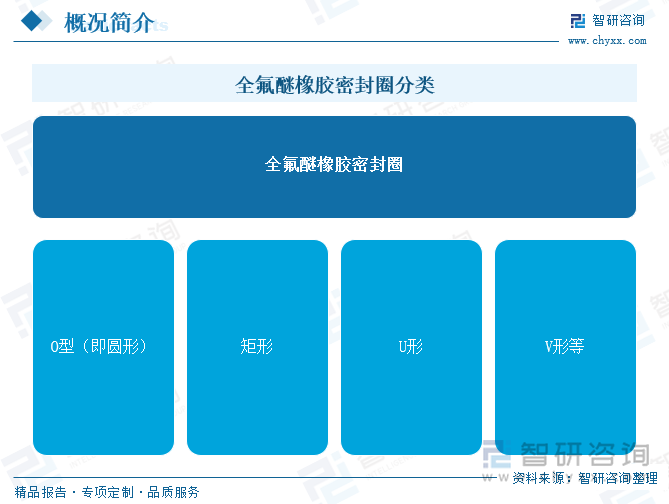
Core Viewpoint - The FFKM sealing ring industry in China is experiencing rapid growth driven by increasing downstream demand, technological advancements, and favorable policies, with the market expected to reach over 17.5 billion yuan by 2029, growing from 3.44 billion yuan in 2020 at a compound annual growth rate (CAGR) of 19.5% [1][9]. Industry Overview - FFKM sealing rings are high-performance sealing materials with excellent temperature resistance, chemical corrosion resistance, wear resistance, and tear strength, widely used in semiconductor, LCD panel, photovoltaic, aerospace, and oil and gas extraction industries [1][5]. - The FFKM sealing ring market in China is projected to grow significantly, with the market size expected to increase from 3.44 billion yuan in 2020 to 7.01 billion yuan in 2024, outpacing the global market growth rate of 9.37% [1][9]. Global Market - The global FFKM sealing ring market is also on an upward trend, with the market size expected to grow from 2.692 billion USD in 2019 to 4.408 billion USD in 2024, and projected to reach 6.878 billion USD by 2028 [7]. Domestic Market - In the domestic market, the semiconductor sector is the largest application area for FFKM sealing rings, accounting for 81% of the market share, with a market size of 5.68 billion yuan in 2024 [11]. - The growth in the domestic market is attributed to technological advancements and increased procurement from semiconductor equipment manufacturers and wafer fabs [13][20]. Competitive Landscape - The FFKM sealing ring market in China is currently dominated by foreign companies such as DuPont, GT, and PPE, but domestic companies like Chipmi Technology are making significant progress in technology and product quality, leading to a trend of domestic substitution [13][20]. - Chipmi Technology, a key player in the market, has seen its revenue grow from 41.59 million yuan in 2022 to 208 million yuan in 2024, indicating strong market performance [14]. Development Trends - The industry is focusing on green and sustainable development, with companies adopting bio-based materials and clean production processes to reduce environmental pollution [19]. - The trend of domestic substitution is expected to continue, with domestic companies increasing their market share as they improve product quality and performance [20]. - There is an acceleration in technological innovation and performance enhancement, driven by the growing demands of high-end manufacturing sectors such as semiconductors and aerospace [21].
全球招募!万华化学,布局10大新材料赛道
DT新材料· 2025-06-15 13:26
Core Viewpoint - Wanhua Chemical is actively recruiting top experts globally across ten key areas, indicating a strategic focus on expanding its capabilities in advanced materials and technologies. Group 1: Packaging Materials - Wanhua Chemical's packaging materials primarily consist of polyolefin films, including LDPE, HDPE, EVOH, COCs, and m-PE, which are essential for various applications [1] - The company has also launched a fully biodegradable packaging series made from PBAT, including several types of shrink films and cushioning materials [2] Group 2: PVC Products - The PVC product line includes WH700, WH800, WH1000F, WH1000G, WH1300, and the newly trialed WH1800, which offers high strength and durability for applications like medical tubing and waterproof materials [3] - The PVC market is competitive, with major international players such as INEOS, Mitsui Chemicals, LG Chem, and Shin-Etsu Chemical, alongside domestic competitors [4] Group 3: ePTFE Membrane Materials - ePTFE membranes are utilized in various applications, including automotive and medical fields, and are recognized as a critical polymer material in China [5] - Wanhua Chemical plans to produce 10,000 tons of PTFE resin annually, supporting its lithium battery material projects, although the transition to ePTFE involves significant technical challenges [6][7] Group 4: Biomanufacturing Membrane Materials - Biomanufacturing processes often incur high costs, with separation and purification accounting for 50% to 80% of production costs; Wanhua's membranes offer efficient solutions [8][9] Group 5: High-end Optical Films - The company produces various optical films, including TPU, PC, COP/COC, and PMMA, facing stiff competition from global giants like Mitsubishi Chemical and Covestro [10][11] Group 6: Synthetic Biology - Wanhua Chemical leverages synthetic biology for producing complex compounds, including bio-based 1,3-butanediol, and is developing single-cell protein production with significant future capacity [12] Group 7: Electrolyzers and Electrodes - The company is exploring hydrogen energy applications through collaborations with major firms, focusing on the development of membrane electrode assemblies, which currently rely on imported materials [13][14] Group 8: Polyolefin Films - Wanhua has developed cyclic polyolefin films and is expanding its production capacity for polyolefin elastomers, targeting the photovoltaic adhesive film market [15] Group 9: Battery Materials - The company has established a comprehensive battery materials portfolio, including high-performance cathodes and anodes, with plans for a new production line for lithium iron phosphate [16][17] - Wanhua's overall investment strategy includes significant funding for projects in battery materials and other advanced technologies, totaling 29.43 billion yuan planned for 2025 [18]

住友化学、金发科技,纷纷突破!
DT新材料· 2025-06-14 14:25
Core Viewpoint - Japanese chemical giants are actively investing in bio-based chemicals and materials while simultaneously withdrawing from other sectors, indicating a strategic shift towards sustainable materials [1] Group 1: Industry Developments - Sumitomo Chemical has successfully established mass production technology for bio-based liquid crystal polymers (LCP), with plans to launch the product by 2027 [2] - Kaneka Corporation is the first in China and the second globally to launch a new generation of low-carbon LCP materials, Vicryst® LCP CER-B, certified by ISCC PLUS [3] - Kaneka is a strong advocate for bio-based materials, showcasing its commitment at international exhibitions [4] Group 2: Product Characteristics and Applications - LCPs are specialized engineering plastics known for their excellent mechanical properties, chemical resistance, flame retardancy, and high thermal stability (200-240°C, short-term up to 300°C) [7] - LCPs are crucial for high-end applications in 5G communication, automotive power devices, and medical equipment, with over 70% market share in downstream applications [7] - LCPs are categorized into solution-oriented (L-LCP) and thermoplastic (T-LCP) types, with varying heat distortion temperatures (HDT) [8] Group 3: Market Potential and Future Trends - The demand for LCPs is expected to rise significantly with advancements in 5.5G/6G technology, increased penetration of electric vehicles, and the mass production of humanoid robots [13][15] - The anticipated demand for LCPs in high-frequency communication could reach tens of billions of square meters, indicating a potential 1000-fold increase in production capacity [14] - In the automotive sector, the need for larger connectors and improved signal quality will drive the demand for high-end LCPs [15]

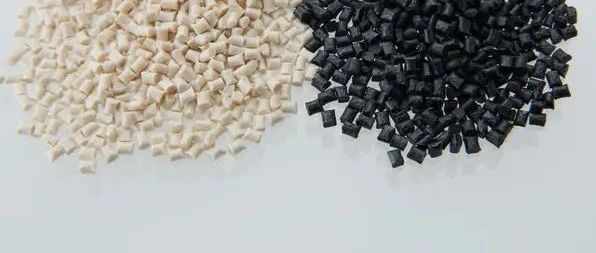
【石化化工交运】新消费下的包装升级,持续看好MXD6产业链——石化化工交运行业日报第66期(20250520)(赵乃迪/胡星月)
光大证券研究· 2025-05-21 14:00
Core Viewpoint - Domestic demand in China shows strong resilience, and there are promising opportunities for packaging upgrades under the new consumption trend [3] Group 1: Domestic Consumption Trends - In April 2025, China's total retail sales of consumer goods reached 3.72 trillion yuan, a year-on-year increase of 5.1%, with a 0.8 percentage point decrease in growth rate compared to March [3] - From January to April, the total retail sales amounted to 16.18 trillion yuan, reflecting a year-on-year growth of 4.7%, which is an increase of 0.6 percentage points compared to the same period last year [3] Group 2: Packaging Market Insights - The global high-barrier packaging film market is expected to exceed 100 billion yuan by 2030, with significant market potential for materials like PVDC, EVOH, and MXD6 [4] - The high-barrier packaging film market is projected to reach 80.59 billion yuan in 2024, with a compound annual growth rate (CAGR) of 4.99% from 2024 to 2030 [4] Group 3: Material Market Dynamics - PVDC sales are expected to reach 1.376 billion USD in 2024, with projections of 1.62 billion USD by 2031 [4] - The EVOH resin market for packaging films is anticipated to reach 1.51 billion USD by 2030 [4] - MXD6 exhibits excellent gas barrier performance and thermal stability, with high transparency and puncture resistance, maintaining its barrier performance even under increased humidity [4] Group 4: Domestic Production Developments - Currently, MXD6 production is mainly dominated by foreign companies, with Mitsubishi Gas Chemical having a capacity of 19,000 tons/year and Solvay 8,000 tons/year [5] - Domestic companies like Sinochem International and Qicai Chemical are making significant advancements in MXD6 production technology, with Qicai Chemical's 5,000 tons/year MXD6 project entering trial production in September 2024 [5] - The gradual advancement of domestic alternatives is expected to lead to a further decline in MXD6 prices and an increase in market share [5]

【基础化工】轻量化叠加国产替代突破,持续看好MXD6产业链——行业周报(20250510-20250516)(赵乃迪/胡星月)
光大证券研究· 2025-05-20 14:08
Group 1 - The core viewpoint of the article emphasizes the significant growth potential in the low-altitude economy and humanoid robot industry, driven by favorable policies and market demand [3] - The low-altitude economy in China is projected to reach a market size of 1.5 trillion yuan by 2025 and 3.5 trillion yuan by 2035, indicating a robust growth trajectory [3] - The humanoid robot market is expected to grow from approximately 1.19 million units in 2024 to 60.57 million units by 2030, with a compound annual growth rate (CAGR) exceeding 56% [3] Group 2 - MXD6 is identified as a high-performance engineering plastic with applications in lightweight automotive and drone components, as well as barrier packaging materials [4] - Compared to common nylon types, MXD6 offers superior properties such as high strength, rigidity, and barrier performance, while also being more cost-effective as domestic production increases [4][5] - The current MXD6 market is dominated by foreign companies, but domestic firms are beginning to break through technical barriers, with significant production capacity expected to come online soon [5] Group 3 - The MXD6 market is projected to reach approximately $410 million in 2024, with significant growth potential in lightweight and barrier packaging applications [6] - From 2024 to 2033, the global MXD6 market is expected to grow from $410 million to $760 million, reflecting a CAGR of about 7.1% [6] - In the automotive sector, the MXD6 market size is anticipated to increase from $13.2 million in 2023 to $22.5 million by 2033 [6]

轻量化叠加国产替代突破,持续看好MXD6产业链
2025-05-18 15:48
Summary of MXD6 Industry and Company Insights Industry Overview - MXD6 is a high-performance polyamide that combines the advantages of both aliphatic and aromatic polyamides, characterized by high strength, rigidity, excellent barrier properties, chemical resistance, and stability, primarily used in packaging materials and modified plastics [1][2] - The global high barrier packaging film market is projected to reach approximately 80.6 billion yuan in 2024, with an expected growth to 108 billion yuan by 2030, reflecting a compound annual growth rate (CAGR) of 4.99% [1][5] Key Characteristics of MXD6 - MXD6 exhibits superior barrier performance compared to PA6 and PET, with a water absorption rate about half that of PA6 [1][4] - In terms of thermal properties, MXD6 has a heat distortion temperature and glass transition temperature higher than PA66, PA6, and PET [1][4] - Mechanical properties show that MXD6 has higher tensile and flexural strength than PA66, PA6, and PBT, although it is relatively brittle [1][4] Applications in Packaging - In the packaging sector, MXD6 is utilized to create multilayer barrier films or bottles that effectively prevent oxygen ingress and carbon dioxide loss, particularly in humid environments [1][5] - The material's barrier performance remains stable even under increased humidity, making it an ideal choice for packaging applications [5] Applications in Modified Plastics - MXD6 serves as a metal substitute in manufacturing high-quality structural components for automotive electronics and electrical appliances, such as car shells, chassis, and precision electronic parts [1][6][7] - Mitsubishi Gas Chemical has developed glass fiber-reinforced MXD6 products, enhancing its application in various automotive and electronic components [6][7] Market Players and Production Capacity - Major global producers of MXD6 include Mitsubishi Gas Chemical with an annual capacity of 19,000 tons and Solvay with a capacity of 8,000 tons [3][8] - Domestic manufacturers include Qicai Chemical, Sinochem International, and Taihe Co., with Qicai Chemical having launched a 10,000-ton aniline production and planning for 30,000 tons of MXC capacity [3][8] - Sinochem International has achieved large-scale polymerization technology, matching import standards, while Taihe Co. operates the largest aniline production facility in China with a capacity of 10,000 tons [3][8] Market Growth Projections - The global MXD6 market is expected to grow from 410 million USD in 2024 to 761 million USD by 2030, with a CAGR of 7.1% [3][8] - The automotive sector's market size is projected to increase from 13.2 million USD in 2023 to 22.5 million USD by 2030 [3][8]