Lucid

Search documents
被安世风波卡了一整月“脖子”的全球车企,终于能缓一口气了
2 1 Shi Ji Jing Ji Bao Dao· 2025-11-02 09:13
Core Viewpoint - The global automotive industry is facing a significant chip shortage exacerbated by the Dutch government's intervention in the semiconductor company Nexperia, which has led to supply chain disruptions and production halts among major automakers [1][2][3]. Group 1: Supply Chain Disruptions - The Dutch government took control of Nexperia, which has triggered a global chip shortage impacting major automotive manufacturers like Volkswagen and Honda, leading to production halts and financial losses [2][3]. - Nexperia's Chinese subsidiary has reported a significant debt of 1 billion RMB to its packaging and testing factory in Dongguan, indicating financial strain and potential supply issues [1][4]. - Major automakers, including Ford and BMW, are facing imminent production cuts if the chip supply issue is not resolved within weeks [7][9]. Group 2: Impact on Automotive Manufacturers - Volkswagen reported its first quarterly loss in five years, attributing it to the ongoing chip shortage, while Honda has announced production halts at key facilities in North America [2][5]. - The European Automobile Manufacturers Association warned of potential production interruptions across the continent if Nexperia's supply does not stabilize soon [2][7]. - The automotive industry relies heavily on Nexperia's components, which are critical for various vehicle functions, making the shortage particularly acute [5][6]. Group 3: Market Dynamics and Alternatives - Automakers are scrambling to find alternative suppliers, but the transition is complicated by lengthy certification processes that can take 18 to 24 months, making immediate solutions difficult [10][11]. - The cost of sourcing components from alternative suppliers is expected to rise by 20-30%, further straining manufacturers already facing financial pressures [11][12]. - The geopolitical landscape is influencing supply chain decisions, with companies urged to mitigate risks by diversifying suppliers and considering local production options [13]. Group 4: Future Implications - The current crisis may accelerate the push for domestic semiconductor production capabilities in China, as companies seek to reduce reliance on foreign suppliers [13]. - The situation highlights the need for the automotive industry to adapt to geopolitical risks and enhance supply chain resilience [13].

【快讯】每日快讯(2025年10月29日)
乘联分会· 2025-10-29 10:15
Domestic News - The 15th Five-Year Plan emphasizes boosting consumption, enhancing public service spending, and removing unreasonable restrictions on consumption such as those related to automobiles and housing [7] - China and ASEAN have agreed to consider each other's standards when formulating their own, particularly in the fields of new energy vehicles and electronics [8] - The upcoming 8th China International Import Expo will introduce new themes including automotive and cultural tourism, showcasing 461 new products and technologies [9] - Shenzhen has announced the cessation of its automobile replacement subsidy policy after reaching its budget limit for 2025 [10] - Changan Automobile has launched a purchase tax subsidy plan across all its brands to alleviate consumer concerns regarding tax benefits [11][12] - Aion, in collaboration with JD.com, is set to launch the Aion UT super model targeting the 100,000 yuan market [13] - Xiaomi has established a new department focused on the next-generation technology architecture for its electric vehicles, directly reporting to Lei Jun [14] - Seres has published a patent for torque control methods to prevent vehicle instability during high-speed driving [15] International News - In September, European car sales increased by 11% to 1.24 million units, with Tesla's registrations down by 19% and BYD's up by 272% [16] - Thailand's new car sales surged by 24% year-on-year in September, reaching 48,350 units [17] - Stellantis has partnered with NVIDIA, Uber, and Foxconn to explore the development of L4 autonomous vehicles for ride-hailing services [18] - Lucid Motors and NVIDIA are collaborating to launch the first L4 autonomous electric vehicles, leveraging NVIDIA's advanced driving technology [19] Commercial Vehicles - The cold chain logistics market in China has shown steady growth, with a total demand of 11.73 million tons in Q3, up 4.49% year-on-year [20][23] - The National Development and Reform Commission has introduced a 20% subsidy for green methanol projects, marking a significant step in supporting clean fuel technologies [21] - Guangso Future is collaborating with Serbia to develop a new ecosystem for electric trucks, focusing on autonomous commercial vehicle technology [22] - GAC's Lingcheng showcased its multi-energy route technology at the Greater Bay Area Commercial Vehicle Conference, emphasizing the integration of various energy sources [25]


GTC大会 英伟达新高
小熊跑的快· 2025-10-28 23:20
Core Insights - Nvidia is actively collaborating with various companies to enhance its AI and computing capabilities, particularly in the telecommunications and automotive sectors [1][2][3] Group 1: Strategic Collaborations - Nvidia is partnering with Nokia to launch a new Aerial RAN computer, supporting 6G telecommunications and AI services, which promises more stable and efficient connections [1] - Nvidia and Oracle are set to create the largest AI supercomputer for the U.S. Department of Energy, utilizing a total of 110,000 Blackwell GPUs to accelerate scientific discoveries [2] - Nvidia is working with Uber to prepare for autonomous taxis, planning to deploy a fleet of 100,000 self-driving taxis starting in 2027 [2] Group 2: Industrial AI Developments - Nvidia is expanding its Omniverse platform to include technologies for designing and simulating digital twins of factories, which is crucial for the industrial AI era [3] Group 3: Competitive Landscape - The competition for government projects is intensifying, with AMD recently announcing a collaboration with the U.S. Department of Energy, while Nvidia is also making significant moves by deploying 110,000 Blackwell chips [4] - Nvidia is entering the autonomous taxi sector to gather real-world data, which is essential for refining its models despite having the strongest synthetic data capabilities [5]
X @Bloomberg
Bloomberg· 2025-10-28 18:30
Lucid is partnering with Nvidia to develop a fully autonomous vehicle platform, as it races to become one of the first automakers to build a passenger car that requires no supervision from drivers https://t.co/ZAJX4YYvif ...

One Reason EVs Are Losing Money Hand Over Fist -- and One Detroit Auto's Solution
Yahoo Finance· 2025-10-18 07:14
Core Insights - The electric vehicle (EV) industry is facing significant challenges due to the removal of federal tax credits and rising incentives, which are eroding profits for automakers [4][6][7] - Automakers are increasing cash incentives to stimulate demand for EVs, with some companies like Hyundai and Stellantis offering substantial discounts [3][4] - The introduction of more affordable EV models, such as General Motors' Chevrolet Bolt, is seen as a potential solution to the current market dynamics [9][12] Industry Overview - The average price for a new U.S. light vehicle was $47,962 in March 2025, while the average transaction price (ATP) for an EV reached $58,124 in September [1] - EV incentives peaked at 16% of ATPs in July and remained above 15% in September, significantly higher than the 7.4% for overall U.S. light vehicles [2] - The loss of the $7,500 federal tax credit has prompted automakers to offer competitive lease payments and other incentives to drive EV sales [4][6] Company Strategies - General Motors is offering a $7,500 cash incentive on its 2025 Ioniq 5 and has reduced the price of the vehicle by nearly $10,000 for 2026 [3] - Tesla has introduced more affordable trims for its Model 3 and Model Y, but this strategy may lead to cannibalization of higher-margin models [13][14] - The upcoming Chevrolet Bolt is priced between $28,995 and $32,000, making it the cheapest EV in the U.S. market, although availability may be limited [12] Market Challenges - The EV industry is experiencing slower-than-expected adoption rates, compounded by tariffs on imported vehicles and a rollback of environmental standards [6][15] - Pure-play EV manufacturers like Rivian and Lucid are facing more severe challenges due to their lack of combustion engine vehicle lines to support them during market fluctuations [15] - Long-term investors should prepare for continued losses in the EV sector as companies navigate high costs and incentive spending [16]
7 Driverless Vehicle Stocks That Could Set You Up for Life
Yahoo Finance· 2025-10-16 17:08
Core Insights - Nvidia has established itself as a dominant player in the GPU market, with significant growth expected in its automotive business, projected to reach nearly $11 billion by 2035 at a 20% CAGR [1] - Amazon's acquisition of Zoox aims to develop fully autonomous electric vehicles, leveraging its logistics network for urban ride-hailing services [2] - Alphabet's Waymo is recognized as a leader in the driverless vehicle sector, offering Level 4 robotaxi services and benefiting from substantial financial backing and technological expertise [3] Industry Overview - The driverless vehicle market is anticipated to experience explosive growth over the next two decades, potentially reaching trillions of dollars by 2030, driven by technological advancements and safety improvements [6] - Major traditional automakers and technology companies are heavily investing in driverless vehicle technology, indicating a robust competitive landscape [5] Key Companies - Mobileye Global is positioned as a critical partner in the development of robotaxis, providing Advanced Driver Assistance Systems (ADAS) and various driverless vehicle technologies [8] - Uber Technologies is launching a global robotaxi program in 2026, utilizing Lucid's vehicle architecture and Nuro's Level 4 autonomy system [9] - Hesai Group is a leader in lidar technology, essential for various applications in autonomous vehicles, and has secured design wins with multiple automakers [11] Emerging Technologies - QuantumScape focuses on developing solid-state lithium-metal batteries for electric vehicles, which are expected to play a crucial role in the future of driverless vehicles [12] Investment Considerations - The driverless vehicle industry is set for significant transformation, with multiple companies positioned to benefit as the market evolves [13]




X @Bloomberg
Bloomberg· 2025-10-06 20:19
Lucid's EV production fell short of Wall Street’s forecasts during the third quarter as the car maker contends with the elimination of a consumer tax credit https://t.co/kgagMfqCpn ...
风电板块站上风口
Yang Zi Wan Bao Wang· 2025-09-28 23:58
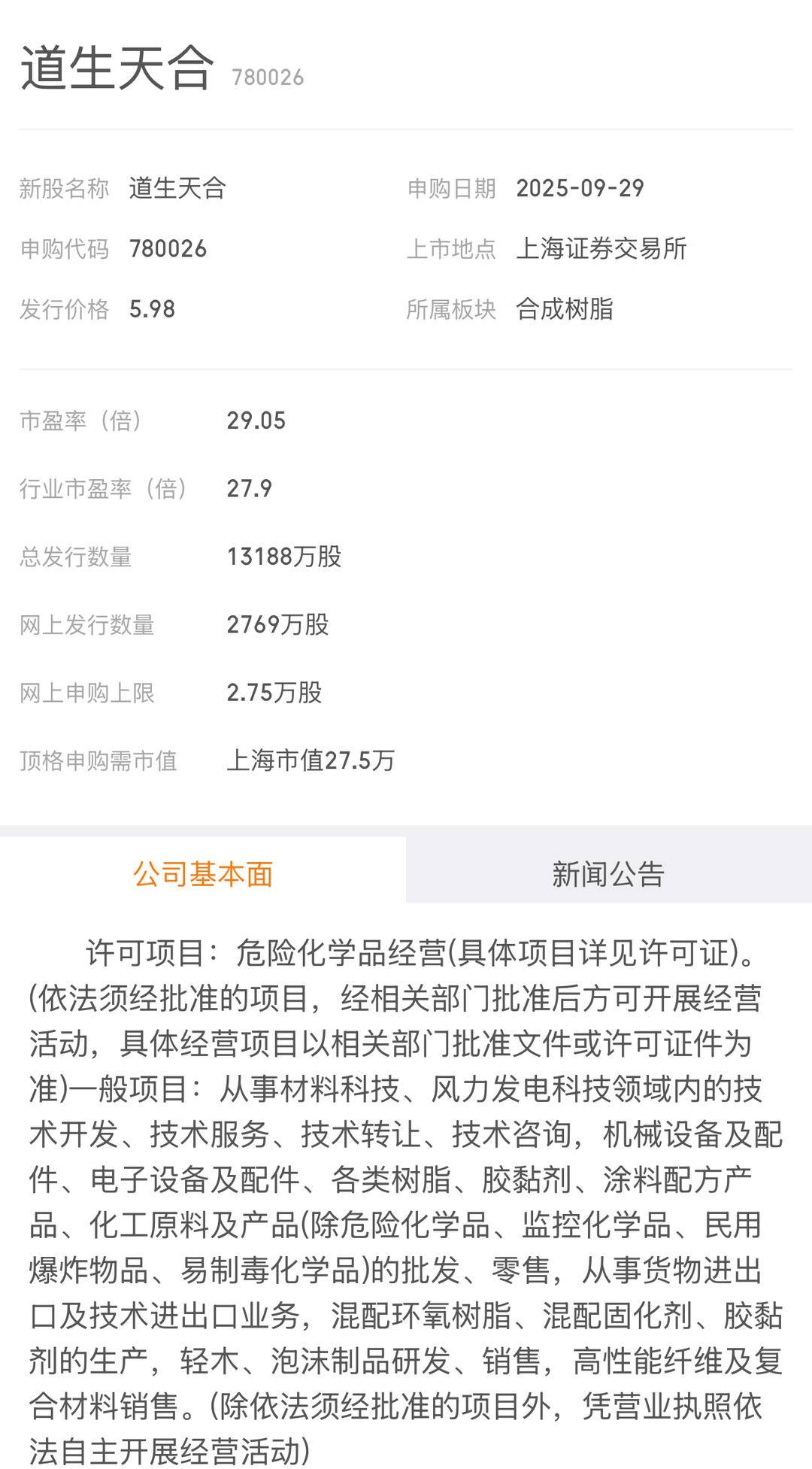
Market Overview - Bluefeng Biochemical (002513) achieved a five-day consecutive rise, while Yangyuan Beverage (603156) and Jingyi Co. (002295) saw a three-day consecutive rise, and Pinming Technology experienced a 20cm two-day rise [1] - The trading volume in the Shanghai and Shenzhen markets decreased by 224.2 billion compared to the previous trading day, with over 3,400 stocks declining [1] - Wind power and insurance sectors led the market gains, benefiting from increased installation and bidding volumes in the third quarter [1] Company News - Galaxy Magnetics (300127) plans to acquire 100% equity of Kyoto Longtai through a combination of share issuance and cash payment, with the share price set at 23.15 yuan per share [2] - The acquisition aims to expand the product range in magnetic materials, particularly in the automotive sector, enhancing market share [2] - Yangyuan Beverage announced a financial investment of 1.6 billion yuan in Changjiang Storage Holdings, with a current holding of only 0.98% in the target company [3] New Stock Subscription - A new stock named Daoshengtianhe is available for subscription on September 29, 2025, with an issue price of 5.98 yuan and a total issuance of 13.188 million shares [5] External Market - U.S. stock indices collectively rose, with the Dow Jones up 0.65%, the Nasdaq up 0.44%, and the S&P 500 up 0.59% [7] - Notable gains were seen in technology stocks, with Tesla and Intel rising over 4%, while other sectors like metals and mining also performed well [7]


Lucid stock price is at risk as CEO confirms cash crunch fears
Invezz· 2025-09-27 13:00
Lucid stock price has recovered this month, moving from a low of $15 to $24, its highest point since August 5. Still, it remains about 28% below its highest point in 2024. ...

Robotaxi三国杀:Lucid交车了,特斯拉慌吗?
汽车商业评论· 2025-09-25 23:08
Core Viewpoint - Lucid has initiated its entry into the Robotaxi market by delivering its first engineering vehicle to Nuro for integration with the "Nuro Driver" system, marking a significant step towards operational deployment in partnership with Uber [4][5]. Group 1: Delivery and Partnership - The delivery of the first vehicle signifies the beginning of an exciting new chapter for Lucid, with plans to deploy at least 20,000 L4 Robotaxis over the next six years starting in 2026 [5]. - Uber has invested $300 million in Lucid, which has been completed as of September 4, providing initial funding for engineering prototypes and early-stage production [9]. - The vehicle will be exclusively available to passengers through the Uber app, with the first city launch planned for 2026 [9]. Group 2: Production and Regulatory Challenges - Lucid has faced production capacity challenges due to supply chain fluctuations, but claims these issues have been largely resolved, with the Gravity platform ramping up as planned [11]. - The company is extending the $7,500 federal tax credit through the end of the year to stabilize delivery expectations [12]. - Regulatory compliance is another hurdle, with updates from U.S. transportation safety regulators streamlining the temporary exemption application process for autonomous driving [13]. Group 3: Competitive Landscape - The entry of Lucid and other new players is reshaping the autonomous driving landscape, with Tesla recently reigniting interest in Robotaxis through pilot programs [17]. - Waymo is expanding its services in multiple cities, emphasizing a cautious and steady approach to growth [20]. - Uber is diversifying its partnerships and technology routes, moving towards a platform-based model rather than heavy asset ownership [22]. Group 4: Future Outlook - The period from 2026 to 2028 is anticipated to be critical for evaluating the operational capabilities of various autonomous driving models, including those of Lucid, Nuro, and Uber [22].