Shein

Search documents
Thinking of Buying Amazon Stock? Here's 1 Green Flag and 1 Red Flag.
The Motley Fool· 2025-08-10 09:51
Core Insights - Amazon is evolving beyond its traditional e-commerce identity, developing a multi-faceted empire that includes cloud computing, advertising, and entertainment [1] - The company's e-commerce growth is slowing, with North America segment sales increasing by only 8% year-over-year and international segment revenue growing by just 5% [4] - Amazon's core commerce revenue, excluding advertising and subscription revenue, grew at around 5% to 6%, indicating a maturing business [4] - Despite net sales reaching $126 billion in Q1 2025, Amazon's operating profit was only $6.8 billion, resulting in a margin of 5.4%, which is low for a tech giant [5] - Increased competition from low-cost challengers like Temu and Shein is putting pressure on Amazon's e-commerce segment [6] - Amazon is enhancing its logistics network and launching low-cost e-commerce initiatives to compete effectively [7] Advertising Growth - Amazon's advertising business is experiencing significant growth, with ad revenue increasing by 18% year-over-year to $13.9 billion in Q1 2025 [9] - The advertising segment is high-margin, potentially contributing more to Amazon's bottom line than its retail business [9] - Unique advantages of Amazon's advertising include reaching customers at the point of purchase, leading to higher conversion rates compared to other platforms [10] - The introduction of ads in Prime Video has expanded Amazon's advertising reach, making it one of the largest ad-supported streaming platforms globally [11] - Amazon's closed-loop attribution model allows brands to track the effectiveness of their ads throughout the customer journey, providing valuable insights [12] Investment Implications - Amazon's long-term profit potential is shifting towards high-margin businesses like cloud computing and advertising, with the latter gaining momentum [13] - While retail faces challenges, stabilizing the commerce segment while leveraging faster-growing areas could lead to stock appreciation over time [14] - Understanding the growth dynamics within Amazon's various segments is crucial for assessing the company's future prospects [14]



AI+情绪价值双引擎 欧定品牌打开“出海”全新想象力
Zheng Quan Ri Bao Wang· 2025-08-08 09:43
欧定希望AI能力可以帮助品牌在海外市场取得成功。在现有数据基础上,欧定在海内外回收十万件衬 衫,通过AI算法模型不断调整,致力于为海外用户提供更合体满意的定制设计方案。 朱家勇表示,欧定选择科技作为出海名片,是因为有像华为、DeepSeek这样的公司让世界认识到中国 的"科技"实力。所以欧定也选择用科技打开市场,让AI这样的新质生产力帮助品牌在海外建立起品牌信 任和用户忠诚。"这种信任感,也是中企'出海'获取新增量的起点。" 本报讯(记者袁传玺)8月8日,2025(第十九届)中国品牌节正式开幕。在"AI引擎,全球共振"高峰对话环 节,欧定头等舱高弹衬衫品牌创始人朱家勇受邀与中国传媒大学广告与品牌学院院长赵新利、中央电视 台品牌顾问李光斗、匹克品牌创始人许景南等嘉宾同台论道,探寻中国品牌出海新航道。 会上,朱家勇结合欧定作为新一代男装品牌的出海实践,分享了如何以技术创新+情绪价值双轮驱动, 打破中国服装企业低价出海路径,进军全球中高端市场的经验与思考。 朱家勇在中国品牌节对话环节中表示,中国服装公司在海外依然普遍处于"拼利润"阶段。"以Shein、 Temu等平台为代表的热销商品价格区间仅为9至24美元,比ZA ...
一年制造的拉链总长绕地球八十圈,YKK 如何成为「拉链大王」?| 声动早咖啡
声动活泼· 2025-08-08 06:00
Core Viewpoint - YKK, a Japanese zipper manufacturing company, has established itself as a global leader in the zipper market through vertical integration, innovation, and strategic global expansion [3][4][9]. Group 1: Company Overview - YKK, founded in 1934, is the largest zipper and fastener manufacturer globally, with over 40% market share [3][4]. - The company produces zippers that can wrap around the Earth 80 times annually, indicating its massive production scale [3]. - YKK's clientele includes renowned brands like Levi's, Adidas, and Patagonia, highlighting its strong presence in the mid to high-end market [3][4]. Group 2: Operational Strategy - YKK controls every aspect of the zipper manufacturing process, from metal smelting to packaging, ensuring quality and efficiency [4][5]. - The company transitioned from manual to machine production in the 1950s, significantly increasing production efficiency [4]. - YKK has developed a vertical supply chain, allowing it to maintain quality and price stability by self-manufacturing raw materials [5]. Group 3: Innovation and Product Development - YKK has created hundreds of patented zippers with special functions, adapting to various applications [5][6]. - The company has expanded its technology beyond zippers, venturing into aluminum door and window manufacturing [5]. Group 4: Brand Recognition - YKK's logo on zippers enhances brand visibility and consumer trust, as many brands openly promote the use of YKK zippers in their products [6][8]. - The brand's influence extends beyond fashion, with its zippers used in critical applications like space suits and automotive manufacturing [8][9]. Group 5: Global Expansion - YKK began international expansion in the 1950s, establishing factories in the U.S. and later in China and Southeast Asia to stay close to its customers [9]. - The company has adapted to market changes by producing zippers for various industries, including automotive, ensuring stable order volumes [9]. Group 6: Challenges - YKK faces increasing competition from Chinese zipper manufacturers, which produce 40% of the global zippers and are encroaching on YKK's market share [10]. - The company's traditional production model may struggle to meet the demands of fast fashion brands that require small-batch, quick-turnaround orders [10].

美国终结“最低限度豁免”政策,全球800美元以下包裹将全面征税
Sou Hu Cai Jing· 2025-08-07 03:24
Policy Changes - The U.S. government has announced a suspension of the "de minimis" policy, effective August 29, which previously allowed commercial packages valued under $800 to enter the U.S. tax-free, now requiring full tariffs to be paid [1] - The new regulation applies globally, expanding beyond the previous focus on China and Hong Kong, and introduces two taxation options for packages: either a tax based on the country of origin or a transitional specific duty of $80-$200 per item within six months [2] - The implementation timeline has been accelerated by two years due to a declared "national emergency," despite Congress previously setting a 2027 deadline for the repeal of the exemption [2] Security and Trade Imbalance - The White House has framed this action as a response to a "catastrophic loophole," with data showing a dramatic increase in tax-free package volume from 134 million in 2015 to an estimated 1.36 billion in 2024, a tenfold increase [3] - A significant portion of drug seizures (97%) and intellectual property infringement items (98%) in 2024 are linked to tax-free packages, which are seen as a conduit for smuggling synthetic opioids like fentanyl [3] Impact on Sellers and Buyers - Chinese cross-border e-commerce platforms, such as Shein and Temu, are expected to be severely impacted, as the global policy will eliminate the ability to circumvent tariffs through third-country shipping [4] - The logistics industry will also face major changes, with air freight companies now responsible for collecting tariffs, leading to a projected decline in cross-border small package shipments [4] - U.S. consumers are likely to experience price increases of 10%-20% on previously tax-free goods, such as affordable clothing and electronics, along with longer shipping times [4] Divided Trade Opinions - Supporters, including the National Council of Textile Organizations (NCTO), view the policy as a "game changer" that addresses the issue of cheap Chinese textile imports undermining domestic manufacturing [5] - Conversely, there are concerns from U.S. consumers and small business owners about the financial burden of increased tariffs, with estimates suggesting an additional expenditure of $11 billion to $13 billion for American consumers, translating to an extra $34 to $41 per person [6]

非洲电商疯抢中国卖家
Hu Xiu· 2025-08-06 10:35
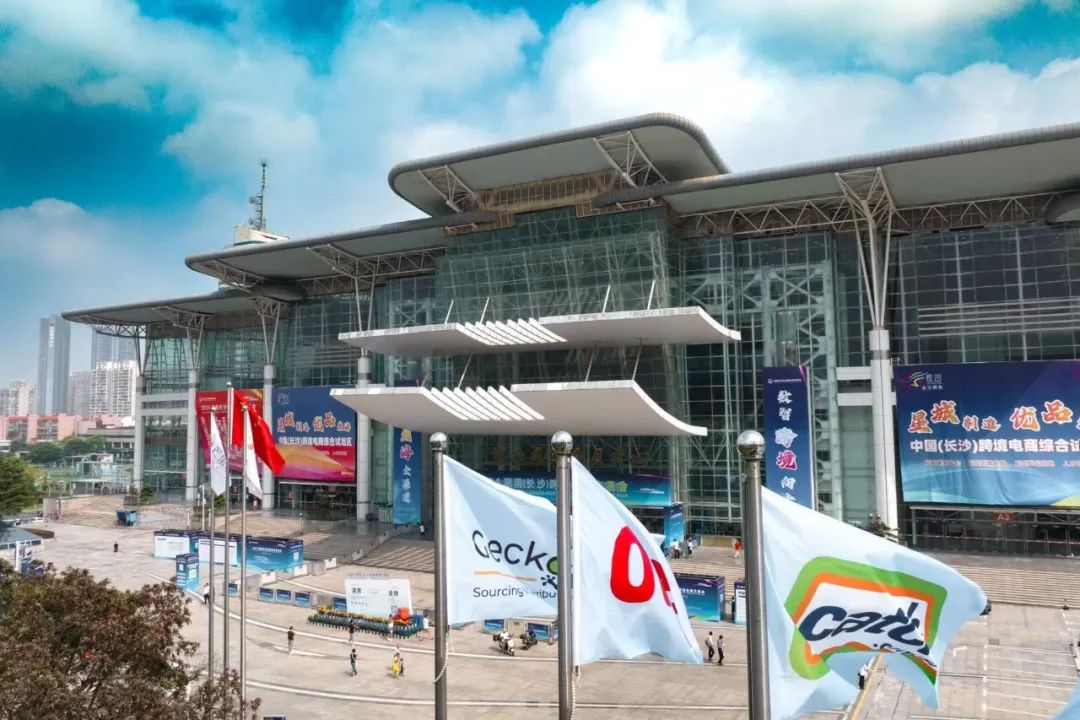
Core Insights - The article discusses the emerging competition in the African e-commerce market, particularly focusing on the activities of Chinese sellers and platforms like Jumia and Takealot, as they seek to capitalize on the growing demand in Africa [1][2][3]. Group 1: Market Dynamics - Jumia is the first African tech company listed on the NYSE, focusing on nine core markets including Nigeria, Egypt, and Kenya, with a projected GMV of $720.6 million and revenue of $167.5 million for 2024 [3]. - The African e-commerce market is witnessing a surge in Chinese sellers, with over 80% of products on Jumia coming from China, indicating a significant shift in supply dynamics [13][20]. - The overall e-commerce penetration in Africa remains low compared to global averages, with South Africa at approximately 46% and Nigeria at around 15%, suggesting substantial growth potential [26]. Group 2: Seller Experiences - Sellers like Tang Wenjie and Zhang Qing have successfully established multiple stores on Jumia, achieving monthly sales of up to 2 million yuan, with profit margins ranging from 30% to 45% [7][10]. - The logistics and operational support provided by platforms like Jumia simplify the entry for traditional foreign trade businesses into the e-commerce space, making it accessible for newcomers [8][9]. - The low return rates on Jumia, ranging from 1% to 2.5%, highlight the platform's efficiency compared to other regions [10]. Group 3: Competitive Landscape - Takealot, another major player in the African e-commerce space, reported revenues of $872 million for the 2025 fiscal year and is also attracting Chinese sellers [11]. - Temu and Shein are expanding their presence in South Africa, with Temu launching local warehousing to enhance delivery speed, while Shein faces new import tax challenges [24][25]. - The competition among platforms is intensifying, with Jumia focusing on building its logistics network and ceasing its global dropshipping model to concentrate on fulfillment by Jumia [21][22]. Group 4: Strategic Initiatives - Jumia is actively recruiting international sellers by offering financial incentives and operational support, including free warehousing services and localized account management [20]. - Gecko, a cross-border supply chain service platform, is facilitating Chinese sellers' entry into Takealot, indicating a trend of increasing collaboration between Chinese suppliers and African platforms [15][19]. - The article emphasizes the importance of adapting product offerings to local market conditions, as sellers from other regions may need to adjust their strategies to succeed in the African market [16][27].
日本市场,不接受快节奏洗礼
3 6 Ke· 2025-08-06 07:56
Core Insights - The Japanese market is described as a "tough nut to crack" for overseas brands due to its unique challenges such as an aging population, cautious consumer decision-making, and high loyalty to local brands [1][2] - In 2023, China's direct investment in Japan reached 178.9 billion yen (approximately 1.1 billion USD), showing over 100% year-on-year growth, with expectations for further increases in 2024 [1] - E-commerce platforms like Shein, Temu, and TikTok Shop are expanding into the Japanese market, indicating a growing interest from Chinese companies [1] E-commerce and AI in Japan - Japan's e-commerce penetration is still below 10%, but the market is beginning to explore AI applications, which are seen as a complement to offline retail rather than a replacement [4][10] - Rakuten Group's chairman highlighted Japan's AI capabilities as lagging behind other countries, with only 26.7% of the population having used generative AI services [5] - Rakuten aims to create an environment where AI is easily usable for all age groups, emphasizing the importance of human-centered service in AI applications [5][8] Consumer Behavior and Market Entry Strategies - Japanese consumers exhibit a cautious shopping behavior, often comparing prices and product information before making a purchase, which poses challenges for e-commerce strategies [13] - The preference for offline retail remains strong, and brands entering Japan may benefit from a hybrid approach that combines online and offline channels [12][19] - Younger consumers are more open to new products and brands, presenting opportunities for companies targeting this demographic [12][13] Trust and Brand Loyalty - Trust is a critical factor in the Japanese market, with consumers showing high brand loyalty and a preference for established brands [13][15] - Brands must invest time in building trust and understanding local consumer preferences to succeed in Japan [19] - The integration of traditional cultural elements with modern marketing strategies can resonate well with Japanese consumers, particularly among younger generations [17]

非洲电商疯抢中国卖家,腾讯大股东都下场了
3 6 Ke· 2025-08-06 07:39
Core Insights - The article discusses the emerging competition in the African e-commerce market, particularly focusing on the activities of Chinese sellers and platforms like Jumia and Takealot [1][2][3]. Group 1: Market Dynamics - The African e-commerce market is witnessing a surge in Chinese sellers, with a notable increase in cross-border trade, as evidenced by a 14.4% year-on-year growth in China's imports and exports to Africa [1]. - Jumia, the largest African e-commerce platform, is actively recruiting Chinese sellers, with over 80% of its products sourced from China [7][14]. - The competition is intensifying as platforms like Temu and Amazon enter the African market, with Temu launching its South African platform and establishing local warehouses [16][18]. Group 2: Seller Experiences - Successful sellers on Jumia, such as Tang Wenjie, report monthly sales reaching 2 million yuan, with profit margins between 35% and 45% [3][5]. - Zhang Qing, another seller, has also achieved significant sales on Jumia, with plans to expand her operations by opening additional warehouses [4][5]. - The low return rates on Jumia, ranging from 1% to 2.5%, indicate a stable market environment for sellers [5][7]. Group 3: Logistics and Infrastructure - Jumia has established its logistics service, Jumia Logistics, to streamline order fulfillment and after-sales service, allowing sellers to focus on product selection and inventory [5][14]. - The company is expanding its logistics network, including a new comprehensive warehouse in Cairo, which will serve as a key hub for operations in Egypt and surrounding regions [14][15]. - Takealot, another major player, is also enhancing its logistics capabilities, although it faces challenges with platform mechanisms and product listing approvals [6][7]. Group 4: Future Outlook - The African e-commerce market is expected to continue growing, driven by a young population and increasing digital infrastructure [18][19]. - Sellers are beginning to adapt their strategies to the African market, such as branding products to capture higher price points [19]. - The article emphasizes the potential for significant growth in the African e-commerce sector, suggesting that the current phase represents a critical opportunity for market entry [12][19].
求购卫蓝新能源老股份额;求购小红书老股份额|资情留言板第167期
3 6 Ke· 2025-08-06 07:32
一、本月新增 1、求购字节跳动公司老股份额(预期估值3200亿美元) 交易价格:预期估值3200亿美元 资产交易市场,信息瞬息万变,消息真假难辨,即使买卖双方花费大量的时间、精力,推动成交往往困 难重重。为了能够帮助买卖双方更快速链接市场信息和潜在交易对手,避免不必要的投入与浪费,我们 特地打造了这样一档栏目。 本文是这个栏目的第167期。如果你对本文提到的相关的交易线索感兴趣,希望接触这些潜在的交易对 手,或者如果你手中直接握有希望交易的资金或者资产,欢迎与我们联系。(邮箱:zcjy@36kr.com) 资产规模:约3000-5000万美元 交易方式:可以接受进结构,价格具体看是否承担管理费和carry 联系方式:zcjy@36kr.com 3、求购卫蓝新能源公司老股份额(预期估值80亿人民币) 交易价格:预期估值80亿人民币 资产规模:约3000-5000万美元 资产规模:约3000-5000万美元份额 交易方式:具体看是否承担管理费和carry 联系方式:zcjy@36kr.com 2、求购小红书公司老股份额(预期估值380亿美元左右) 交易价格:预期估值380亿美元左右 交易价格:预期估值约210亿 ...
晚点独家丨90%跨境电商税之下,Temu、Shein上半年继续增长
晚点LatePost· 2025-08-05 12:15
文 丨 郑可书 沈方伟 制图 丨 黄帧昕 编辑 丨 王姗姗 美国今年对中国新加的关税暂时降回到 30% ,但特别针对中国跨境电商小额包裹设置的壁垒没 有降低——以前免税清关的小件包裹,如今要付货值 90% 或着每件 150 美元的关税。 一单一发的小包跨境快递曾经是中国跨境电商最低成本的物流渠道,而美国则是全球最大消费 市场。《晚点 LatePost》独家了解到,Shein 今年上半年商品成交额(GMV)约 270 亿美元, 同比增长率维持在 15-20%。而上线三年不到的 Temu,其上半年全球 GMV 为 350 亿美元左 右,同比增长率 50%。 据一位接近 Temu 的人士,今年 Temu 全年 GMV 目标是 1000 亿美元,超过拼多多成立第三年 的水平。Shein 去年 GMV 约为 520 亿美元,年初定下的全年 GMV 目标是 "微超 600 亿美 元"。 跨境电商规模效应已经建立,平台有了很多选择。 Shein 和 Temu 否认了与 GMV 相关的数据。 提前两个月的一场演练,给了 Temu 和 Shein 更多准备时间 今年 4 月关税战爆发前,Shein、Temu 以及平台上的商家已 ...

中美谈判刚结束,不到24小时,美又对华耍花招,暂停小额包裹免税
Sou Hu Cai Jing· 2025-08-05 03:20
中美贸易谈判刚刚结束,不到24小时,美方又对中国耍起花招 ,宣布暂停小额包裹免税政策。中美贸易谈判结果如何?美方耍花招又究竟怎 么回事? 众所周知,不久前,中美第三轮贸易谈判正式结束,双方达成共识,将继续推动已暂停的美方对等关税 24% 部分以及中方反制措施如期展期 90 天,这意味着中美双方的关税税率短期内不会发生变化。 但令人没有想到的是,中美贸易谈判刚刚结束,不到24小时,美方又对中国耍起花招。到底是怎么一回事呢?原来日前,美国总统特朗普签署 行政令,宣布自 8 月 29 日起暂停小额包裹关税豁免政策。这一政策的调整, 将对许多来自中国的包裹产生直接影响。中国外交部发言人郭嘉 昆也明确表示称,"希望美方恪守公平竞争的市场原则,为包括中国企业在内的各国企业提供公平、公正、非歧视的营商环境。" 有专家分析称,美国此次暂停小额包裹关税豁免政策,主要针对通过非国际邮政网络寄往美国、价值不超过 800 美元的商业包裹,这些包裹此 后将不再享受免税优惠,需缴纳所有适用关税。对于国际邮政系统的包裹,则采用按商品价值的从价税,或 80 至 200 美元的从量税两种征税 方式。白宫方面给出的理由是 "维护国家安全" 和 ...