
淘宝

Search documents
回望“十四五”| 扩内需增活力优环境 “十四五”深化改革结硕果
Zhong Guo Zheng Quan Bao· 2025-10-22 00:28
Core Viewpoint - China's domestic demand remains the main driving force and stabilizing anchor for economic development, supported by a series of reforms and the acceleration of the national unified market construction [1][4]. Group 1: Domestic Demand and Economic Growth - During the "14th Five-Year Plan" period, domestic demand contributed an average of 86.8% to economic growth [2]. - In the first three quarters of this year, final consumption expenditure contributed 53.5% to economic growth, an increase of 9.0 percentage points compared to the previous year [3]. - From 2021 to 2024, the average contribution of final consumption to China's economic growth is expected to reach 59.9%, up by 11.1 percentage points from the "13th Five-Year Plan" period [3]. Group 2: Investment and Infrastructure - The average contribution of capital formation from investment to economic growth over the past four years is 30.2% [4]. - In the first three quarters of this year, fixed asset investment in railways reached 593.7 billion, a year-on-year increase of 5.8% [3]. Group 3: Support for Private Enterprises - The establishment of a reusable rocket assembly and testing facility in Hainan represents a significant opportunity for the commercial aerospace industry, supported by improved market access policies [5][6]. - As of May, there were 185 million private economic organizations in China, accounting for 96.76% of total operating entities, with a year-on-year growth of 2.3% [6]. Group 4: National Unified Market Construction - The construction of a national unified market has made significant progress, enhancing the efficiency of resource allocation and reducing transaction costs [9][10]. - The negative list for market access has been reduced from 123 items in 2020 to 106 items in 2025, promoting a fair competitive environment [10].
平台配送费为何由商家承担
Hu Xiu· 2025-10-21 10:55
Core Insights - The rapid development of the digital economy has led to the flourishing of various instant delivery platforms, reshaping the operational logic of businesses while intensifying competition through aggressive promotional tactics [1] Delivery Fee International Differences - In many countries like the US, UK, and India, delivery fees are typically paid directly by consumers at the time of order settlement, often supported by membership systems that enhance consumer perception of delivery costs [2] - In China, however, the burden of delivery fees often falls on merchants, especially small and medium-sized businesses, as platforms encourage them to absorb these costs to boost sales [2][3] Theoretical Origins of Delivery Fees - Delivery fees have evolved from being a basic logistics cost to a critical tool for market competition and profit distribution in the platform economy [4] - Initially, consumers bore the delivery costs, but over time, platforms began to subsidize these costs to attract users, leading to a shift in who pays [5] Shift in Delivery Fee Responsibility - The responsibility for delivery fees has increasingly shifted from consumers to merchants, particularly in competitive sectors where small businesses feel pressured to absorb these costs to remain visible [6][7] Long-term Implications of Delivery Fee Strategies - Relying on delivery fee absorption as a competitive strategy can lead to a "path dependency trap," where businesses neglect product quality and brand building, ultimately increasing customer acquisition costs [8] - Larger brands with established supply chains and brand recognition can better manage delivery costs and maintain order volumes without resorting to price wars [8] Recommendations for Industry Improvement - To address the over-competition in delivery fees, a multi-faceted approach involving platform governance, regulatory oversight, merchant upgrades, and consumer education is necessary [10] - Platforms should shift towards a value-oriented algorithm that prioritizes quality and service over immediate sales metrics, thereby reducing the reliance on price competition [10][11] Consumer and Regulatory Perspectives - Consumers should be educated to value quality and service over the lowest price, fostering a culture of rational consumption [12] - Regulators need to enhance competition rules and transparency in cost allocation, ensuring fair practices in the delivery fee structure [13][14]
平台配送费为何由商家承担
经济观察报· 2025-10-21 10:09
Core Viewpoint - The article discusses the shift in the burden of delivery fees from consumers to merchants in the context of intense competition among small and medium-sized businesses in the delivery service industry [1][2][10]. Delivery Fee Dynamics - In the digital economy, various instant delivery platforms are thriving, leading merchants to adopt aggressive promotional tactics, including discounts and absorbing delivery costs to attract customers [2][10]. - Globally, delivery fees are typically paid by consumers, with models in countries like the US and UK emphasizing consumer awareness of delivery costs through membership systems [4]. - In China, however, delivery fees are increasingly borne by merchants, particularly small and medium-sized ones, as platforms encourage them to absorb these costs to boost sales [5][10]. Theoretical Background of Delivery Fees - Delivery fees have evolved from being a straightforward cost to a complex variable in market competition, influenced by logistics, labor costs, and platform algorithms [7][8]. - The rise of instant delivery services has further complicated the structure of delivery fees, which now include various factors such as rider costs and peak time surcharges [8]. Merchant Behavior Regarding Delivery Fees - Merchants are often compelled to absorb delivery fees to improve their visibility and competitiveness on platforms, leading to a reliance on discounts rather than quality improvements [10][11]. - This behavior creates a "path dependency trap," where merchants focus on short-term gains at the expense of long-term brand building and customer loyalty [11][12]. Long-term Strategies for Merchants - To escape the cycle of competing on price, merchants should focus on enhancing product quality and brand recognition, moving away from the reliance on delivery fee absorption [15]. - Large chain brands exhibit resilience against price wars due to established supply chains and brand equity, allowing them to maintain order volumes without resorting to aggressive pricing strategies [11]. Recommendations for Industry Improvement - The article suggests a multi-faceted approach to address the over-competition in delivery fees, including platform governance, regulatory oversight, merchant upgrades, and consumer education [14][16]. - Platforms should shift towards a value-oriented algorithm that prioritizes quality and service stability over immediate sales metrics, thereby reducing the pressure on merchants to absorb delivery costs [14]. - Consumers should be educated to recognize the value of quality service over the lowest price, fostering a culture of rational consumption [16]. Regulatory Perspective - Regulators are encouraged to enhance fair competition rules and transparency in cost allocation, ensuring that delivery fee structures are clear and equitable [17].

美团、淘宝被五粮液点名!
Di Yi Cai Jing· 2025-10-20 14:13
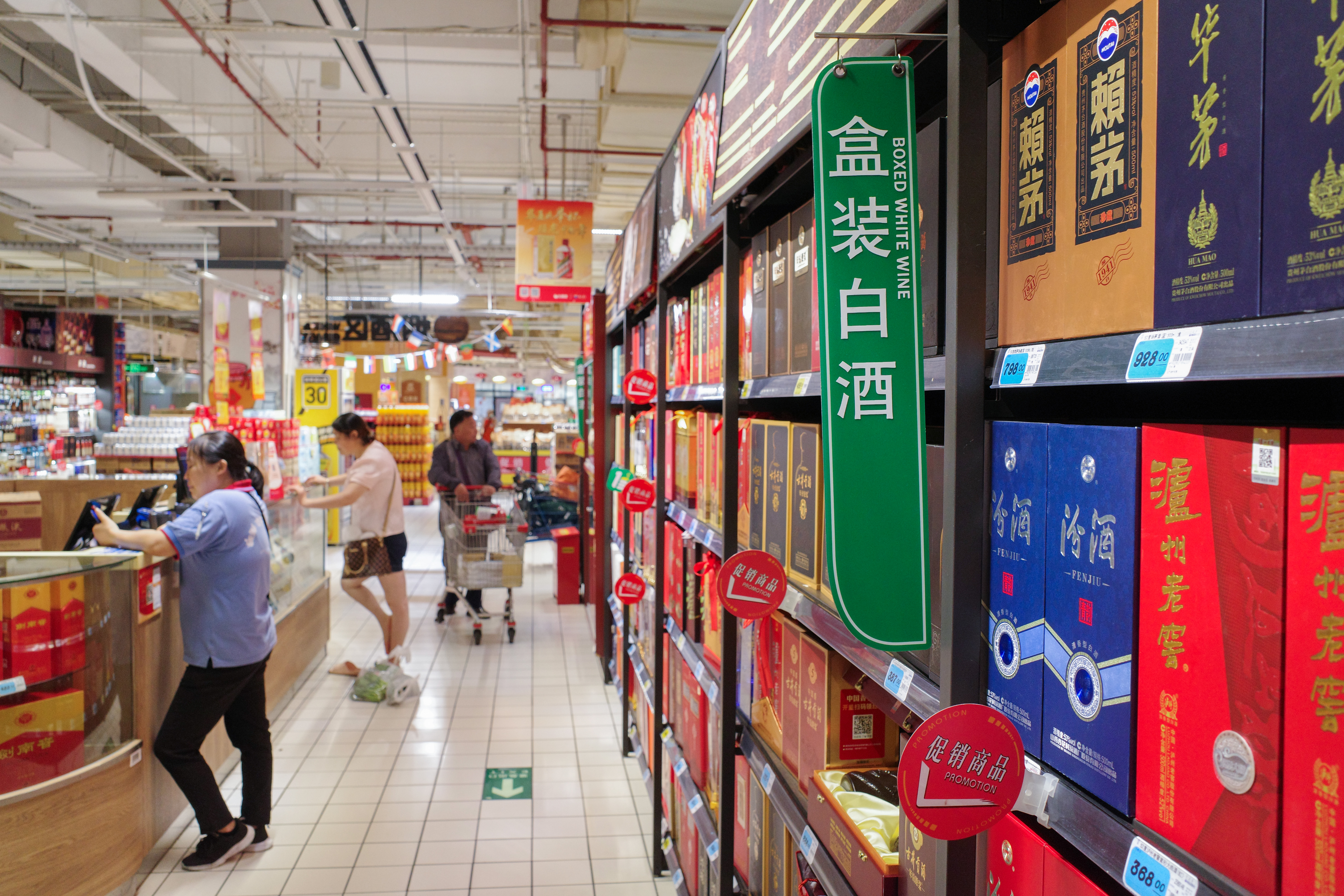
Core Viewpoint - Major liquor companies, including Moutai and Wuliangye, have raised concerns about unauthorized sales of their products on e-commerce platforms, highlighting issues of product authenticity and complex supply chains [1][2] Group 1: Company Concerns - Several well-known liquor brands have issued statements accusing e-commerce platforms of selling products without authorization, leading to potential issues with counterfeit goods [1] - Wuliangye identified unauthorized online stores selling its products, which are not included in its official product control and traceability system, raising concerns about quality [1] - Guizhou Xijiu also criticized unauthorized online channels for selling products, indicating risks of counterfeit and substandard goods [1] Group 2: Pricing and Market Dynamics - As of October 20, the price of 53-degree Feitian Moutai was reported at 1,650 yuan per bottle, a decrease of 30 yuan from previous days, while Wuliangye's price remained stable at 769 yuan, both below market wholesale prices [1] - A comparison showed that Guizhou Xijiu's official flagship store prices were 30% higher than those on the e-commerce platforms' promotional channels [2] - E-commerce platforms are reportedly subsidizing prices through market purchases, complicating the supply chain and raising concerns about product authenticity [2] Group 3: E-commerce Platform Responses - Taobao's customer service claimed that its "Billion Subsidy Channel" guarantees product authenticity and has introduced third-party testing agencies, promising compensation for counterfeit products [2] - Industry experts noted that e-commerce liquor products primarily come from social channels, which have moved beyond manufacturer control, creating opportunities for counterfeit sales [2]



美团、淘宝被五粮液点名
Di Yi Cai Jing· 2025-10-20 10:39
Group 1 - Major liquor companies, including Moutai and Wuliangye, have expressed concerns over unauthorized sales on e-commerce platforms during the "Double Eleven" shopping festival [4][5] - Wuliangye's consumer notice highlighted the presence of unauthorized stores selling its products online, with prices significantly lower than market wholesale prices [4][5] - As of October 20, the price of Moutai was reported at 1650 yuan per bottle, down 30 yuan from previous days, while Wuliangye remained at 769 yuan per bottle, both below official retail prices [4] Group 2 - The online sales of liquor products are primarily sourced from market procurement by e-commerce platforms, leading to complex supply chains and potential quality issues [7] - Taobao's customer service claimed that its "Billion Subsidy Channel" guarantees product authenticity and has third-party testing, promising compensation for counterfeit products [7] - Industry experts noted that e-commerce platforms often pursue low-price strategies to attract traffic, which can create opportunities for counterfeit products [7]

美团、淘宝被五粮液点名
第一财经· 2025-10-20 10:08
Core Viewpoint - The article discusses the concerns raised by major liquor companies regarding unauthorized sales of their products on e-commerce platforms during the "Double Eleven" shopping festival, highlighting issues of authenticity and pricing discrepancies [3][5]. Group 1: Company Responses - Major liquor companies such as Moutai, Wuliangye, and Guizhou Xijiu have issued statements criticizing e-commerce platforms for selling products without authorization, leading to concerns about counterfeit goods [3][5]. - Wuliangye's notice to consumers highlighted that unauthorized stores may sell products outside of their official control and traceability systems, raising the risk of counterfeit and inferior products [3][5]. - Guizhou Xijiu also pointed out the risks associated with unauthorized online sales, although their authorized list mainly included their own stores and distributors on e-commerce platforms [5]. Group 2: Pricing and Market Dynamics - As of October 20, the price of 53-degree Feitian Moutai after subsidies was 1,650 yuan per bottle, a decrease of 30 yuan from the previous days, while Wuliangye's price remained stable at 769 yuan, both significantly lower than market wholesale prices [3]. - A comparison showed that Guizhou Xijiu's official flagship store prices were 30% higher than those on e-commerce platforms offering substantial discounts [5]. - An online liquor sales company representative noted that the current promotional prices are primarily due to e-commerce platforms purchasing from the market and subsidizing prices, which complicates the supply chain and raises concerns about product authenticity [5]. Group 3: E-commerce Platform Practices - E-commerce platforms are reportedly sourcing liquor products from social channels, which are outside the manufacturers' control, leading to potential issues with counterfeit products [5]. - Taobao's customer service claimed that their "Billion Subsidy Channel" is official and guarantees product authenticity, promising a "tenfold compensation" for counterfeit products [5]. - The article suggests that the aggressive low-price strategies employed by e-commerce platforms to attract traffic may create opportunities for counterfeit sales, indicating a shift away from the original sales intent of premium liquor brands [5].

美团、淘宝被五粮液点名,知名酒企齐指电商白酒“货源复杂”
Di Yi Cai Jing· 2025-10-20 10:06
Core Viewpoint - The recent "Double Eleven" sales event has raised concerns among major liquor companies regarding unauthorized sales and potential counterfeit products on e-commerce platforms [1] Group 1: Company Responses - Major liquor companies such as Moutai, Wuliangye, and Guizhou Xijiu have issued statements condemning unauthorized sales on e-commerce platforms, highlighting issues with product authenticity and complex supply chains [1][5] - Wuliangye released a consumer notice indicating that some online platforms are selling its products through unauthorized stores, which may lead to counterfeit and substandard goods [1][5] - Guizhou Xijiu also expressed concerns about the risks of counterfeit products from unauthorized online channels, while providing a list of authorized sellers [5] Group 2: Pricing and Market Dynamics - As of October 20, the subsidized price for 53-degree Feitian Moutai was 1,650 yuan per bottle, a decrease of 30 yuan from the previous days, while Wuliangye's price remained stable at 769 yuan, both significantly lower than wholesale market prices [1] - A market representative noted that the current promotional prices for major liquor brands are often lower than those in official stores, indicating a disconnect between online and offline pricing [5] - The pricing strategy during the "Double Eleven" event is primarily driven by e-commerce platforms purchasing products from the market and subsidizing prices, which complicates the supply chain and raises concerns about product authenticity [5][6] Group 3: E-commerce Platform Practices - Taobao's customer service claimed that its "Billion Subsidy Channel" is official and guarantees product authenticity, promising a "tenfold compensation" for counterfeit products [6] - Industry experts pointed out that liquor products sold on e-commerce platforms often come from social channels, which are outside the manufacturers' control, leading to increased risks of counterfeiting [6] - The current sales model for premium liquor has deviated from its original intent, raising concerns about the sustainability and integrity of such sales practices [6]

美团、淘宝被五粮液点名!知名酒企齐指电商白酒“货源复杂”
Di Yi Cai Jing· 2025-10-20 09:48
Core Viewpoint - The promotion of famous liquor during the "Double Eleven" shopping festival has deviated from its original sales intention, raising concerns among liquor companies about unauthorized sales and potential counterfeit products [1] Group 1: Company Responses - Multiple liquor companies, including Moutai, Wuliangye, and Guizhou Xijiu, have issued statements criticizing e-commerce platforms for selling products without authorization, leading to concerns about the authenticity of the products [1] - Wuliangye released a notice indicating that some online platforms are selling its products through unauthorized stores, which do not fall under its official product control and traceability system, potentially leading to counterfeit issues [1] - Guizhou Xijiu also condemned unauthorized online sales, highlighting the risk of counterfeit products, while providing a list of authorized online channels [5] Group 2: Pricing and Market Dynamics - As of October 20, the subsidized price of 53-degree Feitian Moutai was 1,650 yuan per bottle, a decrease of 30 yuan from the previous days, while Wuliangye's price remained stable at 769 yuan, both significantly lower than market wholesale prices [1] - A comparison revealed that Guizhou Xijiu's official flagship store prices were 30% higher than those on e-commerce platforms offering substantial discounts [5] - An online liquor sales company noted that the famous liquor products during the "Double Eleven" event are primarily sourced from the market by e-commerce platforms, which raises concerns about the complexity of the supply chain [5] Group 3: E-commerce Platform Practices - E-commerce platforms are reportedly using low-price strategies to attract traffic, which may create opportunities for counterfeit sales, as products are often sourced from social channels outside of manufacturer control [5] - Taobao's customer service claimed that its "Billion Subsidy Channel" is an official channel that guarantees product authenticity and has introduced third-party testing agencies with a "tenfold compensation" promise for counterfeit products [5] - The current sales model of famous liquor as a traffic driver has strayed from its original sales purpose, indicating a need for attention to this abnormal sales practice [5]
“双十一”促销战升级!京东推“买贵10倍赔” 淘宝闪购首次加入
Xi Niu Cai Jing· 2025-10-20 06:39
Group 1 - The "Double Eleven" shopping festival in 2025 is intensifying, with e-commerce platforms increasing investments and innovating strategies to attract consumers [2] - JD.com has launched a "Price Match Guarantee" service for home appliances, promising to compensate consumers ten times the price difference if they find a lower price within 24 hours of purchase [2] - Taobao has also initiated its "Double Eleven" promotions on October 15, reporting over 200% growth in multiple categories on the first day, with significant increases in late-night snack sales [2] Group 2 - Pinduoduo's "Double Eleven" promotions will start on October 16, two days later than last year, featuring various subsidy activities to attract consumers [3] - Short video platforms like Kuaishou and Douyin have gained an advantage by launching pre-sales earlier, with Kuaishou investing 3 billion yuan in red envelopes and product subsidies [3] - The industry consensus this year is to simplify promotional strategies, replacing complex discount formulas with straightforward reductions to enhance consumer experience and optimize supply chain efficiency [3]



刷新“史上最长”记录 双11大促有哪些新变量?
Sou Hu Cai Jing· 2025-10-20 06:15
每年的"双11",都在持续不断地刷新"史上最长"纪录。 10月9日,京东、抖音两大平台率先抢跑,启动"双11"活动,比去年提前了5天;10月11日,小红书正式启动"双11"大促;10月15日,淘宝、天 猫也正式开启"双11"预售。 从最开始仅一天的促销活动,到现在可以无缝嫁接"国庆""中秋"双节活动, "双11"正通过不断延长活动周期,抢占流量高地。 当前,中国消费者市场目前呈现出媒体碎片化、渠道碎片化、品牌碎片化等新特点。根据《2025中国消费市场趋势报告》显示,当前,消费者 在单个APP平均的停留时间仅为2.6分钟,平均会在7.8个不同渠道购买商品,每年购买超过110个不同品牌的产品。 虽然消费市场的增速有所放缓,但消费者的整体需求并没有减弱,只是消费方式变得更分散化、更碎片化。超长"双11"策略,更反映出电商平 台的流量争夺战正愈演愈烈。 告别奥数级促销,回归简单优惠模式 电商平台寄希望于通过拉长大促活动周期,最大程度刺激消费,但消费市场对于"双11"的态度却趋于冷淡。一方面,消费市场自身存在"消费疲 倦",另一方面,消费者觉得"双11"活动缺乏诚意。 对于消费者而言," 双11" 最饱受诟病的就是以往 ...
