京东方A

Search documents
惠科股份再启IPO:重金布局新赛道,市场与技术挑战并存
Nan Fang Du Shi Bao· 2025-06-16 11:09
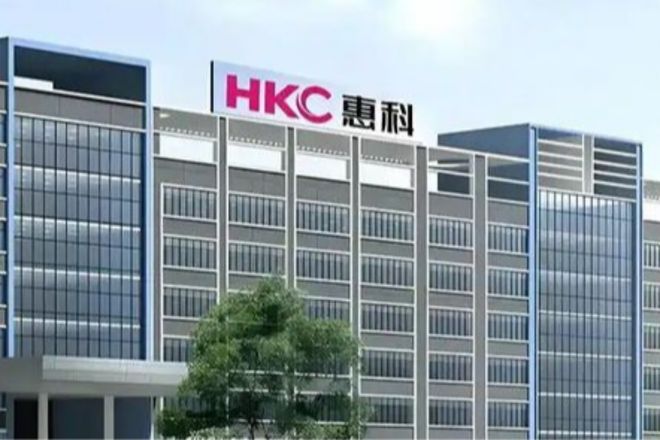
Core Viewpoint - Huike Co., Ltd. is attempting to relaunch its IPO after previously withdrawing due to significant losses and other issues, with its investment in emerging display technologies reaching hundreds of billions [2][3]. Financial Performance - Huike's financial performance has been volatile, with a net profit of 4.986 billion yuan in 2021, followed by a loss of 1.399 billion yuan in the first half of 2022, leading to an estimated annual loss of 1.029 to 1.271 billion yuan for 2022 [3]. - The company's asset-liability ratio peaked at 97.77%, and inventory surged to 6.96 billion yuan in the first half of 2022, indicating significant financial strain [3]. Legal and Operational Challenges - Huike has faced multiple patent disputes, including a notable case with Huaxing Optoelectronics, which was settled in 2020 for 30 million yuan [4]. - The company has a unique "state-owned asset dependency" model, with obligations to invest 20.953 billion yuan in project companies, raising concerns about future financial commitments [5]. Investment in New Technologies - The company has heavily invested in new display technologies, with total investments in OLED, Mini LED, and electronic paper projects exceeding hundreds of billions since 2024 [6]. - Despite these investments, Huike faces challenges in gaining market share, as major competitors hold over 88% of the OLED smartphone panel market [6]. Market Conditions - The LCD panel business is experiencing weak demand, with recent data indicating low operating rates for TV panel production lines [6]. - The company's ability to secure financing through an IPO is critical for addressing capital needs for heavy asset investments and supporting new technology initiatives [6].

国内首台G8.6 AMOLED TSP OS检测设备正式出货
WitsView睿智显示· 2025-06-16 10:32
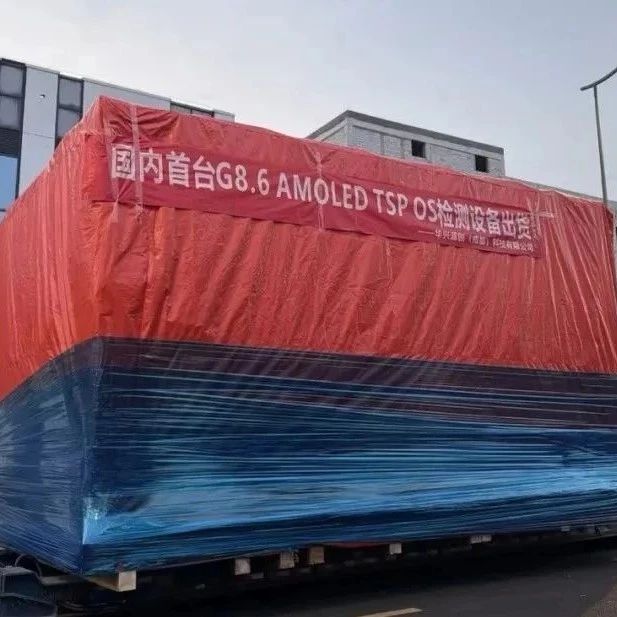
Core Viewpoint - Huaxing Yuanchuang has successfully delivered China's first G8.6 AMOLED touch screen (TSP) display system detection equipment, marking a significant advancement in the high-generation AMOLED TSP OS core detection equipment field [1][3]. Group 1: Product Development and Market Position - The newly developed detection equipment covers the entire process of TSP and OS detection, achieving micron-level precision, suitable for various applications including automotive displays, laptops, and tablets [3]. - The delivery of this product signifies a critical leap from "0" to "1" in China's capability in high-generation AMOLED TSP OS core detection equipment [3]. - Huaxing Yuanchuang's Chengdu subsidiary has successfully won bids for several projects related to BOE's 8.6-generation AMOLED production line, including automatic optical inspection machines and aging equipment for flat panel displays [3]. Group 2: Financial Performance - In 2024, Huaxing Yuanchuang reported an operating income of 1.823 billion yuan, a decrease of 2.07% compared to the previous year [3]. - The company recorded a net profit attributable to shareholders of -497 million yuan [3]. Group 3: Company Focus and Applications - Huaxing Yuanchuang specializes in the research, production, and sales of flat panel display and semiconductor integrated circuit detection equipment, with applications across various industries including LCD and OLED flat displays, integrated circuits, and automotive electronics [3].

三星将采用国产OLED材料?
WitsView睿智显示· 2025-06-16 10:32
Core Viewpoint - Samsung Display is considering sourcing OLED panel materials from Chinese partners for the first time, indicating a shift in its procurement strategy due to competitive pressures and cost considerations [1][4]. Industry Overview - The global OLED materials market reached a value of $2.23 billion in 2022, with an annual growth rate exceeding 30%, projected to reach approximately $2.82 billion by 2025 [6]. - Domestic companies are gaining market share in OLED front-end materials and are expanding into high-margin OLED terminal materials, despite facing high entry barriers [6][8]. Technological Advancements - Chinese OLED panel manufacturing technology has made significant strides, narrowing the gap with Samsung Display, while Chinese OLED material companies have demonstrated notable cost advantages [3][5]. - Domestic OLED material manufacturers have achieved commercial production of key materials, such as Red Prime and Green Host materials, and are progressing towards mass production of other essential components [7]. Recent Developments - In 2025, the domestic OLED materials industry is experiencing increased activity, with frequent capital movements, including financing and expansions [8]. - Companies like Aolai Technology and Xu Ying Chemical are actively raising funds and expanding production capabilities to enhance their market competitiveness [8][10]. Market Dynamics - The expansion of high-generation OLED panel production lines by domestic firms like BOE and Visionox is driving demand for OLED materials, providing local manufacturers with significant market opportunities [12]. - The quality requirements for materials are increasing alongside the expansion of production lines, motivating further research and development among OLED material manufacturers [12].

中泰气体 总经理 黎佳荣确认演讲 | 2025势银(第五届)光刻产业大会(PRIC 2025)
势银芯链· 2025-06-16 07:01
Core Viewpoint - The 2025 TrendBank Lithography Industry Conference aims to address the challenges and advancements in lithography technology, materials, and equipment, focusing on enhancing domestic capabilities and self-sufficiency in the semiconductor industry [12][21]. Conference Overview - The conference will take place on July 9-10, 2025, in Hefei, Anhui, at the Sheraton Hotel [16][20]. - It will feature over 20 industry experts discussing advanced lithography technologies, including EUV, electron beam lithography, and nanoimprint techniques [13][12]. - The agenda includes sessions on lithography materials, chemical products, and equipment, emphasizing the need for domestic production and innovation [12][21]. Keynote Speakers and Topics - Li Jiarong, General Manager of Hangzhou Zhongtai Hydrogen Energy Technology Co., will present on "Application of Lithography Gases and Development of China's Rare Gas Industry" [6][11]. - Other notable speakers include representatives from BOE Technology Group and Nankai University, discussing various aspects of lithography technology and materials [9][10]. Industry Challenges - The domestic lithography industry faces significant challenges, including low self-sufficiency in high-end photoresists and reliance on imports for critical materials and equipment [20][21]. - The conference aims to foster collaboration between academia and industry to address these challenges and promote technological innovation [21][12]. Registration and Participation - Registration fees are set at RMB 2600 before June 30 and RMB 2800 thereafter, which includes conference materials, meals, and a gala dinner [17][16]. - The conference is expected to attract around 300 participants, providing a platform for networking and resource integration within the lithography supply chain [16][21].


甬江实验室 研究员 张瓦利确认演讲 | 2025势银(第五届)光刻产业大会(PRIC 2025)
势银芯链· 2025-06-16 07:01
Core Viewpoint - The 2025 TrendBank Lithography Industry Conference aims to address the challenges and advancements in lithography technology, materials, and equipment, focusing on enhancing domestic capabilities in the semiconductor industry [19][20]. Group 1: Conference Overview - The conference will take place on July 9-10, 2025, at the Sheraton Hotel in Hefei, Anhui, with an expected attendance of 300 participants [14][19]. - The event will feature over 20 speakers from the lithography industry, covering advanced lithography technologies, photoresists, and equipment [12][20]. - The agenda includes discussions on cutting-edge lithography techniques such as EUV, electron beam lithography, and nanoimprint lithography, as well as the current state and challenges of domestic photoresist production [11][19]. Group 2: Key Topics and Challenges - The conference will explore the low self-sufficiency rate of high-end photoresists in China and the technological gaps compared to international standards [19][20]. - It will address the reliance on imports for high-purity electronic chemicals and the challenges in the precision manufacturing of photomasks [19][20]. - The event aims to foster collaboration between academia, research institutions, and industry to enhance innovation and the domestic supply chain in lithography technology [20]. Group 3: Featured Speakers and Sessions - Notable speakers include Zhang Wali, who will present on the application and challenges of hybrid bonding in advanced packaging [7][11]. - Other sessions will cover topics such as the development of new photoresist materials and the application mechanisms of wet electronic chemicals [8][11]. - The conference will also feature a roundtable discussion on the current state and future trends of the mask and lithography equipment industry [9][11]. Group 4: Industry Context - The lithography technology is critical for semiconductor manufacturing, directly impacting chip performance, integration, and production costs [19]. - The conference aims to strengthen the self-sufficiency of the lithography industry in China amid increasing geopolitical tensions affecting the semiconductor supply chain [20]. - The event will serve as a platform for resource integration and collaboration among upstream and downstream enterprises in the lithography supply chain [20].
CINNO Research:LCD价格维稳 柔性AMOLED短期回调
智通财经网· 2025-06-16 06:14
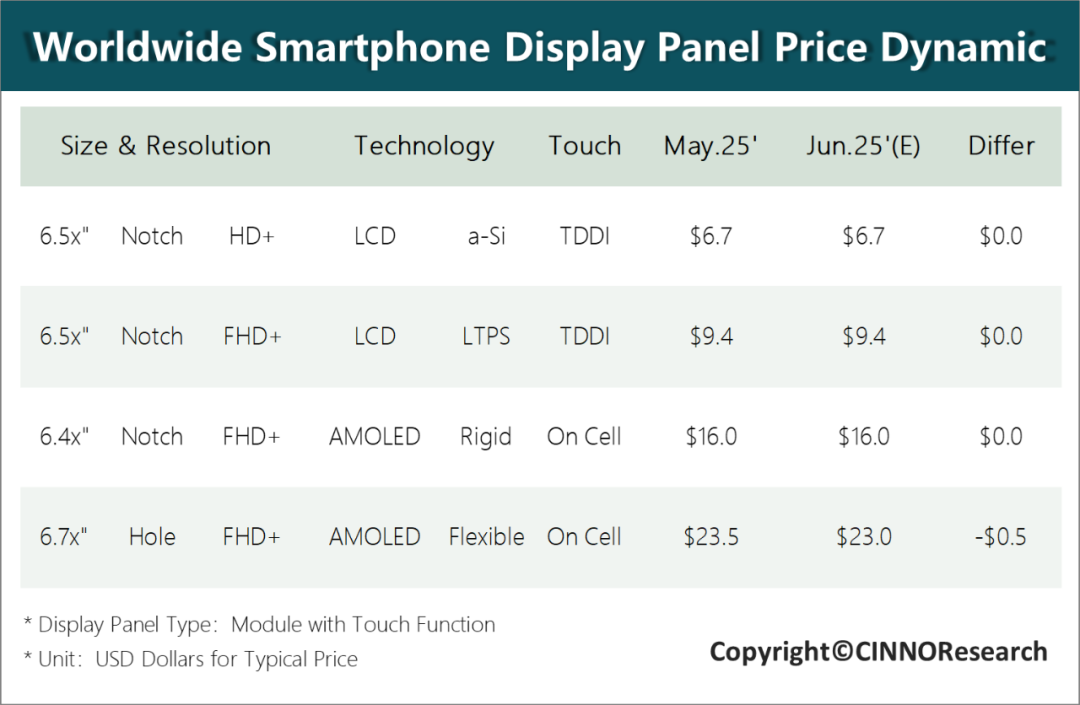
Group 1 - The mobile panel market continues to show structural differentiation as of the end of Q2, with a-Si panels benefiting from stable demand in the mid-to-low-end market, maintaining high utilization rates [1][3] - LTPS panels are driven by applications in automotive displays, leading to sustained full operation of main production lines, with major manufacturers like BOE and Tianma maintaining high production levels [3] - Flexible AMOLED panels have experienced a slight decline in demand due to adjustments in procurement rhythms by terminal brands after a period of rapid growth [1][3] Group 2 - The demand for a-Si panels remains strong, driven by pre-sale stocking needs for the "6.18" mid-year promotion, with prices stabilizing after a brief increase due to supply-demand tightness [3] - LTPS panel demand remains weak in the smartphone sector due to a clear trend of mid-to-high-end models migrating to AMOLED, keeping prices at low and stable levels [3] - Samsung Display has implemented a proactive price reduction strategy for rigid AMOLED to stimulate demand, but market feedback has been lukewarm, with limited effects on sales [3] Group 3 - Flexible AMOLED production lines have slightly decreased from full capacity, with expectations of moderate price adjustments in June to maintain utilization levels, while a return to high utilization is anticipated in Q3 as the traditional peak season approaches [3]
6月手机面板行情:LCD价格维稳,柔性AMOLED短期回调
CINNO Research· 2025-06-16 03:25
Core Viewpoint - The mobile display panel market continues to show structural differentiation, with a-Si panels benefiting from stable demand in the mid-to-low-end market, LTPS panels driven by automotive display applications, and flexible AMOLED panels experiencing a slight decline in demand due to adjustments in terminal brand procurement rhythms [2][3][4]. Group 1: a-Si Panels - The demand for a-Si panels remains strong, driven by the "6.18" mid-year promotional stocking needs, leading to full-capacity operation of main production lines [4]. - After a brief price increase due to supply-demand tightness in the South China market, prices have stabilized, and module prices for brand customers remain steady [4]. Group 2: LTPS Panels - LTPS panels are benefiting from rapid growth in the automotive display market, with major manufacturers like BOE and Tianma maintaining full production capacity, expected to continue until the end of 2025 [4]. - However, in the smartphone sector, the trend of mid-to-high-end models shifting towards AMOLED has resulted in weaker demand for LTPS panels, keeping prices at low and stable levels [4]. Group 3: AMOLED Panels - As domestic smartphone manufacturers accelerate their shift to flexible AMOLED, demand for rigid AMOLED is contracting. Samsung Display has implemented price cuts to stimulate demand, but market feedback has been lukewarm, limiting the effectiveness of these price reductions [4]. - Some flexible AMOLED production lines have slightly reduced from full capacity, with expectations of minor price adjustments in June to maintain operational levels. However, a stable price floor will be upheld, and with the traditional peak season approaching in Q3, production rates are expected to rebound, with potential slight price increases for certain scarce specifications [4][5]. Group 4: Price Forecast - CINNO Research predicts that a-Si panel prices will remain stable in June and July 2025, while LTPS panel prices are expected to stay stable in the short term. Rigid AMOLED panel prices are also anticipated to remain stable, with flexible AMOLED panel prices expected to stabilize after a slight decline in June [5].



SNEC展观察|TOPCon、BC、HJT技术市场“内卷”白热化,钙钛矿叠层正“破卷”抢占技术制高点
Zhong Guo Jin Rong Xin Xi Wang· 2025-06-16 01:27
Core Insights - The SNEC photovoltaic exhibition showcased significant advancements in perovskite technology, with companies like Trina Solar presenting 800W+ perovskite tandem modules, indicating a shift towards innovative applications in the photovoltaic industry [1][5] - The industry is currently facing a homogenization of technology routes, with TOPCon technology becoming the dominant pathway, having fully replaced PERC since 2024, while HJT and BC technologies serve as supplementary options [2][3] - The over-concentration of production capacity in second-generation technologies like TOPCon, BC, and HJT has led to supply-demand imbalances, resulting in financial losses for many companies [3][4] Industry Trends - The photovoltaic industry is experiencing a shift towards perovskite technology, which offers higher theoretical efficiency (up to 43% when combined with traditional silicon) and lower production costs [4][5] - Trina Solar has achieved a world record with an 841W industrial standard perovskite tandem module, marking a significant step towards the commercialization of this technology [5][6] - The application boundaries of perovskite technology are expanding, moving from energy generation to energy services, with companies like BOE and Polysilicon Energy introducing innovative products for various sectors [7] Competitive Landscape - Major players in the photovoltaic sector are intensifying their focus on perovskite technology, with Trina Solar leading in patent holdings and aiming to establish a pilot production line for perovskite modules [5][6] - The competition is characterized by a race to enhance efficiency and reduce costs, as companies strive to differentiate themselves in a crowded market [3][4] - The emergence of perovskite technology is expected to disrupt traditional competition dynamics, paving the way for high-quality development in the industry [6]

自主可控加码,AI硬件加速落地
2025-06-15 16:03
Summary of Key Points from Conference Call Records Industry Overview - The conference call discusses the **consumer electronics industry**, particularly focusing on the **Apple supply chain** and **IC design sector**. It highlights the anticipated innovation cycle starting in Q4 2025, with new product launches such as foldable screens and smart glasses expected to drive growth over the next two years [1][12]. Core Insights and Arguments 1. **Apple Supply Chain Innovation**: The Apple supply chain is expected to enter a significant innovation cycle starting in Q4 2025, with new product categories projected to boost performance [1][12]. 2. **IC Design Sector**: The IC design industry may reach a turning point in 2025, driven by increasing demand for analog chips in the automotive sector and a recovery in industrial technology inventory [1][3][28]. 3. **AI Technology Impact**: AI is driving upgrades in consumer electronics, with major manufacturers launching AI-enabled products such as smartphones and PCs [1][11]. 4. **AI Glasses Market Growth**: The AI glasses market is anticipated to see significant growth, with shipments expected to reach 5 million units in 2025 and potentially 50 million by 2028 [1][14]. 5. **Storage Chip Market**: The storage chip market is showing positive trends, with Q2 prices rising and manufacturers optimistic about price and volume increases in the second half of the year [1][19]. 6. **Domestic AI Chip Development**: Domestic companies are actively developing self-researched AI chips to meet the growing computational power demands of the inference era [1][22]. Additional Important Insights - **High-Density Interconnect PCB Companies**: Companies like Huadian, Shennan, and Shenghong are experiencing strong performance due to increased demand for AI acceleration cards and server products [2][25]. - **Consumer Electronics Performance**: The consumer electronics sector is expected to benefit from government subsidies and a replacement cycle for PCs and smartphones, with a projected revenue growth of 18% year-on-year [4][10]. - **SoC Opportunities**: There are emerging opportunities in the SoC sector, particularly for NPU and ISP technologies, as companies innovate and upgrade their core IP resources [3][5]. - **Market Recovery Indicators**: The electronic sector has shown signs of recovery, with inventory levels low and product prices stabilizing after a downturn [8][28]. - **Investment Opportunities**: Key investment opportunities are identified in companies like Zhaoyi, which is expanding its 3D Gram customized storage, and in domestic AI chip developers like Xingyun [3][22]. Conclusion The conference call highlights a positive outlook for the consumer electronics and IC design sectors, driven by innovation, AI technology, and recovery from previous downturns. Key players in the market are expected to benefit from these trends, presenting potential investment opportunities.

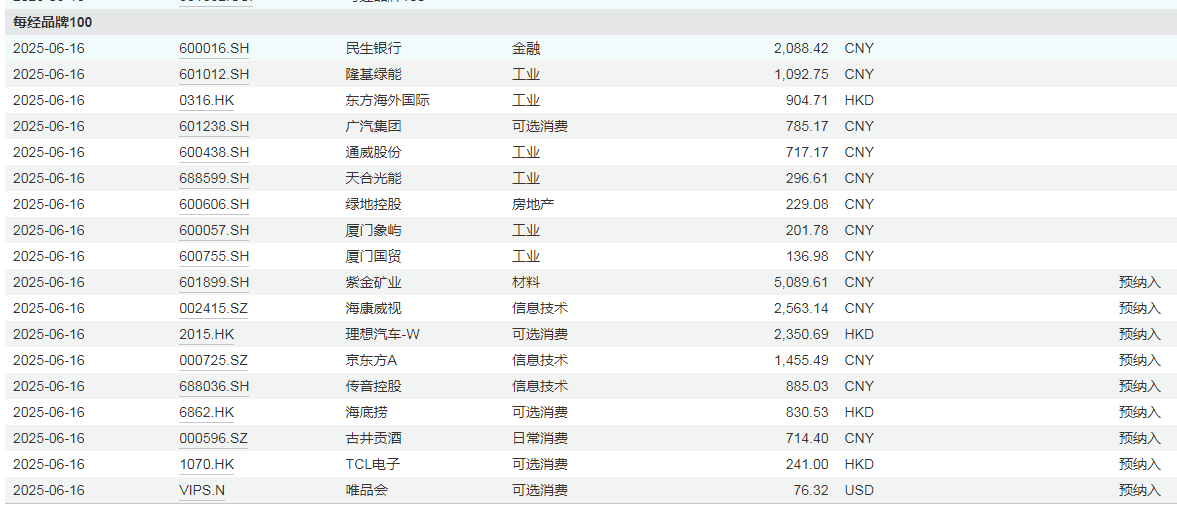
每经品牌100指数成分股“换血”,科技、消费“纳新”助力稳增长
Mei Ri Jing Ji Xin Wen· 2025-06-15 06:33
Core Viewpoint - The recent adjustment of the "Everyday Brand 100 Index" reflects a significant shift in its constituent stocks, with nine new companies being added, which is expected to support the index's continued growth [1][6]. Group 1: Index Performance - The "Everyday Brand 100 Index" has shown strong performance, achieving a 17.37% increase from May 9, 2024, to May 7, 2025, outperforming major A-share indices such as the Shanghai Composite Index and the Shenzhen Component Index [2]. - The index has consistently reached new highs, indicating strong investment elasticity and resilience against risks [2]. Group 2: Valuation Metrics - As of June 13, the index's price-to-earnings (P/E) ratio stands at 11.5 times, and the price-to-book (P/B) ratio is 1.25 times, which is competitive compared to benchmark indices like the Shanghai 50 and CSI 100 [3]. - The index's valuation is notably lower than the Hang Seng Technology Index, which has a P/E ratio of 20 times, highlighting its valuation advantage [3]. Group 3: Brand Value Performance - The total brand value of the top 100 Chinese listed companies reached 20.46 trillion CNY, marking a year-on-year increase of 14.9% [4]. - Notably, 24 Chinese companies made it to the global brand value top 100 list, with a combined brand value of 17,775.29 billion USD, reflecting a 28.4% increase from the previous year [4]. Group 4: New Constituent Stocks - The nine new companies added to the index include Zijin Mining, Hikvision, Li Auto, BOE Technology Group, Transsion Holdings, Haidilao, Gujing Distillery, TCL Electronics, and Vipshop, primarily from the consumer, information technology, and mineral resources sectors [6]. - The average revenue and net profit of the new constituent stocks are 398.19 billion CNY and 43.49 billion CNY, respectively, with revenue showing a year-on-year decline of 2.73% and net profit increasing by 8.95% [6]. Group 5: Financial Performance - The average revenue of the constituent stocks is 30.03 times that of the A-share market, and the average net profit is 42.10 times higher, indicating strong competitive and profitability capabilities [8]. - The return on assets (ROA) and return on equity (ROE) for the constituent stocks are 5.96% and 13.61%, respectively, both significantly higher than the A-share market averages [8].