
极氪

Search documents
2025(第二十届)中国汽车金扳手奖评选颁奖典礼举行
Bei Jing Ri Bao Ke Hu Duan· 2025-12-15 11:12
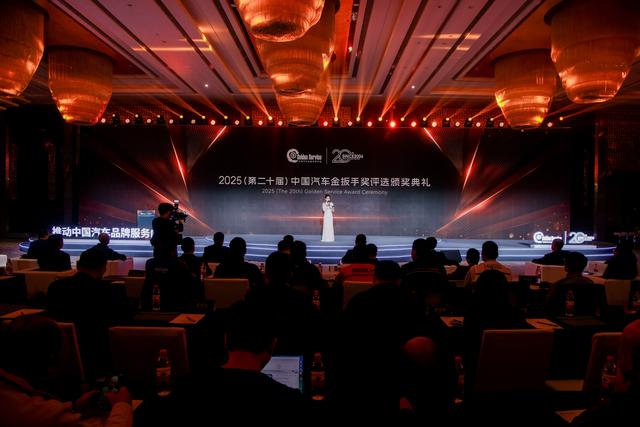
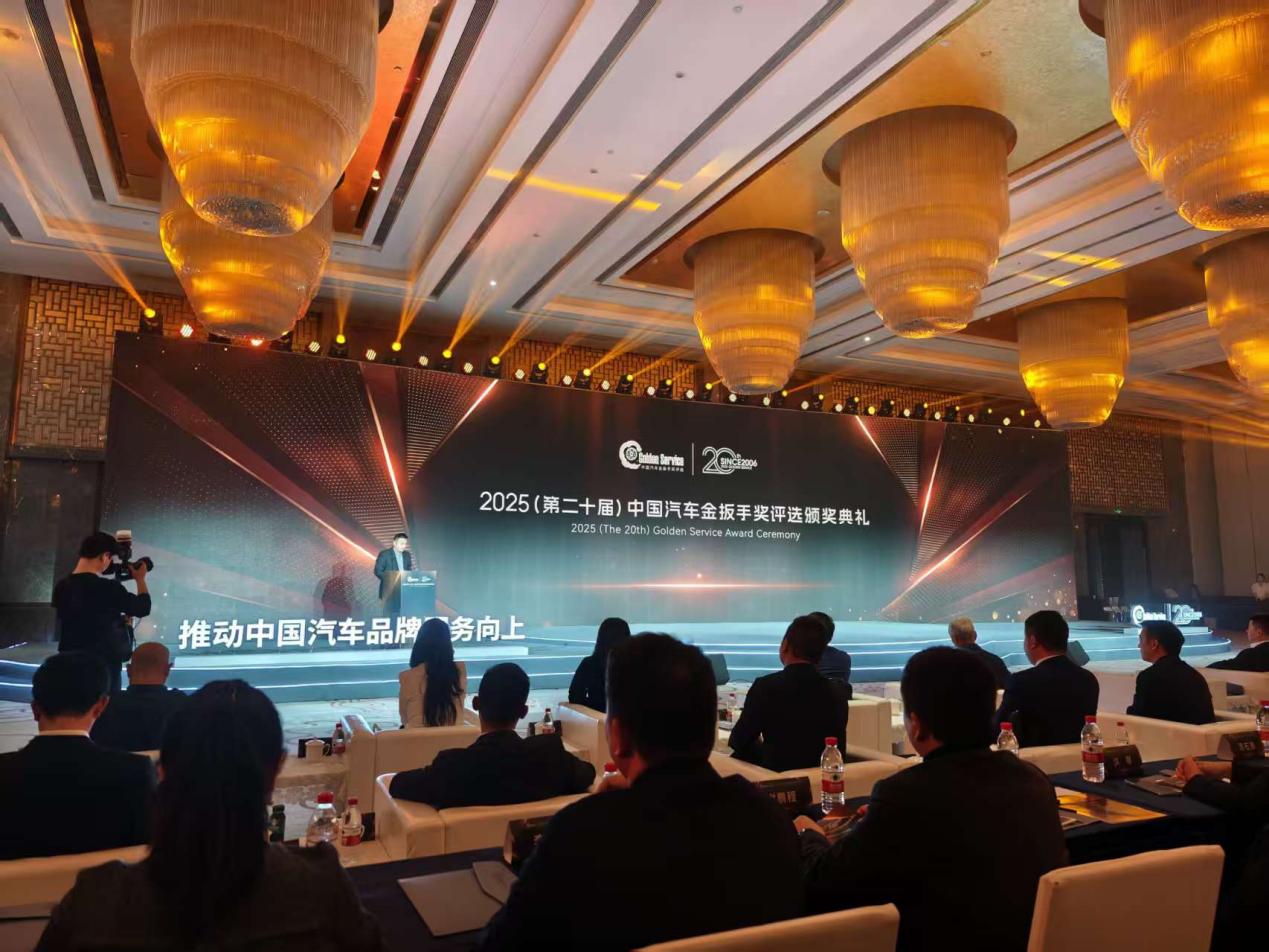
转自:北京日报客户端 12月11日,由《中国汽车市场》杂志社与搜狐汽车联合发起、主办,汽车与驾驶维修传媒承办的2025 (第二十届)中国汽车金扳手奖评选颁奖典礼在北京举行。 作为深度关注并评价国内乘用车企服务体系及用户生态的专业评选,中国汽车金扳手奖评选活动始创于 2006年。金扳手奖评选始终坚持以"推动中国汽车品牌服务向上"为使命,从专业、体验、创新、品质四 个维度,结合产业变革和售后服务使命变化,全面评估主流汽车服务品牌在提升用户全生命用车周期服 务过程中的创新与突破。 此外,经主机厂推荐、行业专家评选及终审等环节,共有来自8个品牌的8位"老技师"荣获"中国汽车金 扳手奖20周年·匠人匠心奖",来自7个品牌的7家经销商荣获"中国汽车金扳手奖20周年·服务标杆店"荣誉 称号。 校检:陈沙、孙朝阳 2025(第二十届)中国汽车金扳手奖评选活动于今年"3·15"正式启动,当时32家主流车企品牌携手共同 发布"十大承诺",一致推动行业诚信服务、维护市场风气。本届评选共设置4个组别,分别为自主品 牌、合资品牌、豪华品牌、新能源品牌,依据评选标准及评审结果,最终广汽传祺、吉利汽车荣获自主 品牌组年度奖项,广汽丰田、广 ...

整合收官、红利释放 吉利开启“量增质升”新增长逻辑
Xin Hua Wang· 2025-12-15 08:13
Core Viewpoint - Geely Automobile is nearing the completion of its major integration, with over 70% of Zeekr shareholders opting for stock exchange, indicating market confidence in the long-term value of the integrated Geely Automobile [1][2] Transaction Details - Each share of Zeekr can be exchanged for $2.687 in cash or 1.23 shares of Geely, with approximately 70.8% of eligible Zeekr shareholders choosing stock exchange, resulting in the issuance of 777 million shares by Geely [2] - About 29.2% of Zeekr shareholders opted for cash, leading to a total cash payment of approximately $701 million by Geely [2] - The high exchange ratio reflects investor recognition of the long-term growth potential of the merged entity, despite the current close valuation of Geely's stock and cash offer [2] Strategic Significance - The merger allows Geely to cover mainstream, mid-to-high-end, and luxury segments, establishing a diverse power system that includes fuel, pure electric, plug-in hybrid, and hydrogen electric vehicles [3] - The strategic merger is expected to enhance technological synergies, with Zeekr's advanced technologies penetrating Geely's brands, thereby amplifying R&D and production scale effects [3] Financial Performance - Following the merger, Geely is expected to accelerate its high-end upgrade, potentially increasing gross margins and per-vehicle profits, particularly with strong performance from high-end models [4] - Geely's Q3 gross margin was 16.6%, up 0.2 percentage points from the first half of the year, with core net profit per vehicle rising to 5,200 yuan, an increase of 500 yuan [4] Operational Efficiency - The integration aims to optimize resource utilization and enhance operational efficiency, with management expenses decreasing to 1.8% and R&D expenses to 6.1% by Q3 2025 [5] - The integration is projected to reduce R&D costs by 20% post-completion, with significant cost reductions anticipated in various technological areas [5] Sales Growth - Geely's cumulative sales reached 2.7878 million units by November 2025, a 42% year-on-year increase, indicating that the annual target of 3 million units will likely be exceeded [6] - The company is well-positioned to adapt to policy changes regarding new energy vehicle purchase taxes, with over 40% of sales coming from fuel vehicles [6] AI Integration - Geely is advancing its integration of AI technology into its manufacturing processes, aiming to become a leading tech company in smart manufacturing [6][7] - The establishment of the "Intelligent Automotive Computing Alliance" enhances Geely's computational capabilities, with a total computing power of 23.5 EFLOPS [7] - Geely has accumulated significant data resources, with over 10 terabytes of token data and 40 billion automotive vertical data points, supporting its AI initiatives [7]
2025(第二十届)中国汽车金扳手奖评选颁奖典礼举办
Zhong Guo Zhi Liang Xin Wen Wang· 2025-12-15 03:09
2025年12月11日,由《中国汽车市场》杂志社与搜狐汽车联合发起并主办,汽车与驾驶维修传媒承办的2025(第二十届)中国汽车金扳手奖评选颁奖典礼在 北京举行。 中国汽车金扳手奖评选活动创始于2006年,是深度关注并评价国内乘用车企服务体系及用户生态的专业评选。回溯2006—2025这二十载,中国车企售后服务 的发展史,本质上是一部与宏观经济同频、与产业政策共振、与消费需求赛跑的进化史。它不仅见证了中国从"汽车大国"向"汽车强国"跨越的关键进程,更 折射出社会主义市场经济体制下,服务业与制造业深度融合的底层逻辑。 金扳手奖评选始终坚持以"推动中国汽车品牌服务向上"为使命,从专业、体验、创新、品质四个维度,结合产业变革和售后服务使命变化,全面评估主流汽 车服务品牌在提升用户全生命用车周期服务过程中的创新与突破。 北京卓众出版有限公司总经理、党委副书记刘立卫代表主办方致辞 颁发2025(第二十届)中国汽车金扳手奖 2025(第二十届)中国汽车金扳手奖评选活动启动于"3·15"车企诚信服务联合声明,32家主流车企品牌携手共同发布"十大承诺",一致推动行业诚信服务、 维护市场风气。自启动以来,2025金扳手奖评选历经 ...



阿斯麦CEO:中国不可能接受被卡脖子,不如让其保持依赖;国家发文禁止亏本卖车,多家车企响应;月薪100K!京东招募AI芯片人才
雷峰网· 2025-12-15 01:11
Key Points - ASML CEO emphasizes that China cannot accept being "choked" in technology and suggests that the West should maintain a level of dependency to prevent China's self-research from becoming competitive [2][3] - The technology gap between ASML's exports to China and the latest high-NA lithography technology is over ten years, with current exports being equivalent to products sold to Western clients in 2013-2014 [3] - The Chinese market is significant, and if the West tightens restrictions too much, it may push China to fully develop its own technologies, leading to a loss of market for Western companies [3] Domestic News - Moore Threads plans to use up to 7.5 billion yuan of idle fundraising for cash management, which has sparked discussions regarding the source of these funds [4] - The company clarified that the cash management amount is a ceiling and the actual amount will be significantly lower, ensuring that it does not affect the original project plans [4] - The National Market Supervision Administration has issued guidelines prohibiting selling cars at a loss, with several major car manufacturers, including BYD and Great Wall, expressing support for these regulations [6] - JD.com is recruiting talent in the edge AI chip sector, offering salaries ranging from 25,000 to 100,000 yuan per month, aiming to enhance its AI capabilities in consumer and home applications [7][8] Personnel Changes - Wang Junfeng, a key technical expert from Baidu's search algorithm team, has transitioned to Baidu Health, which is seen as a strategic move to strengthen the company's capabilities in health services [9] - Yunda's board of directors is undergoing a reshuffle, with a notable candidate being 24-year-old Nie Yipeng, the son of the company's actual controllers, indicating a strong family influence in the company's governance [19][20] Market Developments - Huawei's Mate 80 series has achieved sales of approximately 754,900 units, regaining the top market share in China, surpassing competitors like Apple [23][24] - The series has been well-received, with its pricing strategy and self-developed chip technology contributing to its success in the high-end market [23] Technology and Innovation - ByteDance's AI model "Doubao" has launched a mobile assistant, which has raised concerns regarding data security and competition, although the company has denied any wrongdoing [22] - SpaceX is reportedly preparing for an IPO, with an internal valuation of around $800 billion, aiming to raise over $30 billion for its ambitious space projects [33][34]
小米汽车,遭遇“滑铁卢”?
汽车商业评论· 2025-12-14 23:06
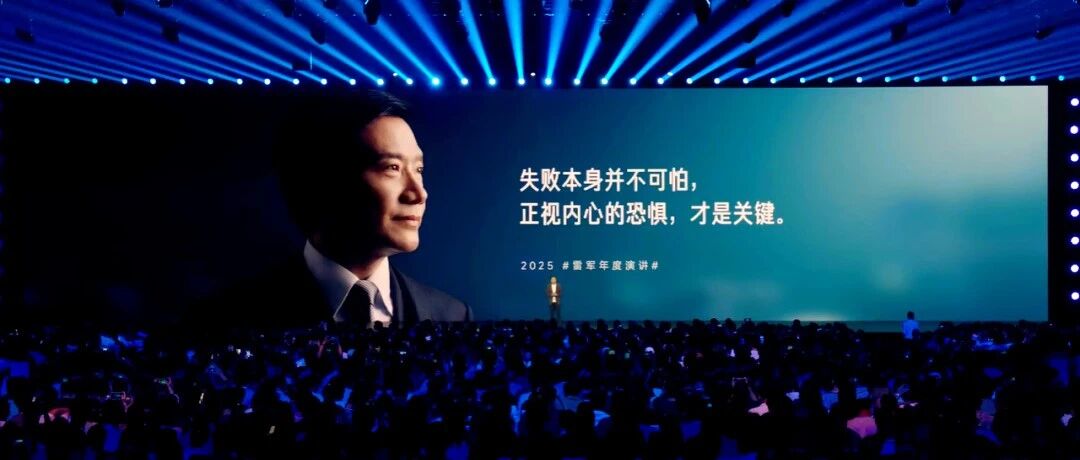
Core Viewpoint - Xiaomi Group reported a record Q3 2025 financial performance with revenue of 113.1 billion yuan and adjusted net profit of 11.3 billion yuan, a year-on-year increase of 80.9% [4][5] - Despite the strong financial results, Xiaomi's stock price fell by 4.81% the day after the earnings report, reflecting concerns about the long-term growth potential of its automotive business [7][8] Financial Performance - Xiaomi's Q3 2025 revenue reached 113.1 billion yuan, marking the fourth consecutive quarter of revenue exceeding 100 billion yuan [4] - The adjusted net profit for the quarter was 11.3 billion yuan, representing an 80.9% increase year-on-year [4] Automotive Business Insights - The automotive segment generated 28.3 billion yuan in revenue for the quarter, a 197.9% year-on-year increase, and achieved a positive operating profit of 700 million yuan with a gross margin of 25.5% [5] - However, there has been a significant decline in order growth for Xiaomi's vehicles, with a nearly 70% drop in new orders since October compared to the first half of the year [8][10] - Weekly new orders for Xiaomi vehicles have decreased from 12,000 in Q2 to 4,000-5,000, with monthly new orders now below 20,000 [10] Market Dynamics - The initial excitement around Xiaomi's vehicle orders has shifted, with reports of speculative order trading leading to a perception of decreased demand [11] - The introduction of "immediate purchase" options and discounts on certain models indicates a shift in supply-demand dynamics, revealing a change in market sentiment [15][18] Brand and Reputation Challenges - Xiaomi's automotive brand has faced scrutiny due to safety concerns following two high-profile accidents, which have negatively impacted consumer trust and stock performance [24][28] - The company's marketing strategies have been criticized for lacking transparency, leading to public backlash and a decline in brand reputation [26][30] Strategic Adjustments - Xiaomi has begun restructuring its automotive sales and service operations to address current challenges, including personnel changes aimed at improving channel resource allocation [29][35] - The company plans to launch three new vehicle models in 2026, which will test its product development and market adaptability [37] Future Outlook - Xiaomi anticipates increased competition and pressure on automotive margins due to upcoming policy changes, including a reduction in purchase tax subsidies [39] - The company must adapt its approach to align with the automotive industry's longer production cycles and safety standards, moving away from its previous consumer electronics strategies [39]
2025年关下的车市:20家车企撒钱补贴 市场旺季为何消失?
2 1 Shi Ji Jing Ji Bao Dao· 2025-12-14 15:11
Core Viewpoint - The automotive market is experiencing a tug-of-war between increased rigid expenditures due to the phasing out of purchase tax exemptions and the continuation of national subsidy policies like "trade-in" programs, although details remain uncertain [1] Group 1: Policy Changes and Market Reactions - From January 1, 2026, the purchase tax for new energy vehicles will shift from full exemption to a 50% reduction, with the current tax rate of 10% effectively becoming 5%, and the exemption cap dropping from 30,000 yuan to 15,000 yuan [1] - The Central Economic Work Conference held on December 10-11 confirmed the optimization of policies including the continuation of "trade-in" subsidies, setting a tone for the extension of current national subsidies beyond 2025 [1] - Over 20 automakers, including Zeekr, Xiaomi, and AITO, have launched "purchase tax guarantee" policies, promising to cover tax differences for customers who lock in orders by the end of the year, with a maximum coverage of 15,000 yuan [1] Group 2: Market Performance and Expectations - Despite proactive measures from automakers, there remains cautious sentiment regarding the fourth-quarter market outlook, with NIO's founder stating that the industry is unlikely to see the same tail effect as last year [2] - Data from the China Passenger Car Association indicates that from December 1-7, retail sales of passenger cars fell by 32% year-on-year and 8% month-on-month, with new energy vehicle sales also declining [2][3] - The anticipated "tail effect" has turned into a "flat tail," with November retail sales of passenger cars at 2.225 million units, down 8.1% year-on-year and 1.1% month-on-month [4] Group 3: Supply Chain and Production Challenges - The automotive market is facing a supply chain crunch, particularly in battery supply, as companies scramble to secure batteries for production [4][5] - The demand for batteries is rapidly shifting towards high-end products, but the expansion of high-end production capacity is limited due to technological barriers [5] - The storage market is experiencing explosive growth, diverting battery production capacity away from the automotive sector, with global storage cell shipments increasing by 98.5% year-on-year in the first three quarters of 2025 [5] Group 4: Future Market Trends and Growth Projections - The automotive industry is expected to see a slowdown in growth, with UBS predicting a decline in domestic passenger car sales growth from 8% in 2025 to -2% in 2026 [7][8] - The overall market growth forecast has been adjusted downward, with expectations of a 3% to 5% increase in automotive sales for the current year, and achieving 3% growth next year considered a reasonable target [8] - Future opportunities are anticipated to arise from structural adjustments and value exploration, with a focus on developing charging infrastructure and tapping into lower-tier markets [8]
2025年关下的车市:20家车企撒钱补贴,市场旺季为何消失?
2 1 Shi Ji Jing Ji Bao Dao· 2025-12-14 15:11
Core Insights - The automotive market is experiencing a tug-of-war between increased costs due to the reduction of purchase tax exemptions and the continuation of government subsidies for trade-in programs, creating uncertainty for consumers and manufacturers [1][2] Group 1: Market Dynamics - From January 1, 2026, the purchase tax for new energy vehicles will change from full exemption to a 50% reduction, with the tax rate effectively becoming 5% [2] - The maximum exemption amount will decrease from 30,000 yuan to 15,000 yuan, impacting consumer decisions significantly [2] - Over 20 automakers, including Zeekr and Xiaomi, have introduced "purchase tax guarantee" policies to cover the tax difference for orders locked in by the end of the year, with a maximum coverage of 15,000 yuan [2][3] Group 2: Sales Trends - Despite the introduction of tax guarantees, there is a cautious outlook for the fourth quarter, with industry leaders indicating that a significant sales spike similar to previous years is unlikely [3][4] - Retail sales of passenger vehicles in December 2024 showed a year-on-year decline of 32% and a month-on-month decline of 8% during the first week [2][3] - The anticipated "tail effect" in sales, where a surge typically occurs in the fourth quarter, has not materialized as expected, leading to a "flat tail" instead [5][6] Group 3: Consumer Behavior - Consumers are exhibiting a tendency to wait for clearer subsidy details before making purchases, which is dampening immediate demand [4][5] - The uncertainty surrounding the continuation of national and local subsidies has led to a more cautious consumer approach, impacting overall sales [5][6] Group 4: Supply Chain and Production Challenges - The automotive industry is facing production challenges due to battery supply shortages, with some manufacturers having to switch suppliers to meet delivery commitments [6][7] - The demand for batteries is shifting towards high-end products, while the energy storage market is also consuming battery production capacity, leading to potential supply constraints [7][8] Group 5: Future Outlook - Predictions for 2026 suggest a slowdown in domestic passenger vehicle sales growth, with estimates indicating a potential decline of 2% compared to an 8% growth in 2025 [9][10] - The market is expected to shift focus towards structural adjustments and value extraction, with opportunities emerging in underdeveloped markets and service-oriented consumption [9][10]

极氪、小米、问界等超20家车企宣布兜底购置税,最高省1.5万
2 1 Shi Ji Jing Ji Bao Dao· 2025-12-14 15:09
Core Viewpoint - The automotive market is experiencing a tug-of-war between the certainty of increased costs due to the reduction of purchase tax exemptions and the uncertainty surrounding the details of government subsidies, particularly the "trade-in" policies [1][4]. Group 1: Policy Changes and Market Reactions - Starting January 1, 2026, the purchase tax for new energy vehicles will be halved from full exemption to 5%, with the maximum exemption amount reduced from 30,000 yuan to 15,000 yuan [2]. - The Central Economic Work Conference has confirmed the continuation of the "trade-in" policy, which sets a foundation for the extension of current subsidies beyond 2025 [4]. - Over 20 automakers, including Zeekr and Xiaomi, have introduced "purchase tax guarantee" policies, promising to cover the tax difference for customers who lock in orders by the end of the year, with a maximum coverage of 15,000 yuan [4][11]. Group 2: Market Performance and Sales Trends - Despite the expected increase in sales due to tax incentives, the market has started cold in December, with retail sales of passenger cars dropping by 32% year-on-year and 8% month-on-month in the first week of December [5]. - The anticipated "tail effect" in the fourth quarter, where sales typically surge due to promotional policies, has not materialized as expected, with November sales down 8.1% year-on-year [7][8]. - Analysts suggest that consumer hesitation, driven by uncertainty over subsidy details and the impact of automakers' tax guarantee policies, has led to a subdued demand in the fourth quarter [8][14]. Group 3: Supply Chain and Battery Demand - The demand for batteries is intensifying as automakers scramble to secure supplies, with some companies facing production delays due to battery shortages [10][11]. - The cumulative installed capacity of domestic power batteries reached 578.0 GWh from January to October, reflecting a year-on-year growth of 42.4% [10]. - The shift in demand towards high-performance batteries, coupled with the growing energy storage market, is creating a structural imbalance in battery supply and demand [11][12]. Group 4: Future Market Outlook - The automotive industry is bracing for a slowdown in growth, with predictions indicating a potential decline in sales growth from 8% in 2025 to -2% in 2026 due to the phased-out subsidies [14][15]. - The focus is shifting towards structural adjustments and value extraction, with emerging opportunities in underdeveloped markets and service-oriented consumption around vehicle lifecycle services [15]. - The overall sentiment suggests that achieving a 5% growth in the automotive market next year would be considered optimistic, emphasizing the need for automakers to rely on product quality and performance [15].
极氪、小米、问界等超20家车企宣布兜底购置税,最高省1.5万
21世纪经济报道· 2025-12-14 15:00
Core Viewpoint - The automotive market is experiencing a tug-of-war between increased costs due to the reduction of purchase tax exemptions and the continuation of national subsidies for trade-ins, leading to uncertainty in consumer and manufacturer decisions [1][3]. Group 1: Policy Changes and Market Reactions - Starting January 1, 2026, the purchase tax for new energy vehicles (NEVs) will shift from full exemption to a 50% reduction, with the current tax rate of 10% effectively becoming 5% for consumers [1]. - The maximum exemption limit will decrease from 30,000 yuan to 15,000 yuan, impacting the tax burden on consumers purchasing NEVs priced at 300,000 yuan and 500,000 yuan [1]. - The Central Economic Work Conference has confirmed the optimization of policies including the continuation of trade-in subsidies, setting a foundation for the extension of current national subsidies beyond 2025 [3]. Group 2: Market Performance and Sales Trends - Despite proactive measures from over 20 car manufacturers to offer purchase tax guarantees, the market remains cautious about the fourth-quarter performance, with expectations of a lack of significant sales spikes compared to previous years [4][5]. - Data from the China Passenger Car Association indicates a 32% year-on-year decline in retail sales of passenger cars in early December, with a 17% drop in the NEV segment [4][6]. - The anticipated "tail effect" in sales, typically seen in the fourth quarter, is not materializing as expected, with November sales down 8.1% year-on-year [5][6]. Group 3: Consumer Behavior and Market Dynamics - The certainty of tax reductions has not translated into expected consumer purchasing behavior, as many are opting to wait for clearer subsidy details before making decisions [6][9]. - The introduction of tax guarantee policies by manufacturers has inadvertently led to a more cautious consumer approach, suppressing immediate purchasing demand [5][6]. - The automotive market is witnessing a shift in focus towards lower-priced vehicles, particularly in the 200,000 yuan and below segment, as consumers become more price-sensitive [5]. Group 4: Supply Chain and Battery Demand - The demand for batteries is intensifying as manufacturers scramble to secure supplies, with some companies facing production delays due to battery shortages [8][9]. - The cumulative installed capacity of domestic power batteries reached 578.0 GWh from January to October, reflecting a 42.4% year-on-year increase [8]. - The upcoming reduction in purchase tax is driving a surge in demand for batteries, leading to potential supply constraints as manufacturers rush to meet the concentrated demand [9][10]. Group 5: Future Market Outlook - Predictions for 2026 indicate a slowdown in the growth rate of domestic passenger car sales, with estimates suggesting a decline from 8% in 2025 to -2% in 2026 [13]. - The market is expected to shift focus towards structural adjustments and value extraction, with opportunities emerging in underdeveloped markets and service-oriented consumption [13][14]. - The automotive industry is likely to face increased pressure to differentiate based on product functionality, performance, and pricing as market dynamics evolve [14].

汽车视点丨整合收官、红利释放 吉利开启“量增质升”新增长逻辑
Zhong Guo Jin Rong Xin Xi Wang· 2025-12-14 03:02
Core Viewpoint - Geely Automobile is nearing the completion of its major integration, with over 70% of Zeekr shareholders opting for stock exchange, indicating strong market confidence in the long-term value of the integrated company [1][2]. Group 1: Transaction Details - Each share of Zeekr can be exchanged for $2.687 in cash or 1.23 shares of Geely, while each American Depositary Share can be exchanged for $26.87 in cash or 12.3 shares of Geely [2]. - Approximately 70.8% of eligible Zeekr shareholders chose stock compensation, leading to the issuance of 777 million shares by Geely [2]. - The cash compensation option was selected by about 29.2% of eligible shareholders, resulting in a total cash payment of approximately $701 million by Geely [2]. Group 2: Strategic Significance - The merger allows Geely to cover mainstream, mid-to-high-end, and luxury segments, establishing a diverse power system that includes fuel, pure electric, plug-in hybrid, and hydrogen electric vehicles [3]. - The strategic merger is expected to enhance technological synergies, with Zeekr's advanced technologies benefiting Geely's other brands, thereby increasing product competitiveness [3]. - The integration is projected to conclude by December 29, 2025, with anticipated benefits in market coverage, profitability, and resource synergy [3]. Group 3: Financial Performance - Following the merger, Geely is expected to accelerate its high-end upgrade, potentially increasing gross margins and per-vehicle profits, particularly with strong performance from high-end models [4]. - Geely's gross margin for Q3 was 16.6%, up 0.2 percentage points from the previous half, with core net profit per vehicle rising to 5,200 yuan, an increase of 500 yuan [4]. Group 4: Operational Efficiency - The integration aims to optimize resource utilization and enhance operational efficiency, with management expenses decreasing to 1.8% and R&D expenses to 6.1% by Q3 2025 [5]. - Geely's cumulative sales reached 2.7878 million units by November 2025, a 42% year-on-year increase, indicating strong sales momentum [5]. Group 5: AI Integration - Geely is advancing its integration of AI technology across various domains, launching the industry's first "full-domain AI" technology system for smart vehicles [7]. - The company has established a "Smart Car Computing Alliance" to enhance computing power, with a total computing capacity exceeding 23.5 EFLOPS [7]. - Geely has accumulated 10 terabytes of token data and 40 billion automotive vertical data, supporting its AI initiatives [7]. Group 6: Future Outlook - Geely aims to transform into a leading robotics company, with each vehicle serving as a connection point to the AI universe [9].
