
翘尾效应

Search documents
车市寒冬迎新政“强心针”,2026年前景如何?
Guo Ji Jin Rong Bao· 2025-12-31 16:09
Core Viewpoint - The Chinese automotive market is experiencing a downturn as the year ends, with many companies facing challenges in sales and inventory management due to policy changes and consumer hesitation [1][6][15]. Group 1: Market Conditions - The automotive market is described as facing a "cold winter," with sales personnel frequently using the term to describe current conditions [1][5]. - Sales data indicates a significant decline in orders, with some brands reporting a drop from approximately 20 orders to around 10 in a month [9]. - The overall market sentiment is cautious, with many consumers waiting for clearer policy guidelines for 2026 before making purchasing decisions [6][7]. Group 2: Policy Impact - The Ministry of Finance and other departments released the implementation details for the 2026 vehicle trade-in subsidy, which is expected to provide a boost to the market [2][16]. - The new subsidy structure includes up to 20,000 yuan for electric vehicles and 15,000 yuan for fuel vehicles, aimed at encouraging consumer purchases [16]. - The discontinuation of previous trade-in subsidies has led to a decline in consumer demand, contributing to the current market slowdown [15]. Group 3: Sales Trends - Retail sales in the first three weeks of December showed a decline of approximately 19% year-on-year, with wholesale sales down by about 23% [14]. - The new energy vehicle segment also faced challenges, with retail sales only increasing by 1% year-on-year, while wholesale sales decreased by 10% [14]. - The disappearance of the "tail effect" typically seen at year-end is attributed to policy changes and consumer uncertainty regarding future incentives [15]. Group 4: Future Outlook - Industry experts predict that the overall growth rate for the automotive market in 2026 will exceed zero growth, with expectations for a strong start in January [16]. - Companies are focusing on inventory clearance and promotional strategies to stabilize sales channels as they await further policy developments [12].

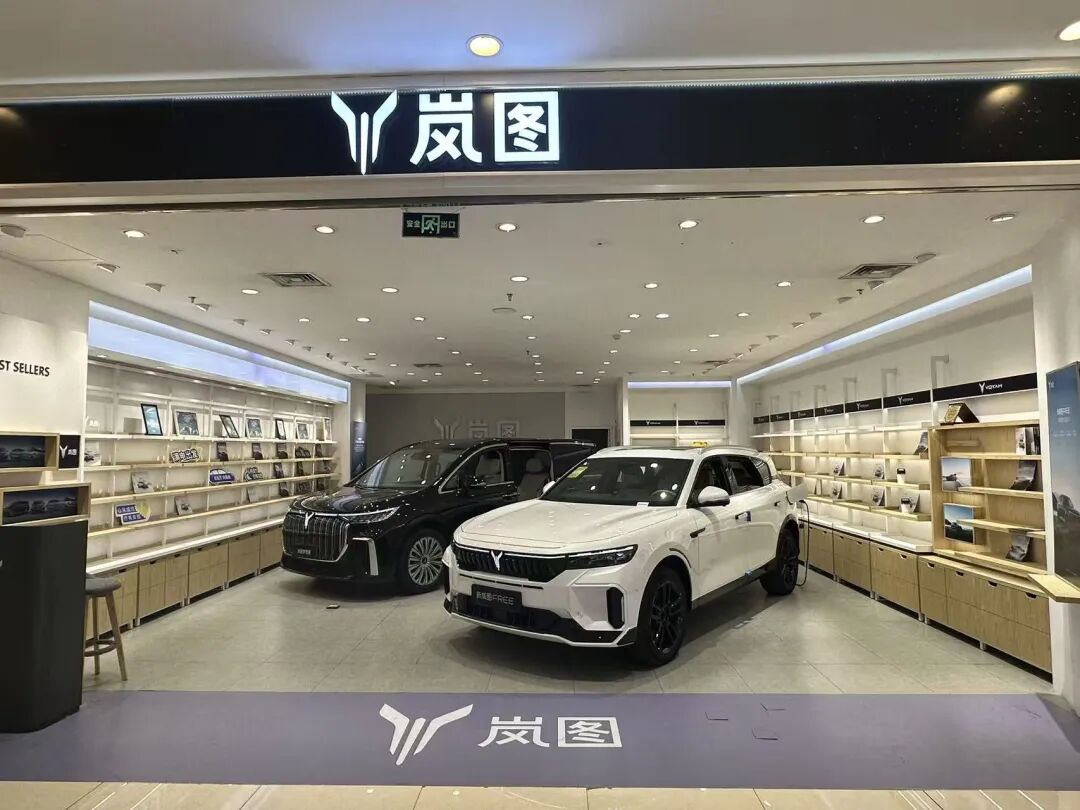
年底车市静悄悄 | 棱镜
Xin Lang Cai Jing· 2025-12-22 11:19
Group 1 - The Chinese automotive market is experiencing a significant decline in sales, with retail sales of passenger vehicles dropping by 32% year-on-year in early December 2025, totaling 297,000 units [2][28] - The new energy vehicle (NEV) market also saw a decline, with retail sales of 185,000 units, down 17% year-on-year [2][28] - This decline is attributed to the phasing out of the vehicle purchase tax exemption and uncertainty surrounding the "trade-in" subsidy policies [3][29] Group 2 - The current vehicle purchase tax is set at 10%, with a reduced rate of 5% for NEVs, and the exemption cap has been lowered from 30,000 yuan to 15,000 yuan [5][31] - There is a prevailing market sentiment of caution among consumers, with 58.2% of dealers reporting that November sales did not meet expectations due to this cautious attitude [6][33] - The "trade-in" subsidies have been paused in many regions, impacting consumer purchasing behavior [8][34] Group 3 - The anticipated "year-end surge" in sales, typically seen in the fourth quarter, has not materialized this year, leading to a "flat tail" effect instead of the expected "tail effect" [36][44] - The automotive market saw a rare decline in November, with retail sales down 8.1% year-on-year, attributed to high sales figures from the previous year and the suspension of trade-in subsidies [38][39] - The inventory warning index for dealers reached a high of 55.6%, indicating over 3.3 million vehicles in stock, with more than 30% of dealers facing inventory pressure [35][41] Group 4 - Over 20 automotive companies have introduced "purchase tax guarantee" policies, where manufacturers will cover the difference in tax if consumers order vehicles before the end of 2025 but do not receive them until after [41][44] - This policy is expected to affect purchasing behavior, leading consumers to delay purchases, which could suppress immediate demand in the fourth quarter [42][44] - The exit of subsidies is projected to significantly impact the market, with estimates suggesting a potential sales growth slowdown from 8% in 2025 to -2% in 2026 [45][46] Group 5 - The automotive industry is shifting from a "policy-driven" to a "market-driven" and "technology-driven" model, indicating a maturation of the market [46] - The average price of new energy vehicles is expected to decrease from 185,000 yuan in 2023 to 156,000 yuan in 2025, putting pressure on profit margins [52] - The penetration rate of new energy vehicles has surpassed 50%, indicating a significant shift in consumer adoption and market dynamics [52]


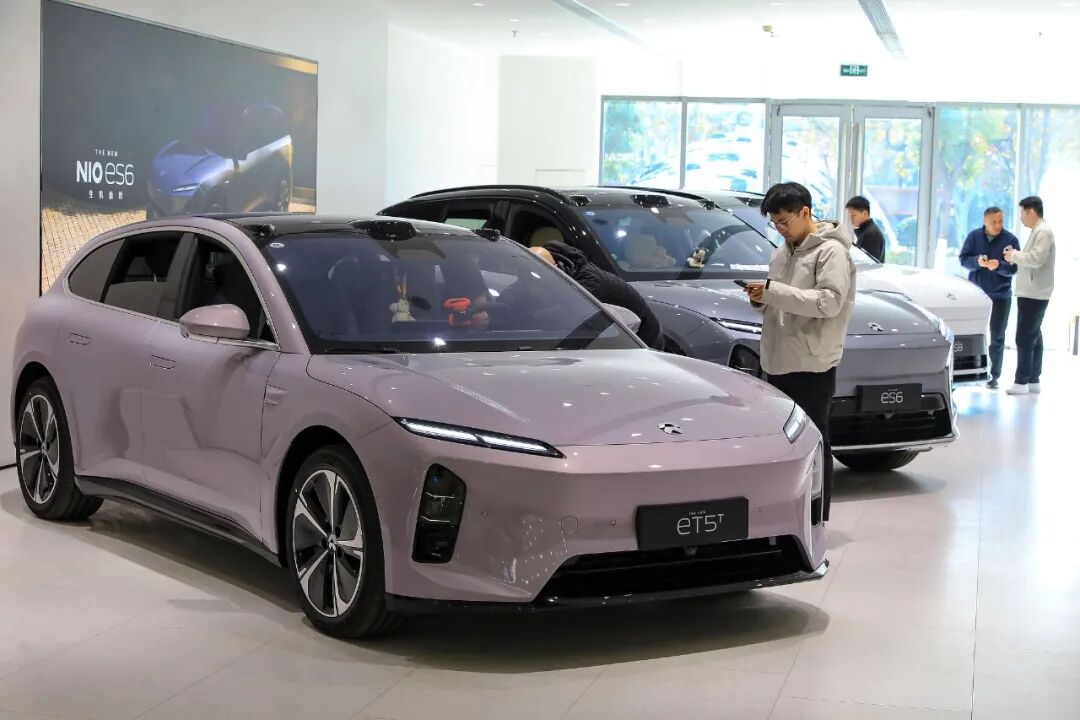
2025年关下的车市 20家车企撒钱补贴,“翘尾效应”为何失灵?
2 1 Shi Ji Jing Ji Bao Dao· 2025-12-15 23:46
Core Viewpoint - The automotive market is experiencing a tug-of-war between the increase in rigid expenses due to the reduction of purchase tax exemptions and the continuation of national subsidy policies like "trade-in" programs, although details remain uncertain [1][14]. Group 1: Tax Policy Changes - Starting January 1, 2026, the purchase tax for new energy vehicles will shift from full exemption to a 50% reduction, with the current tax rate of 10% effectively becoming 5%, and the exemption cap dropping from 30,000 yuan to 15,000 yuan [2][15]. - For a new energy vehicle priced at 300,000 yuan, the purchase tax will be 15,000 yuan, while for a vehicle priced at 500,000 yuan, the tax will be 35,000 yuan after applying the maximum exemption [2][15]. Group 2: Market Reactions and Sales Trends - Despite the proactive measures by over 20 automakers to introduce "tax coverage" policies, the industry remains cautious about the fourth-quarter market outlook, with expectations of no significant "tail effect" as seen in previous years [2][6]. - In December 2023, the retail sales of passenger vehicles dropped to 297,000 units, a year-on-year decrease of 32% and a month-on-month decrease of 8% [3][16]. - The anticipated "tail effect" has turned into a "flat tail," with November retail sales of 2.225 million units showing a year-on-year decline of 8.1% and a month-on-month decline of 1.1% [8][22]. Group 3: Consumer Behavior and Market Dynamics - The uncertainty surrounding the continuation of national and local subsidies has led consumers to adopt a wait-and-see approach, impacting immediate purchasing decisions [7][21]. - The introduction of "tax coverage" policies by automakers has inadvertently altered consumer buying patterns, leading to a decrease in immediate demand for vehicle purchases [6][20]. Group 4: Battery Supply and Demand - The demand for batteries is intensifying, with automakers scrambling to secure supplies due to production constraints caused by battery shortages [9][23]. - The cumulative installed capacity of domestic power batteries reached 578.0 GWh from January to October, reflecting a year-on-year growth of 42.4% [9][23]. - The battery supply is facing pressure from both the automotive sector and the rapidly growing energy storage market, which is diverting production capacity [10][24]. Group 5: Future Market Outlook - The automotive industry is expected to see a growth rate of approximately 3% to 5% for the year, with a cautious consensus forming around the potential for a 3% growth in 2026 as policies gradually phase out [12][26]. - Future opportunities are anticipated to arise from structural adjustments and value exploration, particularly in lower-tier markets and service consumption [13][27].
2025年关下的车市:20家车企撒钱补贴 市场旺季为何消失?
2 1 Shi Ji Jing Ji Bao Dao· 2025-12-14 15:11
Core Viewpoint - The automotive market is experiencing a tug-of-war between increased rigid expenditures due to the phasing out of purchase tax exemptions and the continuation of national subsidy policies like "trade-in" programs, although details remain uncertain [1] Group 1: Policy Changes and Market Reactions - From January 1, 2026, the purchase tax for new energy vehicles will shift from full exemption to a 50% reduction, with the current tax rate of 10% effectively becoming 5%, and the exemption cap dropping from 30,000 yuan to 15,000 yuan [1] - The Central Economic Work Conference held on December 10-11 confirmed the optimization of policies including the continuation of "trade-in" subsidies, setting a tone for the extension of current national subsidies beyond 2025 [1] - Over 20 automakers, including Zeekr, Xiaomi, and AITO, have launched "purchase tax guarantee" policies, promising to cover tax differences for customers who lock in orders by the end of the year, with a maximum coverage of 15,000 yuan [1] Group 2: Market Performance and Expectations - Despite proactive measures from automakers, there remains cautious sentiment regarding the fourth-quarter market outlook, with NIO's founder stating that the industry is unlikely to see the same tail effect as last year [2] - Data from the China Passenger Car Association indicates that from December 1-7, retail sales of passenger cars fell by 32% year-on-year and 8% month-on-month, with new energy vehicle sales also declining [2][3] - The anticipated "tail effect" has turned into a "flat tail," with November retail sales of passenger cars at 2.225 million units, down 8.1% year-on-year and 1.1% month-on-month [4] Group 3: Supply Chain and Production Challenges - The automotive market is facing a supply chain crunch, particularly in battery supply, as companies scramble to secure batteries for production [4][5] - The demand for batteries is rapidly shifting towards high-end products, but the expansion of high-end production capacity is limited due to technological barriers [5] - The storage market is experiencing explosive growth, diverting battery production capacity away from the automotive sector, with global storage cell shipments increasing by 98.5% year-on-year in the first three quarters of 2025 [5] Group 4: Future Market Trends and Growth Projections - The automotive industry is expected to see a slowdown in growth, with UBS predicting a decline in domestic passenger car sales growth from 8% in 2025 to -2% in 2026 [7][8] - The overall market growth forecast has been adjusted downward, with expectations of a 3% to 5% increase in automotive sales for the current year, and achieving 3% growth next year considered a reasonable target [8] - Future opportunities are anticipated to arise from structural adjustments and value exploration, with a focus on developing charging infrastructure and tapping into lower-tier markets [8]
2025年关下的车市:20家车企撒钱补贴,市场旺季为何消失?
2 1 Shi Ji Jing Ji Bao Dao· 2025-12-14 15:11
Core Insights - The automotive market is experiencing a tug-of-war between increased costs due to the reduction of purchase tax exemptions and the continuation of government subsidies for trade-in programs, creating uncertainty for consumers and manufacturers [1][2] Group 1: Market Dynamics - From January 1, 2026, the purchase tax for new energy vehicles will change from full exemption to a 50% reduction, with the tax rate effectively becoming 5% [2] - The maximum exemption amount will decrease from 30,000 yuan to 15,000 yuan, impacting consumer decisions significantly [2] - Over 20 automakers, including Zeekr and Xiaomi, have introduced "purchase tax guarantee" policies to cover the tax difference for orders locked in by the end of the year, with a maximum coverage of 15,000 yuan [2][3] Group 2: Sales Trends - Despite the introduction of tax guarantees, there is a cautious outlook for the fourth quarter, with industry leaders indicating that a significant sales spike similar to previous years is unlikely [3][4] - Retail sales of passenger vehicles in December 2024 showed a year-on-year decline of 32% and a month-on-month decline of 8% during the first week [2][3] - The anticipated "tail effect" in sales, where a surge typically occurs in the fourth quarter, has not materialized as expected, leading to a "flat tail" instead [5][6] Group 3: Consumer Behavior - Consumers are exhibiting a tendency to wait for clearer subsidy details before making purchases, which is dampening immediate demand [4][5] - The uncertainty surrounding the continuation of national and local subsidies has led to a more cautious consumer approach, impacting overall sales [5][6] Group 4: Supply Chain and Production Challenges - The automotive industry is facing production challenges due to battery supply shortages, with some manufacturers having to switch suppliers to meet delivery commitments [6][7] - The demand for batteries is shifting towards high-end products, while the energy storage market is also consuming battery production capacity, leading to potential supply constraints [7][8] Group 5: Future Outlook - Predictions for 2026 suggest a slowdown in domestic passenger vehicle sales growth, with estimates indicating a potential decline of 2% compared to an 8% growth in 2025 [9][10] - The market is expected to shift focus towards structural adjustments and value extraction, with opportunities emerging in underdeveloped markets and service-oriented consumption [9][10]

极氪、小米、问界等超20家车企宣布兜底购置税,最高省1.5万
2 1 Shi Ji Jing Ji Bao Dao· 2025-12-14 15:09
Core Viewpoint - The automotive market is experiencing a tug-of-war between the certainty of increased costs due to the reduction of purchase tax exemptions and the uncertainty surrounding the details of government subsidies, particularly the "trade-in" policies [1][4]. Group 1: Policy Changes and Market Reactions - Starting January 1, 2026, the purchase tax for new energy vehicles will be halved from full exemption to 5%, with the maximum exemption amount reduced from 30,000 yuan to 15,000 yuan [2]. - The Central Economic Work Conference has confirmed the continuation of the "trade-in" policy, which sets a foundation for the extension of current subsidies beyond 2025 [4]. - Over 20 automakers, including Zeekr and Xiaomi, have introduced "purchase tax guarantee" policies, promising to cover the tax difference for customers who lock in orders by the end of the year, with a maximum coverage of 15,000 yuan [4][11]. Group 2: Market Performance and Sales Trends - Despite the expected increase in sales due to tax incentives, the market has started cold in December, with retail sales of passenger cars dropping by 32% year-on-year and 8% month-on-month in the first week of December [5]. - The anticipated "tail effect" in the fourth quarter, where sales typically surge due to promotional policies, has not materialized as expected, with November sales down 8.1% year-on-year [7][8]. - Analysts suggest that consumer hesitation, driven by uncertainty over subsidy details and the impact of automakers' tax guarantee policies, has led to a subdued demand in the fourth quarter [8][14]. Group 3: Supply Chain and Battery Demand - The demand for batteries is intensifying as automakers scramble to secure supplies, with some companies facing production delays due to battery shortages [10][11]. - The cumulative installed capacity of domestic power batteries reached 578.0 GWh from January to October, reflecting a year-on-year growth of 42.4% [10]. - The shift in demand towards high-performance batteries, coupled with the growing energy storage market, is creating a structural imbalance in battery supply and demand [11][12]. Group 4: Future Market Outlook - The automotive industry is bracing for a slowdown in growth, with predictions indicating a potential decline in sales growth from 8% in 2025 to -2% in 2026 due to the phased-out subsidies [14][15]. - The focus is shifting towards structural adjustments and value extraction, with emerging opportunities in underdeveloped markets and service-oriented consumption around vehicle lifecycle services [15]. - The overall sentiment suggests that achieving a 5% growth in the automotive market next year would be considered optimistic, emphasizing the need for automakers to rely on product quality and performance [15].
极氪、小米、问界等超20家车企宣布兜底购置税,最高省1.5万
21世纪经济报道· 2025-12-14 15:00
Core Viewpoint - The automotive market is experiencing a tug-of-war between increased costs due to the reduction of purchase tax exemptions and the continuation of national subsidies for trade-ins, leading to uncertainty in consumer and manufacturer decisions [1][3]. Group 1: Policy Changes and Market Reactions - Starting January 1, 2026, the purchase tax for new energy vehicles (NEVs) will shift from full exemption to a 50% reduction, with the current tax rate of 10% effectively becoming 5% for consumers [1]. - The maximum exemption limit will decrease from 30,000 yuan to 15,000 yuan, impacting the tax burden on consumers purchasing NEVs priced at 300,000 yuan and 500,000 yuan [1]. - The Central Economic Work Conference has confirmed the optimization of policies including the continuation of trade-in subsidies, setting a foundation for the extension of current national subsidies beyond 2025 [3]. Group 2: Market Performance and Sales Trends - Despite proactive measures from over 20 car manufacturers to offer purchase tax guarantees, the market remains cautious about the fourth-quarter performance, with expectations of a lack of significant sales spikes compared to previous years [4][5]. - Data from the China Passenger Car Association indicates a 32% year-on-year decline in retail sales of passenger cars in early December, with a 17% drop in the NEV segment [4][6]. - The anticipated "tail effect" in sales, typically seen in the fourth quarter, is not materializing as expected, with November sales down 8.1% year-on-year [5][6]. Group 3: Consumer Behavior and Market Dynamics - The certainty of tax reductions has not translated into expected consumer purchasing behavior, as many are opting to wait for clearer subsidy details before making decisions [6][9]. - The introduction of tax guarantee policies by manufacturers has inadvertently led to a more cautious consumer approach, suppressing immediate purchasing demand [5][6]. - The automotive market is witnessing a shift in focus towards lower-priced vehicles, particularly in the 200,000 yuan and below segment, as consumers become more price-sensitive [5]. Group 4: Supply Chain and Battery Demand - The demand for batteries is intensifying as manufacturers scramble to secure supplies, with some companies facing production delays due to battery shortages [8][9]. - The cumulative installed capacity of domestic power batteries reached 578.0 GWh from January to October, reflecting a 42.4% year-on-year increase [8]. - The upcoming reduction in purchase tax is driving a surge in demand for batteries, leading to potential supply constraints as manufacturers rush to meet the concentrated demand [9][10]. Group 5: Future Market Outlook - Predictions for 2026 indicate a slowdown in the growth rate of domestic passenger car sales, with estimates suggesting a decline from 8% in 2025 to -2% in 2026 [13]. - The market is expected to shift focus towards structural adjustments and value extraction, with opportunities emerging in underdeveloped markets and service-oriented consumption [13][14]. - The automotive industry is likely to face increased pressure to differentiate based on product functionality, performance, and pricing as market dynamics evolve [14].

汽车企业,压力来了!年终行情悬而未决,淘汰赛鸣笛!|人民智行
Zheng Quan Shi Bao Wang· 2025-12-05 03:01
Core Viewpoint - The Chinese automotive market faces significant uncertainty as it transitions into the "post-subsidy era," with many companies expressing concerns about market conditions and competition intensifying [1][2][5]. Group 1: Market Conditions - By the end of 2025, the anticipated "tail effect" in the automotive market remains uncertain, with many companies unprepared for year-end sales targets [2][5]. - The withdrawal of local replacement subsidies and the adjustment of the new energy vehicle purchase tax from full exemption to a 50% reduction are expected to increase purchase costs for consumers [2][5]. - The overall automotive sales in China from January to October reached 27.687 million units, reflecting a year-on-year growth of 12.4% [5]. Group 2: Competitive Landscape - Companies are increasingly adopting "bottom-line" subsidy strategies to boost year-end sales, which may raise sales costs and challenge smaller brands with limited profit margins [3][4]. - The competition is expected to become more transparent and brutal, focusing on product strength, cost control, and user experience as the market moves away from policy-driven growth [5][9]. - The market is predicted to see a significant divide, with leading companies leveraging scale advantages and brand influence, while smaller brands may struggle with cash flow and product iteration [8][10]. Group 3: Future Outlook - The automotive industry is entering a phase where only a few strong brands are likely to survive, with predictions suggesting that in the future, only five dominant brands will remain in the market [10][11]. - The shift away from policy reliance is expected to allow companies to focus on technological innovation and service upgrades, fostering healthier industry development [10][11].


蔚来李斌:行业“翘尾效应”难再现,但对Q4盈利仍有信心
Di Yi Cai Jing· 2025-11-25 13:03
Core Viewpoint - The fourth quarter subsidy reduction has significantly impacted the market, and the industry is not expected to experience the same tail effect as last year [1] Company Summary - The main impact of the subsidy reduction on the company is seen in lower-priced models such as the L90 and L60 [1] - Despite the challenges, the company remains confident in achieving profitability in the fourth quarter, primarily due to strong orders for high-margin models like the ES8 [1] - The overall impact on total gross profit is within the company's expected range [1]