中国生物制药

Search documents
百年谢氏家族财富3753亿再登全球最富榜 深耕中国40余年“正大系”冲击首家A股IPO
Chang Jiang Shang Bao· 2025-12-28 23:18
Core Insights - The Charoen Pokphand Group, led by the Thai billionaire Chearavanont family, has been recognized as one of the 25 wealthiest families globally, with a wealth of 375.3 billion yuan [2] - The group has diversified its operations across multiple sectors, including agriculture, retail, telecommunications, finance, real estate, and pharmaceuticals, with a projected revenue exceeding 700 billion yuan in 2024 [2][10] - The family has a strong commitment to the Chinese market, with over 200 billion yuan in revenue expected from China in 2024, and has been a significant player in the Chinese market for over 40 years [11][18] Company History - The origins of the Charoen Pokphand Group trace back to 1919 when Chee Yik Choo started a small seed shop in Thailand, which evolved into a comprehensive agricultural enterprise [3][4] - The company officially became Charoen Pokphand Group in 1953 under the leadership of Chee Yik Choo's son, Chearavanont, marking a shift from trade to a diversified agricultural business [4][5] - The second generation, led by Chearavanont, modernized the company and expanded it into a multinational corporation, entering the Fortune Global 500 in 1987 [6][7] Business Operations - The group operates in over 100 countries and employs more than 460,000 people globally, with a focus on three core sectors: agriculture, retail, and telecommunications [9] - In the financial sector, the group has made significant investments, including acquiring a major stake in China Ping An and a 20% stake in CITIC Group [14][15] - The pharmaceutical division, China Biopharmaceutical, has become a leading player in the Chinese market, with a market share of 60% for its antiviral drug and a revenue of over 3 billion yuan for another product [15][18] Future Prospects - The fourth generation of the Chearavanont family is now at the helm, with a focus on capital operations and technology, as evidenced by the planned IPO of Charoen Seed in 2025 [17][19] - The company is facing challenges in its core agricultural and pharmaceutical sectors, with declining revenues and market adjustments expected in 2024 [20] - The new generation's approach to capital operations raises questions about the future commitment to the agricultural roots of the business, which has historically been a key focus for the family [22]


中国生物制药:TQH3906“TYK2/JAK1 JH2变构抑制剂”斑块状银屑病二期临床试验取得积极进展
Zhi Tong Cai Jing· 2025-12-28 22:47
Core Viewpoint - China Biopharmaceutical (01177) announced that its self-developed innovative drug TQH3906, a TYK2/JAK1 JH2 allosteric inhibitor, has completed Phase II clinical trials for moderate to severe plaque psoriasis, demonstrating good safety and efficacy [1][2]. Group 1: Clinical Trial Results - TQH3906 showed good safety and tolerability across all dosage groups, achieving the primary endpoint of the Phase II study [1]. - The study was a randomized, double-blind, placebo-controlled, multi-center trial involving 209 patients, with a daily oral administration regimen [1]. - At the recommended Phase II dose (RP2D), after 12 weeks of treatment, the PASI75 response rate exceeded 90% and the PASI90 response rate exceeded 70%, significantly outperforming the placebo group, which had PASI75 and PASI90 response rates of approximately 10% and 5%, respectively [2]. Group 2: Efficacy and Safety Comparison - The efficacy level of TQH3906 is comparable to IL-17/IL-23 targeted biologics and shows superior efficacy compared to other marketed oral psoriasis treatments like Deucravacitinib and Apremilast [2]. - The overall safety profile of TQH3906 is good, with the incidence of adverse events similar to the placebo group, and most treatment-emergent adverse events (TEAEs) were of grade 1-2 severity [2]. - No new safety signals were observed, and the safety characteristics are similar to other TYK2 inhibitors [2]. Group 3: Market Context and Future Research - Oral small molecule targeted therapies like TQH3906 offer advantages over antibody-based biologics, including convenience of administration, high tolerability, and better patient compliance [3]. - Currently, the only approved oral small molecule drugs for plaque psoriasis in China are PDE-4 inhibitors and Deucravacitinib, which have lower PASI75 and PASI90 response rates compared to TQH3906 [3]. - TQH3906 targets the pseudo-kinase domain (JH2) of TYK2/JAK1, enhancing selectivity against JAK2, JAK3, and other kinases, potentially leading to better safety profiles [3]. - The company plans to explore TQH3906 for new indications in inflammatory bowel disease, psoriatic arthritis, and other autoimmune and dermatological conditions [3].
中国生物制药(01177):TQH3906“TYK2/JAK1 JH2变构抑制剂”斑块状银屑病二期临床试验取得积极进展
智通财经网· 2025-12-28 22:40
Core Viewpoint - China Biopharmaceutical's innovative drug TQH3906 has successfully completed Phase II clinical trials for moderate to severe plaque psoriasis, demonstrating good safety and efficacy profiles [1][2]. Group 1: Clinical Trial Results - TQH3906 achieved its primary endpoint in the Phase II study, which included 209 patients across multiple dosage groups and a placebo group, administered orally once daily [1]. - The drug showed a dose-response relationship, with over 90% achieving PASI 75 and over 70% achieving PASI 90 after 12 weeks of treatment at the recommended Phase II dose, significantly outperforming the placebo group [2]. Group 2: Safety Profile - The overall safety of TQH3906 was good, with the incidence of adverse events comparable to the placebo group, and most adverse events were of mild to moderate severity [2]. - No new safety signals were identified, and the safety profile was similar to other TYK2 inhibitors [2]. Group 3: Market Context and Advantages - Oral small molecule targeted therapies like TQH3906 offer advantages over antibody-based biologics, including ease of administration, better tolerability, and improved patient compliance [3]. - Current oral treatments for plaque psoriasis have lower efficacy rates, with PASI 75 and PASI 90 response rates around 60% and 40%, respectively, highlighting the need for more effective and safe oral medications [3]. - TQH3906 targets the pseudokinase domain (JH2) of TYK2/JAK1, enhancing selectivity compared to traditional JAK inhibitors, which may lead to better safety profiles [3].
中国生物制药(01177.HK):TQH3906“TYK2/JAK1 JH2变构抑制剂”斑块状银屑病二期取得积极进展
Ge Long Hui· 2025-12-28 22:40
Core Viewpoint - China Biologic Products (01177.HK) has announced the completion of Phase II clinical trials for its self-developed innovative drug TQH3906, a TYK2/JAK1 JH2 allosteric inhibitor, targeting moderate to severe plaque psoriasis, demonstrating good safety and tolerability across all dosage groups and achieving the primary endpoint of the study [1] Group 1: Clinical Trial Details - The study is a randomized, double-blind, placebo-controlled, multi-center Phase II trial (NCT06542614) aimed at evaluating the efficacy and safety of TQH3906 in patients with moderate to severe plaque psoriasis [1] - A total of 209 patients were enrolled in the study, which included a placebo group and five different dosage groups of TQH3906 [1] - The drug was administered orally once daily throughout the trial [1]
中国生物制药(01177) - 自愿公告 - TQH3906「TYK2/JAK1 JH2变构抑制剂」...
2025-12-28 22:17
TQH3906「TYK2/JAK1 JH2變構抑制劑」 斑塊狀銀屑病二期取得積極進展 中國生物製藥有限公司(「本公司」,連同其附屬公司統稱「本集團」)董事會(「董事會」)宣佈,本集團自 主研發的國家1類創新藥TQH3906「TYK2/JAK1 JH2變構抑制劑」已於近日完成針對中重度斑塊狀銀屑 病(PsO)的二期臨床試驗。研究結果顯示,TQH3906所有劑量組均表現出良好的安全性與耐受性,並 達到二期研究的主要終點。 香港交易及結算所有限公司及香港聯合交易所有限公司對本公告的內容概不負責,對其準確性或完 整性亦不發表任何聲明,並明確表示,概不對因本公告全部或任何部份內容而產生或因倚賴該等內 容而引致的任何損失承擔任何責任。 (於開曼群島註冊成立之有限公司) 網站:www.sinobiopharm.com (股份編號:1177) 自願公告 在安全性方面,TQH3906整體安全性良好,總體不良事件發生率與安慰劑組相當,且絕大部分治療 期間出現的不良事件(TEAE)嚴重程度為1-2級。其安全性特徵與同類TYK2抑制劑的表現相似,未出 現新的安全性信號。 相比抗體類生物制劑,口服小分子靶向藥物具有給藥便捷、耐受性高及 ...
减肥神药,集体降价
凤凰网财经· 2025-12-28 12:36
Core Viewpoint - The GLP-1 class drugs, once considered "miracle weight loss drugs," are transitioning from high-priced innovative medications to more accessible healthcare products, with significant price reductions initiated by major pharmaceutical companies like Novo Nordisk and Eli Lilly ahead of patent expirations and increased competition from domestic biosimilars [3][12][14]. Group 1: Price Reduction Dynamics - The recent price reductions for semaglutide and tirzepatide are not isolated incidents but reflect a systematic trend, with semaglutide's lowest price dropping to 329 yuan per injection for the diabetes version and 388 yuan for the weight loss version, marking a significant decrease from previous market prices [4][10]. - Eli Lilly's tirzepatide has also shown price adjustments, with the lowest price for the 2.4ml:10mg version falling below 500 yuan, indicating a clear downward trend in pricing [6][10]. - The price of semaglutide has nearly halved compared to mainstream market prices from a year ago, highlighting the competitive pricing strategies being employed [10]. Group 2: Strategic Market Positioning - The price adjustments by Novo Nordisk and Eli Lilly are viewed as strategic moves to preemptively address the impending competition from biosimilars and domestic innovations, with experts suggesting that these companies are attempting to lock in user bases and enhance patient loyalty [12][13]. - The upcoming expiration of semaglutide's core patent in 2026 is prompting these companies to adjust their pricing strategies to maintain market share against the anticipated influx of biosimilars [13][14]. - The competitive landscape is expected to intensify as more biosimilars enter the market, with predictions of price reductions of 20%-50% for these products [13]. Group 3: Emerging Competitors - Domestic companies like Innovent Biologics and HengRui Medicine are positioned to challenge the original branded products, with Innovent's mazhitide already approved for both weight loss and diabetes indications, and HengRui's dual-target drug HRS9531 expected to receive approval soon [15][17]. - The market is anticipated to see a surge in biosimilars and innovative domestic drugs, with over 10 companies having their applications accepted for semaglutide biosimilars, indicating a crowded competitive environment by 2026 [14][15]. Group 4: Future Market Trends - The domestic weight loss drug market is projected to enter a phase characterized by multiple products coexisting and price stratification, with oral formulations expected to play a crucial role in market expansion [19][20]. - Novo Nordisk's oral semaglutide is set to launch in early 2026, with clinical data showing significant weight loss potential, which may attract a broader patient demographic [19][20]. - The market is still underpenetrated, with only about 1% of the obese population currently using GLP-1 drugs, suggesting substantial growth potential as competition increases [21].
医疗器械行业研究:政策推动创新器械应用,脑机接口加速商业落地
SINOLINK SECURITIES· 2025-12-27 15:39
Investment Rating - The report suggests a positive investment outlook for the medical device sector, particularly in brain-computer interface devices, which are expected to see accelerated commercialization due to supportive policies [1][3]. Core Insights - Recent policies have significantly increased support for innovation in medical devices, with the National Medical Products Administration actively promoting faster market entry for brain-computer interface devices, indicating a diverse application landscape and substantial future potential [1][3]. - The pharmaceutical sector is witnessing positive developments, such as GSK's approval of mepolizumab for a new indication in COPD patients, marking it as the first monthly administered biologic in China, which is expected to reduce the annual incidence of severe exacerbations significantly [1][32]. - The report highlights the approval of Wegovy® tablets in the U.S. for weight management, emphasizing its potential impact on the market as the first oral GLP-1 receptor agonist for this purpose [37][40]. Summary by Sections Pharmaceutical Sector - Mepolizumab has been approved for COPD treatment in China, with a monthly dosing schedule, targeting a significant patient population [1][32]. - The A/H share innovation drug sector maintains high activity levels, with new drug approvals and cross-border transactions remaining robust [16][28]. Biologics - Wegovy® tablets have been approved in the U.S. for weight management, showing similar weight loss efficacy to its injectable counterpart, with a significant portion of participants achieving substantial weight loss [37][40]. CXO and Pharmaceutical Supply Chain - The CXO sector continues to show upward momentum, supported by a stable order backlog, with November financing levels slightly above the annual average [44][46]. Medical Devices - The centralized procurement process for high-value medical consumables is progressing steadily, with high selection rates in multiple rounds of bidding, indicating a favorable environment for leading domestic companies [2][52]. Retail Pharmacy - The industry is undergoing a consolidation phase, with leading companies expected to benefit from increased market share through mergers and acquisitions [2][3]. Medical Services and Consumer Healthcare - Aier Eye Hospital's acquisition of 39 institutions for 960 million yuan strengthens its market position, with the acquired entities showing signs of financial recovery [2][3].



减肥神药,集体降价
财联社· 2025-12-27 04:28
Core Viewpoint - The GLP-1 class drugs, once hailed as "weight loss miracle drugs," are transitioning from high-priced innovative medications to more accessible healthcare products, with a significant price drop observed in the market as major pharmaceutical companies prepare for increased competition and the expiration of patents in 2026 [1][10][12]. Pricing Trends - The recent price reductions for semaglutide and tirzepatide are not isolated incidents but show systematic characteristics, with semaglutide's lowest price dropping to 329 yuan per injection for the diabetes version and 388 yuan for the weight loss version, marking a significant decrease from previous market prices [2][4]. - The price of tirzepatide has also shown downward movement, with the lowest price for the 2.4ml:10mg specification falling below 500 yuan for the first time, indicating a clear shift in pricing strategy [4]. Strategic Moves by Companies - Novo Nordisk and Eli Lilly are strategically lowering prices ahead of the 2026 patent expiration for semaglutide, aiming to establish price anchors and secure market share before the entry of domestic biosimilars and innovative drugs [1][11]. - Eli Lilly's tirzepatide is set to be included in the medical insurance system starting January 1, 2026, with pre-sale prices already established on e-commerce platforms, indicating a strategy to align with future insurance pricing [8][10]. Market Competition and Future Outlook - The market for GLP-1 weight loss drugs is expected to intensify, with predictions of a price war as more competitors enter the market, particularly in the biosimilar segment, which could see prices drop by an additional 20%-50% [10][12]. - The introduction of oral GLP-1 medications, such as semaglutide's oral version approved by the FDA, is anticipated to expand the market further, appealing to patients who prefer non-injection options [16][17]. Domestic Innovations - Domestic companies like Innovent Biologics and HengRui Medicine are positioned to challenge the original drug market with their innovative products, such as the dual-target drug MaShidu and HRS9531, which are expected to be approved in 2026 [13][14]. - The market is projected to evolve into a multi-product landscape with a price tiering system, where original drugs, innovative domestic products, and biosimilars coexist, driven by varying patient needs and treatment stages [18]. Unmet Market Needs - Despite the growing availability of GLP-1 drugs, the penetration rate among the obese population in China remains low at approximately 1%, indicating significant unmet demand in the market [18].

优必选控股锋龙股份背后:缺钱拓宽融资渠道还是跟风套利?主业仍“失血”
Xin Lang Cai Jing· 2025-12-26 08:42
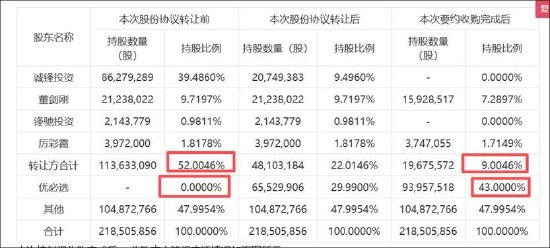
Core Viewpoint - The acquisition of controlling stake in Fenglong by UBTECH raises questions about whether it is a trend-following arbitrage or a necessity for new financing platforms due to cash shortages. UBTECH is currently in a state of continuous losses and relies heavily on external financing channels for growth [1][12]. Acquisition Details - UBTECH acquired a 29.99% stake in Fenglong through a "share transfer agreement + partial tender offer" for a total cost of approximately RMB 1.161 billion [3][4]. - The partial tender offer involves acquiring an additional 13.02% of shares at the same price of RMB 17.72 per share, bringing UBTECH's total stake to 43% after the completion of the acquisition [4][5]. Regulatory Context - The acquisition structure was designed to avoid triggering a mandatory tender offer, which would require more stringent regulatory compliance and could increase costs [6]. - According to the revised regulations, acquiring more than 30% of a listed company requires a tender offer for the excess shares, which UBTECH strategically avoided by structuring the deal in two steps [6]. Financial Condition of UBTECH - UBTECH has reported continuous losses from 2022 to 2024, with net profits of approximately -RMB 9.87 billion, -RMB 12.65 billion, and -RMB 11.6 billion respectively, indicating a significant cash flow issue [13][15]. - The company has a limited cash reserve of RMB 1.181 billion, which raises concerns about how it will finance the acquisition, given the total cost exceeds RMB 1.612 billion [15]. Strategic Rationale - UBTECH's acquisition of Fenglong is seen as a strategic move to enhance its supply chain capabilities and manufacturing strengths, particularly in the field of humanoid robots [16]. - The partnership aims to leverage UBTECH's technological advantages in humanoid robotics alongside Fenglong's established manufacturing and supply chain expertise, facilitating further industrial integration [16].

优必选控股锋利股份背后:缺钱拓宽融资渠道还是跟风套利?主业仍“失血”
Xin Lang Cai Jing· 2025-12-26 08:12
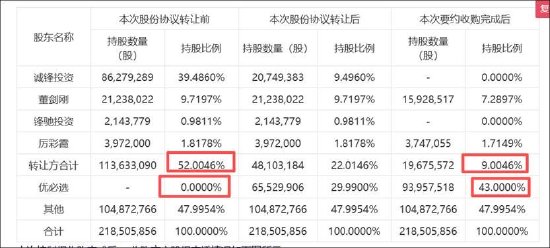
Core Viewpoint - The acquisition of Fenglong shares by UBTECH raises questions about whether it is a trend-following arbitrage or a necessity for new financing platforms due to cash shortages. UBTECH is currently in a continuous loss state and relies heavily on external financing channels for growth [1][18]. Group 1: Acquisition Details - UBTECH acquired control of Fenglong through a combination of "agreement transfer + partial tender offer" [1][20]. - The first step involved UBTECH acquiring 29.99% of Fenglong's shares at a price of RMB 17.72 per share, totaling approximately RMB 1.161 billion [3][21]. - The second step included a partial tender offer for an additional 13.02% of shares at the same price, bringing UBTECH's total stake to 43% [4][22]. Group 2: Financial Context - UBTECH's financial performance shows a trend of increasing revenue but persistent losses, with projected revenues of approximately RMB 10.08 billion, RMB 10.56 billion, and RMB 13.05 billion from 2022 to 2024, respectively, and net losses of RMB -9.87 billion, RMB -12.65 billion, and RMB -11.6 billion during the same period [14][36]. - The company reported cash on hand of only RMB 1.181 billion, indicating a significant funding gap for the acquisition, which cost over RMB 1.612 billion [16][38]. Group 3: Strategic Considerations - UBTECH's acquisition aims to enhance its industrial chain layout and strengthen its core competitiveness by leveraging Fenglong's manufacturing and supply chain capabilities [35][40]. - The acquisition is seen as a strategic move to complement UBTECH's focus on humanoid robots with Fenglong's expertise in precision manufacturing and established customer base [35][40]. Group 4: Market Implications - The transaction has sparked discussions about the potential for UBTECH to pursue a backdoor listing in the A-share market, although its current financial losses may complicate this path [7][25]. - The recent trend of robotics companies acquiring control of listed firms has created notable arbitrage opportunities in the market, as seen in other similar transactions [10][32].