
中信保诚基金

Search documents
7月21日78只基金净值增长超3%
Zheng Quan Shi Bao Wang· 2025-07-22 02:49
Group 1 - The core viewpoint of the article highlights that 84.20% of stock and mixed funds achieved positive returns, with 78 funds returning over 3% on July 21 [1][2] - The Shanghai Composite Index rose by 0.72% to close at 3559.79 points, while the Shenzhen Component Index and the ChiNext Index increased by 0.86% and 0.87% respectively [1] - The top-performing sectors included building materials, building decoration, and steel, with respective increases of 6.06%, 3.79%, and 3.44% [1] Group 2 - The leading fund in terms of net value growth rate was the Fuquan CSI All-Share Building Materials ETF, which had a growth rate of 7.15% [2] - Among the funds with a growth rate exceeding 3%, 46 were index stock funds, 16 were equity funds, and 9 were flexible allocation funds [2] - The largest drawdown was observed in the Morgan Stanley Hong Kong-Shenzhen Select Mixed C fund, which declined by 2.11% [2][4] Group 3 - The article provides a detailed ranking of stock and mixed funds based on their net value growth rates and drawdown percentages as of July 21 [3][4] - The top five funds by net value growth rate included Fuquan CSI All-Share Building Materials ETF, Guotai CSI All-Share Building Materials ETF, and E Fund CSI All-Share Building Materials ETF, with growth rates of 7.15%, 7.13%, and 7.10% respectively [2][3] - The funds with the largest drawdowns were primarily from Morgan Stanley and China Merchants, with declines ranging from 2.11% to 2.04% [4][5]
突破34万亿大关公募基金管理规模再创新高
Zhong Guo Zheng Quan Bao· 2025-07-21 20:16
Core Insights - The public fund management scale has reached a new historical high of 34.05 trillion yuan as of the end of Q2 2025, with a quarterly increase of over 2.24 trillion yuan [1][2] - The main contributors to this growth are bond funds, money market funds, and equity funds, with bond funds increasing by 865.32 billion yuan, money market funds by 950.54 billion yuan, and equity funds by 271.15 billion yuan [2] Fund Management Scale - As of the end of Q2 2025, the management scale of various fund types includes: equity funds at 4.74 trillion yuan, mixed funds at 3.32 trillion yuan, bond funds at 10.77 trillion yuan, and money market funds at 13.93 trillion yuan [1] - The public fund management scale has consistently increased since surpassing 30 trillion yuan in April 2024, with multiple records set thereafter [1] Leading Fund Companies - The top ten public fund management companies include E Fund, Huaxia Fund, and GF Fund, with E Fund managing 2.16 trillion yuan and Huaxia Fund managing 2.10 trillion yuan, marking them as the only two companies above the 2 trillion yuan threshold [2][3] - Huaxia Fund experienced the largest growth in management scale in Q2, increasing by 184.76 billion yuan [2] Non-Money Market Fund Growth - In the non-money market fund category, the top ten companies include E Fund, Huaxia Fund, and GF Fund, with both Huaxia and E Fund seeing increases of over 100 billion yuan in management scale [3] - Several thematic funds have also seen significant growth, particularly index funds, driven by large capital inflows into broad-based index ETFs [3][4] Thematic Fund Performance - Among actively managed equity funds, thematic funds have shown substantial growth, with the highest increase seen in the Huatai-PineBridge Innovation Medicine Mixed Fund, which grew by 4.36 billion yuan [4] - Other notable funds include Huaxia Military Industry Security Mixed Fund and Yongying Advanced Manufacturing Select Mixed Fund, both of which also experienced significant scale increases [4]
暴增1.46万倍!迷你基金上演“脱贫致富”
券商中国· 2025-07-20 23:27
Core Viewpoint - Mini funds that were once struggling on the brink of liquidation are now making a significant comeback by investing in trending sectors and future industries [1][5]. Group 1: Fund Performance and Growth - In Q2, 15 public funds experienced a scale increase of over 10 times, with some funds surging by more than 14,600% [2][5]. - The fund "Tongtai Industrial Upgrade," managed by Wang Xiu, saw its scale grow from under 10,000 yuan to over 14.4 million yuan, marking a growth of over 1,461,747% [3]. - "Changcheng Pharmaceutical Industry Selection," with a nearly 120% return, increased its scale from 3.6 million yuan to 1.132 billion yuan, a growth of over 30 times [4]. Group 2: Investment Strategies and Sector Focus - Many mini funds have undergone significant portfolio adjustments, shifting from traditional sectors to high-growth areas like robotics, innovative pharmaceuticals, and computing power [6][7]. - The fund "Zhongou Digital Economy," managed by Feng Ludan, shifted its focus from robotics and smart driving to computing power, changing eight of its top ten holdings [8]. - The "Yongying Medical Health" fund transitioned its focus from medical services to innovative pharmaceuticals, with top holdings including Shutaishen and Rejing Bio, the latter having a year-to-date increase of 523.75% [9]. Group 3: Early Positioning in Future Industries - Fund companies are using mini funds to target emerging sectors such as deep-sea technology and controllable nuclear fusion, positioning themselves ahead of the curve [10][11]. - The "Yongying Manufacturing Upgrade" fund is heavily invested in controllable nuclear fusion, anticipating significant growth in the sector by 2025, with potential annual investments reaching 30 to 50 billion yuan [12]. - The "Yongying Qiyuan" fund focuses on the deep-sea technology industry, with major holdings in companies involved in deep-sea materials and applications [12].


基金周报:自由现金流指数扩容,全球首只人民币代币化基金推出-20250720
Guoxin Securities· 2025-07-20 14:28
- The "China A500 Free Cash Flow Index" will be officially launched on July 16, 2025, by the China Securities Index Company. This index selects 50 listed companies with high free cash flow rates from the China A500 Index sample, aiming to reflect the overall performance of companies with strong cash flow generation capabilities within the A500 Index sample [10] - As of July 18, 2025, there are 20 existing free cash flow indices in the market, including the China Securities Free Cash Flow Index, Free Cash Flow Index, 800 Free Cash Flow Index, 300 Free Cash Flow Index, and FTSE China A-Share Free Cash Flow Focus Index. These indices are tracked by corresponding index products [10][11] - The free cash flow-themed index products have seen continuous expansion in scale and quantity. As of July 18, 2025, the total scale of these products exceeded 100 billion yuan, reaching 121.85 billion yuan, with 28 products in total. Among them, the passive products tracking the Guozheng Free Cash Flow Index have the largest scale of 54.8 billion yuan, followed by the FTSE China A-Share Free Cash Flow Focus Index with a scale of 31.7 billion yuan, and the China Securities Free Cash Flow Index with a scale of 21.5 billion yuan [13]
逆袭!量化策略基金表现耀眼,基金经理提示这类风险
券商中国· 2025-07-20 11:40
Core Viewpoint - Quantitative strategy funds are experiencing a remarkable resurgence amidst the wave of innovative drugs dominating the market, with nearly 100 funds reaching historical net asset value highs this year [1][2]. Group 1: Performance of Quantitative Strategy Funds - Nearly 100 quantitative strategy funds have achieved historical net asset value highs, with some funds, where the top ten holdings account for less than 6% of stock holdings, generating nearly 50% returns this year [2][5]. - Notable funds such as Nuon Multi-Strategy, CCB Flexible Allocation, and CITIC Prudential Multi-Strategy have recently set new historical net values, showcasing the effectiveness of quantitative strategies [5][6]. - The average return of public quantitative funds this year is 11.21%, with 95.86% of these funds achieving positive returns, indicating a strong recovery in the performance of active quantitative funds [7]. Group 2: Market Environment and Strategy Evolution - The improved market environment has provided an ideal stage for quantitative strategies, with factors like beta, momentum, and leverage showing significant gains [8][9]. - The average daily trading volume of A-shares has remained above 1 trillion yuan, enhancing market activity and optimizing trading conditions for quantitative models [9]. - The performance of small-cap stocks has significantly contributed to the returns of quantitative strategies, with the Wind Micro-Cap Index rising over 43% this year [11]. Group 3: Investment Strategies and Risk Management - Fund managers are increasingly focusing on enhancing performance stability and adapting their models to market changes, with some funds adjusting their strategies to include a more balanced allocation between small and large-cap stocks [12][13]. - The strategy of "picking up cigarette butts" in undervalued small-cap stocks has yielded a 48.24% positive return for Nuon Multi-Strategy this year, demonstrating the potential of this approach [6][12]. - Fund managers are cautious about the risks associated with small-cap stocks, with discussions around the potential overheating of small-cap strategies becoming more prevalent [14][16].

微盘股的神话可以一直持续么?
雪球· 2025-07-20 05:41
Core Viewpoint - The article discusses the effectiveness and risks associated with the "micro-cap stock strategy," highlighting its significant returns while also addressing the inherent volatility and potential for substantial losses [2][40]. Group 1: Micro-Cap Stock Strategy Effectiveness - The micro-cap stock strategy has shown long-term effectiveness, with the Wind Micro-Cap Stock Index achieving a remarkable 51.43% increase in 2025, contrasting with a mere 15.39% rise in bank stocks [2][40]. - The Wind Micro-Cap Stock Index is composed of the smallest 400 stocks from the A-share market, excluding certain categories, and is rebalanced monthly, which allows for high-frequency trading that capitalizes on market volatility [4][11]. - The strategy's success is attributed to its ability to generate excess returns through high-frequency trading rather than relying on fundamental company performance [12][19]. Group 2: Impact of Major Shareholder Actions - Major shareholder sell-offs have limited impact on micro-cap stocks due to regulatory constraints, making the perceived risks of such actions largely unfounded [14][40]. - The article emphasizes that the micro-cap stock strategy's returns are primarily driven by the index's trading rules rather than the underlying fundamentals of the companies involved [39][40]. Group 3: Risks and Considerations - The micro-cap stock strategy carries significant tail risks, with historical data showing potential declines of 40%-50% during market downturns, which investors must be prepared to endure [40][41]. - The article warns that while the micro-cap index can yield high returns, it is essential to recognize the associated risks and not to concentrate investments solely in this strategy [41][42]. - Diversification is recommended to mitigate risks, suggesting that investors should not allocate all resources to micro-cap stocks but rather create a balanced portfolio [42][43].

中信保诚新机遇混合(LOF):2025年第二季度利润200.42万元 净值增长率3.19%
Sou Hu Cai Jing· 2025-07-18 09:05
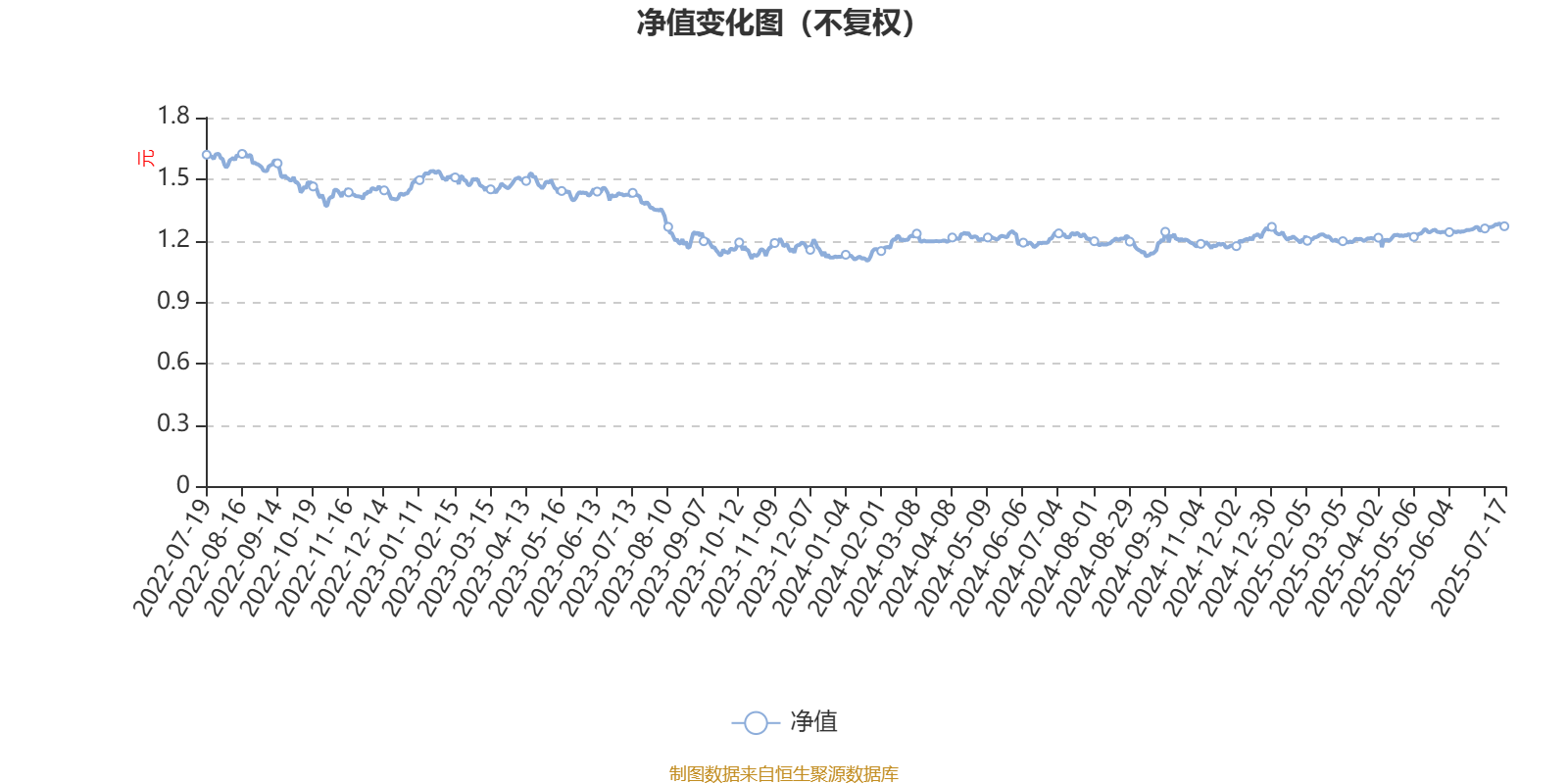
Core Viewpoint - The AI Fund CITIC Prudential New Opportunities Mixed (LOF) reported a profit of 2.0042 million yuan for Q2 2025, with a weighted average profit per fund share of 0.0386 yuan. The fund's net asset value growth rate was 3.19%, and the fund size reached 64.9457 million yuan by the end of Q2 2025 [3][14]. Fund Performance - As of July 17, the fund's unit net value was 1.27 yuan. The fund manager expressed a positive outlook on China's economic development and increased the weight of leading companies in the portfolio while selectively choosing stocks. The macroeconomic environment and corporate earnings are expected to exceed market expectations, presenting good opportunities for large-cap value stocks [3]. - The fund's performance over different periods includes a 3-month net value growth rate of 3.52%, ranking 570 out of 615 comparable funds; a 6-month growth rate of 4.64%, ranking 494 out of 615; a 1-year growth rate of 3.58%, ranking 539 out of 584; and a 3-year growth rate of -16.98%, ranking 187 out of 324 [3]. Risk Metrics - The fund's Sharpe ratio over the past three years was -0.3723, ranking 273 out of 319 comparable funds [7]. - The maximum drawdown over the past three years was 32.6%, with a quarterly maximum drawdown of 21.14% occurring in Q3 2023 [9]. Investment Strategy - The average stock position over the past three years was 71.16%, compared to the industry average of 83.13%. The fund reached a maximum position of 91.48% at the end of H1 2025 and a minimum of 5.49% at the end of Q1 2024 [12]. - The fund has a high concentration of holdings, with the top ten positions including Agricultural Bank of China, Industrial and Commercial Bank of China, China Mobile, and others [17].
中信保诚红利精选A:2025年第二季度利润32.91万元 净值增长率1.57%
Sou Hu Cai Jing· 2025-07-18 08:38
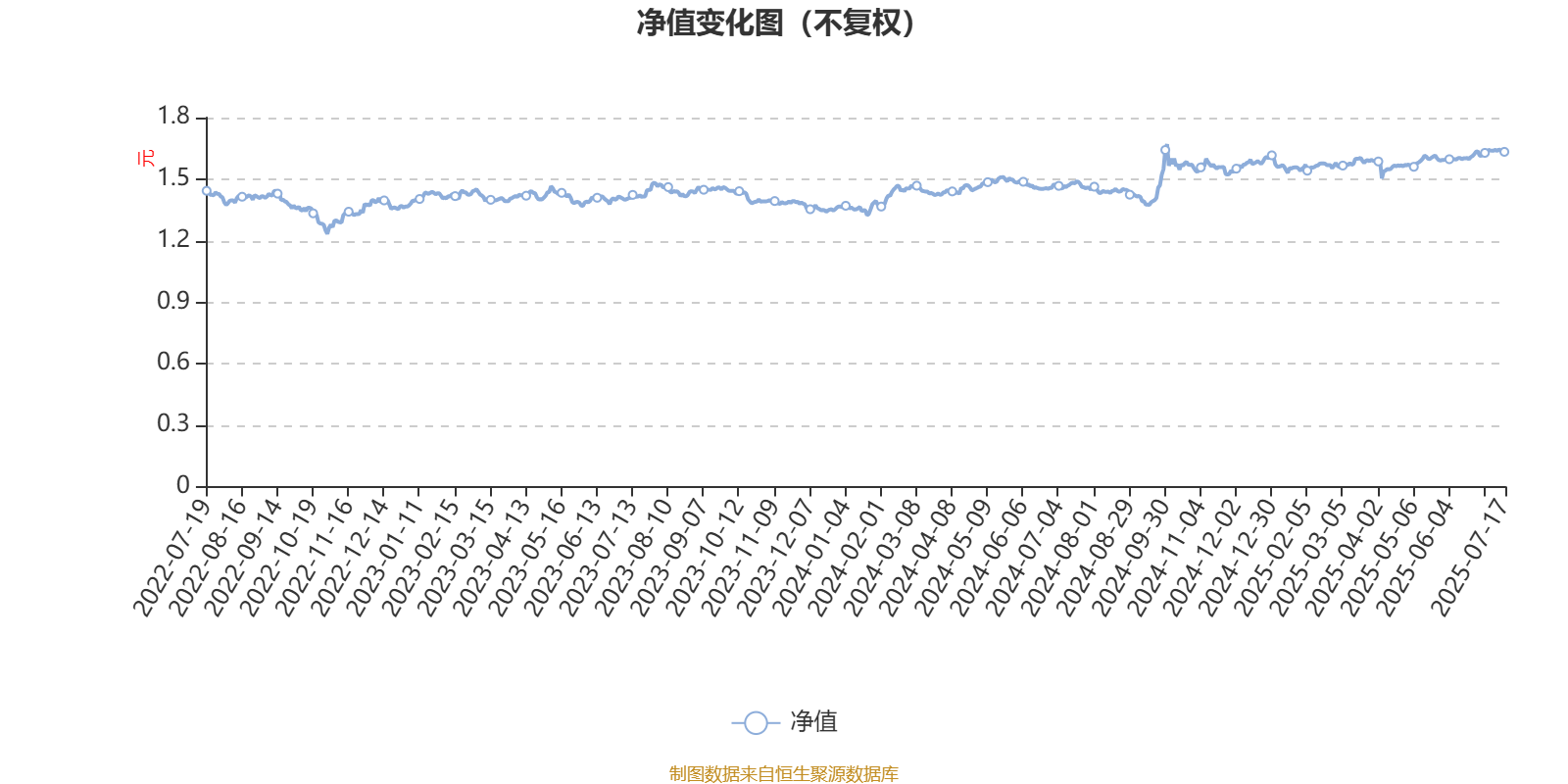
Core Viewpoint - The AI Fund, CITIC Prudential Dividend Select A (008091), reported a profit of 329,100 yuan for Q2 2025, with a weighted average profit per fund share of 0.0235 yuan. The fund's net value growth rate was 1.57%, and its total scale reached 22.47 million yuan by the end of Q2 2025 [3][16]. Fund Performance - As of July 17, the fund's unit net value was 1.633 yuan. Over the past year, the fund achieved a cumulative net value growth rate of 10.38%, ranking it highest among its peers, while CITIC Prudential New Blue Chip had the lowest at -0.2% [3]. - The fund's net value growth rates over different periods are as follows: 4.51% over the last three months (ranked 543/615), 4.91% over the last six months (ranked 480/615), and 14.74% over the last three years (ranked 29/324) [4]. Investment Strategy - In Q2 2025, the fund adjusted its holdings towards high-dividend stocks, slightly increasing the concentration of its portfolio. The external environment has become more complex, with increasing trade barriers, but the overall economic operation in China remains stable and improving [3]. Risk and Return Metrics - The fund's Sharpe ratio over the past three years is 0.4308, ranking 17/319 among comparable funds. The maximum drawdown over the same period was 14.64%, with the largest single-quarter drawdown occurring in Q1 2022 at 14.53% [10][12]. Portfolio Composition - The average stock position of the fund over the past three years was 88.66%, compared to the industry average of 83.13%. The fund reached a peak stock position of 92.3% in mid-2021 and a low of 70.57% in Q1 2020 [15]. - As of Q2 2025, the top ten holdings of the fund included Midea Group, Yangtze Power, Bank of Communications, Hangzhou Bank, Industrial and Commercial Bank of China, Jiangsu Bank, China Merchants Bank, Gree Electric Appliances, Daqin Railway, and Industrial Bank [19].



中信保诚国企红利量化股票A:2025年第二季度利润17.31万元 净值增长率2.04%
Sou Hu Cai Jing· 2025-07-18 03:41
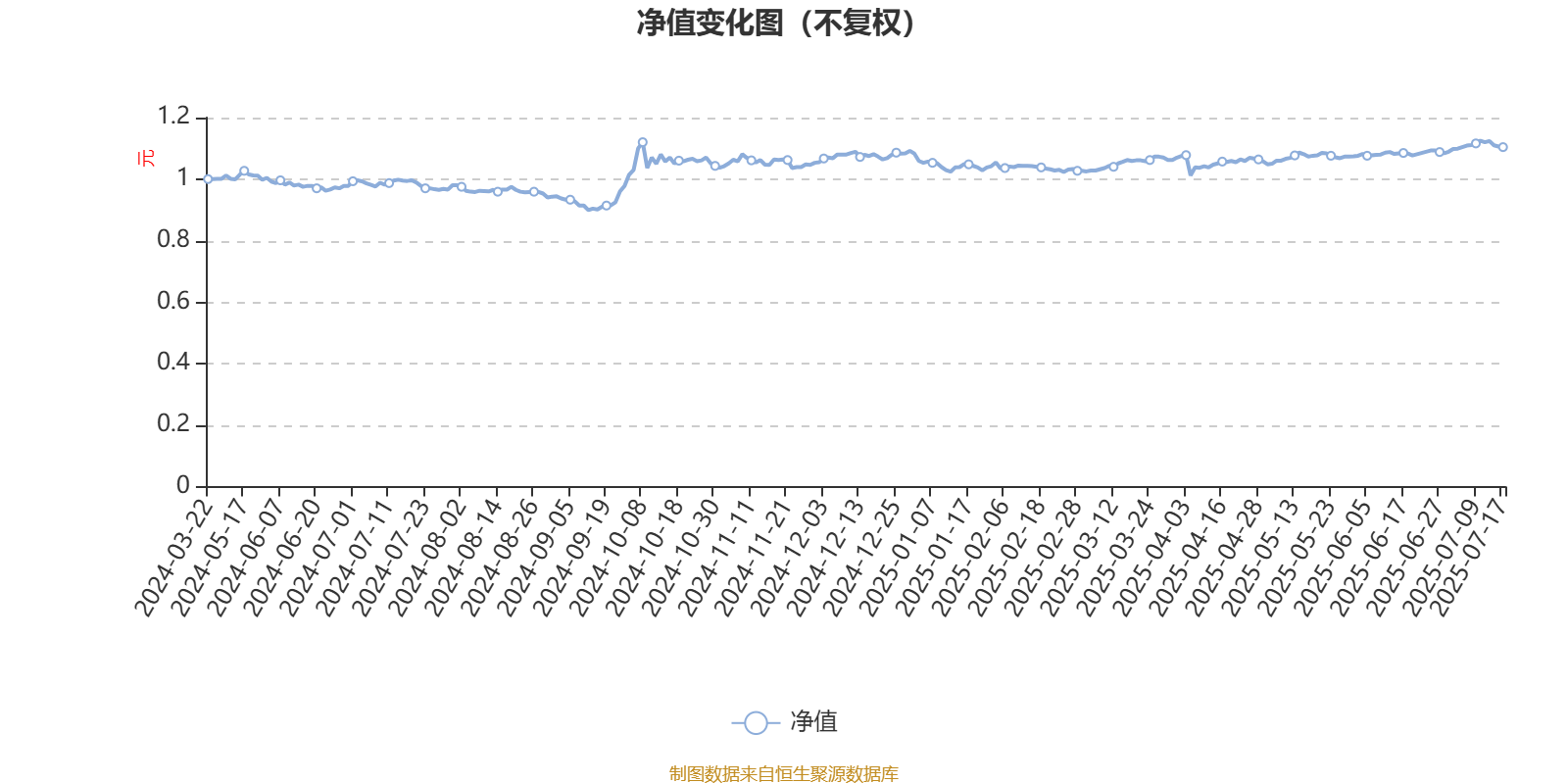
Core Viewpoint - The AI Fund, CITIC Prudential State-Owned Enterprise Dividend Quantitative Stock A, reported a profit of 173,100 yuan for Q2 2025, with a net asset value growth rate of 2.04% during the period [3][15]. Fund Performance - As of July 17, the fund's unit net value was 1.104 yuan, with a one-year cumulative net value growth rate of 10.97%, ranking 84th out of 110 comparable funds [3][4]. - The fund's performance over the last three months showed a growth rate of 4.50%, ranking 96th out of 110, and over the last six months, it was 5.35%, ranking 85th out of 110 [4]. Investment Strategy - The fund maintained a high stock position during the reporting period, focusing on investment opportunities in high-dividend state-owned enterprises and employing a quantitative strategy to achieve long-term returns exceeding the performance benchmark [3]. Risk Metrics - The fund's Sharpe ratio since inception is 0.6483, indicating a moderate risk-adjusted return [8]. - The maximum drawdown since inception is 12.44%, with the largest quarterly drawdown occurring in Q2 2025 at 6.09% [11]. Fund Composition - As of Q2 2025, the fund's total assets amounted to 16.2144 million yuan [15]. - The top ten holdings include major companies such as Bank of Communications, Lu'an Environmental Energy, and Xiamen International Trade [18]. Stock Positioning - The average stock position since inception is 88.09%, closely aligned with the industry average of 88.05% [14]. The highest stock position reached 89.64% at the end of 2024, while the lowest was 83.8% at the end of Q3 2024 [14].
“每个基点都要锱铢必较” 低利率时代固收投资“精耕细作” 券商基金比拼精细化策略
Shang Hai Zheng Quan Bao· 2025-07-17 03:18
Core Viewpoint - The fixed income investment landscape is facing unprecedented competition and challenges due to low interest rates and narrowing volatility in the bond market, necessitating a shift in traditional investment strategies [1][2][4]. Group 1: Market Environment - The bond market has seen a significant decline in interest rates over the past year, leading to lower coupon yields and increased competition for capital gains among institutions [2][6]. - The volatility of 10-year government bonds has decreased significantly since 2021, with fewer instances of substantial yield fluctuations, indicating a shift away from the previous environment where large swings were common [2][3]. - The current market conditions require investors to closely monitor and adjust their strategies in real-time to capture opportunities, as the days of passive income generation are over [2][4]. Group 2: Investment Strategies - Traditional strategies relying on duration, leverage, and large-scale timing are becoming less effective, prompting a need for more agile and precise management [1][4]. - Investors are increasingly focusing on fine-tuning their management capabilities to achieve excess returns, necessitating a comprehensive upgrade of investment logic and operational strategies [4][5]. - The emphasis is shifting towards short-term trading and high-frequency monitoring to identify market turning points, with strategies adapting to the specific characteristics of different bond products [5][6]. Group 3: Policy and Economic Outlook - The bond market is expected to remain favorable overall, with potential for further monetary policy easing, although short-term yield declines may be limited [6][7]. - Fiscal policy developments are seen as critical to the bond market's trajectory, with attention on trade negotiations that could influence fiscal stimulus measures [6][7]. - The market is currently navigating external uncertainties, and the overall sentiment remains cautiously optimistic, contingent on the continuation of supportive monetary conditions [6][7].