小红书

Search documents
小红书上架“云城甘薯”!富硒、高钙,等你来品尝!
Nan Fang Nong Cun Bao· 2025-12-11 14:35
Core Viewpoint - The launch of "Yuncheng Sweet Potato" on the Xiaohongshu platform signifies a new approach for local agricultural brands to leverage social e-commerce for storytelling and direct consumer engagement [9][10]. Group 1: Product Launch and Features - Xiaohongshu officially launched "Yuncheng Sweet Potato," marking a significant connection between high-quality agricultural products and the young consumer market [9]. - The product lineup includes five varieties: Yidianhong, Xigua Hong, Purple Sweet Potato, Mashali, and Durian Honey Sweet Potato [15]. - Yuncheng Sweet Potatoes are rich in selenium, calcium, vitamins, and proteins, earning the nickname "Southern Ginseng" due to their health benefits [21][22]. Group 2: Nutritional Analysis - A third-party testing agency found that the selenium content in Mashali sweet potatoes reached 41 micrograms per kilogram, with high vitamin C levels [23]. - The Xigua Hong variety has a high dietary fiber content of 12.02 grams per 100 grams of fresh sweet potato, indicating superior nutritional value compared to other regions [24][25]. Group 3: Marketing and Events - The "Hundred Thousand Project" in Yuncheng has shown initial success, with the eighth annual Sweet Potato Festival set to run until March 2026, featuring over 20 new products and various cultural activities [26][29]. - The sweet potatoes are sold in 5-kilogram packages, priced between 15 to 40 yuan depending on the variety [30]. - Consumers interested in Yuncheng sweet potatoes can taste them at the 2025 Greater Bay Area Agricultural Fair from December 12 to 14 [32].


新力量NewForce总第4922期
First Shanghai Securities· 2025-12-11 11:22
Company Research: Shanghai Fudan - In Q3 2025, Shanghai Fudan achieved revenue of 1.19 billion RMB, a year-on-year increase of 33.3%[5] - The gross profit margin improved to 61.1%, up by 9 percentage points year-on-year, primarily due to increased FPGA product shipments[5] - The net profit attributable to shareholders reached 137 million RMB, with a non-recurring net profit of 121 million RMB, reflecting a 59.2% year-on-year growth[5] FPGA Business Outlook - FPGA business revenue grew by 34.7% year-on-year, driven by demand for 28nm FPGA products[6] - The next-generation 1xnm FinFET FPGA products are expected to contribute to revenue starting in 2026, with a projected 38.6% growth in FPGA revenue to 1.47 billion RMB in FY 2025[6] Valuation and Rating - The target price for Shanghai Fudan is set at 45.00 HKD, indicating an 8.5% upside from the current price[8] - The company is rated as "Hold," with a projected revenue CAGR of 12.7% and a net profit CAGR of 25.8% over the next three years[8] Risk Factors - Key risks include underperformance in product sales, price adjustments, intensified market competition, and potential limitations in production capacity[9] Company Research: Weimob - Weimob's revenue for H1 2025 was 775 million RMB, a decrease of 10.6% year-on-year, due to strategic reductions in low-margin businesses[15] - The adjusted net profit for H1 2025 was 17 million RMB, a significant improvement from a net loss of 187 million RMB in the same period of 2024[15] AI Business Development - Weimob's AI-related products generated approximately 34 million RMB in revenue in H1 2025, indicating progress in commercializing AI solutions[15] - The company aims to enhance its core advertising services and optimize its business mix for long-term profitability[16] Valuation and Rating - The target price for Weimob is adjusted to 3.02 HKD, reflecting a 57% upside potential, maintaining a "Buy" rating[18]
中国蓝观察丨“双十二”动静不大?消费市场与电商行业正在转身
Xin Lang Cai Jing· 2025-12-11 11:17
Core Insights - The "Double Twelve" shopping festival has lost its previous momentum, with a noticeable decline in consumer engagement and marketing efforts from platforms like Taobao [1][14] - The shift in consumer behavior towards more rational spending and skepticism about promotional pricing has contributed to the festival's reduced appeal [3][21] Group 1: Consumer Behavior - Consumers are expressing frustration over rising prices during the "Double Twelve" event, with many feeling overwhelmed by complex promotional rules [3][16] - The Z generation shows a lack of enthusiasm for traditional shopping festivals, focusing more on quality and actual needs rather than discounts [8][21] Group 2: Industry Trends - Industry experts agree that the decline in "Double Twelve" participation is a result of promotional fatigue following "Double Eleven" and the proximity to other major shopping events like New Year and Spring Festival [8][21] - E-commerce platforms are transitioning from price-driven promotions to a focus on "scene-based services," emphasizing year-end clearance and lifestyle integration [9][22] Group 3: Competitive Landscape - The significance of "Double Twelve" as a standalone shopping event is diminishing, but it still holds value as a year-end marketing opportunity [13][26] - E-commerce competition is evolving, with a shift towards creating emotional value and enhancing the connection between consumers and products, rather than solely relying on price reductions [13][26]



小红书还是没能攻下本地生活的城
3 6 Ke· 2025-12-11 10:48
Core Insights - Xiaohongshu's local life membership service "Xiaohong Card" will be suspended from January 1, 2026, after less than 100 days of trial operation due to insufficient preparation and failure to meet user demands for richness and convenience in local life services [2][8][12] - The initiative aimed to enhance user engagement through a paid membership model, but its quick termination reflects broader challenges faced by Xiaohongshu in the local life sector [2][16][20] Summary by Sections Service Overview - Xiaohong Card was launched in September 2023, offering a membership for 168 yuan per year, providing discounts and access to thousands of stores in Shanghai, Hangzhou, and Guangzhou [5][6] - The service was designed to create a consumption loop combining content and membership discounts, differentiating itself from competitors like Meituan and Gaode [6][7] Reasons for Suspension - The official statement cited inadequate preparation and inability to meet user expectations as primary reasons for the suspension [8][12] - Xiaohongshu plans to focus on enhancing the influence of local life content rather than continuing the Xiaohong Card service [8][11] Market Challenges - Xiaohong Card faced significant competition from established players like Meituan, which offered more attractive pricing and benefits [14][16] - The service's merchant coverage was limited, leading to low user awareness and engagement [15][16] Strategic Shift - Despite the suspension, analysts suggest this may represent a strategic pivot for Xiaohongshu, focusing on content-driven local services rather than direct competition in the transaction space [19][20] - The company aims to redefine its value chain in local life services, leveraging its strengths in content creation and community engagement [20][22] Future Outlook - Xiaohongshu is exploring ways to integrate local life services with its content community, potentially positioning itself as a discovery platform rather than a direct competitor to traditional local service providers [20][22] - The local life market remains vast, allowing for diverse player strategies, and Xiaohongshu's unique approach could offer new possibilities for the industry [21][22]
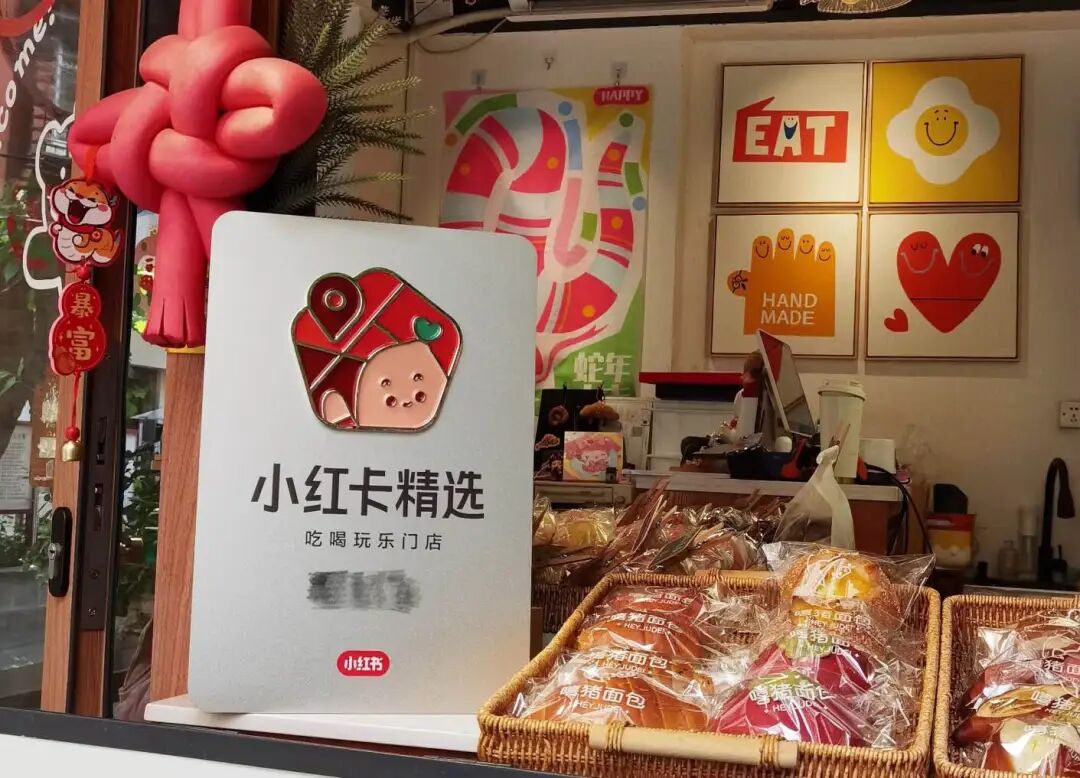
OTA小变局
3 6 Ke· 2025-12-11 10:00
Core Insights - The online travel agency (OTA) market in China is experiencing intense competition, with new players aggressively entering the space while established companies are fortifying their positions [2][7] - The shift in consumer behavior, particularly among the Z generation, emphasizes experiential travel over traditional destination-focused trips, driving demand for personalized and immersive experiences [10][11] Group 1: Market Dynamics - Established players like Ctrip and Tongcheng maintain supply chain advantages, with Ctrip reporting a net profit of 19.9 billion yuan in Q3 2025, a 193% year-on-year increase, driven by accommodation bookings [5] - New entrants such as Douyin and Xiaohongshu leverage content and traffic advantages to penetrate traditional OTA markets, with Douyin's hotel content generating 350 billion views annually and driving a 118% increase in orders [6] - The competitive landscape is characterized by a clear division between traditional players focusing on supply chain and new players utilizing content-driven strategies to attract users [4][6] Group 2: Consumer Behavior Changes - The Z generation, aged 18-35, now represents 65% of total travelers during the 2025 Spring Festival, reflecting a 20 percentage point increase since 2020, indicating a shift towards experience-driven travel [10] - Platforms are adapting to this change by offering personalized travel inspirations and utilizing AI and VR technologies to enhance user experience and streamline travel planning [10][11] Group 3: Competitive Strategies - Companies are not only competing for market share but also seeking sustainable growth opportunities in both saturated and emerging markets [12][13] - Strategies include leveraging high-frequency local services, integrating e-commerce capabilities, and focusing on niche markets such as student travel and local experiences [5][6][14] - The need for differentiation is critical, as companies face challenges from price competition and the risk of service dilution, with 35% of travel complaints related to "false discounts" [13] Group 4: Future Outlook - The future of the OTA market will depend on companies' ability to convert their core strengths into unique user value, balancing service reliability with innovative experiences [15][16] - The industry is moving towards a collaborative model where specialized service providers, traffic generators, and ecosystem players work together to expand the overall market [16]

刚买下支付牌照的小红书,为何关停了“小红卡”?
Xin Lang Cai Jing· 2025-12-11 08:29
Core Viewpoint - Xiaohongshu has made a strategic move by acquiring a payment license, but it simultaneously announced the suspension of its local life membership program "Xiaohong Card," indicating a complex strategic landscape with both expansion and contraction elements [1][8]. Group 1: Payment License Acquisition - Xiaohongshu acquired 100% of Dongfang Electronic Payment Co., Ltd., gaining a payment license that allows for core functions such as user recharge, consumption, and transfer, which aligns with its e-commerce and local life payment needs [3][10]. - The acquisition of the payment license is expected to optimize cost structures, improve merchant settlement efficiency, and provide valuable data assets for the platform [3][10][11]. - Previously, Xiaohongshu relied on third-party payment channels, incurring high transaction fees estimated at around 2.4 billion yuan annually based on a projected GMV of over 400 billion yuan for 2024 [2][9]. Group 2: Suspension of Xiaohong Card - The "Xiaohong Card," launched in September 2025 with an annual fee of 168 yuan, aimed to create a premium membership experience in cities like Shanghai, Hangzhou, and Guangzhou, but will be suspended starting January 1, 2026 [5][12]. - The suspension is attributed to high operational costs and a mismatch with Xiaohongshu's core online content-driven model, which contrasts with the "heavy operation" nature of local life services [5][12][13]. - The decision to pause the program allows Xiaohongshu to reallocate resources towards more critical areas, particularly the integration of its e-commerce and payment systems [6][13].
PLM系统推荐十大国产电商平台对接功能
Sou Hu Cai Jing· 2025-12-11 04:12
Core Insights - The integration between PLM (Product Lifecycle Management) systems and e-commerce platforms is crucial for modern enterprises, enabling seamless data flow from product design to market launch, thereby enhancing operational efficiency and market responsiveness [2][3]. Importance of Integration - In a fast-paced e-commerce environment, the traditional manual processes for transferring product information are inefficient and error-prone, leading to potential customer complaints and returns [3]. - Deep integration between PLM systems and e-commerce platforms addresses these pain points by automating data transfer, significantly reducing time to market and ensuring consistency across channels [3][6]. Evaluation of Integration Capabilities - Assessing the quality of integration requires a multi-dimensional approach, focusing on the depth and breadth of data synchronization [4][5]. - Effective integration should cover not only basic product attributes but also complex data such as BOM (Bill of Materials) and technical documents, enhancing customer trust [5]. Automation and Efficiency - The ultimate goal of integration is to achieve automation, allowing for real-time updates of product data across platforms without manual intervention, thus minimizing errors [6]. - For instance, a case study showed that a well-integrated PLM solution reduced the time to launch new products from an average of 2 days to just 2 hours, achieving a data accuracy rate of over 99.9% [6]. System Compatibility and Scalability - PLM systems must be compatible with existing IT ecosystems, including ERP, SCM, and CRM systems, and should offer standard API interfaces for easy integration [7]. - As businesses grow, the ability to handle cross-border e-commerce with multi-language and multi-currency support becomes essential for the sustainability of digital strategies [9]. Ranking of E-commerce Platforms - A ranking of domestic e-commerce platforms based on their integration capabilities highlights the strengths of various platforms, such as CAXA, Alibaba, and JD, in terms of maturity, depth, and versatility of integration [10][12]. Implementation Success Factors - Successful integration requires accurate, complete, and structured data within the PLM system, as well as a clear understanding of business processes and reliable service providers [14]. - Future trends indicate a shift towards intelligent integration, leveraging AI to enhance the synergy between PLM and e-commerce [13]. Conclusion - The integration of PLM systems with e-commerce platforms is essential for maintaining competitiveness in the digital age, serving as a core component for data-driven business operations [15].

大厂留给00后的好岗位不多了
3 6 Ke· 2025-12-11 03:29
Group 1 - The core viewpoint of the article highlights the challenges faced by the post-2000 generation in the job market, particularly in large internet companies, where high-paying positions are limited and often come with low growth potential [1][2][17] - The job structure for the post-2000 generation is characterized by a lack of upward mobility due to older employees blocking advancement opportunities and the presence of cheaper, younger interns [2][17] - Many young workers view their jobs as experiences rather than mere means of survival, indicating a shift in mindset towards work [3][10] Group 2 - The article discusses the disparity between perceived high salaries and actual compensation when factoring in work hours, with some employees realizing their effective hourly wage is lower than that of lower-skilled jobs [4][7] - The operational roles in large companies are still in high demand but are labor-intensive and often lead to burnout, with employees feeling overwhelmed by the workload [9][18] - The post-2000 generation is increasingly aware of the limited career prospects in large companies, with many feeling disillusioned about the traditional paths to success [18][20] Group 3 - The article illustrates the experiences of individuals like Yezi and Ganlan, who initially sought prestigious roles in large companies but later reconsidered their choices due to the nature of the work and the lack of personal fulfillment [4][12][14] - The narrative emphasizes the growing trend of young professionals opting for smaller companies that offer more growth opportunities and a better work-life balance, rather than succumbing to the pressures of large firms [14][29] - The article notes that while large companies are experiencing a slowdown in growth, there are emerging opportunities in high-demand fields like AI, which require specialized skills and knowledge [31][32]
民进党倒行逆施阻挡不了台湾民意潮流
Ren Min Ri Bao Hai Wai Ban· 2025-12-11 02:56
Group 1 - The core viewpoint of the article is that the Taiwanese authorities' decision to temporarily ban the social media platform Xiaohongshu for one year is seen as an act against the interests of the Taiwanese people, particularly the youth, and reflects a broader trend of restricting access to platforms popular among them [1][2] - The spokesperson for the State Council Taiwan Affairs Office criticized the ban, stating that it is a political maneuver aimed at suppressing the flow of information and interaction between Taiwanese youth and their counterparts in mainland China [1][2] - Xiaohongshu is described as a "lifestyle interest community" that is well-received by Taiwanese users, who utilize the platform to understand the realities of mainland China and engage in friendly interactions, which undermines the Taiwanese authorities' narrative [1] Group 2 - The spokesperson also accused the Taiwanese authorities of using the pretext of "anti-fraud" measures to infringe upon democratic freedoms and the rights of the Taiwanese people, particularly the youth, to access information and use social media platforms [2] - The ban on Xiaohongshu has faced significant opposition within Taiwan, with various media and public figures criticizing the government's actions as politically motivated and detrimental to the livelihoods of those who rely on the platform [2] - The upcoming Cross-Strait Entrepreneurs Summit, scheduled for December 16-17 in Nanjing, will focus on topics such as innovation and cooperation in the context of the 14th Five-Year Plan, with around 800 participants expected [2][3] Group 3 - Fujian Province has recently announced a new set of policy measures aimed at supporting Taiwanese enterprises and businesspeople, which includes 12 specific initiatives to enhance tax services and promote trade and cultural exchanges [3] - These measures are designed to address the needs of Taiwanese businesses and are expected to accelerate the integration of development between Fujian and Taiwan [3]
试水不足百日,小红书又干黄一个项目
Guo Ji Jin Rong Bao· 2025-12-11 00:20
Core Insights - Xiaohongshu's local lifestyle membership program "Xiaohong Card" will be suspended from January 1, 2026, after less than three months of trial operation, with all cards becoming invalid and users eligible for full refunds [3][9][16] Group 1: Program Launch and Initial Reception - The "Xiaohong Card" was launched during the third "Street Life Festival" in September 2023, aimed at providing discounts and exclusive activities in selected stores across Shanghai, Hangzhou, and Guangzhou for an annual fee of 168 yuan [3][9] - The program faced challenges in attracting users, as many reported a limited selection of participating merchants, particularly in Shanghai, where only 994 stores offered discounts [9][10] Group 2: Operational Challenges - Users expressed dissatisfaction with the limited number of merchants and the complexity of accessing the Xiaohong Card features within the app, which hindered the development of consumer habits [9][10] - The program's failure is attributed to multiple factors, including inadequate product positioning, a mismatch between Xiaohongshu's community-driven content and transactional needs, and operational inefficiencies [9][13] Group 3: Market Context and Future Outlook - Despite the setback, the local lifestyle market in China is projected to grow significantly, with an estimated market size of 35.3 trillion yuan by 2025 and a compound annual growth rate of 12.6% [13][14] - Xiaohongshu's approach to local lifestyle services has been cautious, focusing on testing rather than aggressive expansion, indicating a strategic exploration phase rather than a commitment to immediate large-scale transactions [14][16]