
饿了么

Search documents
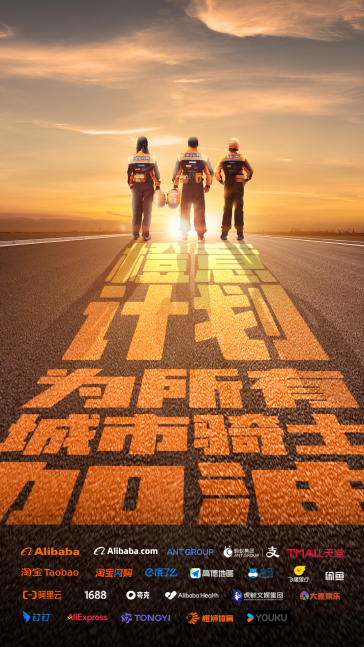
阿里和蚂蚁旗下22个品牌将共同投入资源 启动橙意计划升级骑士保障与激励体系
Huan Qiu Wang· 2025-08-18 01:11
Group 1 - The core initiative "City Knight Orange Plan" was launched by 22 brands under Alibaba and Ant Group to enhance support and incentives for delivery riders across all platforms [1][3] - The plan aims to provide better welfare, care, and development opportunities for riders, acknowledging their contributions to the profession [3] - Prior to the Orange Plan, Ele.me had already invested over 20 million yuan to support over 600 families of seriously ill riders and provided educational assistance to more than 400 riders and their children [3] Group 2 - The "City Knight" title was officially conferred to all delivery riders, marking a significant upgrade in their welfare and support measures [3] - The Orange Plan will include special rewards for acts of bravery, educational support for riders, and medical assistance for riders and their families [3] - A professional team will manage the Orange Plan, ensuring support is provided regardless of platform, city, or delivery capacity [3]


线上线下价格依旧失衡,外卖平台高额补贴疑“假性”退场
Zheng Quan Shi Bao· 2025-08-18 00:44
Core Viewpoint - The major food delivery platforms in China, including Meituan, Ele.me, and JD, have announced a cessation of "involutionary" competition and high subsidies, aiming to maintain a healthy industry ecosystem. However, some platforms continue to offer significant subsidies, leading to concerns about the long-term impact on the food delivery and restaurant industry [1][2][4]. Group 1: Industry Dynamics - Following the announcement to stop irrational high subsidies, food delivery orders have significantly decreased, with delivery personnel reporting a drop in daily earnings from around 700-800 yuan to about 400 yuan [2][4]. - Despite the reduction in subsidies, there remains a significant price imbalance between online and offline dining, with some meals priced at 20 yuan in-store being available for as low as 7-8 yuan online [2][3]. Group 2: Subsidy Mechanisms - Some platforms have left room for future high subsidies, indicating a potential for continued low-price promotions under certain conditions, despite the public commitment to avoid large-scale irrational promotions [3][4]. - The burden of subsidy costs is often shifted to small and medium-sized businesses, which face pressure to participate in promotional activities that ultimately reduce their profit margins [4][5]. Group 3: Regulatory Considerations - The ongoing price war has altered consumer perceptions, leading them to believe that extremely low prices are the norm, which is unsustainable for businesses in the long run [6][7]. - Regulatory measures are suggested to address the opacity of algorithms and the ambiguity of responsibility in subsidy distribution, including the establishment of a subsidy tracing mechanism and the implementation of algorithm transparency regulations [6][7].


线上线下价格依旧失衡!外卖平台高额补贴疑“假性”退场,监管穿透力亟待提升
证券时报· 2025-08-18 00:23
Core Viewpoint - The major food delivery platforms in China, including Meituan, Ele.me, and JD, have announced a cessation of "involutionary" competition and high subsidies to maintain a healthy industry ecosystem, although some platforms continue to offer significant discounts [1][4]. Group 1: Impact of Subsidies on the Industry - Despite the announcement to stop high subsidies, some platforms are still providing extreme discounts, such as "19 off 18," leading to prices as low as 2-3 yuan for drinks and 8 yuan for meals, which is damaging the long-term health of the food delivery and restaurant industry [2][4]. - The high fixed costs and low demand elasticity in the restaurant industry mean that excessive subsidies force merchants into a dilemma: not participating leads to loss of traffic, while participation compresses margins to critical levels, often resulting in compromised food quality [2][4]. Group 2: Price Discrepancies - There remains a significant imbalance between online and offline prices, with meals priced at over 20 yuan in-store being available for 7-8 yuan online, and drinks priced at over 10 yuan available for 4-5 yuan [4][5]. Group 3: Cost Burden on Merchants - Merchants are bearing a disproportionate share of the subsidy costs, with examples showing that for a drink priced at 21 yuan, the merchant receives only 4.8 yuan after covering delivery fees and platform subsidies, indicating that merchants often subsidize more than the platforms [7][8]. - Smaller merchants face challenges in negotiating with platforms, often resulting in them shouldering more costs compared to larger chain brands [8]. Group 4: Regulatory Concerns - The ongoing subsidy wars have led to consumer misconceptions about pricing, with many believing that ultra-low prices are normal, which is unsustainable for merchants and could lead to a decline in quality or business closures [10]. - Regulatory measures are needed to address the opaque nature of subsidy costs and the algorithms used by platforms, including establishing a subsidy tracing mechanism and enforcing algorithm transparency [9][11].

陆家嘴财经早餐2025年8月18日星期一
Wind万得· 2025-08-17 22:34
Group 1 - The meeting between US President Trump and Ukrainian President Zelensky is scheduled for August 18, with potential follow-up discussions involving US, Russia, and Ukraine leaders [2] - A-share indices reached new highs, with market analysts suggesting a focus on sectors like AI, innovative pharmaceuticals, non-ferrous metals, military industry, and large finance [2] - The upcoming National Day and Mid-Autumn Festival will have an 8-day holiday, with toll-free travel for small passenger vehicles on all toll roads [3] Group 2 - A-share market has seen a significant increase in stocks doubling in value, with over 310 stocks rising more than 100% this year, particularly in the pharmaceutical and machinery sectors [4] - CITIC Securities reports that market sentiment remains strong, with a focus on sectors such as innovative pharmaceuticals, resources, communications, military, and gaming [4] - As of August 15, 52.44% of funds established in 2021 have a net asset value above 1, indicating a recovery in the A-share market [5] Group 3 - Publicly offered funds of funds (FOFs) have shown strong performance this year, with 29 FOFs achieving over 20% returns, driven by heavy investments in high-volatility equity funds [6] - Notable private equity fund managers have increased their holdings in A-share companies, with significant investments in firms like Angel Yeast and Dao Technology [6] Group 4 - 25 companies listed on the Beijing Stock Exchange reported their 2025 semi-annual results, with 22 companies showing revenue growth, led by Zhuozhao Point Glue with a 207.46% increase [7] - China Shenhua, a state-owned enterprise, announced a major asset restructuring involving the acquisition of 10 companies and significant coal and energy assets [7] Group 5 - Hong Kong's financial secretary highlighted the ongoing development of a commodity trading ecosystem, aiming to position Hong Kong as an international gold trading center [19] - The first issuance of yen-denominated stablecoin JPYC is expected to be approved by Japan's Financial Services Agency, supporting its value with government bonds [13]




外卖平台高额补贴疑“假性”退场 监管穿透力亟待提升
Zheng Quan Shi Bao· 2025-08-17 22:06
Core Viewpoint - The major food delivery platforms in China, including Meituan, Ele.me, and JD, have announced a cessation of "involution" competition and high subsidies, aiming to maintain a healthy industry ecosystem. However, some platforms continue to offer significant subsidies, leading to concerns about the long-term impact on the food delivery and restaurant industry [1][2][4]. Group 1: Industry Dynamics - Following the announcement to stop irrational high subsidies, food delivery orders have significantly decreased, with delivery personnel reporting a drop in daily earnings from around 700-800 yuan to about 400 yuan [2][4]. - Despite the reduction in subsidies, there remains a significant price imbalance between online and offline dining, with some meals priced at 20 yuan in-store being available for as low as 7-8 yuan online [2][3]. Group 2: Impact on Small Businesses - Small businesses are bearing a larger share of the subsidy costs, with reports indicating that merchants often subsidize more than the platforms themselves. For instance, a merchant may receive only 4.8 yuan from a 21 yuan drink after accounting for various subsidies [5][6]. - The pressure on small businesses is exacerbated by the lack of negotiation power against larger chains, leading to a situation where they must absorb more costs to remain competitive [5][6]. Group 3: Regulatory Considerations - There is a call for regulatory measures to address the opaque nature of subsidy distribution and algorithmic pricing, with suggestions for establishing a subsidy tracing mechanism and enforcing algorithm transparency [6][7]. - The need for a collaborative governance model is emphasized, encouraging stakeholders such as consumers, delivery personnel, and merchants to participate in oversight and reporting of unfair practices [7].
外卖平台高额补贴疑“假性”退场监管穿透力亟待提升
Zheng Quan Shi Bao· 2025-08-17 17:41
Core Viewpoint - The major food delivery platforms in China, including Meituan, Ele.me, and JD, have announced a cessation of "involutionary" competition and high subsidies, aiming to maintain a healthy industry ecosystem. However, some platforms continue to offer significant subsidies, leading to concerns about the long-term impact on the food delivery and restaurant industry [1][2]. Summary by Sections Industry Competition - Following the announcement to stop irrational high subsidies, food delivery platforms have seen a decline in order volumes, with delivery personnel reporting a drop in earnings from around 700-800 yuan to approximately 400 yuan per day [1]. - Despite the reduction in subsidies, there remains a significant price imbalance between online and offline dining, with meals priced at over 20 yuan in restaurants being available for as low as 7-8 yuan on delivery platforms [1]. Subsidy Dynamics - Some platforms have left room for future high subsidies, indicating a willingness to engage in selective promotional activities despite the general cessation of large-scale "0 yuan purchase" promotions [2]. - The burden of subsidy costs is often shifted to small and medium-sized merchants, who face pressure to participate in promotional activities that erode their profit margins [3][4]. Merchant Challenges - Merchants are often required to absorb a significant portion of the subsidy costs, with examples showing that merchants can end up subsidizing more than double what the platform contributes [4]. - The reliance on low prices has led to a change in consumer behavior, with some customers opting for delivery instead of dining in, further impacting restaurant revenues [5]. Regulatory Recommendations - There is a call for regulatory measures to address the opaque nature of subsidy mechanisms and the responsibilities of platforms versus merchants. This includes establishing a subsidy tracing mechanism and enforcing algorithm transparency [5][6]. - Recommendations also include activating multi-party governance to encourage consumer and merchant participation in oversight, as well as creating industry standards to prevent the transfer of subsidy costs to merchants [6]. Long-term Implications - The ongoing price wars and high subsidies may lead to a deterioration of service quality and consumer trust, as businesses struggle to maintain profitability under pressure [5][6]. - The ultimate goal is to shift the focus from aggressive competition to value creation, ensuring that technological advancements benefit all stakeholders rather than just a few dominant platforms [6].
饿了么淘宝闪购全面提升骑士保障激励体系
Xin Lang Cai Jing· 2025-08-17 07:30
Group 1 - The core message of the news is the announcement by Ele.me's CEO, Fan Yu, regarding the upgrade of all delivery riders to "urban knights," aiming to enhance their professional status and welfare [1][2] - The initiative includes improvements in rider services such as affordable meals, the establishment of over 100,000 rider stations, and the introduction of one-stop service apartments in various cities [1] - The upgrade plan emphasizes better standards, systematic guarantees, and effective incentives for riders, with a focus on providing more options for pension and medical insurance [1] Group 2 - The company aims to transform the perception of delivery riders into recognized and respected professionals, referring to them as "road angels" and "ordinary heroes" [2] - The upgrade of the rider incentive system and welfare guarantees marks the beginning of a new phase in professionalizing the delivery rider role [2]
大厂“和珅”,贪污过亿
吴晓波频道· 2025-08-17 00:30
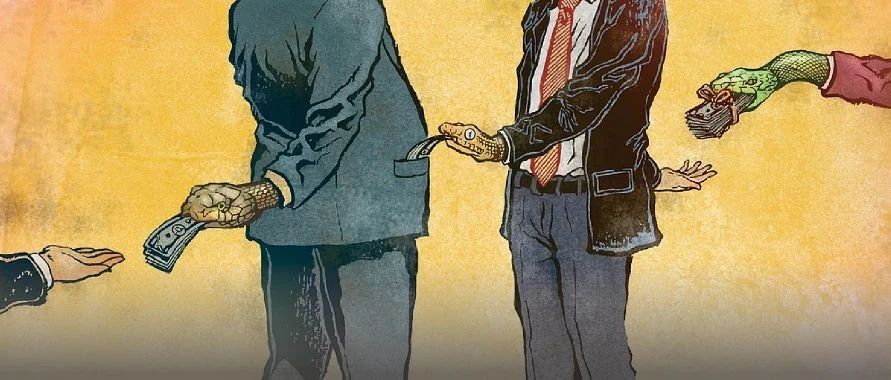
点击按钮▲立即预约 " 涉及公司业务部门的贪污腐败案件占比 81.89% 。 文 / 巴九灵(微信公众号:吴晓波频道) 因为一起腐败案, 8月中旬,DeepSeek的母公司幻方量化站在了风暴中心。 主犯,就是幻方量化的市场总监李橙,他与招商证券多名员工合谋,在 2018 — 2023年期间,通过虚构"经纪人"的身份,套取了1.18亿元佣金。 其中,李橙拿了约2000万,剩下的钱,则由招商证券两位涉嫌违法的员工分掉。 " 图源:微博 海淀区某短视频平台的冯某,负责服务商的入驻审批、奖励政策的制定以及执行,是公司与供应商之间资金往来的关键人物。 他利用职务便利,与熟人供应商密谋,通过泄露内部数据和设计政策漏洞,使虚假申请得以通过,将本应发放给服务商的 1.4亿元奖励金侵吞。 而为了转移赃款,冯某指示下属注册多家空壳公司接收资金,再通过多重账户层层转移。随后,团伙将资金兑换为比特币,并利用 "混币"技术混 淆交易链条,实现洗钱。最后,部分资金最终兑换回人民币,流入核心成员控制的账户,形成跨境资金闭环。 法网恢恢,腐败套路最终被识破,冯某等人都被判刑,团伙交出 90余枚比特币,公司部分损失得以挽回。 幻方量化本职是投 ...

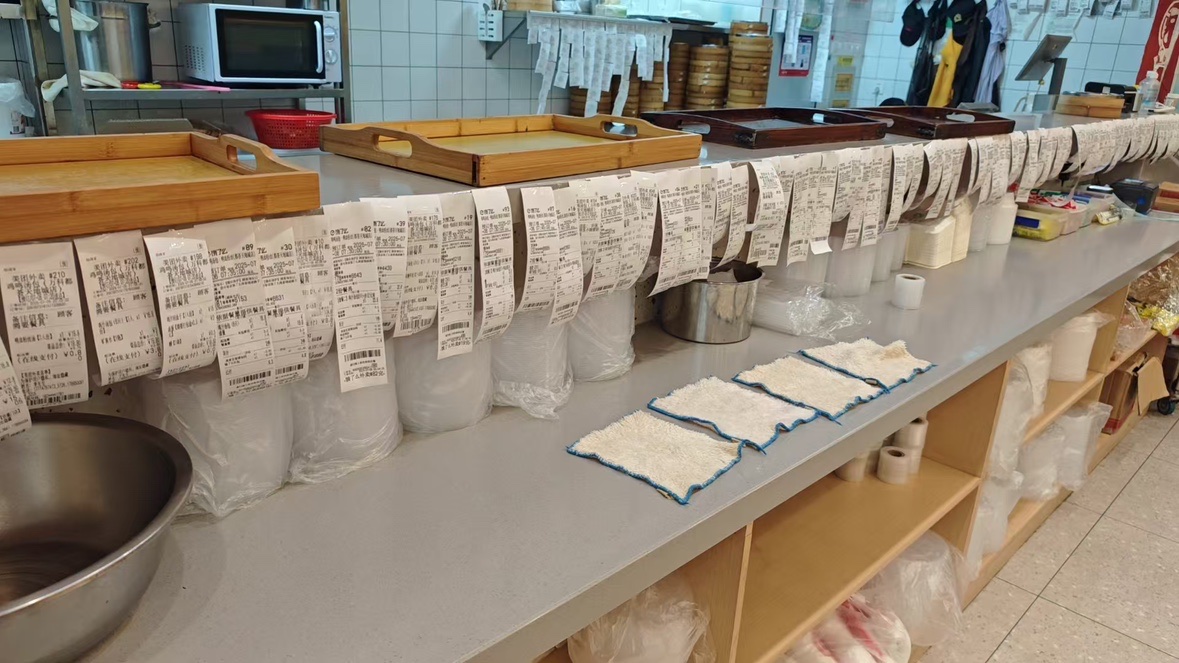
夜经济起势,商家订单多起来,汤包店都能开到凌晨三点
Di Yi Cai Jing· 2025-08-16 10:19
Core Insights - The rise of "night economy" is becoming a significant consumer trend in China, with 60% of consumption occurring at night according to the Ministry of Commerce [2] - The night economy is particularly benefiting the food and beverage industry, as restaurants adapt their operating hours to cater to late-night consumers [3][5] Group 1: Night Economy Growth - The night economy is defined as consumption occurring between 6 PM and 6 AM, with large shopping malls seeing over 50% of their daily sales during the hours of 6 PM to 10 PM [2] - In Shanghai, the total consumption in the night economy reached 880.09 billion yuan in June, marking a 3.3% year-on-year increase [2] - The demand for night tourism is also on the rise, with the China Tourism Research Institute projecting a total expenditure of 1.91 trillion yuan for night tourism in 2024, a 21.7% increase from the previous year [3] Group 2: Restaurant Adaptation - Restaurants are increasingly extending their hours to capture late-night business, with some establishments operating until 3 or 4 AM [3][5] - A specific restaurant in Nanjing reported a 70%-80% increase in overall orders compared to the previous year, with online orders significantly outpacing dine-in orders [3][5] - The average order value during nighttime is higher, with customers often ordering more expensive items, indicating a shift in consumer behavior towards "emotional consumption" during late hours [6] Group 3: Challenges and Opportunities - Operating in the night economy presents challenges for businesses, including increased operational complexity and the need for more refined management practices [8][9] - The market for night economy-related businesses is expanding, with over 1.3 million existing companies in this sector and approximately 90,000 new registrations this year [10] - Young consumers are the primary drivers of night economy growth, with their spending habits characterized by a preference for quality, personalization, and cultural experiences [10]
社保“拒缴无效”,我们更需要关注什么?
Hu Xiu· 2025-08-16 06:34
Core Viewpoint - The Supreme People's Court has issued a new judicial interpretation regarding labor disputes, which invalidates any agreements between employers and employees to waive social insurance contributions, effective from September 1, 2025. This is perceived as a tightening of social insurance regulations in China [1][24]. Group 1: Social Insurance Compliance - In the current job market, it is common for employers and employees to agree to waive social insurance or only contribute at the minimum base. According to the "China Enterprise Social Insurance White Paper 2024," only 28.4% of companies fully comply with social insurance payment standards, indicating that about 70% of companies either do not pay or underpay [2][26]. - The new interpretation aims to ensure that all employees with labor contracts must participate in social insurance, addressing the long-standing issue of informal agreements to avoid contributions [25][27]. Group 2: Impact on Small and Micro Enterprises - Small and micro enterprises are concerned that stricter enforcement of social insurance contributions will significantly increase their labor costs, potentially threatening their survival [6][9]. - The current overall social insurance contribution rate in China is relatively high, with the employer's pension insurance contribution at 16% and the employee's at 8%, totaling 24%, which is considered high on a global scale [10]. Group 3: Balancing Worker Rights and Business Viability - The key issue is not whether to pay social insurance, but how to balance the protection of workers' rights with the support of business development. There is a need to gradually lower social insurance contribution rates to alleviate the financial burden on small and micro enterprises while ensuring worker rights are protected [3][8][9]. - The current system bases contributions on total wages, which may not be suitable in the context of digital and automated production methods. A new funding mechanism that considers factors like company profits or revenues may be necessary [10]. Group 4: Reforming Contribution Bases - There are two proposed reform approaches: lowering the minimum contribution base or adjusting the calculation of the average wage to include all employment types, which would better align contributions with actual earnings [14][15]. - The current minimum contribution base is set at 60% of the social average wage, which is seen as too high for many low-income workers. Adjusting this could reduce the financial burden on these individuals [11][12]. Group 5: Sustainability and Intergenerational Equity - The sustainability of social insurance funds and intergenerational equity are pressing concerns, especially as pension levels continue to rise while young people's wages stagnate. A more reasonable pension growth mechanism is needed, potentially linked to living costs rather than just inflation [16][17]. - The relationship between economic growth and the ability to support an aging population is crucial. If economic growth continues, it may mitigate the challenges posed by an aging population on the pension system [17]. Group 6: International Comparisons and Lessons - Different countries have adopted various social insurance models, including those based on mutual aid and tax-funded systems. The experiences of countries like Singapore, which employs a mandatory savings model, may offer insights, but caution is advised against fully adopting such systems without considering local economic conditions [18][19][20]. - The distinction between social insurance as a fee versus a tax is important, as social insurance contributions are directly linked to benefits received, unlike taxes which fund general public services [31][32].