京东物流

Search documents
京东工业通过港交所聆讯,刘强东或迎第六家上市公司
Mei Ri Jing Ji Xin Wen· 2025-11-23 15:57
【#刘强东有望迎来第6家上市公司#】11月23日,港交所官网显示,京东工业股份有限公司(简称"京东 工业")港交所通过聆讯。 京东工业的持续经营业务总收入由2022年的141亿元增至2023年的173亿元,并进一步增至2024年的204 亿元。2025年上半年营收进一步增至103亿元,同比增长18.9%。 净利润方面,公司2022年净亏损13亿元,但在2023年扭亏为盈,净利润为480万元,2024年增至7.6亿 元。2025年上半年,公司实现净利润4.5亿元,同比增长55.2%。(每经综合,德塔) 被外界看作京东旗下"最隐秘的独角兽"之一,京东工业于2023年3月首次递表港交所,次月向中国证监 会递交IPO备案申请,后招股书(申请版,下同)失效。2024年9月,京东工业港股IPO重启,并于今年 3月更新招股书。 后续如上市成功,京东工业将成为继京东集团、达达集团、京东健康、京东物流以及德邦股份后的第6 个公开上市平台。 ...

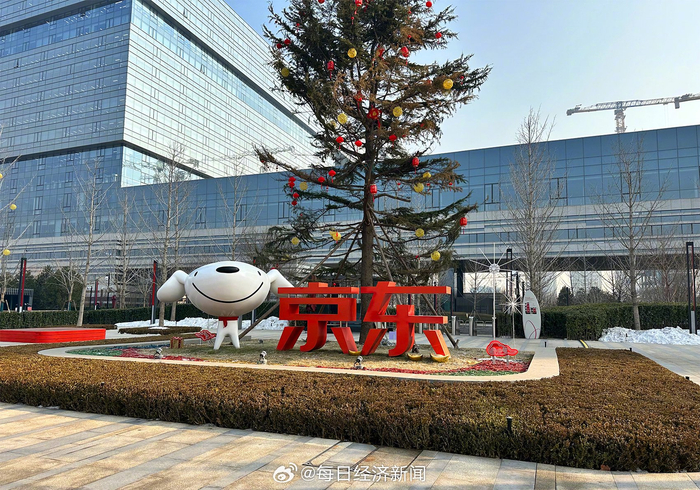
京东工业通过港交所聆讯 刘强东将迎来第六家上市公司




Mei Ri Jing Ji Xin Wen· 2025-11-23 15:36
Group 1 - JD Industrial Co., Ltd. is undergoing a hearing with the Hong Kong Stock Exchange for its potential IPO [2] - If JD Industrial successfully lists, it will become the sixth publicly traded company under Liu Qiangdong's leadership [2]

2025年头部企业累计订单超24亿,订单已破2万台,T链确定性或没国产人形高
机器人大讲堂· 2025-11-22 09:47
Group 1 - Tesla has decided to stop collaborating with Chinese suppliers for parts in its US-manufactured vehicles, raising concerns about the impact on its humanoid robot production and iteration [1] - Despite the concerns, some media outlets mock the idea of a complete supply chain decoupling from China, citing the failure of K-ScaleLabs as evidence of the impracticality of such a strategy [1] - Tesla has reduced its annual production target for the Optimus robot from 5,000 units to 2,000 units, indicating a lack of confidence in the US supply chain [1] Group 2 - In China, the industry has moved past the initial stages of vehicle manufacturing and is now focused on securing large orders, with eight companies announcing orders exceeding 100 million yuan or over 1,000 units [3] - Major companies are planning to achieve sales targets in the thousands by 2025, with some already receiving material orders for the first half of next year [3][4] - The domestic supply chain shows strong certainty in the short term, especially with leading companies like Yushun, Zhiyuan, and Leju accelerating their globalization processes and preparing for IPOs [4] Group 3 - The acceleration of humanoid robot orders indicates that products are entering the market and gaining recognition from early adopters [6] - For instance, Zhiyuan Robotics secured a significant order worth 78 million yuan for 200 humanoid robots from China Mobile, to be deployed in various locations [6] - Yubiquitous has received orders exceeding 800 million yuan for its Walker series humanoid robots, with plans to deliver around 500 units this year [8] Group 4 - The price of humanoid robots is expected to decrease significantly, with companies like Yushun and Leju introducing models priced below 50,000 yuan, making them more accessible [15][17] - The emergence of robots priced around 10,000 yuan signals a breakthrough in cost control, potentially leading to wider consumer adoption [19] - Experts predict that the humanoid robot market will see substantial growth, with demand in industrial and commercial sectors expected to reach millions of units by 2030 [22]


京东物流(02618) - 2025年11月21日举行的股东特别大会投票结果
2025-11-21 13:38
JD Logistics, Inc. 京東物流股份有限公司 (於開曼群島註冊成立的有限公司) (股份代號:2618) 2025 年 1 1 月 2 1 日舉行的 股 東特別大會投票結果 茲提述京东物流股份有限公司(「本公司」)日期為2025年11月4日的股東特別大會(「股東 特別大會」)通函(「通函」)及通告(「股東特別大會通告」)。除非另有定義外,本公告所用 詞彙與通函所界定者具有相同含義。 股東特別大會投票表決結果 董事會欣然宣佈,於2025年11月21日舉行的股東特別大會上,股東特別大會通告所載提 呈的決議案(「決議案」)已由股東以投票表決方式獲正式通過。 香港交易及結算所有限公司及香港聯合交易所有限公司對本公告的內容概不負責,對其準確性或完整性亦不發表 任何聲明,並明確表示,概不對因本公告全部或任何部分內容而產生或因倚賴該等內容而引致的任何損失承擔任 何責任。 決議案投票表決結果如下: | | 普通決議案 | 投票數目(概約%) | | | --- | --- | --- | --- | | | | 贊成 | 反對 | | 1 | 批准、追認及確認本公司與JD.com訂立的日期為 | 746,771, ...
25家IPO+830亿融资!2025AI资本盛宴,敲钟者凭何脱颖而出?
Sou Hu Cai Jing· 2025-11-21 11:42
Core Insights - The AI sector is experiencing a significant influx of capital, with 25 AI-related companies listed on the Hong Kong Stock Exchange in less than two years, and 5 successful IPOs in the first half of this year [1] - The primary focus of investment has shifted from AIGC to practical AI applications in sectors like healthcare, logistics, and autonomous driving, which are seen as more viable for monetization [3][5] - Companies with established industry experience that integrate AI into their existing operations are more likely to attract investment, as opposed to pure AI startups lacking industry context [7][9] Investment Trends - The total amount of venture capital for AI companies has reached 83 billion yuan, marking a five-year high, indicating a robust interest in the sector [1] - The trend shows that investors are now prioritizing projects that demonstrate clear monetization potential rather than just innovative concepts [5][19] - Companies like Geek+ and Yunzhisheng have successfully generated significant revenue by focusing on practical applications of AI, such as warehouse robotics and medical AI [5] Market Dynamics - The current landscape features a mix of traditional companies that have adopted AI technologies, rather than solely AI-native firms, which enhances their market credibility [7][9] - The AI market is evolving from a focus on concepts to a focus on practical implementation, with IDC predicting the AI solutions market in China could reach a trillion yuan [17] - Successful AI companies are those that can identify specific use cases and develop their core platforms, allowing them to create technical barriers and reduce delivery costs [17][19] Implementation Challenges - The integration of AI into business processes is complex, requiring significant data management and a shift from manual to algorithmic decision-making [13][15] - Companies are advised to start with specific scenarios to build expertise and gradually expand their applications, as seen with firms like Yunzhisheng and Haizhi Technology [15][19] - The highest level of AI application, which involves redefining industry rules, remains challenging and is currently achievable by only a few companies due to the required resources and validation processes [15]

交银国际每日晨报-20251121
BOCOM International· 2025-11-21 02:29
Group 1: Xiaomi Group (1810 HK) - The automotive business achieved profitability for the first time in Q3 2025, generating an operating profit of 700 million yuan [1] - Smartphone gross margin declined by 0.4 percentage points to 11.1% in Q3 2025 due to rising storage prices, which exceeded previous market expectations [1][2] - The target price for Xiaomi has been adjusted down to HKD 50, corresponding to a 26 times P/E ratio for 2026, while maintaining a "Buy" rating [2] Group 2: Gaotu (GOTU US) - The company is expected to see a revenue growth of 35% in 2025 and 20% in 2026, despite a projected adjusted operating loss of approximately 510 million yuan for 2025 [3] - The long-term development trend for K12 education services remains positive, supported by the company's online education advantages and demographic changes [3] - The target price for Gaotu is set at USD 5.20, reflecting a 15 times P/E ratio for 2026, with a "Buy" rating maintained [3]

2025年智慧物流的目标、主要内容和场景研究报告
Sou Hu Cai Jing· 2025-11-19 01:13
Core Insights - Smart logistics is a key path to address traditional logistics challenges such as low efficiency, high costs, poor experience, and high energy consumption, leveraging technologies like IoT, big data, cloud computing, blockchain, and AI to create an automated and intelligent logistics system [1][11][12] Summary by Sections Goals of Smart Logistics - The core objectives focus on five dimensions: improving logistics efficiency, reducing overall logistics costs, optimizing customer service experience, achieving green sustainable development, and ensuring supply chain security [24][25][26][28][29] Main Content of Smart Logistics - The system architecture includes three main components: physical infrastructure (smart logistics hubs, smart channels, and intelligent terminal devices), intelligent transport tools (autonomous trucks and delivery vehicles), and operational platforms (digital management systems) [31][32][34] Key Technologies and Applications - Key technologies driving smart logistics include IoT, big data, AI, blockchain, and digital twins, with large models becoming a new engine for efficiency breakthroughs in areas like intelligent customer service and supply chain forecasting [45][46][49] Application Scenarios - Smart logistics has penetrated various scenarios such as multimodal transport, e-commerce instant logistics, industrial supply chains, and last-mile delivery, with companies like JD Logistics and Amazon demonstrating differentiated development paths [2][6] Development Trends - Future trends in smart logistics include deeper technology integration, green low-carbon operations, and service customization, requiring policy support, innovation focus, and enhanced safety and ecological collaboration [9][10]

京东物流前CEO五年后重返,王振辉为何“二进宫”?
Sou Hu Cai Jing· 2025-11-18 14:37
Core Viewpoint - The return of Wang Zhenhui as CEO of JD Logistics raises questions about the company's strategic direction, particularly in light of its international expansion efforts and the challenges faced in various business segments [2][3][4]. Group 1: Leadership Changes - Wang Zhenhui has been appointed as the new CEO of JD Logistics, succeeding Hu Wei, who has resigned from the position [3][4]. - Wang Zhenhui previously left JD Logistics just before its IPO in December 2020, which was a significant event for the company [7][9]. - His return is seen as a strategic move by Liu Qiangdong, indicating a shift back to experienced leadership during a critical time for the company [4][6]. Group 2: Strategic Focus - JD Logistics is expected to prioritize overseas logistics development, particularly in Europe, as part of its international strategy [3][20]. - The company has recently launched a new express delivery brand, JoyExpress, in the Middle East, marking a shift from warehousing to comprehensive logistics services [3][20]. - Liu Qiangdong has emphasized that JD's international business will focus on local infrastructure and operations rather than a cross-border e-commerce model [20][21]. Group 3: Financial Performance - JD Logistics has shown significant revenue growth, increasing from 73.4 billion RMB in 2020 to 182.8 billion RMB in 2024, although the growth rate has slowed from 42.68% in 2021 to 9.73% in 2024 [25][26]. - The company has transitioned from losses to profitability, achieving a net profit of 7.1 billion RMB in 2024 [25][26]. - Revenue sources are diversified, with contributions from JD Retail, third-party merchants, and other clients, indicating a shift towards a more integrated logistics platform [33][40]. Group 4: Competitive Landscape - JD Logistics faces stiff competition from other logistics providers like SF Express and Cainiao, which have adopted different business models and achieved substantial revenue growth [42][44]. - Despite JD Logistics' profitability, its market valuation remains lower compared to competitors, suggesting potential challenges in investor perception and market positioning [44][46].
AI是泡沫?50家企业实战证明:真正的机会藏在“落地体系”里
3 6 Ke· 2025-11-18 12:31
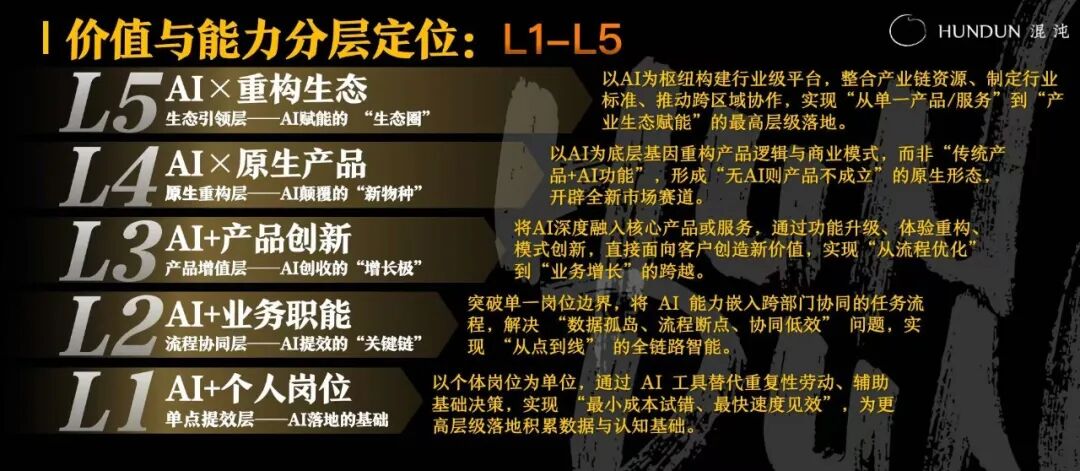
Core Insights - The article discusses the cyclical nature of AI investment, highlighting a pattern where enthusiasm peaks at the beginning of the year but wanes by year-end due to a lack of tangible returns [1][3] - It emphasizes that AI is not merely a short-term bubble or a tool exclusive to large companies, but rather a technology that requires a strategic approach to integrate with business operations for effective implementation [3][4] Group 1: AI Investment Trends - Many companies experience a cycle of initial excitement followed by project stagnation due to unmet expectations and a disconnect between technology and business needs [1][2] - A significant number of enterprises abandon AI initiatives midway, with only about 300 out of thousands achieving real results [2] Group 2: Identifying Opportunities and Pitfalls - Companies that successfully leverage AI focus on the "middle ground" of integrating AI with their specific business needs, avoiding the extremes of macro-level concepts and micro-level techniques [3][4] - Common pitfalls include investing in flashy AI projects without addressing real business problems, leading to low usage rates and increased customer complaints [5][6] Group 3: Effective AI Implementation Strategies - Successful AI applications often target high-frequency, repetitive tasks, yielding quick returns on investment and building confidence in AI's value [7][12] - Companies that integrate AI into their core products or services can create new revenue streams and enhance operational efficiency [15][16] Group 4: The Five-Level Implementation Framework - The article introduces a "L1-L5" framework for AI implementation, which helps businesses systematically approach AI integration based on their specific industry needs [9][11] - Levels L1 and L2 focus on validating AI's value with minimal investment and optimizing core processes, while levels L3 to L5 emphasize transforming AI into a revenue-generating engine and building industry-wide ecosystems [14][18] Group 5: Recommendations for Different Business Sizes - Small and medium-sized enterprises are advised to start with low-cost, high-impact AI applications to achieve quick wins [21] - Mature companies should focus on breaking down data silos and embedding AI into their core operations to gain a competitive edge [22] - Leading firms are encouraged to develop AI-native products and build ecosystems to capitalize on long-term market opportunities [23]
AI是泡沫?50家企业实战证明:真正的机会藏在“落地体系”里
混沌学园· 2025-11-18 11:58
Core Insights - The article discusses the cyclical nature of AI investment, highlighting the trend of initial enthusiasm followed by disillusionment as projects fail to deliver returns [2][3] - It emphasizes the importance of a "mid-level landing" approach, where businesses must align AI technology with their specific operational needs to achieve profitability [7][16] Group 1: AI Investment Trends - Many companies experience a cycle of "initial hype and year-end cooling," leading to project abandonment due to lack of visible returns [2] - The AI landscape is characterized by a divide between grand narratives of large models and practical applications that fail to connect with business needs [2][3] - A significant number of enterprises abandon AI initiatives due to various challenges, with only a small fraction achieving tangible results [3] Group 2: Successful AI Implementation - Companies that successfully monetize AI have identified the "AI + business" mid-level integration path, focusing on practical applications rather than abstract concepts [4][7] - The "Chaos AI Commercial Landing Application White Paper" aims to bridge the gap between macro concepts and micro techniques, providing actionable insights for businesses [4][16] - Successful AI applications are characterized by their ability to enhance operational efficiency and generate revenue, rather than merely serving as technological novelties [10][21] Group 3: Common Pitfalls - Companies often fall into the trap of "showy investments" that do not address real business needs, leading to low usage rates and increased customer complaints [8] - There is a tendency for businesses to become overly focused on minor technical details, neglecting the core business objectives that drive profitability [9] Group 4: Identifying Real Opportunities - The article outlines a framework for identifying genuine opportunities in AI by focusing on mid-level integration that aligns technology with specific business scenarios [10][21] - Successful case studies demonstrate that AI can significantly improve efficiency in repetitive tasks, leading to quick returns on investment [10][19] Group 5: L1-L5 Implementation Framework - The L1-L5 framework provides a structured approach for businesses to implement AI, starting from low-cost, high-impact initiatives to more complex, ecosystem-level integrations [15][18] - Each level of the framework is tailored to different business needs, ensuring that companies can find suitable entry points for AI adoption [16][24] Group 6: Practical Recommendations - Small and medium-sized enterprises are encouraged to start with L1 initiatives, focusing on easily implementable tasks that yield quick results [28] - Mature companies should aim for L2-L3 breakthroughs by optimizing cross-departmental processes and embedding AI into core products [29] - Leading enterprises are advised to pursue L4-L5 strategies, developing AI-native products and building ecosystems to capture long-term value [31]