Momenta

Search documents
VLA:有人喊“最强解法”,有人说“跑不动”
3 6 Ke· 2025-09-11 08:17
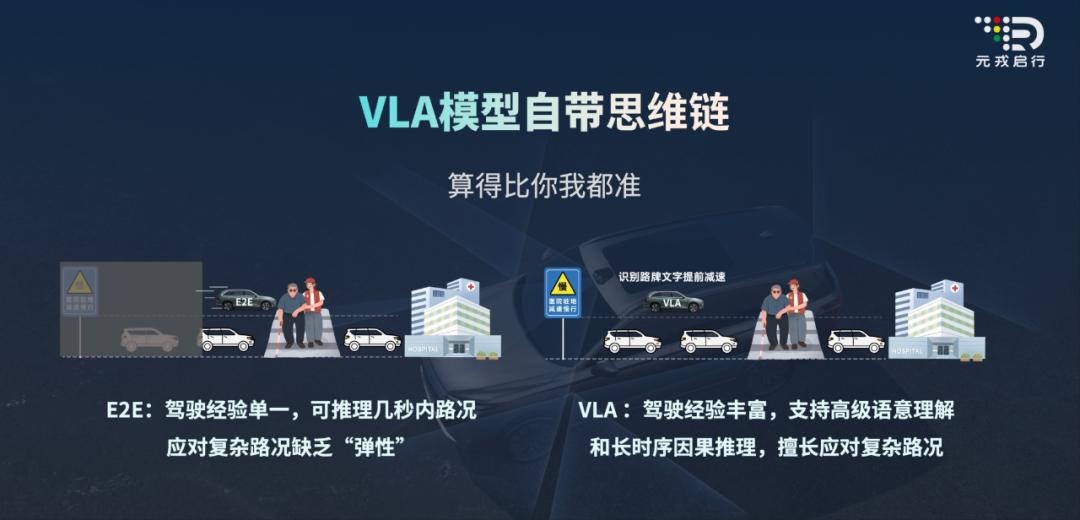
Core Viewpoint - The intelligent driving industry is at a critical juncture with the emergence of VLA (Vision-Language-Action) technology, leading to a division among key players regarding its potential and implementation [1][2][3]. Group 1: VLA Technology and Its Implications - VLA is seen as a potential solution to the limitations of end-to-end systems in intelligent driving, which can only address about 90% of the challenges [6][10]. - The introduction of language as a bridge in the VLA model aims to enhance the system's understanding and decision-making capabilities, allowing for more complex and nuanced driving actions [12][14][18]. - VLA is believed to improve three key areas: understanding dynamic traffic signals, enabling natural voice interactions, and enhancing risk prediction capabilities [19][20][21]. Group 2: Challenges and Criticisms of VLA - Despite the potential advantages, VLA faces significant challenges, including the need for substantial financial investment and the technical difficulties of aligning multimodal data [31][32]. - Critics argue that VLA may not be necessary for achieving higher levels of autonomous driving, with some suggesting it is more of a supplementary enhancement rather than a fundamental solution [35][36]. - The current limitations of existing intelligent driving chips hinder the effective deployment of VLA models, raising concerns about their practical application in real-world scenarios [31][32]. Group 3: Industry Perspectives and Strategies - Companies like Li Auto, Yuanrong, and Xiaopeng are betting on VLA, emphasizing high investment and computational intensity to pursue its development [41][42]. - In contrast, players like Huawei and Horizon are focusing on structural solutions and world models, arguing that these approaches may offer more reliable paths to achieving advanced autonomous driving [43][46]. - The ongoing debate over VLA reflects broader strategic choices within the industry, with companies prioritizing different technological pathways based on their resources and market positioning [47].


2025年,盘一盘中国智驾的自动驾驶一号位都有谁?
自动驾驶之心· 2025-09-10 23:33
Core Viewpoint - The automatic driving industry is undergoing a significant technological shift towards "end-to-end" solutions, driven by Tesla's leadership and advancements in large model technologies. This shift is prompting domestic automakers to increase investments and adjust their structures, making "end-to-end" a mainstream production solution by 2024 [1]. Group 1: Key Figures in Automatic Driving - The article highlights key figures in China's automatic driving sector, focusing on those who directly influence technology routes and team growth [1]. - Notable leaders include: - **Lang Xianpeng** from Li Auto, who has led advancements in assisted driving technology, including the launch of full-scene NOA and the no-map NOA feature [5]. - **Ye Hangjun** from Xiaomi, who has been pivotal in the development of Xiaomi's end-to-end driving system and has overseen multiple cutting-edge projects [7][9]. - **Ren Shaoqing** from NIO, who has significantly contributed to the development of urban NOA and emphasizes the importance of data in smart driving [11]. - **Li Liyun** from XPeng, who has taken over leadership in smart driving and focuses on a pure vision solution [14][15]. - **Yang Dongsheng** from BYD, who has led the development of the DM-i hybrid system and is pushing for the integration of advanced driving systems across all BYD models [17][20]. - **Su Jing** from Horizon Robotics, who is leading the development of end-to-end HSD solutions [21][22]. - **Cao Xudong** from Momenta, who has developed a data-driven strategy for autonomous driving and is focusing on end-to-end large models [25][26]. Group 2: Technological Trends and Innovations - The article discusses the technological evolution in the automatic driving sector, emphasizing the transition to end-to-end architectures and the emergence of large models, world models, and VLM solutions [1][53]. - Companies are adopting various strategies: - Li Auto is focusing on E2E and VLA systems [5]. - Xiaomi is heavily investing in end-to-end technology with significant output [9]. - NIO is pursuing a world behavior model approach [11]. - XPeng is committed to a pure vision strategy [15]. - BYD is integrating advanced driving systems across its entire lineup [20]. - Momenta is leveraging a dual strategy of L2 and L4 development to enhance its market position [26]. Group 3: Future Outlook - The article concludes that the leaders in the automatic driving industry are crucial in shaping the future of smart driving in China, with a shared goal of creating systems that are safe, reliable, and tailored to local conditions [51][53]. - The ongoing competition and collaboration among these leaders will drive the industry towards more intelligent and user-friendly solutions [51].
中国电车,集体跑德国“撒野”去了
3 6 Ke· 2025-09-10 10:42
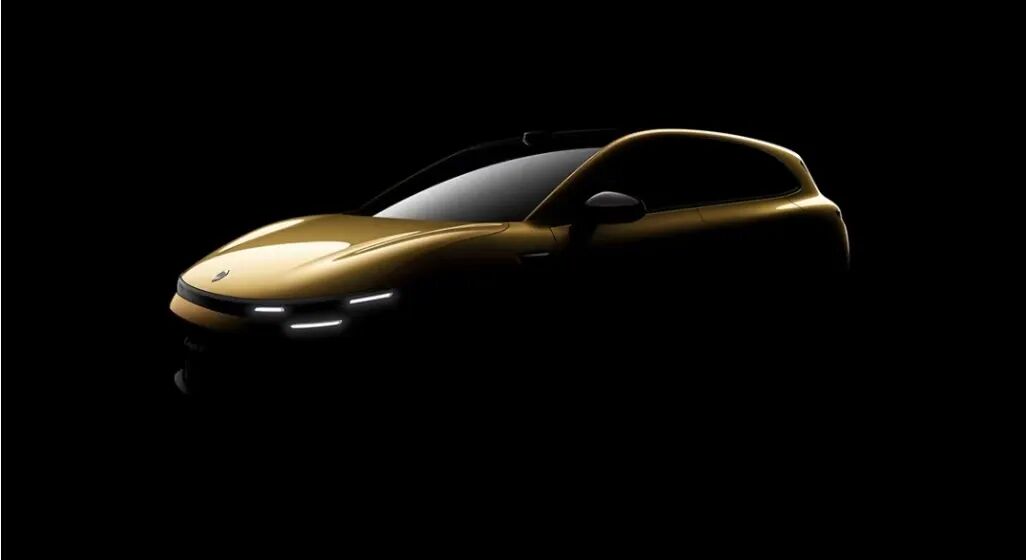
Group 1 - The Munich Auto Show has seen a record participation from Chinese companies, with 116 exhibitors, making China the second-largest exhibiting country after Germany [1] - Among the 29 automotive manufacturers at the show, 14 are from China, while only 10 are from Europe [1] - Chinese automakers are increasingly showcasing their products and strategies in Europe, with companies like Xpeng and Leapmotor making significant debuts [5][6] Group 2 - Leapmotor's new model Lafa 5 made its global debut at the show, and the company has established over 1,700 sales and service points across more than 30 countries [6] - Xpeng highlighted its AI technology and showcased multiple models, including the new P7 and G6, while announcing plans for a new R&D center in Munich [10][8] - BYD is focusing on substantial overseas expansion, planning to open over 1,000 stores in Europe by the end of the year and launching new hybrid models [10][12] Group 3 - European automakers like BMW, Mercedes-Benz, and Volkswagen are also unveiling new electric models, but they express skepticism about the EU's 2035 target for 100% electric vehicle sales [5][21] - BMW and Mercedes-Benz have introduced new electric models, such as the iX3 and GLC EV, showcasing their commitment to electrification while simultaneously voicing concerns about the future of internal combustion engines [17][19] - The European giants are caught in a dilemma, trying to balance their electric ambitions with the reality of their existing combustion engine business [21][22]
中国智驾公司开启规模化落地 Momenta与Uber 2026年启动Robotaxi服务
Zhong Guo Jing Ying Bao· 2025-09-10 08:27
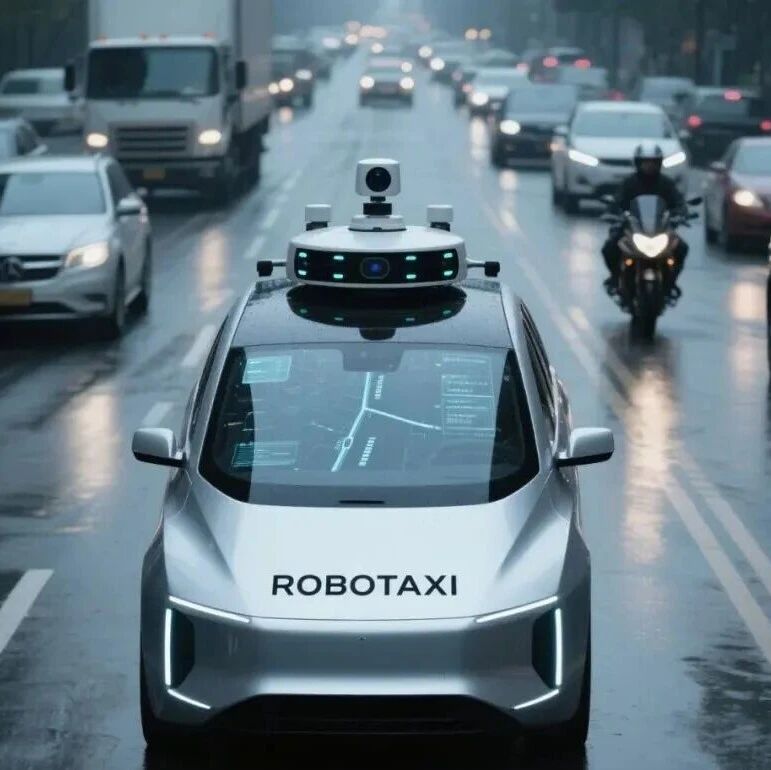
Core Insights - Uber and Momenta have announced Munich as the launch city for their joint Robotaxi project, expected to start operations in 2026, highlighting strategic considerations for entering the European market [1][2] - Momenta's approach to Robotaxi services emphasizes a "flywheel" strategy that integrates L2 and L4 autonomous driving technologies, aiming for efficient collaboration and rapid iteration [2][3] - The cost of smart driving technology is decreasing, with L2 level assistance in China surpassing a 50% adoption rate, indicating a shift from luxury to standard features in vehicles [5][6] Group 1: Strategic Considerations - The choice of Munich for the Robotaxi project is influenced by Europe's stringent regulations and data compliance requirements, which could facilitate easier expansion into other global markets [1] - Momenta's partnerships with major automotive manufacturers, including Mercedes-Benz and BMW, position the company favorably for growth in the European market [3] Group 2: Technological Advancements - Momenta's Robotaxi service will utilize mass-produced vehicles, allowing for a unified software algorithm and sensor solution, which is expected to accelerate the commercialization of Robotaxi services [2] - The rapid deployment of Momenta's smart driving systems has seen over 400,000 vehicles equipped, with significant acceleration in the adoption rate over time [3] Group 3: Market Trends - The trend of smart driving technology transitioning from a luxury feature to a standard offering is evident, with expectations that even lower-priced vehicles will soon include advanced driving assistance features [5] - The cost of components necessary for smart driving, such as sensors, is rapidly decreasing, which is crucial for achieving economies of scale in the industry [6]
中国Robotaxi车队明年底前增长10倍!汇丰:未来已来
美股IPO· 2025-09-10 08:04
Core Viewpoint - HSBC predicts that the Chinese Robotaxi industry will experience an expansion wave from the second half of 2025 to 2026, driven by technological maturity, enhanced policy support, and improved fleet operational returns, with Robotaxi services expected to be 10% to 20% cheaper than traditional taxis and ride-hailing services [1][2]. Technological and Operational Developments - The Robotaxi fleet size in China is expected to grow tenfold during the anticipated expansion period, with successful operations already observed in limited areas of major cities like Shenzhen, Guangzhou, Beijing, and Shanghai [2]. - The average cost of a single Robotaxi has decreased to approximately 300,000 RMB (40,000 USD) due to falling sensor costs, while vehicles are equipped with enhanced processing capabilities, superior AI algorithms, and larger datasets [2]. Regulatory Environment - The regulatory landscape is becoming more favorable, with expectations that authorities will issue more licenses and open additional service areas, such as expanding Robotaxi services across Guangzhou [3]. - Operators can obtain licenses by demonstrating good safety records and collaborating with local fleet partners, which will support the growth of Robotaxi services and increase public acceptance [8]. Market Dynamics - The relationship between traditional ride-hailing companies and Robotaxi operators is evolving, with ride-hailing companies increasingly interested in collaborating with Robotaxi firms to build fleets [4]. - The shift towards Robotaxi services is driven by three main factors: the potential for higher profit margins by reducing driver costs, strict regulatory oversight favoring established platforms, and strong fleet order momentum [5][7]. Commercialization and Adoption - The commercialization of autonomous taxi services is at a critical juncture, with expectations for significant breakthroughs in adoption rates by 2025-2026 due to technological readiness, regulatory support, and increased public acceptance [6][8]. - Data from 如祺出行 indicates that over half of first-time users are likely to use Robotaxi services again, highlighting the potential for repeat usage [8]. Global Partnerships and Expansion - Global mobility platforms are actively investing in the Robotaxi sector, with Uber forming strategic partnerships with Chinese Robotaxi companies like 小马智行 and 文远知行, as well as with autonomous driving technology firms like Momenta [9]. - These collaborations signify a recognition of China's leading position in Robotaxi technology and an acceleration of international deployment efforts, aiming to replicate domestic success on a global scale [9].
慕尼黑车展 2025 前瞻:中国队组团出海,BBA 走向「新」时代
3 6 Ke· 2025-09-07 23:30
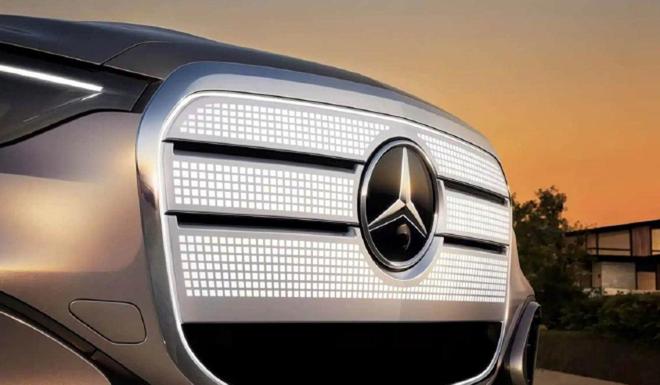
Group 1 - The Munich International Motor Show is set to showcase new electric vehicles from both European and Chinese automakers, with companies like BMW and Mercedes-Benz already revealing models ahead of the event [1][10][13] - Chinese automakers such as Leap Motor, Xpeng, and Changan are preparing to make a strong entrance into the European market, capitalizing on the declining sales of Tesla in the region [2][4] - Leap Motor's new model, Lafa 5, will debut at the show, with the company aiming for overseas sales of 50,000 to 80,000 units this year, highlighting Europe as a key market [4] Group 2 - Xpeng is expected to showcase its new P7 model, which has already gained traction in several European countries, indicating strong interest in Chinese electric vehicles [6] - Horizon Robotics and Momenta will also present their technologies at the show, emphasizing the growing presence of Chinese suppliers in the European automotive market [6] - Audi is generating buzz with its new TT concept car, which features a futuristic design that blends elements from its previous models [7][8] Group 3 - BMW's iX3 and i3 models, based on the Neue Klasse platform, are anticipated to be significant highlights at the show, representing a strategic shift for the company [10] - Mercedes-Benz's GLC EV features an impressive 39.1-inch "Hyperscreen" display, showcasing the brand's commitment to innovation in electric vehicles [13] - Volkswagen will unveil the ID.Polo, a revival of the classic model in electric form, which will also include a GTI version, marking a significant step in the brand's transition to electric vehicles [15][16]
2025慕尼黑车展前瞻:德系主场坐镇下,中国汽车新能源与智能化之战
Tai Mei Ti A P P· 2025-09-06 13:13
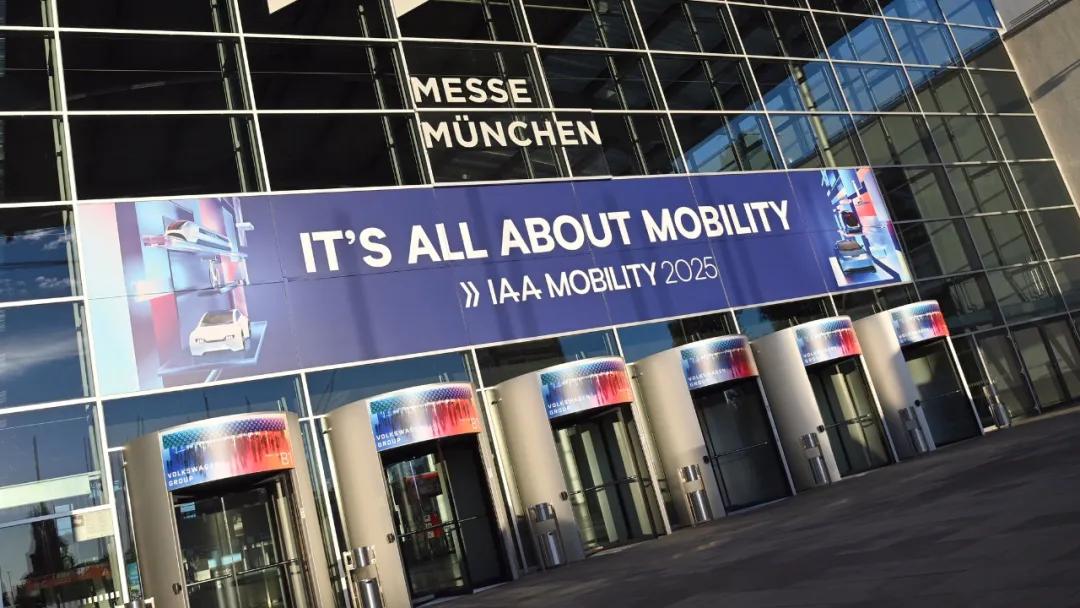
Core Theme - The 2025 Munich Motor Show (IAA MOBILITY 2025) will take place from September 9 to 14 in Munich, Germany, focusing on mobility, sustainability, and technological innovation under the theme "IT'S ALL ABOUT MOBILITY" [1] Group 1: Key Highlights of the Show - Over 750 global exhibitors will showcase solutions ranging from electric vehicles to hydrogen fuel cell technology and smart driving [1] - Mercedes-Benz will debut the all-new GLC EV, featuring a closed grille design and an extended wheelbase for improved passenger space [2][4] - BMW will unveil the new iX3, marking a significant milestone in its electrification strategy, with an increased wheelbase and multiple battery options [5][7] - Audi will present a new electric concept car, "TT Moment 2.0," which will influence the design of the next generation of electric Audi TT [8][10] - Volkswagen will showcase the new T-ROC model, featuring a family design and advanced parking assistance systems [11][13] - Porsche will introduce the all-electric Cayenne, targeting a WLTP range of 700 kilometers [14][16] - Skoda will reveal the Vision O concept car, emphasizing sustainable materials and a new design language [17][20] Group 2: Chinese Automotive Presence - Nearly 100 Chinese companies will participate, covering vehicle manufacturing, battery systems, and smart hardware, showcasing a strategic presence in the global automotive transformation [20][21] - BYD will debut the Seal 06 DM-i travel version, tailored for the European market with a starting price of approximately €250,000 [21][23] - Leap Motor will launch the Lafa5, targeting the European compact car market with competitive pricing [24][26] - XPeng will showcase the new P7 and other models, emphasizing local market adaptations and advanced technology [27][29] - Hongqi will present the EHS-5 electric SUV, marking a significant step in its European strategy [31][33] Group 3: Technological Advancements - The show highlights advancements in electric vehicle technology, particularly the adoption of 800V platforms for faster charging [35][36] - Chinese companies are increasingly recognized for their contributions to the electric vehicle ecosystem, including battery technology and smart driving solutions [35][38] - CATL will showcase new battery technologies with improved energy density and charging speeds, establishing a strong local production presence in Europe [38][39] - The collaboration between Chinese firms in the automotive supply chain demonstrates a shift towards a comprehensive value system, enhancing resilience against trade and technology barriers [39]



宝马齐普策:德国工程能力结合中国供应链和全球品牌,将形成全新的组合
Di Yi Cai Jing· 2025-09-06 13:04
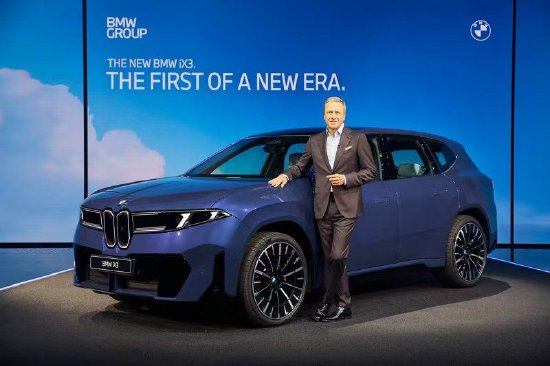
Group 1 - The core message of the news is that BMW is entering a new phase of redefining its brand with the launch of the new generation model iX3, which emphasizes local adaptation and innovation in the Chinese market [1][2] - The new generation BMW iX3 will be launched globally in November and will feature a longer wheelbase version specifically for the Chinese market, integrating advanced solutions from local tech companies [1][2] - BMW's global manufacturing strategy includes production in China, Europe, and Mexico, ensuring scalability and local adaptation to meet regional demands [2] Group 2 - BMW's system integration capability is highlighted as a unique advantage, allowing for a comprehensive driving experience without merely stacking features [2] - The company has a strong commitment to the Chinese market, having operated there for over 30 years, with significant production and innovation bases established [2][3] - In the first half of the year, BMW delivered 318,900 electric vehicles globally, marking an 18.5% year-on-year increase, showcasing its strong performance in the transition to electrification [3]
宝马首款新世代车型BMW iX3全球首发,中国专属版将于年内正式亮相
Xin Lang Ke Ji· 2025-09-06 04:22
Core Viewpoint - BMW has launched its first new generation model, the BMW iX3, designed specifically for the Chinese market, with plans for mass production by 2026 [1] Group 1: Product Features - The new generation BMW iX3 pays homage to the classic 1960s BMW 1500 model, featuring iconic design elements such as the double kidney grille and angel eyes headlights [1] - The vehicle incorporates advanced technology with a fully upgraded sixth-generation electric drive system, achieving over 400 kilometers of range with just 10 minutes of charging and a CLTC range exceeding 900 kilometers [2] - The iX3 features a new electronic architecture with four "super brains" that manage entertainment, driving assistance, dynamic control, and comfort functions, enhancing the overall user experience [3] Group 2: Customization for Chinese Market - The iX3 China-exclusive version is tailored to local consumer needs, with customizations in smart cockpit design, driving pleasure, and comfort features [4] - Collaborations with Alibaba and Momenta have led to the development of a customized language model and driving assistance solutions adapted to Chinese road conditions [4] - The vehicle's production will involve partnerships with Chinese battery suppliers, with trial production of large cylindrical battery packs set to begin by the end of 2024 in Shenyang [4]
自动驾驶秋招大批量开始了(蔚小理/博世/地平线等)
自动驾驶之心· 2025-09-05 16:03
Group 1 - The autumn recruitment for the autonomous driving industry has begun, with companies like Weilai, Xiaopeng, Bosch, Horizon, and Momenta announcing recruitment events [1] - An autonomous driving autumn recruitment mutual assistance group has been established for individuals to join and exchange information [1]