
光大环境

Search documents
光大环境盘中涨超4% 公司持续推进A+H上市 有利后续出海战略
Zhi Tong Cai Jing· 2026-01-29 07:47
Core Viewpoint - Everbright Environment (00257) has seen a stock price increase of over 4% during trading, currently up 3.53% at HKD 4.99, with a trading volume of HKD 115 million [1] Group 1: Company Developments - Everbright Environment announced plans to issue up to 800 million RMB shares on the Shenzhen Stock Exchange last November [1] - On December 26, the China Securities Regulatory Commission confirmed that Everbright Environment has completed the filing for guidance registration with the Shenzhen Securities Regulatory Bureau, initiating the listing guidance process [1] Group 2: Market Analysis - According to a report by Guangyin International, a successful A+H listing for Everbright Environment would enhance the company's long-term value and provide access to financing channels in the A-share market [1] - Tianfeng Securities believes that this issuance will provide sufficient funding reserves for the company's future overseas expansion, maintaining a positive outlook on the Chinese waste incineration industry's international ventures [1]
港股异动 | 光大环境(00257)盘中涨超4% 公司持续推进A+H上市 有利后续出海战略
智通财经网· 2026-01-29 07:46
Core Viewpoint - Everbright Environment (00257) has seen a stock price increase of over 4% during trading, currently up 3.53% at HKD 4.99, with a trading volume of HKD 115 million [1] Group 1: Company Developments - Everbright Environment announced plans to issue up to 800 million RMB shares on the Shenzhen Stock Exchange last November [1] - On December 26, the China Securities Regulatory Commission confirmed that Everbright Environment completed the filing for guidance registration with the Shenzhen Securities Regulatory Bureau, initiating the listing guidance process [1] Group 2: Market Analysis - According to a report by Everbright International, a successful A+H listing could enhance the company's long-term value and provide access to financing channels in the A-share market [1] - Tianfeng Securities believes that this issuance will provide sufficient capital reserves for the company's future overseas expansion, maintaining a positive outlook on the Chinese waste incineration industry's international ventures [1]
碳价与绿证市场预期升温
HTSC· 2026-01-29 02:30
Investment Rating - The industry investment rating is "Overweight" for both Utilities and Environmental sectors [8]. Core Insights - The carbon pricing market is undergoing a value reconstruction driven by both policy and market forces, with carbon prices expected to stabilize at 150-200 RMB/ton by 2030 [3][7]. - The green certificate market is currently underperforming, with prices at only 8% of the carbon price, indicating significant potential for value release [5][7]. - The upward pressure on electricity prices is anticipated from both carbon costs and green certificate revenues, with wholesale electricity prices projected to increase by 10% to 385 RMB/MWh [6]. Summary by Sections Carbon Price Trends - Carbon prices peaked at 98 RMB/ton by the end of 2024 but fell to a low of 38 RMB/ton in 2025 due to declining energy prices and increased renewable energy capacity [4]. - As of January 2026, carbon prices have stabilized at an average of 73 RMB/ton, supported by compliance demand from the power sector and the expansion of carbon markets in heavy industries [4]. Green Certificate Market - The average price of green certificates was 4.2 RMB per certificate in 2025 and increased to 5.5 RMB in 2026, still significantly lower than carbon prices [5]. - The low price of green certificates is attributed to the incomplete integration with the carbon market and insufficient market demand for green electricity [5]. Electricity Price Dynamics - Current carbon and green certificate prices are expected to push wholesale electricity prices from 350 RMB/MWh to 385 RMB/MWh, with further increases anticipated if carbon prices rise to 150-200 RMB/ton [6]. - If green certificate prices align with carbon prices, wholesale electricity prices could increase by 24-31% [6]. Future Outlook - The carbon market is expected to transition from "soft constraints" to "hard constraints" by 2027, with a gradual tightening of quotas and an increase in the proportion of paid allowances [7]. - Policies are being established to link the environmental value of green certificates with carbon reduction values, which may enhance the economic viability of green electricity [7].


港股IPO发行活跃 生态优化提升国际竞争力
Zhong Guo Zheng Quan Bao· 2026-01-27 20:57
Core Viewpoint - The Hong Kong IPO market is experiencing a robust recovery in 2026, with a significant increase in both supply and demand, driven by enthusiasm from leading A-share companies to list in Hong Kong, including trends like spin-off listings and H-share returning to A-share markets [1][2]. Group 1: IPO Market Trends - As of January 27, 2026, 12 companies have listed on the Hong Kong Stock Exchange, with over 300 companies having submitted listing applications, marking a substantial increase compared to previous years [1]. - The number of active IPO applications from A-share companies has increased nearly fourfold in 2025 compared to 2024, with over 110 applicants from the A-share market [1][2]. - The quality and scale of A-share companies applying for Hong Kong listings have improved, with most companies having a market capitalization exceeding 10 billion yuan, such as 汇川技术 (over 200 billion yuan) and 德赛西威 (approximately 77 billion yuan) [2]. Group 2: Industry Distribution - The companies planning to list are primarily leaders in niche sectors, focusing on strategic emerging industries such as new energy, biomedicine, and advanced manufacturing [2]. - Notable companies in the new energy sector include 汇川技术, 正泰电器, and 鹏辉能源, while the biomedicine sector features leaders like 信立泰, 海特生物, and 仙乐健康 [2]. Group 3: Market Dynamics - The trend of spin-off listings has gained momentum, with over 10 A-share companies' subsidiaries listing in Hong Kong since 2025, and this trend is accelerating in 2026 [3]. - A dual listing trend is emerging, with several Hong Kong-listed companies initiating "return to A-share" plans, exploring new paths for "A+H" listings [4]. - The Hong Kong Stock Exchange has expanded its recognition of overseas exchanges, now including 20 foreign exchanges from 18 countries, enhancing the market's diversity [4]. Group 4: Market Outlook - UBS forecasts that the IPO financing scale in Hong Kong could exceed 300 billion HKD in 2026, with the number of new listings expected to reach between 150 and 200 [2]. - The Hong Kong IPO market is entering a positive cycle of supply and demand, with expectations for further growth in both the number and scale of IPOs in 2026 [4].
深圳一座封场20年的巨型垃圾山正在消失
21世纪经济报道· 2026-01-27 05:34
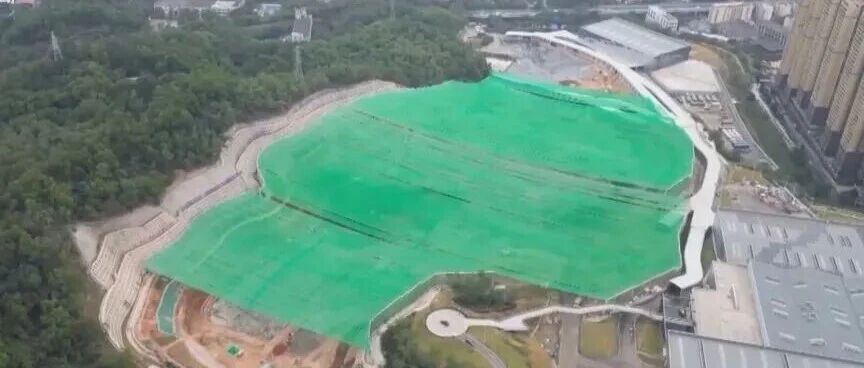
Core Viewpoint - The article discusses the significant advancements in waste management in China, particularly focusing on the large-scale garbage relocation and treatment project at the Yulong landfill in Shenzhen, which is the largest of its kind in the country. The project aims to address historical waste issues through innovative technologies and has implications for the broader waste-to-energy industry in China [1][19]. Group 1: Project Overview - The Yulong landfill, established in 1983 and closed in 2005, contained approximately 2.5 million cubic meters of waste, equivalent to filling 1,000 Olympic-sized swimming pools. The full excavation and relocation project commenced in 2024 and is expected to be completed by September 2026 [1]. - The height of the garbage mound, which reached 110 meters, has been completely leveled, and the site is now covered with large dust-proof fabric. Nearby, a waste sorting workshop with six giant conveyor belts is operational, ensuring that residents do not see or smell the waste [3]. Group 2: Waste Management Technology - Traditional landfill methods have led to significant land use and secondary pollution issues, prompting a shift towards waste incineration as a mainstream waste management solution in urban areas. This shift has alleviated the "garbage siege" problem that plagued many cities in the 1990s [5]. - China has made substantial progress in waste-to-energy technology, transitioning from a follower to a leader in the field. The country has developed a complete industrial chain for waste incineration, including waste collection, equipment manufacturing, and project operation [6][8]. Group 3: Market Dynamics - The market for waste incineration power generation in China is projected to reach approximately 73 billion yuan in 2024, a decrease from nearly 100 billion yuan in 2020 due to the reduction in available waste for incineration [9]. - Major players in the waste management sector include Everbright Environment, which holds over 15% market share, followed by companies like Sanfeng Environment and Huanlan Environment. The industry is characterized by a competitive landscape with a few leading firms [5][15]. Group 4: Regulatory and Operational Framework - The Chinese government has prioritized waste incineration as a key direction for solid waste management since the "11th Five-Year Plan." The strategic importance of waste-to-energy has increased with the introduction of the "dual carbon" goals and the concept of "waste-free cities" [8]. - The most common business model for waste incineration projects is the BOT (Build-Operate-Transfer) model, where companies are granted long-term operating rights to manage waste treatment facilities [16][18]. Group 5: Challenges and Innovations - Some regions are experiencing a "not enough waste to burn" phenomenon, particularly in newly constructed incineration plants in county-level areas, where the actual waste generation is lower than anticipated [15]. - Companies are exploring new waste sources, such as industrial solid waste and sludge, and are investing in technology innovations to enhance operational efficiency and project quality [18].



为每台锅炉建立“数字碳账本” 监管逻辑逐渐精密智控
Mei Ri Shang Bao· 2026-01-26 23:20
商报讯 (通讯员 市闻 记者 汪晓筠)一台台锅炉如同方正的"房子"齐整排列,内部搭载着烟气冷凝器、 TDS电导率检测仪、燃烧器变频器和给水泵变频器等"房间",在浙江力聚热能(603391)装备股份有限 公司,这些"房子"释放着奇妙的能量:该锅炉兼具火管锅炉的耐用性与水管锅炉的灵巧性,较传统卧式 蒸汽锅炉综合节气高达15%、节电50%以上,显著提升节能和减污降碳效果。最近,全球环境基金 (GEF)项目节能技术试点建设宣传推广活动举行,活动以"共探绿色路径、共享转型经验"为主题,展 示高耗能特种设备试点成果。 另一边,由光大环境打造的杭州九峰垃圾焚烧发电项目,设计日处理生活垃圾3000吨,项目采用国内首 创的"SCR+湿法脱酸+烟气脱白"等组合工艺,实现了"厂区无异味、烟囱不冒烟"的绿色运行,荣获中国 建设工程鲁班奖等荣誉。 "十四五"期间,浙江累计淘汰35蒸吨/小时及以下燃煤锅炉1.3万台,减少二氧化碳排放超4000万吨,相 当于为地球种下了约18亿棵树。在全球环境基金"工业供热系统和高耗能特种设备能效促进项目"(以下 简称GEF项目)中,全国20个试点,浙江占6席。 从最早淘汰小容量燃煤锅炉,到如今为每台锅炉 ...
浙江系统性推进高耗能特种设备节能改造
Xin Lang Cai Jing· 2026-01-26 21:05
Group 1 - The Global Environment Facility (GEF) project aims to promote energy efficiency in industrial heating systems and high-energy-consuming special equipment, providing replicable pilot samples for energy efficiency improvement across China [1] - The project has completed the revision of 6 technical specifications and national (industry) standards, conducted 5 energy efficiency research studies, and organized 133 energy efficiency tests in 13 regions [1] - In Zhejiang, the project has implemented 6 pilot projects, including advanced boiler technologies that achieve up to 15% gas savings and over 50% electricity savings compared to traditional steam boilers [1] Group 2 - The average operating thermal efficiency of industrial boilers in China has improved by 4.2 percentage points compared to 2021, resulting in a cumulative reduction of over 300 million tons of carbon dioxide emissions [2] - During the 14th Five-Year Plan period, Zhejiang has eliminated 13,000 coal-fired boilers with a capacity of 35 tons/hour or less, reducing carbon dioxide emissions by over 40 million tons [2] - The regulatory approach in Zhejiang has evolved from a focus solely on safety to a comprehensive framework that includes safety, energy efficiency, and environmental protection [2]
“垃圾不够烧了” 中国垃圾焚烧发电技术全球领跑
2 1 Shi Ji Jing Ji Bao Dao· 2026-01-26 09:37
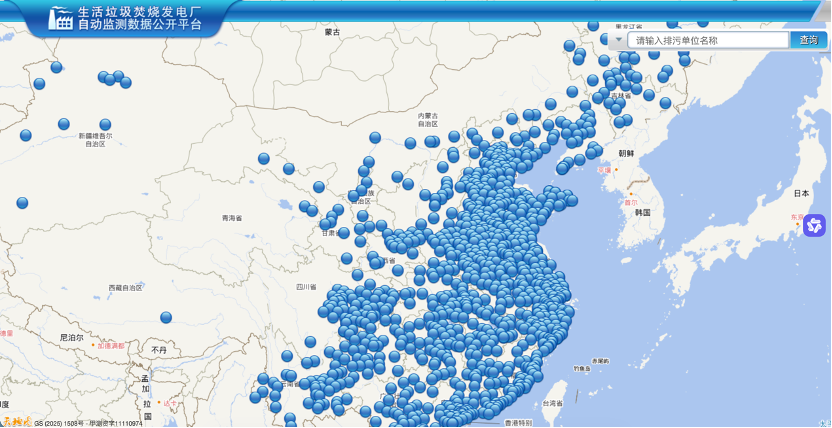
Core Viewpoint - The article discusses the significant advancements in waste management in China, particularly focusing on the transition from traditional landfill methods to waste incineration, highlighting the ongoing large-scale projects aimed at environmental remediation and the technological innovations that have made waste a resource rather than a burden [1][2][4]. Group 1: Waste Management Developments - The Yulong landfill site in Shenzhen is undergoing the largest waste relocation project in China, with an expected completion date of September 2026 [1]. - The total volume of waste at the Yulong landfill was approximately 2.5 million cubic meters, equivalent to filling 1,000 Olympic-sized swimming pools [1]. - In 2024, the national urban household waste collection volume is projected to reach 262 million tons, up from 158 million tons in 2010 [3]. Group 2: Technological Advancements - China has made significant progress in waste incineration technology, transitioning from a follower to a leader in the field, with key advancements in combustion efficiency and pollution control [2][7]. - The market for waste incineration power generation in China is estimated to be around 73 billion yuan in 2024, reflecting a decrease from the nearly 100 billion yuan peak in 2020 due to reduced waste availability [5]. - The dominant technology in waste incineration is the mechanical grate furnace, which holds over 80% market share due to its stability and adaptability to China's waste characteristics [7]. Group 3: Industry Structure and Market Dynamics - The waste incineration power generation industry has developed a complete industrial chain, including waste collection, equipment manufacturing, and project operation [4]. - As of early 2025, over 1,000 waste incineration power plants are operational in China, but some regions face a "not enough waste to burn" issue, with average capacity utilization around 60% [9]. - Major players in the industry include China Everbright International, Sanfeng Environment, and Huaneng Environment, with a competitive landscape characterized by a few leading firms [12][13]. Group 4: Policy and Regulatory Environment - The Chinese government has prioritized waste incineration as a key direction for solid waste management since the 11th Five-Year Plan, further emphasizing its importance in the context of carbon neutrality and "zero waste cities" [4]. - Strict regulatory requirements mandate that all incineration plants install automatic monitoring systems to ensure compliance with environmental standards [8]. Group 5: Future Outlook and Challenges - Companies are exploring new waste sources and innovative technologies to enhance operational efficiency and address the issue of insufficient waste supply [13]. - The successful excavation of the Yulong landfill exemplifies the capability to tackle long-standing waste management challenges through advanced technologies [14].
环保行业跟踪周报:关注矿山绿电和再生战略资源,垃圾焚烧出海新成长启航-20260126
Soochow Securities· 2026-01-26 08:14
Investment Rating - The report maintains an "Overweight" rating for the environmental protection industry [1] Core Insights - The report emphasizes the growth potential in waste incineration and the opportunities for companies to expand overseas, particularly in Southeast Asia and India, where there is a projected increase in waste incineration capacity [10][15] - The report highlights the significant increase in sales of new energy sanitation vehicles and the growth of unmanned sanitation projects, indicating a shift towards automation and electrification in the industry [17][20] - The 2026 strategy focuses on the dual drivers of value and growth, emphasizing the importance of marketization and efficiency improvements in the environmental sector [24][28] Industry Trends - Waste Incineration Growth: The report estimates a potential increase of approximately 500,000 tons/day in waste incineration capacity in ASEAN countries and India, corresponding to an investment scale of about 250 billion yuan [10] - Unmanned Sanitation Equipment: In 2025, the total amount of contracts for unmanned sanitation projects exceeded 12.6 billion yuan, with a year-on-year increase of over 150% [17] - New Energy Sanitation Vehicles: Sales of new energy sanitation vehicles increased by 70.9% in 2025, with a penetration rate of 21.11%, reflecting a growing trend towards electrification in the sanitation sector [20][30] Company Recommendations - Key companies recommended for investment include Longjing Environmental, Gao Neng Environment, Sains, and others, focusing on their growth potential in both domestic and international markets [4][15] - The report suggests that companies like Weiming Environmental and Sanfeng Environment are expected to benefit significantly from overseas expansion and high-value projects [15][24] - The report also highlights the importance of dividend increases and return on equity (ROE) improvements for companies such as Huanlan Environment and Green Power [15][24] Market Dynamics - The report notes that the profitability of waste incineration projects in Indonesia is significantly higher than in China due to favorable pricing and operational conditions [12][15] - The report indicates that the market for lithium battery recycling is improving, with rising metal prices and better margins for recycling projects [38][39]


趋势研判!2026年中国工业固废处理行业政策、工业固废处置量、市场规模、重点企业及发展趋势:工业固废处理政策不断完善,推动行业规模达万亿元[图]
Chan Ye Xin Xi Wang· 2026-01-26 01:21
Core Insights - The industrial solid waste treatment industry in China is in its early development stage, with low industrialization and market concentration. The market size is projected to grow from 686.84 billion yuan in 2016 to 983.78 billion yuan in 2024, with a compound annual growth rate (CAGR) of 5% [1][15] - By 2025, the market size is expected to reach approximately 1,089.92 billion yuan, driven by stricter environmental regulations, the implementation of circular economy strategies, and continuous innovation in treatment technologies [1][15] Industry Overview - Industrial solid waste treatment involves the systematic collection, professional transportation, and final disposal of solid and semi-solid waste generated during industrial production. The main goal is to achieve harmlessness, reduction, and resource recovery [2][4] - The industry includes various treatment methods such as physical, chemical, and biological processes, with applications in raw material utilization, incineration power generation, and pyrolysis gasification [2][6] Market Size and Growth - The market size of the industrial solid waste treatment industry in China is projected to grow from 686.84 billion yuan in 2016 to 983.78 billion yuan in 2024, with a CAGR of 5%. By 2025, it is expected to reach approximately 1,089.92 billion yuan [1][15] - The industrial solid waste treatment equipment and engineering market is also expanding, with a projected growth from 73.99 billion yuan in 2019 to 84.57 billion yuan in 2024, and an expected size of 86.86 billion yuan in 2025 [11] Policy Support - The Chinese government has implemented several policies to support the development of industrial solid waste treatment facilities, emphasizing the importance of harmless and resourceful treatment as essential infrastructure for urban development [7][8] - Key policies include the establishment of a waste recycling system by 2025 and the comprehensive management action plan for solid waste, which aims to enhance the management and tracking of industrial solid waste [7][8] Industry Chain - The industrial solid waste treatment industry chain includes upstream equipment manufacturing, midstream specialized collection and treatment, and downstream resource recovery and recycling [9][10] - Key equipment includes waste crushing, incineration, landfill, and recycling equipment, which are crucial for the effective treatment of industrial solid waste [9][11] Key Players - Major companies in the industrial solid waste treatment sector include Hanlan Environment, Greeenmei, Fuchun Environmental Protection, Weiming Environmental Protection, and others, which are competing based on technology integration, operational efficiency, and resource recovery depth [1][15][16] - Hanlan Environment has developed a comprehensive service capability for solid waste treatment, while Fuchun Environmental Protection has expanded its business model to include resource recovery and environmental monitoring [17][18] Challenges - The industry faces challenges such as insufficient treatment capacity, outdated technology, and non-standard management practices, which hinder effective waste treatment and increase environmental risks [19] - Many regions lack adequate treatment facilities, leading to an imbalance in treatment capacity across different areas [19] Future Trends - The industry is expected to evolve towards precision separation and high-value resource recovery, utilizing advanced technologies for better waste management [20][22] - There will be a shift from project-based operations to comprehensive lifecycle management and regional collaborative disposal, enhancing efficiency and reducing environmental risks [20][21] - The value proposition of industrial solid waste treatment companies will transform from being a cost center to creating measurable carbon reduction and sustainability solutions [22]


