英特尔

Search documents
美股异动 | 前高通GPU大将加盟 英特尔(INTC.US)逆势涨超6%
智通财经网· 2026-01-20 15:58
Core Viewpoint - Intel (INTC.US) experienced a significant stock increase of over 6% on Tuesday, with a cumulative rise of 35% in January, driven by strategic leadership changes and positive analyst ratings [1] Company Developments - Eric Demers, the former head of GPU at Qualcomm, joined Intel as Senior Vice President on January 20, which is expected to accelerate Intel's AI and data center GPU development [1] - This leadership change is aimed at enhancing Intel's competitiveness in the AI accelerator market [1] Analyst Ratings - HSBC analyst Frank Lee upgraded Intel's rating from "Reduce" to "Hold" and raised the target price from $24 to $50, reflecting improved business outlook recognition [1]

前高通GPU大将加盟 英特尔(INTC.US)逆势涨超6%
Zhi Tong Cai Jing· 2026-01-20 15:55
周二,英特尔(INTC.US)逆势涨超6%,1月已累涨35%。消息面上,1月20日,高通GPU负责人Eric Demers加盟英特尔担任高级副总裁,将加速英特尔AI和数据中心GPU研发,增强其在AI加速器市场的 竞争力。汇丰银行分析师Frank Lee将英特尔评级从减持上调至持有,目标价从24美元上调至50美元, 反映对其业务前景改善的认可。 ...
英特尔涨幅扩大至6%
Mei Ri Jing Ji Xin Wen· 2026-01-20 15:37
Core Viewpoint - Intel's stock price increased by 6% following HSBC's significant upgrade of its target price from $26 to $50, along with a change in rating from "Reduce" to "Hold" [1] Group 1 - Intel's stock experienced a notable rise of 6% on January 20 [1] - HSBC raised Intel's target price from $26 to $50, indicating a bullish outlook [1] - The rating change from "Reduce" to "Hold" suggests improved confidence in Intel's future performance [1]
英特尔财报前瞻:CPU缺货或提振业绩,但这可能是把“双刃剑”
Hua Er Jie Jian Wen· 2026-01-20 13:59
Core Viewpoint - Intel is facing a unique situation in the semiconductor cycle, where short-term supply shortages in the server CPU market may boost stock prices and quarterly performance, but underlying issues of capacity constraints and market share loss pose long-term risks to valuation [1][2]. Short-term Performance vs Long-term Concerns - Morgan Stanley predicts Intel may surprise with earnings per share (EPS) due to supply shortages, estimating non-GAAP revenue for the December quarter at $13.31 billion, a 6.7% year-over-year decline, slightly below Wall Street's expectation of $13.407 billion, but with an expected 11.5% quarter-over-quarter growth in the Data Center and AI (DCAI) segment [3][4]. - Despite the potential for short-term performance, structural issues remain, as Intel's internal capacity constraints mean it is missing out on demand rebounds, allowing competitors like AMD to capture significant market share [4][5]. Product Roadmap Challenges - Intel is in a transitional phase regarding product competitiveness, with the Panther Lake architecture showing promise in the notebook segment, but key server and high-performance desktop markets will not see competitive products until late 2026 and 2027, respectively [5][6]. - The delay in product releases means Intel's current offerings cannot fully capitalize on market demand, which will continue to suppress stock price potential [5]. Trust Issues in Foundry Business - Intel's foundry business is facing trust issues due to current supply shortages, which raise concerns among potential external customers about Intel's ability to meet their needs [6][7]. - The inability to satisfy even its own growth demands creates significant distrust, complicating efforts to attract new clients to its foundry services [6]. Financial Forecast and Valuation Outlook - For Q1 2024, Morgan Stanley forecasts Intel's revenue at $12.552 billion, slightly above Wall Street's expectation of $12.525 billion, but with a gross margin prediction of only 34.9%, below the market's 36.1% expectation [7][8]. - Intel's current stock valuation corresponds to 35 times the expected EPS for 2027, which is higher than the average for large logic semiconductor peers, reflecting market optimism about recovery potential and foundry business options [7][8]. - Analysts believe that unless Intel can demonstrate a recovery in server market share, the current profitability is insufficient to support further stock price revaluation [8].

达沃斯聚焦科技动态 奈飞、英特尔本周公布财报
Xin Lang Cai Jing· 2026-01-20 08:52
Group 1 - The market is expected to shift this week due to recent developments in the artificial intelligence sector and trade tensions initiated by the U.S. President Donald Trump against Europe [2][14] - The earnings season for tech companies has begun, with Netflix set to release its earnings on Tuesday and Intel on Thursday, both of which are highly anticipated by the market [2][14] - Netflix has shown steady performance with an average revenue growth rate of 15% over the past five quarters, and a projected revenue increase of 16.7% for Q4 [2][15] - Netflix is in a favorable position in the bidding for Warner Bros. Discovery, having reached an agreement with its board, while facing competition from Paramount Sky Dance Media [3][15] Group 2 - Intel has faced a downturn in recent years but has regained investor confidence with the appointment of a new CEO and investments from the U.S. government, Nvidia, and SoftBank [3][14] - Intel's stock price has more than doubled since August of last year, currently hovering around $47, leading to increased attention on its upcoming earnings report [3][14] - Intel's Q4 revenue is expected to decline by 3.5% to 10%, with investors keen to hear about the latest developments in its core desktop and laptop markets, as well as its new 18A process technology [4][16] Group 3 - OpenAI has released a correlation chart between computing power and revenue growth, indicating a 9.5-fold increase in computing power from 2023 to 2025, alongside a tenfold increase in annual recurring revenue, surpassing $20 billion [8][20] - OpenAI's collaboration with Nvidia aims to build an AI data center with a computing power of at least 10 gigawatts, with long-term goals to reach 250 gigawatts by 2033 [10][20] - ClickHouse, a database management startup, has completed a $400 million funding round, doubling its valuation to $15 billion since May [22]


Loop Capital上调英特尔目标价至50美元
Ge Long Hui· 2026-01-20 06:58
Loop Capital将英特尔的目标价从40美元上调至50美元,维持"持有"评级。(格隆汇) ...
消息称三星将为特斯拉生产第三代Dojo超算芯片,英特尔负责封装
Sou Hu Cai Jing· 2026-01-19 13:00
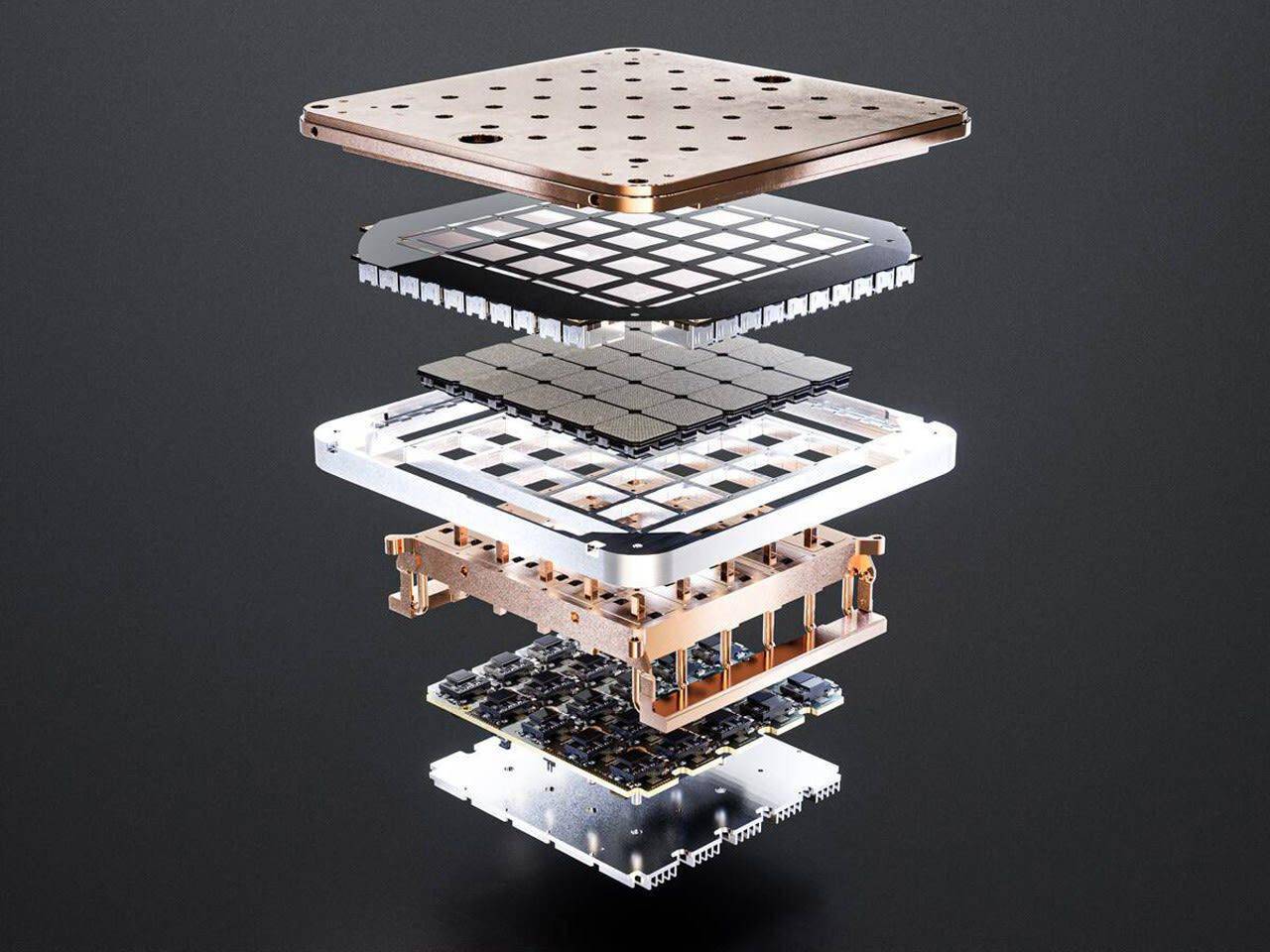
Group 1 - Tesla signed a $16.5 billion contract with Samsung to produce 2nm chips, enhancing their collaboration [1] - The partnership has deepened, with Tesla placing additional orders with Samsung following the contract [1] - Elon Musk announced the restart of the Dojo 3 supercomputer project, with Samsung awarded the chip manufacturing contract [3] Group 2 - The Dojo 3 project will utilize data from millions of Tesla vehicles to train AI models for Full Self-Driving (FSD) capabilities [3] - Intel will handle the chip packaging for the Dojo 3 project, while previous generations used chips from TSMC [3] - Samsung and Intel are eager for more orders, making them more willing to support Tesla compared to TSMC, which is currently at capacity [3]

美股周观点:存在波折-20260119
Soochow Securities· 2026-01-19 07:58
Market Overview - Developed and emerging markets continued to rise, with emerging markets leading at 2.2% and developed markets up 0.1% [1] - In the U.S. stock market, small-cap stocks represented by the Russell 2000 led gains with a 2.2% increase, while the Nasdaq fell by 0.7%, the S&P 500 decreased by 0.4%, and the Dow Jones dropped by 0.3% [1] - The S&P 500 constituents saw a 55% increase in stock prices, with notable gains from companies like Moderna, AMD, and Jabil [1] Inflation and Economic Indicators - U.S. inflation showed signs of cooling, with December CPI meeting market expectations; core CPI rose by 2.6% year-on-year, the lowest since March 2021, and 0.2% month-on-month, below the expected 0.3% [1] - The housing inflation pressure is significantly easing, with December housing inflation rising by 0.4% month-on-month and a year-on-year increase dropping from 3.3% to 3.2% [1] - The PPI for November rose to 3% year-on-year, driven by energy costs, indicating a rebound in wholesale inflation pressure, although core PPI remained stable [2] Corporate Earnings and Financial Sector - The earnings season for U.S. banks began cautiously, with JPMorgan Chase and BNY Mellon reporting results that met high market expectations, but investment banking revenues fell short [3] - JPMorgan's bond underwriting fees decreased by 2% year-on-year, significantly below the expected growth of 19% [3] - The financial sector faced pressure due to Trump's comments on credit card interest rates, leading to capital outflows from the sector [3] Future Outlook - Short-term outlook for U.S. stocks remains positive, but with potential volatility; significant companies representing 6% of S&P market capitalization will report earnings next week, particularly in healthcare, consumer staples, and industrials [4] - The focus is shifting to the Federal Reserve's leadership amid pressures on Chairman Powell, with expectations that he will not be removed from his position [4] - Upcoming GDP growth data for Q4 2025 is anticipated, with suggestions to avoid cyclical stocks in favor of defensive sectors like healthcare [4] Key Upcoming Events - Key economic data releases include U.S. Q4 GDP on January 20, core PCE price index on January 22, and various manufacturing PMIs on January 23 [5]
内存面临“史无前例”大缺货!美光科技(MU.US)警告芯片荒将延至2027年
Zhi Tong Cai Jing· 2026-01-19 06:45
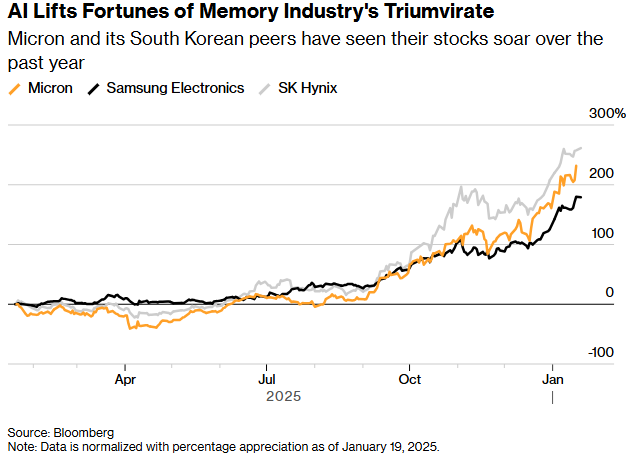
Core Viewpoint - Micron Technology has reported an unprecedented shortage of memory chips, exacerbated by the surge in demand for high-end semiconductors required for artificial intelligence infrastructure, which is expected to persist beyond this year [1] Group 1: Supply Chain and Market Impact - The ongoing memory chip shortage is significantly impacting traditional industries such as smartphones and PCs, with manufacturers like Xiaomi and Oppo reducing their shipment targets for 2026 due to rising memory costs [1] - Counterpoint Research estimates a potential 2.1% decline in global smartphone shipments this year due to the memory chip shortage, which is also affecting PC manufacturers like Dell [2] - The demand for high-bandwidth memory (HBM) for AI accelerators is consuming a large portion of the industry's available capacity, leading to supply shortages for traditional sectors [1][2] Group 2: Company Strategies and Investments - Micron has announced plans to invest $1.8 billion in a site in Taiwan, which is crucial for its production, significantly shortening the time to bring new factories online [6] - The company is committed to transitioning 40% of its DRAM manufacturing to the U.S., supported by $6.2 billion in funding from the CHIPS Act and increased tax credits [6] - Micron is prioritizing supply to strategic enterprise customers, including Nvidia, by terminating its consumer-grade memory business [5] Group 3: Future Production Plans - Micron's $100 billion project in Syracuse, New York, aims to build four DRAM wafer fabs, with the first wafers expected to roll out by 2030 [6] - The company is also expanding its existing facilities in Boise, Idaho, and modernizing its manufacturing site in Virginia to increase production capacity [6]

3nm产能告急,台积电大客户被迫分流,三星、英特尔机会来了?
Hua Er Jie Jian Wen· 2026-01-19 02:21
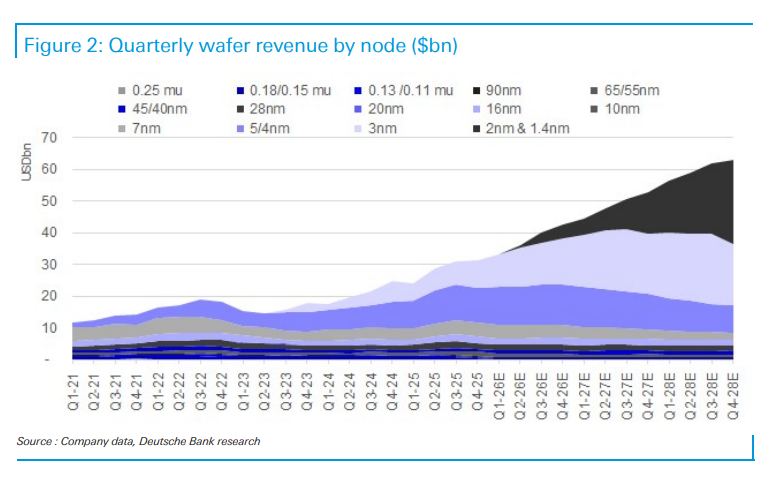
Core Viewpoint - The demand for chips is surging due to the AI wave, leading TSMC to face capacity constraints until 2027, prompting major clients like Apple and Nvidia to consider shifting some orders to Samsung and Intel [1][2]. Group 1: TSMC's Capacity and Capital Expenditure - TSMC is experiencing a "happy trouble" as its 3nm process capacity is extremely tight, with orders booked through 2026 and into 2027, necessitating a significant increase in capital expenditure plans [1]. - TSMC's capital expenditure guidance for 2026 is projected to be between $52 billion and $56 billion, exceeding Deutsche Bank's expectation of $50 billion and market consensus of $46 billion [1][3]. - The current situation reflects a severe shortage in core wafer manufacturing capacity, particularly for the 3nm process, rather than just CoWoS packaging capacity [1][3]. Group 2: Market Share and Client Dynamics - The supply-demand imbalance is causing a direct market spillover effect, with TSMC's market share in advanced process foundry expected to decline from 95% to 90% as clients seek alternative capacity [2]. - Major clients including Apple, Nvidia, AMD, Broadcom, Qualcomm, and MediaTek are left with no choice but to explore alternative suppliers due to the extreme capacity constraints [2][5]. Group 3: Client Shifts and Competitive Landscape - TSMC is delaying new 3nm development projects and encouraging clients to shift their product plans towards 2nm GAA processes for 2027/28 [5]. - Samsung's Taylor factory is likely to be the preferred alternative for clients seeking to diversify their supply sources, with Qualcomm and AMD being the most likely to consider Samsung [5]. - Apple and Broadcom are reportedly looking into Intel as an alternative, although Intel still has significant work to do despite its potential with the 14A process [5]. Group 4: Long-term Growth and Profitability - Despite short-term capacity challenges, the long-term growth potential driven by AI is highly certain, with TSMC raising its expected CAGR for AI-related growth from the mid-40s to the mid-to-high 50s for 2024-2029 [6]. - TSMC's long-term overall growth forecast has been adjusted to a 25% CAGR, with long-term gross margin targets raised to 56% [6][7]. - The focus remains on TSMC's core profitability, despite potential margin dilution from overseas expansion and challenges related to talent and infrastructure [6][7]. Group 5: Valuation Adjustments - Deutsche Bank has raised TSMC's target price by 10% to NT$2,200, reflecting a 20x P/E ratio based on expected EPS for 2027, consistent with industry peers [9]. - This valuation indicates TSMC's solid position and strong growth rate until 2028, although potential risks such as geopolitical tensions and competition from Intel are noted [9].