
华住集团

Search documents
帐篷与床车:黄金周酒店业「消失的客人」
3 6 Ke· 2025-10-29 00:26
Core Insights - The hotel industry is experiencing a significant downturn, with young consumers opting for camping and car sleeping instead of traditional hotel stays, reflecting a shift in consumer behavior and spending patterns [1][3][35] - Despite an increase in domestic travel during the holiday period, average per capita spending has decreased, indicating a trend towards consumption downgrade [4][10] Group 1: Holiday Spending and Hotel Occupancy - During the recent holiday, the average occupancy rate for hotels in major cities was only 58%, with economy hotels dropping below 50% [3][10] - The average per capita spending during the holiday was 911 yuan, translating to less than 114 yuan per person per day, a 13% decrease compared to the previous year [4][10] - The drastic price hikes in economy hotels have made them unaffordable for many, leading to a preference for camping as a more cost-effective option [5][9] Group 2: Price Trends in the Hotel Industry - Prices for economy hotels have surged, with some hotels seeing increases of over 30%, while luxury hotels have maintained more stable pricing [8][9] - For example, the price of a room at a budget hotel increased from 202 yuan to 930 yuan within a few days, highlighting the volatility in pricing during peak travel times [7][9] - The disparity in pricing strategies has created a situation where luxury hotels are perceived as more cost-effective compared to economy options [9][10] Group 3: Industry Challenges and Structural Changes - The hotel industry is facing a structural crisis, with both high-end and budget hotels experiencing declining demand [11][16] - Major hotel groups have reported negative growth in revenue per available room (RevPAR), indicating widespread financial strain across the sector [12][16] - The reliance on franchise models is being challenged as operational costs for franchisees rise, leading to potential instability in the business model [19][20] Group 4: Adaptation and Transformation Strategies - Hotel groups are increasingly looking to diversify their revenue streams by enhancing supply chain efficiencies and developing retail operations [22][24] - For instance, a hotel group has successfully integrated retail sales into its business model, significantly boosting revenue from non-hotel services [24][26] - The focus is shifting towards building direct relationships with consumers through loyalty programs and personalized experiences, moving away from dependence on online travel agencies (OTAs) [27][31] Group 5: Future Outlook - The current trends indicate a fundamental transformation in the hotel industry, where success will depend on the ability to integrate various services and create emotional connections with consumers [35] - The industry is moving towards a model that prioritizes supply chain efficiency and customer loyalty over traditional metrics like room count and location [35]




单日GMV破千万,酒店集体涌入直播间
3 6 Ke· 2025-10-28 12:27
Core Insights - The annual Double Eleven shopping festival has seen a significant influx of hotels into live streaming, as they compete for user attention amidst increased supply and changing consumer demands [1][2] - Hotels are shifting from traditional business and tourism accommodations to becoming destinations for emotional experiences, catering to younger consumers seeking local getaways and unique experiences [1][6] Industry Trends - In 2024, major hotel chains such as Huazhu Group, Jinjiang Hotels, Shoulv Hotels, and Atour Group opened a total of 5,782 new hotels, indicating a substantial increase in supply [1] - The rise of live streaming and short videos has amplified the emotional value associated with hotels, with platforms showcasing scenic views and unique experiences to attract customers [1][6] Consumer Behavior - There is a notable shift in consumer behavior from "on-demand booking" to "pre-purchasing" hotel stays, with 71.99% of pre-sale orders during the recent holiday season being high-value products [6][10] - The trend of "first stock, then book" has emerged, allowing hotels to secure potential customers in advance [10] Marketing Strategies - Hotels are leveraging live streaming to showcase their unique offerings, with examples like Club Med's successful live stream generating a GMV of 13 million in a single day [3] - The use of "staff accounts" for live streaming has gained popularity among chain hotels, enhancing trust and reducing costs by providing detailed information directly from hotel staff [4][8] Internet Platforms' Role - Major internet companies are increasingly entering the hotel market, with platforms like Douyin (TikTok) and JD.com optimizing hotel operations and enhancing visibility [7][9] - Douyin's "Heartbeat List" quantifies emotional experiences, helping hotels understand consumer preferences and improve their offerings [9][13] Market Dynamics - The hotel industry is undergoing a transformation, with a focus on unique content and experiences to avoid price wars and enhance customer engagement [6][11] - High-end hotels are increasingly integrating diverse offerings such as dining, entertainment, and family-friendly activities to create comprehensive vacation experiences [11][12]


20年带出4家上市公司,他说:这3点,定生死
Sou Hu Cai Jing· 2025-10-23 04:23
Core Insights - The article highlights the entrepreneurial journey of Ji Qi, who has successfully founded and led multiple companies, including Ctrip, Home Inn, and Huazhu, which have all gone public and achieved significant market valuations [2][4]. Group 1: Key Characteristics of Successful Companies - The first characteristic is that the actual business model often differs from the initial financing model, requiring adaptability and innovation from the entrepreneurial team [5][6][7]. - The second characteristic is that these companies typically take around three years to mature, establishing their business model, team, and culture during this period [9][10]. - The third characteristic is that all three companies faced significant challenges, which acted as catalysts for growth, demonstrating that crises can enhance a company's potential [11][12][14]. Group 2: Entrepreneurial Spirit and Management - The fourth characteristic is the effective combination of entrepreneurial spirit and professional management, which is crucial for building a successful enterprise [16][18]. - The fifth characteristic is the reinvention of traditional industries, where these companies adapted Western business models to fit the Chinese market, leading to successful innovations [19][20][21]. Group 3: Key Elements for Business Success - The three critical elements for business success are business model, execution capability, and adaptability [22]. - A correct business model is essential, as it determines the potential scale of the company; if the model is flawed, failure is inevitable [26]. - Execution capability is vital for organizing resources effectively, and differences in execution can lead to varying outcomes even with similar business models [27][28]. Group 4: Importance of Adaptability - Adaptability is crucial in a rapidly changing environment, as companies must innovate and adjust their business models to meet new challenges [29][30][32]. - Companies that fail to adapt, like Kodak and Nokia, serve as cautionary examples of the consequences of insufficient adaptability [31]. Group 5: Professionalization and Focus - Professionalization is deemed essential for long-term success, as diversifying too much can dilute a company's strengths [38][46]. - The article emphasizes the importance of focusing on core competencies and developing specialized skills to build competitive advantages [48]. Group 6: Team Building and Management - Successful companies often rely on founding teams composed of familiar individuals who share a strong sense of commitment and hunger for success [50][52]. - The article suggests a structured approach to team management, such as the "three-three system," to enhance efficiency and reduce costs [54]. Group 7: Setting High Standards - Setting high goals is crucial for growth, as it encourages teams to push beyond their limits and achieve exceptional results [56][58]. - The article illustrates this with an example of significantly raising profit margin targets, which ultimately led to exceeding expectations [60][62]. Group 8: Deep Product Engagement - Founders should immerse themselves in their products to gain valuable insights and drive innovation [64][66]. - The article argues that relying solely on market research can be misleading, and firsthand experience is invaluable for understanding customer needs [68][70].

年轻人抢住“拼楼酒店”,家居行业迎新风口
3 6 Ke· 2025-10-23 03:00
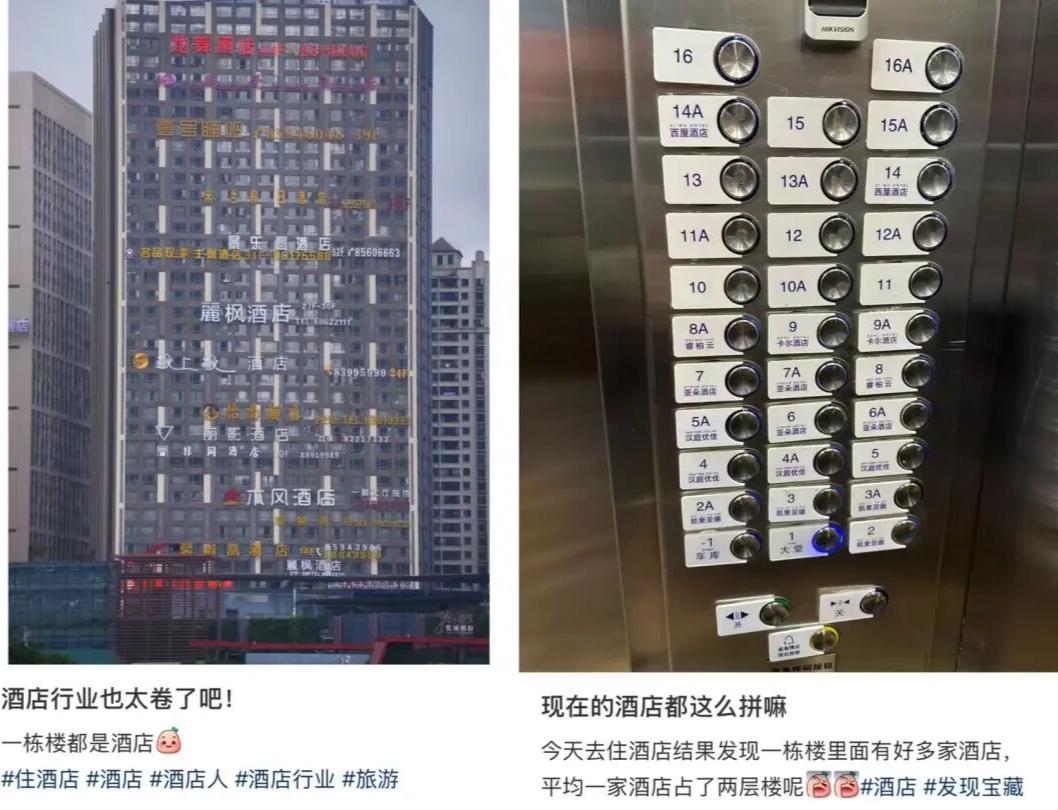
Group 1: Market Trends - The rise of "拼楼酒店" (shared building hotels) is transforming old properties, such as former corporate headquarters and vacant office buildings, into hotels, creating new opportunities for the home furnishing and building materials industry [1][2] - The hotel industry is entering a phase of stock competition, prompting major groups to seek low-cost, high-efficiency expansion methods, with old properties becoming attractive due to their prime locations and established facilities [2][3] Group 2: Business Model Innovations - The "拼楼" model allows for shared public facilities, reducing operational costs and catering to a broader consumer base, while also creating a demand for customized home furnishing solutions [3][4] - Different hotel brands within the same building require diverse furnishing solutions, leading to increased demand for tailored products across various market segments [4][5] Group 3: Cost Efficiency and Investment - Renovating existing properties is significantly more cost-effective than new constructions, allowing hotel investors to allocate more budget towards enhancing home furnishing and decor quality [5][6] - The trend of incorporating multifunctional spaces, such as cafes and bookstores within hotels, is gaining popularity, further driving demand for innovative furnishing solutions [5][6] Group 4: Industry Response - Leading home furnishing companies are adjusting their strategies to capture the emerging market opportunities presented by the hotel industry's transformation [7] - Companies like 雅柏家具 and 华耐智装 are positioning themselves to provide comprehensive solutions for high-end hotel furnishings and industrialized interior design, respectively [7][8] Group 5: Technological Advancements - The rise of modular construction is reshaping the traditional supply chain for hotel furnishings, significantly reducing renovation timelines and costs [8][9] - The modular approach allows for efficient assembly and customization, meeting the diverse needs of various hotel brands while maintaining high standards of quality [8][9] Group 6: Future Outlook - The domestic modular renovation market is projected to reach 639 billion yuan by 2025, with a compound annual growth rate of 67.19% over seven years, highlighting the potential for growth in this sector [10] - Companies must balance personalized customization with standardized production to capitalize on the opportunities presented by the shared hotel model [10]
酒店品牌CEO巡店,能否成为一门“好生意”?
3 6 Ke· 2025-10-23 02:37
Core Insights - The trend of hotel brand CEOs filming "store inspection videos" has emerged as a new way to connect with consumers, leading to varying public reactions across different brands [1][3] - The success of these videos largely depends on the perceived sincerity and authenticity of the CEO's approach, which can significantly influence consumer sentiment [3][4] Group 1: CEO Engagement and Brand Perception - Many hotel brand CEOs, like Zhu Feng of Qian Na Hotel Group, have gained substantial followings through their candid inspection videos, with Zhu's accounts amassing over 150,000 followers on WeChat and 200,000 on Douyin [1][2] - Positive feedback from consumers highlights the professionalism and genuine concern shown by Zhu, contrasting with negative perceptions of other CEOs who appear disconnected from customer needs [2][6] - The Qian Na Hotel Group has expanded rapidly, with 370 signed and opened locations across 167 cities and a membership base of 8 million, indicating a strong market presence [2] Group 2: Factors Influencing Video Reception - The effectiveness of inspection videos is determined by the CEO's ability to address customer pain points from a user perspective, rather than merely pointing out issues [3][4] - Professionalism and expertise displayed by the CEO during inspections can enhance brand credibility, while a lack of precision may lead to public skepticism [5][6] - The tone and approach of the CEO, whether relatable or aloof, significantly impact consumer perception, with a preference for down-to-earth communication styles [5][12] Group 3: Strategies for Successful Video Content - Successful CEOs like Zhu Feng have shifted from scripted, formal presentations to more authentic, unscripted recordings, resulting in higher engagement and viewership [9][10] - Emphasizing a "listening" approach to consumer feedback can foster a sense of community and enhance brand loyalty, as seen in the positive interactions on Zhu's videos [11][12] - Building a relatable persona by showcasing imperfections can create a stronger connection with consumers, as demonstrated by figures like Lei Jun of Xiaomi [12][13] Group 4: Long-term Value of Inspection Videos - Inspection videos should not only highlight problems but also demonstrate actionable solutions to avoid negative perceptions of brand management [13] - The long-term success of this strategy hinges on genuine actions taken beyond the camera, reinforcing the brand's commitment to quality and customer satisfaction [13]
“3个3000亿”!上海嘉定“十四五”跑出“嘉速度”
Guo Ji Jin Rong Bao· 2025-10-22 15:09
Core Insights - The press conference highlighted the achievements of Jiading District during the "14th Five-Year Plan" period, focusing on its development as a modern new-type city with strong innovation and industrial capabilities [1][3][10] Economic Development - Jiading's GDP is projected to exceed 300 billion yuan in 2024, with a 20% increase in GDP per unit of construction land compared to the end of the "13th Five-Year Plan" [3][4] - Fixed asset investment during the "14th Five-Year Plan" is expected to surpass 300 billion yuan, exceeding the initial target of 250 billion yuan [3][4] - The automotive industry has seen significant growth, with industrial output surpassing 300 billion yuan last year [3][4] Industrial Growth - Emerging industries such as automotive "new four modernizations," integrated circuits, and biomedicine have shown robust growth, averaging an annual increase of 13.8%, with total output reaching 360.3 billion yuan [4][5] - The proportion of strategic emerging industries in the industrial output has increased by 13.4 percentage points compared to the end of the "13th Five-Year Plan" [4] Innovation and Technology - Jiading has 2,578 high-tech enterprises and 1,343 specialized and innovative enterprises, ranking third in the city [5] - Research and development expenditure accounts for 6.22% of the added value, maintaining a leading position in the city [5] Urban Development - The district has initiated 265 major projects, enhancing urban functionality and quality [6] - Jiading has become the fastest-growing new city in terms of population over the past decade [6] Rural Development - The district has created 14 city-level rural revitalization demonstration villages and has implemented significant housing improvements for farmers [7] - Jiading is actively participating in the Yangtze River Delta integration, collaborating with neighboring cities on innovation and development [7] Quality of Life - The average disposable income of residents has grown at a rate 2.4 percentage points higher than the economic growth rate [8] - The district has established 40 high-quality schools and improved healthcare facilities, contributing to a higher average life expectancy than the city average [8] Environmental Sustainability - Jiading has achieved a 11.37% reduction in energy consumption per unit of added value over the past four years [8] - The forest coverage rate has reached 17.44%, with ongoing efforts to enhance green spaces and public satisfaction with environmental quality [8] Governance and Community Engagement - Jiading has established 143 regional party organizations to enhance community governance and service delivery [9] - The district has developed a network of 63 "I Jia" neighborhood centers to improve public services [9]
全球酒店,正在满世界寻找“人多”的地方
3 6 Ke· 2025-10-21 12:40
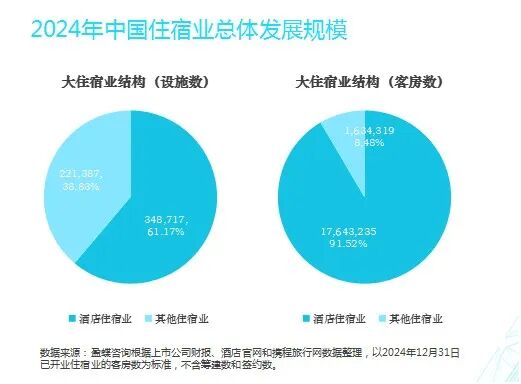
Group 1 - Huazhu Group has become a representative of domestic brands going global, with significant expansions in Southeast Asia, including new openings in Malaysia, Cambodia, and Singapore [1] - Major hotel groups like Jin Jiang International, Dongcheng International, and GreenTree Inn are also increasing their overseas presence, particularly in Southeast Asia, which is becoming a favored market for international hotel giants [1][2] - Southeast Asia, with a population exceeding 680 million and a median age of around 30, is seen as a vibrant consumer market, with millennials and Gen Z expected to dominate consumption by 2030 [1][11] Group 2 - The hotel industry has historically evolved in tandem with population changes, with each iteration reflecting demographic shifts [3][4] - The rapid urbanization from 2016 to 2024 has significantly transformed the accommodation sector, with the number of lodging facilities reaching over 570,000 and hotel rooms exceeding 19.27 million [4] - The rise of the middle class, expanding at 8% annually, is driving consumption upgrades in the hotel industry [1][6] Group 3 - The hospitality sector is experiencing a shift towards quality differentiation, with economic hotels thriving in lower-tier cities and luxury hotels gaining popularity in major urban centers [6][7] - The aging population is creating new growth opportunities in the hotel sector, with many hotels adapting to cater to elderly guests [8][9] Group 4 - Southeast Asia is projected to attract 120 million international tourists by 2025, with tourism revenue expected to exceed $350 billion, making it a prime market for hotel brands [11] - Chinese brands are aggressively entering the Southeast Asian market across various sectors, including apparel and food services, which is expected to benefit the hotel industry through increased consumer traffic [12][15] Group 5 - The competitive landscape is intensifying, with rising rental costs in prime locations due to the influx of apparel and food brands, which is raising the entry barriers for hotels [17] - International hotel groups are rapidly expanding, with Marriott planning to increase its hotel count in Indonesia to 84 by 2025, amidst a growing number of new hotel openings in key tourist areas [18][19] Group 6 - The BIMI complex (Brazil, India, Mexico, Indonesia) and the UAE are emerging as new opportunities for hotel expansion due to their favorable demographic structures and economic growth [22][25] - The UAE's population growth, particularly among expatriates, is driving demand for various hotel types, including long-stay and serviced apartments [25][26] Group 7 - Domestic hotel brands face challenges in international markets, including strong competition from established international brands and difficulties in operational capabilities [29][30] - The reliance on room revenue and lack of diversified income streams hinder the growth potential of local hotel brands in the global market [30]
中国的新兴前沿-入境旅游增长:谁将受益?
2025-10-21 01:52
Summary of Inbound Tourism Growth in China Industry Overview - The report focuses on the inbound tourism industry in China, highlighting its potential growth as a significant profit engine within the next three years, driven primarily by online travel agencies (OTAs) and airlines [1][2][10]. Key Insights 1. **Inbound Tourism Growth**: - Inbound tourism is expected to become a major profit driver for China's tourism industry, which is currently dominated by domestic and outbound travel [1][10]. - The share of inbound tourism in China's tourism revenue is currently 11%, projected to increase to 18% within five years [2]. 2. **Macroeconomic Indicators**: - China's service exports grew by 14% year-on-year in the first eight months of 2025, significantly outpacing the overall export growth of 6% [2]. - Tourism service exports surged by 56%, reaching 150% of pre-pandemic levels [2]. 3. **Regional Growth**: - Non-first-tier cities are becoming increasingly attractive for inbound tourists, with Hangzhou seeing a 23% year-on-year increase in inbound visitors in the first eight months of 2025 [2]. 4. **Policy Impact**: - The introduction of the K1 visa on October 1, 2025, is expected to attract more young talent to China, further boosting the tourism sector [1]. 5. **Profitability Outlook**: - The hotel sector is anticipated to have the highest revenue exposure to inbound tourism, averaging over 20% by 2030 [2]. - OTAs, airlines, and duty-free businesses are expected to see revenue exposure of 5-10% over the next five years [2]. Investment Opportunities 1. **Selected Beneficiary Stocks**: - A list of ten stocks identified as potential beneficiaries of inbound tourism growth includes: - Trip.com (TCOM.O) - Air China (0753.HK) - Shanghai Airport (600009.SS) - China Tourism Group Duty-Free (1880.HK) - H World Group (HTHT.O) - Marriott (MAR.O) - IHG (IHG.L) - Hygeia Healthcare (6078.HK) - CR Mixc (1209.HK) - Hang Lung Properties (0101.HK) [3][11][14]. 2. **Sector Analysis**: - OTAs rank highest in potential profitability due to favorable market conditions and significant synergies with existing operations [10][12]. - Airlines are also positioned well, with new international routes expected to enhance profit margins [12]. 3. **Market Dynamics**: - The report emphasizes the importance of pricing power in inbound tourism, particularly for OTAs and airlines, which may achieve higher pricing due to increased demand [2][10]. Additional Considerations - The report notes the potential for upward pressure on profit margins from inbound tourism, driven by higher pricing and synergies with existing domestic and outbound operations [2][12]. - The impact of infrastructure upgrades and clean energy investments on air quality is expected to enhance the attractiveness of China as a leisure travel destination [1][10]. This comprehensive analysis provides insights into the evolving landscape of China's inbound tourism sector, highlighting key growth drivers, investment opportunities, and potential risks associated with this emerging market.
高盛:十一黄金周整体旅游需求保持稳健 继续看好酒店板块
Ge Long Hui· 2025-10-20 06:08
Group 1 - The overall tourism demand remained robust during the recent Golden Week, with positive growth in average daily room rates (ADR) and revenue per available room (RevPar) for hotels, showing a mid to high single-digit growth in the industry [1] - Experts anticipate that the increase in hotel franchise supply will continue to exert pressure, particularly in the mid to high-end market segment [1] - The competition among online travel platforms is moderate, as smaller or newly entered operators lack supply chain and scale advantages, limiting their competition to specific niche areas [1] Group 2 - The company remains optimistic about the hotel sector, particularly for Huazhu Group and Atour, expecting continued improvement in revenue per available room due to a slowdown in competition from online travel platforms and hotel supply growth [1] - The Macau gaming industry is expected to benefit from wealth effects and a low base of total gaming revenue, with a favorable outlook for Sands China and Galaxy Entertainment [1] - The company recommends buying shares in Trip.com Group and China Southern Airlines, as both are expected to benefit from recent long-haul outbound travel demand and better-than-expected ticket prices [1]
大行评级丨高盛:十一黄金周整体旅游需求保持稳健 继续看好酒店板块
Ge Long Hui· 2025-10-20 05:49
Core Insights - Overall tourism demand remained robust during the recent Golden Week, with positive growth in average daily room rates (ADR) and revenue per available room (RevPAR) for hotels, showing a mid to high single-digit percentage increase [1] - The supply pressure from increasing hotel franchises, particularly in the mid to high-end market, is expected to continue [1] - Online travel platforms face moderate competition, as smaller or newer operators lack supply chain and scale advantages, limiting their competitiveness to specific niches [1] Industry Preferences - The hotel sector is favored, with companies like Huazhu Group and Atour expected to benefit from a slowdown in competition from online travel platforms and hotel supply growth, leading to improved revenue per available room [1] - The Macau gaming industry is viewed positively due to wealth effects and a low base of total gaming revenue, with companies like Sands China and Galaxy Entertainment being highlighted [1] - Ctrip and China Southern Airlines are recommended for purchase, benefiting from recent long-haul outbound travel demand and better-than-expected ticket prices [1]