
地平线

Search documents
中国智能网联汽车加速驶来
Huan Qiu Shi Bao· 2025-10-20 08:13
Core Insights - The 2025 World Intelligent Connected Vehicle Conference in Beijing highlighted China's significant achievements in the automotive industry during the "14th Five-Year Plan" and its future prospects in smart vehicle development [1] - China is establishing a "decisive leading position" in the global smart automotive industry, achieving rapid advancements that foreign companies aspire to replicate [1] Industry Developments - The Chinese automotive industry has developed a comprehensive ecosystem encompassing smart cockpits, autonomous driving, and connected cloud control, with over 60% of new passenger cars sold featuring advanced driver assistance systems [1][2] - The market for new energy vehicle exports has surged from approximately 1 million units in 2019 to over 5.8 million units by 2024, with new energy vehicle exports increasing from about 250,000 to around 1.28 million in the same period [2] Technological Advancements - The rapid development of smart driving technology in China is attributed to the integration of artificial intelligence across domestic and joint venture automotive companies, enhancing user experience and brand recognition [3][4] - Approximately half of the new cars sold in China are equipped with L2-level intelligent driving systems, with projections indicating that by 2030, China will dominate the global L2+ intelligent driving market [4][5] Regulatory Environment - China's regulatory framework has evolved to support extensive testing of autonomous driving technologies, with over 30,000 kilometers of roads approved for testing, fostering innovation through local policy initiatives [5][6] - Recent regulatory tightening aims to enhance quality standards in the industry, requiring manufacturers to undergo stricter technical testing and approval processes [6] International Collaboration - European automotive companies are increasingly collaborating with Chinese smart driving technology firms, with partnerships emerging for the development of advanced driver assistance systems [7] - Chinese smart driving companies are expanding their market presence in the Middle East and Europe, indicating a competitive landscape with U.S. firms in these regions [8]
新势力卖车,为何满嘴“黑话”?
Hu Xiu· 2025-10-20 07:22
Core Insights - The automatic driving industry is experiencing a battle for narrative control over next-generation technologies, with companies like Li Auto and XPeng betting on VLA (Visual Language Action) as the future architecture, while Huawei promotes its self-developed WA (World Behavior Architecture) [1][2][20] - The rapid emergence of jargon in the industry reflects the struggle for technological branding and user perception, as hardware and configurations become increasingly homogeneous [1][2][27] Group 1: Evolution of Technology - Before 2022, the evolution of automatic driving technology was primarily defined by Tesla and Waymo, with terminology focused on objective descriptions of specific functions [3] - Tesla's introduction of the BEV+Transformer architecture in 2021 marked a significant shift from rule-based systems to AI-driven approaches, enhancing perception capabilities [4][5][6] - The transition to an end-to-end paradigm was catalyzed by Tesla's AI DAY in 2022, which integrated perception and planning into a single neural network, significantly improving obstacle recognition [9][10] Group 2: Adoption of New Models - Chinese automakers quickly adopted Tesla's technology, with companies like XPeng and NIO implementing their own versions of the BEV+Transformer model for mass production [8][10] - The industry is moving towards end-to-end systems, with XPeng and Huawei initially adopting a multi-stage approach for safety reasons, before transitioning to fully integrated models [10][12] - The introduction of VLA and world models into automatic driving systems represents a new frontier, with companies like Yuanrong Qixing and NIO leading the charge in applying these concepts [17][20] Group 3: Competitive Landscape - The competition among companies is not only about technology but also about computational power, with XPeng and Li Auto investing heavily in cloud computing capabilities, boasting figures of 10 EFlops and over 13 EFlops respectively [18][19][55] - The race for computational resources extends to both vehicle and cloud platforms, with Tesla's Dojo and other companies ramping up their AI training capabilities [18][57] - The rapid evolution of VLA and world models is indicative of a broader trend where companies are leveraging advanced AI techniques to enhance their automatic driving systems [20][46] Group 4: Future Directions - The world model concept, initially used for simulation, is now being applied in real-time vehicle control by companies like NIO and Huawei, aiming for more predictive and human-like driving experiences [20][24][25] - The emergence of terms like VLA and world models highlights the industry's shift towards integrating language understanding and real-time decision-making into automatic driving systems [46][59] - The ultimate success in this competitive landscape may hinge on a company's ability to translate technological promises into tangible user experiences, rather than merely marketing jargon [30][29]


儿童能避开的纸箱,难倒了天价开发的AI司机
第一财经· 2025-10-20 04:12
Core Viewpoint - The article emphasizes the importance of clarifying the boundaries of assisted driving capabilities in the automotive industry to enhance safety and consumer understanding [3][4]. Group 1: Misunderstanding of Assisted Driving - The CEO of Momenta, Cao Xudong, highlights that there is a significant misunderstanding among consumers regarding the capabilities of assisted driving technology, which can lead to unrealistic expectations [5][6]. - A recent incident involving a Haobo GT vehicle crashing into a stationary construction vehicle while using adaptive cruise control has raised concerns about the technology's ability to recognize static objects [6][9]. - The complexity of recognizing common obstacles, such as a 50 cm cardboard box, poses significant challenges for assisted driving systems, which often rely on high-performance sensors [6][10]. Group 2: Technical Challenges - The article discusses the technical logic behind the "counterintuitive" nature of assisted driving systems, where simple tasks for humans can be complex for machines due to their reliance on data and probability [10][11]. - The difficulty in recognizing stationary objects is attributed to the fact that many static items on the road do not require avoidance, leading to a cautious approach by assisted driving systems to prevent unnecessary braking [11][12]. - The industry is working on improving technology through multi-sensor fusion and collecting extreme case data to address these challenges and enhance the recognition capabilities of assisted driving systems [12][13]. Group 3: Industry Responsibility and Training - The industry leaders stress the need for a strong sense of responsibility in the development of assisted driving technologies, contrasting it with the more flexible nature of software products [12][13]. - Companies like Momenta are actively engaging in training sales personnel to better communicate the capabilities and limitations of assisted driving systems to consumers [13].

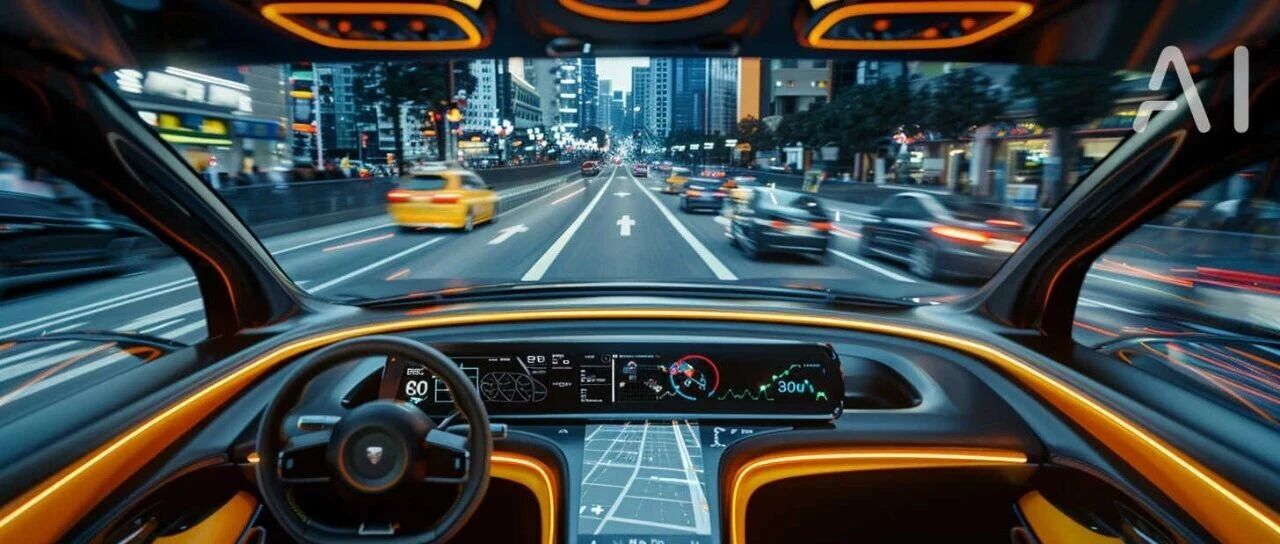
儿童能避开的纸箱,难倒了天价开发的AI司机
Di Yi Cai Jing· 2025-10-20 03:22
Core Insights - The safety of advanced driver-assistance systems (ADAS) has become a significant concern in the automotive industry following several accidents, highlighting the need for clearer communication regarding the capabilities and limitations of these technologies [2][3] Group 1: Misunderstandings in Consumer Perception - There exists a cognitive gap between consumer expectations and the actual capabilities of ADAS, leading to misconceptions about what these systems can handle, particularly in complex scenarios [3][4] - A recent incident involving a vehicle colliding with a stationary construction vehicle while using adaptive cruise control has raised questions about the system's ability to recognize static obstacles [3][5] - Consumers often believe that ADAS should easily manage common obstacles, such as large objects on the road, which reflects a widespread misunderstanding of the technology's limitations [3][6] Group 2: Technical Challenges - The detection of common obstacles, such as a 50 cm cardboard box, poses significant challenges for current ADAS technology, which relies heavily on high-performance sensors like LiDAR [4][6] - The complexity of recognizing static objects is compounded by the fact that many of these objects are part of the road environment and do not require avoidance, leading to potential safety issues if the system reacts inappropriately [6][7] - The industry is working on improving ADAS through multi-sensor fusion and extensive data collection to address these challenges and enhance the system's understanding of various scenarios [7][8] Group 3: Industry Response and Training - Companies are actively engaging in training programs for sales personnel to better communicate the capabilities and limitations of ADAS to consumers, ensuring that users have a realistic understanding of the technology [8] - The industry recognizes the need for a responsible approach to developing and deploying ADAS, emphasizing the importance of quality and safety in engineering practices [7][8]
中国智能网联汽车加速驶来,英媒:这与欧洲汽车行业的迟缓步伐形成鲜明对比
Huan Qiu Shi Bao· 2025-10-19 23:09
Core Insights - The 2025 World Intelligent Connected Vehicle Conference in Beijing highlighted China's achievements in the automotive industry and its plans for the next five years, emphasizing the country's decisive lead in the global smart vehicle sector [1][4]. Industry Developments - China's automotive industry has established a complete industrial system covering smart cockpits, autonomous driving, and connected cloud control, with over 60% of new passenger cars sold featuring advanced driver assistance systems [1][2]. - The rapid development of smart driving technology in China is attributed to the integration of artificial intelligence across domestic and joint venture automakers, positioning Chinese tech companies as key players in the automotive sector [2][3]. Market Trends - The export of Chinese automobiles has significantly increased, with exports rising from approximately 1 million units in 2019 to over 5.8 million units by 2024, and electric vehicle exports growing from 250,000 to around 1.28 million in the same period [2][3]. - The Chinese market is witnessing a rapid adoption of L2-level intelligent driving systems, with predictions that by 2030, China will hold half of the global market share for L2+ level smart driving vehicles [4][5]. Regulatory Environment - The Chinese government is focusing on developing standards for advanced driving assistance and autonomous driving, aiming to optimize production access management and regulate industry competition [7]. - A significant increase in road testing for autonomous driving has been observed, with over 30,000 kilometers approved for testing, creating the world's largest real-world testing environment [5][6]. International Collaboration - European automotive companies are increasingly collaborating with Chinese smart driving technology firms, with partnerships being formed for the development and testing of autonomous driving software [7][8]. - Chinese smart driving companies are expanding their presence in the Middle East and Europe, indicating a competitive landscape with U.S. firms in these regions [8].
地平线余凯:若每辆新车标配芯片 市场年规模或达千亿美元
Zhong Guo Jing Ying Bao· 2025-10-18 19:57
Core Insights - The evolution of autonomous driving technology to L4/L5 levels will enable vehicles to possess autonomous decision-making capabilities akin to "robot drivers" [1] - The potential for a significant business model emerges as users may rely on autonomous driving systems for daily commutes, leading to hourly service fee payments [1] - The market for chips in autonomous vehicles is projected to reach hundreds of billions to a trillion dollars, based on global annual sales of 100 million vehicles, even if computing costs remain stable [1] Business Models - There are two main revenue models in the autonomous driving sector: 1. Supplier Model: This involves providing components (such as chips and sensors), software, or solutions to new vehicles for one-time revenue [3] 2. Subscription Model: This is characterized by ongoing payments from users for services, such as monthly subscription fees [3]
城记 | 押注“第二增长曲线”,临港集团以精准产业投资驱动转型
Zhong Guo Jin Rong Xin Xi Wang· 2025-10-18 05:27
Core Viewpoint - The event organized by Lingang Group aims to create a platform for semiconductor companies in the park to connect with top investors, showcasing the transformation value of the semiconductor industry and facilitating financing opportunities for enterprises [2][6]. Group 1: Industry Development - Lingang Group has established a strong foundation in the semiconductor industry, with over 300 integrated circuit companies in its parks, accounting for 18% of Shanghai's total output [6]. - The "Dongfang Xin Gang" park serves as a benchmark for the semiconductor industry, leading in manufacturing capacity and covering all eight core equipment categories [6][7]. - The park has become a key location for semiconductor companies to establish their second headquarters or production bases, fostering innovation through a collaborative ecosystem [6][7]. Group 2: Investment Strategy - Lingang Group is shifting its strategy to "precise investment," actively engaging with investment institutions to support the growth of specialized enterprises in the semiconductor sector [7][8]. - The group has invested in several semiconductor companies through its industrial funds, including notable firms like Lanqi Technology and Jita Technology [7][8]. - The establishment of a 300 million yuan semiconductor special fund and a 500 million yuan fund for intelligent manufacturing and information technology reflects the group's commitment to deepening investment opportunities [7][8]. Group 3: Future Planning - Lingang Group aims to enhance its industrial chain by focusing on advanced processes and core areas in the semiconductor industry, promoting both leading projects and existing industry leaders [9][10]. - The group plans to build a "basic service + value-added service" system to address key pain points in R&D, thereby reducing costs and improving efficiency for enterprises [9][10]. - Future goals include doubling the scale of industrial investment and service revenue, transitioning from heavy asset development to light asset operations, and establishing a sustainable cycle of investment attracting enterprises and benefiting shareholders [10].


全球智驾芯片TOP 5:华为、地平线上榜
半导体芯闻· 2025-10-18 01:26
Core Insights - The global automotive SoC market is entering a rapid growth phase, with major suppliers like Mobileye, NVIDIA, Qualcomm, Horizon, and Huawei expected to dominate the market by 2035, increasing their combined market share from 69% in 2025 to over 78% [1] - The demand for high-performance SoCs is driven by the need for AI perception, sensor fusion, and redundancy in higher levels of autonomous driving [1][2] - Chinese SoC manufacturers Horizon and Huawei are projected to capture over 50% of the domestic market by 2035 through the rapid expansion of cost-effective L2+ and above SoCs [1] Group 1 - Mobileye's cost-competitive products are anticipated to gain wider adoption in emerging markets such as India, Southeast Asia, Latin America, and the Middle East, helping it maintain its leadership in the L2 ADAS sector [2] - The shift towards centralized electrical architectures by automotive manufacturers is expected to sustain the demand for high-performance SoCs, particularly for L3 and L4 autonomous driving levels [2] - NVIDIA, Qualcomm, and Huawei are expected to see significant market share growth, with a compound annual growth rate exceeding 15% during the forecast period due to their superior and flexible SoC products [2] Group 2 - The automotive market is expected to become more fragmented by 2035, with high computational demand for vehicles projected to grow 3-4 times compared to current levels [4] - SoC suppliers that can balance AI performance, energy efficiency, and cost competitiveness are likely to succeed in the evolving market [4] - OEMs are expected to adopt multi-source strategies to optimize costs for L2 and L2+ autonomous driving chips while managing the costs of high-performance SoCs required for advanced autonomous driving products [4]


执行力是当下自动驾驶的第一生命力
自动驾驶之心· 2025-10-17 16:04
Core Viewpoint - The article discusses the evolving landscape of the autonomous driving industry in China, highlighting the shift in competitive dynamics and the increasing investment in autonomous driving technologies as a core focus of AI development [1][2]. Industry Trends - The autonomous driving sector has undergone significant changes over the past two years, with new players entering the market and existing companies focusing on improving execution capabilities [1]. - The industry experienced a flourishing period before 2022, where companies with standout technologies could thrive, but has since transitioned into a more competitive environment that emphasizes addressing weaknesses [1]. - Companies that remain active in the market are progressively enhancing their hardware, software, AI capabilities, and engineering implementation to survive and excel [1]. Future Outlook - By 2025, the industry is expected to enter a "calm period," where unresolved technical challenges in areas like L3, L4, and Robotaxi will continue to present opportunities for professionals in the field [2]. - The article emphasizes the importance of comprehensive skill sets for individuals in the autonomous driving sector, suggesting that those with a short-term profit mindset may not endure in the long run [2]. Community and Learning Resources - The "Autonomous Driving Heart Knowledge Planet" community has been established to provide a comprehensive platform for learning and sharing knowledge in the autonomous driving field, featuring over 4,000 members and aiming for a growth to nearly 10,000 in the next two years [4][17]. - The community offers a variety of resources, including video content, learning pathways, Q&A sessions, and job exchange opportunities, catering to both beginners and advanced learners [4][6][18]. - Members can access detailed technical routes and practical solutions for various autonomous driving challenges, significantly reducing the time needed for research and learning [6][18]. Technical Focus Areas - The community has compiled over 40 technical routes related to autonomous driving, covering areas such as end-to-end learning, multi-modal models, and various simulation platforms [18][39]. - There is a strong emphasis on practical applications, with resources available for data processing, 4D labeling, and engineering practices in autonomous driving [12][18]. Job Opportunities - The community facilitates job opportunities by connecting members with openings in leading autonomous driving companies, providing a platform for resume submissions and internal referrals [13][22].

地平线吕鹏:物理安全+心理安全才达到城区辅助驾驶“好用”标准
Bei Ke Cai Jing· 2025-10-17 14:57
Core Insights - The current urban assisted driving technology has not yet met user expectations and faces numerous challenges, including the need for both physical and psychological safety [1] - Urban assisted driving systems have gradually penetrated lower-priced vehicle segments, with expectations for widespread adoption by 2025 [1] - The industry is under pressure to develop "user-friendly" systems while achieving cost advantages through scale [1] Industry Developments - The competition in the urban assisted driving sector is intense, with system costs decreasing to the 100,000-150,000 RMB range, impacting automotive manufacturers [1] - The future of autonomous driving is expected to see significant advancements in the next three to five years, with L4 capabilities anticipated by 2028 and full support for L4 in all scenarios by 2030 [2] - The key to future intelligent driving development lies in achieving high performance and broad operational areas, relying on algorithmic and engineering advancements [2]