
茶百道

Search documents
“双节黄金周”茶百道多家门店销量增长超1000%
Xin Lang Ke Ji· 2025-10-08 08:38
Core Insights - During the "Golden Week" of the National Day holiday, Cha Bai Dao reported that many stores across the country saw sales increase by over 1000% [1] Sales Performance - The sales of fresh fruit tea were higher in provinces such as Jiangsu, Guangdong, and Jiangxi, while fresh milk tea was more popular in Sichuan, Hubei, and Shandong during the National Day holiday [1] - Non-first-tier cities like Jiayuguan, Bayannur, Wanning, and Guang'an ranked in the top ten for sales growth during the National Day holiday [1] Store Location Impact - Stores located in transportation hubs experienced significant sales increases, with overall sales at Cha Bai Dao stores in airports, high-speed rail stations, and highway service areas nearly doubling [1] - A specific store in the Xingtai highway service area saw its average daily revenue increase by 700% during the holiday compared to previous periods [1]
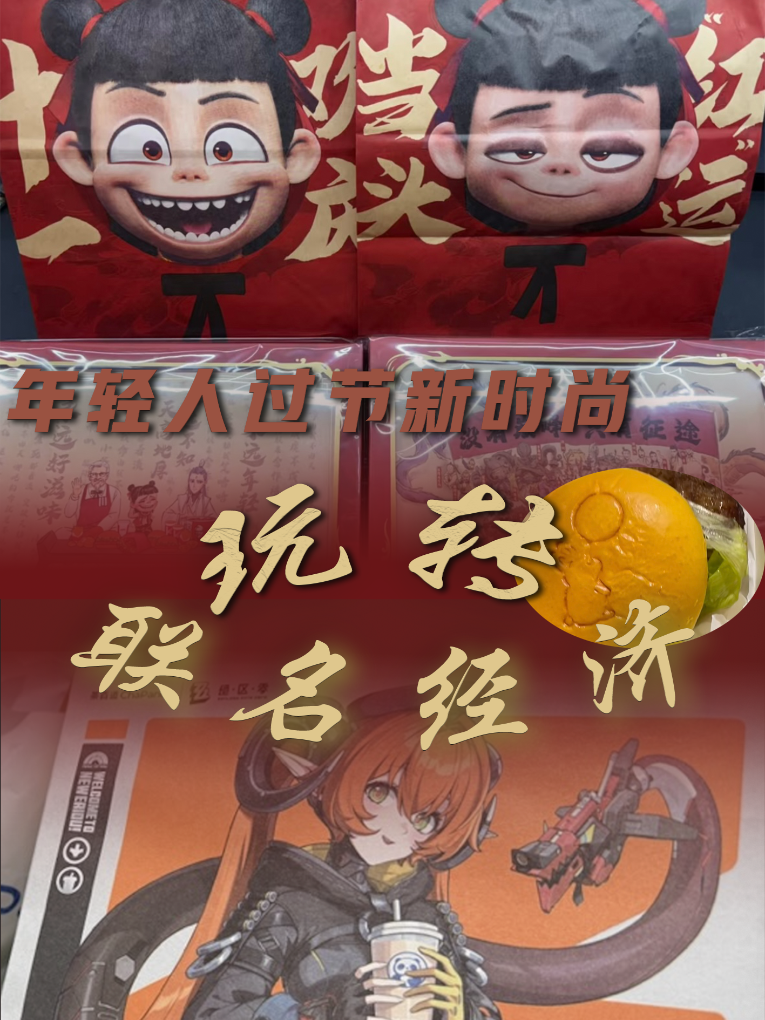
年轻人过节新时尚:玩转“联名经济”
Xin Hua Wang· 2025-10-08 02:19
Core Insights - The collaboration between KFC and the movie "Ne Zha" has become a popular choice among consumers during the National Day and Mid-Autumn Festival, showcasing the effectiveness of co-branding in attracting younger audiences [2][4] - The IP derivative market in China is projected to grow from 174.2 billion yuan in 2024 to 335.7 billion yuan by 2029, indicating a significant trend towards cross-industry collaborations that infuse traditional festivals with youthful energy [2] - Co-branded products are bridging generational gaps, enhancing family interactions and redefining the concept of holiday gifts, as seen in various examples of thoughtful gift selections by consumers [4][6] Industry Trends - The rise of co-branded products is reshaping consumer behavior, with younger generations increasingly valuing emotional and experiential aspects over mere price considerations [6] - A report indicates that nearly 60% of young people are willing to pay for emotional value, a significant increase from the previous year, highlighting a shift in consumer priorities towards quality and experience [6] - Co-branded items serve as cultural carriers and emotional connections, reflecting a blend of traditional and modern influences in consumer products [6]

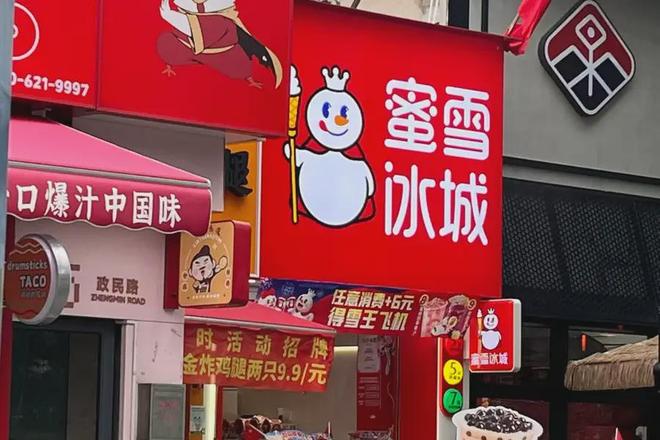
上市后首次重大收购 蜜雪冰城涉足精酿啤酒
Xin Lang Cai Jing· 2025-10-07 11:01
Core Viewpoint - The leading tea beverage chain, Mixue Ice Cream and Tea, is acquiring a 51% stake in the craft beer chain Fulu Family for $40 million, marking its first major acquisition since its IPO in March 2023, as it seeks to diversify into new beverage categories amid a saturated market [3][5]. Group 1: Acquisition Details - Mixue announced the acquisition of Fulu Family for 285.6 million yuan (approximately $40 million), funded by its cash reserves, which exceeded 17 billion yuan as of June [3][6]. - Fulu Family operates around 1,200 stores nationwide, with beer prices ranging from 6 to 10 yuan per cup (500 ml) [3][7]. - The acquisition is strategically aligned with Mixue's existing product offerings, targeting mature consumer demographics and enhancing its beverage portfolio [3][8]. Group 2: Management and Ownership - The CEO of Mixue, Zhang Hongfu, and the actual controller of Fulu Family, Tian Haixia, are married, which raises scrutiny over the transaction due to the close relationship [4][5]. - Prior to the acquisition, Tian Haixia controlled approximately 76% of Fulu Family through direct and indirect holdings [4]. Group 3: Market Reaction and Valuation - Following the announcement, Mixue's stock price rose by 2.7% but later retraced all gains, indicating a cautious market response to the acquisition [6][8]. - Fulu Family's revenue for the past 12 months was approximately 150 million yuan, significantly smaller than Mixue's revenue of 29 billion yuan, suggesting a valuation of about 571 million yuan for Fulu Family [7][8]. - The acquisition's price implies a sales multiple of approximately 3.45 times, which is lower than Mixue's own sales multiple of 4.56 times, indicating a fair valuation [7][8]. Group 4: Strategic Rationale - The acquisition is seen as a strategic move to enhance Mixue's product offerings and leverage its supply chain advantages to accelerate Fulu Family's growth [8]. - Mixue aims to expand its product range to include fresh beer, aligning with its mission to provide high-quality, affordable products to consumers [8].
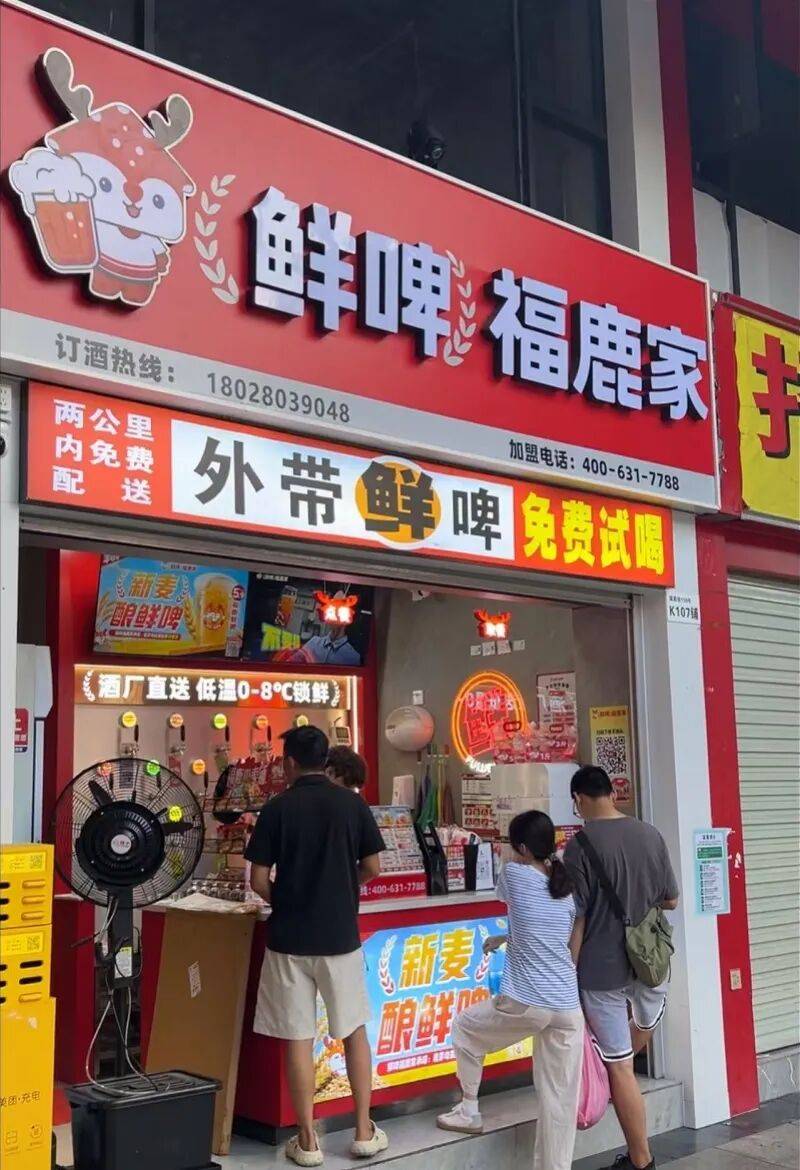
“雪王”进军现打鲜啤!新茶饮能否拿下消费者“酒杯”?
Sou Hu Cai Jing· 2025-10-07 07:55
Core Viewpoint - The new tea beverage industry is increasingly venturing into the alcohol market, with companies like Mixue Ice City acquiring stakes in beer brands to diversify their product offerings and meet consumer demand for affordable, high-quality products [1][14]. Group 1: Investment Details - Mixue Ice City announced the acquisition of a 53% stake in the fresh beer brand "Xianpi Fulujia" for a total price of 297 million RMB [4][7]. - The transaction consists of two parts: an injection of 285.6 million RMB for new registered capital and a share transfer agreement with Zhao Jie for 11.2 million RMB [7]. - Following the acquisition, Fulujia will become a non-wholly-owned subsidiary of Mixue Group, with its financial performance consolidated into Mixue's results [8][12]. Group 2: Market Context - The fresh beer market is still in its early development stages, but it offers a fresh taste and diverse flavors that align with consumer preferences [14]. - Fulujia operates approximately 1,200 stores across 28 provinces in China, primarily using a franchise model to expand its network [10][12]. - The pricing for Fulujia's fresh beer products ranges from 6 to 10 RMB per 500mL, which is competitive with the pricing strategies of new tea beverage brands [12][20]. Group 3: Industry Trends - The trend of new tea brands entering the alcohol market is becoming more common, with several brands exploring various strategies, including product innovation and new brand incubation [18][20]. - The alcohol industry offers higher profit margins (50% or more) compared to the new tea beverage sector (approximately 35%) [20]. - Other new tea brands, such as Cha Baidao and Nai Xue's Tea, are also experimenting with alcohol-related products, indicating a broader industry shift [18][20]. Group 4: Financial Performance and Valuation - Analysts suggest that the valuation of Fulujia in this transaction is within a reasonable range, with the post-transaction valuation at 560 million RMB [16]. - Fulujia's financial performance has shown improvement, moving from a loss of 1.53 million RMB in 2023 to a profit of approximately 107,000 RMB in 2024 [17][12]. - The acquisition is seen as a strategic move to enhance Mixue's product offerings and capitalize on the growing demand for fresh beer [14][20].
茶百道(02555) - 截至二零二五年九月三十日止月份之股份发行人的证券变动月报表
2025-10-06 08:32
股份發行人及根據《上市規則》第十九B章上市的香港預託證券發行人的證券變動月報表 截至月份: 2025年9月30日 狀態: 新提交 致:香港交易及結算所有限公司 公司名稱: 四川百茶百道實業股份有限公司(「本公司」) 呈交日期: 2025年10月6日 I. 法定/註冊股本變動 | 1. 股份分類 | 普通股 | 股份類別 H | | | 於香港聯交所上市 (註1) | | 是 | | | --- | --- | --- | --- | --- | --- | --- | --- | --- | | 證券代號 (如上市) | 02555 | 說明 H股 | | | | | | | | | | 法定/註冊股份數目 | | | 面值 | | 法定/註冊股本 | | | 上月底結存 | | | 1,477,634,250 | RMB | | 0.1 RMB | | 147,763,425 | | 增加 / 減少 (-) | | | 0 | | | RMB | | 0 | | 本月底結存 | | | 1,477,634,250 | RMB | | 0.1 RMB | | 147,763,425 | FF301 II. 已 ...
新茶饮们,提速出海
2 1 Shi Ji Jing Ji Bao Dao· 2025-10-04 05:39
Core Insights - The new tea beverage brands are rapidly expanding their presence globally, with significant growth in Southeast Asia and North America [2][3] - Despite the challenges faced in overseas markets, brands like Bawang Chaji are showing impressive performance, with overseas GMV reaching 235 million yuan, a year-on-year increase of 77.4% [2] Expansion and Revenue Growth - In the first half of 2025, five major listed tea brands achieved a total revenue of 31.581 billion yuan, a year-on-year increase of 30.12% [5] - Heytea opened its first overseas LAB store in Times Square, New York, achieving over 3,500 cups sold on the first day and maintaining an average daily sales of over 2,000 cups [5][6] - Tea Baidao is also expanding, with its first North American store opening in New York and plans for further expansion in Southeast Asia [5][6] Market Challenges and Strategies - Brands are facing challenges in overseas markets, with some, like Mixue Ice City, optimizing existing stores in Indonesia and Vietnam due to operational difficulties [6] - The focus is on quality and long-term brand value rather than just the number of stores, as emphasized by Tea Baidao's strategy [6] Localization Efforts - New tea brands are adapting their products to local tastes, moving away from simply replicating domestic menus [8] - For instance, Heytea has introduced localized products like "California Sunset" and "Matcha Coconut Blue" in the U.S. market, achieving significant social media engagement [8][9] Supply Chain and Operational Efficiency - A robust and flexible supply chain is crucial for success in overseas markets, with brands like Heytea establishing systematic supply chains in Europe and North America [9] - Bawang Chaji has adopted a deep partnership model in Thailand to enhance supply chain efficiency and local market integration [9] Market Selection and Consumer Insights - The choice of market location is critical, with brands like Ningji focusing on areas with favorable climates and logistics, such as Los Angeles [12] - Understanding local consumer behavior and preferences is essential for successful market penetration [14] Future Directions - The new tea beverage industry is transitioning from rapid expansion to a focus on sustainable growth and quality [14] - The ultimate success will depend on how well brands can integrate into local cultures and consumer lifestyles [14]


新茶饮们,提速出海
21世纪经济报道· 2025-10-04 05:33
Core Insights - The new tea beverage brands are rapidly expanding their presence globally, with significant growth in Southeast Asia and North America, as evidenced by the opening of numerous stores and partnerships with local giants [1][4][11] - Despite the impressive growth, these brands face substantial challenges in adapting to local markets, including supply chain stability and local talent acquisition [1][5][12] Group 1: Market Expansion - Bawang Chaji has opened its 200th store in Malaysia and formed a joint venture to deepen its presence in Southeast Asia [1] - Heytea has surpassed 100 overseas stores, increasing sixfold within a year, and has established a LAB store in New York with impressive sales [4][12] - Cha Bai Dao has opened its first North American store in New York and is actively expanding in Southeast Asia [4][5] Group 2: Financial Performance - In the first half of 2025, five major listed tea brands achieved a total revenue of 31.581 billion yuan, marking a year-on-year increase of 30.12% [2] Group 3: Localization Strategies - New tea brands are adapting their product offerings to local tastes, emphasizing the importance of local consumer preferences [7][8] - For instance, Heytea has launched products that blend local flavors with traditional tea elements, achieving significant social media engagement [7][8] Group 4: Supply Chain and Operational Challenges - The brands are focusing on building flexible supply chains to ensure product availability and compliance with local regulations [8][10] - Bawang Chaji has adopted a deep partnership model in Thailand to enhance operational efficiency and resource access [8][10] Group 5: Market Selection and Consumer Engagement - The choice of market locations is critical, with brands prioritizing areas with strong consumer demand and favorable logistics [10][11] - The brands are also rethinking their marketing strategies to align with local consumer behaviors, such as the preference for larger store formats in North America [10] Group 6: Future Outlook - The new tea beverage industry is transitioning from rapid expansion to a focus on sustainable growth and quality [12] - The success of these brands will depend on their ability to integrate into local cultures and consumer lifestyles [12]

“雪王”,要跨界卖啤酒了?
新浪财经· 2025-10-03 07:42
Core Viewpoint - The company, Mixue Group, is expanding its business by acquiring a 53% stake in the fresh beer brand "Xianpi Fulu Jia" for approximately 296.8 million RMB, marking a strategic move into the fresh beer market [2][3]. Investment Details - Mixue Group will invest 285.6 million RMB to subscribe for new registered capital of 6.90174 million RMB, representing 51% of the expanded registered capital [2]. - The acquisition includes a share transfer agreement with Zhao Jie, where Mixue Group will acquire an additional 2% stake for 11.2 million RMB [2]. - The investment will be funded from internal resources and will not involve proceeds from the global offering [2]. Shareholding Structure - Before the investment, the shareholding structure of the target company was as follows: Tian Haixia (60.05%), Mai Lang Tong Zhou (20.41%), Zhao Jie (15.01%), and Jia Rongrong (4.53%) [3]. - Post-investment, Mixue Group's shareholding will increase to 53%, while Tian Haixia's stake will decrease to 29.43% [4]. Financial Performance - The target company reported a pre-tax loss of 1.52772 million RMB for 2023 but is projected to turn a profit of 1.07093 million RMB in 2024 [5][6]. - As of August 31, 2025, the target company's total assets and net assets are estimated to be approximately 92.7 million RMB and 19.52 million RMB, respectively [5]. Market Position and Strategy - Mixue Group is a leading player in the low-priced beverage market, with a strong competitive edge, offering products priced around 6 RMB [6]. - The company has established over 53,000 stores globally, including in 12 countries, and aims to penetrate existing markets while exploring Southeast Asia for further expansion [9]. Fresh Beer Market Potential - "Xianpi Fulu Jia" offers fresh beer products priced between 6 to 10 RMB per 500mL and has developed a network of approximately 1,200 stores through a franchise model [7]. - The fresh beer market is in its early stages but is expected to grow due to consumer preferences for fresh flavors and quality, aligning with current consumption trends [8].
国庆中秋长假开启 成都又双叒叕消费上新
Sou Hu Cai Jing· 2025-10-01 02:44
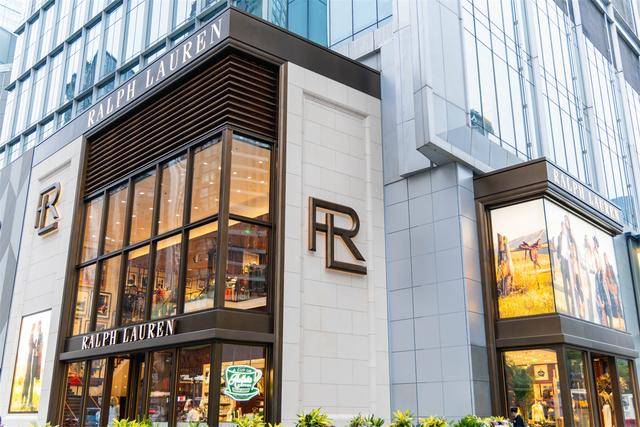
Group 1 - The article highlights the vibrant consumer atmosphere in Chengdu as it prepares for the National Day and Mid-Autumn Festival, showcasing various new retail experiences and events [1][3] - Ralph Lauren has opened its first flagship store in mainland China and the western region at Chengdu IFS, aiming to expand its consumer ecosystem with immersive experiences [3][1] - Barbour launched a new pop-up store featuring its Tartan classic theme in Chengdu, with a special event attended by celebrity Han Dongjun, blending history and modernity [5][6] Group 2 - Chengdu's commercial landscape is enriched with seasonal offerings, such as the "Golden Osmanthus Oolong" tea series from local brand Cha Baidao, which targets the holiday market with promotional activities [8] - Chengdu MixC is hosting a public art exhibition and several themed pop-up stores, including a nationwide launch of the new black leather Hello Kitty by TOUTOU, appealing to younger consumers [8] - The opening of the metro line 17 has led to the emergence of new commercial landmarks, enhancing the overall commercial atmosphere and consumer engagement in the area [11][13] Group 3 - The Quantum Space, a new multi-functional entertainment and commercial hub, has transformed old industrial sites into vibrant spaces for social and recreational activities, promoting a new consumer culture [11][14] - Chengdu's high-tech venues, such as the indoor climbing gym in Quantum Space, offer diverse activities that attract a younger audience, emphasizing the integration of sports, socializing, and lifestyle [13][14] - The Chengdu High-tech Center is enhancing the "ticket economy" by providing discounts at local hotels for theatergoers, further linking various commercial activities [14] Group 4 - The 麓湖CPI is collaborating with A4 International to host an art residency event, creating immersive art experiences that engage consumers and enhance the emotional value of the shopping environment [16][17] - The integration of high emotional value experiences into commercial parks is becoming a trend, with various art installations and events designed to foster consumer interaction and engagement [16][17]
从拼产品到拼生态,新茶饮出海走向深水区
2 1 Shi Ji Jing Ji Bao Dao· 2025-09-30 03:53
Core Insights - The new tea beverage brands are rapidly expanding their presence globally, with significant growth in Southeast Asia and North America [1][2][3] - Despite the challenges of entering foreign markets, these brands are achieving impressive sales figures and establishing a foothold in various regions [1][2][3] Group 1: Market Expansion - New tea beverage brands are opening stores at an unprecedented rate, with Bawang Chaji set to open its 200th store in Malaysia and Heytea surpassing 100 overseas locations [1][2] - The combined revenue of five major listed tea brands reached 31.581 billion yuan in the first half of 2025, marking a year-on-year increase of 30.12% [2] - Heytea's first LAB store in New York sold over 3,500 cups on its opening day, with daily sales stabilizing above 2,000 cups [2] Group 2: Challenges in Overseas Markets - Founders emphasize the complexities of scaling operations in foreign markets, including supply chain stability and local talent acquisition [1][3] - Even leading brands like Mixue Ice City have had to optimize existing stores in Indonesia and Vietnam due to operational challenges [3] Group 3: Localization Strategies - Brands are adapting their menus to local tastes, with products like Heytea's "California Sunset" and Tea Baidao's customized offerings in Malaysia [5][6] - The importance of a flexible supply chain is highlighted, with companies establishing local sourcing to reduce reliance on cross-border logistics [6] Group 4: Market Selection and Positioning - The choice of market location is critical, with brands focusing on areas with high consumer potential, such as Los Angeles for its favorable climate and logistics [7][8] - The fragmented nature of the Southeast Asian market presents both opportunities and challenges for brands looking to expand [8] Group 5: Future Directions - The industry is moving towards a phase of deepening market penetration rather than rapid expansion, with a focus on quality and brand integration into local lifestyles [9][10] - The success of these brands will depend on their ability to innovate while maintaining their core identity, as well as understanding local consumer preferences [10]