
华住集团

Search documents
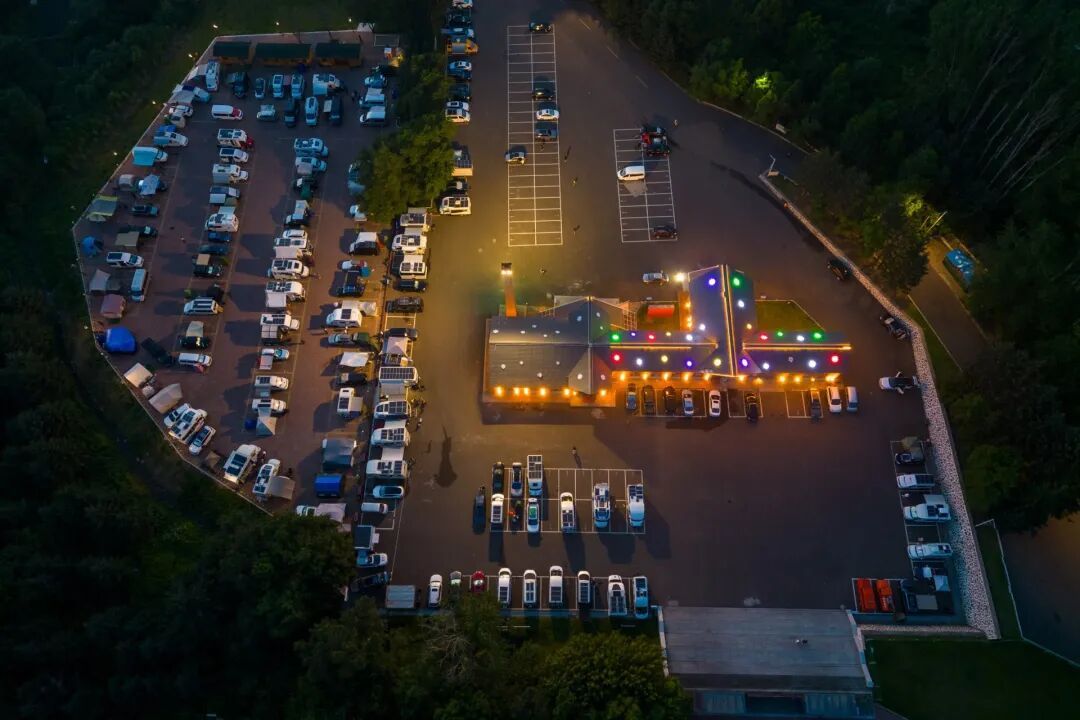
旺季竟然有不少空房,酒店老板有点慌:旅游的不睡酒店睡车上?
Mei Ri Jing Ji Xin Wen· 2025-10-16 22:34
Core Insights - The rise of car camping and the use of car mattresses during holidays is significantly impacting the hotel industry, as more travelers opt for sleeping in their vehicles instead of booking hotel rooms [1][5][6] - The competition landscape for hotels has shifted, with hotels now competing not only with each other but also with higher-end hotels, cars, and even tents for customers [3][8] - The self-driving travel trend is growing, with a notable increase in rental car orders and self-driving tourism demand, indicating a shift in consumer preferences [4][5][6] Industry Trends - During the recent National Day and Mid-Autumn Festival holidays, the reading volume of car camping topics on social media platforms reached 110 million, with related discussions on electric vehicle camping increasing by 50 million [1] - The Ministry of Transport reported that by 2025, 80% of travelers are expected to choose self-driving as their mode of transport during holidays [1] - The demand for self-driving travel has increased by 6.7% year-on-year during the holiday period, with significant growth in various age groups, particularly among younger generations and families [4] Hotel Industry Impact - Hotel occupancy rates are declining, with many hotels experiencing higher vacancy rates during peak seasons, attributed to the rise of car camping and increased hotel supply [3][5][8] - The hotel industry is facing intense competition due to an oversupply of rooms, with over 600 new hotel rooms added in the vicinity of one hotel alone [8] - High-end hotels are engaging in price wars, significantly lowering their rates to attract customers, which is squeezing the middle-tier hotels [8][9] Consumer Behavior Changes - Consumers are increasingly seeking privacy, safety, and comfort in their travel experiences, leading to a rise in the popularity of customized car camping products [6] - The trend of "living in a car" is becoming more common, with many travelers opting for car mattresses and camping gear instead of traditional hotel accommodations [3][5] - The market for camping-related products, such as inflatable mattresses and portable power supplies, has seen substantial sales growth, indicating a shift in consumer spending habits [4][6]

新世代 新需求新消费
2025-10-16 15:11
Summary of Conference Call Records Industry Overview - **Consumer Behavior Shift**: In 2025, there is a significant increase in demand for experiential consumption among new-generation consumers, with travel and cross-regional movement increasing by over 6% year-on-year during the Double Eleven shopping festival, indicating a continuous release of tourism potential [1][4] - **Beauty and Retail Performance**: The beauty and personal care sector led the market in the first half of 2025, while the social service sector showed modest but positive returns. Retail trade has aligned with the performance of the CSI 2000 index since September 2024 [1][3] Key Insights - **Experiential Consumption**: New-generation consumers prioritize personal experiences and emotional satisfaction over traditional sightseeing or vacationing, leading to notable changes in tourism, retail, and beauty sectors [2][4] - **OTA Platforms**: Online Travel Agency (OTA) platforms benefit from accumulated offline supply chain resources, maintaining competitiveness in a market with ongoing demand and frequent destination changes. Despite stock price increases from 2023 to 2024, the competitive landscape remains favorable [5] - **Hotel Industry Growth**: The hotel sector has attracted significant capital, with small hotel owners opting for franchise models to ensure cash flow stability. From 2024 to 2025, both the number of hotels and rooms have seen mid-to-high single-digit growth, with Huazhu leading in growth rates [6][7] Retail Sector Dynamics - **Retail Market Trends**: The retail industry is refocusing on meeting consumer needs, with steady growth in total retail sales. However, online growth has slowed, leading to intensified competition among major e-commerce players for local market traffic [8][9] - **Traditional Retail Adjustments**: Traditional retailers like Yonghui are optimizing supply chains and product displays to adapt to market changes, driven by domestic demand expansion policies [10][11] Beauty Industry Developments - **Rise of Domestic Brands**: The beauty sector is witnessing a rise of domestic brands, which are achieving growth through strong operational capabilities and understanding of local consumer preferences. This trend mirrors the post-World War II growth of Estée Lauder in the U.S. [3][13] - **Aimeike's Expansion**: Aimeike, a leading domestic medical beauty company, is expanding internationally through overseas acquisitions and is expected to benefit from a lower base in the second half of 2025 [14] Investment Opportunities - **Promising Sectors**: Key sectors to watch include tourism (focus on OTA platforms), retail (notable players like Alibaba and Yonghui), and beauty (potential in domestic brands). Additionally, Xiaogoods City is highlighted as a quality target for overseas market potential [15]
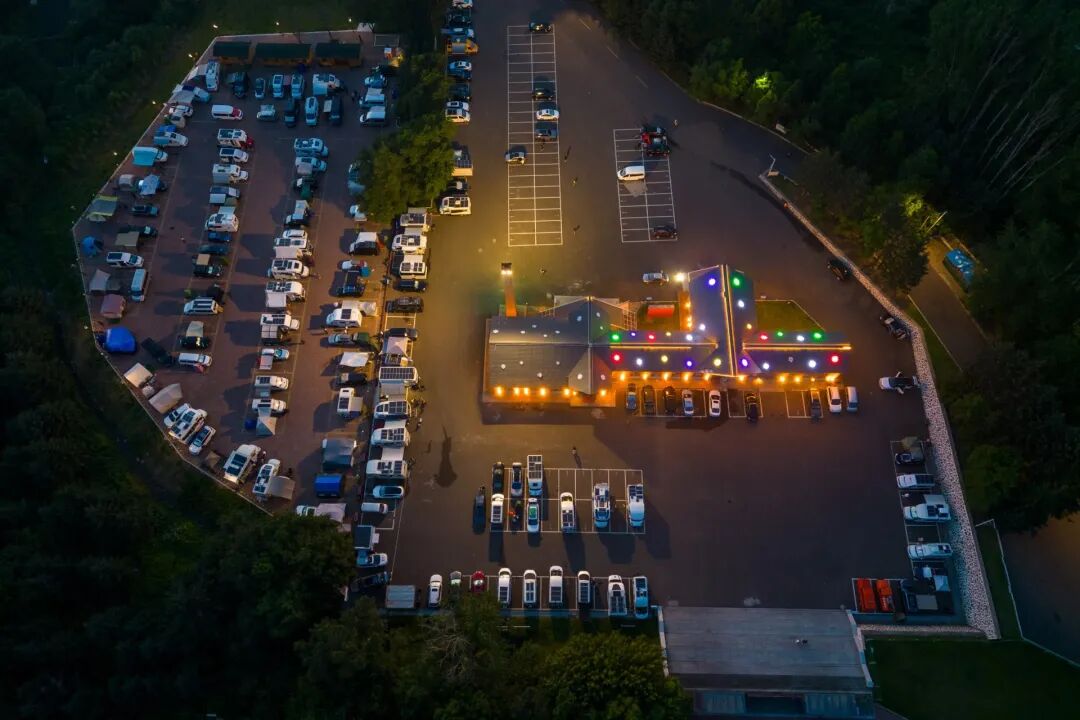
旺季竟然有不少空房,酒店老板有点慌:你们旅游的,不睡酒店睡车上?游客纷纷种草:怒省几大千
Mei Ri Jing Ji Xin Wen· 2025-10-16 15:09
Core Viewpoint - The rise of car camping and the use of mobile sleeping arrangements in electric vehicles are significantly impacting the traditional hotel industry, leading to increased competition and changing consumer preferences [1][3][5]. Group 1: Changes in Consumer Behavior - During the recent National Day and Mid-Autumn Festival holidays, the popularity of car camping surged, with discussions on social media platforms like Xiaohongshu reaching 110 million views [1]. - The proportion of self-driving trips is projected to reach 80% by 2025, indicating a shift in travel preferences towards more flexible and cost-effective options [1][3]. - The demand for car camping has led to a notable increase in related product sales, such as inflatable mattresses and outdoor gear, with some items seeing sales growth of over 80% [4][5]. Group 2: Impact on the Hotel Industry - Hotel occupancy rates are declining, with many hotels experiencing unprecedented levels of vacancy during peak seasons, attributed to competition from car camping and other alternative accommodations [3][5][8]. - The hotel industry is facing increased competition not only from other hotels but also from the growing number of available rooms, with over 600 new hotel rooms added in a specific area, leading to a significant diversion of guests [8][10]. - High-end hotels are engaging in price wars, with room rates dropping significantly to attract customers, which is squeezing the middle-tier hotels and altering the competitive landscape [9][10]. Group 3: Industry Trends and Future Outlook - The hotel industry is undergoing a transformation, moving from expansion to a focus on operational efficiency and service quality in response to changing consumer demands [11]. - The trend of short-distance and county-level travel is becoming more prominent, with lower-tier cities showing higher occupancy rates compared to major urban centers [10][11]. - The increasing comfort and features of electric vehicles, such as improved seating and air conditioning, are making car camping a more appealing option for travelers [6][10].
年轻人住进帐篷,酒店老板还困在低价里
3 6 Ke· 2025-10-16 07:33
Core Insights - The hotel and travel industry is experiencing significant challenges, particularly for small and medium-sized hotels, which are facing low occupancy rates and price pressures due to OTA platform interventions [1][2][4] - A conflict over pricing authority between hotels and OTA platforms has escalated, prompting regulatory intervention to address issues such as price manipulation and unfair practices [2][3][4] Industry Dynamics - Many hotel owners report instances of OTA platforms unilaterally adjusting room prices, leading to significant revenue losses [1][4] - The regulatory bodies have highlighted the misuse of technology by OTA platforms to interfere with hotel pricing, indicating a need for reform in the industry [2][3][4] - The competitive landscape is shifting with new entrants like JD.com and Douyin offering lower commission rates and alternative pricing strategies, which could disrupt the existing OTA market [8][9][10] Pricing Strategies - OTA platforms utilize automated pricing tools that can lead to rapid price adjustments across multiple platforms, creating a cycle of price undercutting [3][5][7] - The current commission rates for hotels on major OTA platforms range from 10% to 18%, which significantly impacts hotel profitability and pricing strategies [9][10] Market Trends - The hotel industry is witnessing a decline in average daily rates (ADR) and revenue per available room (RevPAR), with projections indicating a 5% decrease in RevPAR for the first half of 2025 [13][14] - The recent National Day holiday saw lower occupancy rates compared to previous years, with many hotels unable to raise prices despite reduced demand [14][15] Regulatory Environment - Regulatory agencies are increasingly scrutinizing OTA practices, particularly concerning price manipulation and exclusivity agreements that limit hotel operators' options [4][12][18] - The ongoing regulatory focus may lead to changes in how OTA platforms operate, potentially improving conditions for hotel operators in the long term [18]

读完季琦三本书,悟道中国酒店“真善美”
3 6 Ke· 2025-10-16 05:51
Core Insights - The core idea of the articles revolves around the evolution of the Chinese hotel industry, emphasizing a shift from superficial innovations to a deeper philosophical approach in business practices, as articulated by the founder of Huazhu, Ji Qi [1][12]. Group 1: Industry Evolution - The Chinese hotel industry is transitioning from a phase of superficial changes, such as redesigns and trendy elements, to a more profound understanding of true innovation, which involves rethinking production factors and market needs [2][12]. - The industry has seen a proliferation of new brands and hotel groups, but many of these innovations are merely cosmetic and do not represent genuine advancements [2][12]. Group 2: Huazhu's Innovations - Huazhu has introduced several technically advanced innovations, such as fiber-optic access, modular design, and a "ten-second check-in" system, which reflect a continuous inquiry into real customer needs [3][4]. - The company's culture is rooted in authenticity, with a focus on understanding the true demands of customers rather than engaging in superficial trends [3][4]. Group 3: Business Philosophy - Ji Qi emphasizes the importance of a unique corporate philosophy as a competitive barrier, arguing that without philosophical guidance, technical innovations can easily be replicated [12][15]. - The concept of "至善" (ultimate goodness) is central to Huazhu's strategy, aiming to democratize quality experiences for consumers and create a win-win situation for all stakeholders, including customers, partners, and employees [6][7][8]. Group 4: Employee and Partner Relations - Huazhu prioritizes the interests of franchisees and suppliers, fostering a "community of destiny" that ensures mutual benefits and sustainable partnerships [7][8]. - The company invests in employee development, transforming staff into leaders and ensuring that service quality remains high during rapid expansion [8][9]. Group 5: Aesthetic and Balance - The pursuit of "尽美" (ultimate beauty) reflects a shift towards a more aesthetic and balanced approach in business, where simplicity and functionality are prioritized [9][10]. - Huazhu's competitive advantage lies in its ability to provide lasting comfort and experience rather than fleeting visual appeal, aligning with the fundamental needs of hotel guests [11][12]. Group 6: Future Directions - The future of the hotel industry will hinge on value innovation and the establishment of a unique corporate philosophy, moving away from mere technical advancements [12][14]. - The competitive landscape will evolve into an ecosystem-based competition, where collaboration and mutual growth among partners will be essential for long-term success [14][15].

十年磨一股,云迹估值仍不及宇树?
Sou Hu Cai Jing· 2025-10-16 04:57
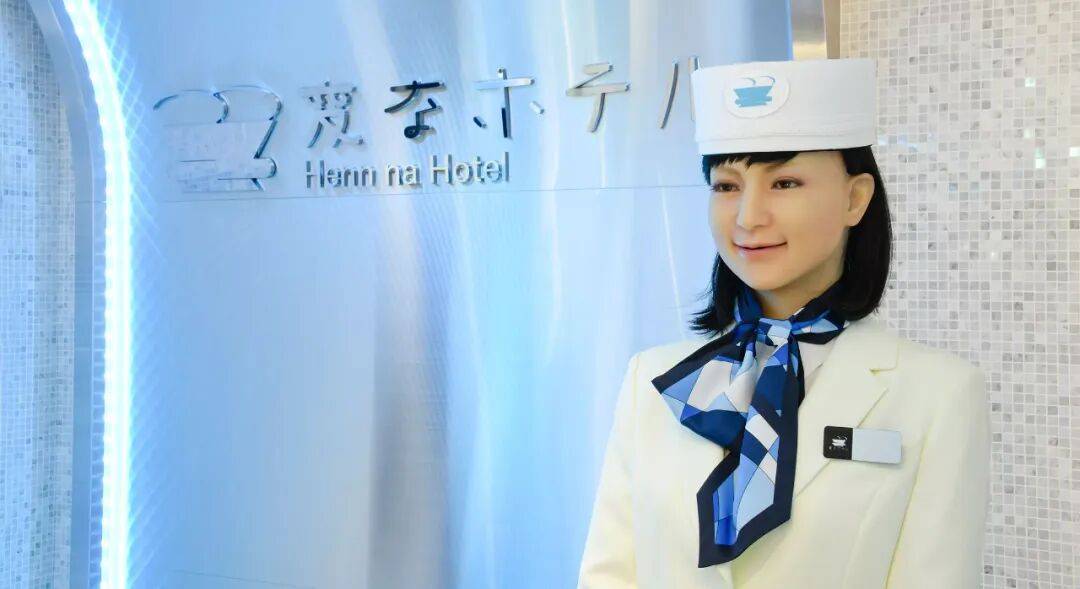
Core Insights - The article discusses the rapid growth and challenges faced by Cloudwalk Technology, the first hotel robot company to go public, highlighting its IPO process and market position in the hotel robotics industry [1][8]. Company Overview - Cloudwalk Technology plans to issue 6.9 million H-shares at a price of 95.6 HKD per share, with a significant oversubscription of 4,259 times for its public offering [1]. - The company has undergone eight rounds of financing over eleven years and is now attempting to enter the IPO market after a challenging three-year period on the Sci-Tech Innovation Board [1][8]. - Cloudwalk's revenue for 2022, 2023, and 2024 was 161 million, 145 million, and 245 million CNY respectively, with a compound annual growth rate of 23.4% [8]. Market Dynamics - The hotel robot market has seen a surge in demand due to the COVID-19 pandemic, with many hotels adopting contactless services [4][12]. - The introduction of the "144-hour visa-free transit policy" in November 2023 has led to an increase in foreign guests in domestic hotels, benefiting companies like Cloudwalk [1]. Competitive Landscape - Cloudwalk is often compared to Yushutech, which has achieved a valuation of over 10 billion CNY and has been more successful in securing funding and profitability [8][9]. - Yushutech's revenue has surpassed 1 billion CNY annually, while Cloudwalk continues to struggle with losses, having accumulated over 800 million CNY in net losses [8][9]. Technological Advancements - Cloudwalk has developed a comprehensive stack of capabilities with 985 patents, leading the global market in the number of robots and services provided [6]. - The company has launched various core products, including the UP series of robots, which signify a shift towards more intelligent service robots [6][11]. Industry Challenges - The hotel robot industry faces significant challenges, including high initial investment costs, maintenance expenses, and the need for a fully integrated smart ecosystem [14][15]. - Many hotels view robots as a marketing tool rather than a practical solution, leading to underutilization and a focus on aesthetics over functionality [17]. - The reliance on a single market segment (hotels) poses risks for Cloudwalk, as over 93% of its revenue comes from this sector, limiting diversification [11][12].
对话大咖 - 酒店板块企稳修复了吗?
2025-10-15 14:57
Summary of Hotel Industry Conference Call Industry Overview - The hotel industry has shown signs of recovery since late August, with September data turning positive and a significant increase in both volume and price during the National Day holiday in October, indicating a rebound from the bottom [1][2] - Major brands like Hanting and Quanjing reported positive performance for the first time in 18 months, suggesting market stabilization [1][4] Key Insights - **Market Performance**: Post-National Day, market performance varied across regions. Cities like Beijing and Shanghai continued to show improvement, while Guangdong faced challenges due to external events [5][6] - **Tourism Trends**: Record high travel numbers and increased disposable income among the middle class have driven hotel performance. The exit of older hotels and the rise of high-quality establishments have also contributed to improved metrics [6][7] - **Investment Opportunities**: The decline in commercial property prices (down approximately 30% from peak) and policies allowing the conversion of office spaces into hotels present new investment opportunities [8] Financial Metrics - **Average Daily Rate (ADR)**: September saw a significant increase in ADR across all stores, with occupancy rates and overnight rates also improving markedly [4] - **Return on Investment**: The payback period for mid-range and upscale hotels has extended to approximately 4.5 years, yet the market still holds substantial growth potential [9][10] Competitive Landscape - **Brand Performance**: Brands like Quanjing, Atour, and Hilton Garden Inn are performing well, with Hanting and Quanjing showing strong recovery [1][10] - **Quality vs. Price**: Despite a trend of consumption downgrade, high-quality mid-range products remain competitive, with brands like Atour and Huazhu achieving occupancy and RevPAR above industry averages [11][12] Supply Chain Advantages - Huazhu's supply chain benefits from standardized, large-scale procurement, which helps control costs and improve investment returns for franchisees [13] - The competitive edge of Huazhu's supply chain is difficult for other hotel groups to replicate due to its established scale and negotiation power [14] Future Directions - The domestic hotel industry is expected to continue evolving towards high-quality, mid-range offerings, driven by increasing demand from the middle class for value and quality [11][12] - The introduction of new brands, such as Atour's Light Stay, reflects a successful strategy to penetrate both high-end and lower-tier markets [15] Impact of New Openings - New hotel openings can impact the performance of existing hotels, but the extent of this impact depends on the local market dynamics [16] Technological Integration - The entry of internet companies into the hotel sector is anticipated to enhance operational efficiency and user experience, with AI technology beginning to play a role in hotel management [16] Conclusion - The hotel industry is on a recovery path, with positive indicators in performance metrics and investment opportunities. The focus on quality and competitive pricing will be crucial for sustaining growth in the evolving market landscape [1][10][11]
心生之境:与季琦深聊“观念如何改变实体”
Xin Lang Cai Jing· 2025-10-15 07:45
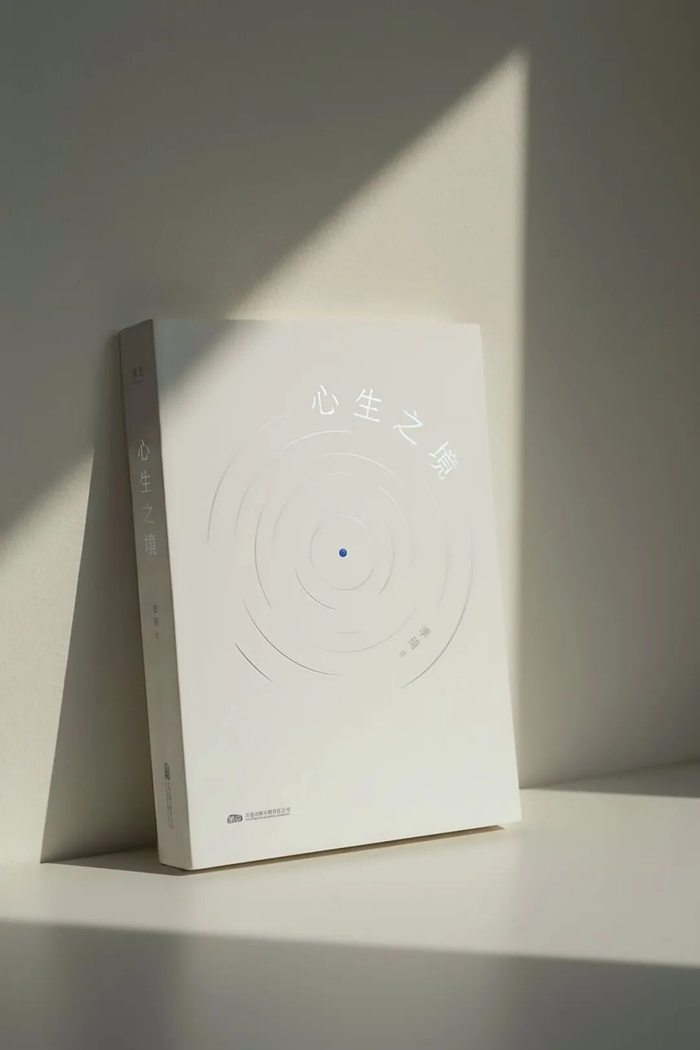
Core Insights - The article discusses the 20th anniversary of Huazhu Group and highlights the release of its founder Ji Qi's new book "Heart and Realm" [2][6] Group 1: Book Overview - "Heart and Realm" connects the concepts of "heart" (the world of ideas) and "realm" (the physical world) [6] - The book consists of 12 essays under the title "Cosmology," reflecting Ji Qi's deep philosophical thoughts on life and existence [7][10] - Ji Qi emphasizes that life has no inherent meaning, only the process matters, and that the world is primarily a realm of ideas [10][11] Group 2: Entrepreneurial Journey - Ji Qi's entrepreneurial journey spans 20 years, during which he built Huazhu Group into the fourth-largest hotel group globally [16] - The article contrasts the challenges faced by entrepreneurs in difficult environments with the difficulties of maintaining innovation in comfortable circumstances [18][19] - Ji Qi's approach to entrepreneurship involved leveraging internet thinking to transform traditional industries and focusing on differentiation and operational excellence [18][20] Group 3: Philosophical Insights - The book offers insights for both struggling entrepreneurs and successful leaders, emphasizing the importance of long-term thinking and self-reflection [22] - Ji Qi's writings reflect a blend of practical experience and philosophical inquiry, making the book a unique record of his intellectual and business evolution over 20 years [23][24]
进入“西马时刻” 度小满联合华住会旗下酒店为跑者提供专属服务
Zheng Quan Shi Bao Wang· 2025-10-15 06:40

Core Points - The 2025 Duxiaoman Xi'an Marathon will officially start on October 19, 2025, with various services provided for participants [1] Group 1: Services Offered - Service 1: Exclusive shuttle service to the starting point for runners staying at designated hotels, with scheduled departures from 5:30 to 6:30 AM on race day [1] - Service 2: Customized nutritional breakfast packs will be distributed to runners at the hotel front desk on race day from 5:30 to 6:30 AM [2] - Service 3: Runners can enjoy a late check-out service until 4 PM on race day by presenting their race qualification [3] - Service 4: Runners will receive a chance to enter a lottery for prizes, including customized race packs, by showing their race qualification at check-in [4] Group 2: Participating Hotels - A total of 22 hotels under Huazhu Group are collaborating with Duxiaoman to provide these services, including locations near key landmarks in Xi'an [7][8]
本土酒店出海,为何热衷“首攻”东南亚?
3 6 Ke· 2025-10-15 03:12
Core Insights - Huazhu Group's brand, Qianxi, is accelerating its expansion in Southeast Asia, with recent signings in Kuala Lumpur and Phnom Penh, marking a significant step in its overseas strategy [1][2] - The Southeast Asian market is becoming a testing ground for domestic hotel brands seeking global presence, driven by increasing business travel and tourism from China [5][6] Group 1: Qianxi's Southeast Asia Expansion - Qianxi has signed three new hotels in Southeast Asia, with locations in Kuala Lumpur and Phnom Penh, targeting business and leisure travelers [1][2] - The Kuala Lumpur hotel will feature 101 rooms and is set to open in Q4 2026, while the Phnom Penh hotel aims to become a benchmark in the CBD area, opening in Q2 2026 [2] - The strategy involves analyzing local market trends and consumer demands, indicating a shift from mere acquisitions to a more nuanced approach in overseas expansion [2] Group 2: Market Dynamics and Opportunities - The Southeast Asian tourism landscape is changing, with Vietnam becoming the top destination for Chinese tourists, receiving 3.5 million visitors in 2025, a 44% increase [5] - Recent visa policies in Southeast Asia have facilitated travel for Chinese tourists, enhancing the potential customer base for Qianxi hotels [6] - The growing demand for quality accommodations is driven by a young population, with over 50% under 30 years old, and a rapidly expanding middle class [7][8] Group 3: Competitive Landscape and Strategic Approaches - Domestic hotel groups are increasingly looking to Southeast Asia as a new growth market amid intense competition in the domestic market [9][15] - The first wave of expansion involved partnerships and franchise models, while the current phase sees more direct investments and brand establishment [9][10] - Companies like Jinjiang and Huazhu are diversifying their brand offerings and leveraging local partnerships to enhance their market presence [11][12] Group 4: Technological and Operational Innovations - The integration of digital systems and localized operations is becoming a competitive advantage for hotel groups entering Southeast Asia [14] - Huazhu's establishment of a global headquarters in Singapore aims to streamline operations and adapt to local market needs [3] - The focus on a robust membership system and localized marketing strategies is essential for building brand recognition and customer loyalty in new markets [13][15]