娃哈哈

Search documents
8点1氪:被五月天粉丝质疑抄袭,老庙黄金道歉;美团将于年底全面取消骑手超时罚款;宗馥莉回应砍掉年销300万以下经销商
36氪· 2025-08-28 00:09
Group 1 - The core issue involves a gold pendant shaped like a carrot by Laomiao Gold, which has been accused of plagiarism from STAYREAL's IP "Momo Hu Hu Carrot" [3][4] - Laomiao Gold recently announced a formal collaboration with STAYREAL on August 24, but the controversial product was not part of this collaboration, leading to accusations of betrayal [5] - Following the backlash, Laomiao Gold issued an apology on August 26, explaining that the product was an internal design mistakenly listed by e-commerce staff, and they have since removed it from all platforms [5] Group 2 - Meituan announced plans to eliminate late delivery penalties for riders by the end of 2025, shifting from punitive measures to positive incentives [5][7] - The company has already begun trials in 22 cities to implement a system that rewards timely deliveries instead of penalizing delays [5][7] Group 3 - Cambrian Technology's stock price surged, briefly surpassing Kweichow Moutai to become the "king of A-shares," with a monthly increase of over 100% and a year-to-date increase exceeding 2500% [6][19] - Anta Group reported a revenue of 38.544 billion yuan for the first half of the year, a year-on-year increase of 14.3% [19] - Mixue Group achieved a revenue of 14.87 billion yuan in the first half of the year, reflecting a year-on-year growth of 39.3% [20]


钟睒睒四面出击,半年净赚76亿
3 6 Ke· 2025-08-27 23:46
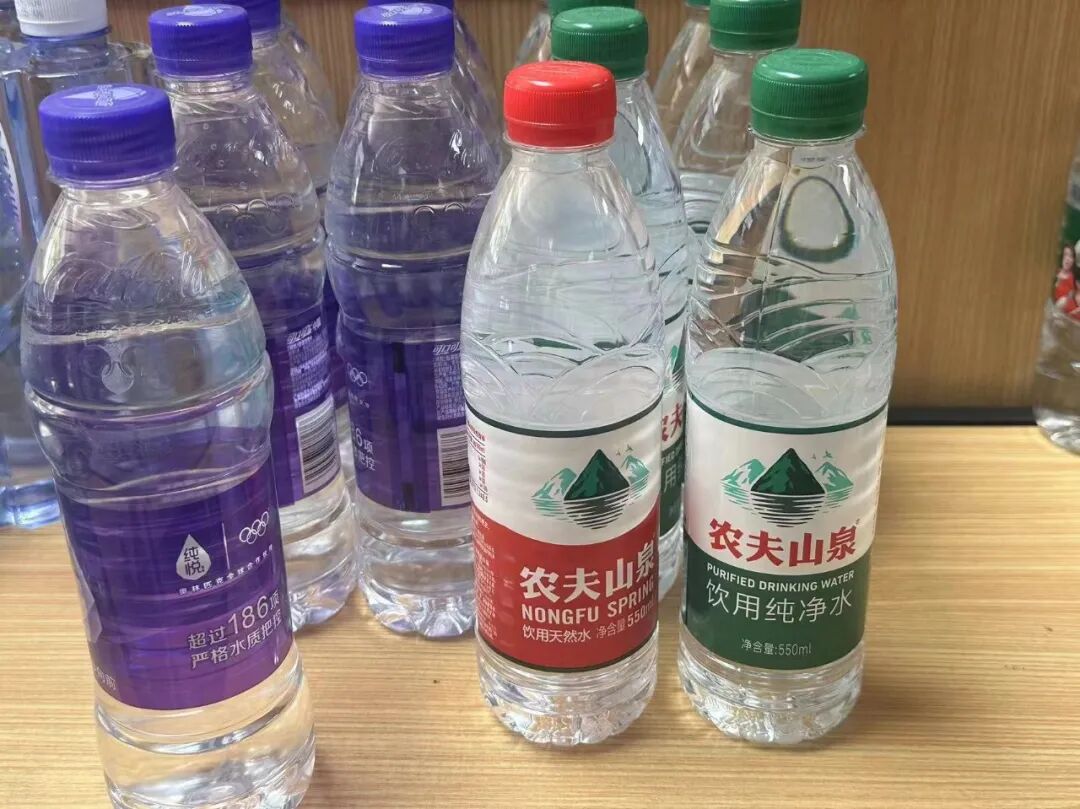
Core Viewpoint - In the first half of 2025, Nongfu Spring reported strong financial results, with revenue reaching 25.622 billion yuan, a year-on-year increase of 15.6%, and net profit of 7.622 billion yuan, up 22.1% [1][3] Revenue Sources - The main revenue sources for Nongfu Spring remain tea beverages and packaged drinking water, accounting for over 70% of total revenue [1] - The tea beverage segment achieved revenue of 10.089 billion yuan, marking the first time it surpassed 10 billion yuan in the first half of the year, an increase of 16.59 billion yuan compared to the same period last year [1] - Packaged drinking water revenue was 9.443 billion yuan, reflecting a year-on-year growth of 10.7%, although it has not yet returned to pre-2024 levels [1] Product Performance - Other beverage categories also saw growth, with functional drinks generating 2.898 billion yuan, up 13.6%, and juice drinks reaching 2.564 billion yuan, a 21.3% increase [3] - The company has shifted its focus to packaged water sales in retail assessments, moving away from previous emphasis on tea products [3] Market Dynamics - The unsweetened tea market has experienced a slowdown in growth, with only a few brands, including Nongfu Spring, maintaining stable sales in the first half of 2025 [5][6] - Despite being a leading player in the unsweetened tea segment, Nongfu Spring faces competition and market saturation, prompting the need for innovative strategies [5][6] New Product Launches - In June 2025, Nongfu Spring launched a new carbonated tea product, "Ice Tea," with significant investment in research and promotion, aiming to enhance its product matrix [8][11] - The company is also exploring the ice tea market, which has seen increased competition from established brands like Yuanqi Forest [9][10] Expansion Strategies - Nongfu Spring is expanding its market presence, having entered the Hong Kong market with seven core product brands, aiming for internationalization and brand high-end positioning [12] - The company is also enhancing its collaboration with retail channels, such as Sam's Club, to introduce customized products [11][12]
华恒生物: 安徽华恒生物科技股份有限公司2025年半年度报告
Zheng Quan Zhi Xing· 2025-08-27 14:06
Core Viewpoint - Anhui Huaheng Biotechnology Co., Ltd. reported significant growth in revenue but a decline in net profit for the first half of 2025, indicating challenges in maintaining profitability despite increased sales [2][3]. Company Overview and Financial Indicators - The company achieved operating revenue of approximately 1.49 billion RMB, a 46.54% increase compared to the same period last year [3]. - Total profit decreased by 27.92% to approximately 118.57 million RMB, while net profit attributable to shareholders fell by 23.26% to about 114.89 million RMB [3]. - The company's total assets increased by 6.26% to approximately 5.30 billion RMB, and net assets rose by 2.53% to about 2.63 billion RMB [3]. Industry and Business Development - The company operates in the biotechnology manufacturing sector, focusing on bio-based products, particularly amino acids and vitamins, which are increasingly in demand due to trends in sustainable agriculture and animal nutrition [4][5]. - The global shift towards bio-manufacturing is expected to result in 35% of chemicals and industrial products being derived from biological processes by 2030, highlighting the industry's growth potential [6]. - The company has established itself as a leading manufacturer of bio-based products, with a diverse product range including amino acids, vitamins, and bio-based materials [8]. Market Conditions - The demand for amino acids is projected to grow due to the promotion of precision nutrition in animal feed, which aims to reduce reliance on traditional feed ingredients like soybean meal [5]. - The vitamin market is also evolving, with advancements in synthetic biology and metabolic engineering expected to reshape production processes and enhance efficiency [6]. - Bio-based materials are gaining traction as they offer lower greenhouse gas emissions compared to fossil-based materials, positioning the company favorably in a rapidly growing market [7]. Operational Strategies - The company is enhancing its product resource allocation and investing in new product development to improve profitability and market competitiveness [8]. - It is deepening its international development strategy by collaborating with global industry leaders and optimizing production processes to reduce energy consumption and environmental impact [9][10]. - The establishment of an AI digital laboratory aims to integrate AI technology into the company's operations, enhancing research and development capabilities [10]. Core Competencies - The company has developed two major technology platforms for fermentation and enzyme methods, achieving significant breakthroughs in the large-scale production of L-alanine and L-valine [12][13]. - It maintains strong partnerships with major clients, including Fortune 500 companies, which helps the company stay attuned to market demands and technological advancements [12]. - The focus on sustainable practices and the use of renewable resources in production processes align with global trends towards green manufacturing [13].

宗馥莉首次回应,杜建英危险了!
Xin Lang Cai Jing· 2025-08-27 12:21
来源:电商天下 宗馥莉,是自己的定海神针 作者 I 清清 报道 I 电商天下 不在沉默中爆发,就在沉默中灭亡,隐而未发的宗馥莉,终于回应了。 直到8月25日,一则"她已返岗坐镇娃哈哈"的爆料打破了沉默; 短短两天后,她通过媒体专访回应一切,不再绕弯、不再隐忍。 面对《财经》杂志的采访,宗馥莉坦言: 我的"定海神针"就是坚持做自己。以前我是怎样的,现在还是怎样,我不会因为风波改变方向。 在电商天下看来,这句话,既是她对市场的宣言,也是对近期家族纷争的回应。 宗馥莉:"我不会因为风波改变方向" 自从宗庆后的私生子曝光、百亿遗产争夺风波悬而未决以来,娃哈哈现任领导人宗馥莉的每一条动态,都承载着大量的关注。 而自从6月12日那场内部活动之后,宗馥莉就像突然消失了。 百亿争产风波呼啸而过,外界猜测众说纷纭,但宗馥莉没出现在办公室,也没发声回应。 这种低调到近乎神隐的姿态,让不少小道消息得以蔓延——有说法称她远走海外度假放松,亦有说法称其在陪伴家人; 图源:抖音网友 而紧接着,她依次谈及娃哈哈的组织架构、发展战略、企业文化,没有悲情叙事、没有家族伦理,只字未提争产二字,却又句句都在回应焦 点。 她说企业不属于个人,而是所 ...

宗馥莉遗产案后首次回应:我不会因为风波改变方向
2 1 Shi Ji Jing Ji Bao Dao· 2025-08-27 09:52
Core Viewpoint - The interview with Zong Fuli, the leader of Wahaha, reveals her management philosophy and approach to business amidst family disputes, emphasizing a commitment to her own decisions and team-building [2] Group 1: Management Philosophy - Zong Fuli does not agree with the concept of the "Zong Fuli era" but will implement her own decisions and build her own team [2] - The organizational changes and personnel adjustments are seen as a "professional upgrade" for Wahaha [2] Group 2: Commitment to Values - Zong Fuli's guiding principle is to remain true to herself, stating that she will not change direction due to external pressures [2] - The company’s long-term success relies on a grounded approach, regardless of external noise [2]
被低估的奶酪“副产品”,早该火了
Xin Lang Cai Jing· 2025-08-27 06:00
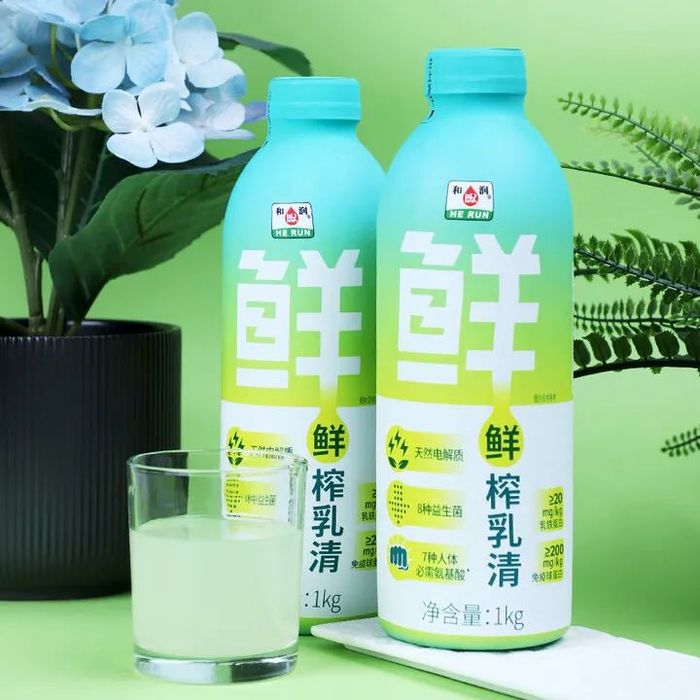
Core Insights - The Chinese dairy industry is focusing on finding new growth points as liquid milk growth stagnates, with cheese and whey products emerging as potential drivers of consumption growth [1][10][11] Industry Trends - The introduction of a niche product, "Fresh Whey," with a high whey content of 94%, is seen as a promising development in the whey food sector, targeting gut health and immune support [3][4] - The market for whey protein in China is projected to grow from $346 million in 2021 to $518 million by 2025, with an annual growth rate of 11.238%, surpassing the global average [11][25] Cheese Market Dynamics - The domestic cheese market is expected to reach a retail value of 2.5 billion yuan by 2025, representing 54% of the processed cheese market, indicating significant growth potential for original cheese products [8][10] - The production of original cheese is anticipated to reach 10,000 tons in 2024, generating approximately 90,000 tons of whey, contributing to the overall whey supply [10][11] Consumer Behavior - The demand for whey products is expected to be driven by consumer health trends, with a focus on gut health and nutrition, as indicated by the increasing acceptance of cheese and whey products among Chinese consumers [13][24] - The average per capita dairy consumption in China is projected to rise from 40.5 kg to 47 kg by 2030, with cheese and whey products playing a crucial role in this growth [13][25] Product Innovation - Various product categories are being explored for whey utilization, including plant-based milk, snacks, electrolyte water, herbal teas, and fermented beverages, with plant-based milk and snacks identified as having the most potential for growth [16][18][24] - The development of whey-based beverages is gaining traction, with companies like Wahaha and others investing in research and development for innovative whey drinks [24][25]
宗庆后家族海外资产超百亿:三十载布局之路如何走?
Sou Hu Cai Jing· 2025-08-25 21:08
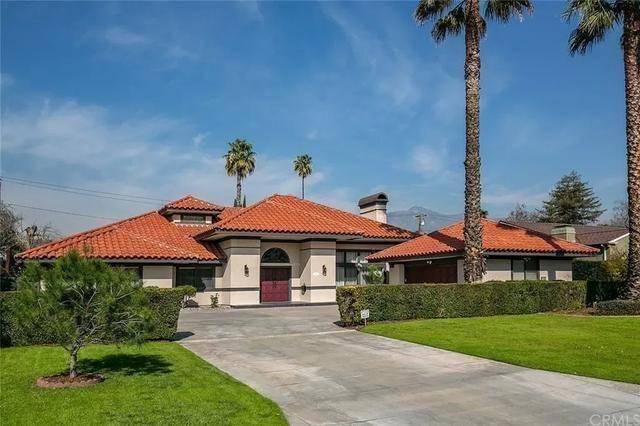
Core Insights - The discussion surrounding the overseas wealth transfer of the Zong Qinghou family, once regarded as "China's richest," has gained significant public attention due to their substantial asset movement [1][8] - The Zong Qinghou family holds assets exceeding 15 billion RMB, including luxury properties in Los Angeles, Boston, and Hong Kong, alongside various trusts and equity holdings [1][4] - The family's primary business, Wahaha beverage series, mainly operates in mainland China, raising questions about the methods employed for their wealth accumulation and overseas asset transfer [1] Group 1: Wealth Accumulation and Transfer Methods - The Zong Qinghou family has a long history of overseas asset allocation, starting with the establishment of a company in California in 1992, which facilitated their application for U.S. green cards [1][2] - The family has utilized various strategies for fund transfer, including partnerships with foreign companies like Danone, which yielded significant returns, and the establishment of offshore companies to enjoy tax benefits [2][6] - The family’s real estate holdings in California, such as the San Marino estate and Los Altos Avenue villa, along with high-end properties in Hong Kong, not only reflect their wealth but also facilitate overseas fund transfers [4][6] Group 2: Challenges and Internal Issues - The Zong Qinghou family faced challenges, including tax issues with the IRS due to failure to report global income, leading to tax liabilities and penalties [6] - Internal disputes over family wealth have highlighted deficiencies in their asset management and inheritance arrangements [6] - Despite these challenges, the family's sophisticated asset management strategies and structural designs have been impressive, showcasing their adeptness in wealth transfer [6][8]
宗庆后家族18亿美元海外资产揭秘:长达30年的布局之路
Sou Hu Cai Jing· 2025-08-25 14:00
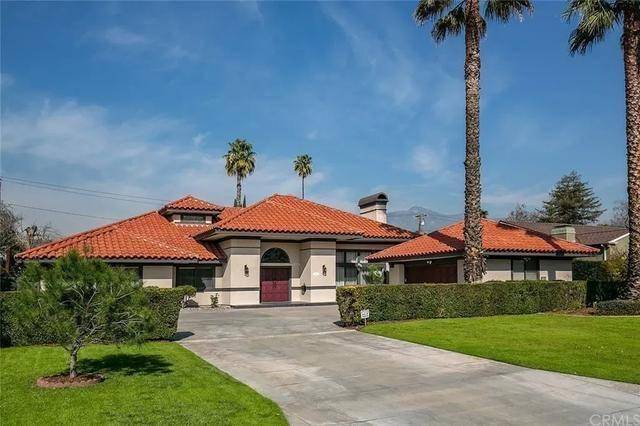
Core Insights - The wealth transfer issue of the Zong Qinghou family, once regarded as "China's former richest," has sparked widespread public interest, particularly regarding how they managed to transfer substantial funds overseas under strict foreign exchange controls [1][5] Group 1: Wealth and Assets - The Zong Qinghou family possesses significant overseas assets, including luxury properties in Los Angeles, Boston, and Hong Kong, with a total value exceeding 15 billion RMB [1][3] - Their beverage products primarily sell in mainland China, raising questions about how such wealth accumulation is supported by overseas sales [1] Group 2: Historical Context and Strategies - The family's overseas expansion dates back to 1992 when Zong Qinghou registered a company in California and subsequently applied for a U.S. green card, which was granted to him and his family in 1999 [1] - Despite later relinquishing the U.S. green card due to tax issues, the family's frequent changes in identity have facilitated asset diversification [1] Group 3: Mechanisms of Fund Transfer - The family has utilized various strategies for fund transfer, including foreign cooperation income and offshore structures, notably through a partnership with France's Danone Group, which provided substantial income [1][5] - They have also invested in domestic enterprises via offshore companies, converting some into foreign-funded entities to benefit from tax incentives and legally transferring domestic profits abroad through dividends [1][5] Group 4: Challenges and Considerations - The asset transfer process has not been without challenges, as Zong Qinghou faced penalties for failing to report global income to the U.S. tax authorities, highlighting vulnerabilities in asset management and inheritance arrangements within the family [5] - Despite these challenges, the family has demonstrated remarkable skill in asset maneuvering and structural design, prompting public reflection on wealth management and asset transfer complexities [5][7]
500亿,浙江父女去IPO敲钟了
创业家· 2025-08-24 10:29
Core Viewpoint - Wolong Electric Drive has submitted its prospectus to the Hong Kong Stock Exchange for a dual listing, aiming to capitalize on its recent stock price surge and significant market valuation of approximately 50.1 billion RMB [5][14]. Group 1: Company Background - Founded by Chen Jiancheng in 1984, Wolong Electric Drive started from a small factory and has grown into a leading domestic electric motor manufacturer, achieving a market capitalization of 50.1 billion RMB as of now [6][10]. - Chen Jiancheng's daughter, Chen Yanni, joined the company in 2007 after gaining experience abroad and has since taken on significant leadership roles, including Vice Chairman of the Board [11][13]. Group 2: Financial Performance - Wolong Electric Drive's revenue for 2022, 2023, and projected 2024 is 14.27 billion RMB, 15.57 billion RMB, and 16.25 billion RMB respectively, with profits of 839 million RMB, 553 million RMB, and 832 million RMB [18][20]. - The company has seen its stock price double within the year, reflecting strong market performance and investor confidence [14]. Group 3: Business Segments - The company specializes in electric drive systems and solutions, with five core segments: explosion-proof systems, industrial systems, HVAC systems, new energy transportation systems, and robotics components [16][18]. - Wolong Electric Drive ranks first in the global market for explosion-proof electric drive systems with a market share of approximately 4.5% [18]. Group 4: Strategic Initiatives - The company is focusing on expanding its robotics business, which is still in the early commercialization stage, and has made strategic investments in related technologies [21][22]. - Wolong Electric Drive aims to enhance its presence in emerging fields, particularly electric aviation and robotics components, as part of its growth strategy [22]. Group 5: Industry Trends - There is a noticeable trend of second-generation entrepreneurs, particularly daughters, stepping into leadership roles within family businesses, reflecting a shift in generational dynamics in Chinese enterprises [24][28]. - The increasing number of father-daughter entrepreneurial partnerships is becoming a significant phenomenon in the IPO landscape, indicating a broader acceptance and recognition of female leadership in business [25][27].

宗庆后的18亿美元,怎么转出去的?
36氪· 2025-08-24 09:00
Core Viewpoint - The article discusses the complex overseas asset management and inheritance issues faced by the Wahaha family, particularly focusing on the late founder Zong Qinghou's extensive international investments and the ensuing legal battles over his estate [3][8]. Group 1: Overseas Asset Management - Zong Qinghou's overseas asset layout began as early as the 1990s, with a significant focus on the U.S. real estate market, including a mansion purchased for $25 million in Los Angeles [5][8]. - The family's overseas assets are estimated to exceed 15 billion RMB, including properties in the U.S. and Hong Kong, as well as stakes in various offshore companies [20][19]. - The article outlines three main pathways through which Zong Qinghou's family managed to move funds abroad: obtaining green cards in the 1990s, leveraging disputes with Danone for financial maneuvering, and utilizing offshore structures to facilitate asset acquisition [21][24][26]. Group 2: Taxation and Legal Challenges - The article highlights the tax implications of Zong Qinghou's estate, particularly the potential 40% tax burden on his heirs due to U.S. tax laws regarding "covered expatriates" [39][41]. - Zong Qinghou's estate planning strategies, including the use of offshore trusts, are scrutinized for their effectiveness in light of changing tax regulations and the risk of significant tax liabilities upon his death [54][56]. - The article emphasizes the importance of compliance in cross-border asset management, noting that the global exchange of tax information under CRS could impact individuals with overseas assets [48][53].