
云深处

Search documents
CES2026上,中国具身企业拉爆海外......
具身智能之心· 2026-01-08 09:30
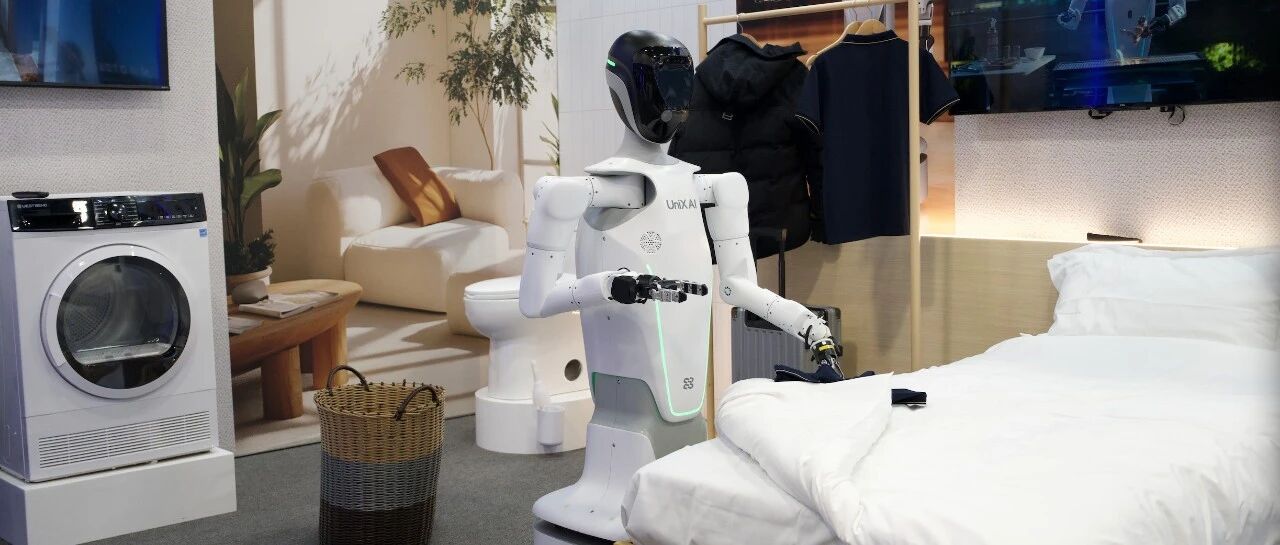
Group 1: CES 2026 Overview - The CES 2026 in Las Vegas showcased over 4,000 exhibitors, with 942 Chinese companies participating, accounting for approximately 22% of the total, making China the second-largest exhibiting country globally [4] - This year's focus was on AI and hardware, with a notable increase in the presence of Chinese brands [3] Group 2: Embodied Intelligence Sector - Among the 38 humanoid robot exhibitors, 21 were from China, representing 55% of the total, indicating a shift towards showcasing engineering delivery capabilities and real-world operational abilities [6] - Chinese company UniX AI gained significant media attention at CES, being featured in major global news outlets shortly after its presentation [6] - Unitree showcased its H1 humanoid robot, which has a 360-degree perception capability and a 15 kg load capacity suitable for industrial inspections [7] - Galaxy General demonstrated a collaborative operation between humanoid and quadruped robots, introducing a new outdoor inspection model with enhanced environmental adaptability and an 8-hour battery life [9] Group 3: Autonomous Driving Sector - Companies like Geely, Great Wall, Leap Motor, and New Stone presented their products at CES, indicating that autonomous driving is becoming a consumer product [11] Group 4: AI Glasses and Consumer Products - Among the 23 AI glasses brands, nearly 70% were Chinese, including Alibaba, XREAL, and Thunderbird [15] - Domestic brands like TCL and Hisense showcased their strengths, while emerging brands like MOVA and Yingshi also made their presence felt [17]

直击CES:AI,加速影响物理世界
Zhong Guo Zheng Quan Bao· 2026-01-07 04:44
Group 1: AI Technology and Developments - AI has become the central theme at CES 2026, with discussions focusing on extending AI into the physical world [2][3] - NVIDIA's CEO Jensen Huang announced that the company's open-source physical AI model "Cosmos" has reached one million downloads, indicating a significant shift in AI capabilities [2] - AMD introduced several new AI products, including the MI455X GPU AI chip and Ryzen AI processors, with plans to launch the MI500 series chip in 2027, aiming for a 1000-fold increase in AI performance over the next four years [2] - Qualcomm's new high-performance robot processor, the Snapdragon IQ10 series, is designed for industrial autonomous mobile robots and advanced humanoid robots [2][3] Group 2: Robotics and Smart Products - The humanoid robot TORA-ONE showcased at CES 2026 demonstrates strong adaptability in new retail scenarios, featuring advanced tactile sensors with high precision and sampling rates [4] - Companies like 松延动力 are targeting key global markets for their products, aiming for significant overseas expansion in 2026 [5] - The exhibition highlighted various smart home products, including robotic lawn mowers and pool cleaning robots, indicating a growing market for AI-integrated home appliances [6] Group 3: Autonomous Driving - The maturity of technology is pushing L4-level autonomous driving into everyday life, with significant advancements in AI driving this trend [7] - Huang announced the Alpamayo R1, an open-source VLA inference model for assisted driving, suggesting that autonomous driving may become a mainstream application of physical AI [7]


CES 2026 最疯狂的 25 个脑洞,全在这里了
3 6 Ke· 2026-01-07 02:50
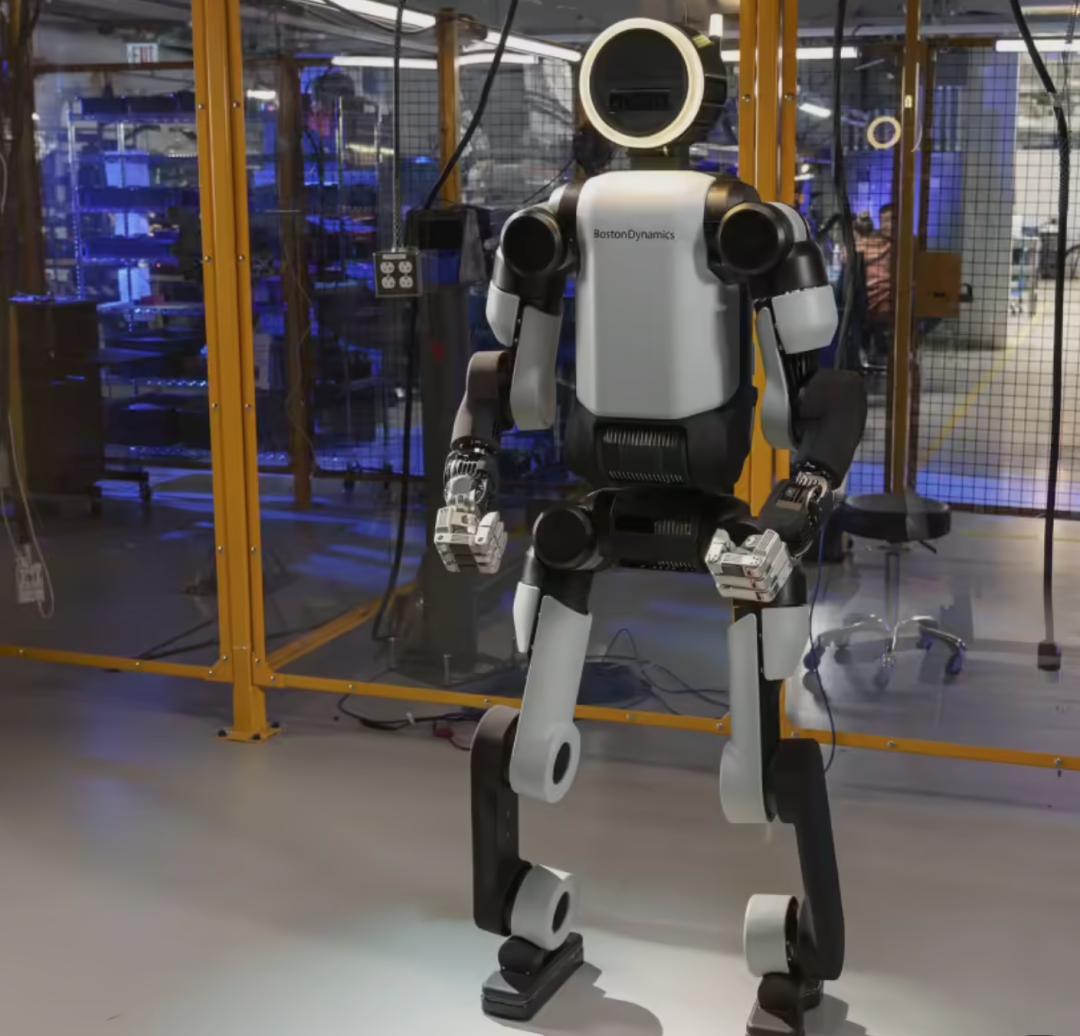
Core Insights - CES 2026 showcases a significant shift in AI integration, moving from software applications to physical world applications through various hardware innovations [1][2] - The event features over 4,100 exhibitors and is expected to attract more than 150,000 attendees, indicating a full recovery and heightened interest in technology [1] - The focus is on four key areas: robotics and embodied intelligence, smart vehicles, AI hardware, and innovative tech, which are seen as the main drivers of innovation this year [1] Robotics and Embodied Intelligence - CES 2026 marks a turning point for robotics, with a dedicated exhibition hall for embodied intelligence, indicating a shift from novelty to practical applications in manufacturing, transportation, and healthcare [4] - Chinese companies dominate the robotics sector, with over half of the exhibitors showcasing advancements in embodied intelligence, highlighting the competitive landscape [4] - Boston Dynamics' Atlas robot demonstrates its evolution from a prototype to a functional industrial product, set to perform real manufacturing tasks [5][7] AI Hardware - AI is becoming seamlessly integrated into everyday products, moving beyond mere automation to enhance functionality and user experience [27] - The trend of AI companionship is evolving, with products tailored to different life stages, emphasizing emotional support and interaction [27] - The recording technology sector is becoming increasingly competitive, with innovations aimed at capturing and processing information more effectively [27] Smart Vehicles - The automotive sector at CES 2026 presents a stark contrast between the vibrant Chinese market and the subdued American presence, reflecting a shift in global automotive dynamics [42] - Nvidia's Alpamayo introduces advanced logical reasoning capabilities for autonomous driving, marking a significant advancement in vehicle intelligence [43][45] - Strutt's Ev1 smart electric wheelchair enhances user independence by incorporating advanced navigation technology, showcasing the potential for smart mobility solutions [46][48] Innovative Products - The NuraLogix "longevity mirror" offers health monitoring capabilities without invasive procedures, representing a shift towards proactive health management [67][69] - Withings' Body Scan 2 smart scale provides comprehensive health assessments, aiming to transform daily health monitoring into a routine practice [70][72] - Mui Lab's wooden sleep monitoring board exemplifies a blend of technology and natural materials, offering a non-intrusive way to track sleep quality [73]
“科技界春晚”隆重开演 参展商惊呼“没有AI展品等于白来”
Zheng Quan Shi Bao· 2026-01-06 22:29
Group 1: Core Themes of CES 2026 - The core theme of CES 2026 is "human-centered" AI applications, attracting over 4,500 companies from more than 150 countries, including around 1,400 startups, with an exhibition area of 2.6 million square feet [3] - AI has transitioned from a showcase tool to a fundamental component in various smart hardware, including humanoid robots, smart glasses, smart appliances, AI smartphones, AI toys, and smart electric vehicles [2][3] - The event highlights a significant shift in AI's role from consumer-level toys to enterprise-level productivity tools, addressing real-world labor shortages in sectors like healthcare, logistics, and manufacturing [2] Group 2: Chinese Companies at CES 2026 - A total of 207 Chinese companies participated in CES 2026, with a net exhibition area exceeding 4,900 square meters, showcasing a strong presence in the global tech landscape [4] - Chinese companies, particularly in the robotics sector, are gaining attention for their global strategies, with firms like Fourier and Yushutech presenting advanced humanoid robots and solutions [4][5] - The participation of Chinese companies reflects a shift from merely showcasing consumer electronics to demonstrating capabilities in AI hardware manufacturing and assembly, indicating a growing confidence in global supply chain management [6][7] Group 3: Supply Chain Trends - An increasing number of electronic supply chain companies are participating in CES, showcasing their full-stack capabilities in AI hardware manufacturing and assembly [6] - Companies like Lianyi Zhizao and OFILM are using CES to communicate their core service offerings and deepen technical exchanges with global partners [6][7] - The active participation of supply chain enterprises at CES signifies a recognition of their manufacturing capabilities on a global scale, as they aim to expand their market presence [7]
人形机器人板块投资机遇凸显
Zhong Guo Zheng Quan Bao· 2026-01-06 20:42
Core Insights - The humanoid robot industry is approaching a pivotal moment, with significant advancements showcased at CES 2026, highlighting its central role in global technological competition and industrial transformation [1] - The humanoid robot concept index has risen by 12.92% since December 17, 2025, indicating a positive market trend [1] - Analysts predict a broad market potential for embodied robots, with continuous technological breakthroughs and successful commercialization efforts [1] Industry Developments - CES 2026, held in Las Vegas from January 6 to 9, 2026, featured humanoid robots as a key focus, with significant participation from leading global companies [1] - NVIDIA's CEO announced that the robotics field has entered its "ChatGPT moment," emphasizing the shift towards "general-specialized" robots that combine broad knowledge with specialized skills [1] - NVIDIA introduced new models aimed at enhancing robots' understanding of physical properties and spatial relationships [1] Application Scenarios - LG showcased the CLOiD household robot capable of performing various domestic tasks, while Boston Dynamics announced the mass production of its Atlas humanoid robot, set to be deployed in Hyundai's factories starting in 2026 [2] - Numerous domestic humanoid robot manufacturers, including Yushu Technology and Zhiyuan Robotics, presented their latest products at CES 2026, indicating a strong domestic presence in the market [2] Industry Chain Collaboration - A-share listed companies are actively positioning themselves across different segments of the humanoid robot industry, leveraging their technological expertise for diversified development [3] - Key components such as precision reducers and servo systems are being tested and developed by companies like Haozhi Electromechanical and Tongda Power, indicating a focus on enhancing core robotic technologies [3] Market Analysis - The Chinese embodied intelligent robot market is experiencing rapid growth, driven by policy, capital, and industry chain support, transitioning from "technological breakthroughs" to "value realization" [4] - Analysts suggest that the humanoid robot sector will see significant investment and development, with Chinese companies leading in hardware and operational control, while AI technology remains a competitive focal point [4] Future Projections - 2025 is anticipated to be the year of mass production for humanoid robots, with 2026 expected to mark a significant advancement in their practical application [5] - The commercial progress of humanoid robots is accelerating, with potential applications in inspection and navigation expected to expand significantly [5] - The manufacturing and logistics sectors are projected to be the first to adopt humanoid robots at scale, with substantial demand anticipated in automotive and 3C manufacturing by 2028 [6]

“科技界春晚”隆重开演参展商惊呼“没有AI展品等于白来”
Zheng Quan Shi Bao· 2026-01-06 18:24
Group 1 - The core theme of CES 2026 is the practical application of AI with a focus on "human-centered" technology, attracting over 4,500 companies from more than 150 countries, including around 1,400 startups, and covering an exhibition area of 2.6 million square feet [3] - AI has transitioned from being a mere showcase tool to a fundamental component in various smart hardware, including humanoid robots, smart glasses, smart appliances, AI smartphones, AI toys, and smart electric vehicles, indicating a significant shift in industry trends [1][2] - The presence of AI in nearly all hardware products at CES 2026 signifies an irreversible trend, with AI now playing a crucial role in decision-making processes across various sectors [2] Group 2 - Chinese companies have become a focal point at CES 2026, with 207 Chinese enterprises participating, covering a net exhibition area of over 4,900 square meters, showcasing their global industry leadership [4] - A notable trend is the increased participation of electronic supply chain companies at CES, demonstrating their capabilities in AI hardware manufacturing, assembly, and solutions, reflecting a shift in the industry's landscape [6] - Companies like Lingyi iTech and OFILM are using CES to showcase their advanced optical solutions and comprehensive services for humanoid robotics, indicating a strategic move towards global market engagement [6]
中国机器人行业年度融资回顾
机器人圈· 2026-01-06 12:06
Core Insights - The Chinese robotics industry in 2025 is characterized by a dramatic interplay of capital, technology, and application scenarios, described as a "song of ice and fire" [2] - The industry has seen unprecedented growth in financing, with approximately 610 financing events and a total amount nearing 50 billion RMB, representing over a 150% increase compared to the previous year [5][9] - A shift in investment logic is evident, moving from a focus on flashy technological demonstrations to a critical evaluation of scalable production capabilities and real-world commercial applications [10][11] Financing Scale and Structure - The financing scale in 2025 has reached a historic high, with total financing exceeding 50 billion RMB, marking a 2.5 times increase from the previous year [5] - There is a significant "head concentration" effect, with 9 companies completing 13 financing rounds of over 100 million USD, indicating that "billion-level" financing has become the new norm for leading players [5][9] - The capital structure has evolved into a diversified ecosystem, with financial VCs, industrial capital, and state-owned capital forming a "tripod" [6][8] Investment Logic Evolution - The focus of investors has shifted from prototype demonstrations to the ability to scale production, with metrics such as production line progress and order stability becoming critical [10][11] - Companies that can disclose specific order data and delivery milestones are more attractive in the financing market, as seen with firms like UBTECH and Zhiyuan Robotics [11] Application Scenario Differentiation - The application scenarios for robotics are increasingly stratified, moving away from the ambition of creating a general AI to focusing on practical economic value [14][15] - A "value pyramid" is forming, with high-end manufacturing at the top, standardized process scenarios in the middle, and specialized tasks at the base [14][15][16] Challenges and Market Dynamics - The robotics industry faces significant challenges, including technological bottlenecks in hardware and software, as well as economic viability issues related to manufacturing costs [19][20] - The current high valuations in the market are under scrutiny, with debates on whether they reflect genuine future potential or are speculative bubbles [21][22] Future Trends and Competitive Landscape - 2026 is anticipated to be a pivotal year for mass production in the robotics sector, with key performance indicators such as delivery rates and customer retention becoming crucial [23][24] - The competitive landscape is expected to evolve from product-centric competition to a more integrated ecosystem approach, with major tech companies like Tencent and JD.com establishing platforms to enhance their competitive edge [25][26]

2026上半年IPO影子股硬核精选!持股5%+独家绑定,上市预期拉满
Sou Hu Cai Jing· 2026-01-06 04:28
先搞懂:3个硬标准,筛出真影子股 不是所有沾边"IPO"的股票都是好影子股,咱们筛标的只认三个硬指标,缺一不可: - 持股比例≥5%:这是核心门槛!持股太少只是"象征性投资",上市后股权增值对公司业绩影响微乎其微,只有持股超5%,才能实实在在享受到估值提升红 利,而且股权关系必须有上市公司公告或拟IPO公司招股书明确披露 ; 2026上半年IPO影子股硬核精选!持股5%+独家绑定,上市预期拉满 咱们普通投资者选潜力股,最怕啥?要么是碰上个"讲故事"的公司,业绩全靠猜;要么是踩中"伪概念",炒完就跌;要么是等半天没结果,耗光耐心还没 收益。 但2026上半年的IPO市场,可是实打实的热闹——港股1月首周就有27家公司递表、11家招股,A股也密集受理58家IPO申请,商业航天、机器人、创投等赛 道的明星企业扎堆冲刺上市 。 而最让人安心的"确定性机会",莫过于IPO影子股——那些持有拟上市企业大量股份、还绑定业务合作的上市公司,等标的成功上市,既能赚股权增值的 钱,还能享业务协同的利。 今天就精选4只硬核影子股,全满足"持股5%以上+独家合作+明确上市预期",数据全来自上市公司公告、交易所披露,靠谱不掺水,普通投 ...

2026年,谁还能在AI牌桌上坐得住?
创业邦· 2026-01-06 00:07
Core Insights - The year 2023 is defined as the "starting year" for AI, while 2024 is seen as the "acceleration year," and 2025 marks a critical selection phase in the AI industry as capital begins to retreat and the hype subsides [4] - The reality for AI entrepreneurs in 2026 is that the focus has shifted from merely having a large model to efficiently transforming AI into solutions that customers are willing to pay for [5] Group 1: Market Dynamics - The general large model startup avenue is officially closed, as training a competitive foundational model requires billions in investment and extensive engineering [7] - OpenAI's significant losses, exceeding $12 billion in a single quarter in 2025, serve as a warning that only state capital or trillion-dollar companies can afford to pursue this path [7] - Despite the closure of the general model startup route, opportunities remain for entrepreneurs through open-source models that lower the barriers to high-capability AI usage [8][9] Group 2: Entrepreneurial Strategies - Entrepreneurs are encouraged to leverage open-source foundations like Qwen2 or DeepSeek-V2.5 and focus on high-value, low-error vertical scenarios for application development [13] - The emphasis is on building systems that can deliver measurable ROI, rather than attempting to create new foundational models [15] - The most secure path for entrepreneurs is to utilize existing open-source models to create applications that solve specific, high-frequency, and high-willingness-to-pay problems [34] Group 3: Technological Trends - The focus has shifted from glamorous content generation to practical applications where AI can execute multi-step tasks and deliver measurable business value [17] - The emergence of embodied intelligence is highlighted as a significant area for China's AI industry, leveraging manufacturing capabilities and supply chain integration [20] - The production of embodied intelligent robots has reached a milestone, indicating a shift from experimental phases to large-scale production and real-world applications [24] Group 4: Investment Landscape - The landscape for AI startups is diversifying, with some companies pursuing IPOs while others opt for mergers and acquisitions as a means of exit [26] - The criteria for investors are evolving, with the ability to be acquired or integrated into larger industry frameworks becoming as important as the potential for public offerings [30] - The competition is intensifying, and the focus is shifting from who can enter the market first to who can sustain their position in the evolving landscape [35]

【时代风口】人形机器人火爆背后的冷思考
Zheng Quan Shi Bao· 2026-01-05 18:49
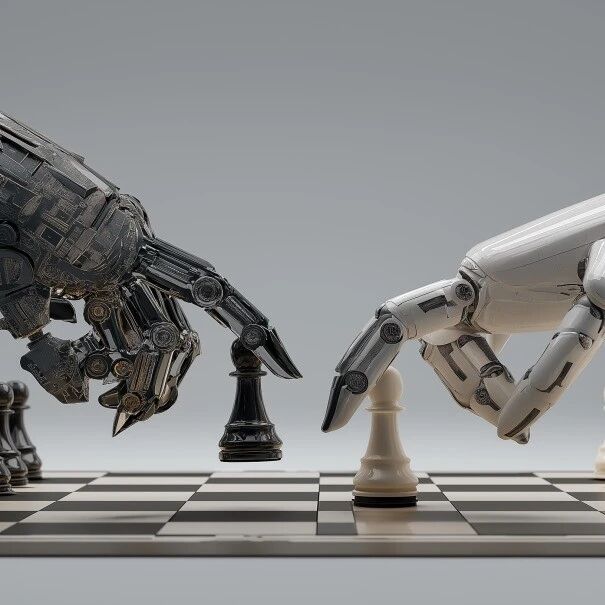
刘诗梦 从火爆蛇年春晚的机器人扭秧歌节目到宇树科技的机器人格斗赛,再到近日特斯拉人形机器人在柏林市 集上售卖爆米花,从试验场到应用场,人形机器人的发展是人类科技史上一次对自身形态与能力的深度 仿生与超越,已突破了"表演"的定义,走向了人类的实际生活。 本报专栏文章仅代表作者个人观点,特此说明。 (文章来源:证券时报) 目前,人形机器人不仅能完成工厂装配、仓库搬运、家庭清洁等不同的任务,还能在服务、陪伴、教育 中与人类进行交互,并建立信任与情感连接。例如星动纪元的人形机器人已实现在物流分拣场景中的协 同工作,能够满足多种复杂场景的需求。 虽然人形机器人产业爆发出巨大的市场潜力,但整体仍处于"小规模单点试验"和商业化早期阶段,距离 达到理想状态还有很长一段时间。其一,脱离人类辅助仍旧是一个核心难题。从技术层面看,大多数人 形机器人还得依赖人类进行远程辅助才能完成任务,多模态感知技术还不成熟,其泛化能力等方面未达 理想预期。其二,获得高质量数据比较困难。高质量数据是人形机器人精确实现场景运用中非常重要的 一点,其大模型需要大量的高质量数据进行训练,从而完成一系列复杂工作。其三,硬件与物理方面的 限制。人形机器人的运 ...