Tether

Search documents
Web3行业研究:俄罗斯加大对加密市场的支持,Tether宣布即将推出 USAT
SINOLINK SECURITIES· 2025-12-28 05:21
Investment Rating - The report suggests a cautious outlook for the cryptocurrency market in Q1 2026, indicating a neutral to bearish sentiment due to expected market conditions and macroeconomic factors [4]. Core Insights - The cryptocurrency market experienced significant options expiration, with a total value of approximately $28.5 billion for BTC and ETH options expiring on December 26, 2025, which is double the value from the previous year [10][11]. - The total market capitalization of cryptocurrencies reached $2.93 trillion, reflecting a week-over-week increase of 1.7%. However, Bitcoin and Ethereum prices saw slight declines of 0.9% and 1.8%, respectively [10][11]. - The cryptocurrency fear and greed index remains at 28, indicating a state of fear in the market, with trading volumes continuing to decline for five consecutive weeks [11][17]. - The report highlights a potential "tax loss harvesting window" as Bitcoin has underperformed compared to the S&P 500, which may incentivize investors to sell losing positions [24]. Summary by Sections Market Review - The cryptocurrency market capitalization is $2.93 trillion, with Bitcoin closing at $87,301 and Ethereum at $2,926. The market is experiencing a significant options expiration event, which historically leads to accelerated market movements [10][11]. - The average holding price for Bitcoin is approximately $56,206, indicating that current prices are below the short-term investors' cost basis [11] - Trading volumes have decreased significantly, with a reported 11.8% drop in global cryptocurrency transaction volumes and a 29.4% decline in Coinbase's spot trading volume [17][18]. Global Policy and Industry News - The People's Bank of China has released new rules for the cross-border payment system, including digital currency research as a focus area [2]. - Russia is increasing support for the cryptocurrency market, allowing retail investors to participate in crypto trading and recognizing the stability of Bitcoin mining on the ruble exchange rate [2][23]. - Japan is planning to promote the digital securitization of local government bonds, while South Korea's BC Card has completed a pilot for cryptocurrency payments [24]. Company News - MSCI has proposed to exclude companies with over 50% of their assets in digital assets from its global investable market index, potentially forcing 39 companies to sell $10 to $15 billion in crypto assets [26][27]. - Tether is set to launch USAT, a stablecoin compliant with U.S. regulations, while Kraken plans to introduce a prediction market by 2026 [26][28]. - Coinbase has announced the acquisition of The Clearing Company, a startup focused on prediction markets, to enhance its trading platform [29]. Investment Recommendations - The report advises caution in the cryptocurrency market for Q1 2026, suggesting a focus on companies transitioning to AI data centers and those with significant power reserves [4][30]. - Companies with potential partnerships with Google in the crypto mining sector, such as Hut 8 and Cipher Mining, are highlighted as potential investment opportunities [30].
Coinbase CEO Says Banks Will Eventually Demand Interest-Paying Stablecoins
Yahoo Finance· 2025-12-27 14:00
Core Viewpoint - Coinbase CEO Brian Armstrong predicts that US banks will eventually lobby for the ability to pay interest on stablecoins, reversing their current stance against it [1][2]. Group 1: Legislative Context - The GENIUS Act, signed in July 2025, prohibits stablecoin issuers from paying interest directly to holders, but allows intermediaries like exchanges to pass yield from Treasury reserves to users [3][4]. - Banking lobbyists are pushing to amend the GENIUS Act to close the loophole that allows non-bank platforms to offer competitive yields of approximately 4% to 5% on liquid cash equivalents [5]. Group 2: Industry Response - Armstrong criticizes the banking lobby's attempts to amend the law as a "red line" for the crypto industry, arguing that it reflects a contradiction in their safety concerns while maintaining a business model that pays depositors below-market rates [6]. - A coalition of 125 crypto companies, including Coinbase, has submitted a letter to the Senate Banking Committee opposing any revisions to the GENIUS Act, asserting that reopening the bill would undermine regulatory certainty [6].

UK Crypto Regulation in 2026: What New FCA and Bank of England Rules Mean for Circle and Tether
Yahoo Finance· 2025-12-27 13:02
Core Insights - The U.K. is set to implement new regulations for stablecoins in 2026, marking the first time these digital assets will be regulated under U.K. law [1][6] - The regulatory framework will consist of a proposed regime by the Bank of England for systemic stablecoins and new legislation categorizing crypto services as regulated financial activities [1] Regulatory Framework - The new regulations are not expected to significantly impact the use of stablecoins for crypto trading and decentralized finance [2] - An amendment to the Financial Services and Markets Act (FSMA) raises the regulatory standards for exchanges, particularly concerning the listing of low-quality tokens, but does not impose specific listing rules [2] Impact on Issuers - Large centralized stablecoins like USDT and USDC are expected to remain prevalent due to their popularity and stability [3] - Issuers aiming to integrate stablecoins into the traditional financial sector in the U.K. will need to enhance their compliance measures [3][4] Adoption and Compliance - The FSMA amendment differentiates between activities conducted within and outside the U.K., allowing Tether to issue USDT to British firms through offshore entities, but requiring registration with the Financial Conduct Authority for domestic operations [4] - The Bank of England's proposed regime is designed for future large-scale adoption of stablecoin payments, anticipating a GBP-denominated stablecoin of systemic importance [5][7] Future Outlook for Circle and Tether - The stablecoin market's growth has been driven by crypto and DeFi, but issuers are increasingly focusing on mainstream payment use cases for future adoption [8]
From Tether to the Trump-Backed USD1: The 7 Fastest-Moving Stablecoins of 2025
Yahoo Finance· 2025-12-25 20:01
Core Insights - The performance of stablecoins is more influenced by transaction velocity than total market capitalization, as highlighted by Ripple Labs' RLUSD and Tether's USDT [1][3][5]. Group 1: Market Capitalization and Performance - Tether leads the stablecoin market with a market capitalization of $186 billion, having increased by 35% since the beginning of the year, and reported a profit of $10 billion in the first three quarters of 2025 [2][3]. - Circle's USDC has a market capitalization of $78.4 billion, up 78% by December 15, 2025, and a velocity of 56 [7][8]. - RLUSD, Ripple's stablecoin, has a market capitalization of $1.3 billion and a high velocity of 71, indicating efficient transaction use [1][5]. Group 2: Regulatory Developments - The signing of the GENIUS Act and Ripple's provisional approval for a national banking charter mark significant regulatory advancements for stablecoins [5][9]. - Circle's operating model aligns with the newly established federal regulations, enhancing investor confidence [7]. Group 3: Transaction Velocity - Tether's transaction velocity is reported at 166, making it a key player in global crypto trading [3]. - USD1, launched in April, achieved a velocity of 39 despite limited data, indicating strong initial performance [10][11]. - PayPal USD (PYUSD) has a velocity of 18, with its market capitalization growing from over $1 billion in June to $3.8 billion by December 15 [13]. Group 4: Unique Features and Strategies - USDe, backed by a delta-neutral strategy, has a market capitalization of $6.5 billion, but its reliance on derivatives can lead to volatility [17][18]. - USDS, rebranded from DAI, has a low velocity of 1, as it primarily serves as collateral in DeFi loans rather than circulating as cash [19][20].
全球疯抢黄金,但一个风险正在逼近……
凤凰网财经· 2025-12-25 13:48
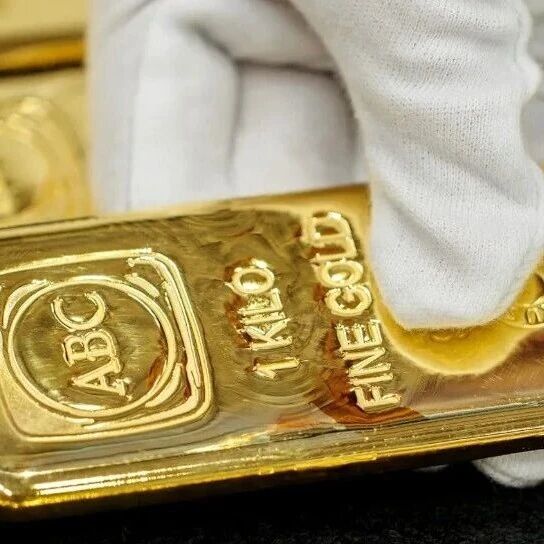
以下文章来源于财经连环话 ,作者就是轱辘慧 财经连环话 . 一图看懂财经万象。 今天一睁眼,慧慧直接被黄金闪瞎了眼! ✨ 再加上俄乌局势僵持,大家发现,这世界风险根本停不下来。避险需求从 " 临时补货 " 变成了 " 长期囤货 " ,金价能不涨吗? 2. 货币宽松:美联储"放水",金价起飞 历史数据告诉我们, 美联储从紧缩变宽松,就是黄金牛市最有力的引擎! 现在美国通胀回落、就业放缓,市场对 2026 年降息预期爆棚。 就在周三亚盘,现货黄金史上 第一次冲破了 4500 美元 / 盎司 的大关!白银更疯,年内涨了 140% ! 看着这金灿灿的 K 线图,慧慧手里的小金豆 突然就不香了(因为买少了呜呜)。 但先别急着梭哈!在这场 " 黄金狂欢 " 背后,有些深层逻辑和 迫在眉睫的风险 ,慧慧必须给你们盘清楚! 01 黄金大涨的三个"硬核原因" 1. 地缘紧张:世界很乱,黄金很"香" 这轮金价飙升,地缘紧张绝对是 " 神助攻 "。 那边泰柬冲突还没停,这边拉美又搞起 " 南方之矛 " 行动,美军战舰都开到委内瑞拉门口了。 美元利差收窄,资金寻找避风港,黄金的货币属性和对冲风险价值就凸显出来了,这可不是单一事件刺激 ...

稳定币这一年:光环褪去后的监管博弈与生存暗战
Xin Lang Cai Jing· 2025-12-25 12:40
Core Insights - The stablecoin sector has undergone a significant transformation from enthusiasm to rationality in 2025, achieving a record annual trading volume of $46 trillion and a total market capitalization of $300 billion, establishing itself as a core bridge between traditional finance and blockchain [3][4][14] - However, the sector faces challenges such as de-pegging incidents and compliance disputes, indicating a shift towards a new phase of regulatory restructuring [3][14] Transition from Marginal to Central - In 2025, stablecoins transitioned from being a peripheral aspect of crypto to a central infrastructure for global capital flow, with a trading volume increase of 106% year-over-year [4][14] - The total market capitalization of stablecoins surpassed $300 billion, with over 1% of USD existing in tokenized stablecoin form on public blockchains [4][14] - The infrastructure improvements, such as advancements in Layer 1 and Layer 2 chains, have significantly reduced transaction costs and settlement times, enhancing cross-border payment efficiency [5][15] Traditional Financial Institutions' Involvement - Major financial institutions are increasingly engaging with stablecoins, marking a maturation of the industry [6][16] - Notable developments include Visa's announcement allowing US banks to conduct settlements using USDC, and other institutions like Bank of New York Mellon and BlackRock expanding their services related to stablecoins [5][16] Market Dynamics and Holdings - Approximately 99% of stablecoins are USD-denominated, with USDT and USDC accounting for 87% of the market share [6][17] - Stablecoins have become significant holders of U.S. Treasury securities, surpassing sovereign nations like Saudi Arabia and South Korea [6][17] Global Regulatory Landscape - A global regulatory framework for stablecoins is rapidly taking shape, with the U.S. implementing the GENIUS Act and the EU establishing the MiCA regulation [7][18] - China has classified stablecoins as a form of virtual currency, deeming related activities illegal due to concerns over compliance and financial stability [8][19] - Hong Kong has introduced stringent regulations for stablecoins, focusing on licensing, reserve management, and redemption guarantees [8][19] Risks and Challenges - The stablecoin market continues to face deep-rooted risks, including high-risk asset exposure and liquidity issues, as highlighted by recent downgrades of USDT's rating [10][20] - The concentration of market share in a few entities, particularly Tether, poses systemic risks that could lead to significant liquidity freezes [10][20] - The industry is expected to evolve towards compliance, scenario-based applications, and regionalization, with predictions of stablecoin market capitalization reaching $500 billion to $600 billion by 2028 [11][21] Conclusion - The year 2025 marks a pivotal moment for stablecoins, characterized by a retreat from speculative fervor and a move towards rational reconstruction [11][21] - Financial innovation must align with regulatory frameworks to ensure stability and contribute positively to the digital transformation of the global financial system [11][21]

稳定币这一年:光环褪去后的监管博弈与生存暗战|2025中国经济年报
Hua Xia Shi Bao· 2025-12-25 08:16
Core Insights - The stablecoin sector has undergone a significant transformation from enthusiasm to rationality in 2025, achieving a record annual trading volume of $46 trillion and a total market capitalization of $300 billion, establishing itself as a crucial bridge between traditional finance and the blockchain world [1][2] Group 1: Market Performance - Stablecoins achieved a trading volume of $46 trillion in the past year, reflecting a 106% increase compared to the previous year, nearly three times the volume of Visa and close to covering the entire ACH network of the U.S. banking system [2] - The total market capitalization of stablecoins surpassed $300 billion, with over 1% of U.S. dollars existing in tokenized stablecoin form on public blockchains [2] - In September, the adjusted trading volume exceeded $1.25 trillion, marking a historical high [2] Group 2: Technological Advancements - The maturity of infrastructure, including high-throughput Layer 1 chains like Solana and Layer 2 chains on Ethereum, has significantly reduced transaction costs to less than one cent and settlement times to under one second, overcoming traditional cross-border payment efficiency bottlenecks [2] - Visa announced that U.S. banks can directly conduct settlement operations using USDC stablecoin, disrupting the long-standing T+3 and T+5 settlement cycles in traditional finance [2] Group 3: Regulatory Developments - A global regulatory framework for stablecoins is rapidly taking shape, with the U.S. implementing the GENIUS Act, which mandates a 1:1 peg to the dollar and requires issuers to disclose reserve compositions monthly [6] - The European Union has established the MiCA regulation, the strictest unified regulatory framework covering 27 countries [6] - China has classified stablecoins as a form of virtual currency, deeming related activities illegal due to concerns over anti-money laundering and customer identification [6][7] Group 4: Market Dynamics - 99% of stablecoins are dollar-denominated, with USDT and USDC accounting for 87% of the market share, positioning stablecoins among the top 20 holders of U.S. Treasury securities [5] - Tether, the largest issuer, holds over $120 billion in U.S. Treasury securities, indicating the financial infrastructure attributes of stablecoins [5] Group 5: Risks and Challenges - Despite regulatory clarity, inherent risks persist in the stablecoin market, including high-risk asset exposure and liquidity issues, as highlighted by S&P's downgrade of USDT [8] - The concentration of market share, with Tether holding nearly 70%, poses systemic risks that could lead to significant liquidity freezes [8] - The International Bank for Settlements has warned that stablecoins perform poorly as widely usable currencies due to a lack of central bank backing and insufficient measures against illegal use [8] Group 6: Future Outlook - The stablecoin industry is expected to evolve towards compliance, scenario-based applications, and regionalization, with Morgan Stanley predicting a total market capitalization of $500 billion to $600 billion by 2028 [9] - The year 2025 marks a transition for stablecoins, emphasizing the need for financial innovation to align with regulatory frameworks and serve the essential demands of the real economy [9]

The top DeFi trends to watch out for in 2026
Yahoo Finance· 2025-12-25 06:00
Core Insights - The article discusses the significant advancements in the DeFi sector in 2025, highlighting the entry of traditional finance into DeFi, the launch of new blockchains by protocols, and the integration of DeFi by fintech firms [1] Group 1: DeFi Trends and Developments - In 2025, banks launched stablecoins, asset managers allocated billions to DeFi lenders, and Wall Street firms invested in tokenized assets [1] - Coinbase initiated fintech integrations with Morpho-powered Bitcoin loans, while Robinhood used Arbitrum for tokenized stock trading for European users [2] - Revolut, a neobank valued at $75 billion, integrated Uniswap for onramping, swaps, and crypto purchases [2] Group 2: Stablecoin Dynamics - Stablecoins were a defining trend in 2025, with dollar-pegged tokens in circulation exceeding $300 billion, despite facing liquidity fragmentation challenges [4] - The dispersion of major stablecoins across various trading venues and blockchains complicates large order executions, increasing transaction costs and reducing market efficiency [5] - Predictions for 2026 suggest that stablecoin issuers will work towards unified liquidity layers to enhance capital efficiency and predictability in transfers and conversions [5][7] Group 3: Innovations in Blockchain - Fintech firms are now launching tailor-made blockchains, with Stripe's upcoming Tempo blockchain being a notable example [3] - Circle's Cross-Chain Transfer Protocol allows USDC transfers across blockchains, while Tether has introduced USDT0, an omnichain stablecoin functioning across multiple blockchains [6]
特朗普的资本重构:一场万亿美元级别的资金流向大转移
华尔街见闻· 2025-12-24 04:01
Core Viewpoint - The article discusses the significant policy shifts under the Trump administration that are reshaping capital flows in various sectors, particularly in banking, housing finance, cryptocurrency, and energy, indicating a major reallocation of investment opportunities and risks. Group 1: Banking Regulation and Liquidity Release - The Federal banking regulators are relaxing key capital rules, specifically lowering the "enhanced supplementary leverage ratio" (eSLR) from 5% to between 3.5% and 4.25%, effective in early 2026, which is expected to release up to $219 billion in capital for major banks like JPMorgan Chase & Co. and Citigroup Inc. [2] - Following the regulatory easing, the largest four U.S. banks nearly doubled their stock buybacks to $21 billion and increased dividend payments by about 10% in the first full quarter after passing the Federal Reserve's annual stress tests [2] - Concerns have been raised about the potential risks of this policy, with warnings that it could make the banking system more vulnerable and increase industry concentration [2] Group 2: Housing Finance Privatization - A controversial proposal aims to end government control over Fannie Mae and Freddie Mac, leading to a significant rise in their stock prices, with Fannie Mae's shares soaring from under $2 to over $15 [3] - Bill Ackman, a prominent hedge fund manager, advocates for the public listing of these companies, while the Treasury holds $360 billion in preferred equity, complicating the privatization discussions [5] - Research indicates that even if the conservatorship is not ended, an IPO could raise borrowing costs, potentially increasing mortgage rates by 0.2 to 0.8 percentage points, which could add $200,000 in interest costs over the life of a $1 million mortgage [5] Group 3: Institutionalization of Cryptocurrency - The Trump administration has shifted its stance on digital assets, signing the GENIUS Act to provide a legal framework for stablecoins, which is expected to mainstream their use [6] - Citigroup projects that the stablecoin market could grow from approximately $310 billion to $4 trillion by 2030, with major banks like JPMorgan actively entering this space [6] - The new law mandates stablecoin issuers to maintain reserves at a 1:1 ratio and allows the use of U.S. Treasury securities as reserve assets, which may increase demand for U.S. government bonds [6] Group 4: Energy Investment Landscape Shift - The Trump administration's "Big Beautiful" plan has led to the cancellation or postponement of clean energy projects worth nearly $29.3 billion by ending tax credits for electric vehicles and renewable energy [8] - Companies like Pine Gate Renewables have announced closures and layoffs, while Fortescue Ltd. has abandoned a $210 million battery factory project, reflecting the drastic capital flow reversal in the energy sector [8] - The federal government is refocusing its efforts on supporting fossil fuels and nuclear energy development, indicating a significant shift in energy investment priorities [8] Group 5: New Channels for Pension Fund Investment - The Trump administration is attempting to tap into the $13 trillion retirement savings market by requiring agencies to reassess guidelines on alternative asset investments in retirement plans [10] - This move is seen as a major benefit for the private equity industry, potentially releasing billions in new funds as traditional pension funds approach their investment limits in private markets [10] - Despite warnings from figures like Senator Elizabeth Warren about the risks to ordinary Americans, private equity firms argue that this will provide broader access to previously exclusive financial products [10]


特朗普的资本重构:一场万亿美元级别的资金流向大转移
美股IPO· 2025-12-24 00:07
Group 1: Policy Changes and Economic Impact - Trump's administration is reshaping the flow of capital in the U.S. economy through aggressive policy changes, including deregulation of banks and a shift in funding from renewable energy to traditional sectors [1][3] - The "Big Beautiful" bill and subsequent regulatory adjustments signal a redirection of funds away from renewable energy projects towards pipelines, cryptocurrencies, and traditional finance [3] - The relaxation of capital rules for banks is expected to release up to $219 billion in capital for major banks, allowing them to invest more in government-backed assets [4] Group 2: Housing Market and Privatization - A controversial proposal aims to end government control over Fannie Mae and Freddie Mac, leading to significant stock price increases for these entities [6] - The privatization discussions are complicated by the Treasury's $360 billion preferred equity stake in these companies, raising concerns about potential increases in borrowing costs for consumers [8] Group 3: Cryptocurrency and Digital Assets - The Trump administration's new stance on digital assets includes the signing of the GENIUS Act, which provides a legal framework for stablecoins, potentially expanding the market from $310 billion to $4 trillion by 2030 [9] - Major banks, including JPMorgan, are actively entering the stablecoin market, while concerns arise about the potential outflow of deposits from small banks to stablecoins [9] Group 4: Energy Sector Changes - The "Big Beautiful" bill has led to the cancellation or postponement of $29.3 billion worth of clean energy projects, as the administration shifts focus towards fossil fuels and nuclear energy [10] - Companies in the clean energy sector are facing significant challenges, including layoffs and project cancellations, as federal support for renewable energy diminishes [10] Group 5: Retirement Savings and Alternative Investments - A new executive order aims to unlock $13 trillion in retirement savings by encouraging investment in alternative assets, which could significantly benefit the private equity sector [11] - This shift may lead to increased access for ordinary investors to financial products previously limited to seasoned investors, despite warnings about potential risks [11]