
吉利汽车

Search documents
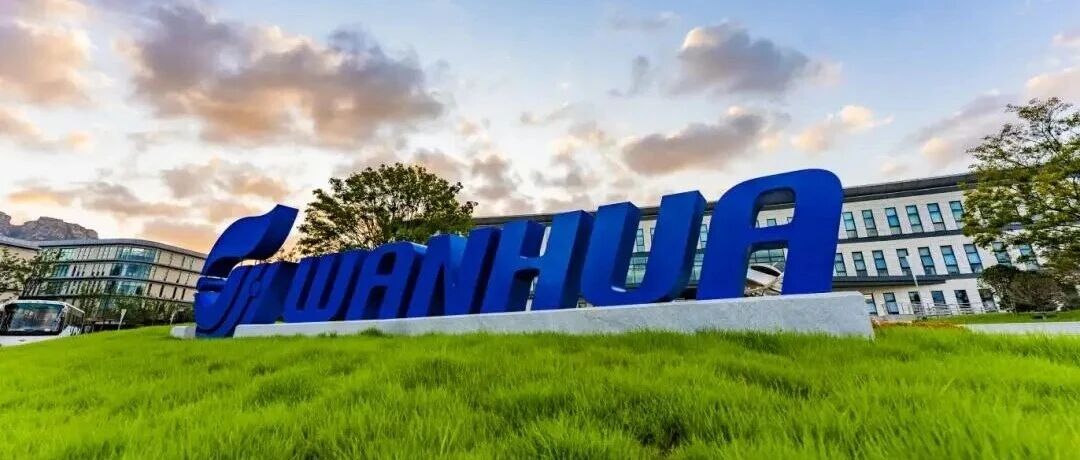
国内首次!万华化学,再突破
DT新材料· 2026-03-05 16:05
Core Viewpoint - Wanhua Chemical has achieved a significant technological breakthrough in high-refractive polycarbonate (PC) materials, marking a milestone in domestic production capabilities and aiming to break foreign monopolies in this sector [3][5]. Group 1: Technological Breakthroughs - The collaboration between Wanhua Chemical, Qingdao University of Science and Technology, and Hikvision has led to the establishment of a national key laboratory for high-performance organic optical polymers, resulting in the development of a complete manufacturing technology for high-refractive PC [3]. - The newly developed high-refractive PC has a refractive index exceeding 1.64, a light transmittance of at least 89%, and a glass transition temperature of at least 145°C, addressing traditional PC's limitations [5]. - This marks the first time in China that a 1500 tons/year industrialization of high-refractive PC technology has been achieved, with initial product indicators reaching international advanced levels [3][5]. Group 2: Market Context and Industry Dynamics - The global high-refractive PC market has been dominated by companies like Mitsubishi and Teijin, prompting Wanhua Chemical to innovate and develop new synthesis processes that do not use phosgene or organic solvents [5]. - The domestic PC industry has seen a compound annual growth rate of 20% over the past five years, with China's PC production capacity now accounting for over 40% of the global total [6]. - Despite the growth, the industry faces structural overcapacity and a significant demand gap for high-end products, with an annual shortfall of over 800,000 tons [7][8]. Group 3: Future Trends and Developments - The industry is shifting towards high-end, differentiated, and green PC materials to meet the evolving demands of downstream industries and sustainability trends [8]. - Recent advancements include the development of high-viscosity PC materials suitable for aerospace applications and the introduction of bio-based PC materials that combine the toughness of PC with the optical properties of PMMA [9][10]. - The ongoing innovation in the PC sector indicates substantial room for growth and improvement, particularly in addressing the imbalance between supply and demand for high-end applications [11].


2026汽车展望:比亚迪、奇瑞争出海「一哥」,车企抢发全车Agent,高端市场抢做「M9」
36氪· 2026-03-05 13:31
Core Viewpoint - The article discusses the evolving landscape of the Chinese automotive industry, particularly focusing on the shift towards overseas markets for growth, the competition in high-end segments, and advancements in technology such as solid-state batteries and intelligent driving systems [5][6][15]. Group 1: Overseas Market Expansion - After establishing a strong domestic presence, Chinese automotive brands are now prioritizing overseas markets as a key growth driver [6]. - BYD plans to sell 1.3 million vehicles overseas by 2026, a 25% increase, while Chery is expected to compete closely in this space [7][17]. - Other brands like Xpeng and GAC are also setting ambitious overseas sales targets, with GAC aiming for 250,000 units, a 92.3% increase [8][17]. Group 2: High-End Market Competition - The domestic market is seeing intense competition in the high-end segment, with a focus on large six-seat hybrid vehicles [9][10]. - Companies are striving to create the next big product, similar to the AITO M9, indicating a shift towards premium offerings [10][39]. - The competition is characterized by a move beyond superficial features to deeper technological advancements and user experience [38][42]. Group 3: Technological Advancements - The integration of intelligent driving and cockpit technologies is becoming a new battleground, with companies like Xpeng and Li Auto merging their teams to enhance capabilities [11][29]. - Solid-state batteries are nearing practical application, with companies like Geely and BYD announcing plans for validation by 2026, although high costs remain a significant barrier [13][45]. - Sodium batteries are gaining attention but face challenges in energy density and cost, limiting their immediate application in the market [56][63]. Group 4: Market Trends and Predictions - The article outlines six major market trends, emphasizing the fierce competition for overseas sales and the importance of technological innovation [15]. - The automotive industry is expected to face a complex landscape in 2026, requiring companies to possess strong technical capabilities and market sensitivity [14][15]. - The competition in the large six-seat hybrid market is intensifying, with multiple brands preparing to launch new models [36][38].


七大磷酸铁锂项目开工/投产!
起点锂电· 2026-03-05 11:48
Core Viewpoint - The lithium battery industry is experiencing a recovery, particularly in the lithium iron phosphate (LFP) sector, driven by breakthroughs in high-voltage solid-state LFP technology and increased production activities across various projects [4][10][12]. Industry Developments - Gansu Jinlin Lithium's 100,000-ton cathode material project has commenced production with an investment of 3.135 billion yuan, aiming for a comprehensive layout in upstream materials for new energy [4]. - Wanhua Chemical has announced three LFP projects with a total investment exceeding 12 billion yuan and a combined capacity of 1.05 million tons, indicating significant expansion in LFP production [5]. - Inner Mongolia Times Fulin's 500,000-ton LFP project has begun foundation work, with a total investment of 6 billion yuan, reflecting strong ties with CATL [6][7]. - Geely's Jiangxi Yiyuan LFP project has officially started production, marking a new phase in Geely's upstream materials strategy, with an initial capacity of 40,000 tons [8]. - Tianli Lithium's subsidiary in Sichuan has resumed production after maintenance, with plans for a total capacity of 80,000 tons in the future [9]. Market Trends - The demand for LFP is expected to surge, with a projected shipment of 2.575 million tons in the first three quarters of 2025, representing a year-on-year increase of 60.8% [10]. - The global energy storage market is anticipated to grow significantly, with a forecasted shipment of 610 GWh in 2025, a 75% increase year-on-year, and lithium batteries will dominate this market [11]. Technological Advancements - The industry is shifting towards high-end LFP technology, with a focus on high-voltage solid-state LFP, which is expected to enhance performance in both energy storage and power batteries [11][12]. - The scarcity and strategic value of phosphate, a key component in LFP production, are becoming increasingly recognized, with potential benefits for phosphate chemical companies [13].

朗信电气 IPO:汽车热管理龙头,多赛道布局打开成长天花板
梧桐树下V· 2026-03-05 11:29
Core Viewpoint - Jiangsu Langxin Electric Co., Ltd. is set to go public on March 10 at the Beijing Stock Exchange, positioning itself as the largest supplier of thermal management system electronic fans for passenger vehicles in China, leveraging its technological advantages in efficiency, lightweight design, and low noise [1] Market Position and Product Overview - Langxin Electric, established in 2009, focuses on the R&D, production, and sales of electric drive components for thermal management systems, with its main products including motor assemblies and electronic fans, which together account for over 90% of its revenue [2] - The company has a leading market share in the domestic passenger vehicle sector, projected to reach 23.16% in 2024, and ranks first among suppliers of thermal management system electronic fans with a market share of 20.97% [5] Product Innovation and Technical Advantages - The company's electronic fans are categorized into brushed and brushless series, tailored to meet the needs of different vehicle types, with brushless fans focusing on the growing electric vehicle market [3] - Innovations in lightweight design have led to a 17% weight reduction in fan housings and an 82g reduction in brushless motor weight through integrated design [7] - Noise reduction efforts have successfully eliminated single-frequency noise during motor operation, enhancing driving comfort [8] Financial Performance - From 2022 to 2024, Langxin Electric's revenue is expected to grow from 668 million yuan to 1.301 billion yuan, with a compound annual growth rate of 39.50% [12] - The revenue from brushless electronic fans and motor assemblies is projected to increase from 234.3 million yuan to 982 million yuan, significantly improving the company's overall revenue structure [15] Growth Potential in Emerging Markets - Langxin Electric is expanding into high-growth sectors such as energy storage, robotics, and low-altitude economy, which are expected to drive future growth [17] - The energy storage market is projected to see significant demand for thermal management components, with new installations expected to exceed 30GW by 2025 [20] - The robotics market is anticipated to grow at a compound annual growth rate of over 56% from 2024 to 2030, presenting new opportunities for Langxin Electric's products [21] IPO and Future Plans - The company plans to raise 350 million yuan through its IPO to enhance production capacity and R&D capabilities, focusing on projects in Wuhu and expanding its product offerings [22][24] - The Wuhu project aims to add significant production capacity for both brushed and brushless electronic fans, addressing current capacity pressures and strengthening local service capabilities [23]
10亿融资、百亿估值,资本押注人形机器人“务实派”
Robot猎场备忘录· 2026-03-05 10:38
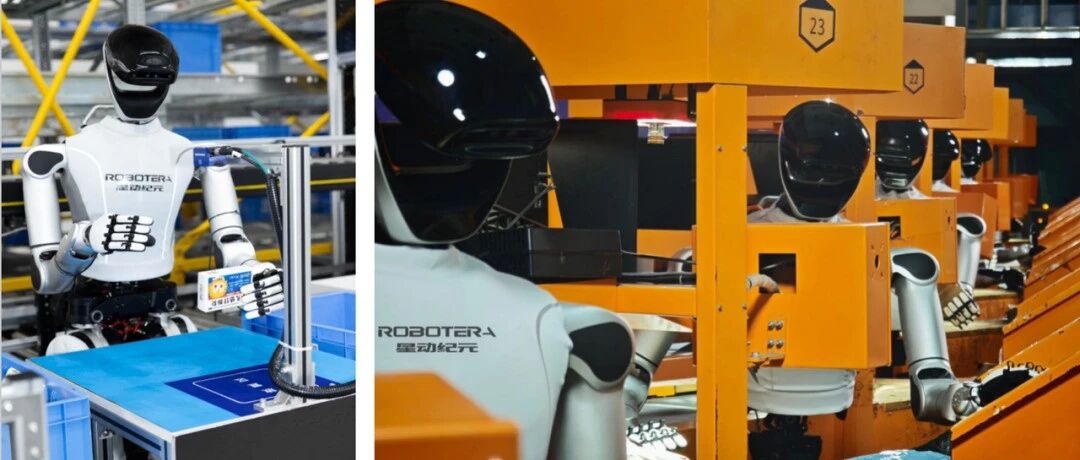
Core Viewpoint - The article highlights the recent completion of a 1 billion yuan financing round by the humanoid robot company "Xingdong Jiyuan," which has achieved a valuation exceeding 10 billion yuan, marking its entry into the "billion club" of embodied intelligence companies [2][4]. Financing and Investment - Xingdong Jiyuan has completed a total of 6 financing rounds, accumulating approximately 3 billion yuan in total funding [4]. - The latest financing round was led by major investors including Samsung, High Growth Capital, and others, with existing shareholders like Dinghui VGC and QH Capital also increasing their investments [2][4]. - The company has attracted 16 domestic and international investors, forming a diverse ecosystem that includes leading firms from various sectors such as technology, automotive, logistics, and telecommunications [4]. Company Background - Xingdong Jiyuan is the only embodied intelligence enterprise backed by Tsinghua University, founded by a team led by Turing Award winner and academician Yao Qizhi [6]. - The core team includes Chen Jianyu, an assistant professor at Tsinghua University with over 10 years of experience in robotics and AI research [6]. Product and Technology Development - The company has achieved over 95% self-research in key components of humanoid robots, including the body, actuators, and joints [8]. - Major products include the full-size humanoid robot "Xingdong STAR1" and the wheeled robot "Xingdong Q5," with plans to ship nearly 1,000 units of the dexterous hand by 2025, with 50% of sales expected to be overseas [8][10]. - The company has introduced advanced algorithms and models, such as the VLA architecture and the end-to-end native robot model ERA-42, which allows for high degrees of freedom in robot operations [16][17]. Commercialization Progress - By 2025, the company anticipates commercial orders exceeding 500 million yuan, with collaborations established with major firms like Geely, Renault, and SF Express [15]. - The company has implemented its solutions in logistics and retail, achieving operational efficiencies of up to 70% in certain scenarios [21]. Market Position and Future Outlook - Xingdong Jiyuan is positioned as a leader in the domestic humanoid robot sector, with significant backing from both domestic and international investors [22]. - The article notes the competitive landscape, with several companies in the embodied intelligence field achieving substantial valuations and seeking IPOs, indicating a rapidly evolving market [22].
BYD sales plunge in first two months of 2026 as EV giant loses more ground to competitors
CNBC· 2026-03-05 09:40
Core Insights - BYD has experienced a significant decline in sales, losing market share to domestic competitors in the first two months of 2026 due to a slowdown in overall demand in China's electric vehicle market [1][2][5] Sales Performance - BYD's combined sales volume for January and February 2026 decreased by approximately 36% compared to the same period in 2025, adjusted for seasonal factors [2] - In contrast, other EV manufacturers in China, such as Leapmotor and Xiaomi, reported substantial year-on-year sales increases of 19% and 48%, respectively [3] - Nio and Geely's Zeekr saw impressive sales growth of 77% and 84% year-on-year, while Xpeng faced a 42% decline in sales [4] Market Dynamics - The narrowing lead of BYD in the domestic market indicates a more competitive landscape, with rivals enhancing their offerings to attract consumers [5][6] - Competitors are focusing on providing high value at competitive prices, a strategy referred to as involution [6] - The introduction of a 5% purchase tax on new energy vehicles may have created a "demand vacuum" for BYD as consumers rushed to buy before the tax took effect [7] Competitive Strategies - BYD is responding to increased competition by expanding its focus on international markets, with exports surpassing domestic sales for the first time in February 2026 [9] - The company plans to launch new products, including advancements in battery technology, to stimulate demand [10] Regulatory Environment - The Chinese EV market is facing challenges due to a slowdown in demand, partly attributed to the reintroduction of the purchase tax on new energy vehicles [11][12] - Analysts suggest that the reduction in financial incentives may suppress new EV purchases, as costs are likely to be passed on to consumers [13] - Some automakers are implementing creative financing schemes to encourage consumer demand amidst the slowing market [14][15]

【热点评述】简析吉利发布“一个吉利,全面领先”2030战略
乘联分会· 2026-03-05 08:36
Core Viewpoint - Geely Holding Group has officially launched its "One Geely, Comprehensive Leadership" 2030 strategic goal, aiming to achieve global sales exceeding 6.5 million units and revenue surpassing 1 trillion yuan, positioning itself among the top five global automakers by 2030 [3][10]. Strategic Framework - The "One Geely" strategy focuses on enhancing top-level coordination and breaking down operational barriers among its various brands, promoting global collaboration in technology, market expansion, and supply chain sharing to effectively respond to intense competition in the global automotive industry [5][9]. - The "Six-in-One" core capability system is essential for achieving "Comprehensive Leadership," integrating technology, brand, and ecosystem to form a systematic competitive advantage [7]. Technological Support - The implementation of the strategy will heavily rely on the "Seven Vertical" technology system, which includes smart driving, smart cockpit, electronic architecture, vehicle architecture, batteries, electric drive, and super hybrid technology, to enhance safety and competitiveness in the era of electrification and intelligence [8]. Global Market Strategy - Geely's 2030 strategy includes a differentiated global expansion approach, particularly targeting Southeast Asia and Europe, transitioning from product output to full value chain output [9]. Sales Performance and Goals - In 2025, Geely's sales reached a record high of 4 million units, ranking seventh globally, with new energy vehicles becoming a core growth driver, achieving sales of 2.293 million units and a penetration rate of 56% [10]. - For 2026, Geely has set a sales target of 3.45 million units, reflecting a growth of approximately 14% compared to the previous year, with a focus on launching multiple key new models [11]. Challenges Ahead - Despite a strong start in January 2026, where Geely ranked first among domestic manufacturers, the overall industry outlook remains challenging, with most domestic brands experiencing double-digit declines, highlighting the need for effective marketing strategies amid changing policy environments [12][13].

吉利汽车(00175.HK)3月5日耗资136.4万港元回购9万股
Ge Long Hui· 2026-03-05 08:33
Group 1 - The core point of the article is that Geely Automobile announced a share buyback plan, spending HKD 1.364 million to repurchase 90,000 shares at a price range of HKD 15.13 to HKD 15.22 per share [1]
吉利汽车3月5日斥资136.4万港元回购9万股
Zhi Tong Cai Jing· 2026-03-05 08:33
Group 1 - The company Geely Automobile (00175) announced a share buyback plan, intending to repurchase 90,000 shares at a total cost of HKD 1.364 million [1] - The buyback price per share is set between HKD 15.13 and HKD 15.22 [1]
吉利汽车(00175)3月5日斥资136.4万港元回购9万股
智通财经网· 2026-03-05 08:31
Core Viewpoint - Geely Automobile announced a share buyback plan, indicating confidence in its stock value and future prospects [1] Group 1: Buyback Details - The company will repurchase 90,000 shares at a total cost of HKD 1.364 million [1] - The buyback price ranges from HKD 15.13 to HKD 15.22 per share [1]